📖 About this Collection
Gisele Bündchen: The Earth's Most Celebrated Supermodel — Captured in Print
The Legend & The Legacy
When a teenage girl from the small southern Brazilian town of Horizontina stepped onto the world stage in the late 1990s, the fashion industry did not simply gain a new face — it gained a new era. Arriving at a moment when the industry was pivoting away from the heroin-chic aesthetic that had defined mid-decade runways, she embodied something the culture was desperately hungry for: radiance, vitality, and an almost mythological physical confidence. Before the age of Instagram and digital lookbooks, the story of her meteoric rise was told entirely through the pages of glossy print — through the weight of a thick September issue landing on a coffee table, through a cover glimpsed on a newsstand, through the reverent long-form profiles that fashion editors devoted to her as she became, by the early 2000s, the highest-paid model on earth. For a generation of readers, she was not a social media presence or a content creator; she was a goddess rendered in ink and coated paper stock, encountered month after month in the world's most prestigious publications.
Inside the Archive
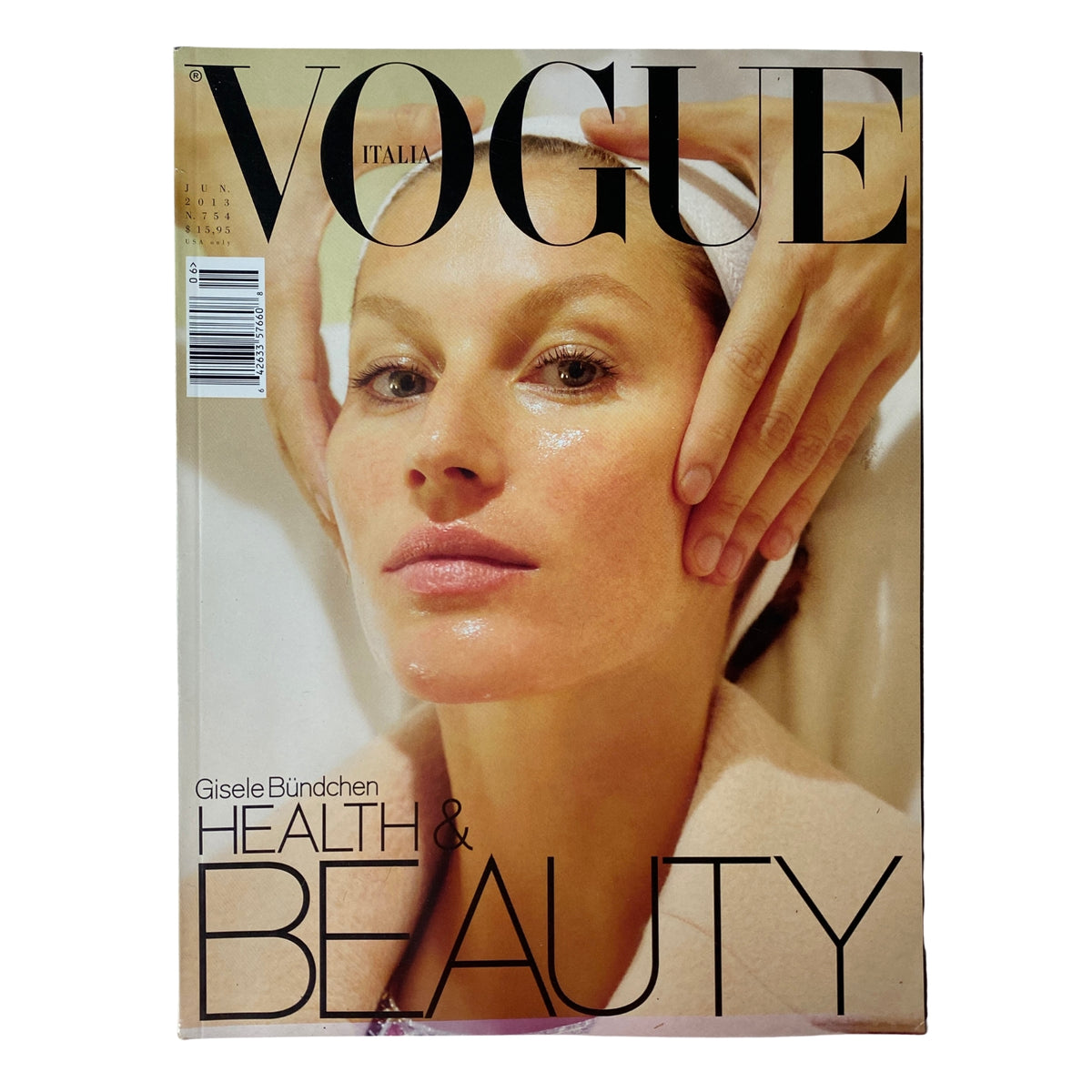
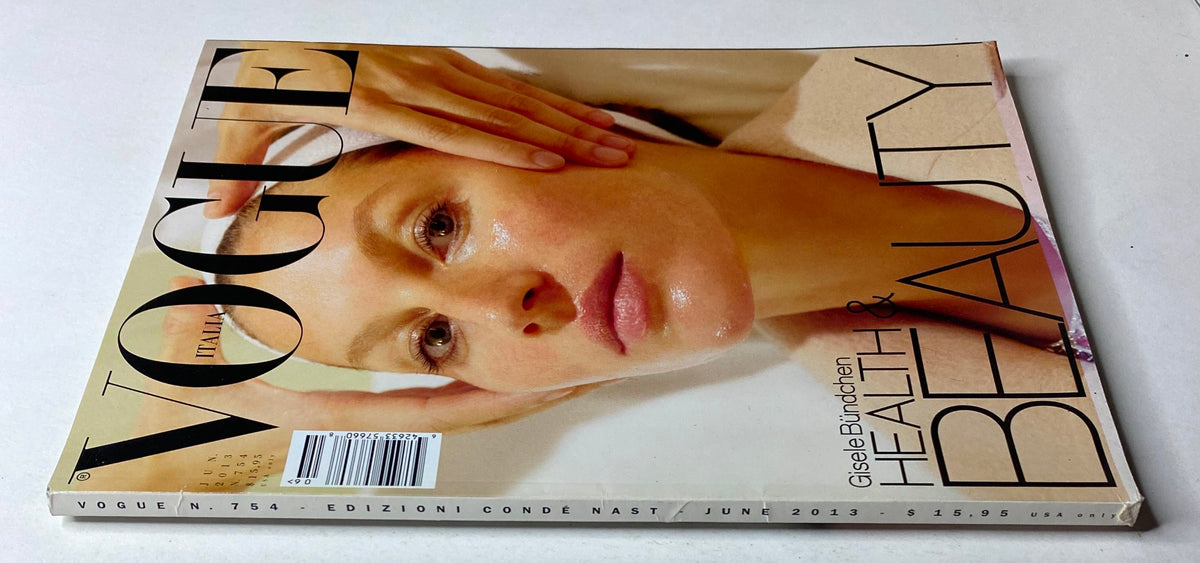
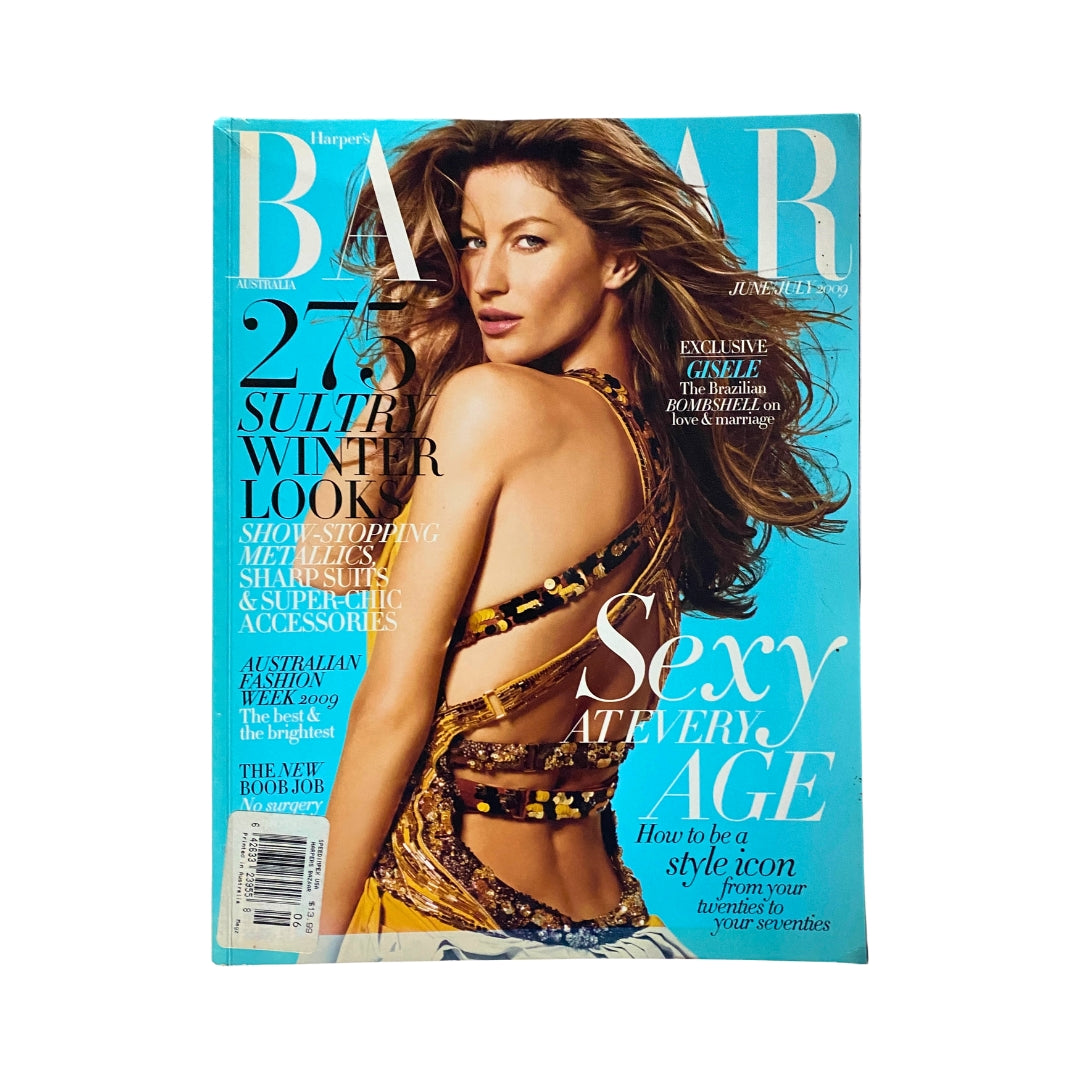
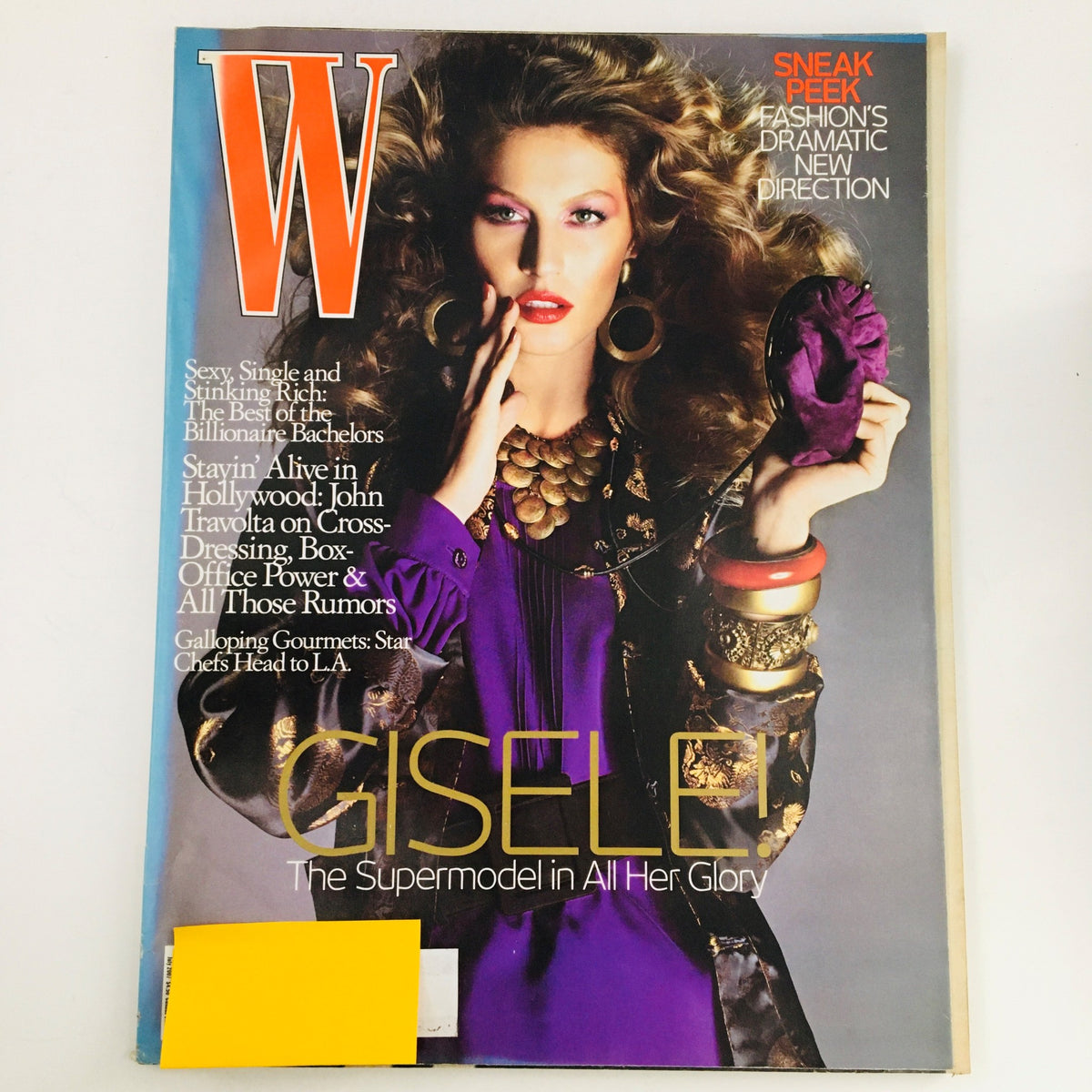
The editorial coverage of the Brazilian phenomenon during her peak years was extraordinary in both its breadth and its visual ambition. Photographers such as Mario Testino, Irving Penn, and Steven Meisel competed to immortalize her in images of almost architectural beauty — sun-drenched and sensuous in one frame, severe and sculptural in the next. Vogue — across its American, Italian, Brazilian, and French editions — was perhaps her most devoted chronicler, running her image on covers and in sprawling fashion spreads that have since become touchstones of early-2000s aesthetic culture. Harper's Bazaar offered a more editorial, artful lens, positioning her as both muse and cultural statement. Meanwhile, Rolling Stone, stepping outside the fashion world's usual territory, treated her as a full-blown celebrity in the rock-and-roll tradition, running intimate, less guarded portrayals that revealed the personality behind the mythology. Brazilian publications such as Veja and Caras tracked her homecoming moments and national significance with an adoration bordering on patriotic pride, offering a window into how her own country experienced her stardom.
Curator's Checklist: Highlights Often Include
- Early breakthrough coverage (late 1990s): Issues from the period when she was first heralded as the model who would "save" the industry, including early runway retrospectives and the debut Vogue covers that announced her arrival to a global readership.
- The "Body" era features: Long-form profiles and swimwear editorials — particularly Sports Illustrated Swimsuit Issue appearances — that cemented her status as a cultural icon beyond the runway and into the broader popular imagination.
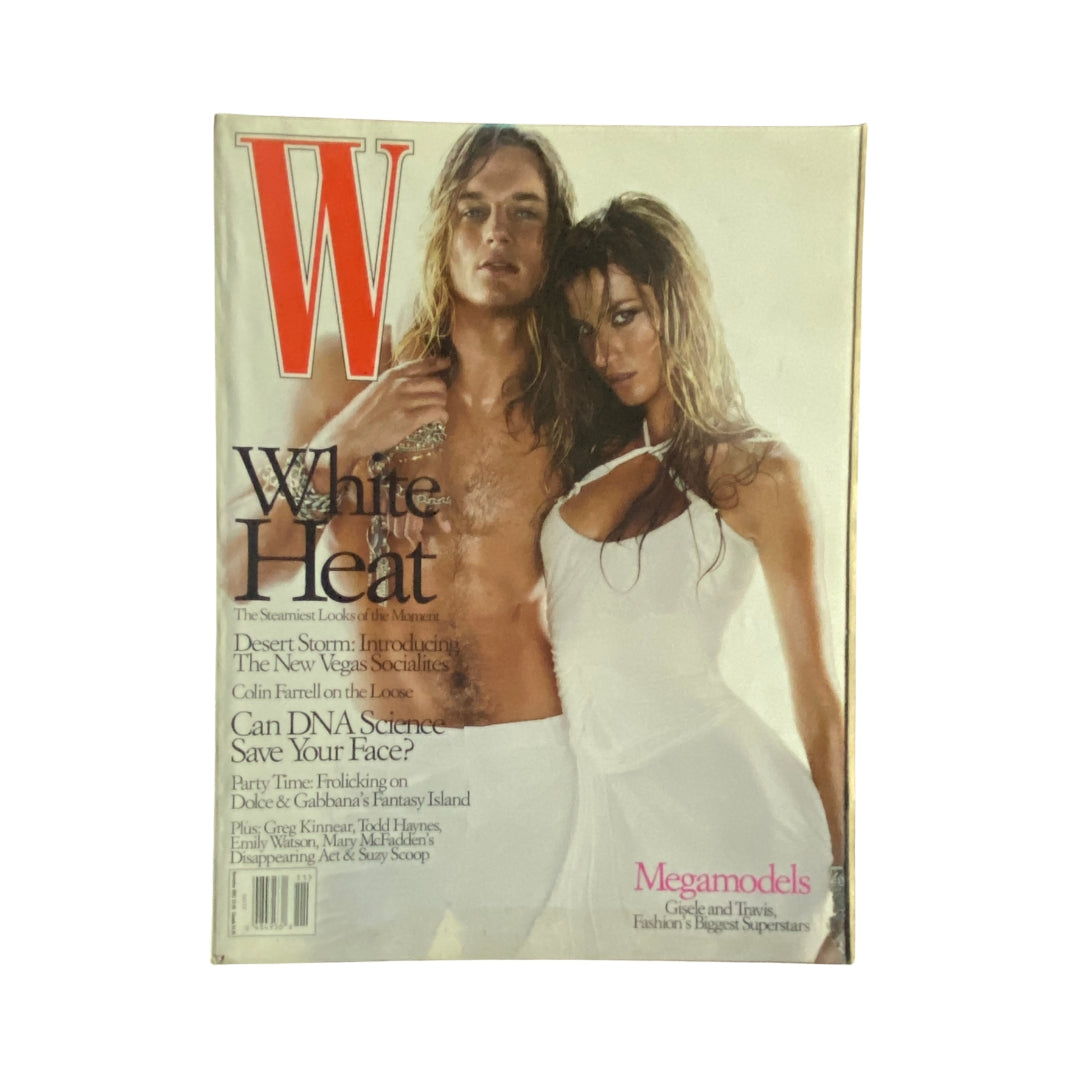
- Victoria's Secret Angel coverage: Magazine features and fashion special editions documenting her reign as the face of the lingerie brand's annual spectacle, a role that made her a household name far outside traditional fashion readership.
- Celebrity lifestyle and relationship coverage: Issues from entertainment and lifestyle publications capturing her transition into a global celebrity figure, her high-profile relationship with Leonardo DiCaprio, and later her marriage to NFL star Tom Brady — a pairing that generated transatlantic media attention across sports, fashion, and general interest titles alike.
- Brazilian national icon features: South American and international press coverage celebrating her philanthropic work, environmental advocacy, and status as one of the most recognizable Brazilians in the world — a dimension of her story largely invisible to readers who consumed only English-language media.
The Collector's Value
To hold one of these issues today is to hold a primary document of a cultural moment that the internet, for all its abundance, cannot replicate. Run your fingers across the heavy gloss of a Vogue cover from 2000 and feel the deliberate weight of it — the paper chosen not for economy but for impression. Catch, if you can, the faint mineral scent of the ink, the slight crackle of a spine that has waited two decades to be opened again. Around the fashion editorials you will find the full texture of the era: advertisements for perfumes that no longer exist, headlines that speak to a pre-digital world, the particular graphic confidence of an age when a printed page was still the most powerful real estate in culture. For collectors of supermodel and haute couture history, early 2000s popular culture ephemera, or Brazilian cultural heritage and international celebrity, these publications offer something no reprint or digital archive can: the authentic, time-stamped artifact of a legend in the making, encountered exactly as her contemporaries encountered her. Explore our current rotating inventory below and discover which pieces of this remarkable story are available today.