📖 About this Collection
Gwyneth Paltrow: The Golden Girl Who Rewrote American Glamour
The Legend & The Legacy
In the mid-1990s and early 2000s, Gwyneth Paltrow did not simply appear on magazine covers — she defined them. At a moment when Hollywood was searching for a new archetype of femininity, the Boston-born actress arrived as something rare: classically beautiful yet intellectually poised, effortlessly patrician yet fiercely ambitious. Her Academy Award win for Shakespeare in Love in 1999 crystallized what the public had already sensed — here was a star of uncommon gravity, the kind the golden age of Hollywood had once manufactured but could no longer reliably produce. In an era before social media dissolved the mystique of celebrity, readers encountered her exclusively through the printed page: through meticulously lit editorial spreads, through profiles written by the great magazine journalists of the day, through the deliberate curation of an image that felt both aspirational and intimate. She was the daughter of a director and a beloved actress, a friend of Madonna, a muse to designers, and, for a generation of readers, the embodiment of a very specific, sun-drenched ideal of American womanhood.
Inside the Archive
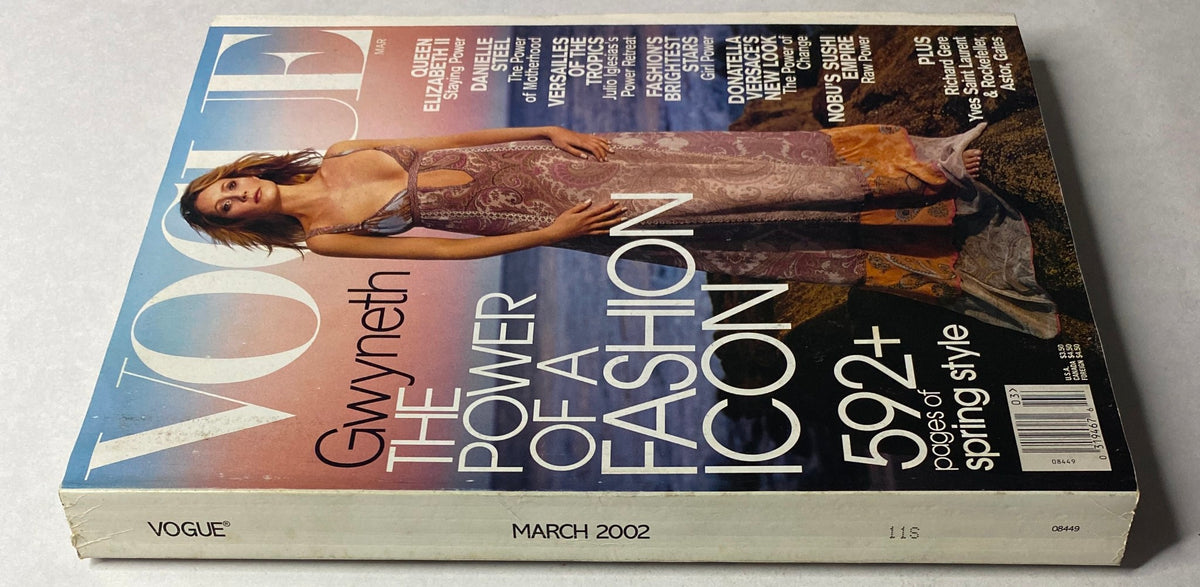
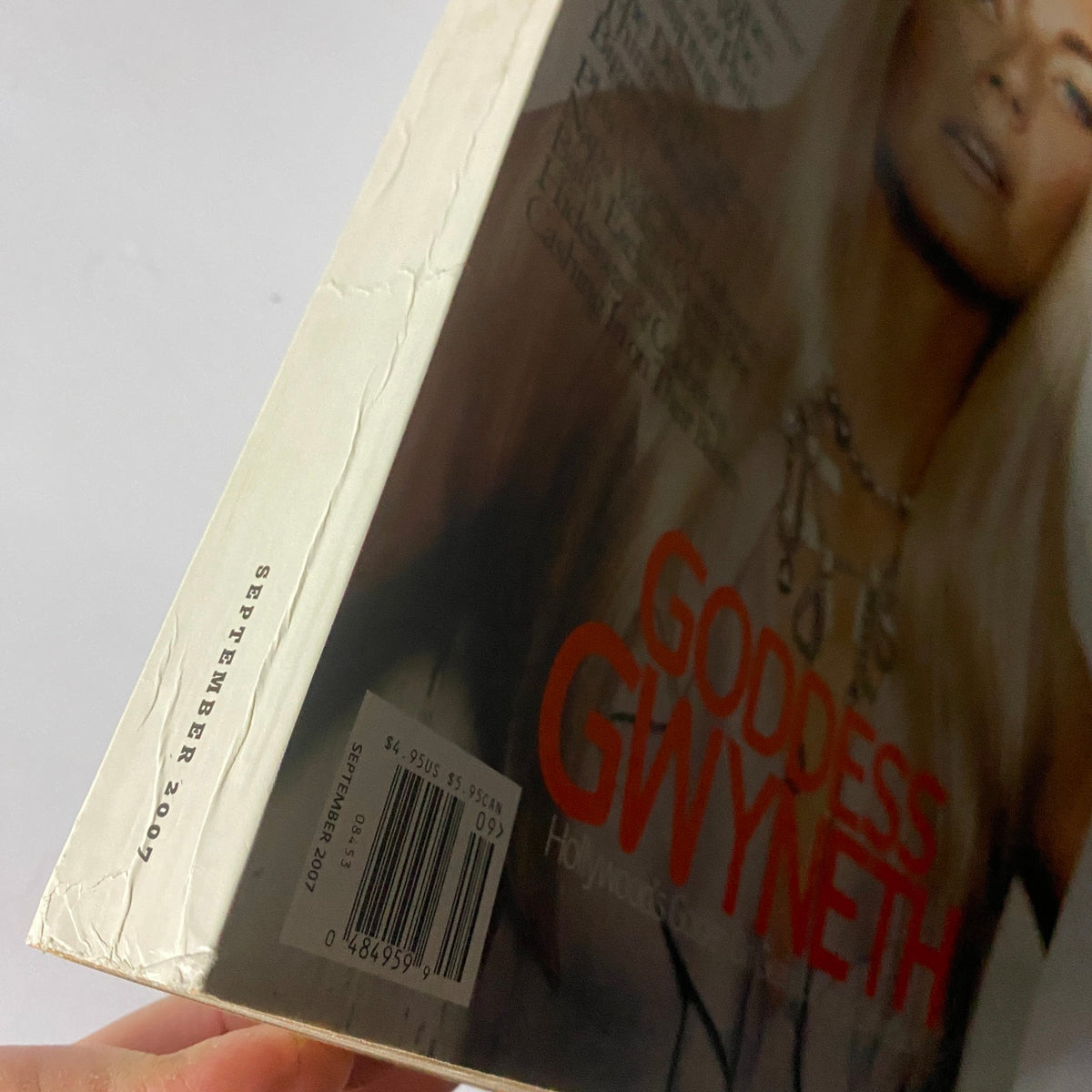
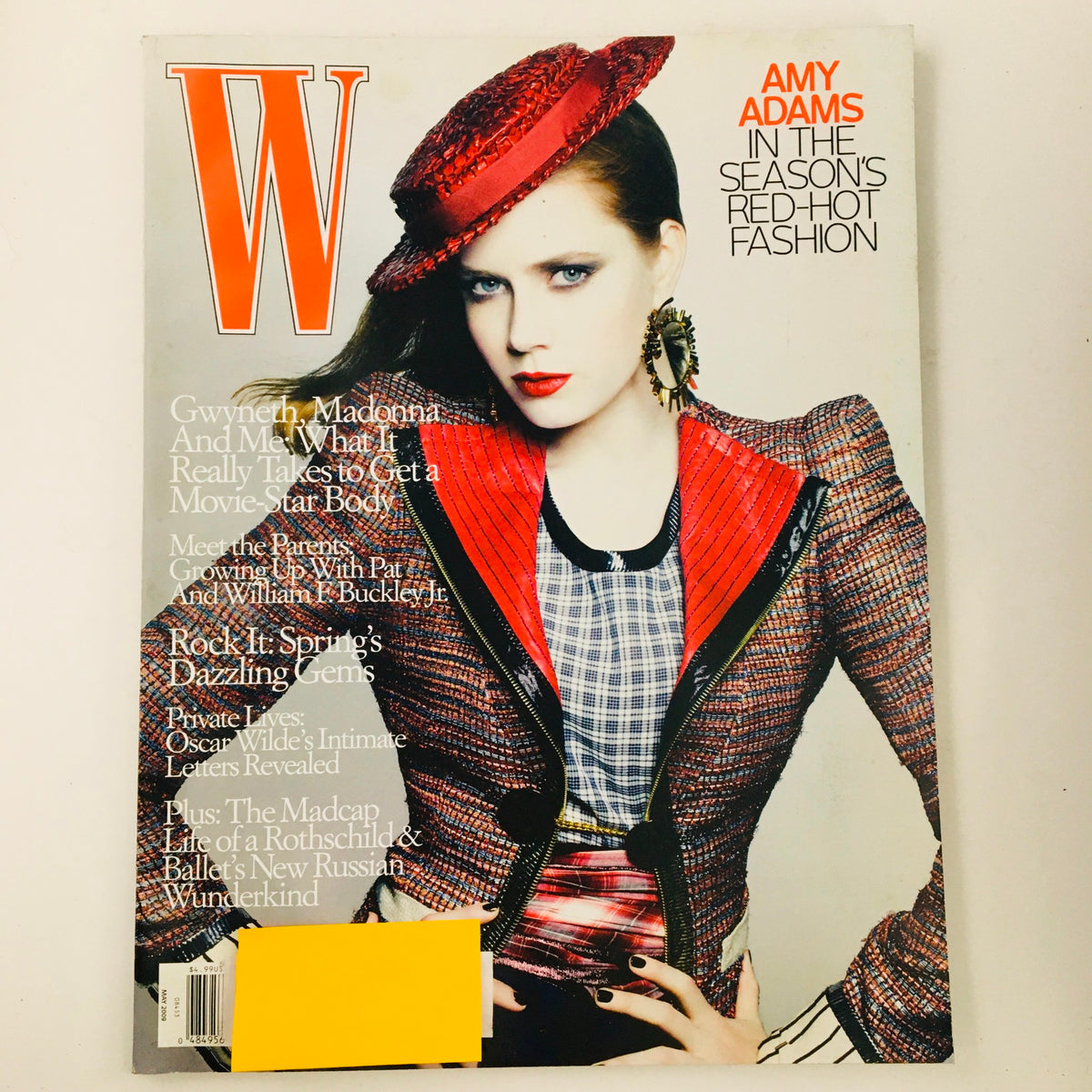
The magazine coverage of this era's reigning blonde was as varied as it was relentless. Vogue — both its American edition under Anna Wintour and its British counterpart — turned to her repeatedly throughout the late 1990s and 2000s, staging her in the kind of cool, architectural fashion photography that mirrored her own composed public persona: long limbs, minimal jewelry, a gaze that suggested intelligence held lightly. Vanity Fair approached her with the literary seriousness it reserved for its most culturally significant subjects, publishing lengthy, nuanced profiles that traced the arc of her career alongside the contours of her personal life — her relationships, her grief, her reinvention. Meanwhile, Harper's Bazaar deployed her as a canvas for high fashion romanticism, favoring softer light and couture gowns that underscored the almost anachronistic elegance she carried into every frame. The editorial tone across publications was consistently reverential, even when tinged with the peculiar cultural ambivalence that has always shadowed extraordinarily privileged beauty — a tension that makes these issues all the more fascinating as historical documents of the era's complicated relationship with fame.
Curator's Checklist: Highlights Often Include
- Award season coverage surrounding her Shakespeare in Love campaign and Oscar win, when the entertainment press — from Entertainment Weekly to the glossy weeklies — devoted entire issues to her ascent and that now-iconic blush pink Ralph Lauren gown
- Fashion editorial spreads from major style publications of the late 1990s through mid-2000s, showcasing her collaborations with designers such as Stella McCartney and her status as a perennial front-row fixture during New York, London, and Paris fashion weeks
- Profile-driven covers from prestige titles exploring her personal life — her friendship with Brad Pitt, her marriage to Chris Martin, and the high-profile losses and reinventions that gave her public narrative its emotional depth
- Lifestyle and wellness-adjacent features from the early 2000s onward, as she began to emerge not merely as actress but as a tastemaker in food, travel, and conscious living — anticipating the cultural shift she would later formalize with Goop
- International editions from European titles, where she was frequently positioned as the quintessential American abroad — a transatlantic figure whose London life gave Continental publications a compelling angle distinct from their American counterparts
The Collector's Value
To hold one of these issues is to hold something the internet can never replicate. The paper stock of a late-1990s glossy has a particular weight and warmth to it — coated, substantial, faintly cool to the touch — and the ink of those editorial pages carries a richness that digital reproduction flattens into nothing. Surrounding the spreads are the advertisements of another era: fragrances that no longer exist, fashion houses mid-transformation, cultural artifacts of a pre-smartphone world that serve as an involuntary time capsule of remarkable precision. These are primary sources — unfiltered records of how a culture saw itself and its icons in a specific, irretrievable moment. For collectors of 1990s Hollywood memorabilia, prestige fashion history, or the broader cultural landscape of fin-de-siècle American celebrity, these publications offer not merely decoration but genuine archival weight — the kind of object that rewards slow, attentive reading in a way that no screen ever will. Browse the current available inventory below and discover which pieces of this luminous chapter in magazine history are waiting to find their next devoted custodian.