📖 About this Collection
Halle Berry: A Vision Forged in Light and Glass
The Legend & The Legacy
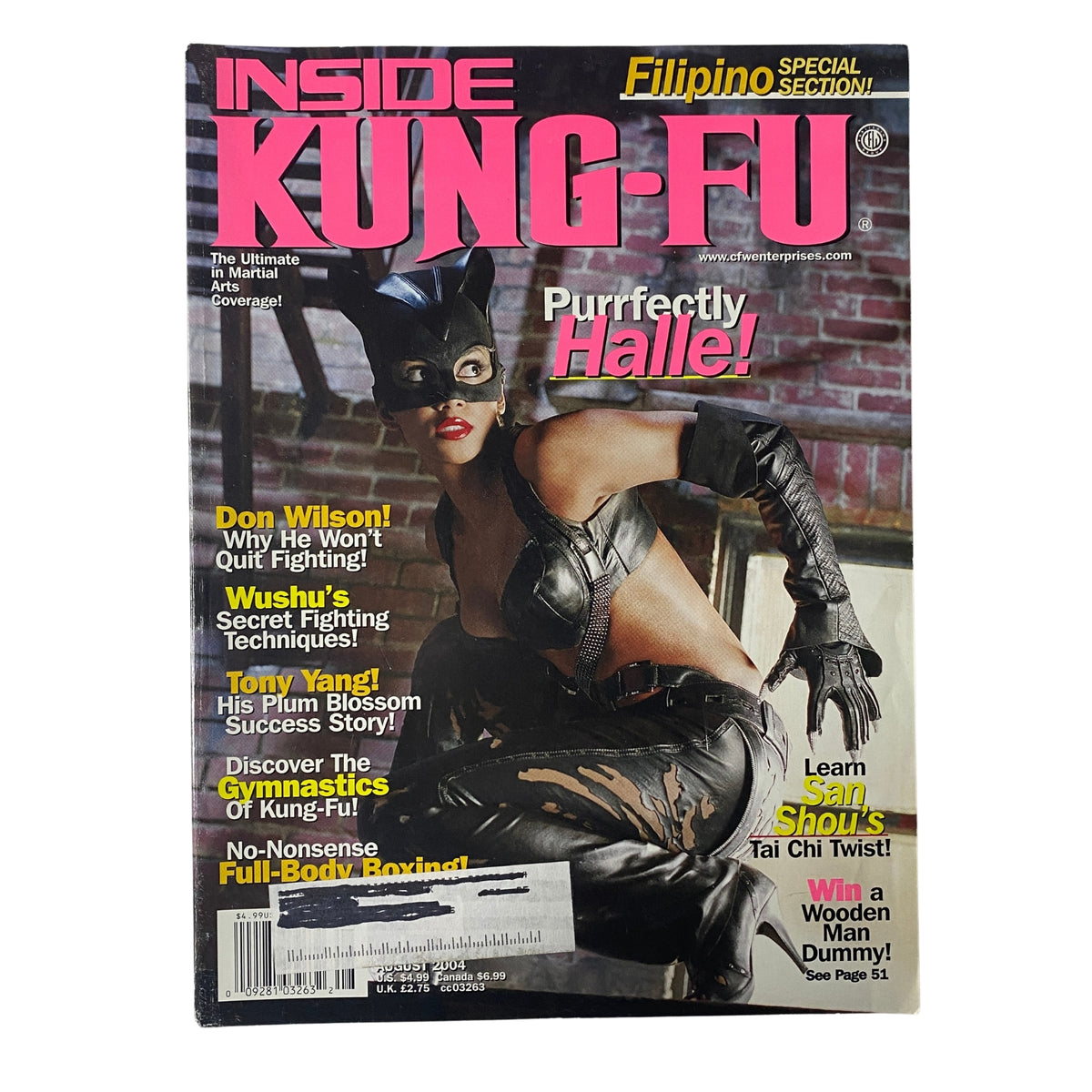
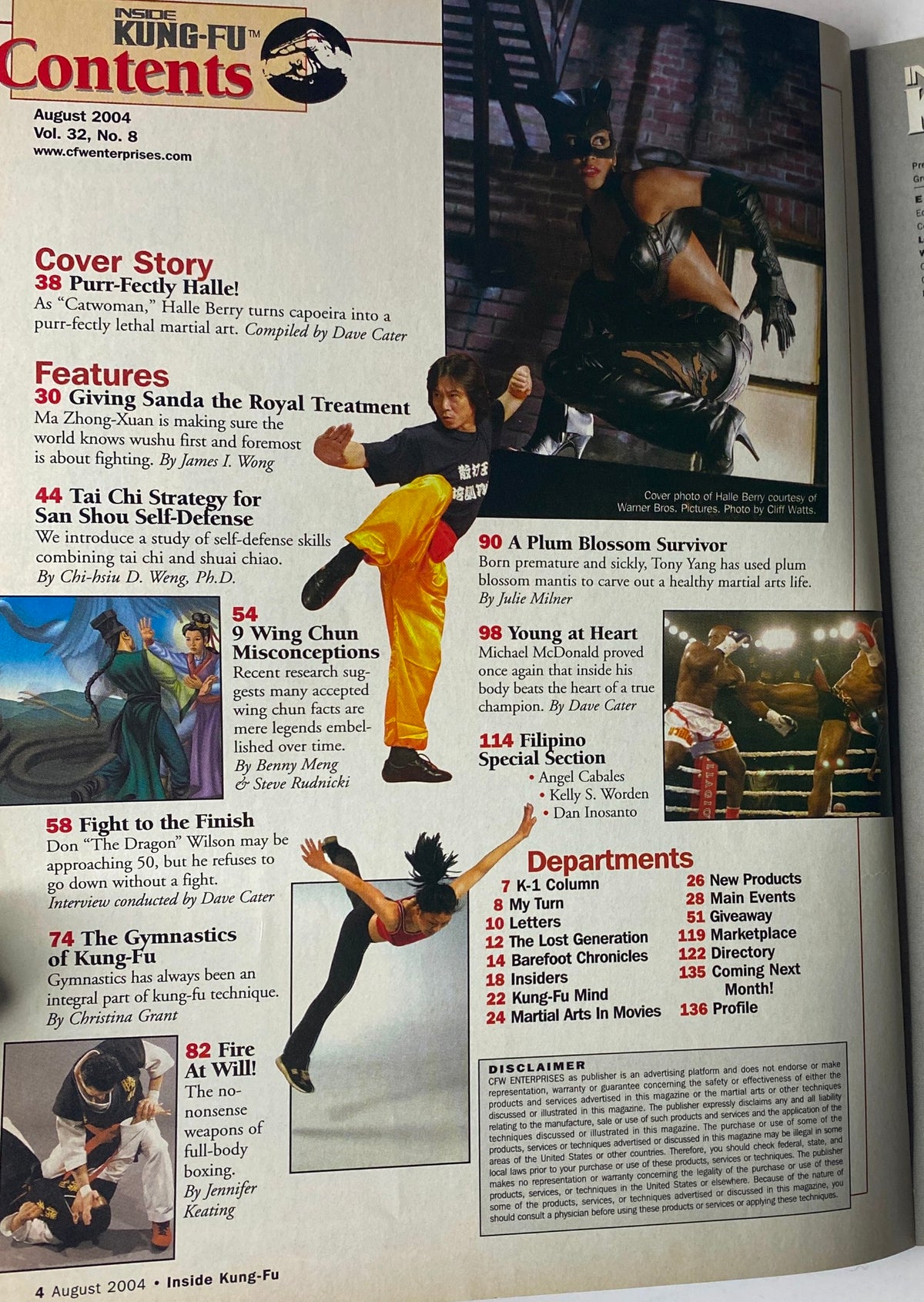
Long before the scroll and the stream flattened celebrity into a continuous, disposable feed, Halle Berry arrived on the cultural landscape as something rarer — a force that print media struggled, beautifully, to contain. From her early 1990s emergence as a model and actress to her seismic 2002 Oscar victory, the first Black woman ever to claim Hollywood's highest acting honor, she occupied a singular space in the American imagination. Readers encountered her not through algorithms or trending clips, but through the deliberate ritual of turning pages — discovering her on newsstands, in waiting rooms, in the glossy stacks of coffee tables across the country. The magazines of her era did not merely document her career; they participated in the cultural conversation she was igniting, one cover at a time, about beauty, race, representation, and what it meant to be a woman redefining the terms of stardom on her own.
Inside the Archive
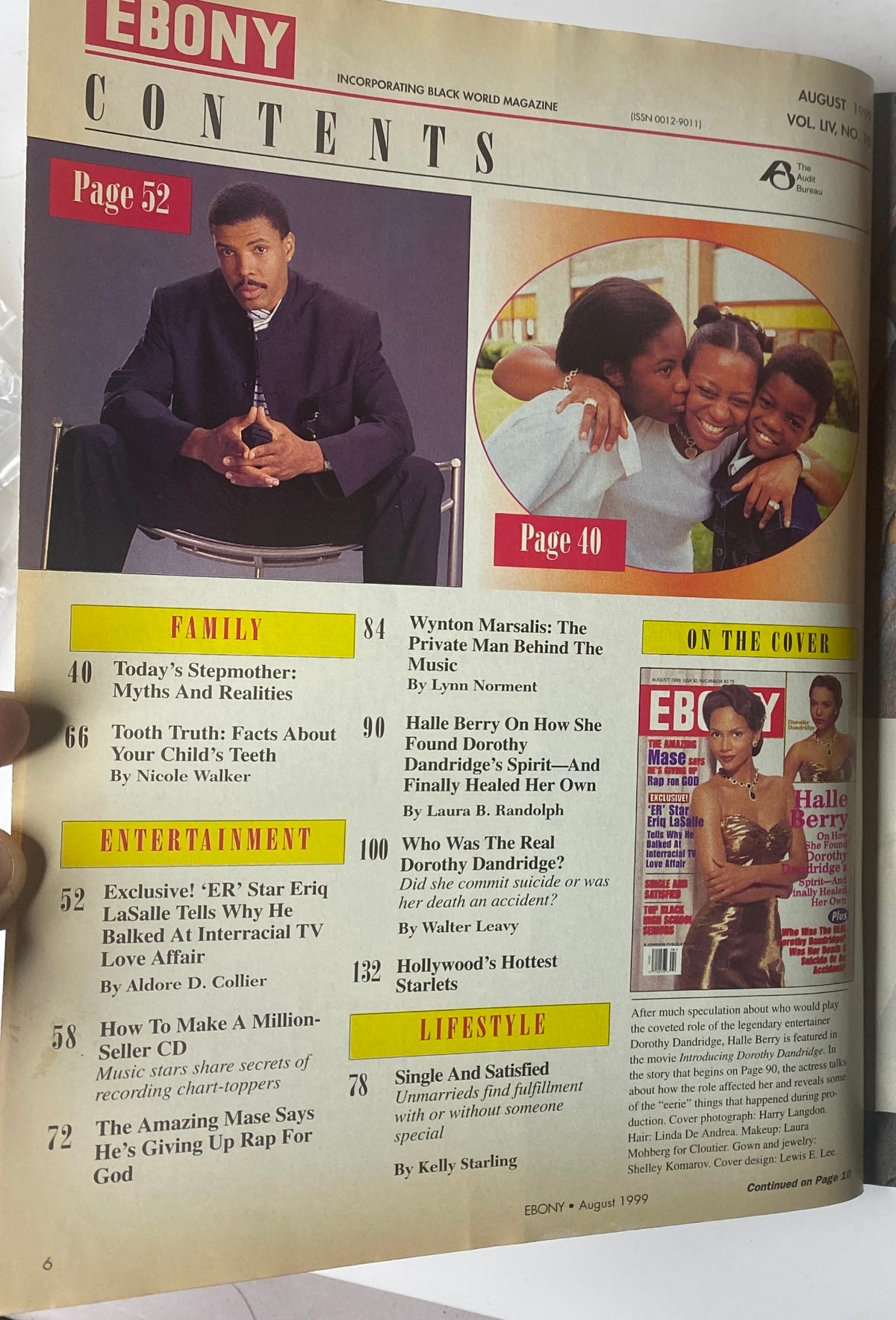
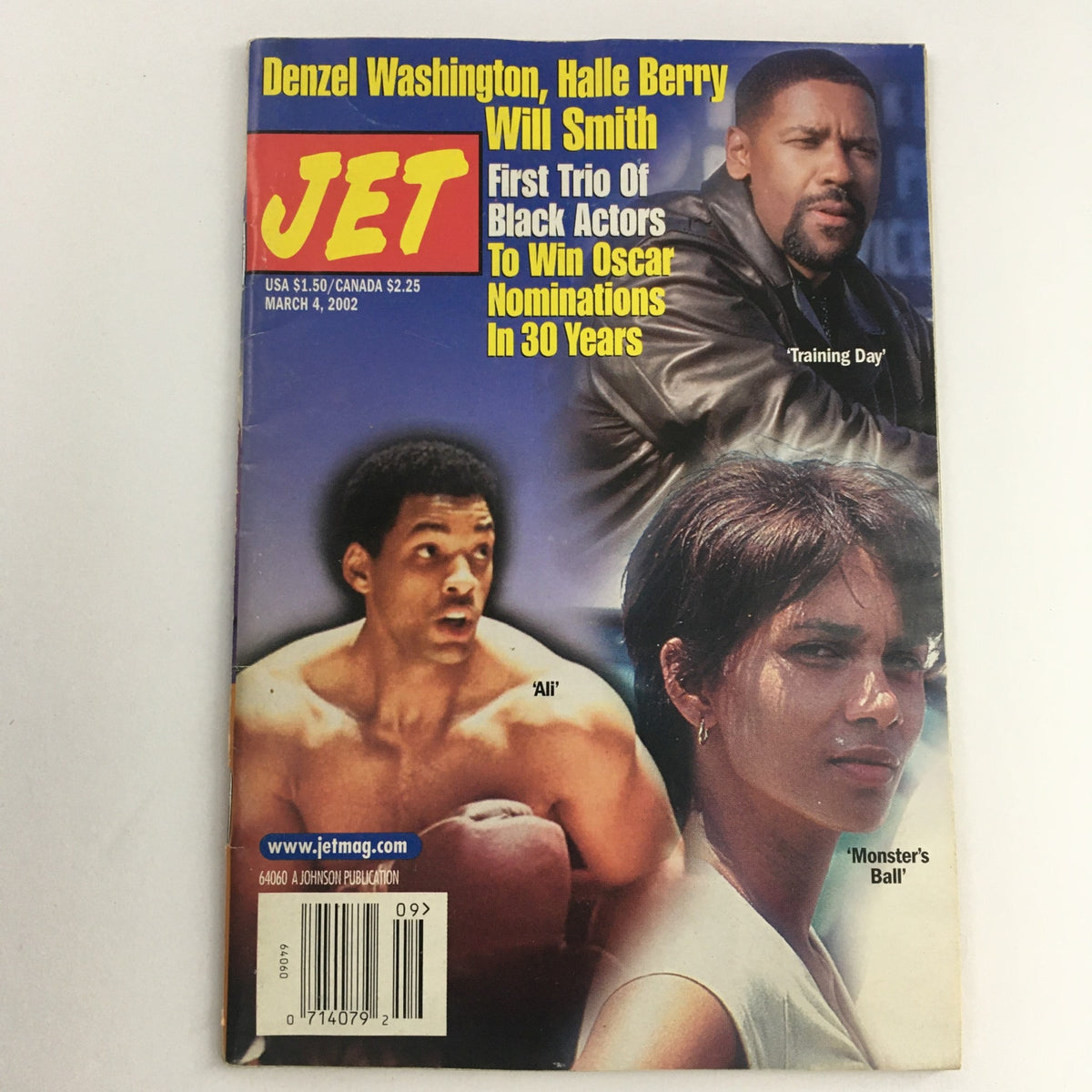
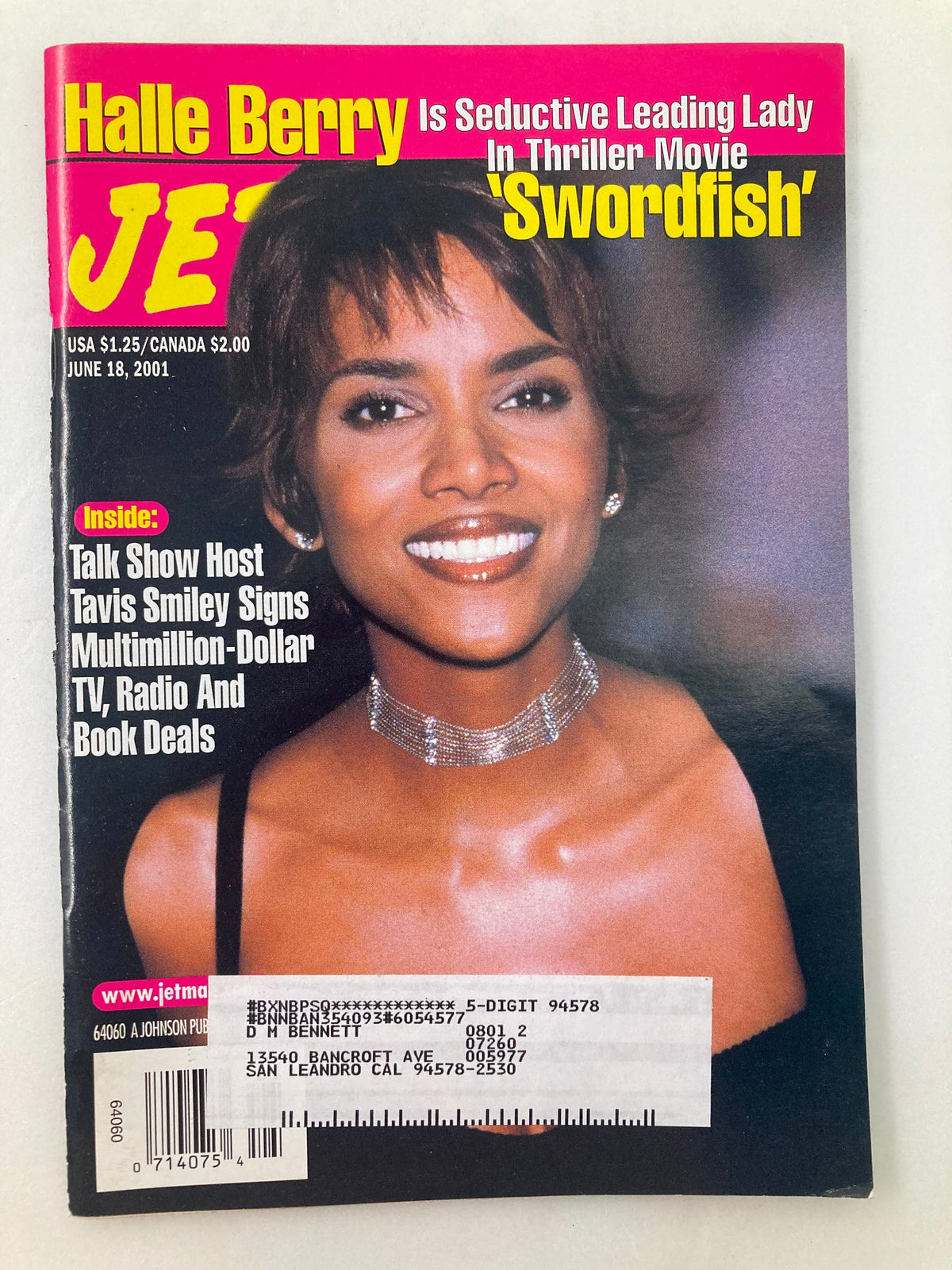
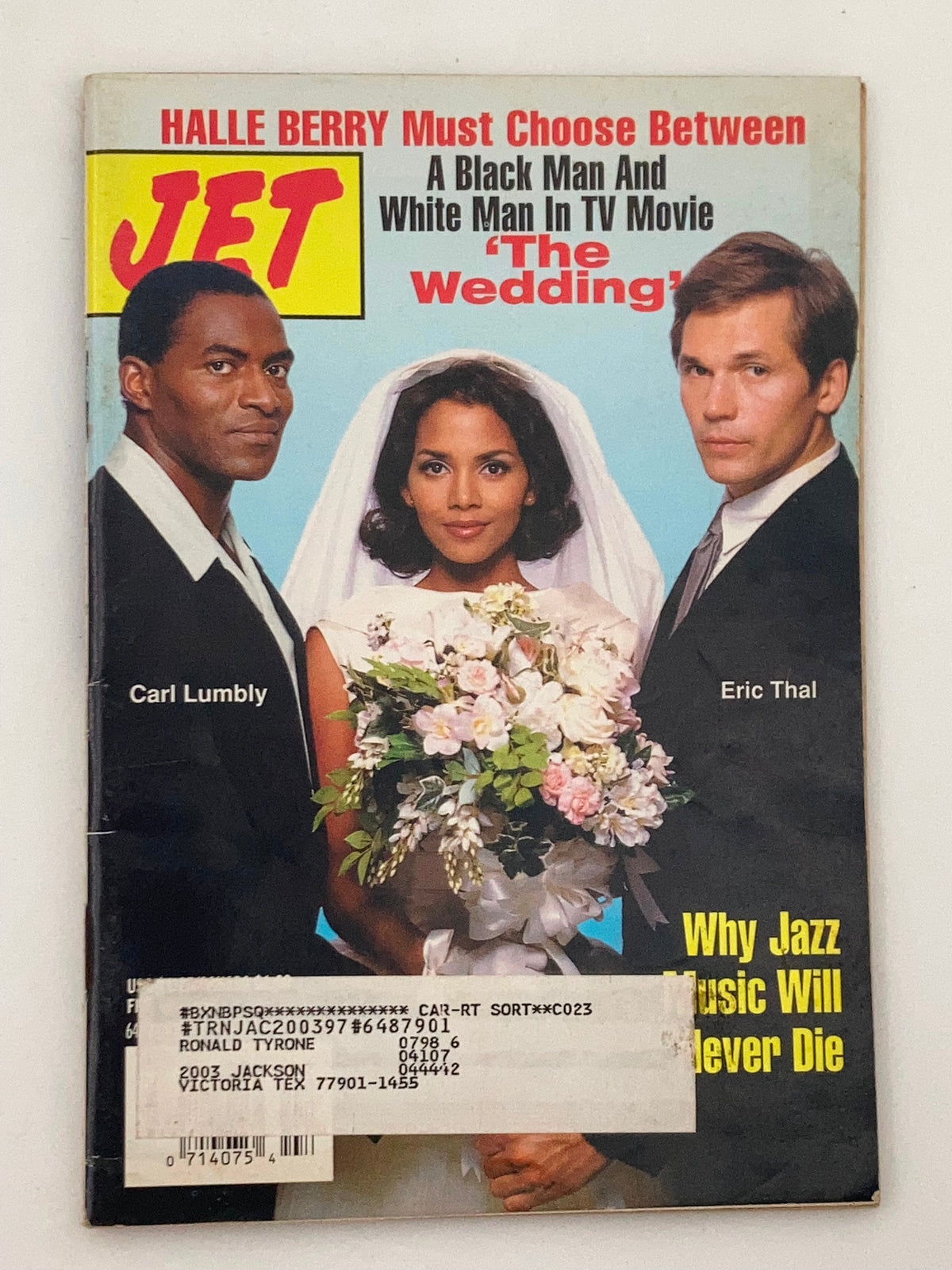
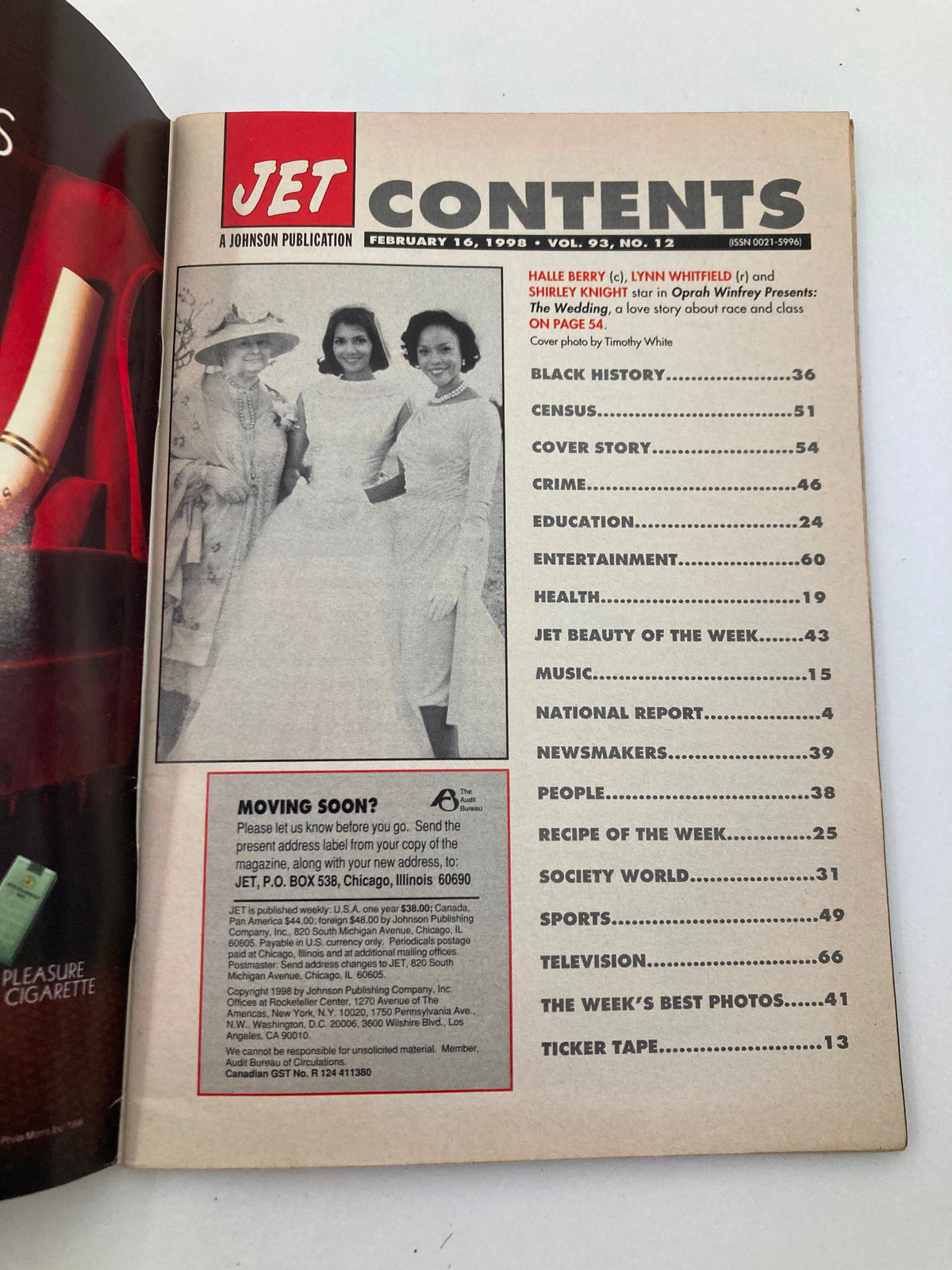
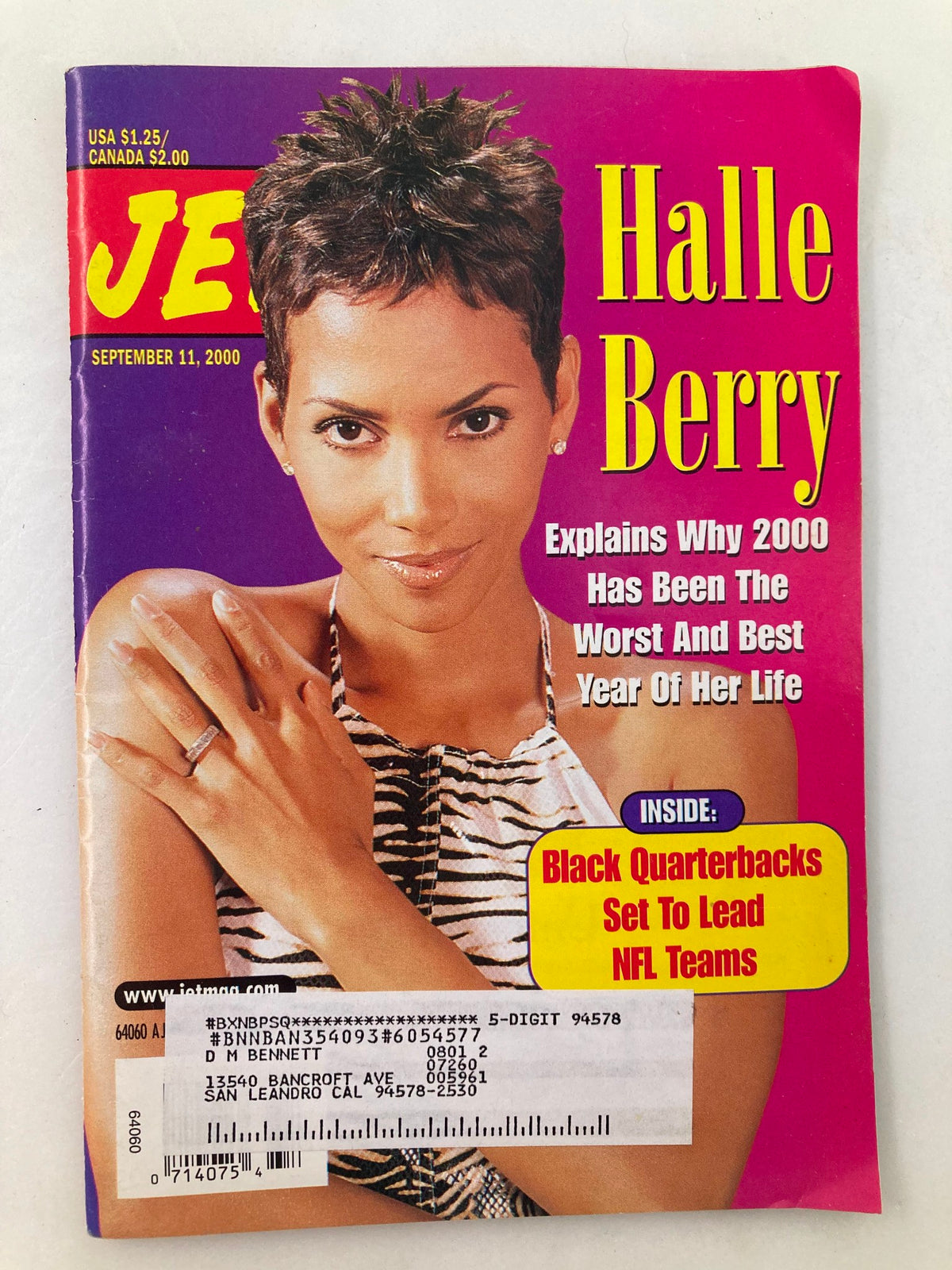
The editorial world of the 1990s and early 2000s was particularly captivated by the actress's mercurial range, and photographers of the period rose to meet it — deploying chiaroscuro lighting, sculpted fashion, and an intimacy of gaze that studio portraits rarely achieved. Ebony and Jet chronicled her significance within the Black community with particular depth and reverence, understanding early that her trajectory was historically consequential. Vogue — both its American and international editions — brought the full weight of high-fashion storytelling to her image, framing her as a new archetype of glamour. People and Entertainment Weekly, meanwhile, tracked her career beats with breathless weekly urgency, translating her awards-season triumphs and personal resilience into the intimate, narrative-driven prose that defined popular print journalism of the era. Taken together, these publications form a rich, layered portrait of a woman who was never simply famous — she was significant.
Curator's Checklist: Highlights Often Include
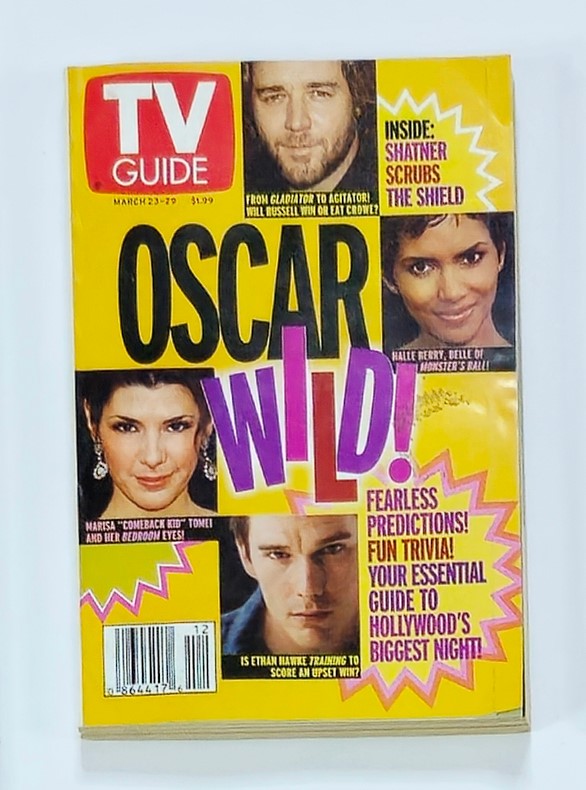
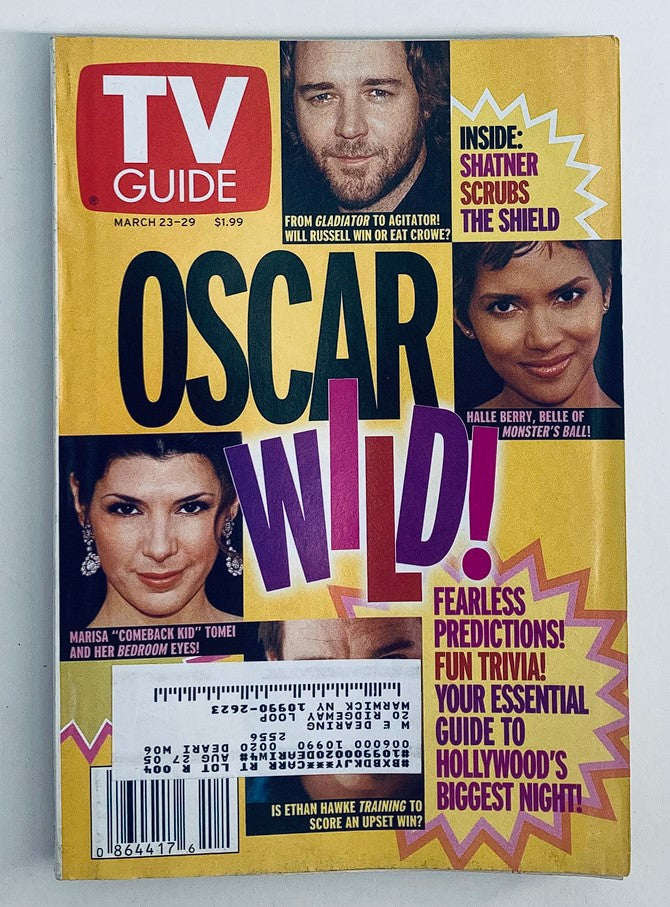
- Oscar Era Features (2001–2003): Coverage surrounding her history-making Best Actress win for Monster's Ball, including industry analysis pieces and emotional personal profiles, frequently surfaces in entertainment-focused publications from this watershed period.
- Bond Girl & Action Star Coverage: Her role in the James Bond franchise generated a wave of international press, and collectors often seek out both domestic and European titles — including foreign editions of GQ and Cosmopolitan — that captured that particular cultural moment.
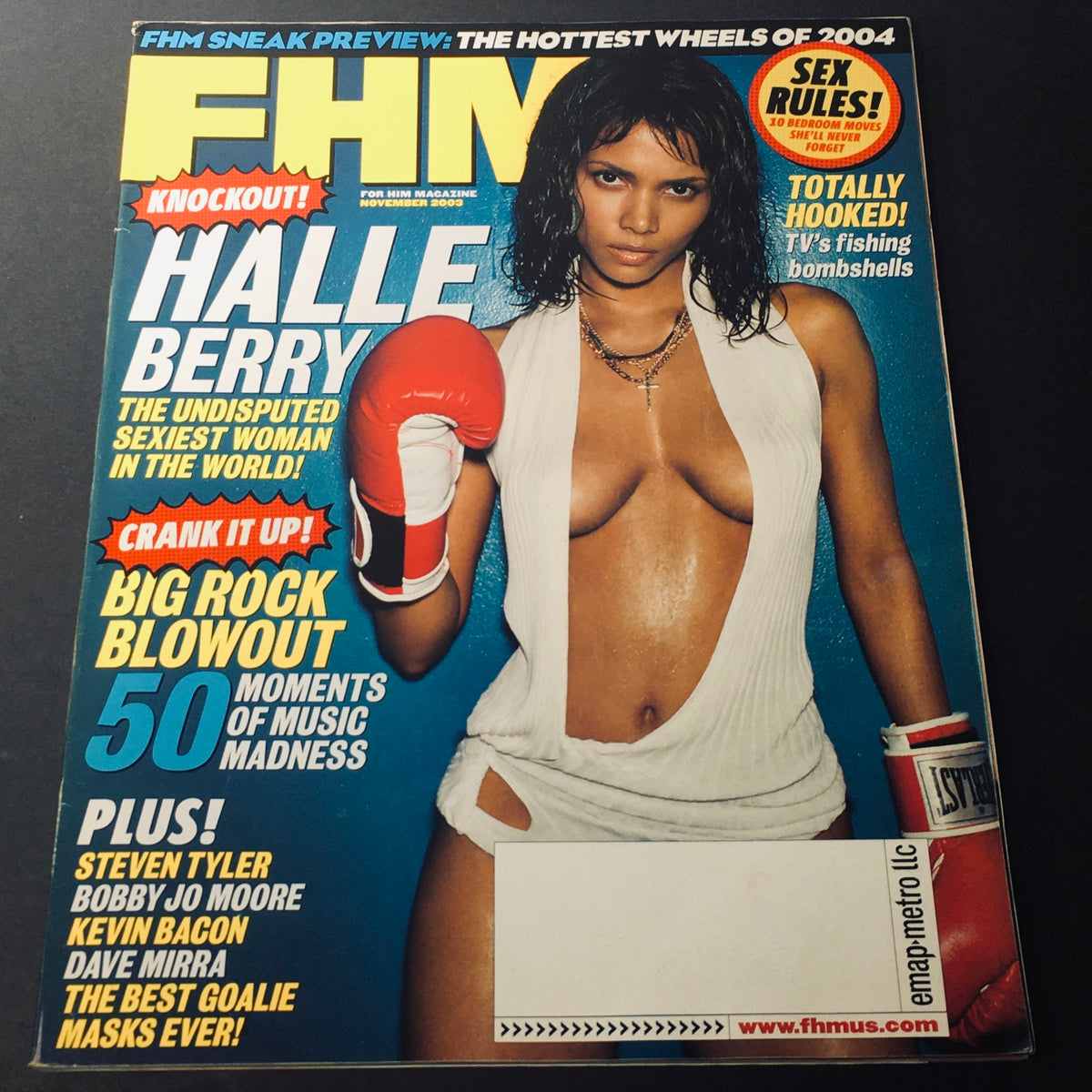
- Fashion & Beauty Editorials: As one of the most photographed women of her generation, she featured prominently in beauty-led issues, and archive issues occasionally surface with her as the face of major fragrance or cosmetics campaigns within the advertising pages themselves.
- Candid Profile Journalism: Long-form interview features in publications like Interview Magazine and Harper's Bazaar explored her personal story — including her outspoken discussions of domestic violence survivorship and diabetes advocacy — lending this archive category an emotional and social-historical depth beyond celebrity glamour.
- Award Season & Red Carpet Retrospectives: Year-end issues and Emmy or Golden Globe recap editions from the late 1990s through mid-2000s frequently feature her among the era's defining cultural figures, offering a vivid snapshot of Hollywood at a moment of slow, hard-won change.
The Collector's Value
There is something irreplaceable about holding a magazine from this era in your hands — the slight give of coated stock, the faint mineral trace of ink that no digital archive can replicate, the way a full-bleed photograph fills a page with a presence that a screen simply cannot manufacture. Surrounding her portraits in these original issues are the advertisements, the cultural footnotes, the hairstyle guides and film reviews that together constitute an authentic time capsule of their moment. A 1999 issue of Ebony is not merely a record of one woman's fame — it is a primary document of where American culture was, and where it was straining to go. For collectors of vintage Hollywood memorabilia, African American cultural history, or feminist media studies, these publications offer not just a beautiful object, but an irreplaceable artifact of a pivotal era in both entertainment and social history. Browse the current available inventory below and discover which pieces of that history are waiting to find a home.