📖 About this Collection
Harry Belafonte: The Voice That Moved Mountains and Minds
The Legend & The Legacy
Long before the world could stream a protest anthem or scroll through a celebrity's activism feed, Harry Belafonte commanded the public imagination entirely through presence — on stage, on screen, and above all, on the printed page. He was simultaneously a phenomenon and a paradox: a Caribbean-American son of immigrants who became the best-selling recording artist of the 1950s, a matinee idol whose magnetism graced every major newsstand, and a fearless civil rights lieutenant who stood shoulder to shoulder with Dr. Martin Luther King Jr. at a time when such allegiances carried genuine personal risk. The calypso king's rise was not merely a musical story — it was a cultural earthquake that forced mid-century America to reckon with beauty, Blackness, and belonging in the same breath. Readers devoured his story through glossy covers and sprawling photo essays, because in that era, the magazine was the mirror through which a generation understood who was transforming their world.
Inside the Archive
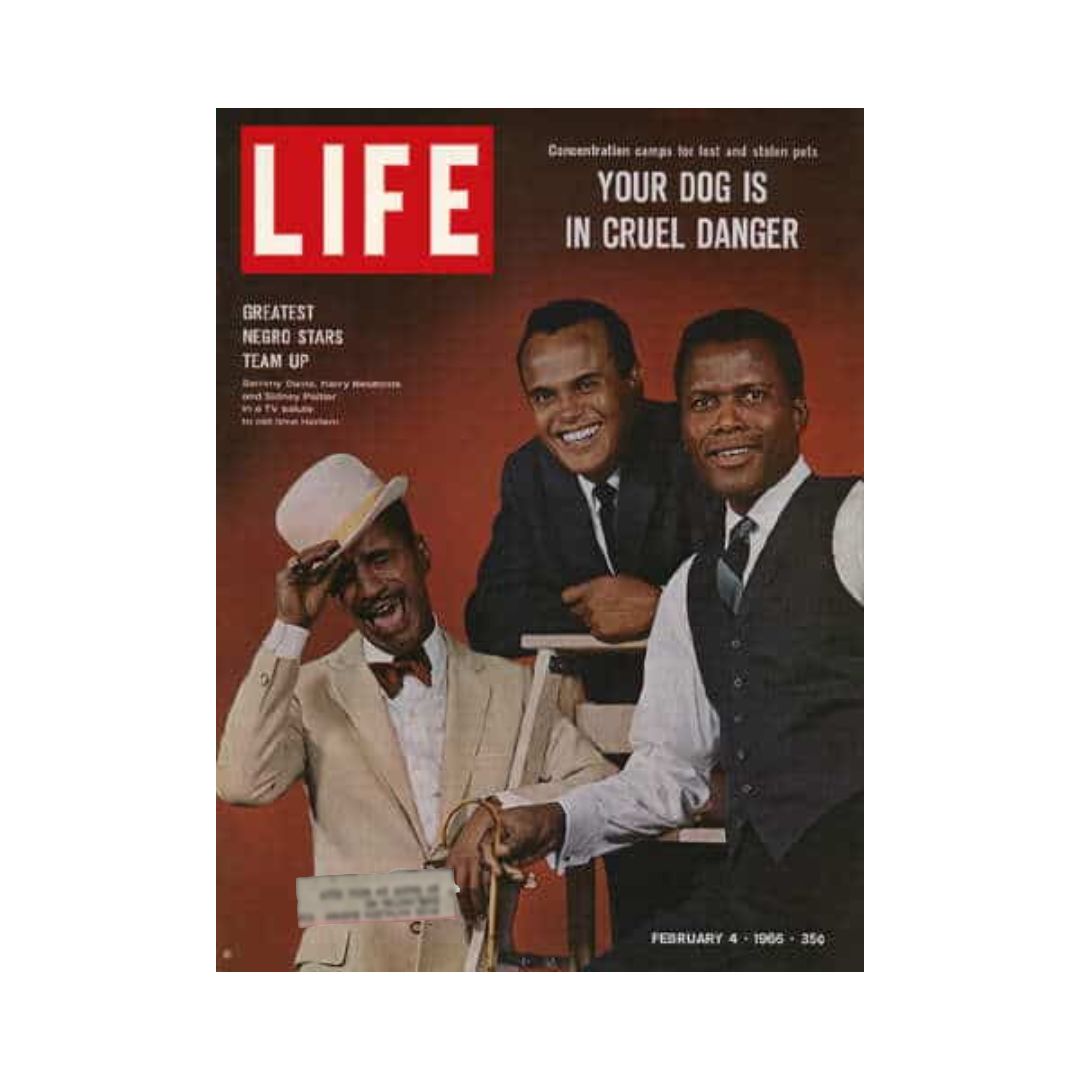
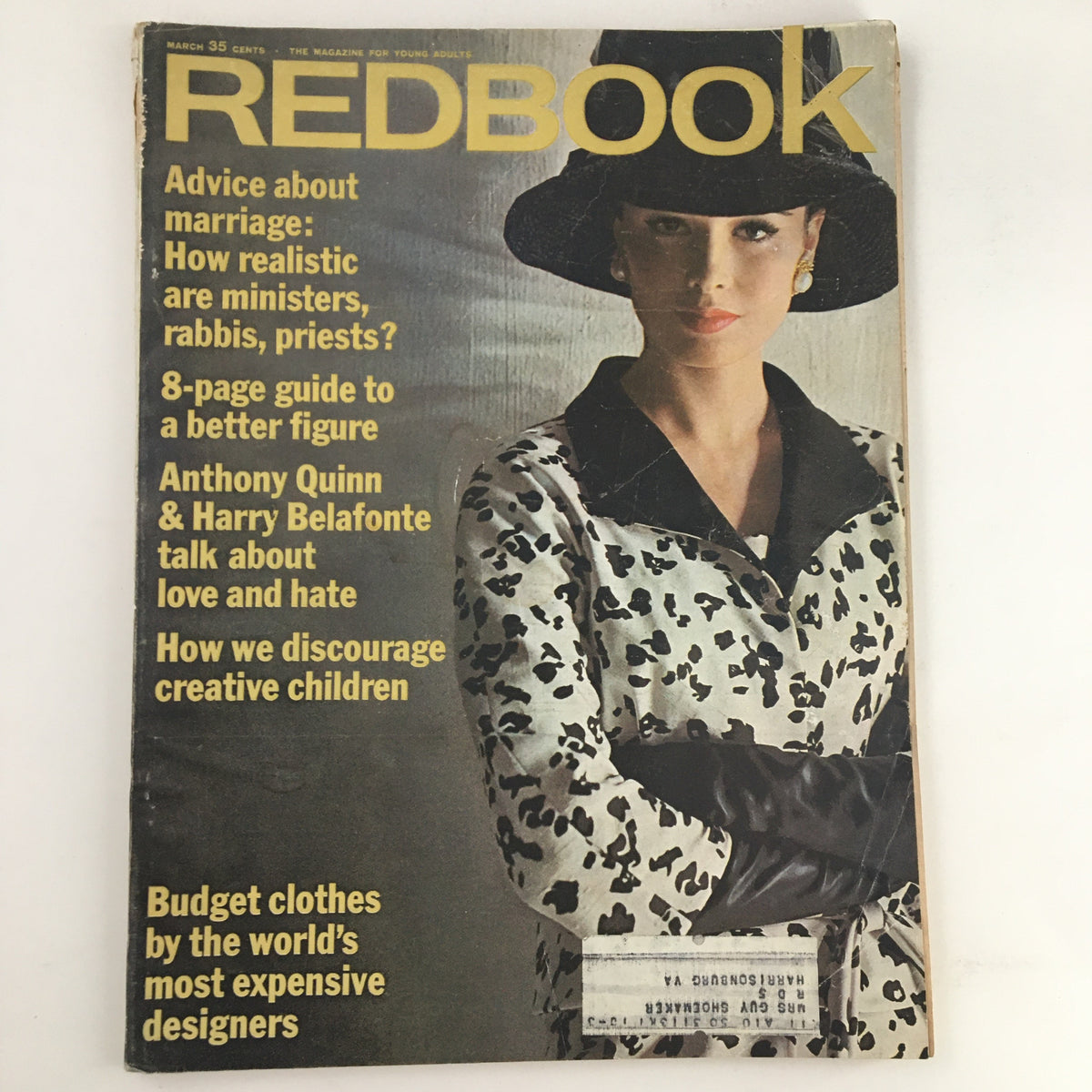
Vintage publications covered the Jamaican-born entertainer with a fascination that bordered on reverence, their photographers capturing the architectural perfection of his features under dramatic studio lighting in the golden age of black-and-white portraiture. Ebony and Jet chronicled him with particular depth and cultural pride, treating him not merely as a star but as a symbol of Black excellence and political courage during the most turbulent decades of the American civil rights movement — their editorial tone rich with the weight of what his visibility meant to their readership. Life magazine, that great photographic chronicle of mid-century America, brought his image into living rooms across the country, framing him against the sweeping backdrops of concert halls, Hollywood sets, and civil rights marches with equal grandeur. Meanwhile, international titles such as Paris Match celebrated him as a transatlantic icon, reflecting Europe's unabashed adoration of an artist whose sophistication and social conscience felt, to many abroad, like America's most honest and elegant face.
Curator's Checklist: Highlights Often Include
- Civil Rights Era Coverage — Features and photographic essays documenting his tireless activism alongside Dr. King, including coverage of the 1963 March on Washington, benefit concerts for the SNCC, and his public confrontations with the political establishment
- Peak Hollywood Profiles — Editorial spreads tied to his breakthrough film work, including Carmen Jones (1954) and Island in the Sun (1957), the latter of which ignited national controversy and generated extraordinary press attention around race, romance, and representation on screen
- The Calypso Phenomenon — Trade and entertainment coverage from 1956–1957, when Calypso became the first LP by a solo artist to sell over one million copies, sparking a genre craze that had publications scrambling to explain the man behind the movement
- International & European Features — Coverage from French, British, and German publications reflecting his immense popularity abroad and his frequent cultural diplomacy through performance tours in Europe and Africa
- Personal Life & Home Features — Intimate domestic profiles and "at home" photo essays, a staple of mid-century celebrity journalism, offering readers a curated glimpse into the private world of one of entertainment's most compelling figures
The Collector's Value
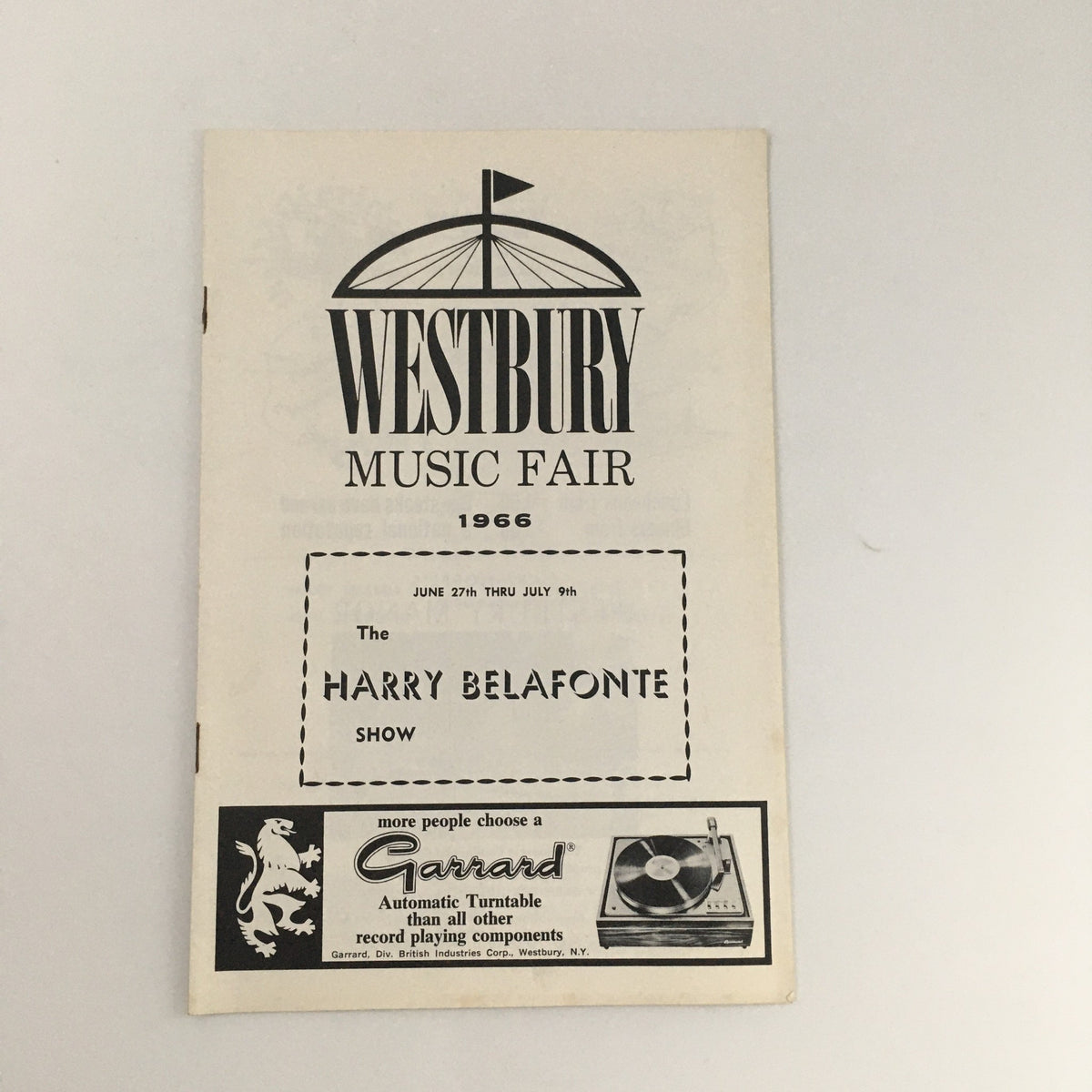
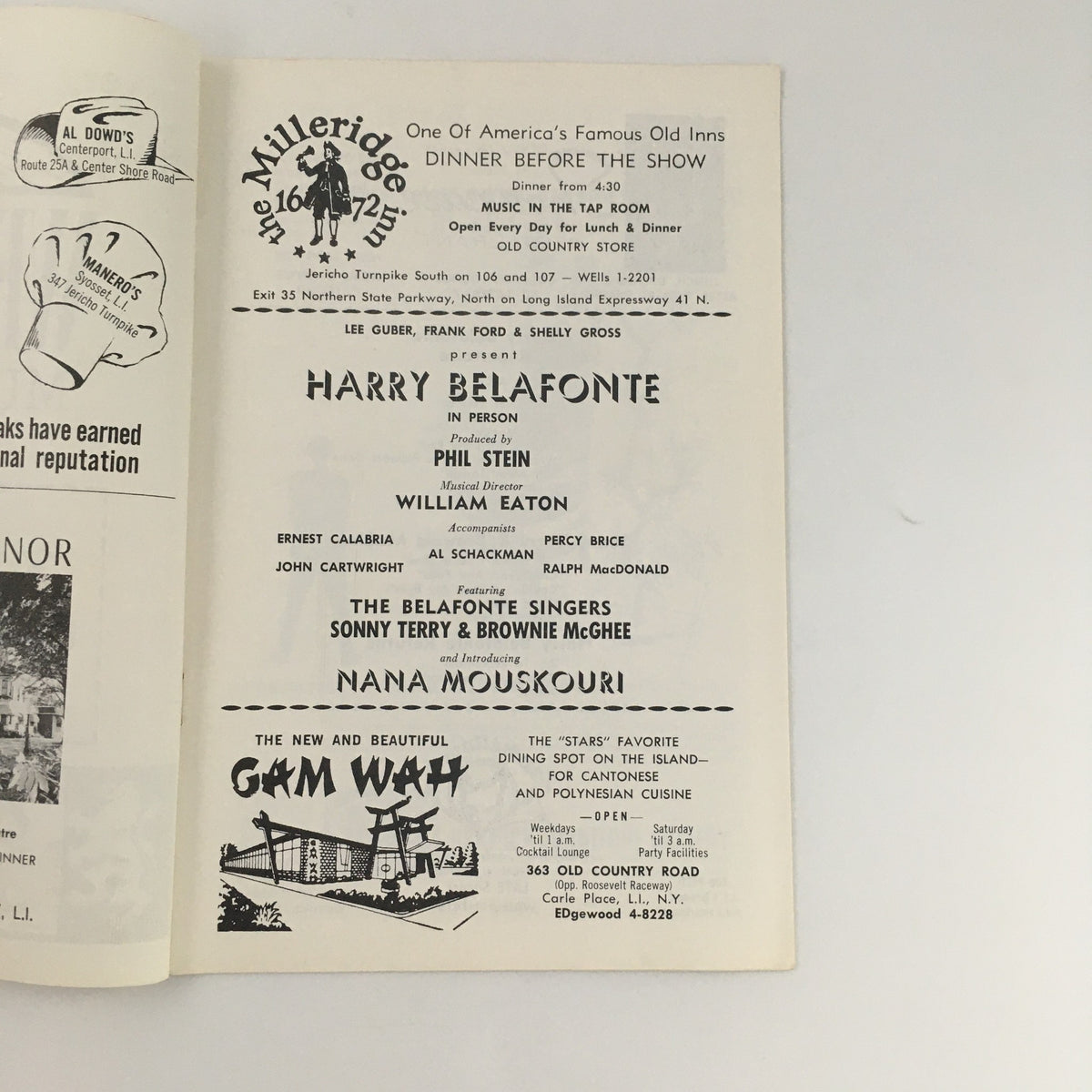
To hold one of these original issues is to hold a document that time cannot replicate — the soft, slightly yellowed pages carrying a weight that no digital archive can simulate, the ink faintly fragrant with decades of history, the surrounding advertisements for Cadillacs and cigarettes and early television sets painting a portrait of the exact world that made him a revolutionary. These are not reprints or facsimiles; they are primary sources, the very objects that sat on coffee tables and barbershop counters and kitchen tables while the civil rights movement unfolded in real time, while Belafonte's voice poured from record players and his face stared back from the newsstand. For collectors of civil rights history, mid-century entertainment memorabilia, or African-American cultural heritage, these publications offer an irreplaceable window into an era of profound transformation — witnessed firsthand, in print, at the moment it happened. Browse the current available inventory below and discover which pieces of that remarkable story are waiting to find their next keeper.