📖 About this Collection
Heather Locklear: The Blonde Ambition That Defined an Era
The Legend & The Legacy
Before social media could reduce a star to a series of fleeting posts, and before the internet could render celebrity gossip instantaneous and disposable, the story of Heather Locklear was told in ink and gloss — month by month, cover by cover, in the waiting rooms and living rooms of an entire generation. Rising to prominence in the early 1980s through simultaneous starring roles on both Dynasty and T.J. Hooker — a feat virtually unheard of in the television landscape — she became a fixture of prime-time fantasy and a symbol of the decade's particular brand of glamour: polished, powerful, and impossibly radiant. Her later reinvention on Melrose Place through the 1990s as the scheming, irresistible Amanda Woodward only deepened her hold on the cultural imagination, making her one of the most continuously bankable faces in American entertainment for nearly two full decades. In an age when stars were still made slowly, through sustained exposure across physical media, her image was constructed and curated across thousands of printed pages — a portrait assembled one magazine at a time.
Inside the Archive
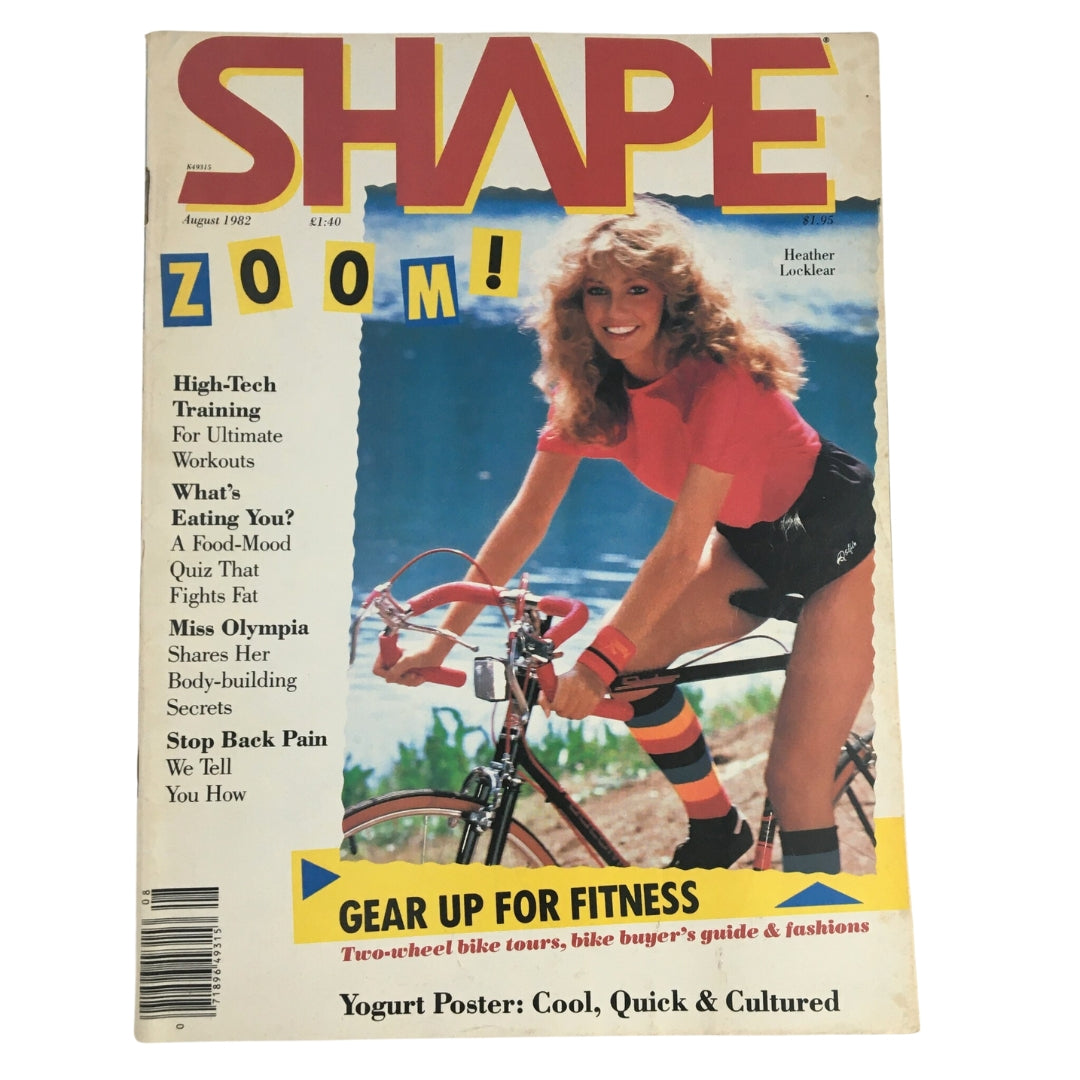
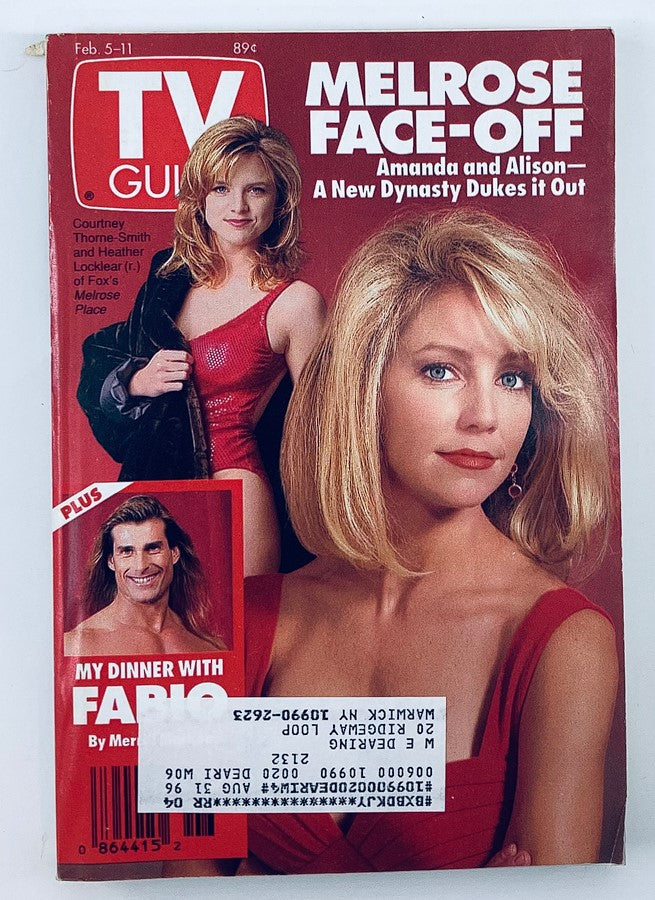
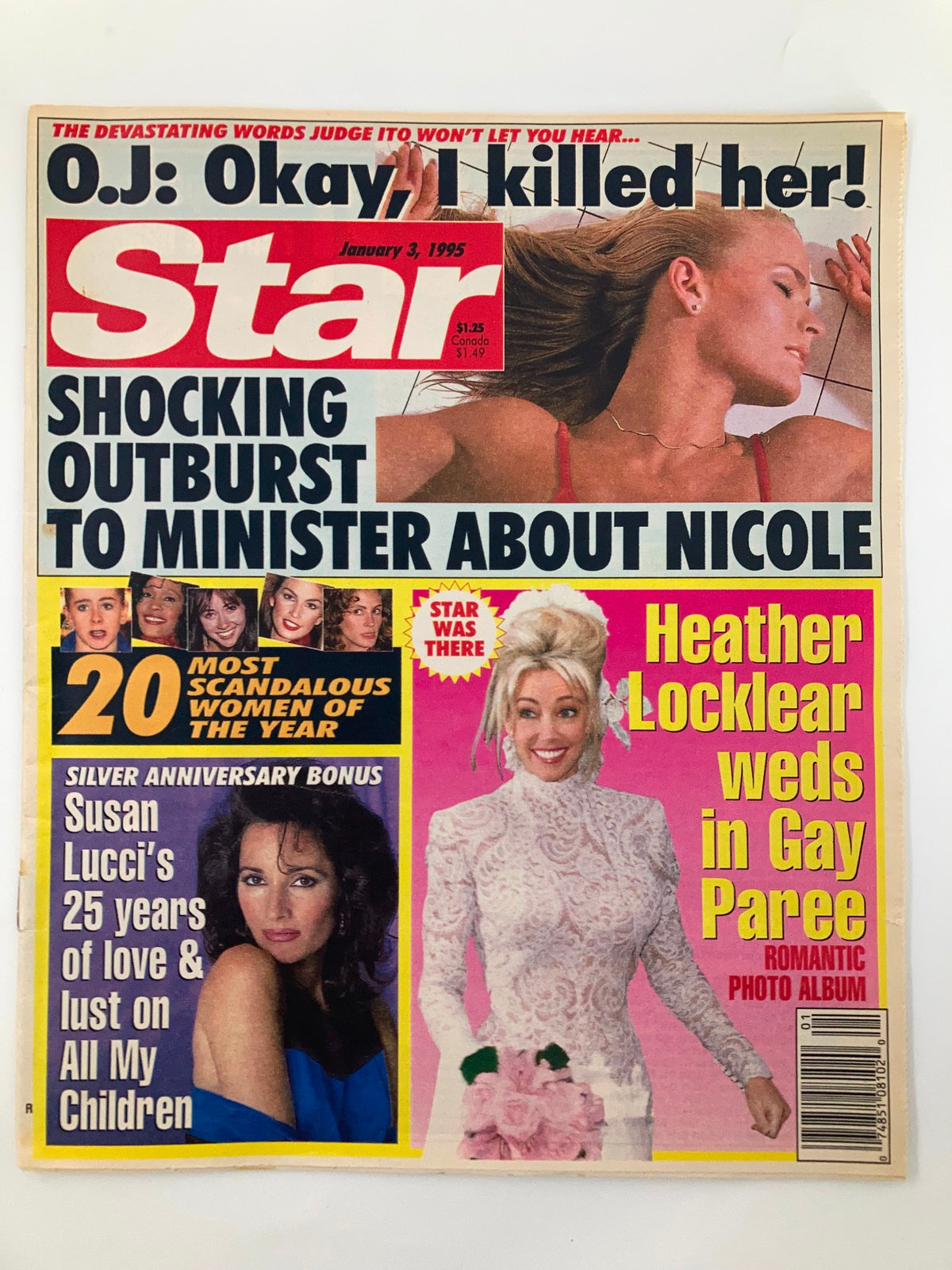
The coverage afforded to this singular actress across the golden age of print was nothing short of voluminous. Throughout the 1980s and into the 1990s, photographers and editors competed to capture the tension between her girl-next-door warmth and the fierce, commanding energy she projected on screen. The photography tended toward the aspirational — high-key lighting, wind-swept hair, that trademark smile deployed with lethal precision. People magazine returned to her again and again, chronicling both her professional ascent and the personal chapters that kept readers riveted. TV Guide, then at the absolute height of its cultural relevance and circulation, featured her on multiple occasions as the embodiment of prime-time allure. Meanwhile, Entertainment Weekly tracked her mid-career renaissance with the analytical eye of a publication that understood she was not merely a celebrity, but a phenomenon worth dissecting. Internationally, the fascination crossed borders, with European fan and entertainment weeklies treating her as an emblem of the distinctly American television dream they consumed so hungrily.
Curator's Checklist: Highlights Often Include
- Prime-time dynasty coverage (early-to-mid 1980s): Collectors frequently seek editorial spreads and features tied to her dual-series stardom, capturing the precise moment she became a household name across two networks simultaneously.
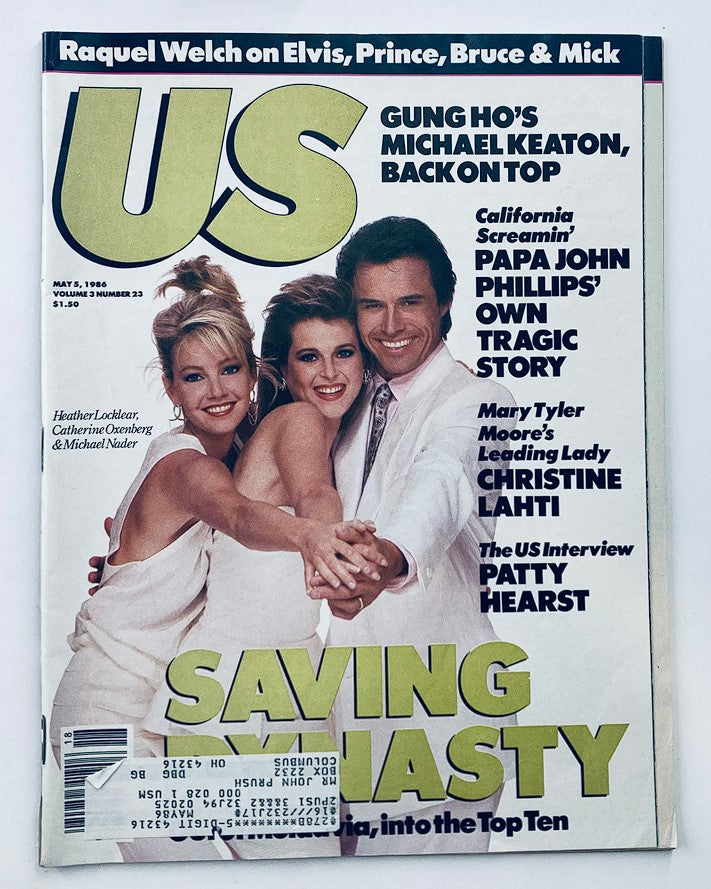
- Dynasty cast ensemble shoots: Our archive often features the lavishly styled group photography that Dynasty generated, situating her among the shoulder pads, jewels, and sheer excess that defined the era's visual vocabulary.
- Melrose Place revival features (early-to-mid 1990s): Coverage of this era frequently includes the wave of profiles and cover stories that greeted her return to must-see television, often framing her as a queen reclaiming her throne.
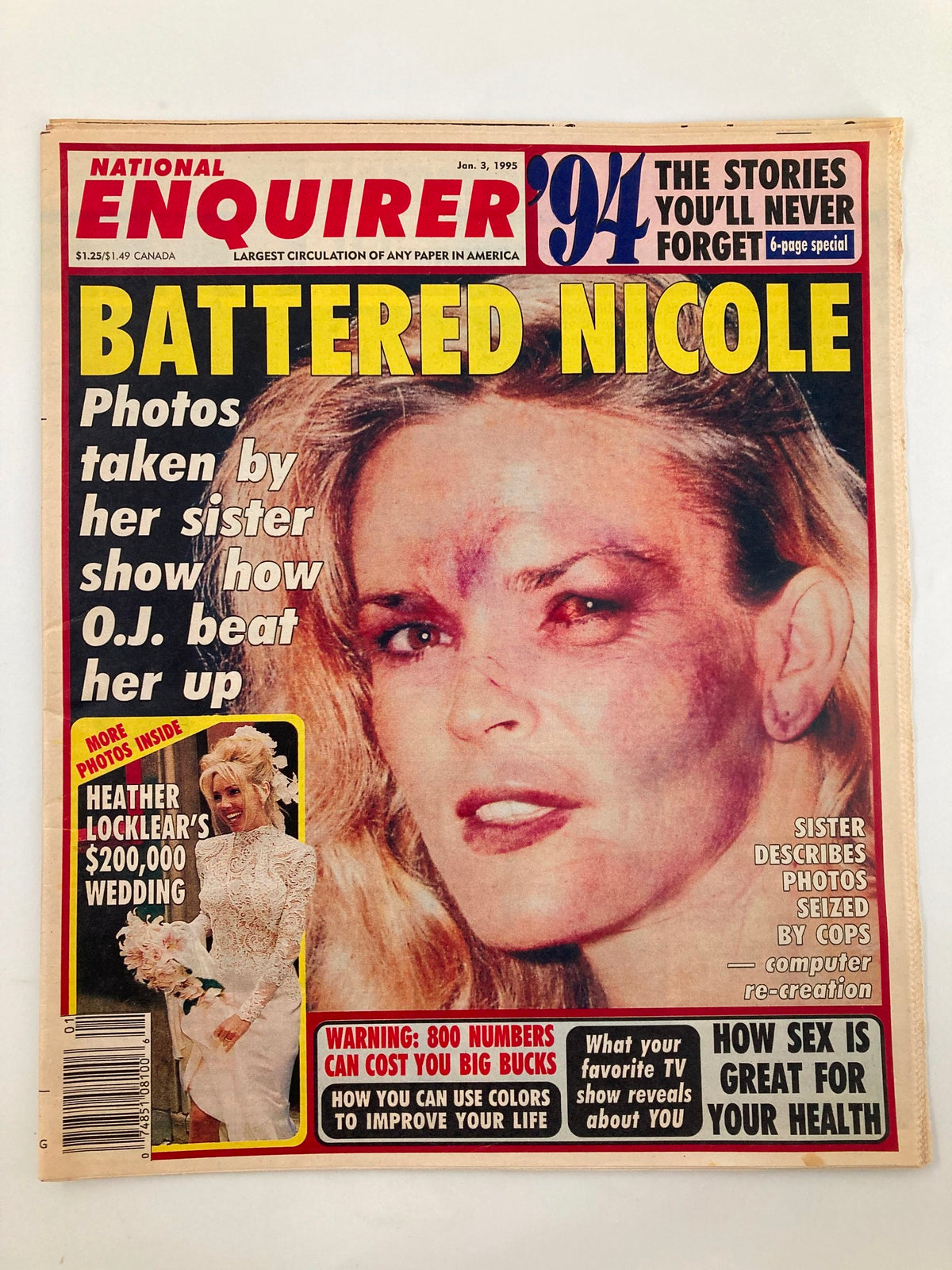
- Personal life and relationships: The tabloid-adjacent coverage of her high-profile marriages and personal milestones — handled with the relative restraint of the pre-internet press — represents a rich vein of human-interest journalism that collectors of celebrity portraiture find especially resonant.
- Year-end and decade retrospectives: Collectors often look for the end-of-decade wrap-ups from the late 1980s and late 1990s that positioned her as one of the definitive faces of those respective eras in American pop culture.
The Collector's Value
There is something irreplaceable about holding the actual printed artifact — the slight give of a glossy 1980s cover stock beneath your fingertips, the faintly sweet, chemical perfume of decades-old ink rising from the pages, the full-bleed advertisements for perfumes and sports cars that conjure a world now thoroughly passed. These magazines do not merely document a career; they preserve an entire sensory and cultural ecosystem that no digital archive can replicate. The surrounding context — the news of the week, the advertisements for forgotten brands, the letters column, the other stars whose trajectories would intersect and diverge — transforms each issue into a genuine primary source, a time capsule sealed the moment it left the printing press. For collectors of 1980s and 1990s television memorabilia, prime-time glamour ephemera, or American celebrity portraiture, these publications offer an irreplaceable window into the era when a smile on a cover could stop a reader cold in the checkout line. We invite you to explore the current available inventory below and discover which pieces of this luminous chapter in entertainment history are waiting to find a new home.