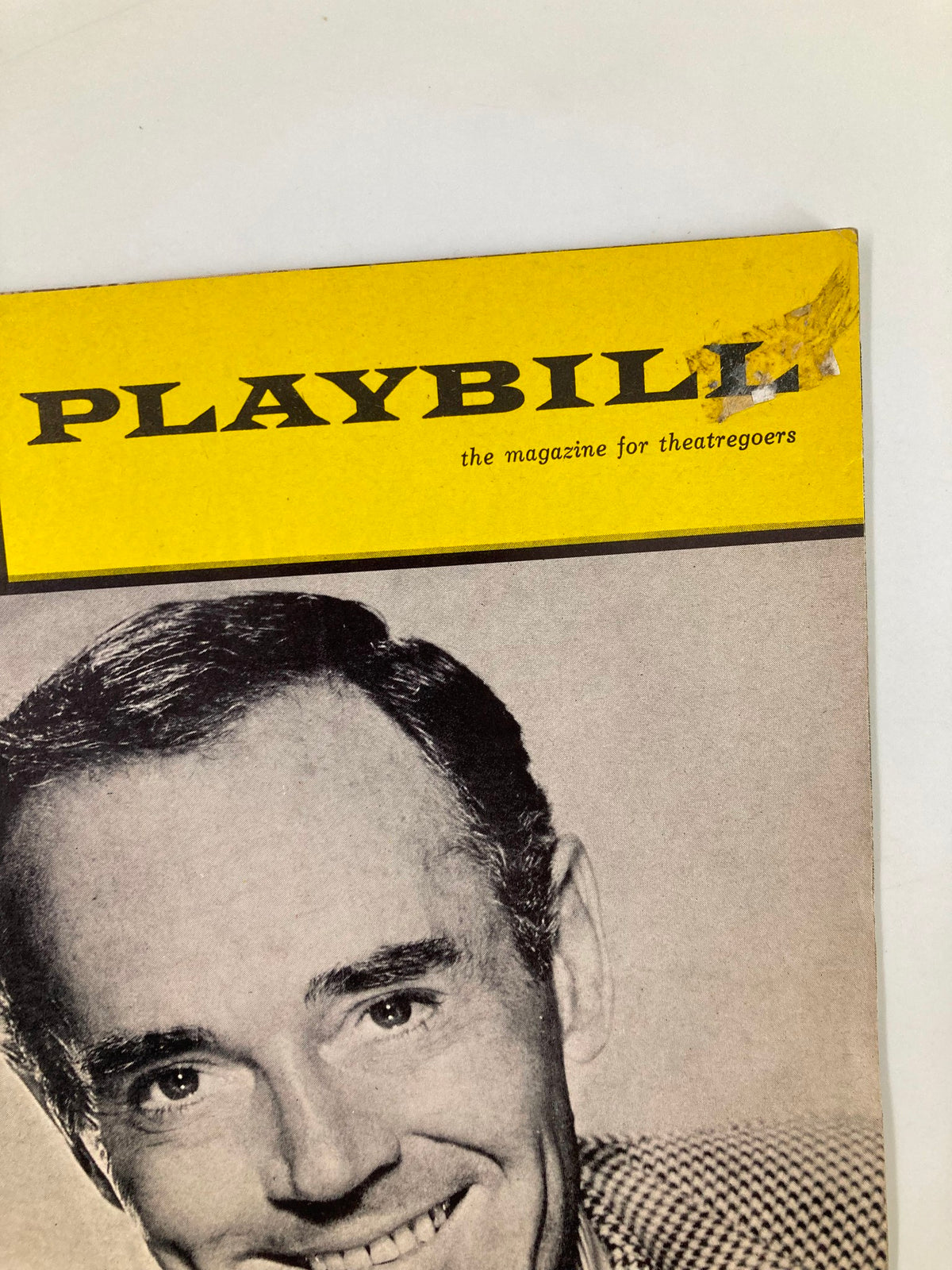
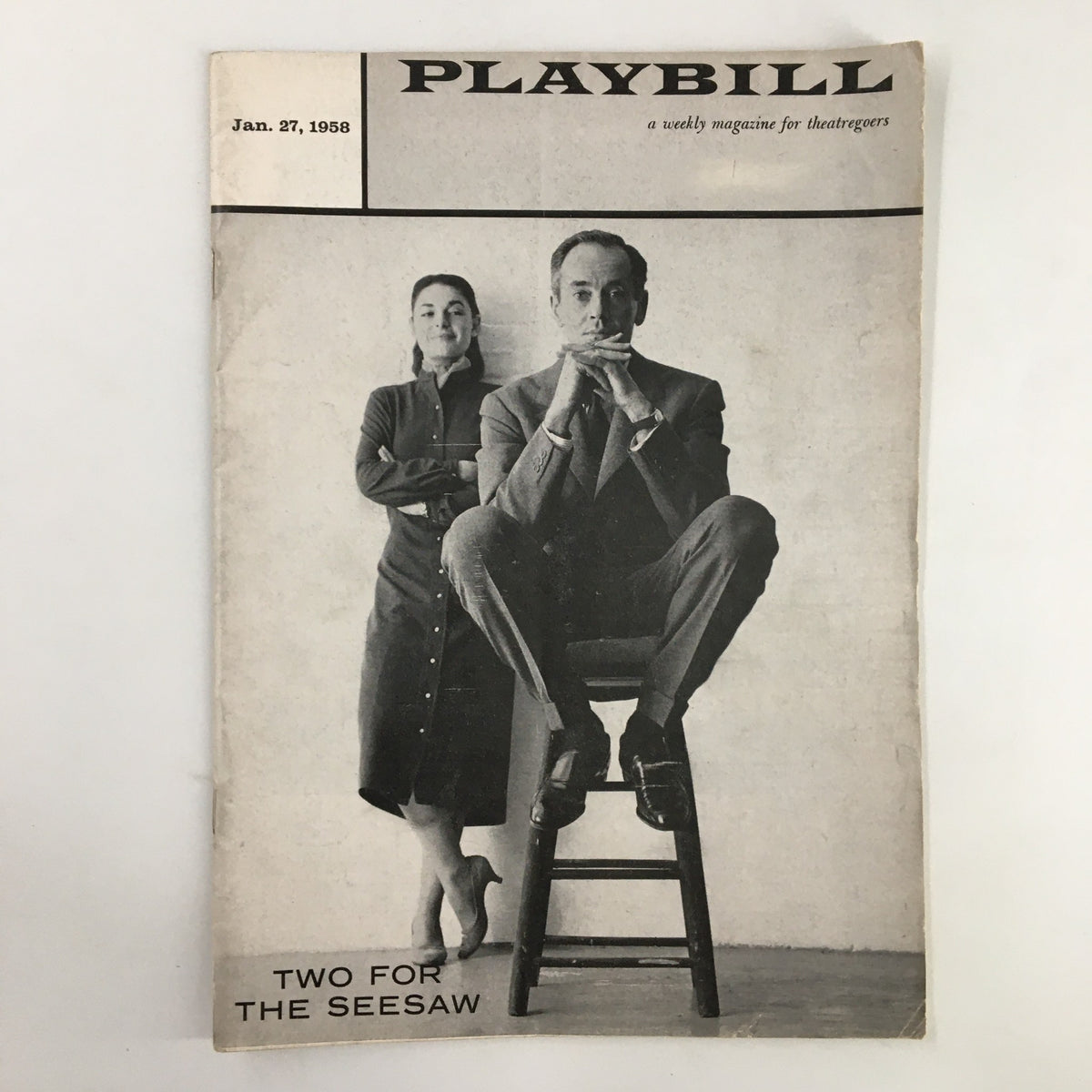
📖 About this Collection
Henry Fonda: The Conscience of American Cinema
The Legend & The Legacy
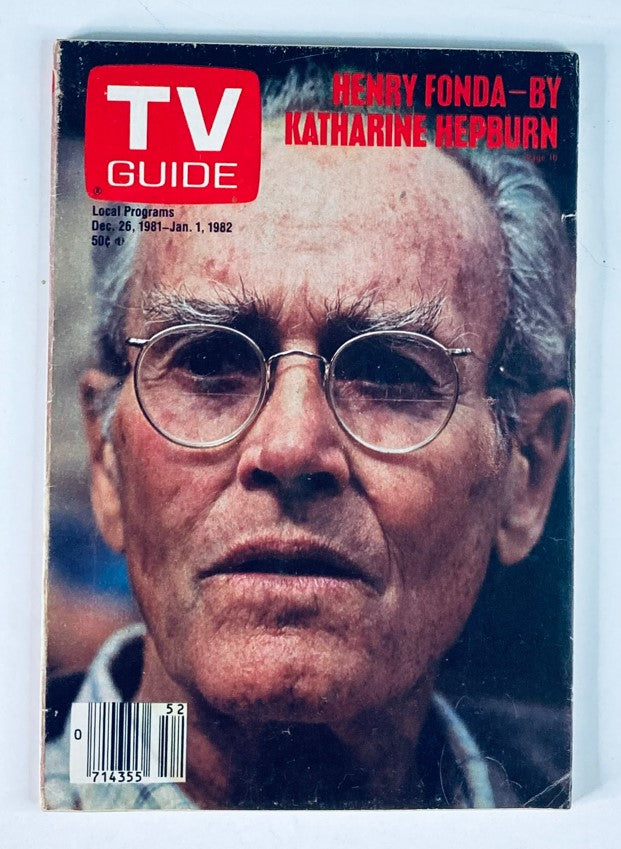
In an era before satellite feeds and streaming platforms, the American public came to know Henry Fonda through two intimately connected channels: the silver screen and the printed page. From his breakthrough in the late 1930s through the twilight of Hollywood's golden age, he occupied a singular position in the cultural imagination — the lean, principled everyman who seemed to embody the nation's better instincts at its most turbulent moments. When The Grapes of Wrath arrived in 1940, audiences didn't just see a film; they read about it for months in the pages of national weeklies, op-ed columns, and fan magazines that dissected what Tom Joad meant for Depression-scarred America. His stage triumphs on Broadway, his controversial anti-war activism during Vietnam, and his decades-long professional rivalry and reconciliation with his own complicated family made him perpetual front-page material. The story of this quiet titan was told in ink and photography long before it was ever streamed or archived online.
Inside the Archive
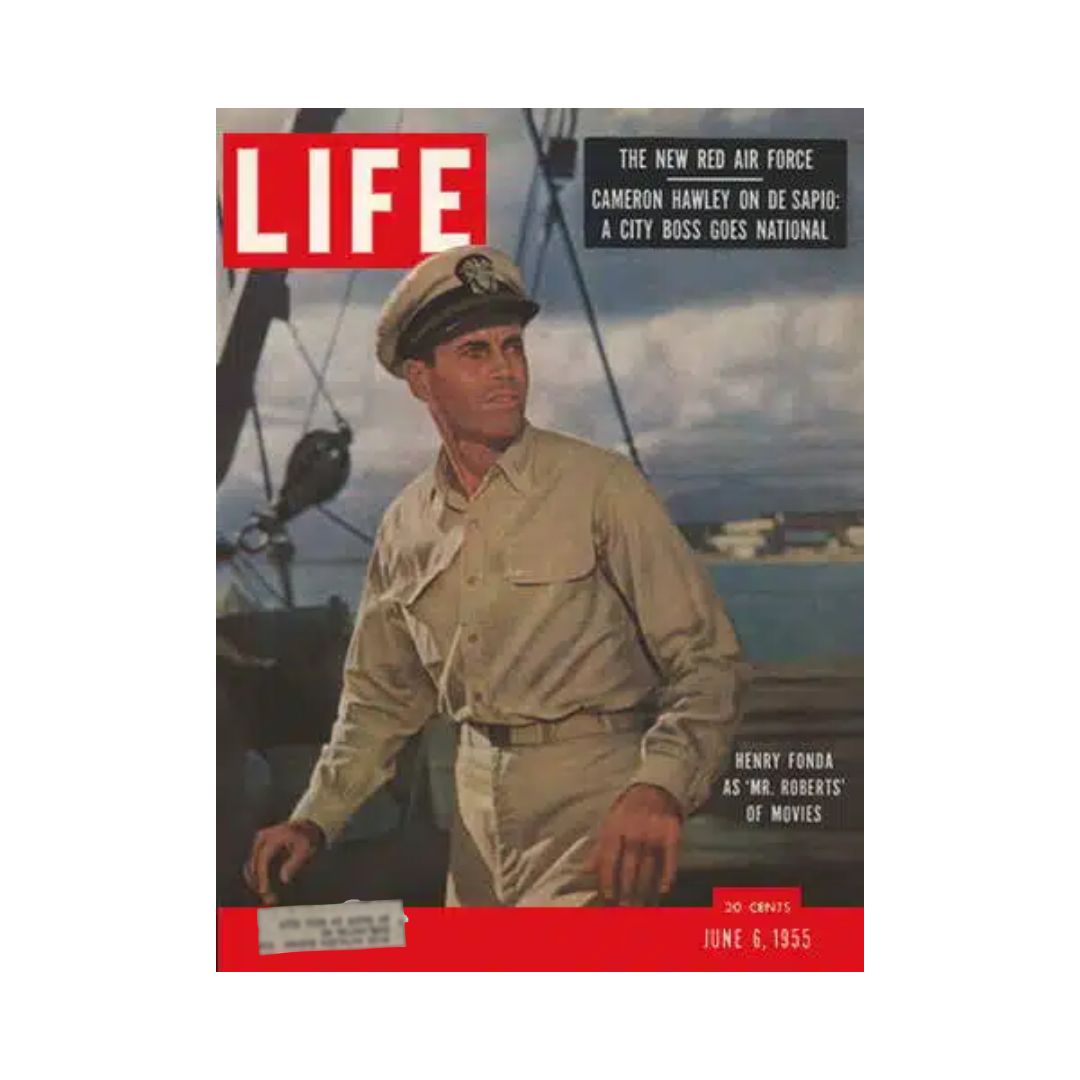
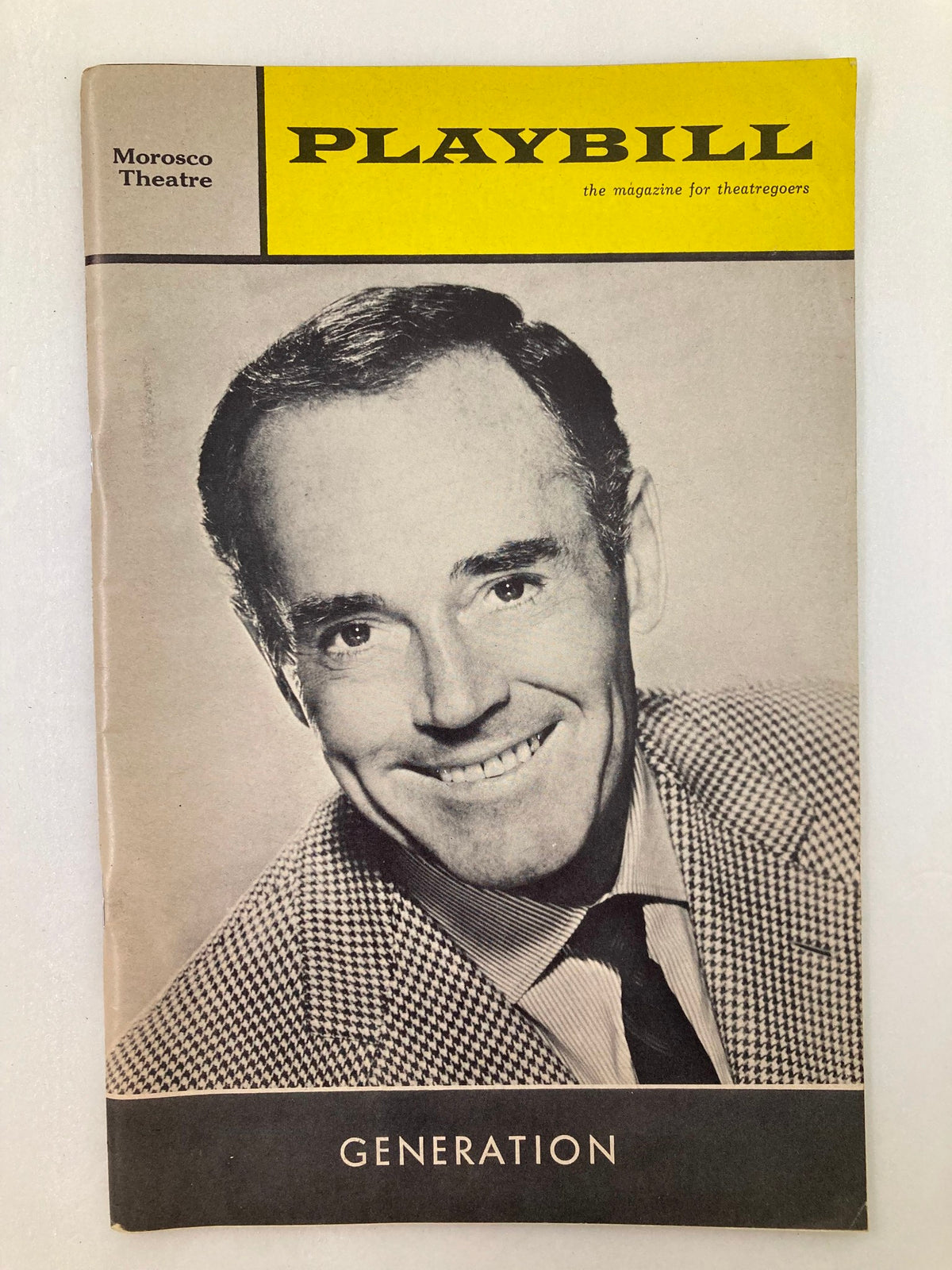
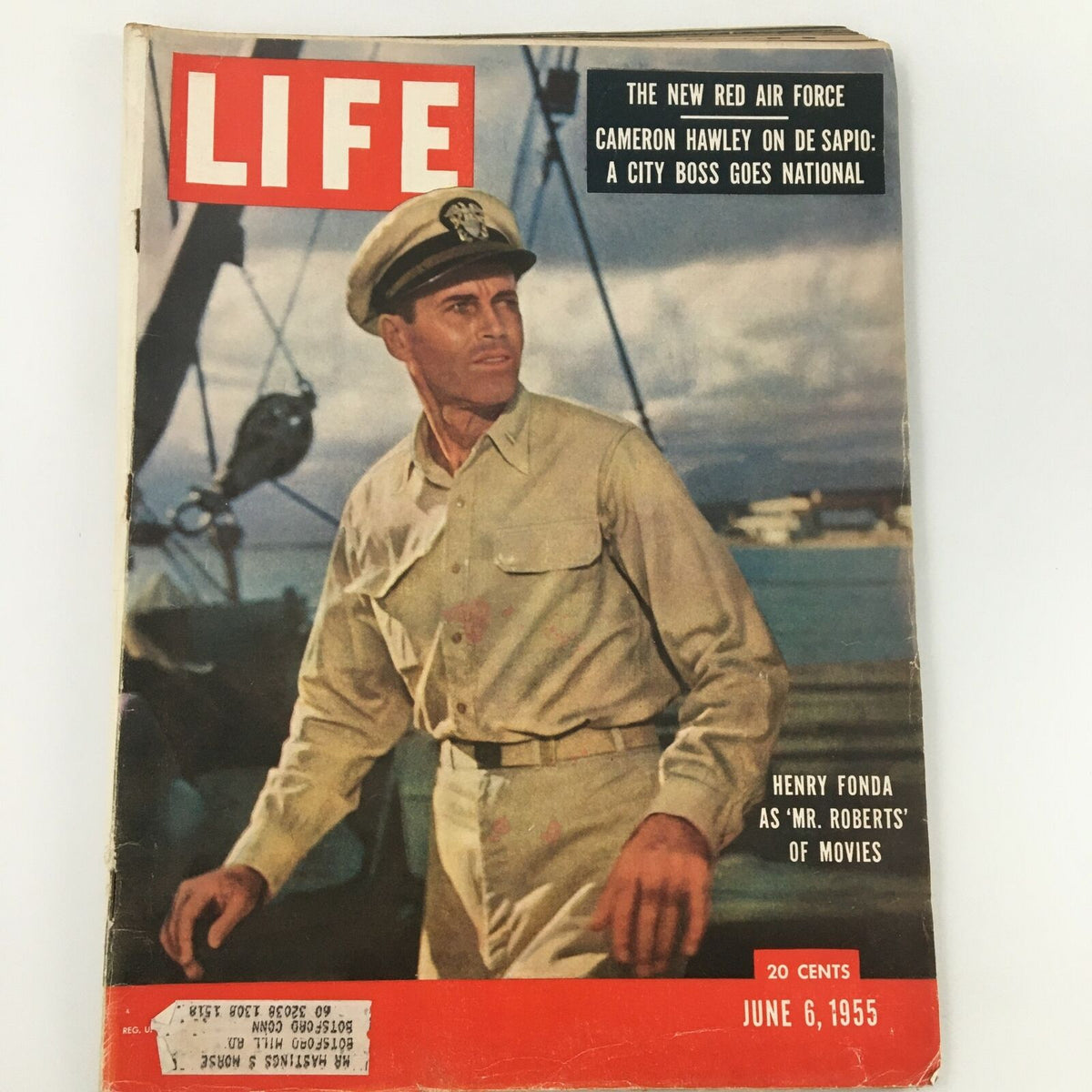
Vintage magazine coverage of the Nebraskan actor tended to oscillate between two registers: the reverential and the probing. Publications like Life magazine returned to him repeatedly across four decades, deploying their signature black-and-white photographic essays to capture him on set, at home in Bel-Air, and at his beloved painting easel — the gentle hobby that humanized a man so often cast as stoic moral authority. Look magazine, his other great chronicler, favored the long-form profile, granting him space to speak candidly about conscience, craft, and his notoriously thorny relationship with fatherhood and fame. In Europe, Paris Match treated him as an American archetype — not just an actor but a symbol of a particular post-war ideal of decency — running spreads on his presence at film festivals and his stage work that American publications sometimes overlooked. The photography across these eras is remarkable: craggy, unvarnished, deeply humanistic — a world away from the manufactured glamour afforded to his contemporaries.
Curator's Checklist: Highlights Often Include
- Golden Age Hollywood profiles and studio features from the late 1930s and 1940s, covering landmark productions such as Young Mr. Lincoln, The Grapes of Wrath, and The Ox-Bow Incident, often accompanied by studio publicity photographs of extraordinary quality
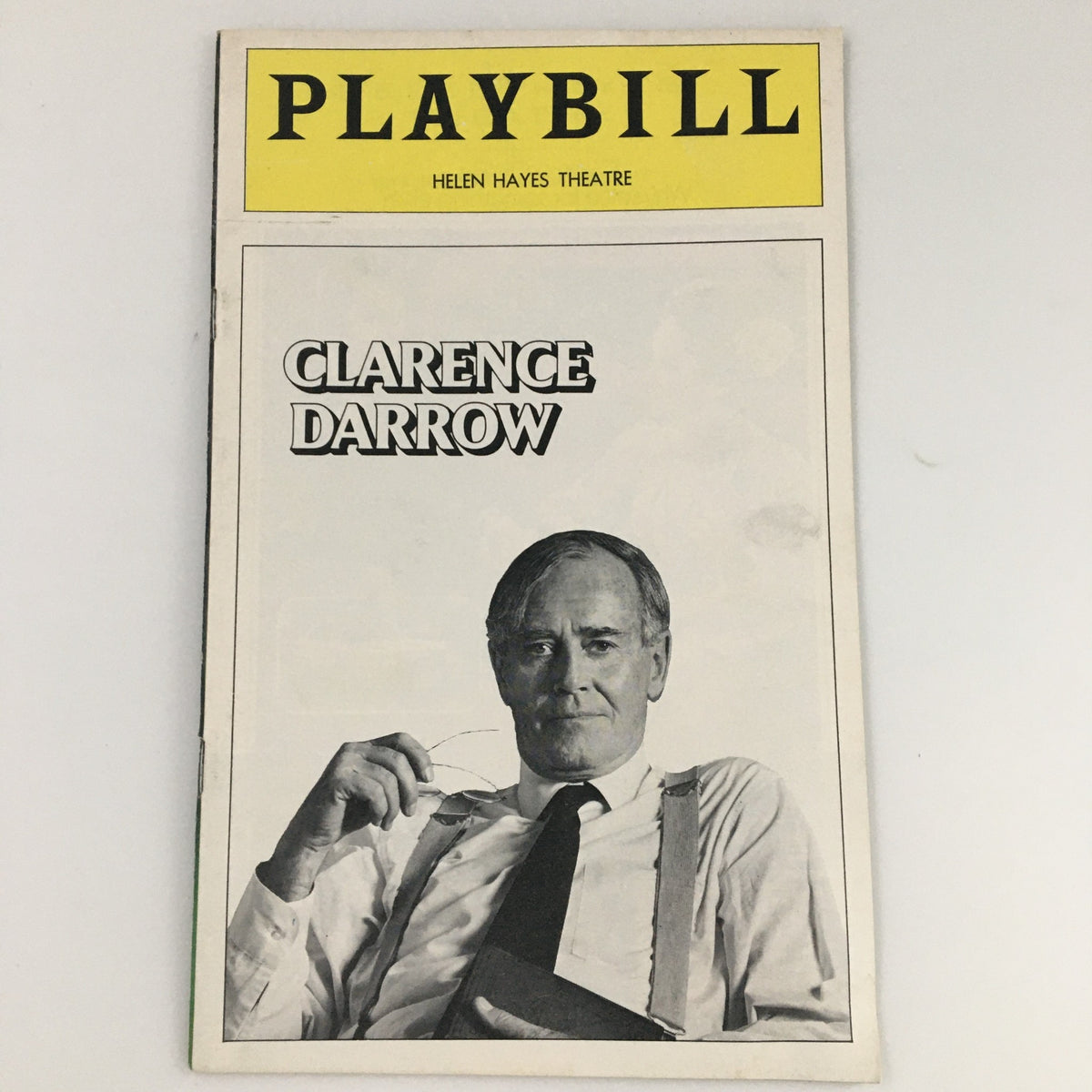
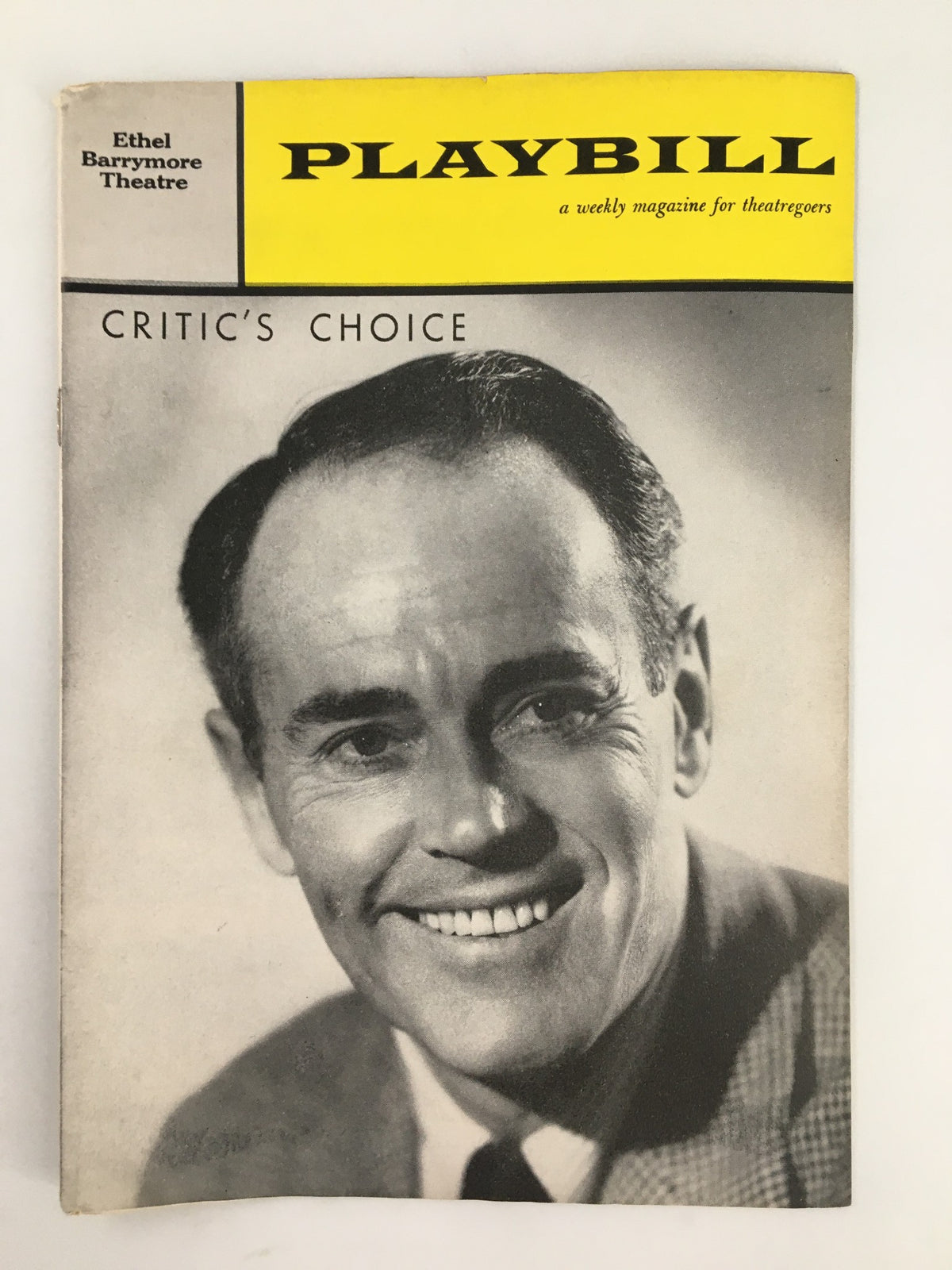
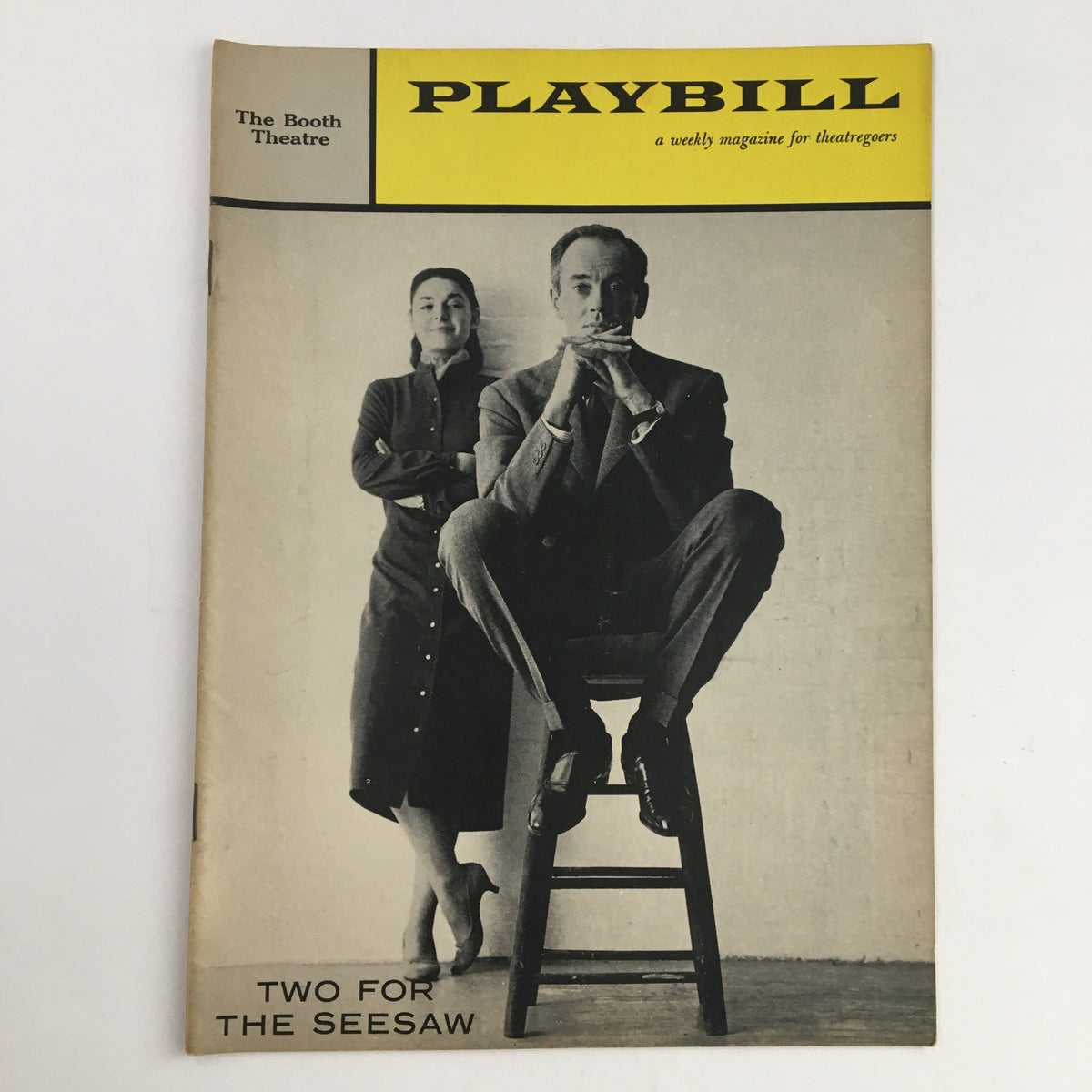
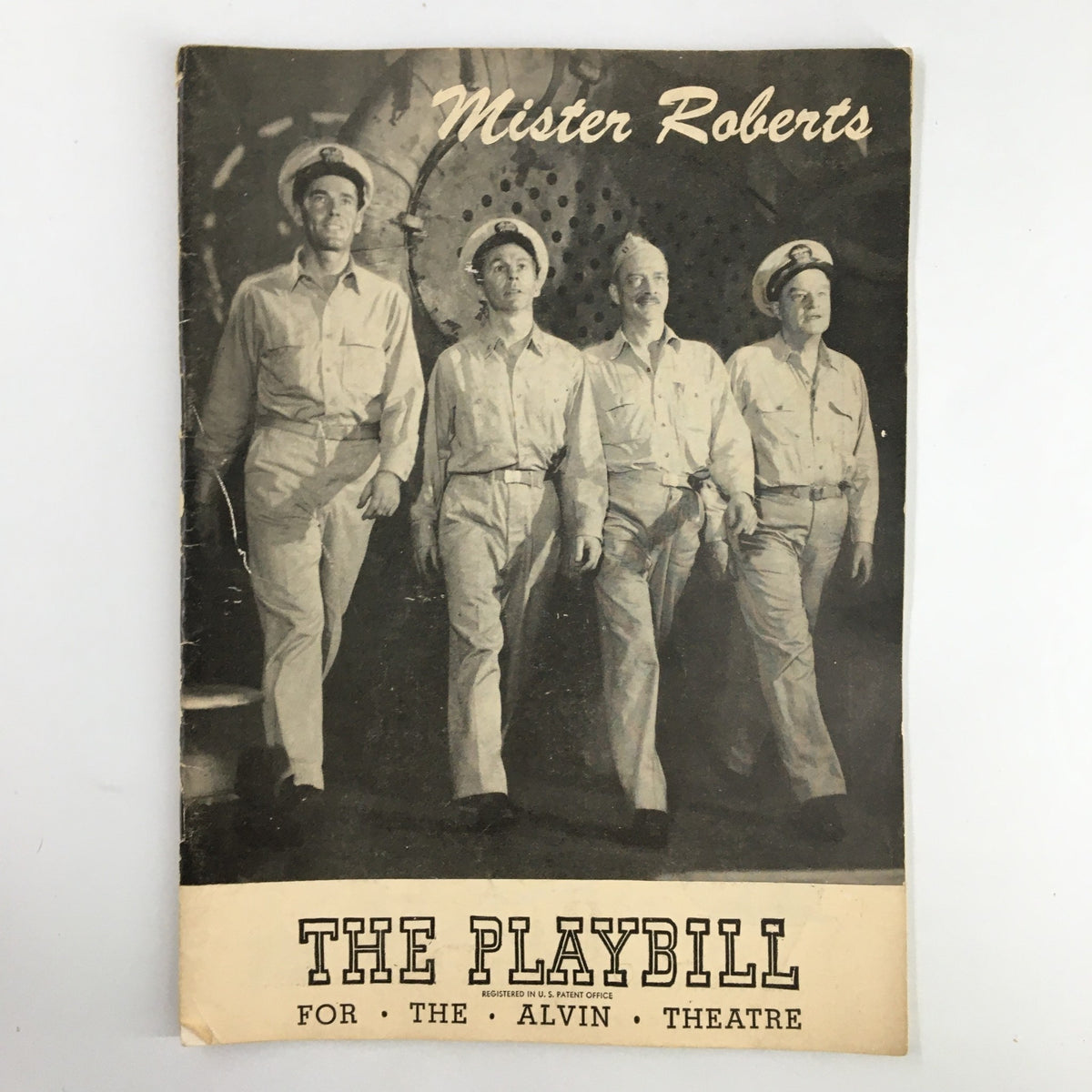
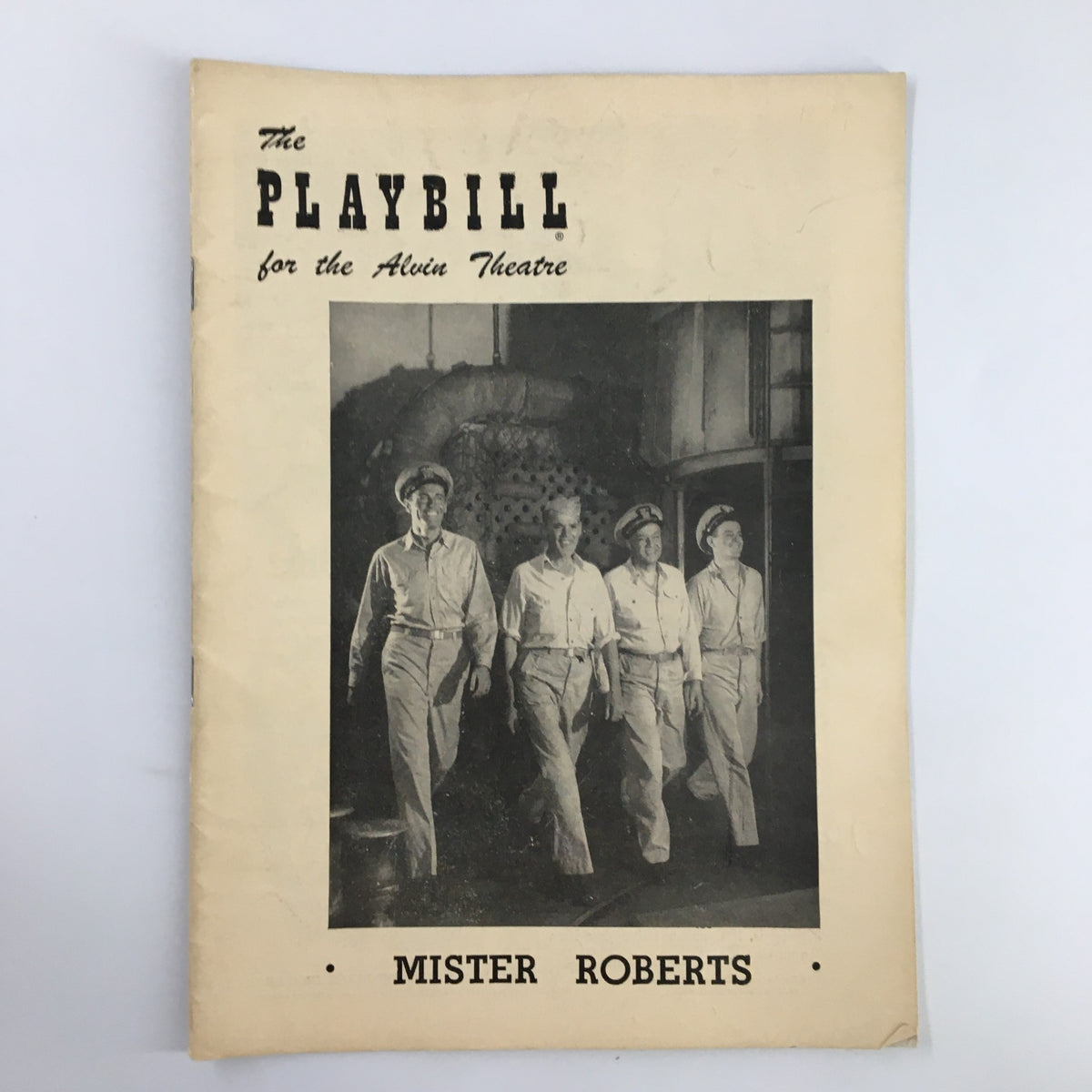
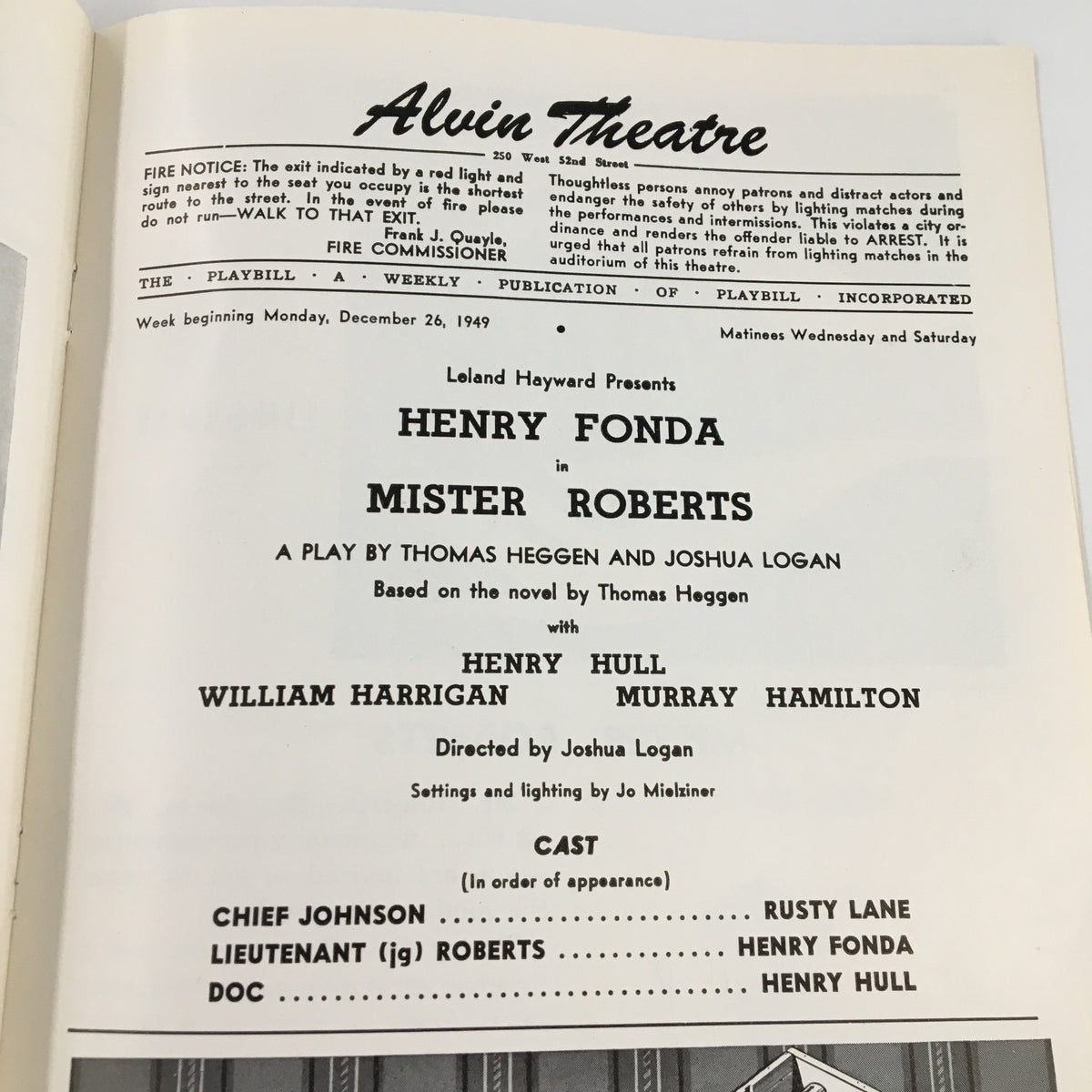
- Broadway and stage coverage from the late 1940s through the 1950s, particularly surrounding his celebrated stage run in Mister Roberts, which made him a towering figure of American theater as much as film
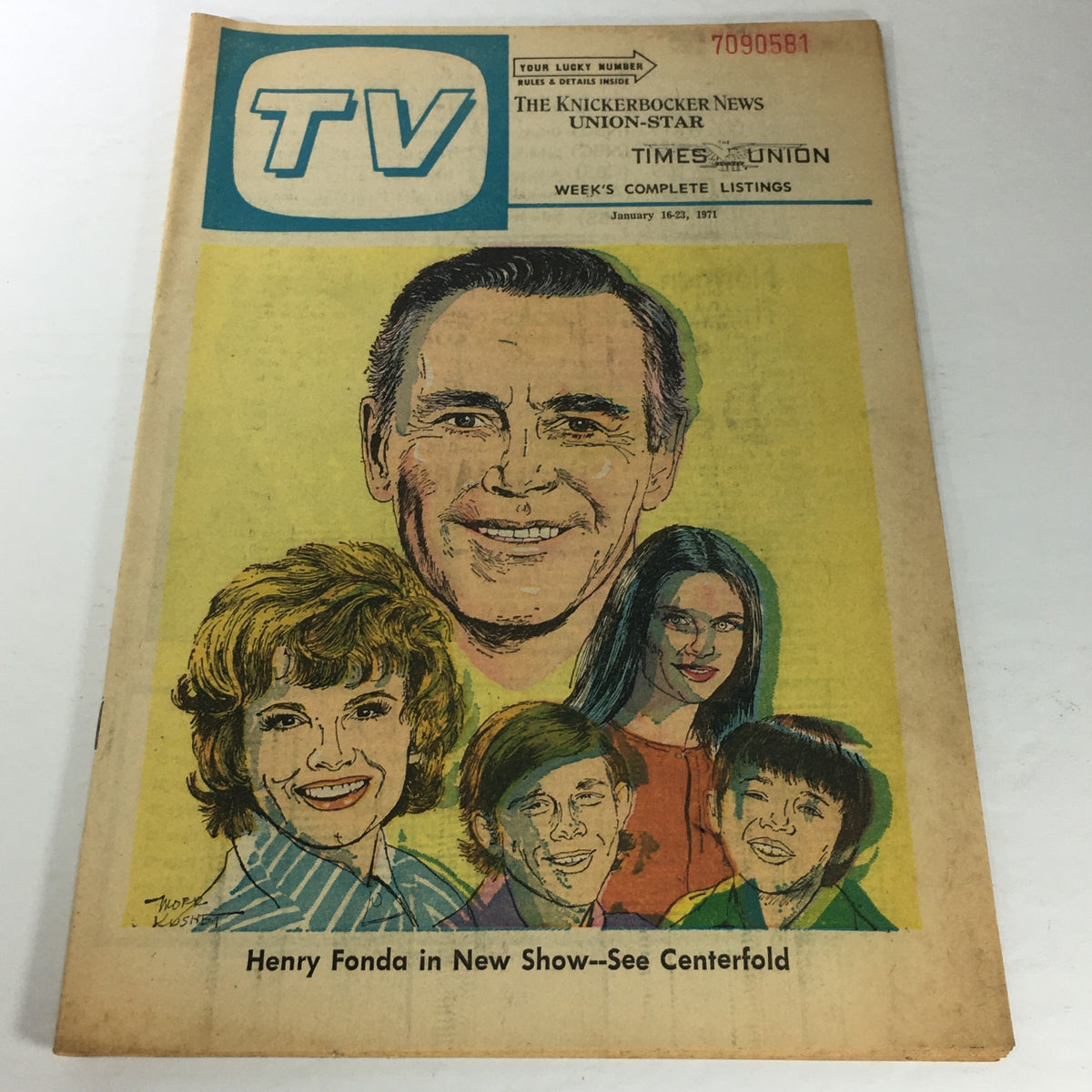
- Family and personal life features from the 1950s and 1960s, which touched on the Fonda household's complicated dynamics — often written with the careful, coded language of the fan press era — occasionally alongside profiles of a rising Jane or Peter Fonda
- Vietnam-era political coverage from the late 1960s and early 1970s, in which the actor's outspoken opposition to the war placed him in newsweeklies and current affairs magazines alongside editorials debating celebrity activism
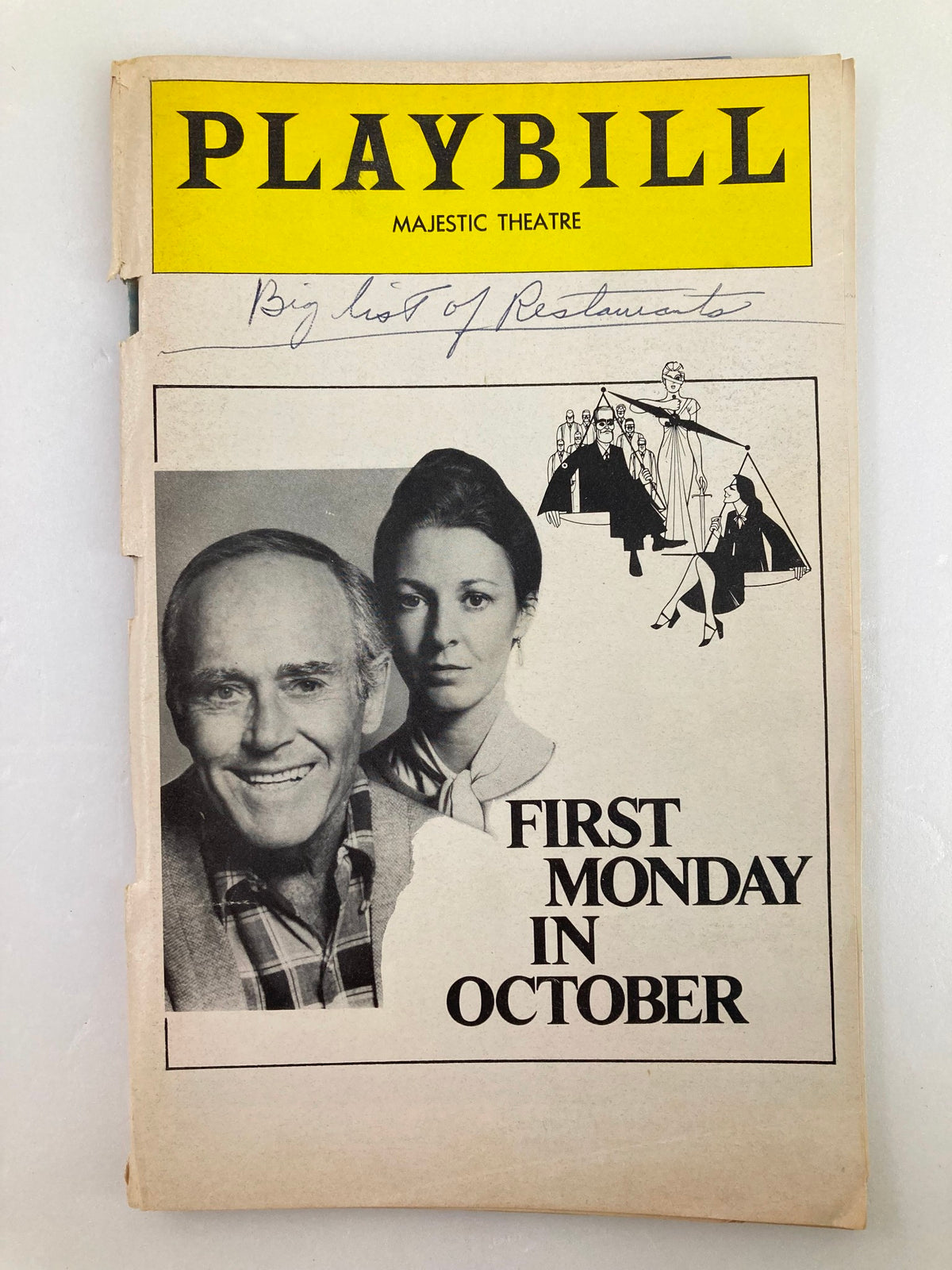
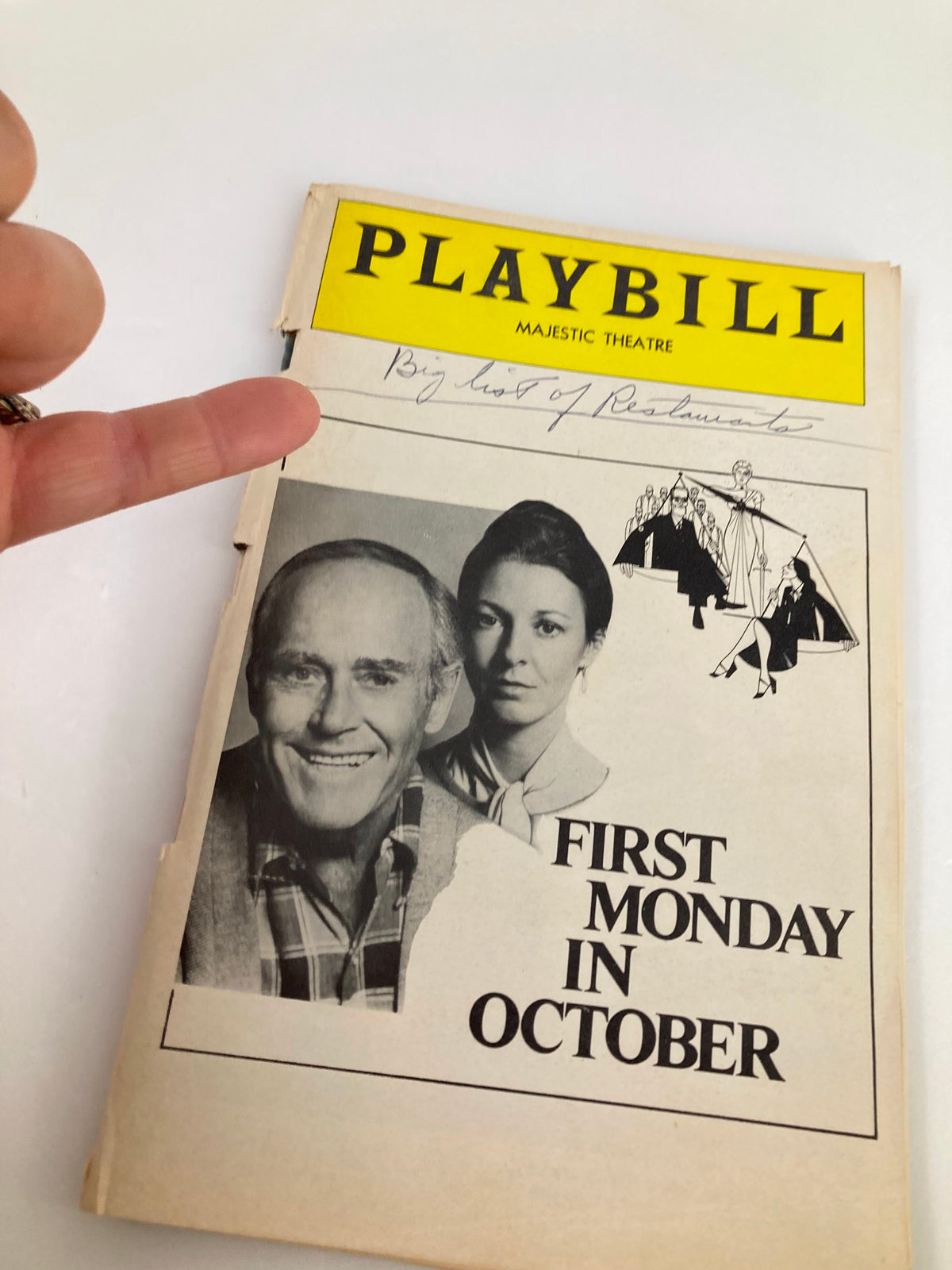
- Career retrospectives and awards coverage from the late 1970s and early 1980s, culminating in features surrounding his Academy Award for On Golden Pond — his long-overdue coronation by an industry that had underestimated him for decades
The Collector's Value
There is something irreplaceable about holding the actual magazine that carried his face on a newsstand in 1940 — the slightly rough texture of the wartime paper stock, the faint mustiness of decades-old ink, the full-page advertisements for Studebakers and Lucky Strike cigarettes that frame the editorial pages and place the reader unmistakably inside a vanished America. These are not reprints or digital scans; they are primary source documents, artifacts of the exact cultural moment in which this actor's image was being actively constructed and debated by a print-reading public. For collectors of classic Hollywood memorabilia, American cinema history, or 20th-century political and cultural ephemera, these publications offer an unmediated, tactile connection to one of the most enduring careers the screen has ever produced — context that no biography or documentary can replicate. Explore the current available inventory below and discover which pieces of this remarkable legacy are waiting to find a new home.