📖 About this Collection
Henry Ford: Architect of the Assembly Line Age
The Legend & The Legacy
Before Henry Ford, automobiles were playthings of the wealthy—hand-built curiosities gathering dust in carriage houses. After Ford, they became the heartbeat of American mobility, rolling off assembly lines in River Rouge at a pace that seemed to mock the very concept of scarcity. The farmboy from Dearborn didn't just build cars; he built a philosophy that married efficiency with democracy, proving that mass production could serve mass prosperity. The scent of machine oil and fresh paint became the perfume of progress, and the rhythmic clang of the assembly line became the industrial symphony of the 20th century. Ford's legacy isn't preserved in museums alone—it lives in every factory floor, every supply chain, every bold promise that innovation can make luxury affordable.
Inside the Archive
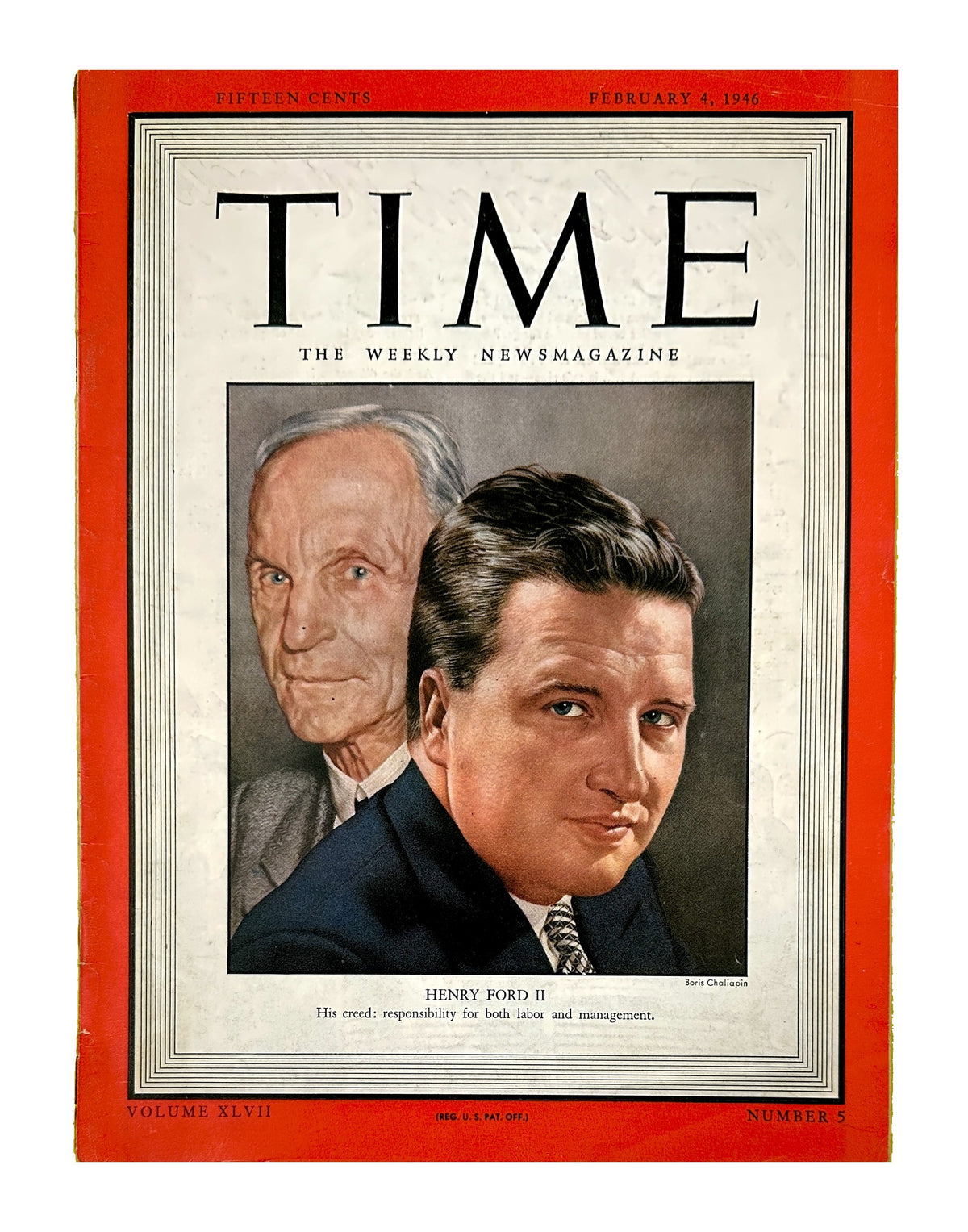
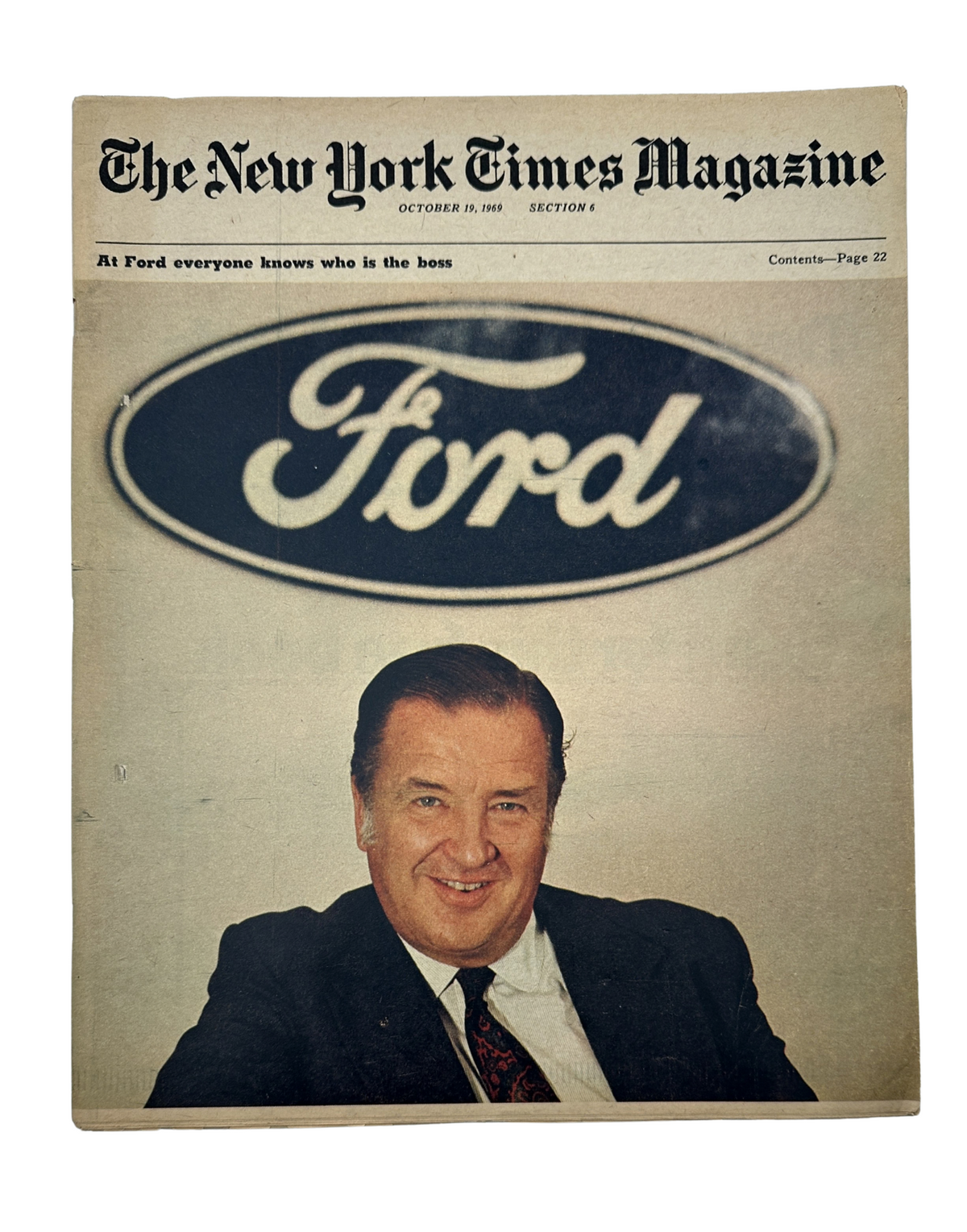
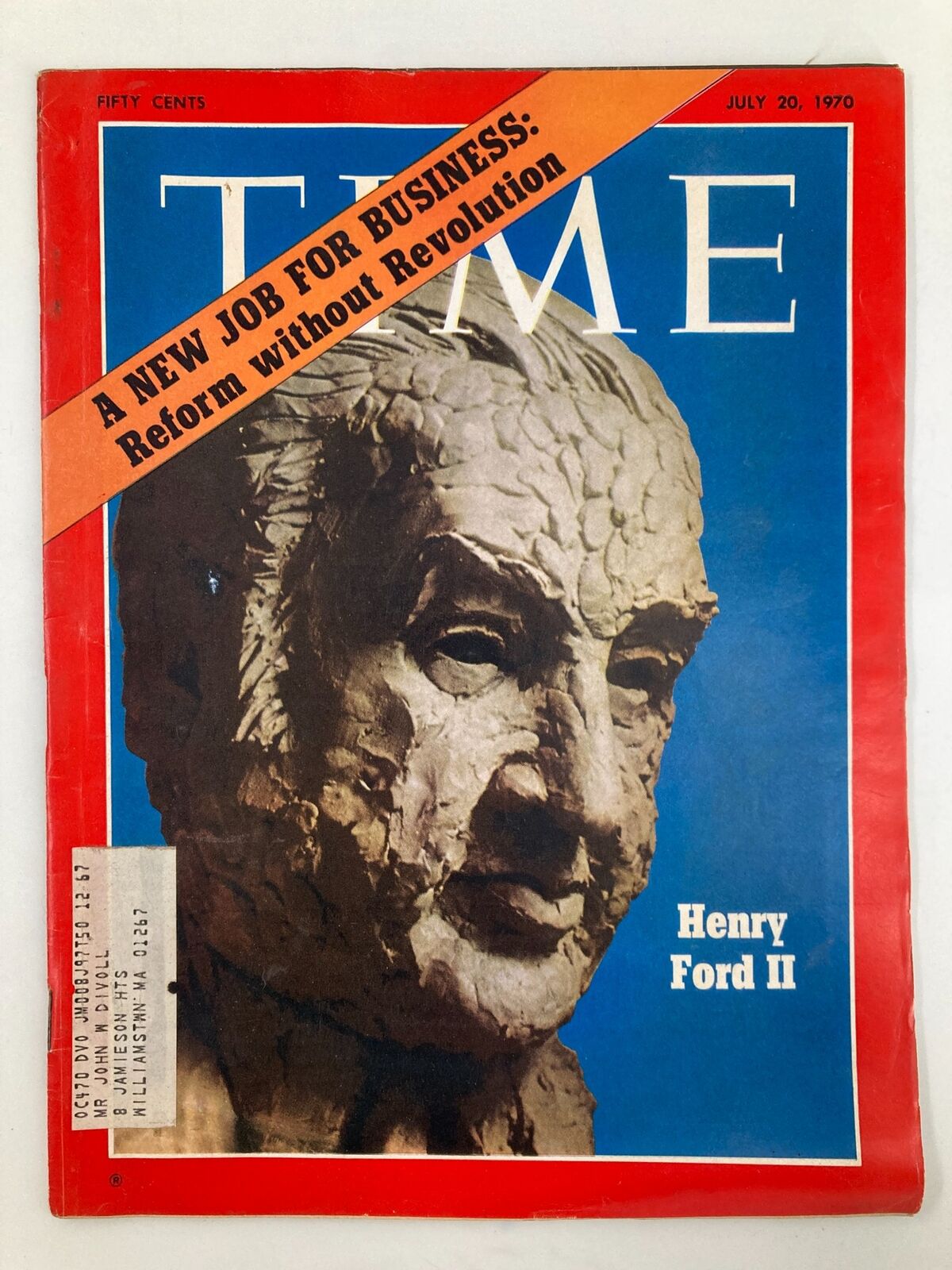
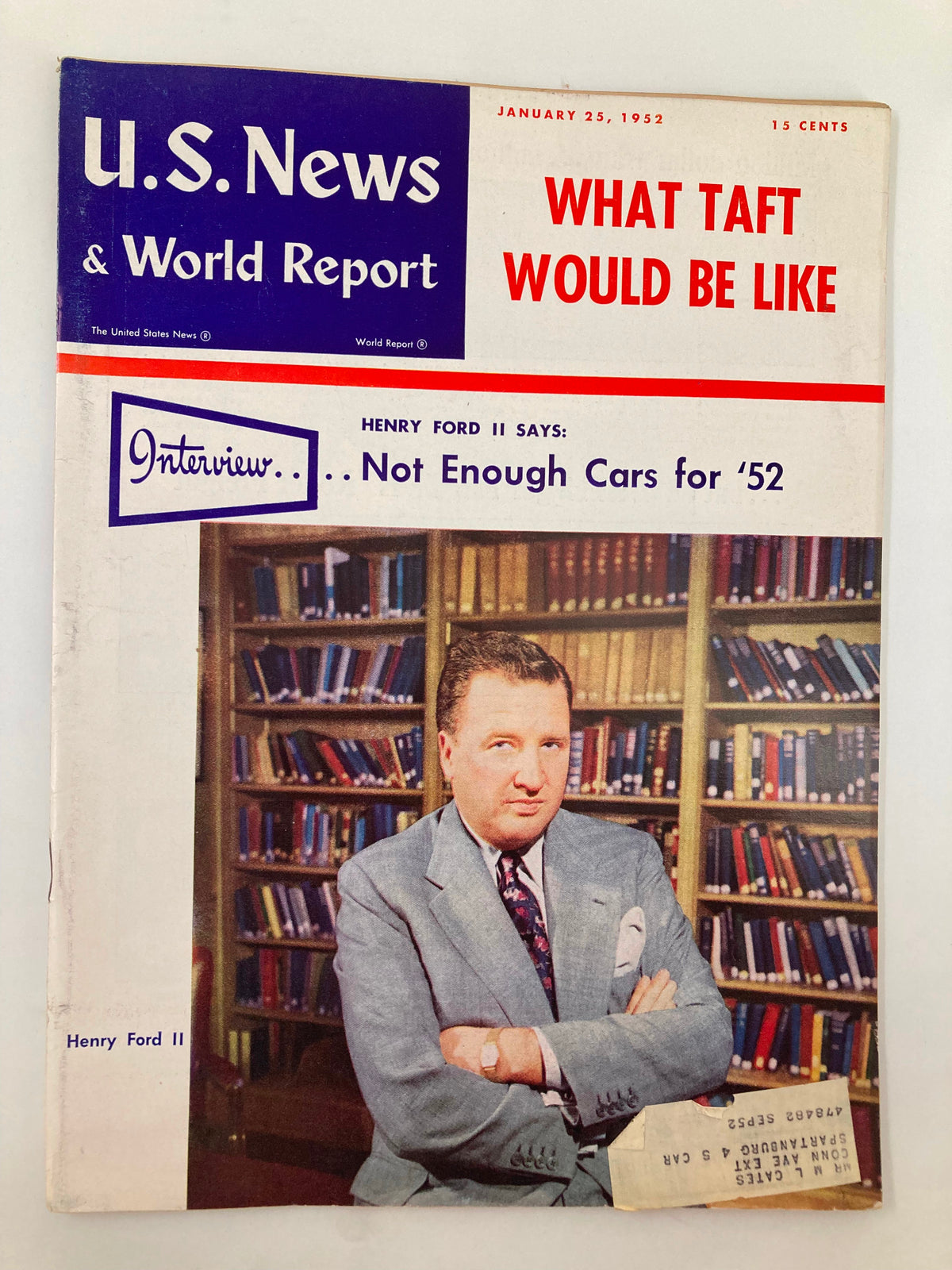
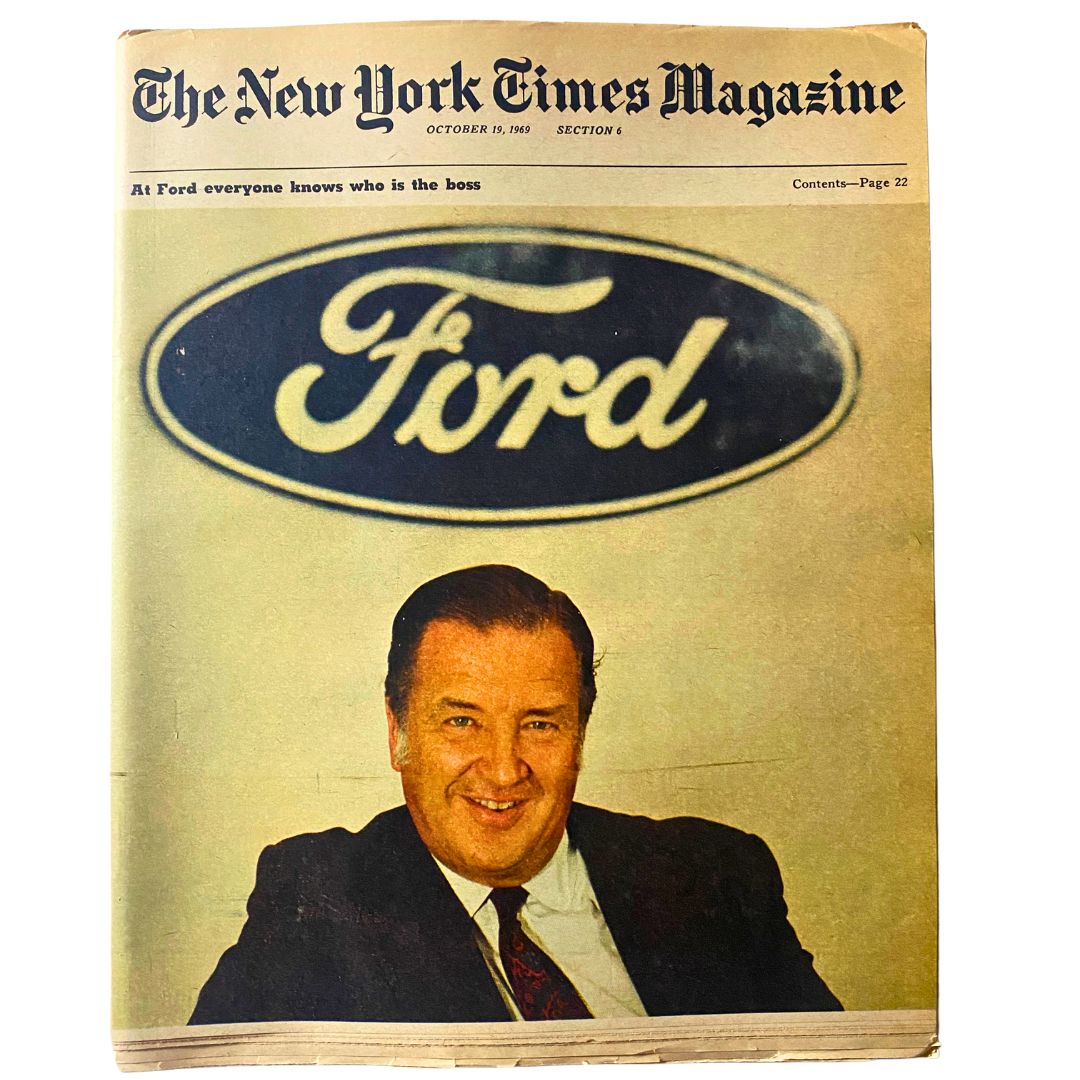
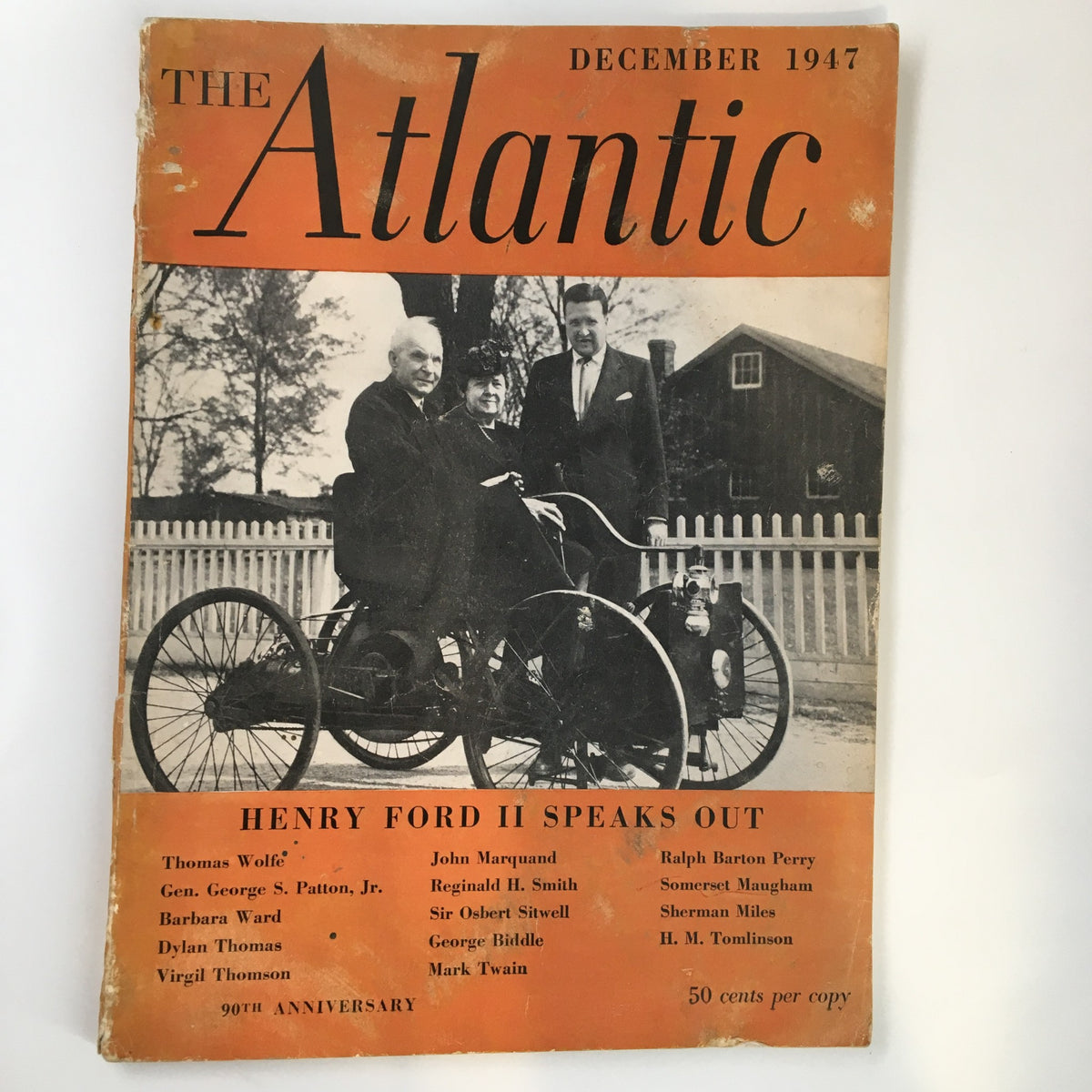
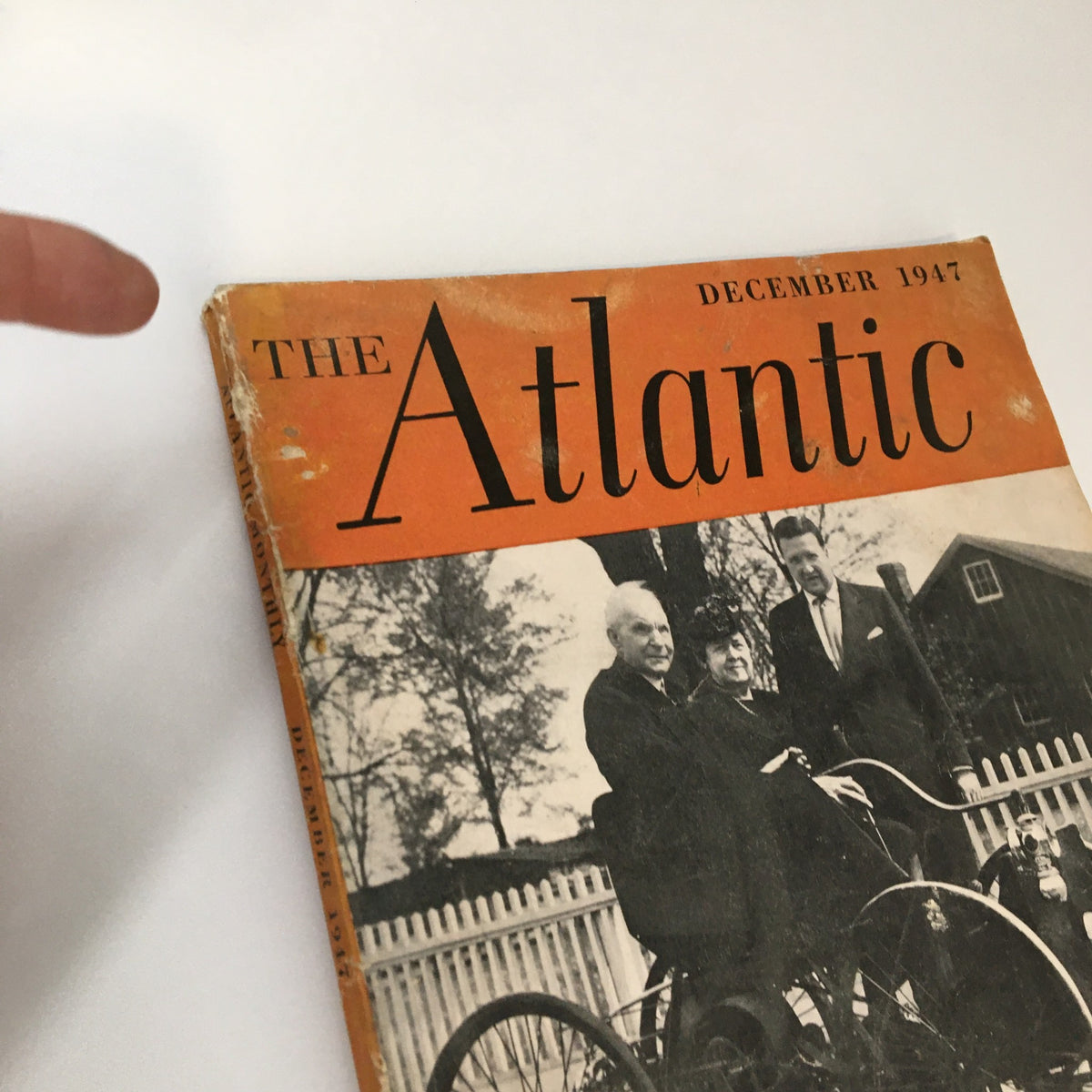
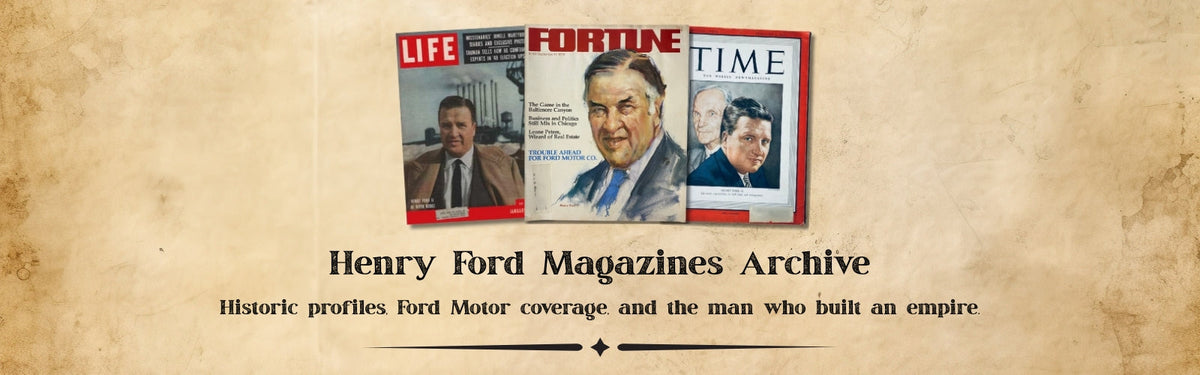
Vintage publications covering Ford captured a nation watching itself transform in real time. Business journals chronicled his revolutionary production techniques with the breathless excitement of war correspondents, while photojournalists documented the cathedral-like scale of Highland Park and River Rouge—temples of modern manufacturing where men and machines moved in unprecedented synchronization. The editorial tone oscillated between reverence for his industrial genius and scrutiny of his paternalistic labor policies and controversial public statements. Full-page spreads featured the iconic Model T in all its utilitarian glory, while profile pieces dissected everything from his five-dollar workday to his Village Industries experiment, painting a complex portrait of America's most paradoxical titan.
Curator's Checklist: Highlights Often Include
- The Model T Revolution: Deep dives into the "Tin Lizzie" phenomenon, exploring how a single vehicle design democratized American transportation and reshaped the national landscape.
- Assembly Line Innovation: Technical breakdowns and factory floor photography documenting the moving assembly line that reduced production time from twelve hours to ninety minutes—the industrial equivalent of splitting the atom.
- Labor & The Five-Dollar Day: Coverage of Ford's groundbreaking wage policies, the Sociological Department, and his complex relationship with organized labor during the Rouge strikes.
- Dearborn & The Ford Empire: Features on the vertical integration strategy that saw Ford controlling everything from rubber plantations to railroads, building an industrial fiefdom unprecedented in scale.
- Controversy & Vision: Articles grappling with Ford's isolationist politics, the Dearborn Independent years, and the philanthropic pivot that created one of the world's largest foundations—a legacy as complicated as it is influential.
The Collector's Value
Original Ford-era publications are portals to the moment when America shifted from agrarian past to industrial future, when the assembly line became the template for modern capitalism itself. These aren't mere magazines—they're primary sources documenting the birth of consumer culture, the reshaping of labor, and the audacious belief that production prowess could solve society's inequalities. For collectors of business history, automotive heritage, or the American Century, these issues represent ground zero of the modern manufacturing world. Explore our current inventory below to discover which chapter of Ford's industrial revolution is available today.