📖 About this Collection
Henry Kissinger: Architect of a Fractured World
The Legend & The Legacy
Few figures in the twentieth century commanded the front pages of global print media with such sustained, polarizing intensity as Henry Kissinger. As National Security Advisor and then Secretary of State under Presidents Nixon and Ford, he did not merely conduct foreign policy — he was foreign policy, a singular intellect whose realpolitik reshaping of the Cold War world made him simultaneously the most celebrated and most controversial diplomat alive. In an era before the twenty-four-hour news cycle flattened public discourse into noise, the American reading public encountered this complex, German-born statesman through the considered long-form journalism of weekly newsmagazines and photo-driven publications — spreads that gave editors the space to wrestle with the moral weight of détente with China, the agony of Vietnam's end, the secret bombing of Cambodia, and the audacious back-channel diplomacy that redrew the map of modern geopolitics. Print media did not merely report on him; it constructed the myth, the menace, and the mystique around him in equal measure.
Inside the Archive
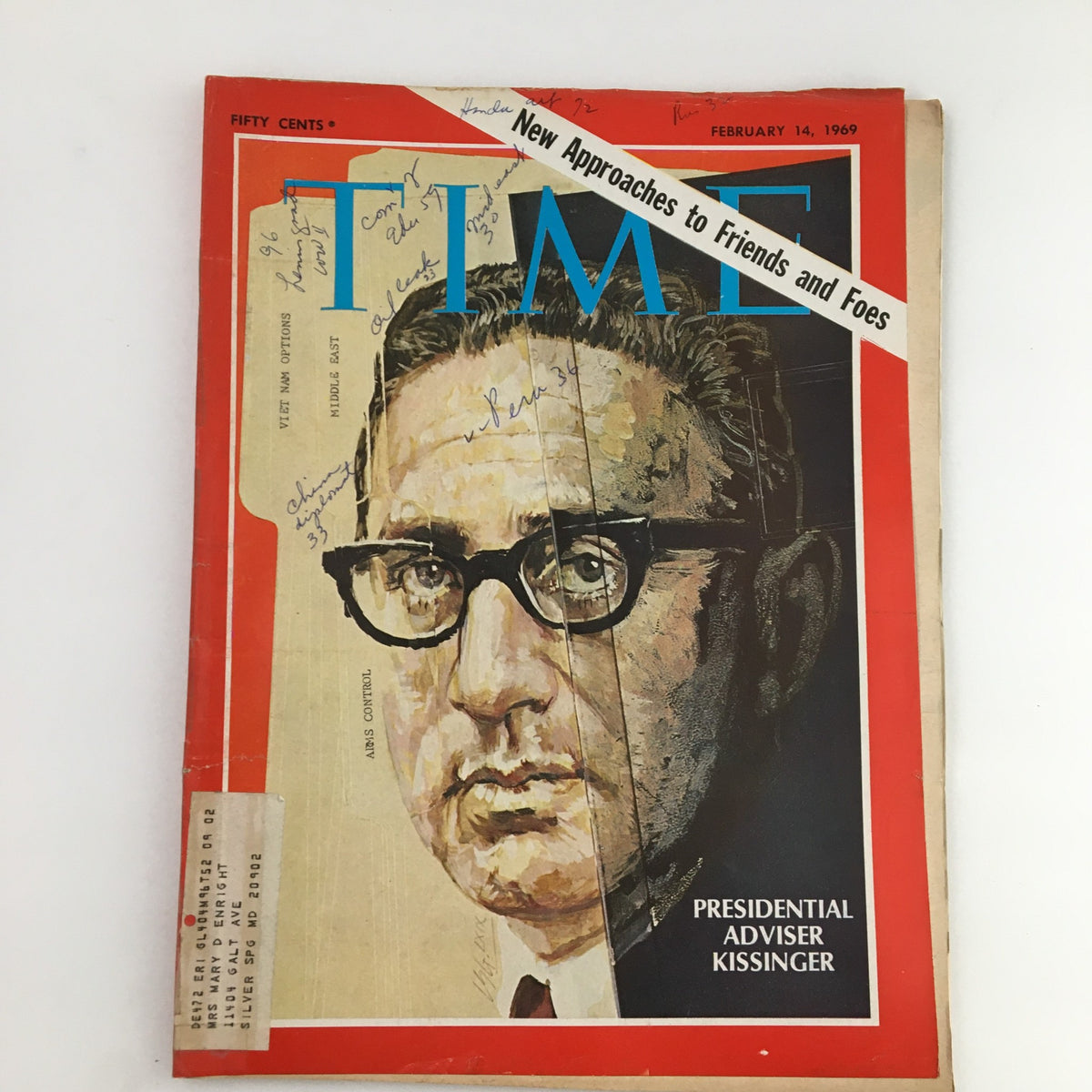
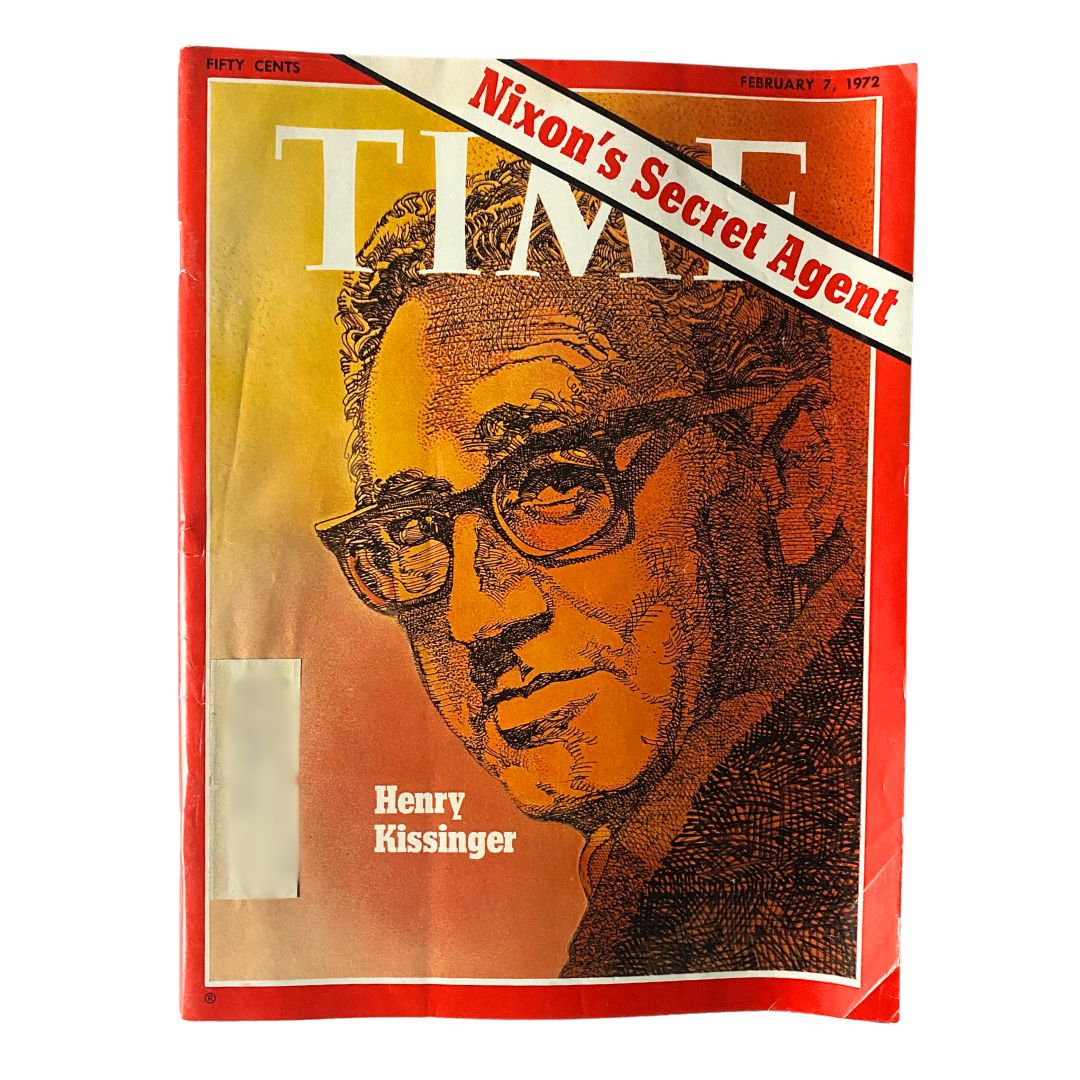
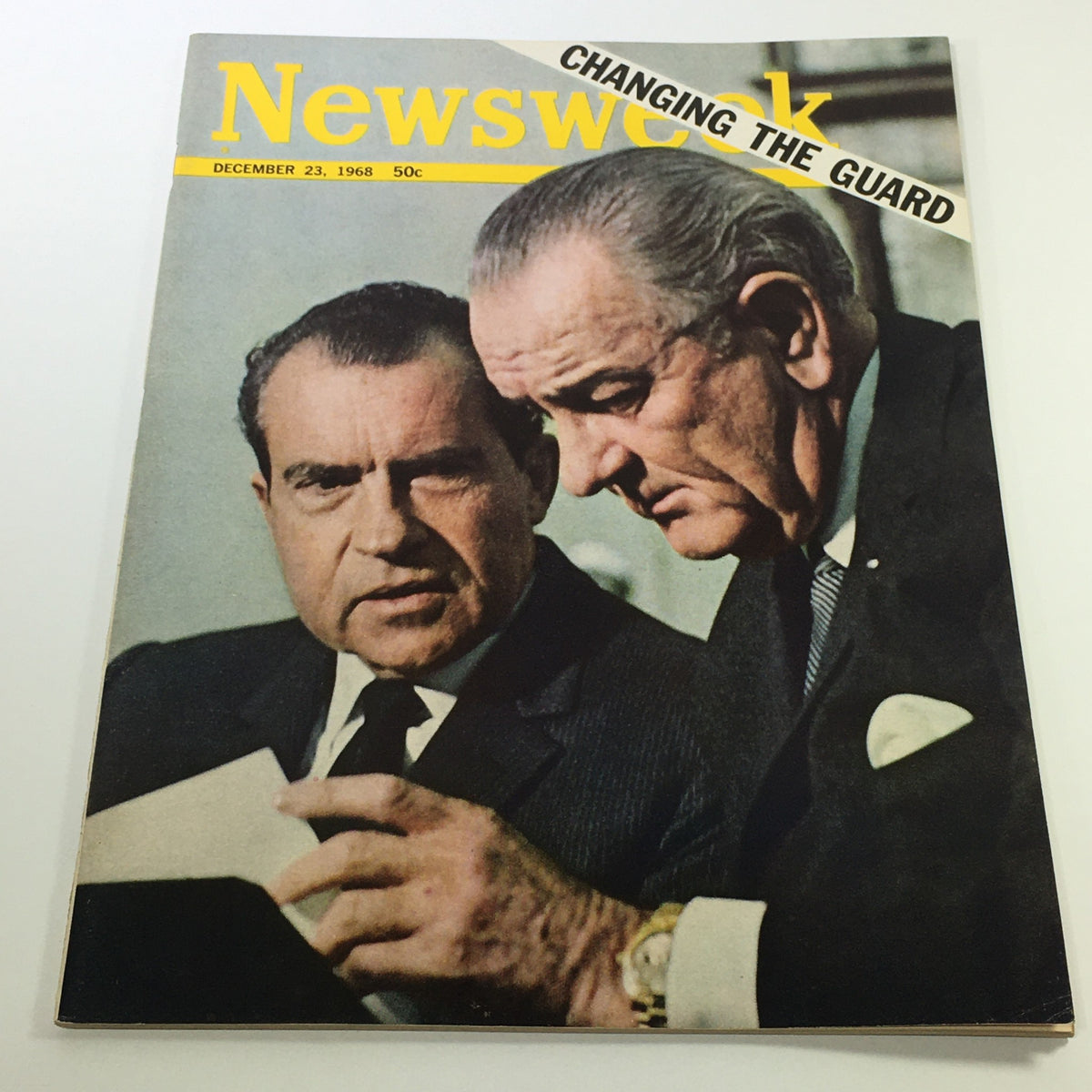
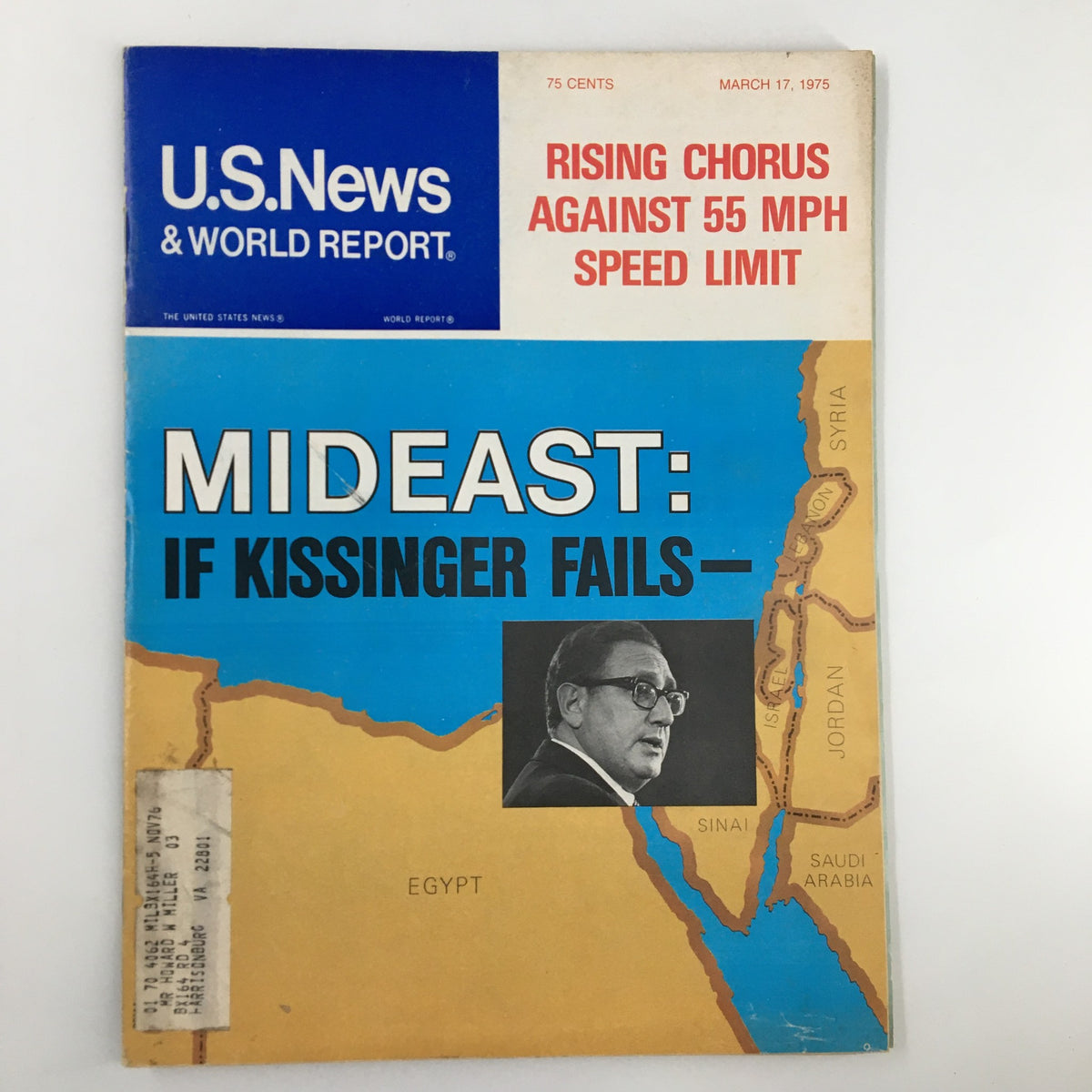
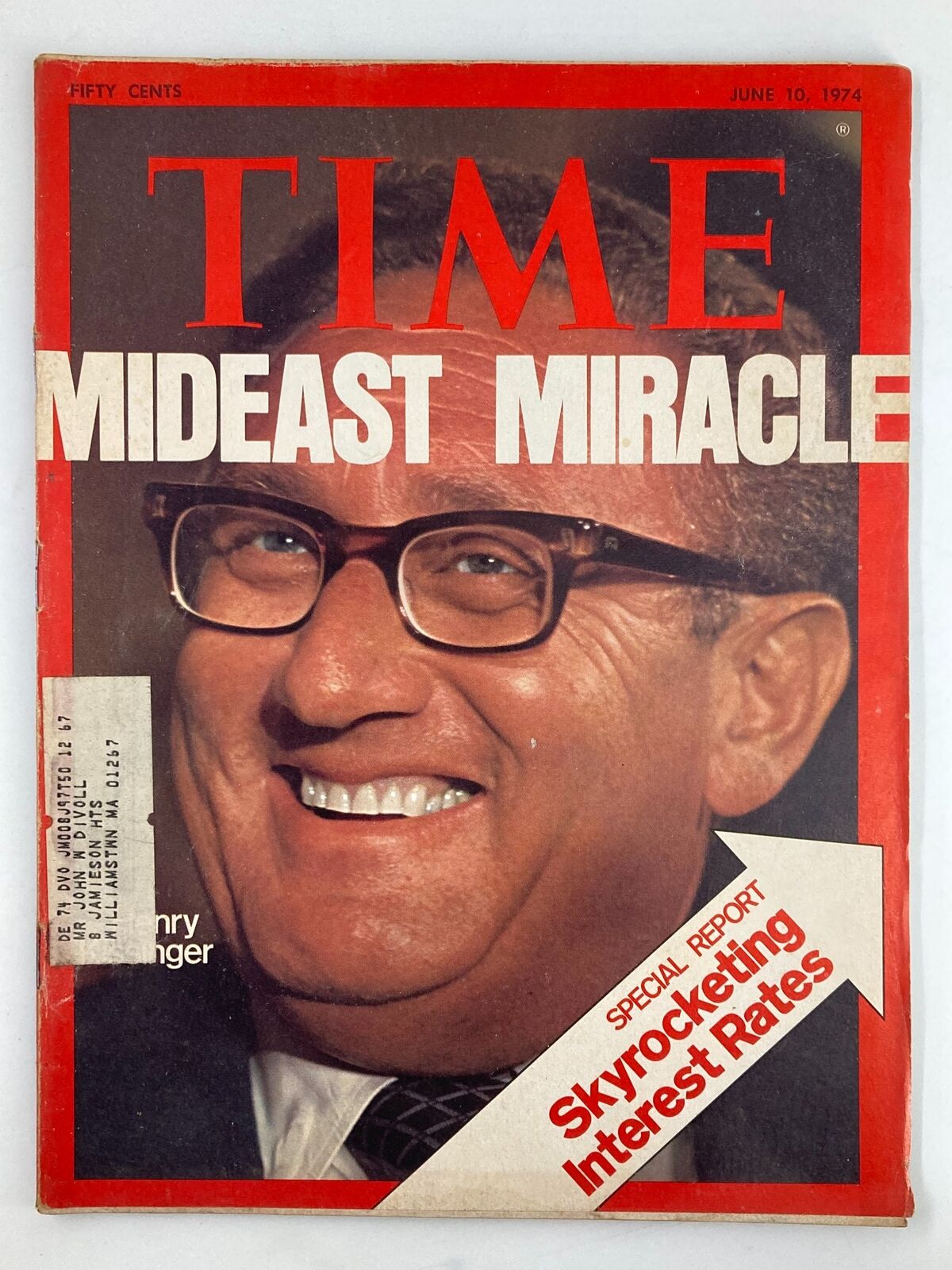
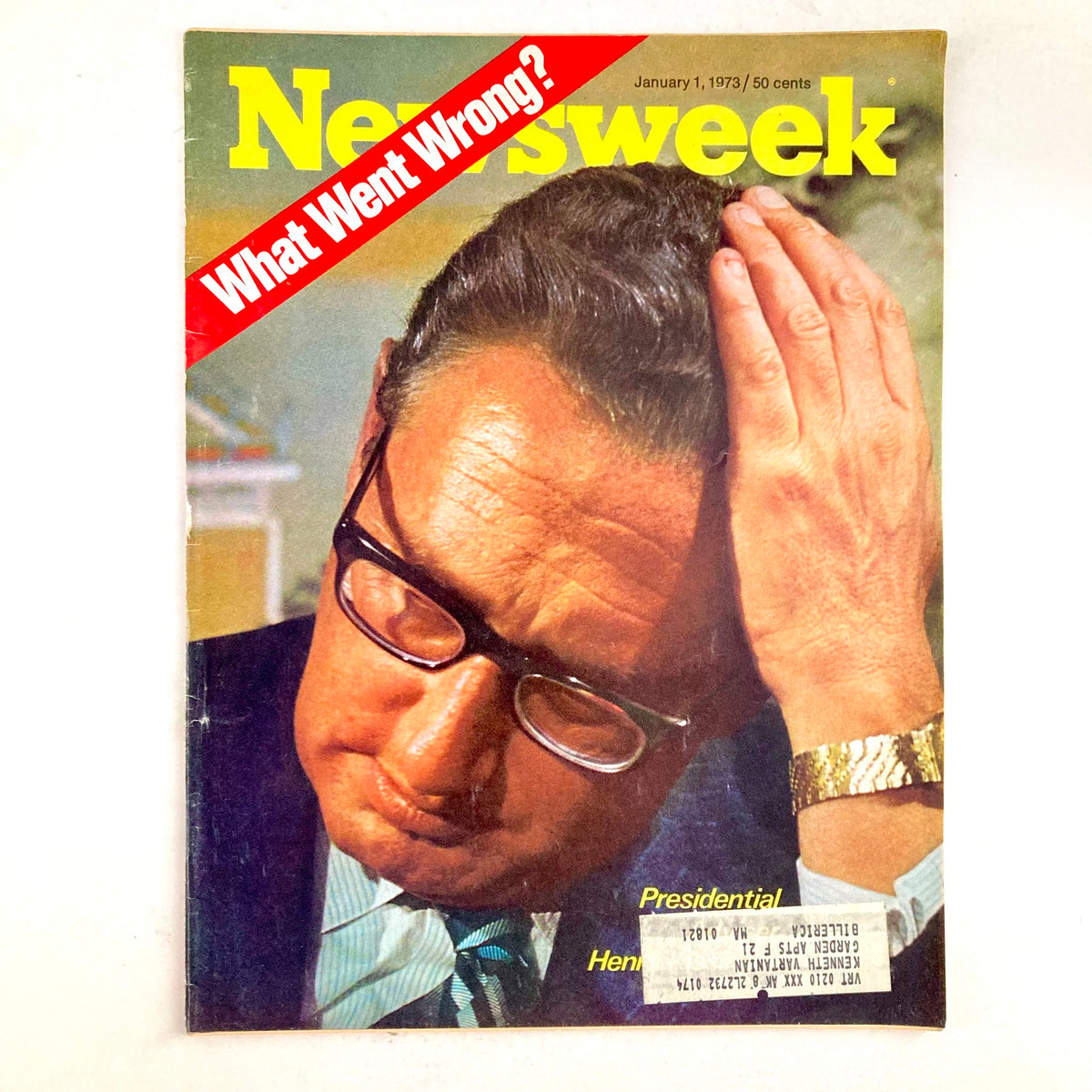
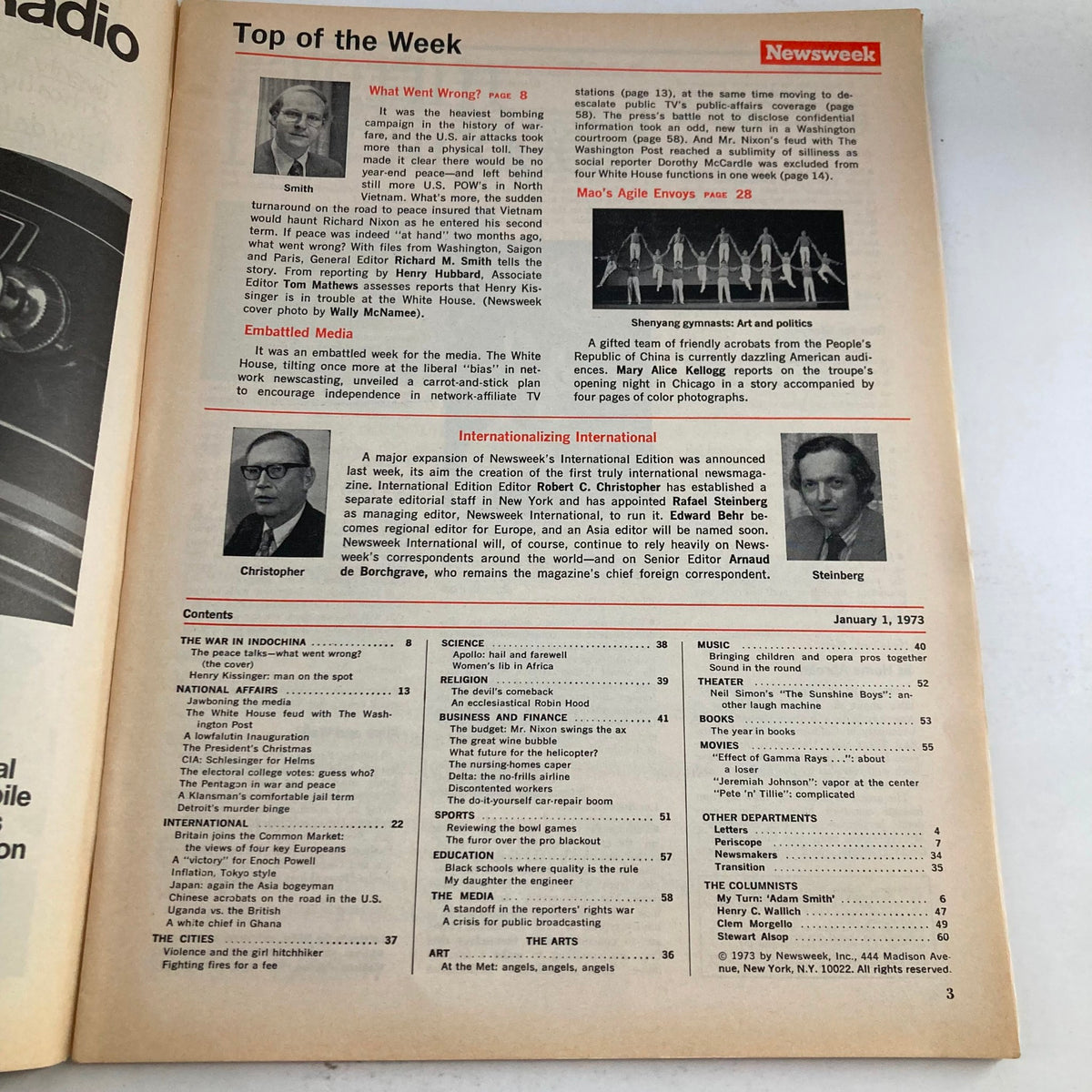
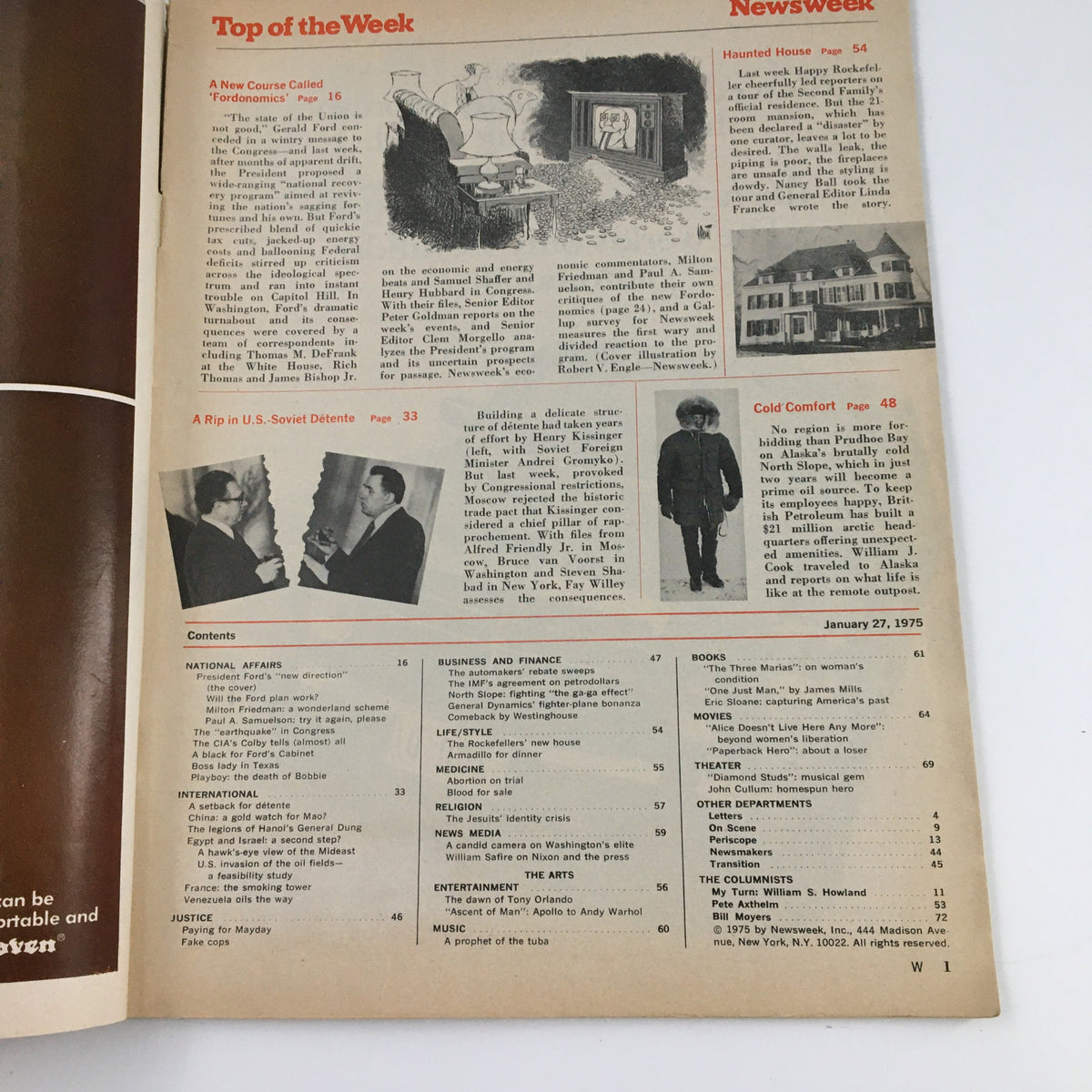
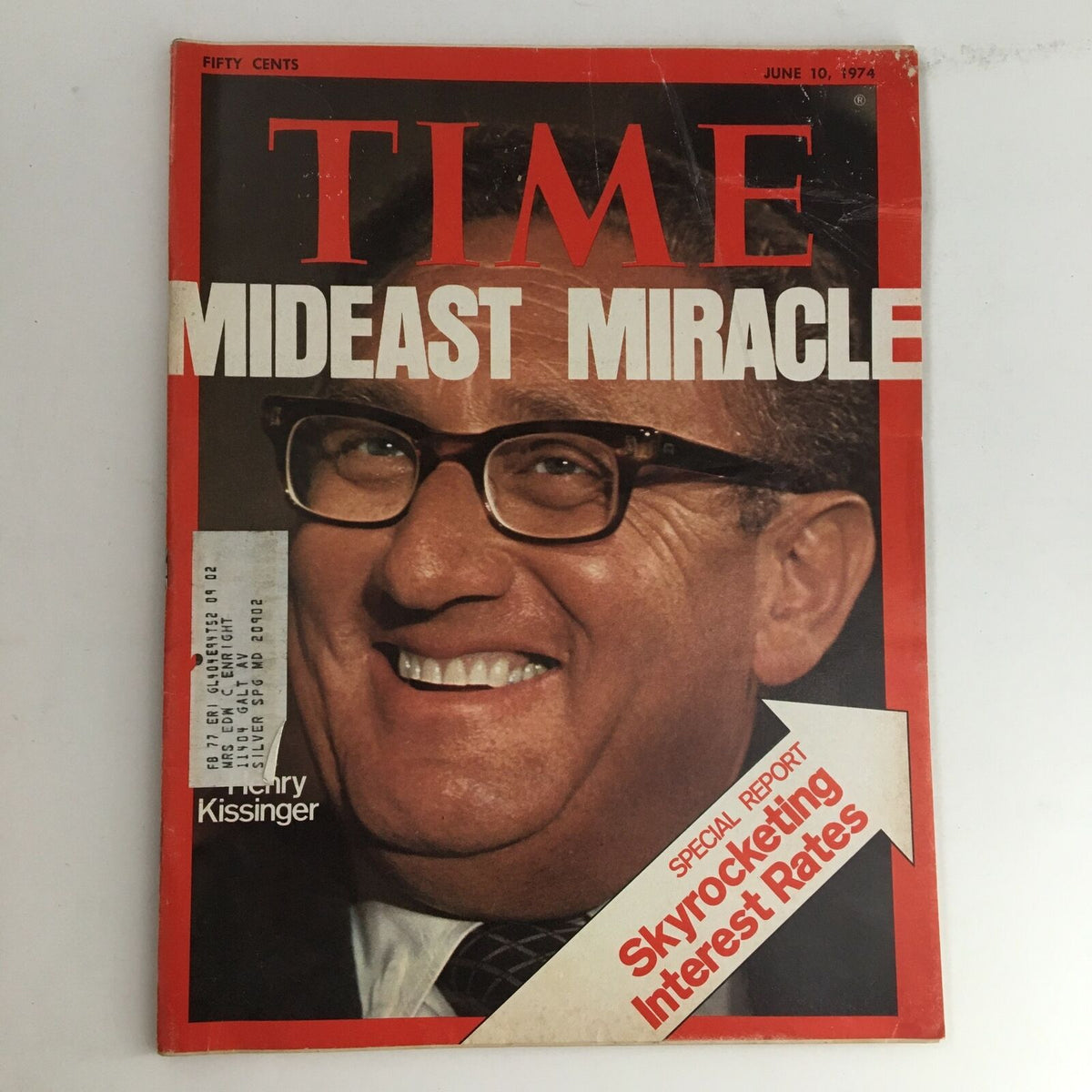
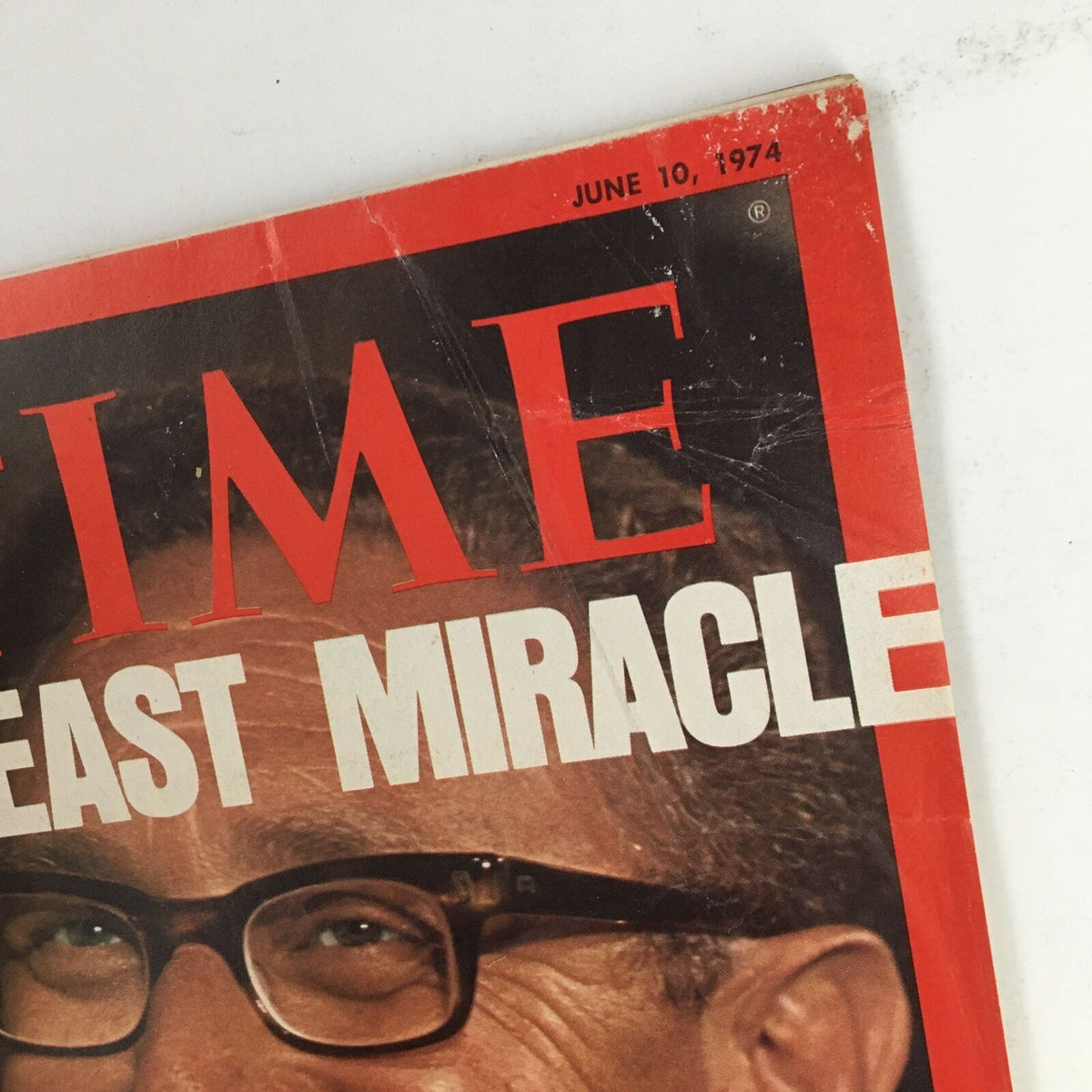
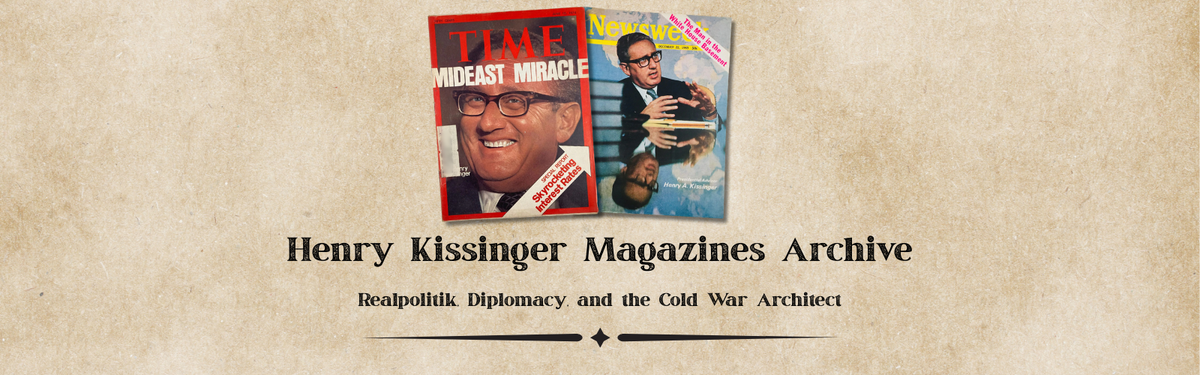
Vintage magazine coverage of the Secretary captures a man who was at once a bureaucratic titan and a genuine celebrity — a rare fusion that editors across the political spectrum found irresistible. Time and Newsweek waged something of a cold war of their own over his image, placing him on their covers with a frequency reserved only for sitting presidents, framing him in the dramatic chiaroscuro of Washington power photography — stern-faced behind thick-rimmed glasses, mid-handshake with Mao, or descending the steps of an aircraft into some geopolitical crucible. Life magazine, in its sweeping visual tradition, documented the pageantry of shuttle diplomacy with the kind of full-bleed photojournalism that made foreign policy feel cinematic. Internationally, Der Spiegel brought a particularly sharp, probing editorial lens to the man who had fled Nazi Germany as a teenager and returned to remake the world order on his own terms — their coverage often cutting beneath the American mythology to expose the contradictions within.
Curator's Checklist: Highlights Often Include
- Nixon-Era Summit Coverage — Issues documenting the historic 1972 opening to China and Nixon's Moscow summit, featuring the statesman front and center as the strategic mind behind the most consequential diplomatic pivots of the Cold War
- Vietnam & the Nobel Controversy — Editorial features and photo essays surrounding the Paris Peace Accords and his deeply contested 1973 Nobel Peace Prize, often accompanied by striking protest photography and charged op-ed spreads
- The Watergate Backdrop — Newsweekly issues from 1973–1974 in which he navigated the collapse of the Nixon presidency while remaining the sole unimpeachable pillar of American foreign policy — a remarkable chapter captured in real time
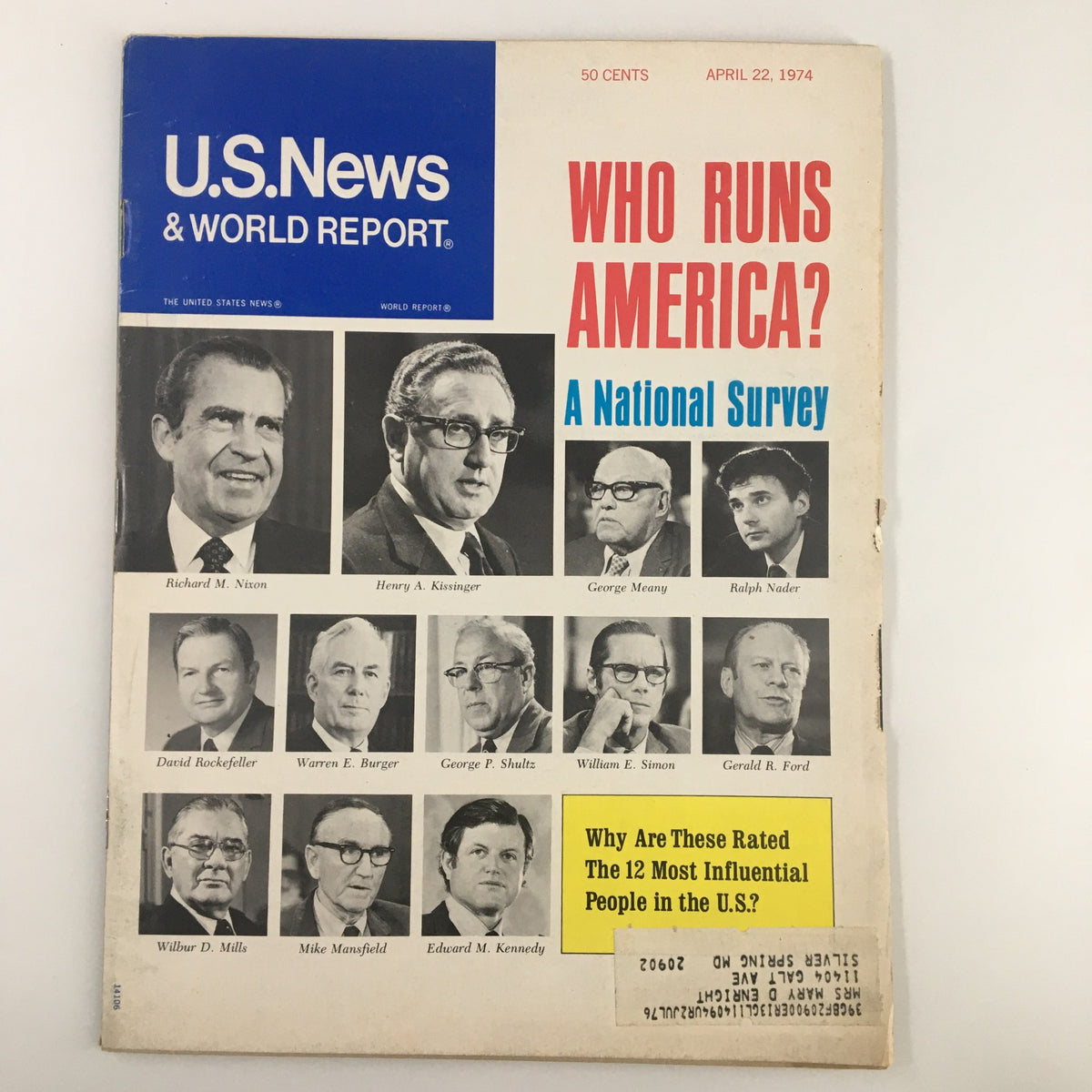
- Celebrity Diplomat Portraiture — Profile features from the mid-1970s leaning into his improbable celebrity status, including appearances in publications not traditionally associated with statecraft, reflecting the era's fascination with power as glamour
- Post-Government Legacy Reassessments — Long-form retrospectives from the late 1970s through the 1990s, as historians and editors began the ongoing, unresolved debate over whether he was a strategic genius or the architect of profound moral failure
The Collector's Value
To hold one of these issues in your hands is to hold the argument itself — the paper slightly brittle at the edges, the ink carrying that unmistakable mid-century minerality, the surrounding advertisements a vivid portal back to the world that was anxiously reading these very pages: whiskey brands, airline routes to cities then behind the Iron Curtain, automobile manufacturers promising an American future that felt both triumphant and uncertain. These are not secondary sources or digitized facsimiles; they are the unmediated, first-draft record of history as it was experienced by millions of ordinary readers trying to make sense of an extraordinary man shaping an extraordinary moment. For collectors of Cold War history, American political memorabilia, or twentieth-century journalism and photojournalism, these publications offer something no biography or documentary can replicate — the visceral, tactile sensation of reading the news when the outcome was still unknown. Explore our current rotating inventory below and discover which pieces of this remarkable archive are available today.