📖 About this Collection
Henry Winkler: The Coolest Kid in Every Living Room in America
The Legend & The Legacy
In the autumn of 1974, a leather-jacketed, slick-haired young actor swaggered onto the set of Happy Days and, almost without warning, became one of the most recognizable human beings on the planet. Arthur Herbert Fonzarelli — "The Fonz" — was never supposed to be the star, yet Henry Winkler's magnetic, deeply humane portrayal of the cool-but-tender mechanic from Milwaukee turned a nostalgic sitcom into a full-blown cultural phenomenon. In an era before social media algorithms or streaming platforms determined what the public loved, America fell for him the old-fashioned way: week after week, in living rooms bathed in the blue glow of a single television set, and then — just as powerfully — on the glossy pages of the magazines piled on coffee tables, tucked into school lockers, and mailed to suburban households across the country. The thumbs-up gesture became a generational shorthand. Fan mail arrived by the truckload. And the press, recognizing a once-in-a-decade kind of star, responded in kind.
Inside the Archive
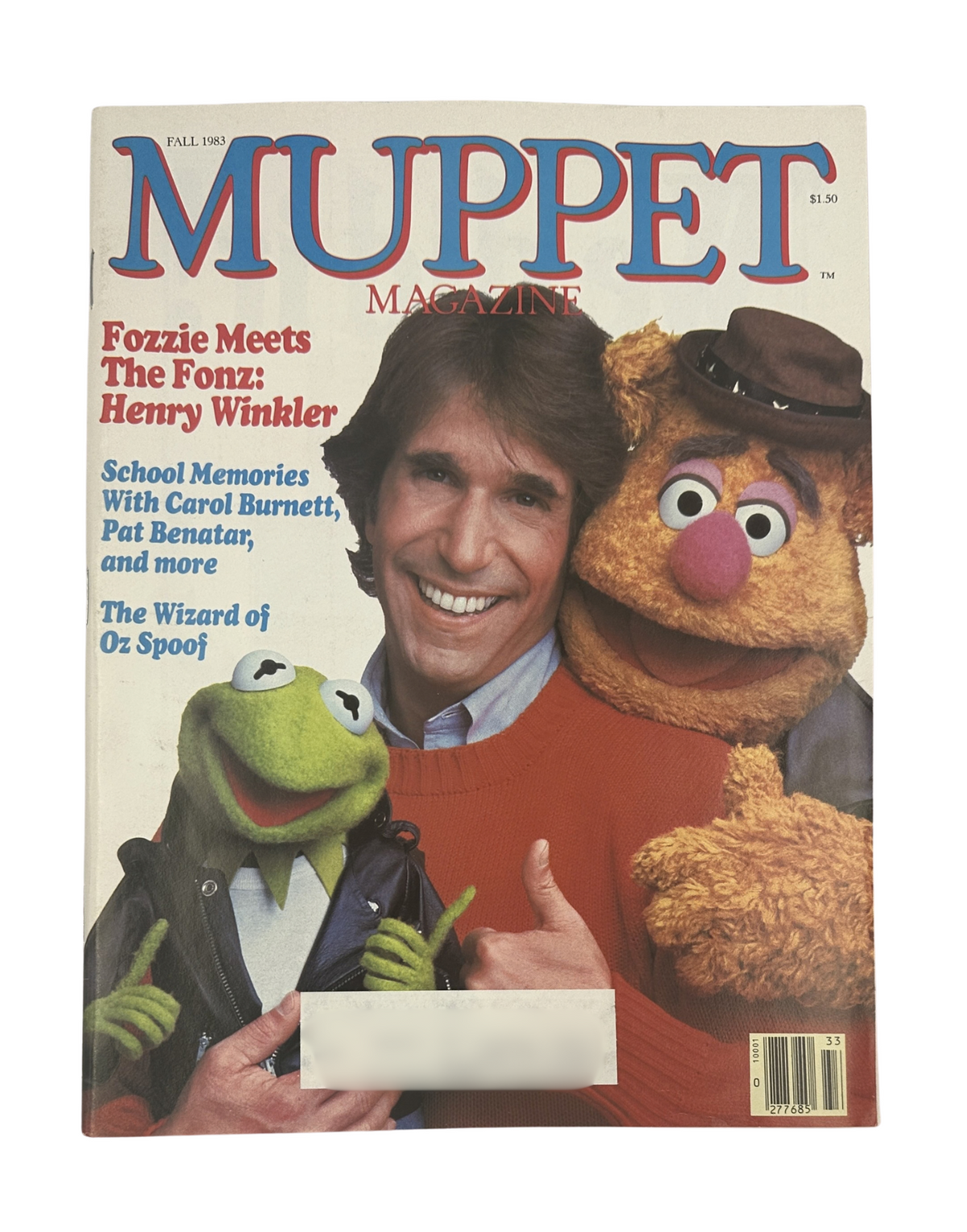
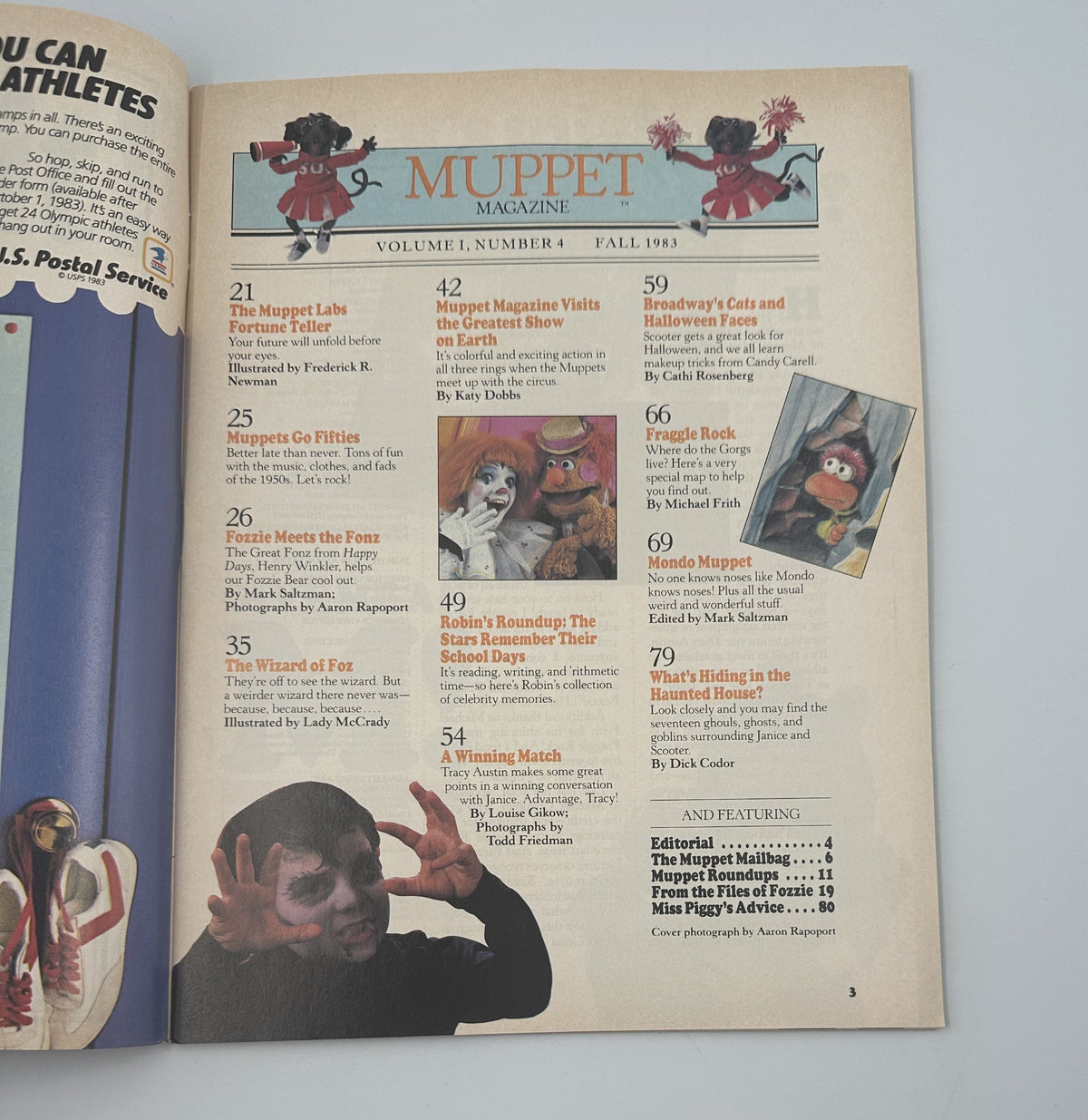
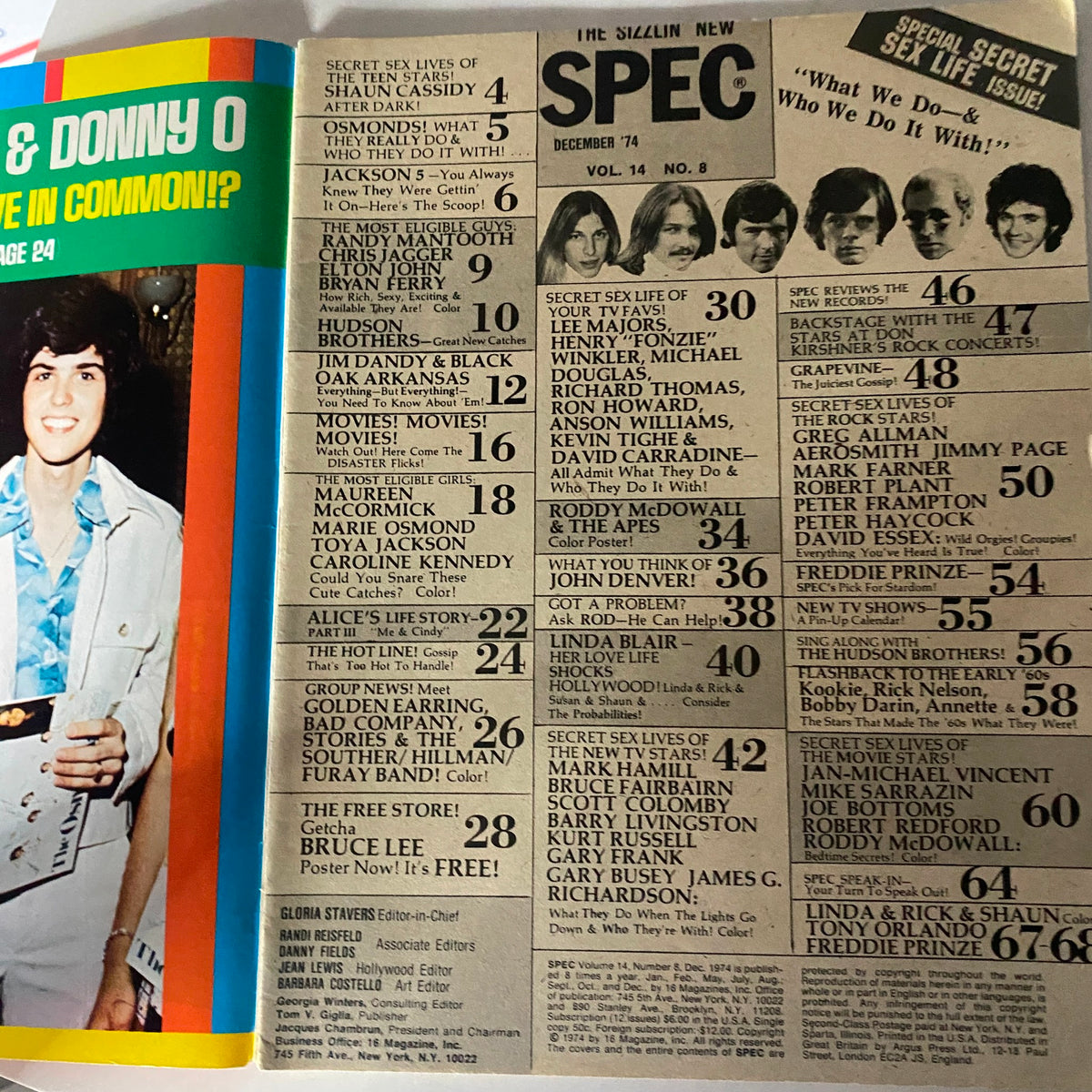
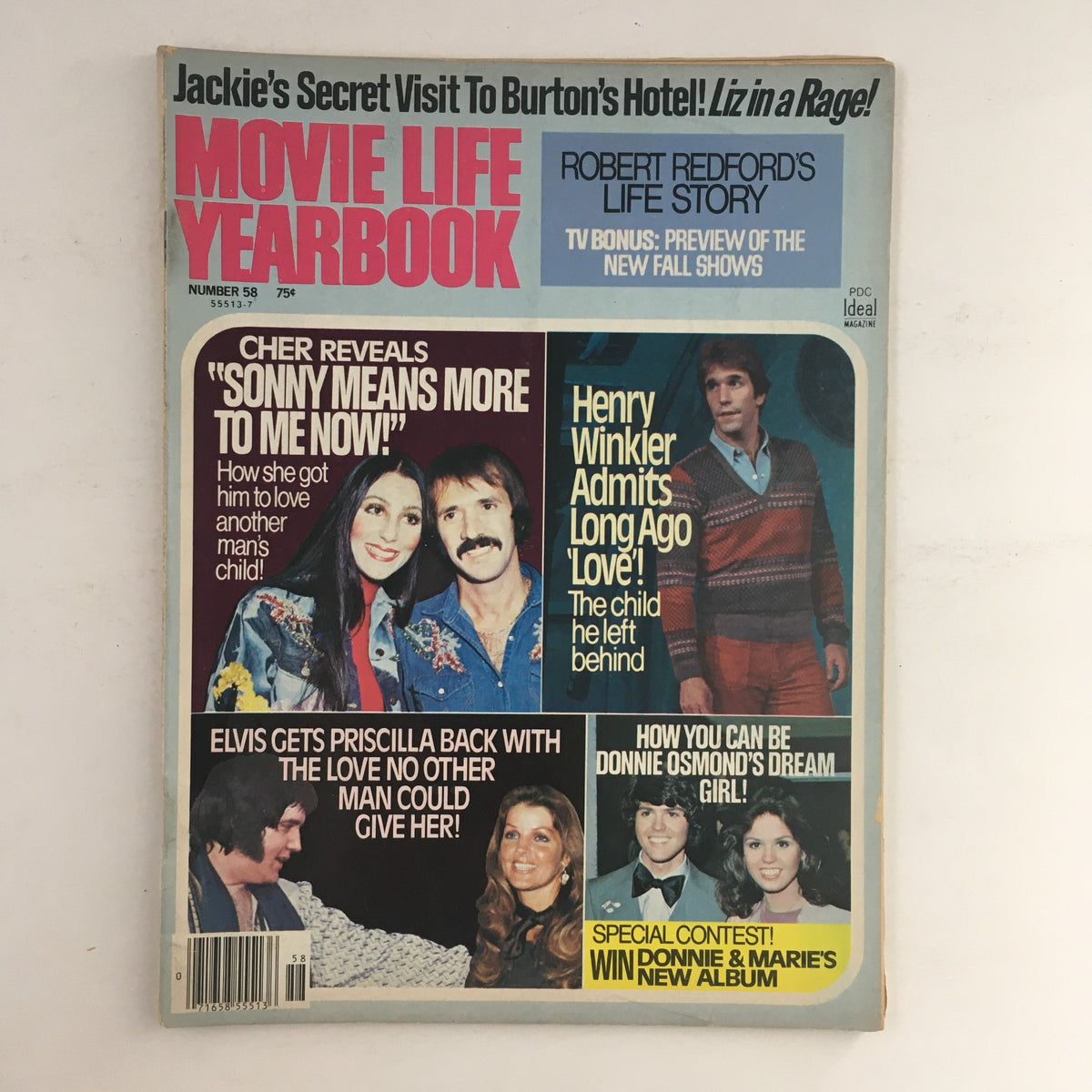
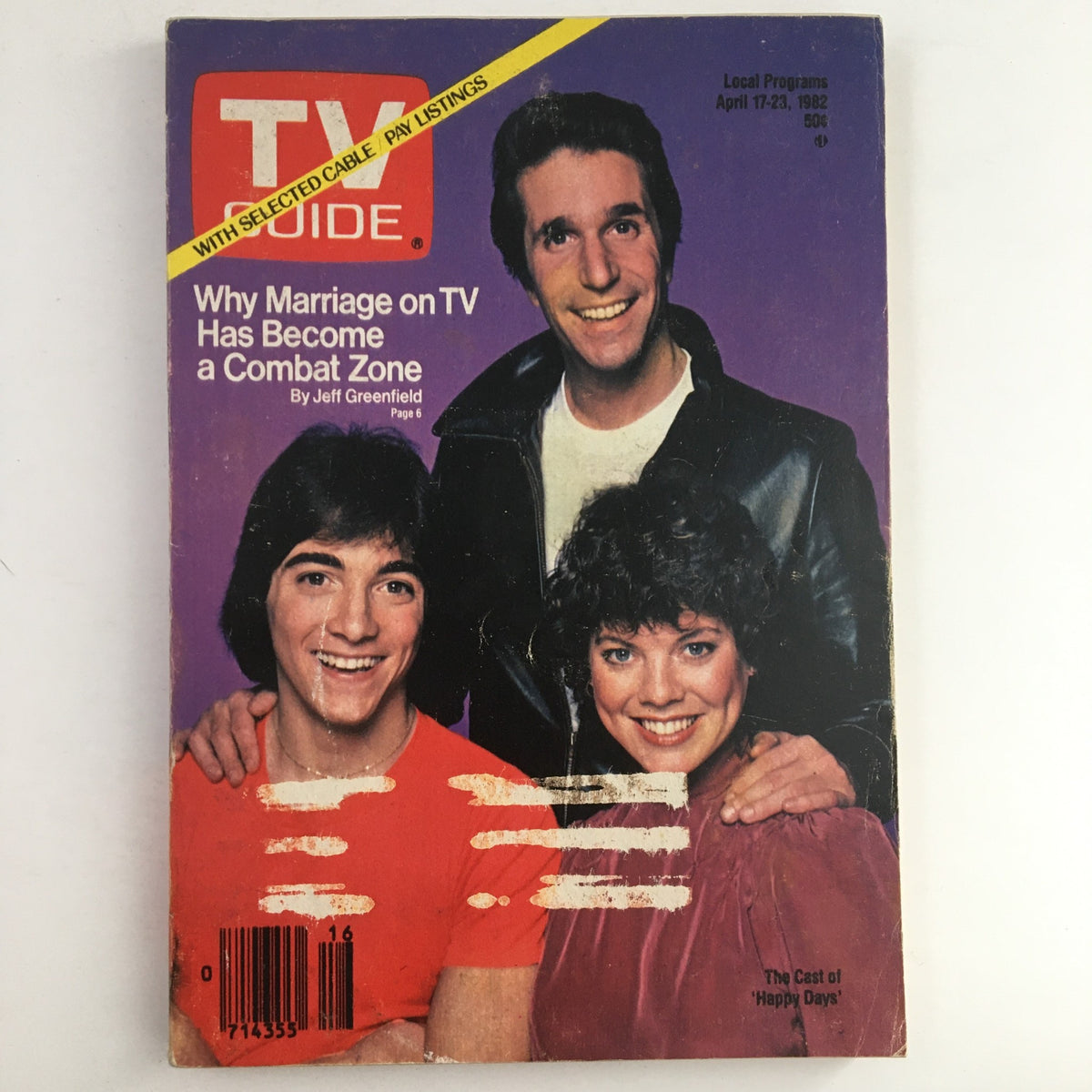
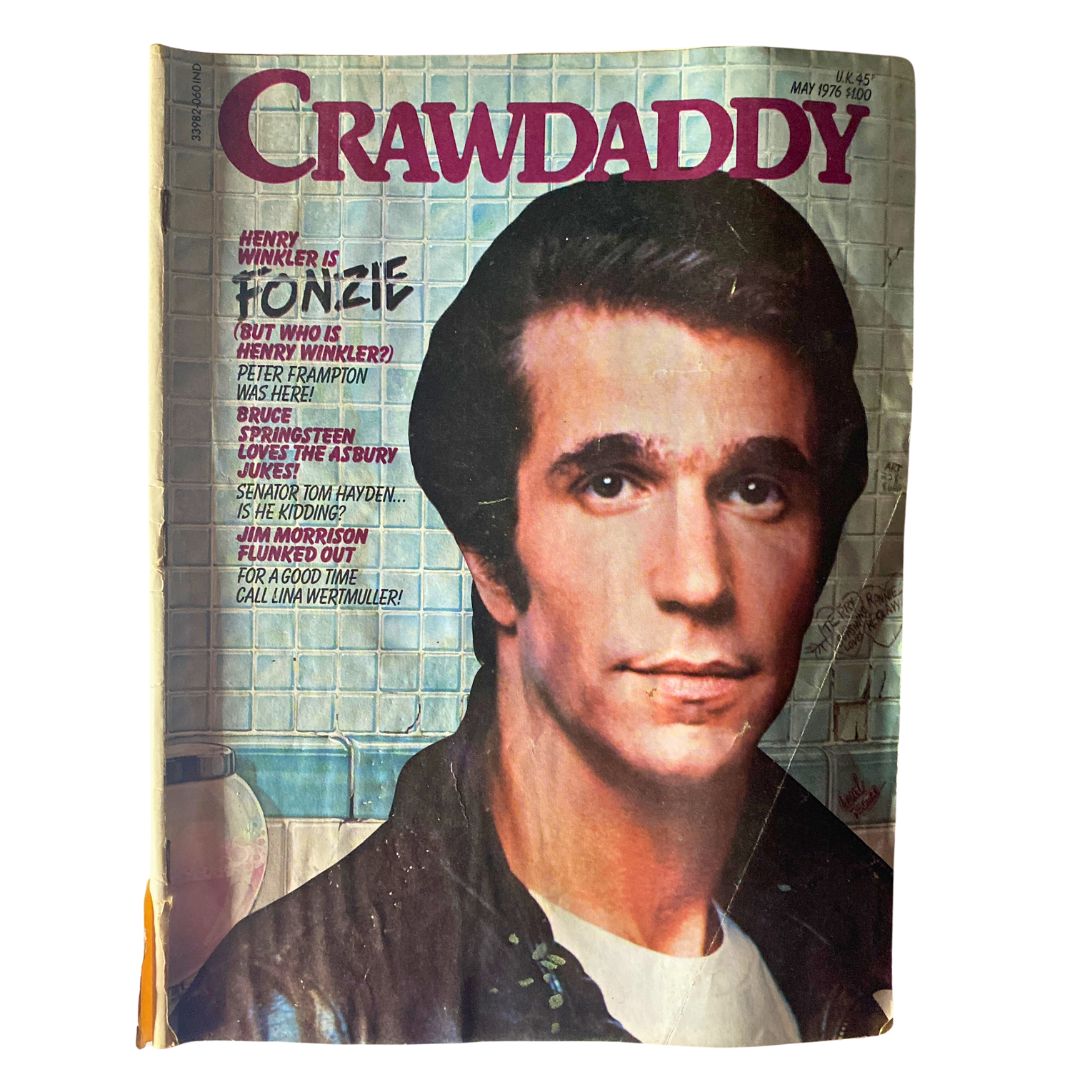
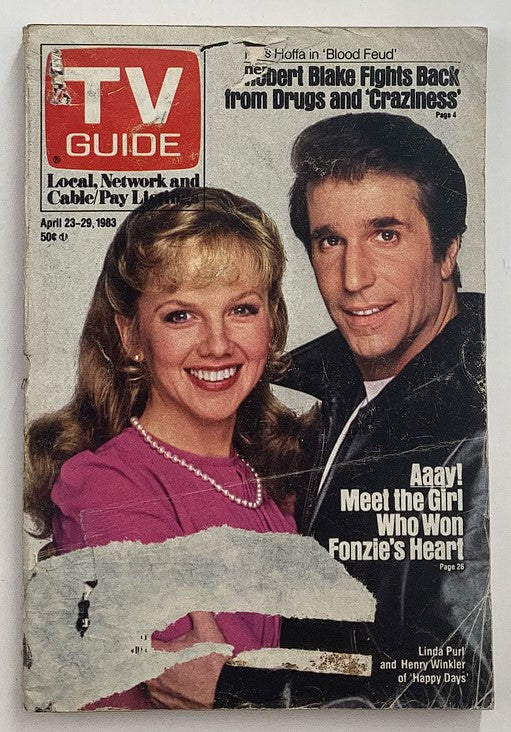
At the height of his fame, the man behind the Fonz was everywhere in print — and the coverage was as warm and exuberant as the character himself. Fan-oriented weeklies and mainstream entertainment monthlies alike put him on their covers with a reverence usually reserved for rock gods and Hollywood royalty. People magazine, then still young and hungry, chronicled his rise with profiles that balanced the glamour of stardom with his surprisingly earnest, self-deprecating New York personality. TV Guide — arguably the most-read publication in mid-1970s America — featured him with a frequency that reflected just how dominant Happy Days had become in the Nielsen ratings. Meanwhile, teen publications like Tiger Beat and 16 Magazine immortalized him in the pin-up spreads and breathless Q&As that defined how a generation of young fans formed parasocial bonds with their idols. The photography of this era captures a particular kind of charisma: leather jacket draped just so, a half-smile that suggested both mischief and safety. Later, as Winkler matured into a respected producer, director, and — decades on — a beloved figure in children's literature and prestige television, the editorial tone shifted accordingly, with profiles in more serious entertainment and cultural outlets tracing the full, remarkable arc of a career that refused to be defined by a single role.
Curator's Checklist: Highlights Often Include
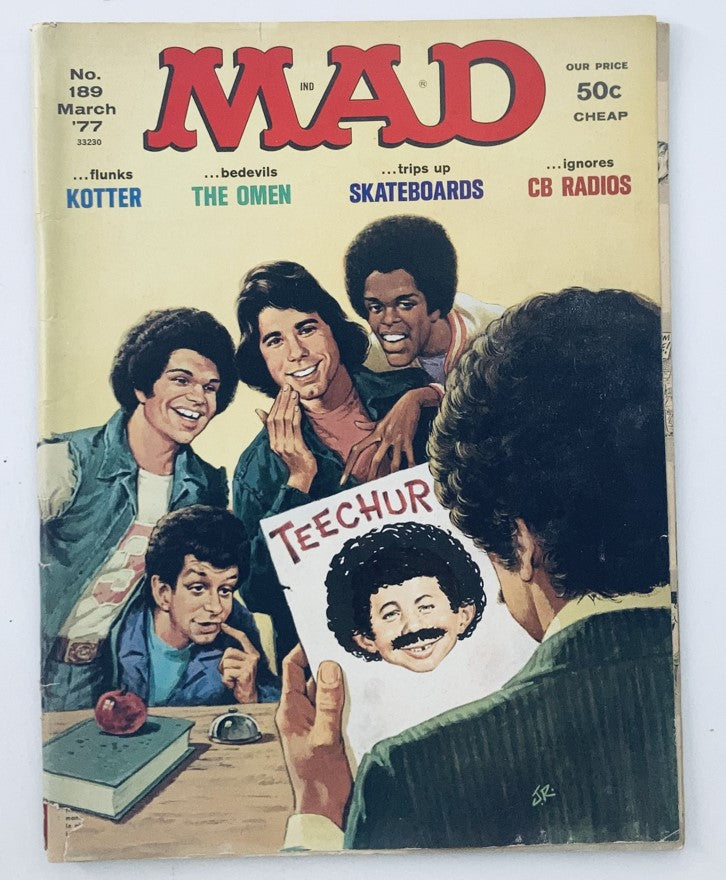
- Peak Happy Days coverage (1974–1984): Cover features and photo spreads from the show's dominant run, including cast ensemble shots and solo portraits that document the character who became synonymous with an entire decade's idea of cool
- Award season and industry recognition pieces: Articles from the period surrounding his Emmy nominations, exploring Hollywood's complicated, fascinating relationship with television stardom versus film prestige
- Personal profile features: In-depth interviews touching on his New York upbringing, his experience with dyslexia, and his transition from ensemble player to the unexpected heart of a hit series — stories that reveal the thoughtful man beneath the icon
- Post-Fonz reinvention coverage: Later editorial features documenting his acclaimed work as a producer (MacGyver), his acclaimed turn in Arrested Development, and ultimately his Emmy-winning late-career renaissance in Barry, proving the longevity of his creative relevance
- Children's literature and advocacy spotlights: Profiles from the 2000s onward celebrating his Hank Zipzer book series and his public advocacy for dyslexia awareness, a chapter of his story that resonated deeply with educators, parents, and readers worldwide
The Collector's Value
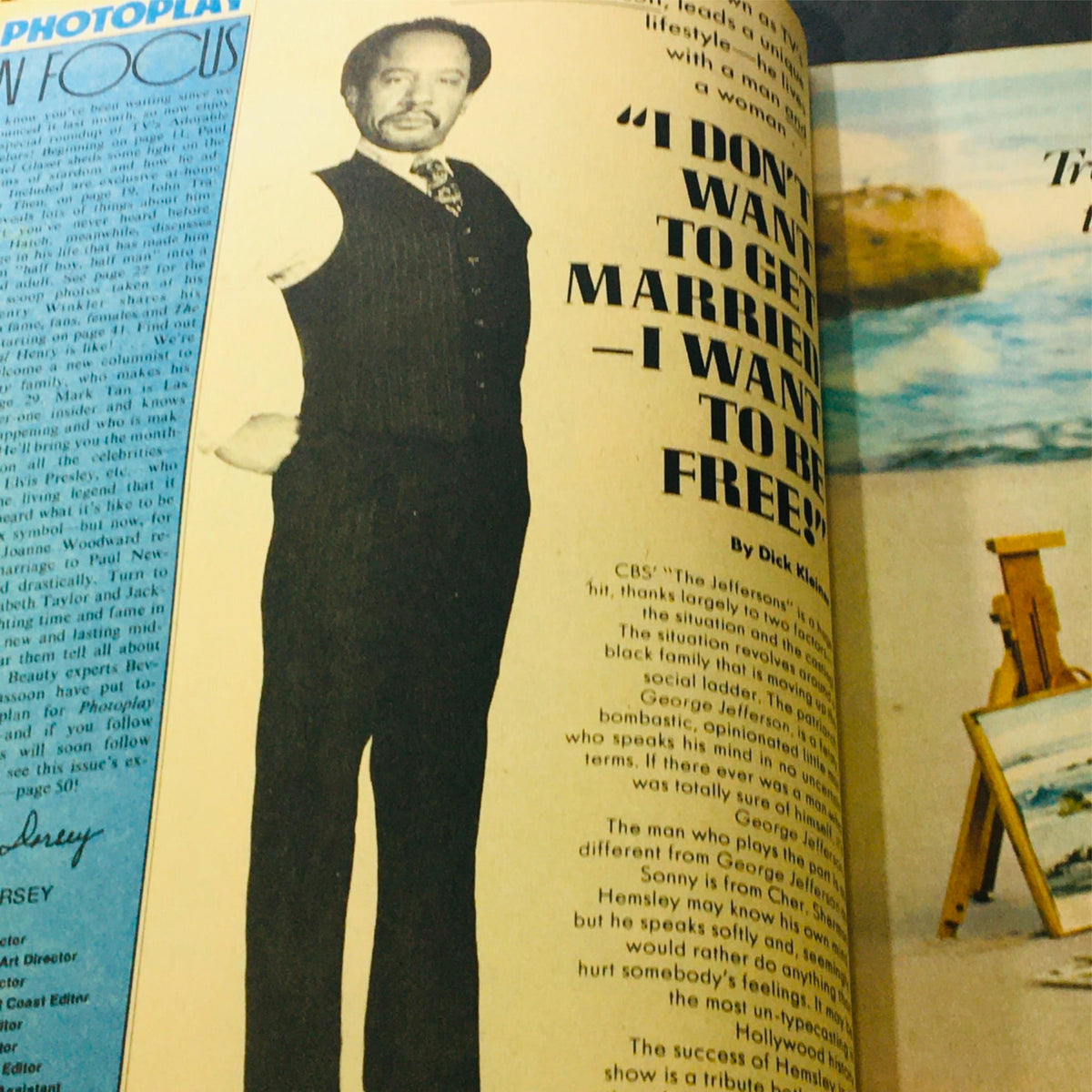
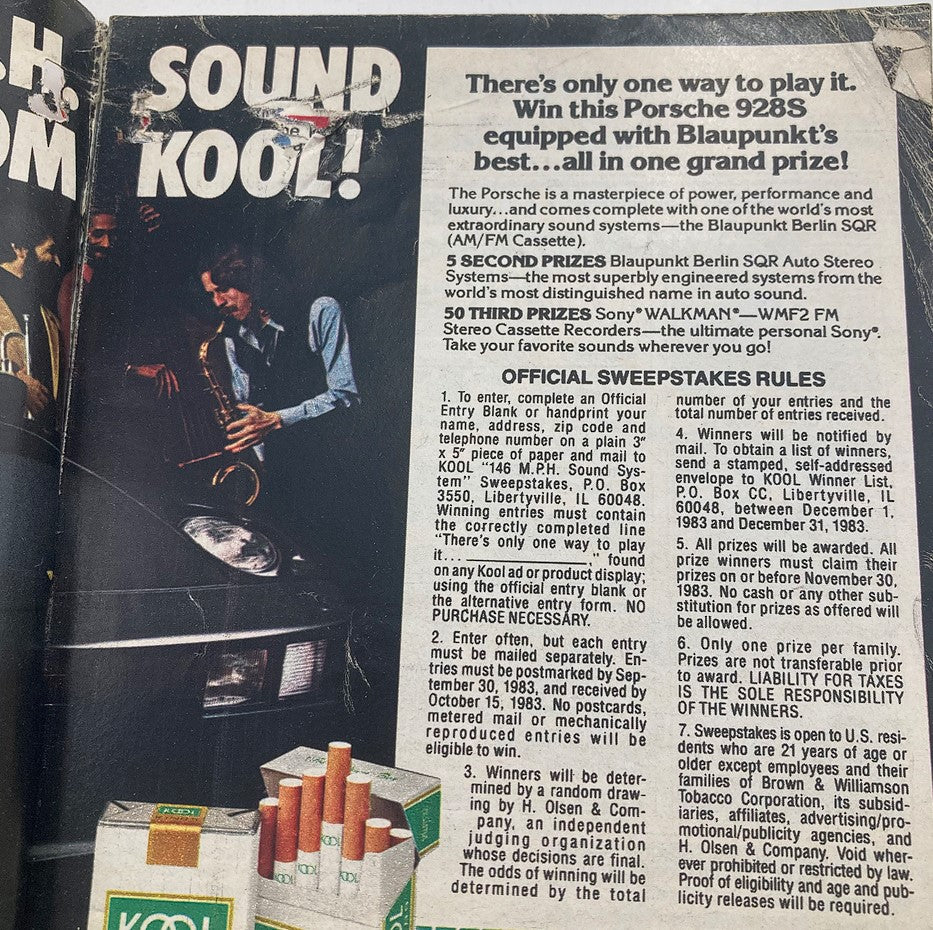
There is something irreplaceable about holding a 1976 copy of TV Guide with Henry Winkler's face on the cover — the slight give of decades-old newsprint beneath your fingers, the faintly sweet, woody smell of aged ink, the full-page advertisements for products and television schedules that transport you as completely as any time machine. These are not reprints or digital scans. They are primary documents: artifacts of a specific, unrepeatable moment when American popular culture was processing its anxieties and its nostalgias through the medium of a single, beloved show, and through the man who became its accidental soul. The surrounding advertisements — for cars, cereal, cologne, and kitchen appliances — frame the subject in the authentic commercial world of their moment, adding layers of historical texture that no biography or retrospective can replicate. For collectors of classic television memorabilia, 1970s and '80s Americana, or the golden age of network entertainment, these publications offer a direct, tactile connection to a cultural touchstone that shaped childhoods and defined an era. Browse the current available inventory below, and find the piece of that era that belongs on your shelf.