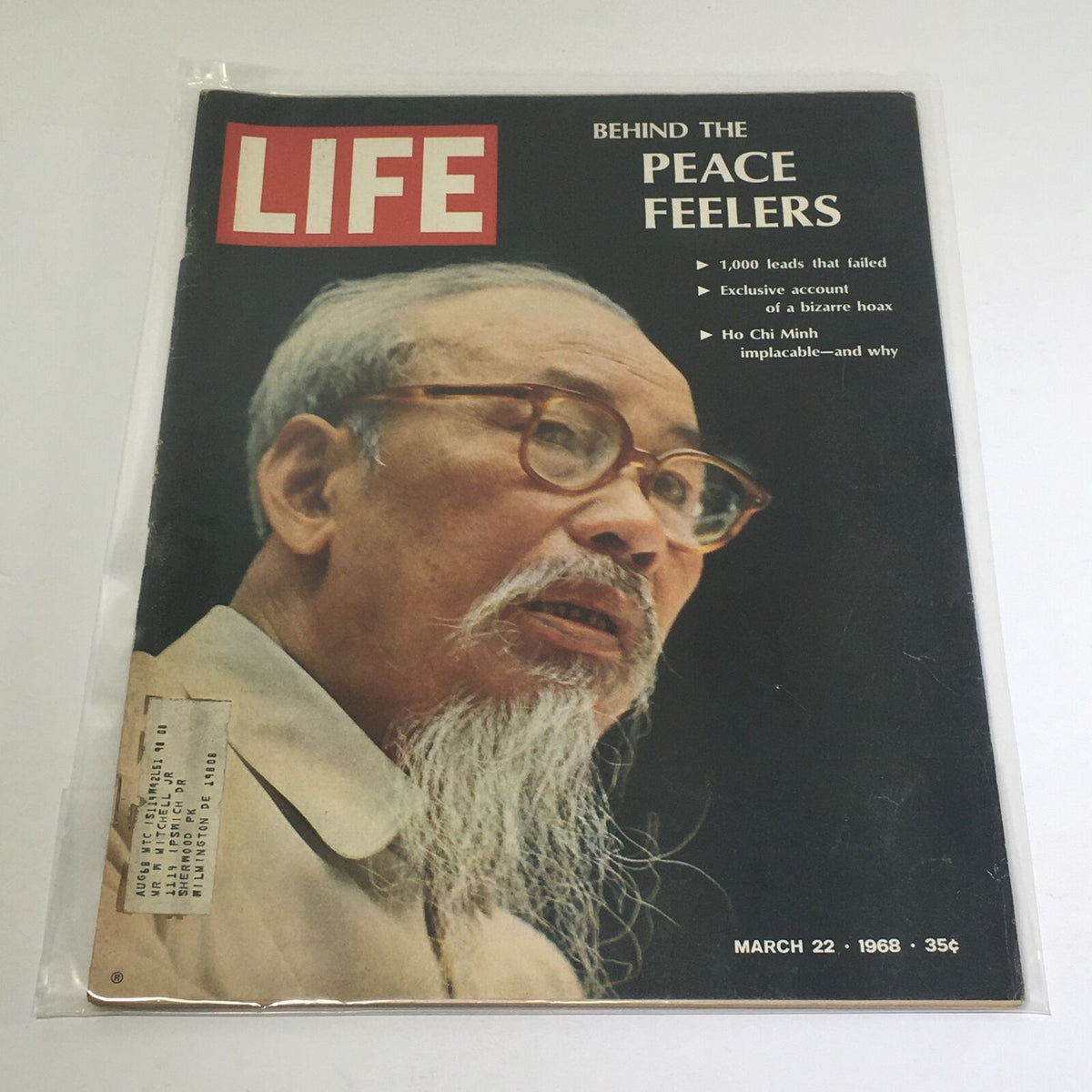
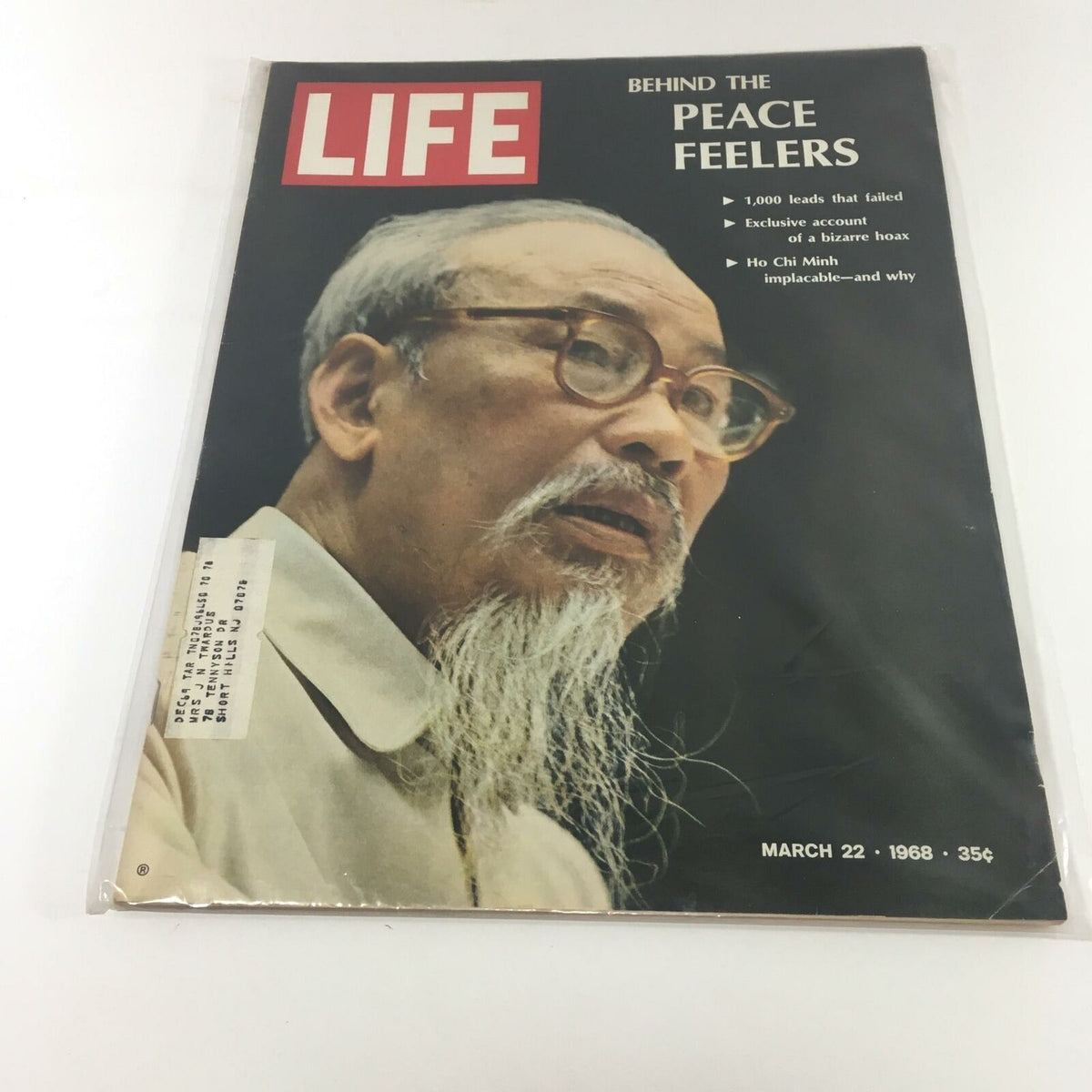
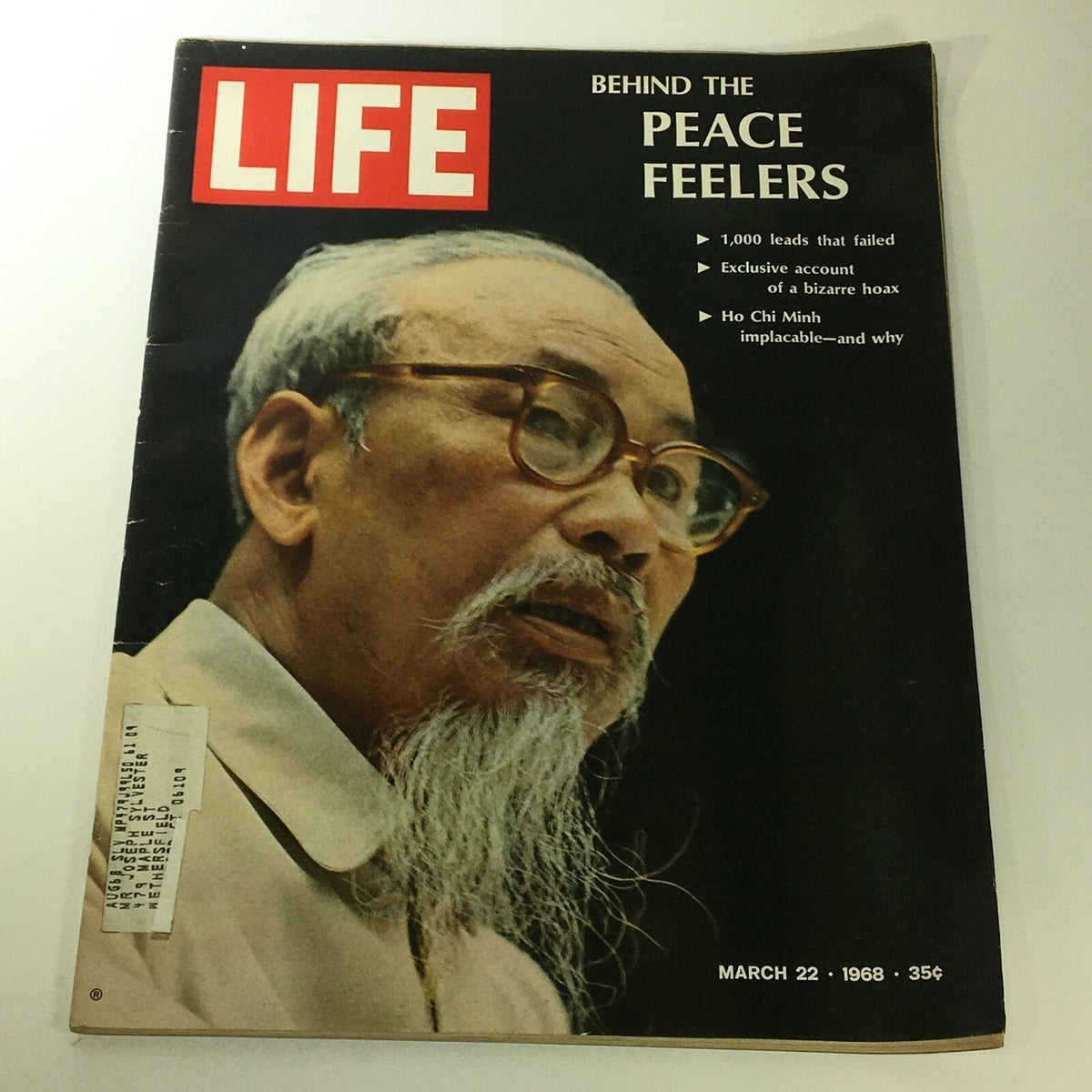
📖 About this Collection
Ho Chi Minh: The Revolutionary Who Remade the World
The Legend & The Legacy
Few figures of the twentieth century cast as long and as complex a shadow as the Vietnamese revolutionary leader who spent a lifetime defying the world's great empires. Born Nguyễn Sinh Cung and known to his people as "Uncle Hồ," he moved through Paris cafés, Moscow offices, and Chinese mountain camps before returning to lead his nation against French colonialism, Japanese occupation, and ultimately American military power — a decades-long struggle that would define the Cold War's most divisive and morally charged chapter. His was not merely a military story but a profoundly human one: a man who wrote poetry in prison, who lived with monastic simplicity while commanding the loyalty of millions, and who outlasted every empire that tried to break him. In an era before satellite television or the open internet, the world formed its understanding of this enigmatic figure entirely through the printed page. Newspapers and magazines were the sole lens through which millions of readers in London, New York, Saigon, and Moscow tried to reconcile the same man: poet, ascetic, communist ideologue, and nationalist hero. Each new issue of a major weekly magazine represented the public's only window into a conflict unfolding thousands of miles away, making the role of print journalism not merely descriptive but genuinely world-shaping. The tension between those competing interpretations fueled decades of extraordinary editorial coverage, making the archive of magazines from his era among the most historically charged in the world of print collectibles.
Inside the Archive
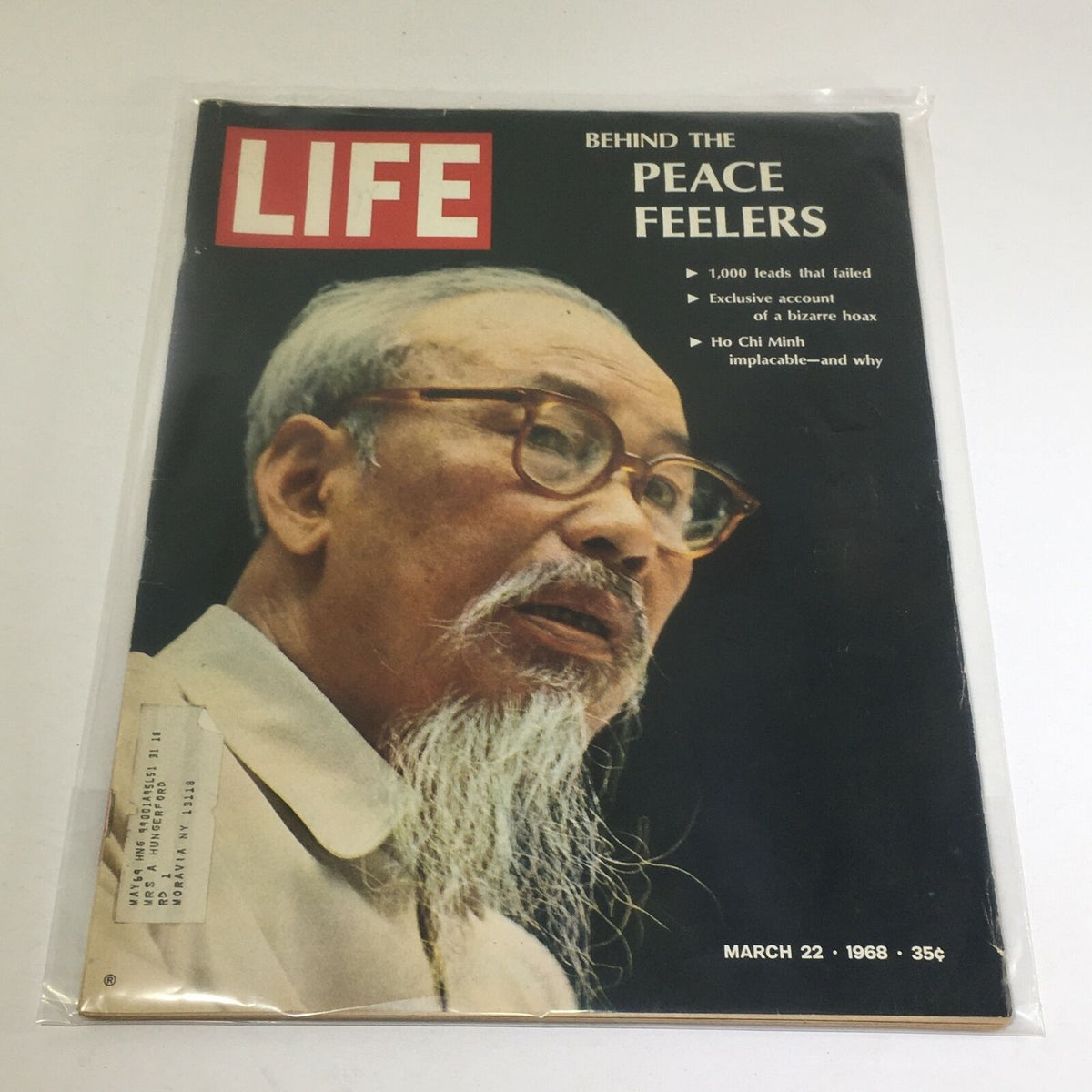
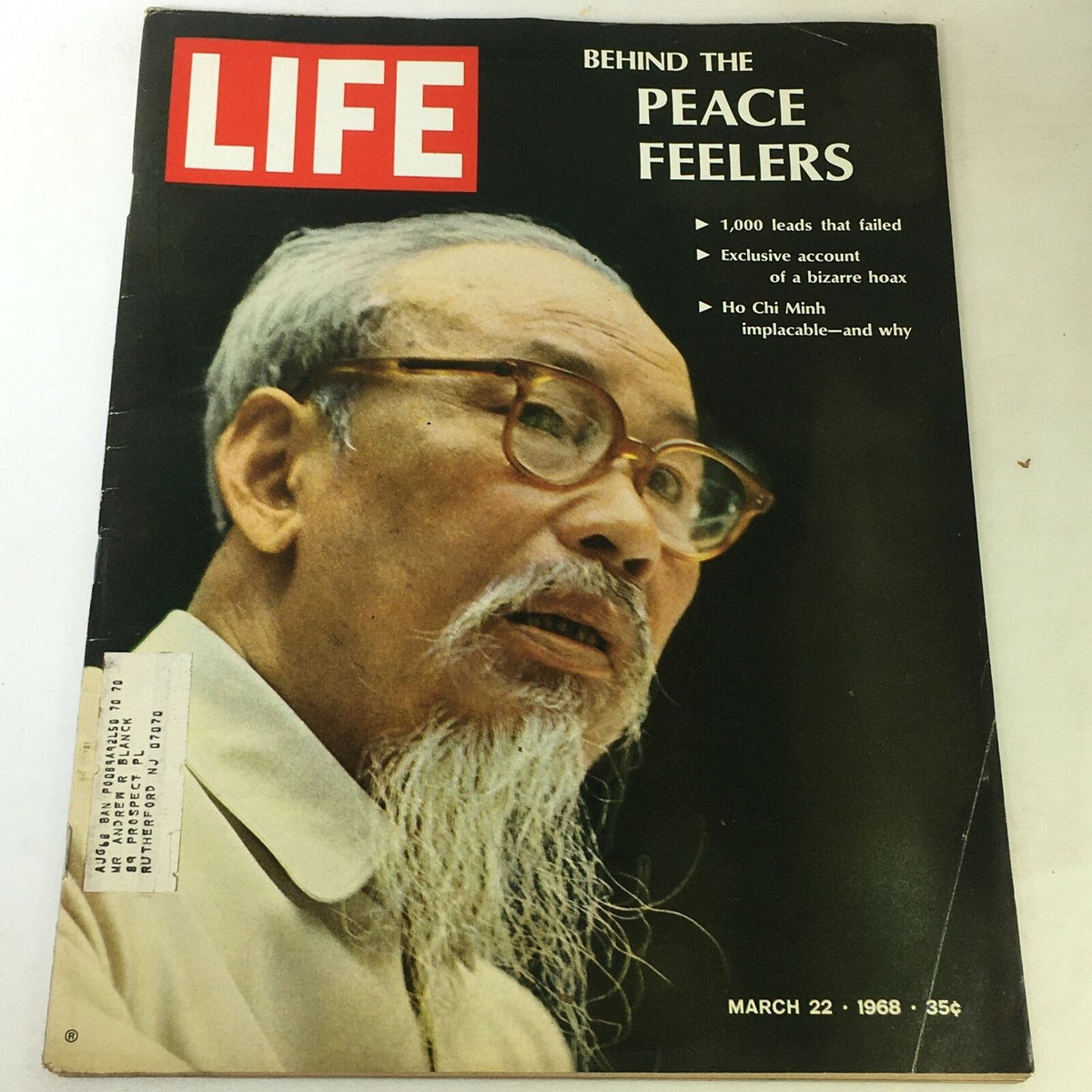
The coverage of the Vietnamese leader across mid-century magazines is a masterclass in how political perspective shapes visual storytelling. Western publications of the 1950s and 1960s — most notably Time, Life, and Paris Match — frequently portrayed him through a Cold War lens: wire photographs of the slight, sandal-wearing figure in his trademark high-collared tunic, accompanied by editorial tones ranging from wary fascination to outright alarm. Life magazine, with its unrivaled photojournalistic reach, brought the human texture of the Vietnamese conflict directly into American living rooms, placing his revolutionary movement within broader, viscerally rendered spreads of jungle warfare and civilian life. Paris Match, given France's own deeply personal and traumatic history with Indochina, offered a more conflicted and culturally nuanced portrayal — its pages bearing the particular weight of a colonial power grappling with defeat at Điện Biên Phủ. Time magazine, which featured him on its cover during some of the most turbulent years of the conflict, wrestled openly in its editorial columns with the question of whether he was a nationalist first or a communist — a debate that consumed Western foreign policy circles for two decades. Meanwhile, international and left-leaning publications across Europe and the Global South cast him in an altogether different light: as a symbol of anti-imperialist resolve and Third World solidarity, often accompanied by heroic portraiture and impassioned long-form essays that bear almost no resemblance to their Western counterparts. The photography across all these publications — often grainy, high-contrast black-and-white images of jungle press conferences, Hanoi streets, and diplomatic meetings — carries an intimacy and urgency that no digital reproduction can fully replicate. Taken together, this body of print coverage constitutes one of the great ideological battlegrounds of twentieth-century journalism, preserved in ink and paper for those who know where to look.
Curator's Checklist: Highlights Often Include
-
Điện Biên Phủ & the Fall of French Indochina (1954): Issues from this watershed moment, in which French colonial power was decisively broken, frequently feature front-page and multi-spread coverage of the siege — among the most collected single-event issues of Cold War print journalism. French and Vietnamese publications from this period in particular carry a raw emotional charge that reflects a civilization processing a historic and humbling defeat in real time.
-
The Formation of North Vietnam & Early U.S. Involvement (mid-1950s–early 1960s): Coverage from this transitional era captures the world's dawning awareness of Vietnam as a geopolitical flashpoint, with the revolutionary leader profiled as the ideological heart and unifying soul of the independence movement. Issues from these years often reflect a tone of cautious Western analysis that, in hindsight, dramatically underestimated both the man and the movement he led.
-
Anti-War Movement Features (late 1960s): As opposition to the Vietnam War surged in the West, his image became a fixture of both mainstream newsweeklies and countercultural publications, appearing alongside protest photography and sweeping in-depth political analyses. Some of the most visually striking magazine covers of the entire decade emerged from this period, as editors grappled with how to frame a conflict that was tearing their own societies apart.
-
International and Soviet Bloc Publications: Collectors often seek out Eastern European, Soviet, and Cuban magazines from the 1960s that celebrated him as a hero of international socialism — visually and editorially distinct from their Western counterparts, and exceptionally rare in Western collections. These publications offer an invaluable counter-narrative, presenting a portrait of the man that most English-language readers have never encountered, rendered in the bold graphic aesthetics of mid-century socialist print design.
-
Obituary and Legacy Issues (1969): Upon his death in September 1969, publications worldwide devoted major editorial space to his life and legacy. These retrospective issues — rich with archival photography, personal remembrances, and sweeping historical synthesis — are among the most comprehensive single-issue documents of his entire life's story, and among the most sought-after by serious collectors of the Vietnam War era.
The Collector's Value
To hold one of these original issues is to hold a primary document of the twentieth century's most contested ideological battleground. The slightly yellowed pages, the dense and faintly musty scent of decades-old ink on mid-century coated stock, the full-bleed photographs bordered by advertisements for Chevrolets and Gauloises and transistor radios — all of it restores these magazines to their true nature: not artifacts of nostalgia, but urgent dispatches from a world in the process of being remade. The weight of a well-preserved issue in your hands is unlike anything a screen can simulate; there is a physical authority to these objects, a solidity of paper and binding that speaks to the seriousness with which print journalism once took its responsibility to history. These are not reprints or facsimiles; they are the exact objects that a GI's mother read at her kitchen table in 1967, or that a student radical passed across a Parisian café in 1954, or that a diplomat dog-eared in a Cold War briefing room in Geneva. Each surviving copy has lived a life of its own, and that provenance — invisible but deeply felt — is part of what you are acquiring. For collectors of Cold War history, Southeast Asian political history, or twentieth-century photojournalism, these publications offer something no library database or digitized archive can — the full sensory and material weight of history as it was lived, debated, and consumed in real time. Browse the current selections available below and discover which pieces of this remarkable and irreplaceable era are waiting to find a new home in your collection.