📖 About this Collection
Howard Hughes: Phantom of the American Century
The Legend & The Legacy
Few figures in the twentieth century commanded the public imagination quite like Howard Hughes — aviator, industrialist, filmmaker, and eventually, one of history's most compelling enigmas. At the height of his powers in the 1930s and 1940s, he was the living embodiment of the American myth: handsome, recklessly brave, and obscenely wealthy, breaking airspeed records over the Mojave Desert one season and producing Hollywood pictures the next. Yet the arc of his story grew darker and stranger with each passing decade, culminating in a self-imposed exile so extreme it bordered on mythology. In an age before rolling news cycles, social media speculation, or paparazzi drones, the public pieced together his extraordinary life almost entirely through the printed page — breathless dispatches in morning papers, long-form investigations in weekly magazines, and rare, coveted photographs that seemed to confirm or contradict every rumor. Print media was not merely covering Howard Hughes; it was constructing him, one carefully distributed image at a time.
Inside the Archive
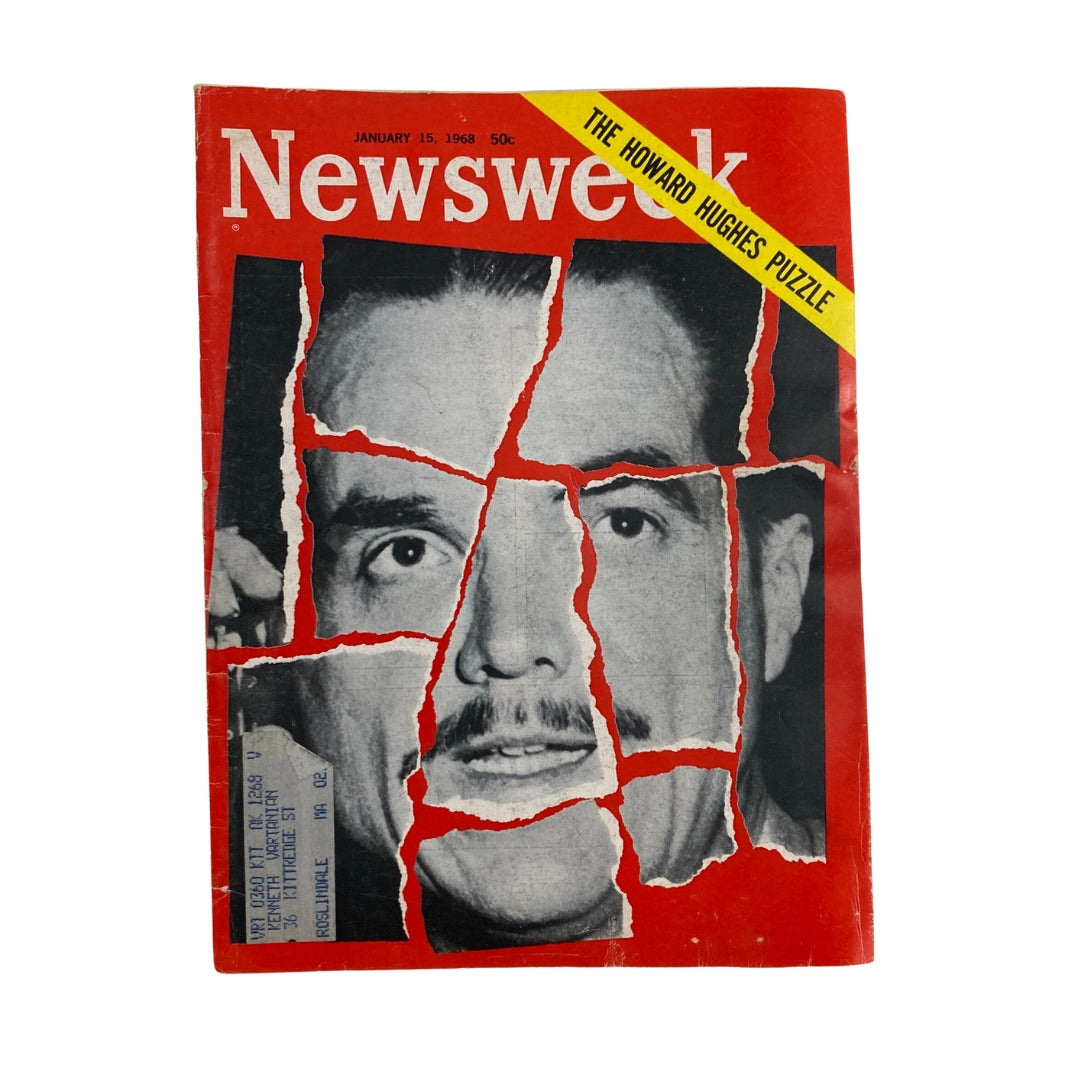
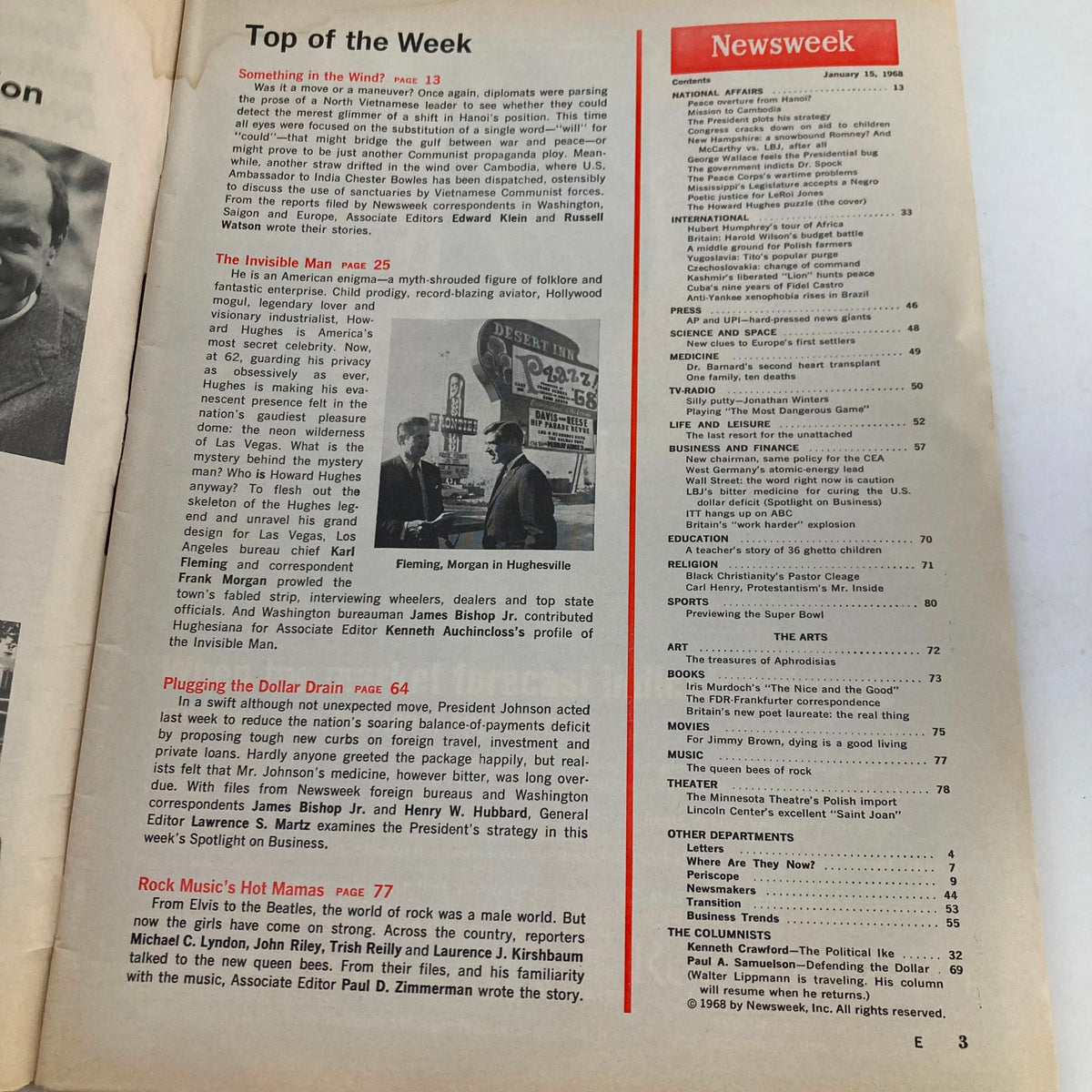
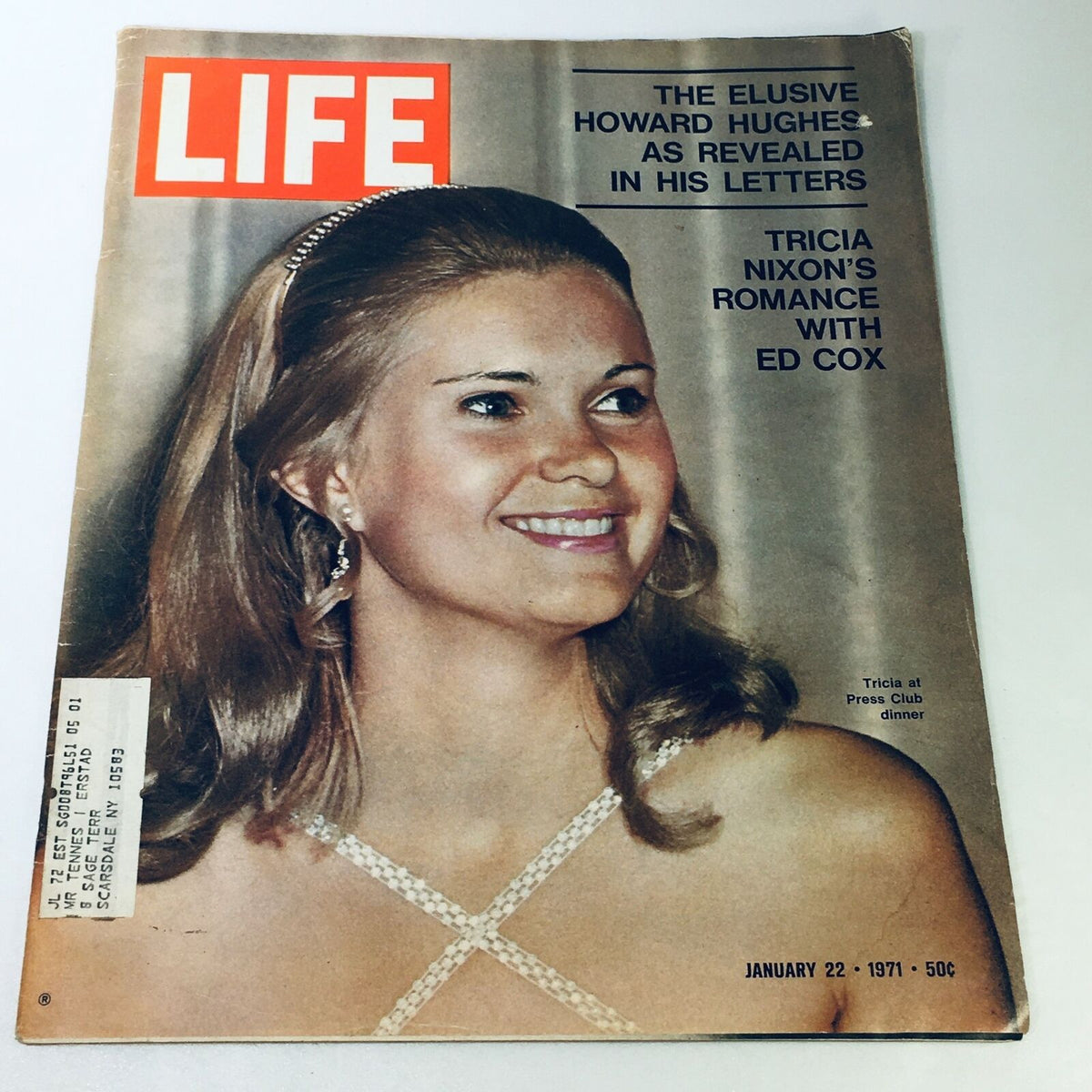
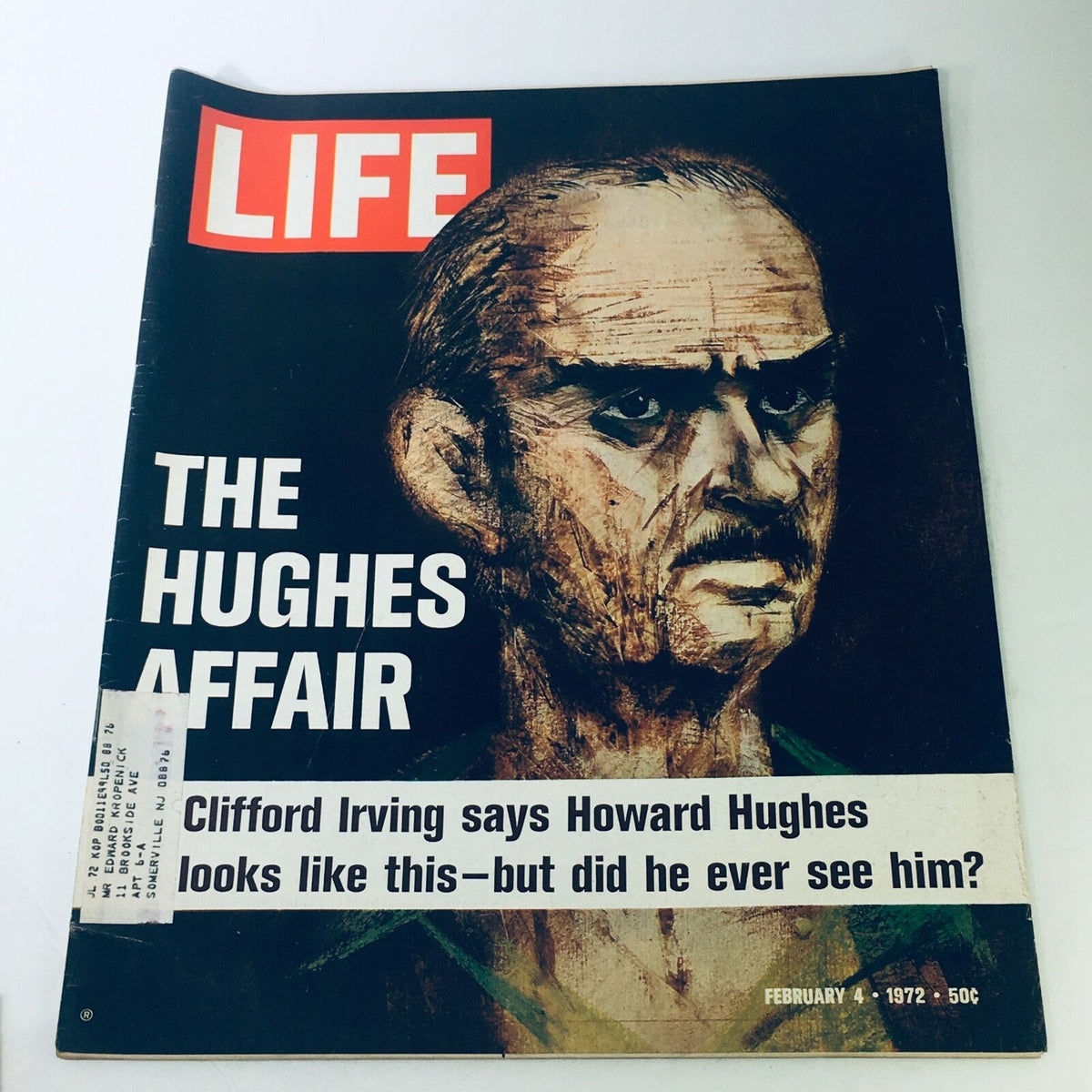
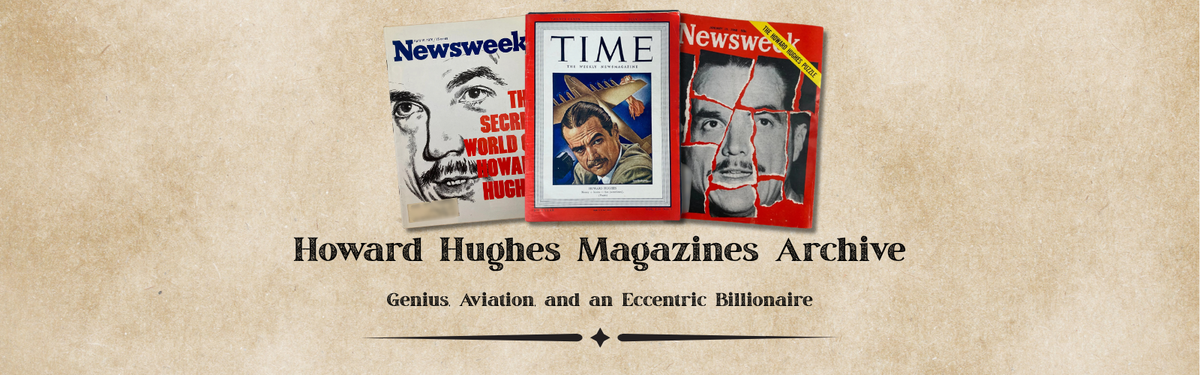
The magazines of his era approached him with a reverence typically reserved for heads of state, and with the same barely concealed fascination one might direct at a caged force of nature. In the 1930s and early 1940s, Life magazine ran sweeping photographic spreads of the man at the controls of his own aircraft — leather-jacketed, squinting into the sun, the epitome of midcentury American daring. Time placed him on its cover as a titan of industry and aviation, its editorial tone caught somewhere between admiration and unease, acutely aware that here was a man who did not fit neatly into any category. The gossip-adjacent but culturally essential Photoplay tracked his Hollywood entanglements with starlets and studios throughout the 1940s, feeding a public hungry for the intersection of glamour and power. International outlets, too, found him irresistible — his globe-spanning speed records and his eccentric industrialism translated seamlessly across languages. The photography from this era is particularly striking: formal portraiture giving way, over time, to increasingly scarce candid images, as the man himself began to disappear from public view, making each surviving photograph feel more precious than the last.
Curator's Checklist: Highlights Often Include
- Aviation milestone coverage — contemporary reporting on his around-the-world speed record of 1938, his experimental aircraft programs, and the infamous Spruce Goose maiden flight of 1947, often accompanied by dramatic aeronautical photography
- Hollywood-era profiles — features from the late 1930s through the 1940s examining his role as producer of Hell's Angels, Scarface, and his turbulent tenure running RKO Pictures, frequently illustrated with studio portraiture
- Senate hearing reportage — coverage from 1947, when he faced down a U.S. Senate subcommittee investigating wartime defense contracts, a moment widely described as one of the most electrifying confrontations between private power and public accountability of the era
- The recluse years — increasingly speculative and second-hand accounts from the late 1950s onward, as journalists attempted to document a man who had effectively vanished; these issues carry an almost gothic atmosphere of rumor and national puzzlement
- Obituary and retrospective issues — publications from April 1976 and the months following offer sweeping reassessments of his entire life, often reprinting rare archival photographs and representing the first moment the full, strange arc of his story could be told in one sitting
The Collector's Value
To hold an original magazine from the Hughes era is to hold something that no digital archive can replicate: the particular weight of mid-century coated paper stock, the slightly sweet, faintly chemical perfume of decades-old ink, the sensation of turning a page and finding an advertisement for a Pan Am Clipper flight or a Studebaker sedan sitting alongside a feature on the world's most mysterious billionaire. These objects are primary sources — unmediated, unretouched by hindsight, carrying the exact editorial anxieties and cultural assumptions of their moment. The surrounding advertisements alone function as a time capsule of American aspiration, making each issue a richly layered artifact rather than a simple periodical. For collectors of aviation history, Golden Age Hollywood memorabilia, or American industrial biography, these publications offer something no biography or documentary can — the raw, unfiltered voice of an era still trying to make sense of a man it could neither fully know nor look away from. Browse the current available inventory below, and discover which pieces of this extraordinary legacy are waiting to find a home in your collection.