📖 About this Collection
Hugh Hefner: The Architect of American Desire
The Legend & The Legacy
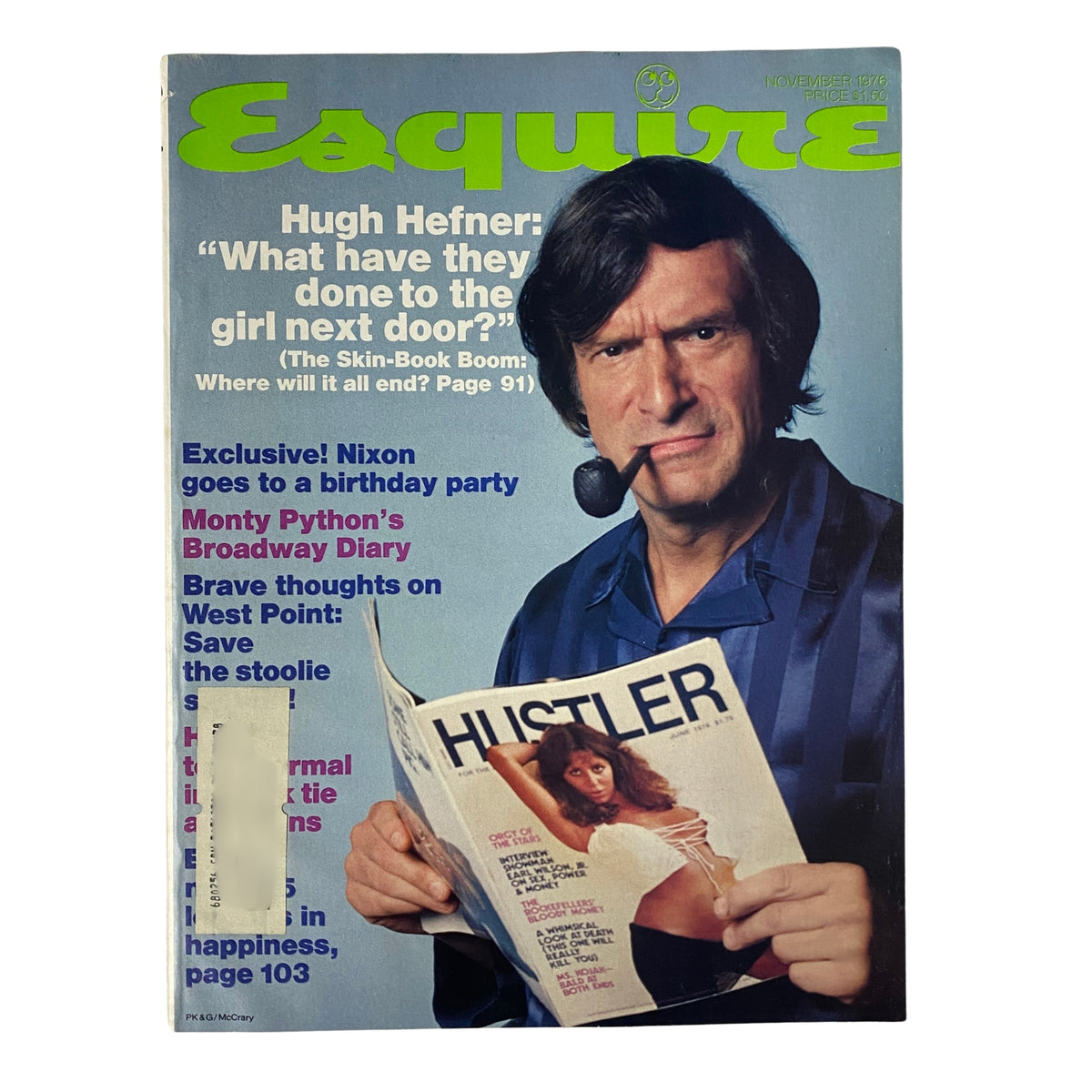
Few figures of the twentieth century bent the arc of American culture as dramatically — or as deliberately — as the silk-robed impresario who built an empire from a single, stapled idea. When the first issue of Playboy appeared on newsstands in December 1953, it did not merely introduce a centerfold; it announced a philosophy, a lifestyle, and a provocation that the country would spend the next six decades arguing about. The founder of that empire became, in time, inseparable from the mythology he manufactured: the mansion, the pipe, the velvet rope, the bunny ears. In an age before social media flattened celebrity into a scroll, the public consumed his story through ink and paper — through breathless profile pieces, cultural exposés, and the magazine pages he himself so lovingly produced. He was simultaneously the subject and the author of his own legend, and the printed press, for better or worse, was his most faithful biographer.
Inside the Archive
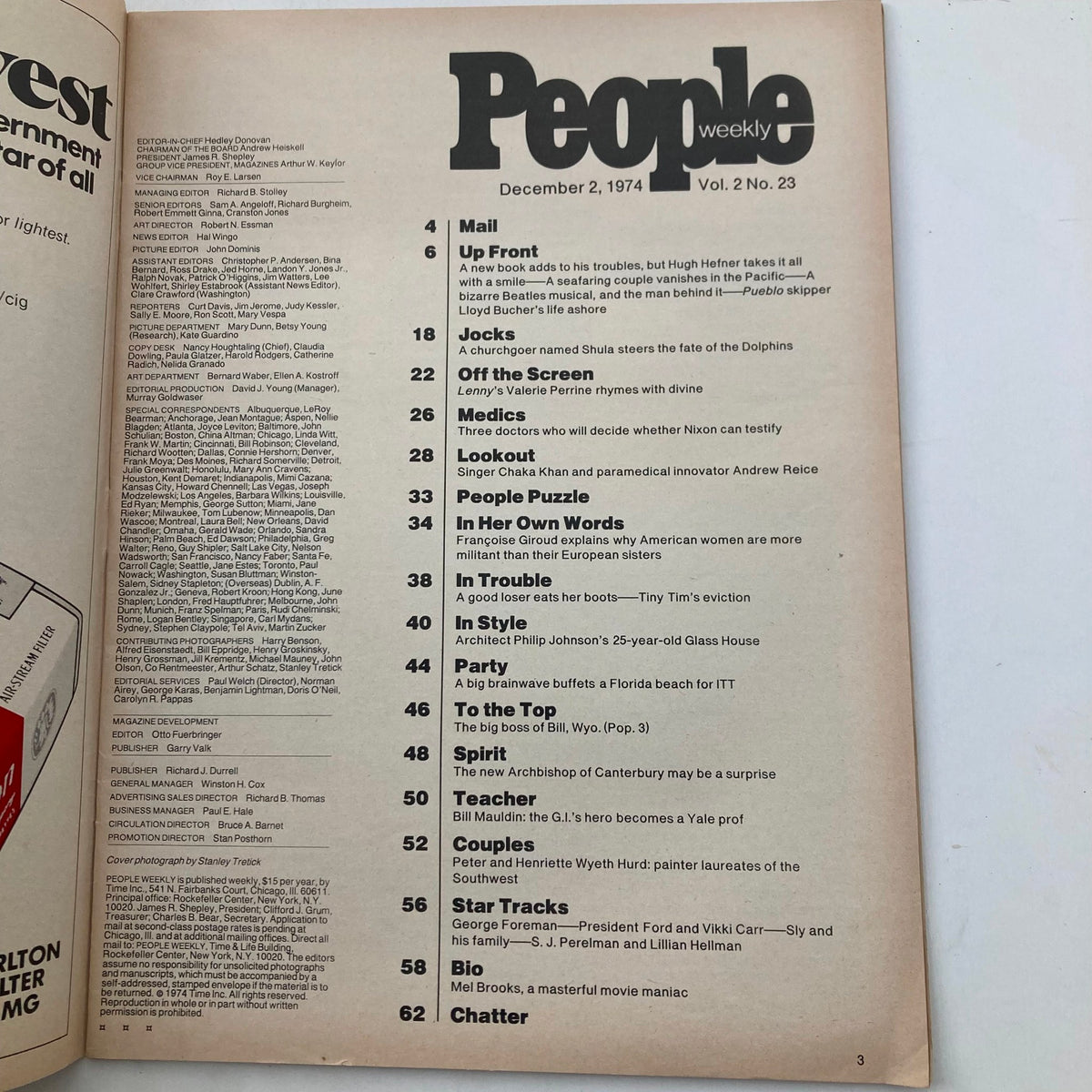
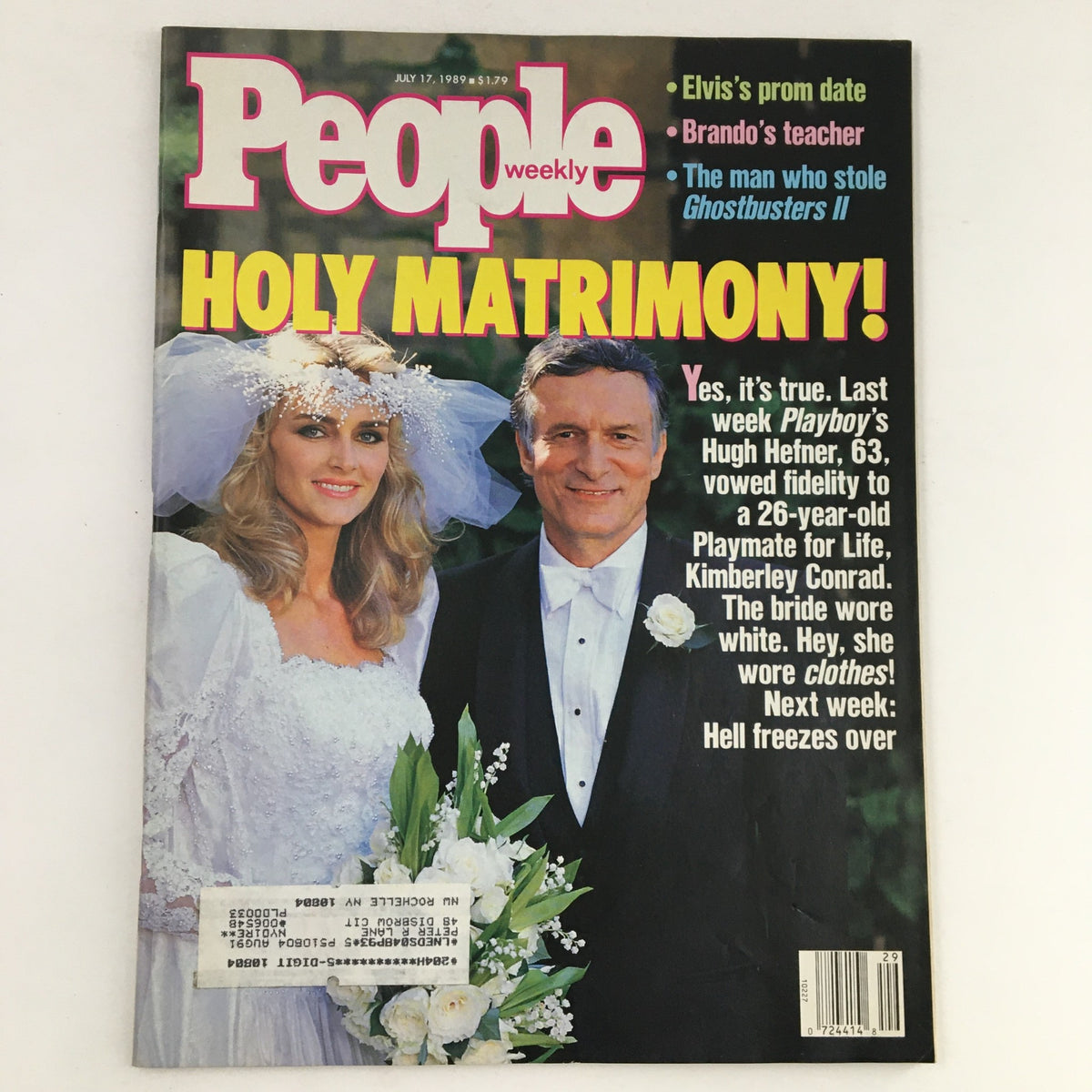
Vintage magazines that chronicled this singular American figure tend to oscillate between two poles: reverent and incendiary, fascinated and furious. The photography that accompanied major profiles was often deliberately theatrical — the subject photographed in his natural habitat of velvet and candlelight, posed with the studied ease of a man who understood the camera as an instrument of mythology. Time magazine placed him on its cover and dissected him as a barometer of social change, capturing both the cultural euphoria and the mounting feminist backlash that defined his reputation across different decades. Rolling Stone profiled him with the long-form intimacy it reserved for figures who shaped American counterculture, while Newsweek offered the more skeptical, journalistic gaze, tracking the rise and eventual twilight of his empire through the lens of shifting public mores. International outlets — particularly the British press — treated him as a peculiarly American specimen, a creature that could only have been produced by postwar prosperity and the peculiar Puritan anxiety it sought to transgress.
Curator's Checklist: Highlights Often Include
- First-person interviews and cover profiles from major American newsweeklies during the 1960s and 1970s, when his cultural influence was at its undisputed peak and debates around censorship, free speech, and the sexual revolution placed him at the center of the national conversation.
- Issues documenting the Playboy Club era, capturing the aspirational glamour of the Bunny phenomenon as it spread from Chicago to New York, London, and beyond — a lifestyle brand decades before the term existed.
- Publications from the feminist culture wars of the 1970s and 1980s, in which critics and commentators used his image as a lightning rod for debates about gender, exploitation, and the commodification of the female body — making him as present in progressive journals as in entertainment glossies.
- Entertainment and celebrity weeklies from the 1980s and 1990s tracking the mansion's revolving door of celebrity guests, the television specials, and the periodic reinventions of the Playboy brand as pop culture tastes shifted around him.
- Retrospective and legacy coverage from the 2000s onward, including anniversary tributes to Playboy's founding and the cultural reassessments — both celebratory and critical — that accompanied his later years and eventual passing in 2017.
The Collector's Value
To hold a vintage magazine that profiled this particular figure is to hold a primary document of American cultural ambivalence — a tactile artifact of a moment when the country was actively, passionately negotiating the terms of freedom, desire, and identity. The paper stock of a mid-century Time or Newsweek carries a distinct weight and warmth, the ink slightly raised against the fingertip, the advertisements on the surrounding pages offering their own accidental time capsule: cigarette brands, automobile dreams, the confident geometry of postwar consumer optimism. These are not reprints or digital facsimiles — they are the actual objects that sat on coffee tables, in barbershops, in college dormitories, at the center of real arguments. For collectors of American social history, postwar pop culture ephemera, or the history of publishing and media, these publications offer an irreplaceable, first-edition window into the forces that shaped — and continue to shape — modern life. Explore the current available inventory below and find the issue that speaks to the chapter of history you wish to hold in your hands.