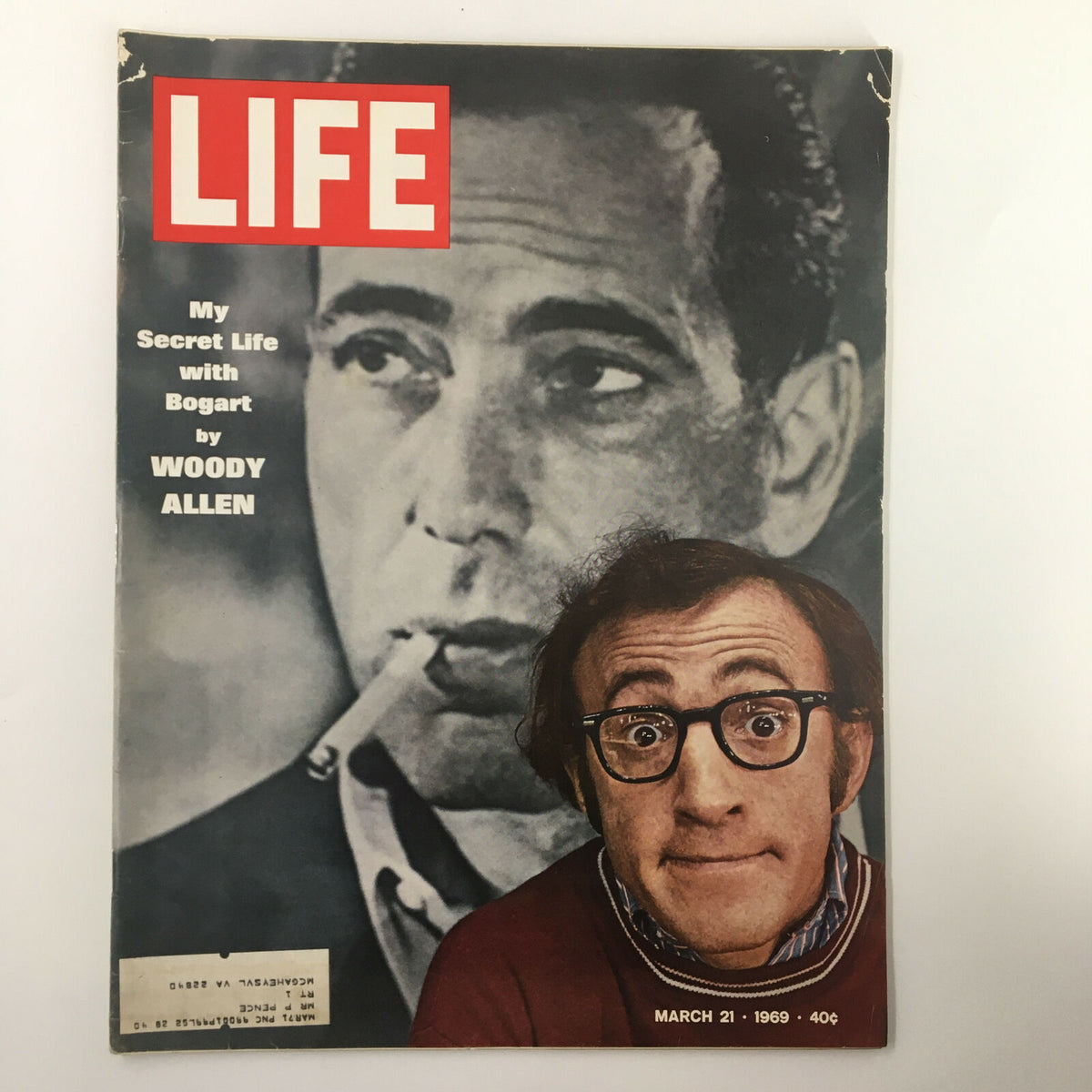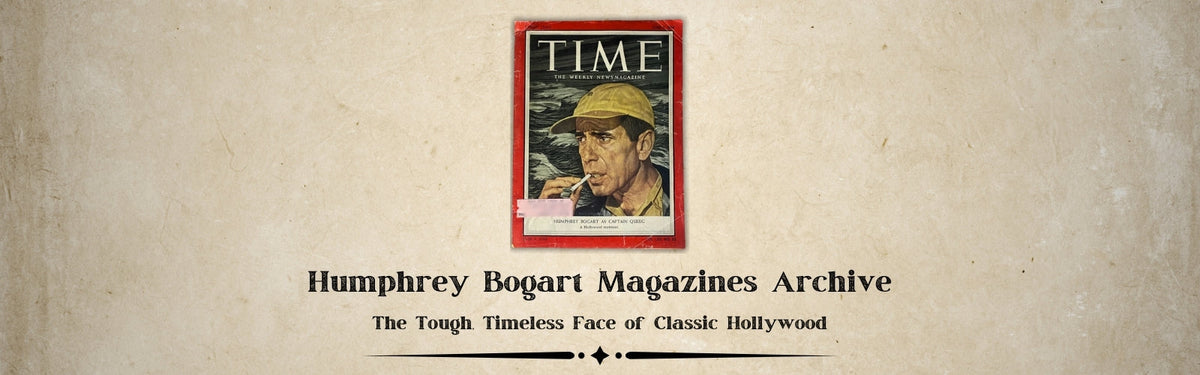
📖 About this Collection
Humphrey Bogart: The Architecture of Cool
The Legend & The Legacy
Before there were antiheroes, there was Bogart—cigarette smoke curling through Venetian blinds, fedora tilted just so, delivering lines like they were written in bourbon and regret. He didn't just play tough guys; he invented the American archetype of masculine vulnerability, the man who's seen too much but still believes in something. From the fog-soaked streets of The Maltese Falcon to Rick's Café Américain, Bogart turned film noir from a genre into a philosophy. His world smelled like rain on pavement and tasted like black coffee at 3 a.m. He made cynicism romantic and isolation iconic, teaching Hollywood that leading men didn't need to smile—they just needed to mean something.
Inside the Archive
The golden-age press captured Bogart through high-contrast photography that mirrored his on-screen persona: chiaroscuro lighting, tight close-ups that emphasized those world-weary eyes, layouts drenched in shadow and atmosphere. Fan magazines profiled the Warner Bros. contract player who refused to play by studio rules, while sophisticated film journals analyzed his transformation of the gangster into something approaching existential poetry. Coverage split between glamorous couple features with Bacall—dripping with elegance and innuendo—and serious actor profiles exploring his craft, his politics, and his stubborn independence. The visual language was pure noir: dramatic angles, moody environmental portraits on studio lots, candid shots that caught him between takes, cigarette perpetually in hand, looking like he was contemplating mortality or his next line—or both.
Curator's Checklist: Highlights Often Include
- The Detective Canon: Deep-dive retrospectives on Sam Spade, Philip Marlowe, and the roles that defined hard-boiled cinema, complete with set photography from Warner soundstages and director commentary from John Huston.
- Bacall & Bogie: Couple profiles documenting Hollywood's most sophisticated romance, from the To Have and Have Not set where they met through their Holmby Hills domesticity—all captured in luminous portrait sessions and intimate interviews.
- The Rat Pack Years: Behind-the-scenes accounts of the Holmby Hills Rat Pack era with Frank Sinatra, David Niven, and the crowd that made rebellion look elegant, including party coverage and testimonials from the inner circle.
- Political Conscience: Articles covering his stance against HUAC, his role in the Committee for the First Amendment, and interviews where he discussed principles over career—documenting when Hollywood had the courage to push back.
- The Final Curtain: Tribute issues following his 1957 death, featuring remembrances from Katharine Hepburn, John Huston, and other collaborators who understood his particular genius, alongside career retrospectives that attempted to measure his cultural impact while the ink was still fresh.
The Collector's Value
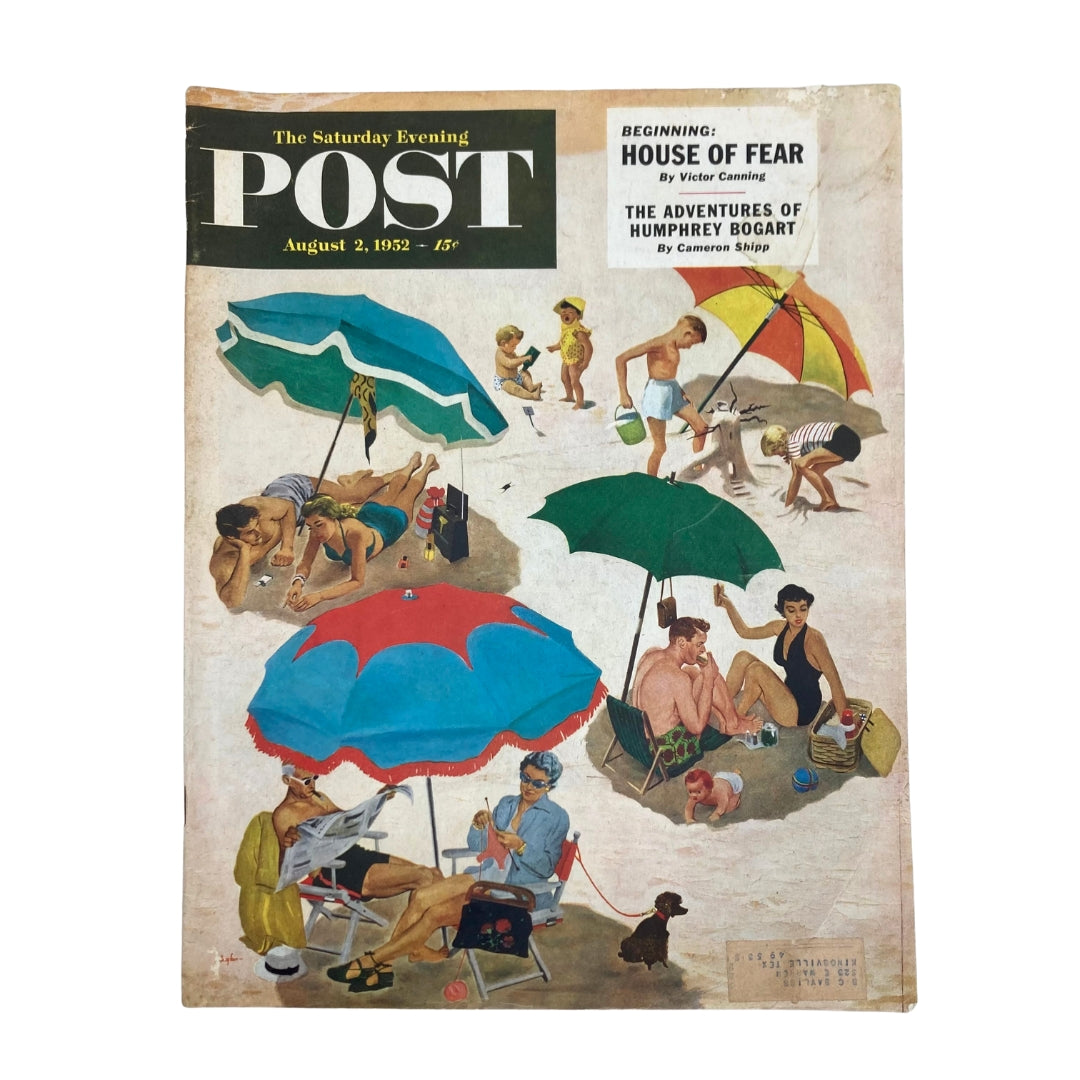
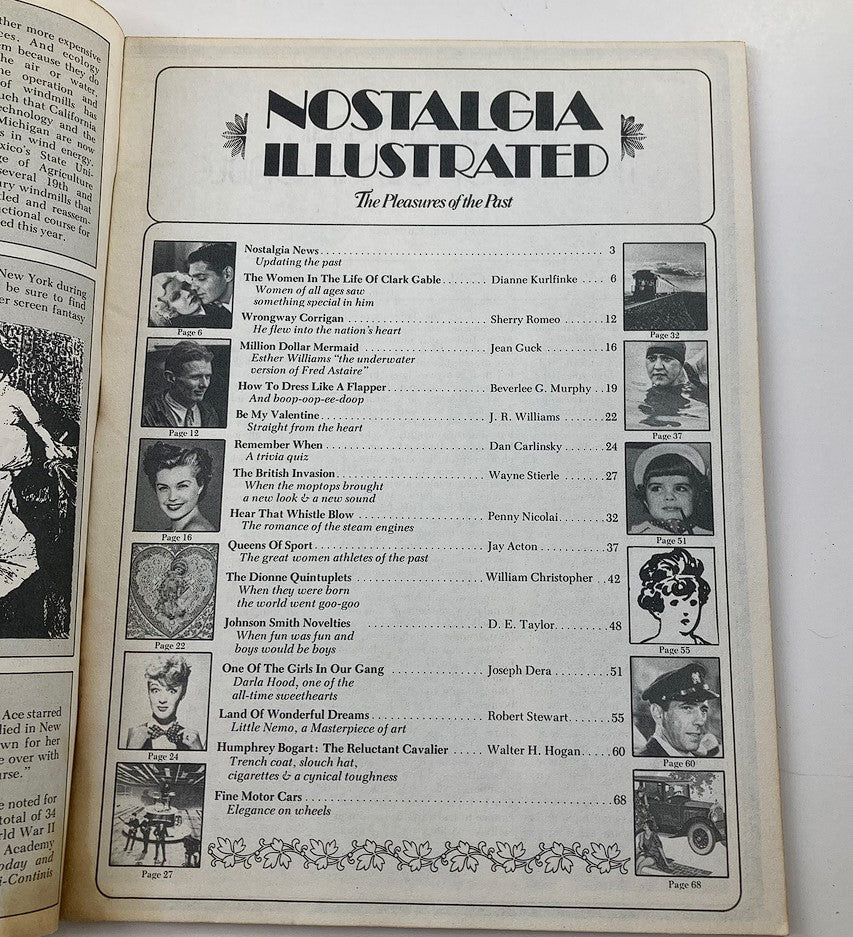
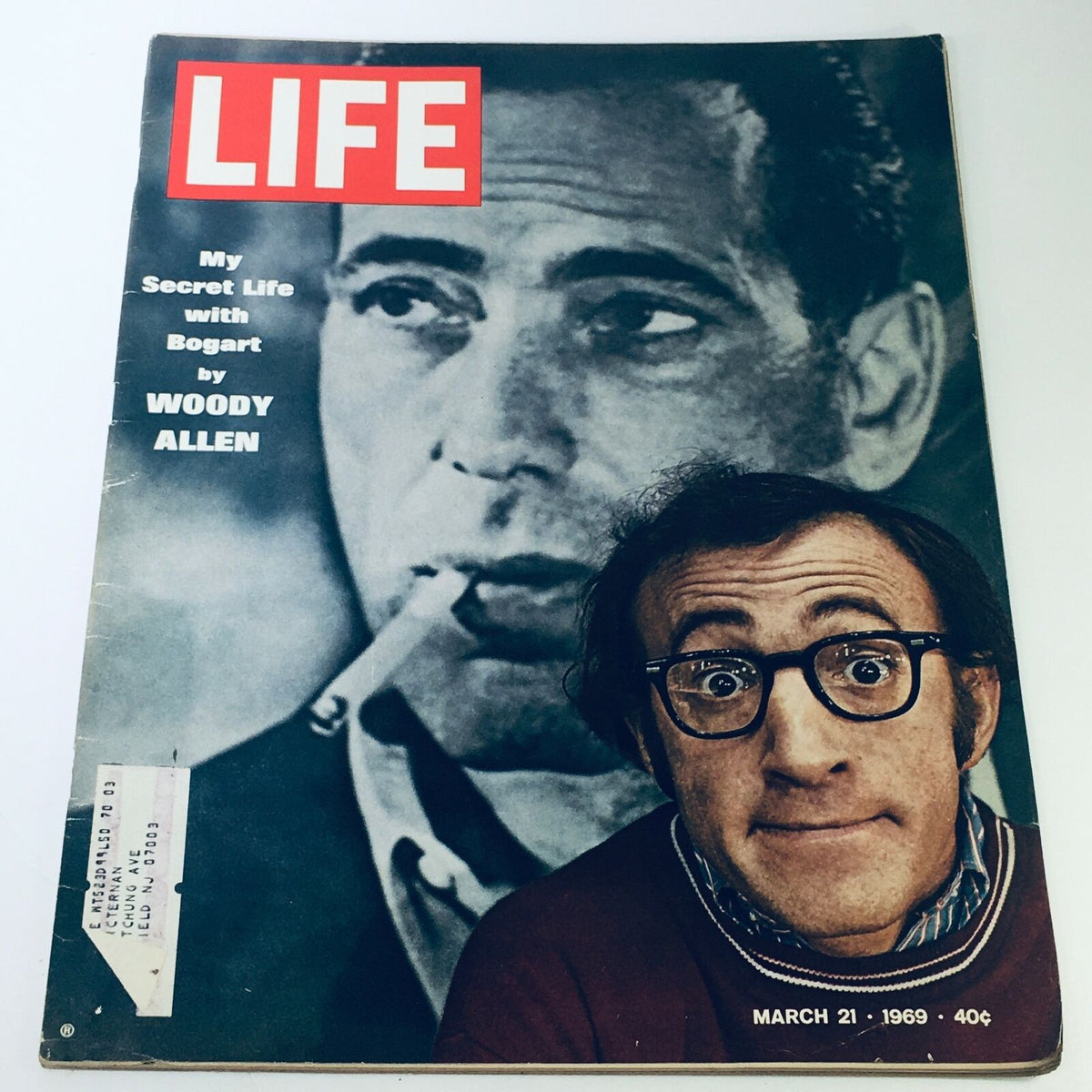
Original magazines featuring Bogart aren't just nostalgia—they're primary documents from the moment when Hollywood grew up and got complicated. These pages captured him when he was news, not legend, when critics were still figuring out what he meant and photographers were still discovering new angles on that unforgettable face. To own one is to possess a fragment of the machinery that built American cool, printed on pulp paper with all the imperfections and immediacy of journalism that didn't yet know it was writing history. Explore our current inventory below to discover which chapter of Bogart's legacy is available today.