📖 About this Collection
Hunter S. Thompson: Ink, Ether, and the American id
The Legend & The Legacy
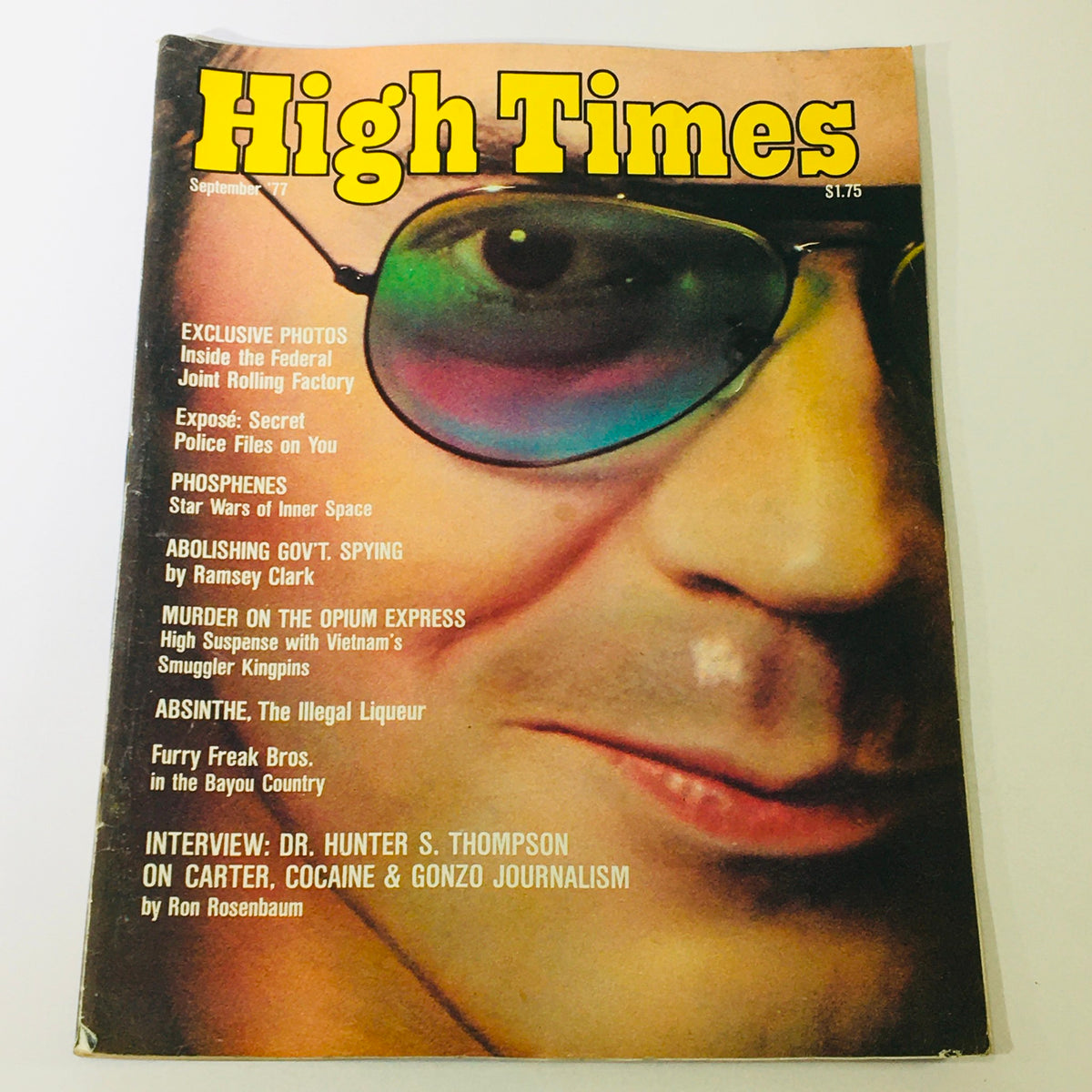
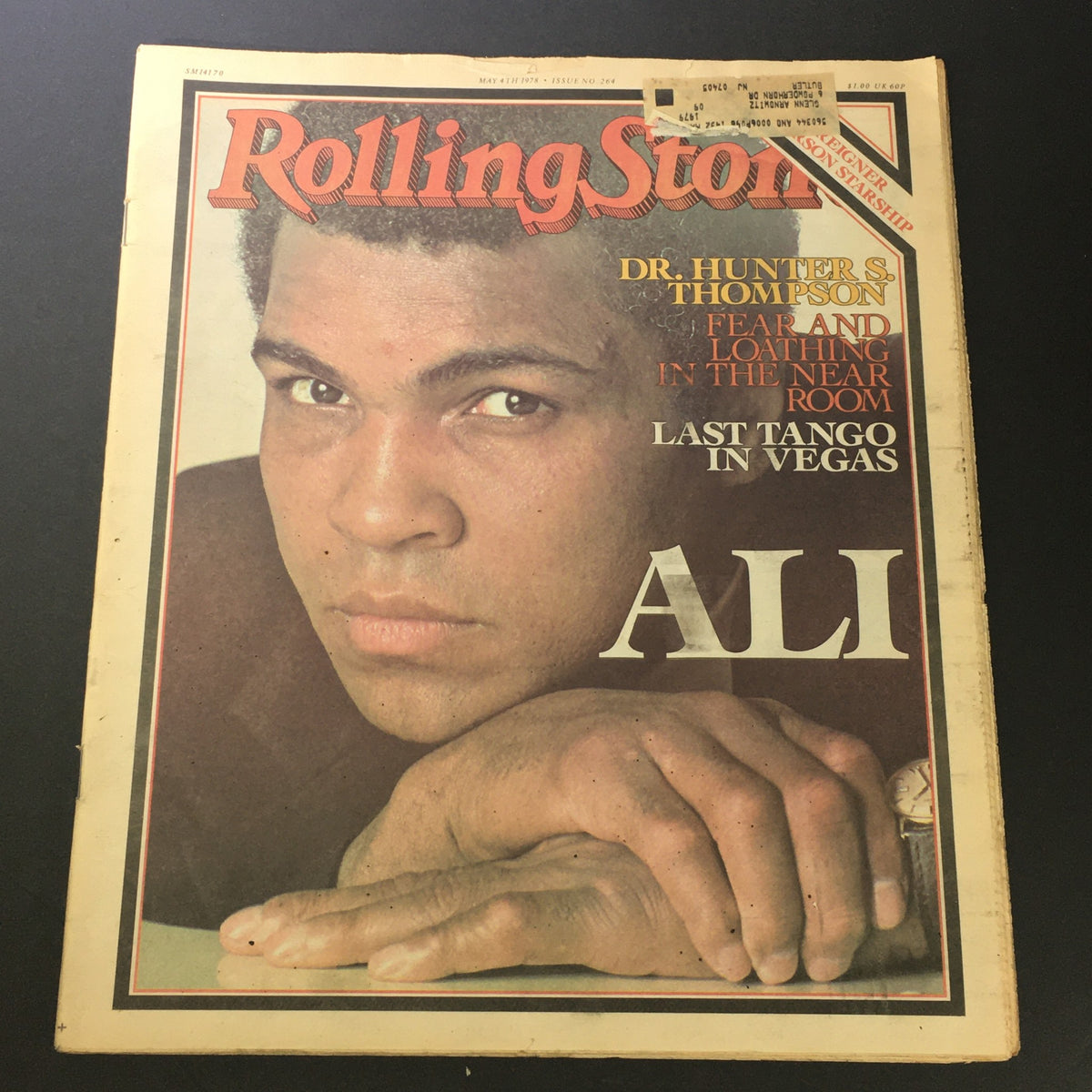
Before the internet flattened every voice into the same scrollable feed, Hunter S. Thompson arrived like a lit stick of dynamite thrown through the window of American journalism. The Louisville-born maverick didn't just report on the counterculture, the Nixon years, the Hell's Angels, or the savage spectacle of Las Vegas — he became the story, weaponizing the first person into a literary sledgehammer. His readers didn't wait for a news broadcast or a wire service summary; they lined up for the next issue of Rolling Stone, dog-eared and passed hand to hand in college dorms and dive bars, because Gonzo journalism hit differently in print — raw, immediate, and ink-stained. To read Thompson in his era was to feel the ground shifting beneath American civilization in real time, delivered through the trembling hands of a man who was both its most lucid critic and its most gloriously unhinged participant.
Inside the Archive
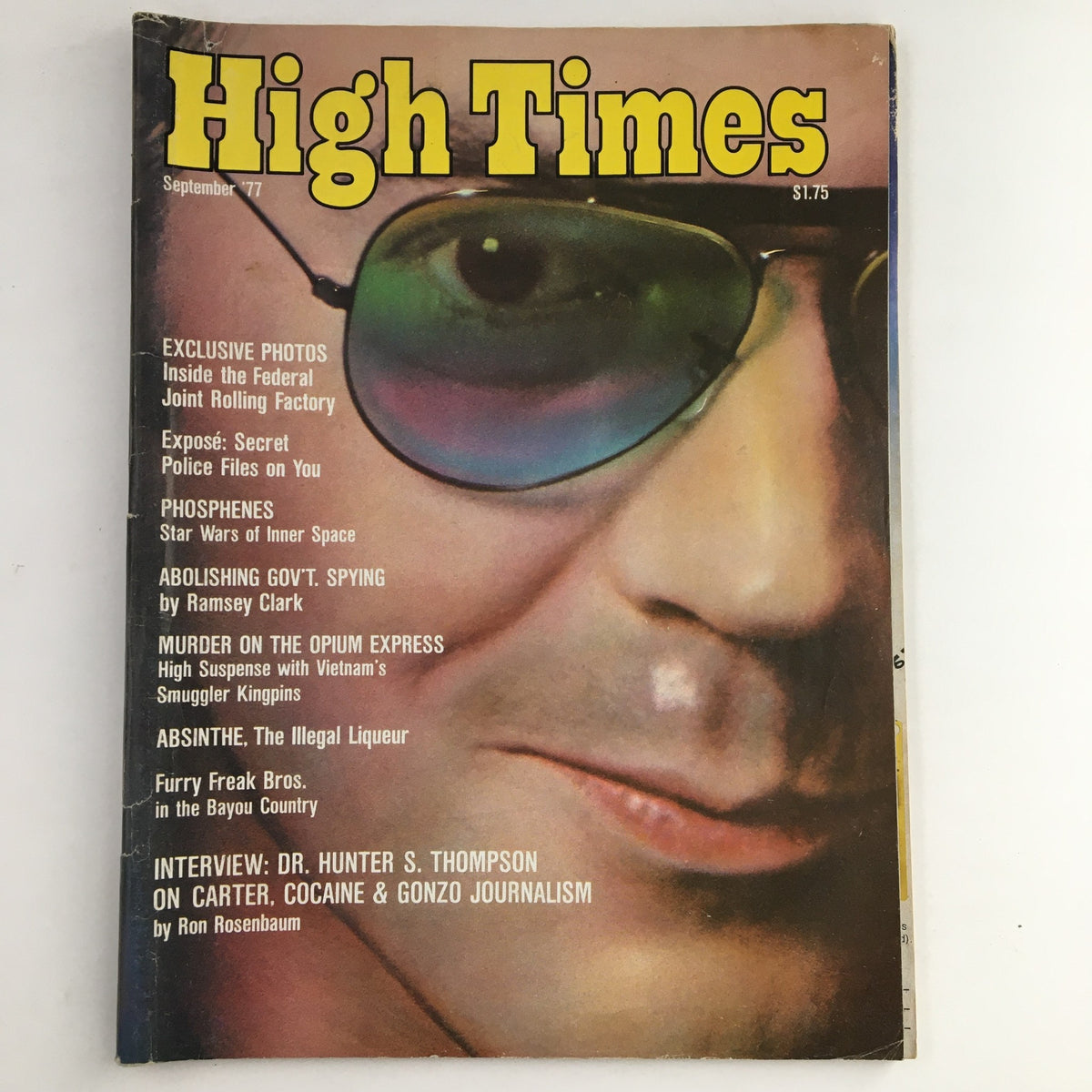
Vintage magazines captured the Good Doctor in ways no photograph or profile quite managed — they let him breathe in context. Rolling Stone, above all others, was his cathedral; the long-form dispatches he filed for Jann Wenner in the early 1970s — on the campaign trail, in the Nevada desert, at the Kentucky Derby — are among the most celebrated pieces of American magazine journalism ever committed to newsprint, and original issues carrying those bylines are among the most sought-after artifacts in political and literary collecting. Beyond his home publication, the counterculture press and mainstream outlets alike wrestled with how to frame him: Esquire approached the gonzo oracle with the sort of wary, sharp-elbowed admiration it reserved for Norman Mailer and Tom Wolfe, running profiles and essays that placed him firmly inside the New Journalism pantheon. Time and Newsweek, meanwhile, covered his cultural detonations — Fear and Loathing in Las Vegas, his Senate campaign in Aspen, his broadsides against Nixon — with the nervous fascination of the establishment acknowledging a fire it couldn't quite extinguish. Photography across these publications tended toward the candid and the confrontational: Thompson in aviator sunglasses and a cigarette holder, Thompson in a campaign war room, Thompson as myth made flesh.
Curator's Checklist: Highlights Often Include
- Early Rolling Stone issues from the 1970s featuring landmark serialized dispatches, including coverage of the 1972 presidential campaign trail that became Fear and Loathing: On the Campaign Trail '72
- Literary and cultural affairs issues from Esquire positioning Thompson alongside the giants of New Journalism — Wolfe, Didion, Talese — in retrospectives on the movement's seismic impact on American letters
- Political magazine coverage from the Watergate era, in which the good doctor's contempt for Richard Nixon was treated as both fringe polemic and, increasingly, mainstream prophecy
- Counterculture and underground press titles from the late 1960s and early 1970s documenting the Hell's Angels years, the Haight-Ashbury moment, and the ideological wreckage that followed
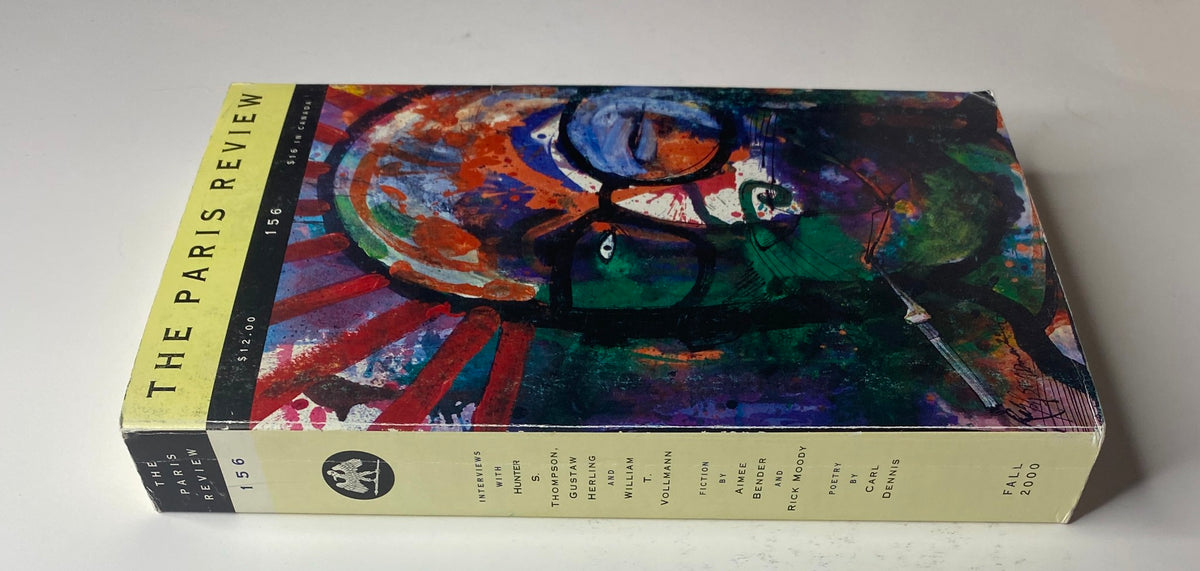
- Obituary and legacy issues from 2005, published in the weeks following his death at Owl Farm, offering eulogies from fellow journalists, writers, and public figures who understood that an original and irreplaceable American frequency had gone permanently silent
The Collector's Value
There is something no digital archive can replicate: the experience of holding an original Rolling Stone from 1972, its oversized pages slightly yellowed at the margins, the ink carrying that particular dry, mineral scent of decades-old offset printing, the surrounding advertisements — for turntables, cigarettes, road trips yet to be taken — forming a period diorama around Thompson's furious, gorgeous prose. These are not mere collectibles; they are primary sources, time capsules of a cultural moment when one man's voice could genuinely rattle the machinery of American power and make a generation feel less alone in its disillusionment. For collectors of New Journalism and literary history, 1970s American political and counterculture ephemera, or vintage music and underground press publications, these issues offer an irreplaceable firsthand encounter with the era as it actually felt — not as it was later summarized. Explore our current rotating inventory below, and find the piece of that history that belongs on your shelf.