📖 About this Collection
Ice-T: Dispatches from the Frontline of a Cultural Revolution
The Legend & The Legacy
Before streaming algorithms and social media feeds flattened the cultural landscape into a single, scrollable blur, the story of Tracy Lauren Marrow — the South Central Los Angeles street survivor who became one of the most electrifying and controversial figures in American entertainment — unfolded across the glossy and newsprint pages of a nation perpetually unsure how to contain him. Emerging from the mid-1980s West Coast rap scene with a raw, unapologetic voice that drew as much from crime fiction and street reportage as it did from music, he forced mainstream America into a reckoning it hadn't anticipated. By the early 1990s, the firestorm surrounding Cop Killer — the Body Count track that ignited a national debate involving the President of the United States, the LAPD, and the halls of Congress — made him impossible for any serious publication to ignore. Long before he became a television institution on Law & Order: SVU, the self-proclaimed Original Gangster occupied a singular, combustible place at the intersection of race, free speech, and pop culture, and the press chronicled every moment with breathless intensity.
Inside the Archive
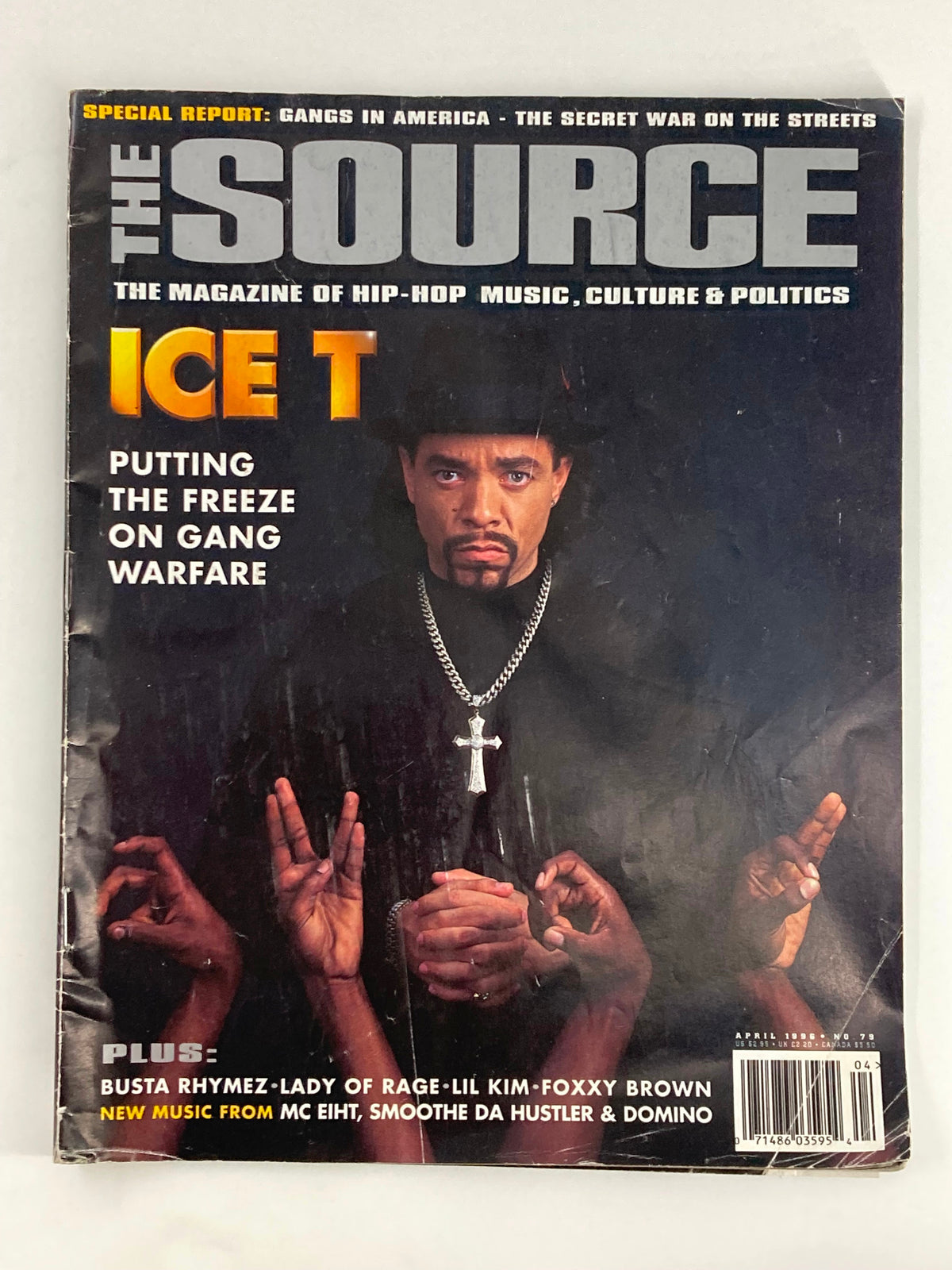
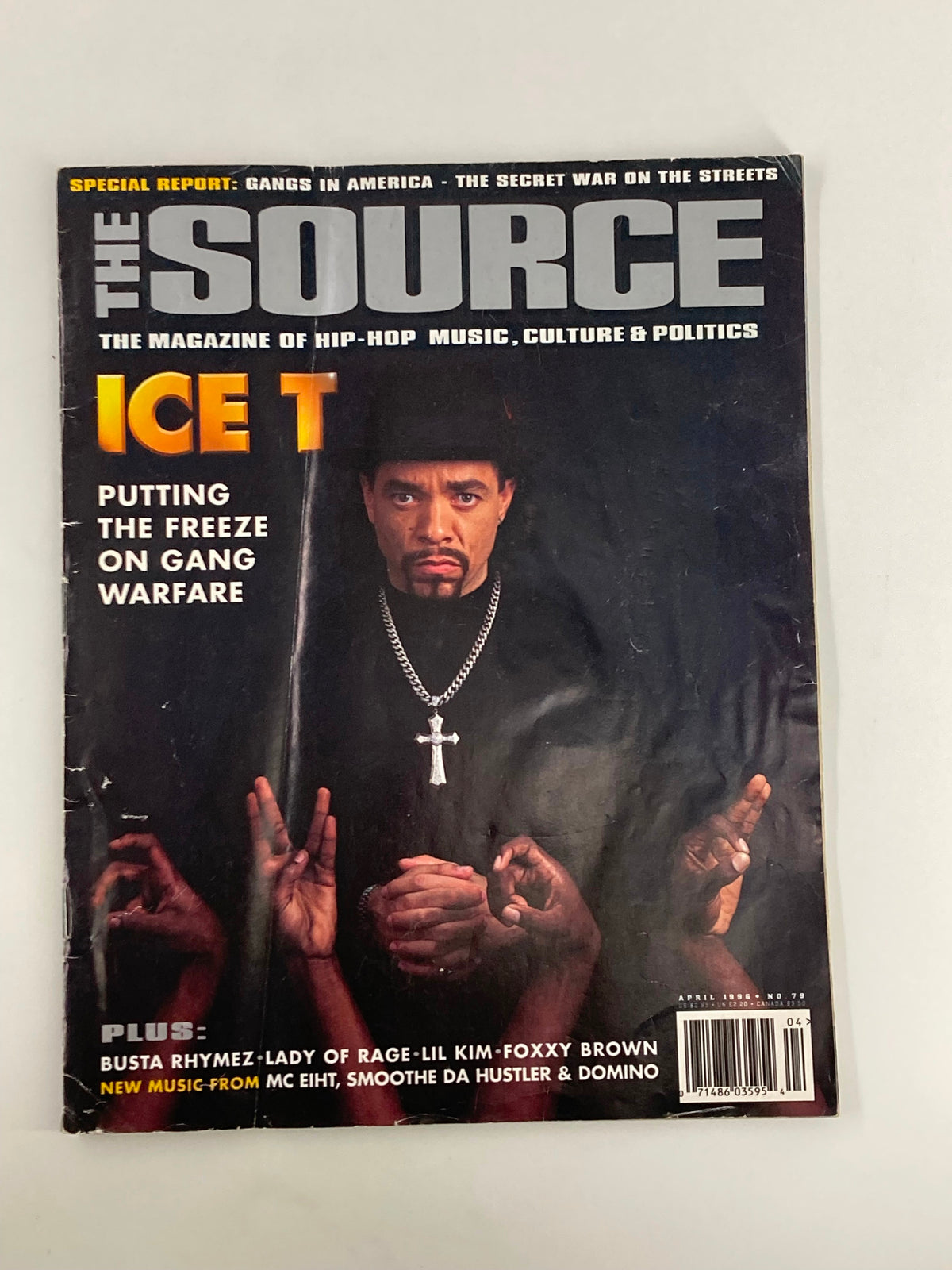
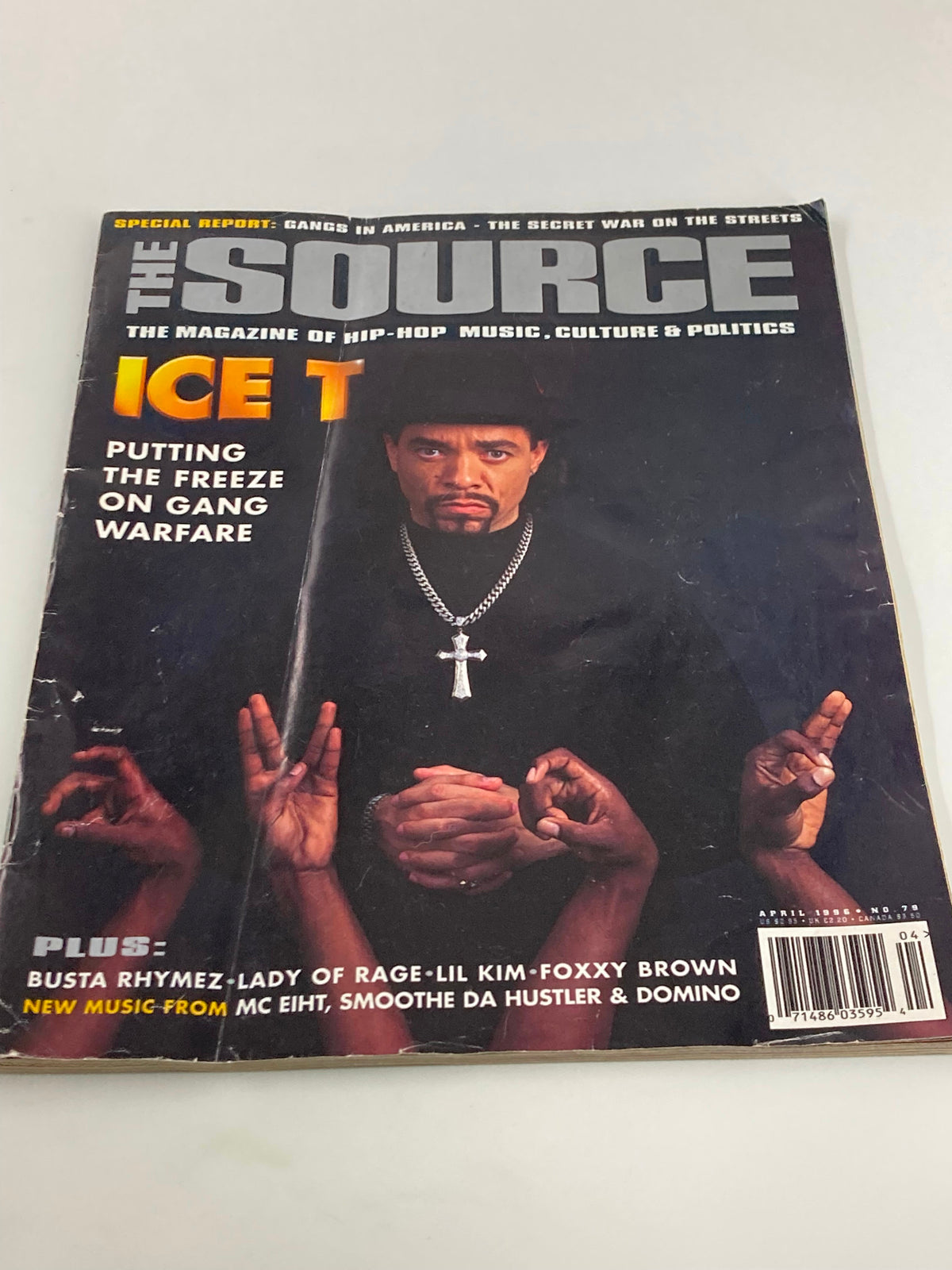
The visual language surrounding Ice-T in vintage print is a study in deliberate confrontation and magnetic charisma — photographers frequently placed him against stark urban backdrops, in leather and gold, staring into the lens with the composed defiance of someone who had already decided he owed the world nothing but the truth. Editorial tones ranged from the admiring to the alarmed: hip-hop and Black culture publications treated him as a prophet and pioneer, while mainstream news weeklies often framed him as a lightning rod, inadvertently amplifying his cultural authority in the process. Rolling Stone provided some of the era's most defining coverage, running in-depth profiles that traced his evolution from gangsta rap originator to rock provocateur during the Body Count controversy. Spin magazine, the irreverent challenger to Rolling Stone's throne, was deeply attuned to his crossover significance and chronicled his influence on the merging worlds of hip-hop and alternative culture. Ebony and its sister publication Jet offered a warmer, community-rooted lens, situating him within the broader narrative of Black achievement and resilience in an era of systemic tension, while publications like The Source and Vibe — the canonical journals of hip-hop's golden age — documented his legacy as a founding architect of the West Coast sound with the reverence of scholars recording living history.
Curator's Checklist: Highlights Often Include
- Early rap pioneer coverage (1986–1990): Features from music and urban culture press documenting his formative albums, Rhyme Pays and Power, and the emergence of gangsta rap as a genre that terrified radio programmers and resonated profoundly with a generation of young Americans
- The Body Count controversy (1992): News magazine and entertainment press coverage of the Cop Killer firestorm — among the most explosive First Amendment battles of the decade — including editorial responses, political commentary pieces, and interviews in which he stood his ground with remarkable composure
- Crossover stardom and film work: Coverage tied to his acting career in New Jack City, Trespass, and Surviving the Game, as Hollywood discovered that his screen presence was as commanding as his microphone presence
- Hip-hop retrospectives and "state of rap" features: Issues from the mid-to-late 1990s in which editors and journalists positioned him as an elder statesman and originator as the genre he helped create went supernova commercially
- Lifestyle and personality profiles: Long-form interviews exploring his philosophy, his Las Vegas upbringing, his military service, and his transition into the acting career that would define his later public identity — pieces that revealed the autodidact and strategist behind the outlaw persona
The Collector's Value
There is something irreplaceable about holding a magazine from 1992 — feeling the particular weight of the coated cover stock, catching the faint, unmistakable scent of decades-old ink and paper, turning past a full-page advertisement for a long-discontinued sneaker or a domestic car that no longer exists, and arriving at a full-spread photograph of one of the most defiant figures in American cultural history, staring back at you from the moment itself, unmediated and unarchived by any algorithm. These are primary sources: journalism as it was written, designed, and consumed in the heat of the era, carrying the full context of the world that produced them in a way no digital reproduction can replicate. For collectors of hip-hop history and memorabilia, First Amendment and censorship ephemera, or 1990s urban culture and street fashion, these publications offer not merely decoration but documentation — a tangible, irreplaceable thread connecting the present to the pivotal decades that shaped modern American music, politics, and identity. Explore the current available inventory below and discover which pieces of that history are waiting to find a new home.