📖 About this Collection
Idi Amin: The World That Watched in Disbelief
The Legend & The Legacy
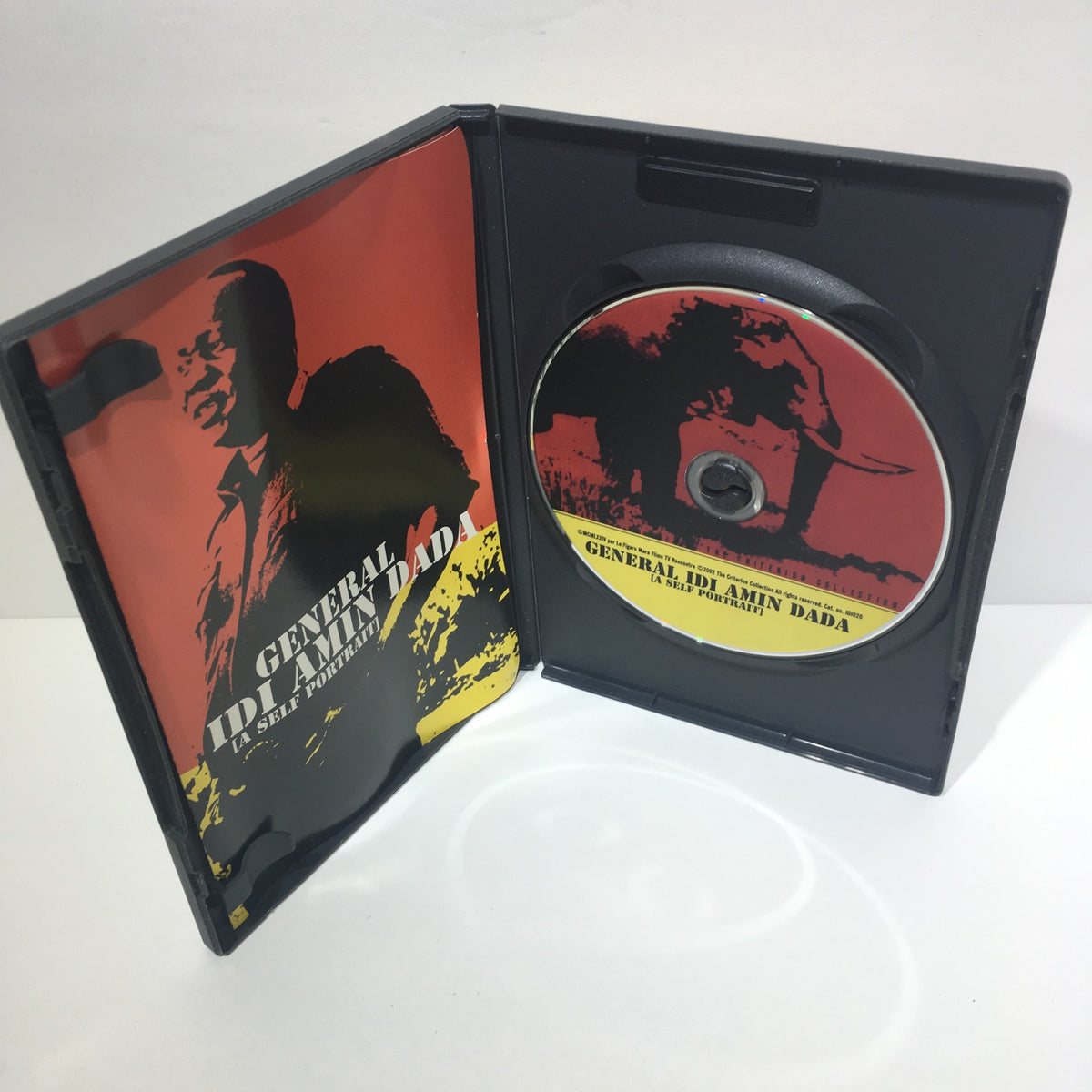
Few figures in the turbulent post-colonial history of Africa commanded the world's attention — and horror — quite like the self-proclaimed "Last King of Scotland," the man who rose from the barracks of the King's African Rifles to seize Uganda's presidency in a 1971 coup and hold it, with brutal theatricality, until 1979. In an era before satellite news and social media, the global public pieced together the story of his reign almost entirely through the printed page — through wire dispatches reprinted in weekly newsmagazines, through long-form investigative features in Sunday supplements, and through the stark, arresting photographs that landed on breakfast tables from London to Lagos. He was a dictator who courted the press even as he terrorized his own people, granting interviews, staging military parades for cameras, and bestowing upon himself a cascade of self-invented honors — making him, paradoxically, one of the most photographed and profiled African leaders of the 1970s. The magazines of that decade did not merely report on him; they grappled with him, struggled to explain him, and in doing so captured the full moral complexity of a world still reckoning with the violent aftermath of empire.
Inside the Archive
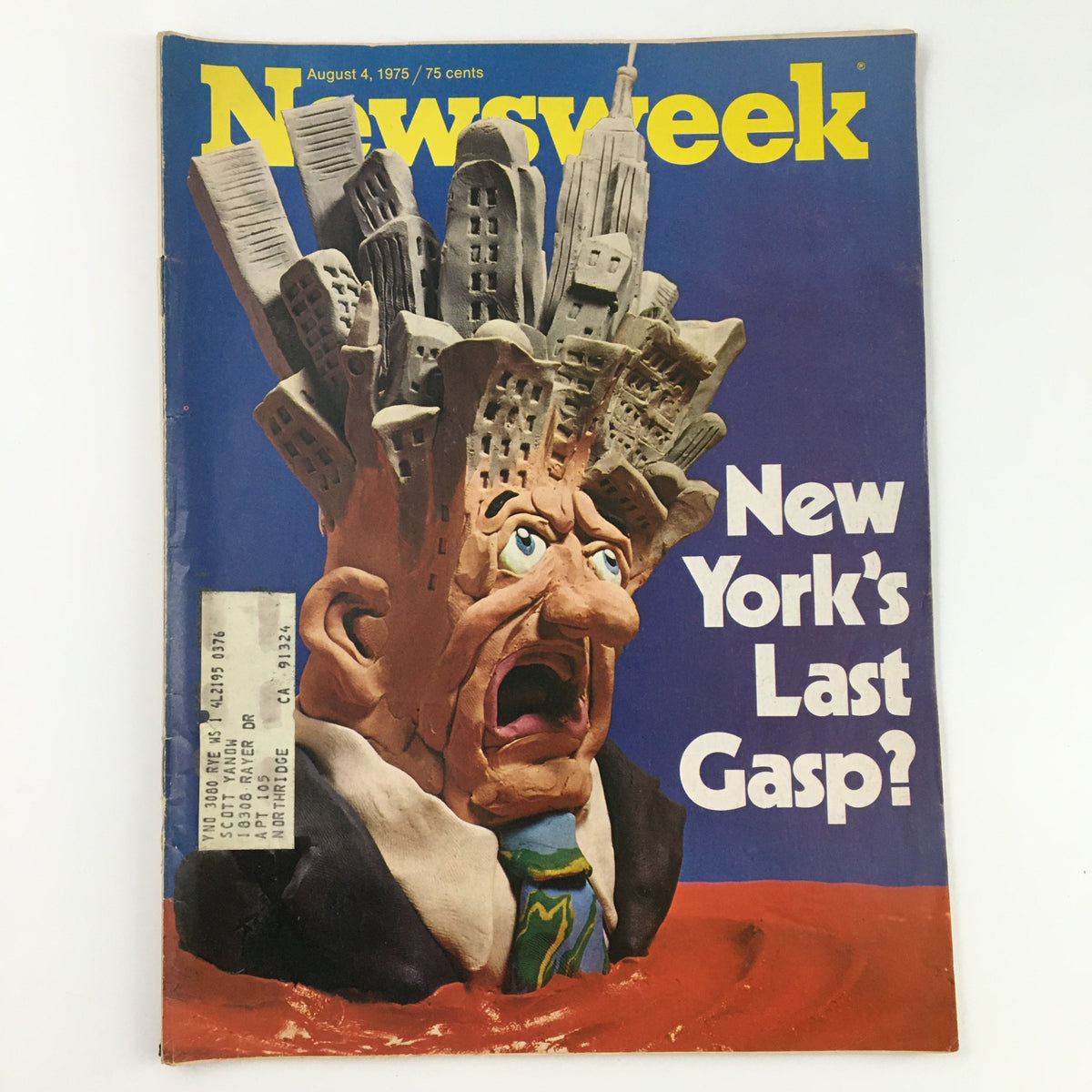
The photographic record of the Amin years is as startling as it is historically indispensable. Editorial photographers captured him in full military regalia, chest heavy with self-awarded medals, presiding over state ceremonies with an almost operatic grandiosity — images that editors at Time and Newsweek deployed on cover after cover throughout the mid-1970s as expulsion orders, reports of mass killings, and the 1976 Entebbe hostage crisis kept Uganda permanently in the international spotlight. Jeune Afrique, the Paris-based pan-African newsmagazine, offered a perspective largely absent from the Western press, interrogating the geopolitics of his rule through an African editorial lens and providing coverage that remains invaluable to scholars today. Meanwhile, British publications such as The Sunday Times Magazine ran sprawling investigative features as the Ugandan Asian expulsion of 1972 sent shockwaves through the Commonwealth, their long-form journalism combining documentary photography with on-the-ground reporting in a way that the short broadcast bulletin simply could not match. The editorial tone across these publications ranged from cold alarm to barely suppressed outrage — and every page reflects the anxious, high-stakes atmosphere of an era in which print journalism was still the world's primary instrument for bearing witness.
Curator's Checklist: Highlights Often Include
- Coup & Rise to Power (1971): Early issues frequently document the international reaction to his January seizure of power, with newsmagazines wrestling with whether the new strongman might prove a stabilizing force — a naïveté that would not last long.
- The Ugandan Asian Expulsion (1972): Coverage of his decree forcing some 60,000 Asians from Uganda generated significant feature journalism in British and Commonwealth publications, often paired with haunting documentary photography of displaced families.
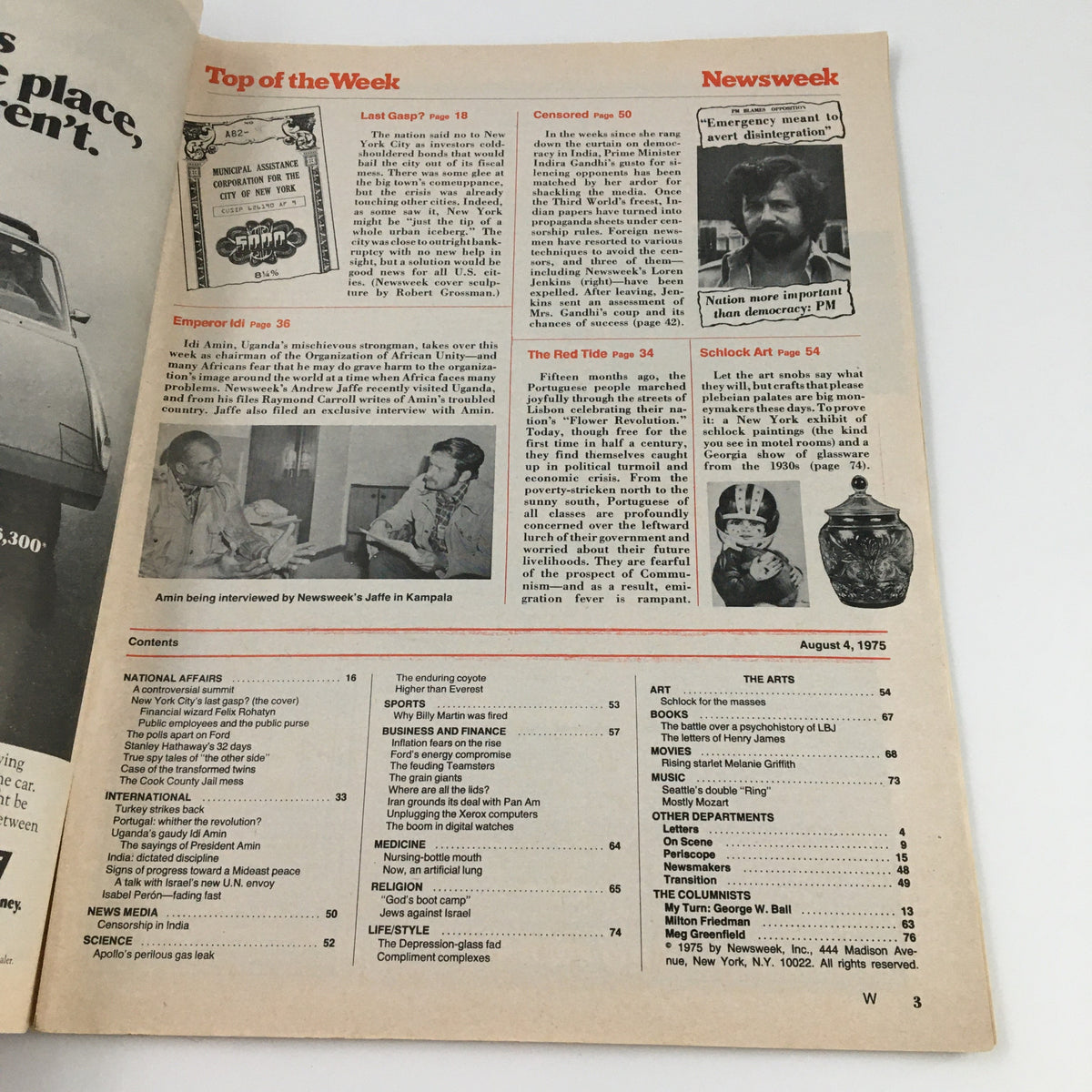
- Cold War Alignment & OAU Chairmanship (1975): His chairmanship of the Organisation of African Unity and his flamboyant anti-Western, pro-Palestinian posturing attracted pointed geopolitical analysis in international affairs titles and major weekly newsmagazines.
- The Entebbe Raid (1976): The dramatic Israeli commando rescue of hostages at Entebbe Airport produced some of the decade's most urgent magazine journalism — collectors often seek these issues for their vivid photography and breathless, immediate editorial tone.
- Exile & Fall (1979): The Tanzanian-backed liberation of Uganda generated a final wave of retrospective coverage — sober, often damning assessments of his eight-year rule — that rounds out any serious archival collection of the era.
The Collector's Value
To hold one of these magazines is to hold the temperature of the world at a specific, irretrievable moment — the slight brittleness of the newsprint under your fingertips, the faint mineral tang of decades-old ink, the surrounding advertisements for Pan Am flights and Scotch whisky that remind you, viscerally, that this was a living document and not a history book. These are primary sources in the truest sense: the unmediated, unrevised record of how editors, photographers, and readers made sense of one of the twentieth century's most disturbing wielders of power, in real time, without the benefit of hindsight. For collectors of Cold War-era political history, post-colonial African studies, or vintage photojournalism, these publications offer something no digital archive or academic reprint can replicate — the full sensory encounter with a past that still demands to be understood. Browse the current inventory below and discover which pieces of this extraordinary and unsettling chapter of history are available to bring to your collection today.