📖 About this Collection
Iman: The Face That Rewrote the Rules of Beauty
The Legend & The Legacy
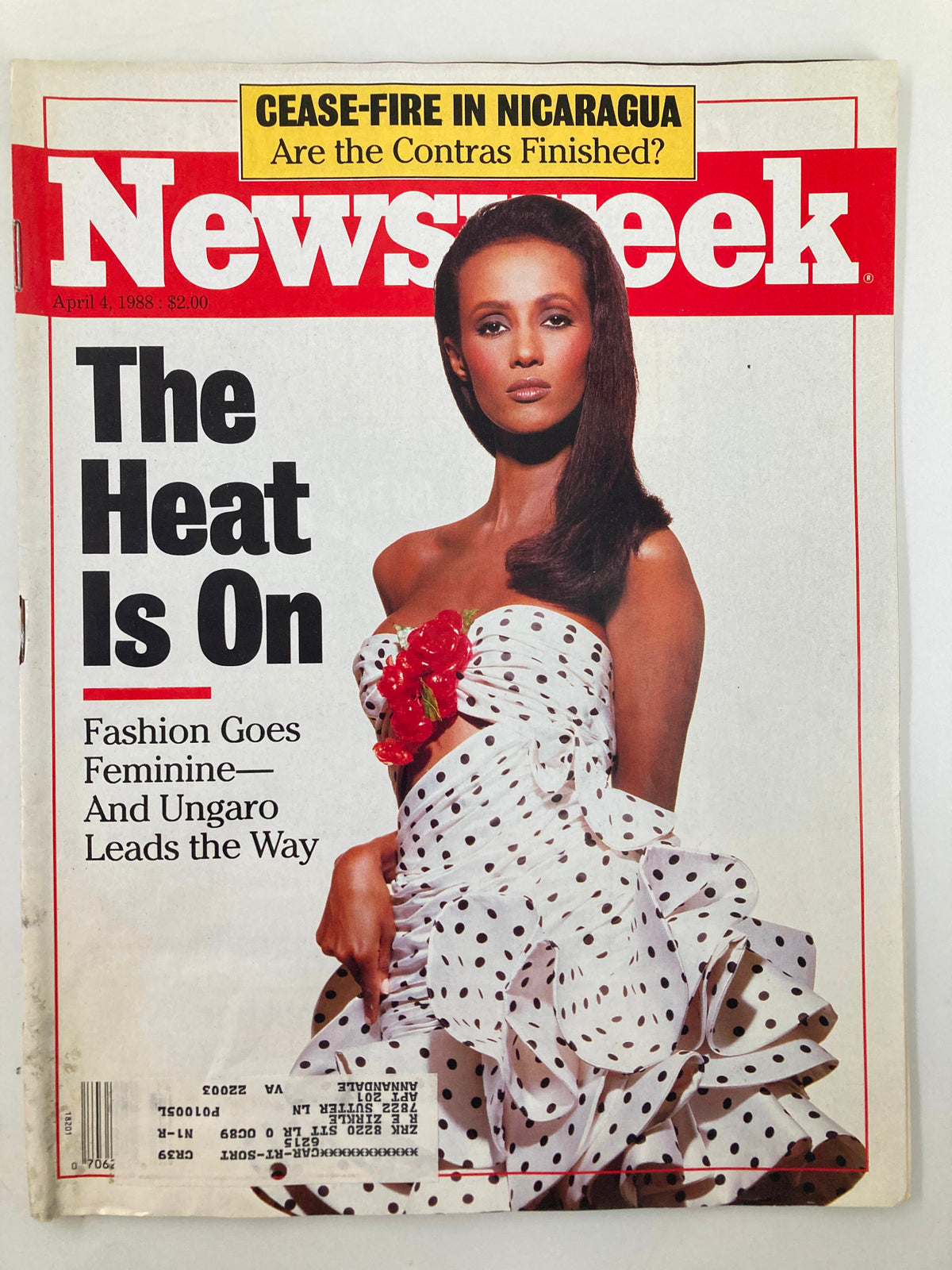
When Iman Abdulmajid arrived on the world stage in 1975, she did not simply enter the fashion industry — she redefined its very grammar. Discovered in Nairobi by photographer Peter Beard, she was mythologized almost immediately, her origin story embellished and romanticized by the press in ways that spoke more to the era's hunger for exoticism than to the truth — a narrative she would later reclaim, proudly and publicly, on her own terms. In an age when the beauty industry operated on a cruelly narrow standard, this Somali-born former political science student stood before it as a quiet, towering refusal. Through the late 1970s, the 1980s, and into the 1990s, the world followed her story not through social media or streaming documentaries, but through the glossy, heavy pages of the magazines that sat on coffee tables, were passed between friends, and were torn from their spines and pinned to bedroom walls. She was a woman whose face, bearing, and intellect arrived in your home by subscription.
Inside the Archive
Vintage magazine coverage of this iconic supermodel captures one of fashion photography's most electrifying subjects at the precise moment the industry was being forced to confront its own exclusions. Vogue — both its American and European editions — returned to her repeatedly, with photographers like Irving Penn, Helmut Newton, and Francesco Scavullo capturing the architectural precision of her features in images that feel less like fashion spreads and more like portraiture for the ages. Elle and Harper's Bazaar charted her evolution from exotic "discovery" to fully sovereign global supermodel, their editorial tones shifting over the decades from breathless fascination to genuine reverence. Meanwhile, Ebony and Essence offered a richer, more culturally grounded perspective — celebrating her not merely as a fashion commodity but as a symbol of Black excellence, African pride, and hard-won visibility at the highest echelons of a historically exclusionary industry. The photography across these publications is consistently luminous: deeply saturated color in the high-fashion spreads, intimate and painterly in the profile shoots, and always, unmistakably, in the presence of someone who understood the power of the lens.
Curator's Checklist: Highlights Often Include
- Landmark fashion editorials from the late 1970s through the 1990s, featuring her work with the most celebrated photographers of the era, in publications that defined the visual culture of those decades
- Cover appearances on major domestic and international fashion titles, including issues that marked historic firsts for representation at the intersection of race, nationality, and high fashion
- Profile and interview features in which she speaks candidly about her Somali heritage, her education, her philosophy of beauty, and the industry's systemic failures — pieces that read, in retrospect, as foundational texts of the diversity conversation
- Coverage of her entrepreneurial chapter, including the 1994 launch of her groundbreaking cosmetics line, IMAN Cosmetics — created to serve women of color who had been chronically ignored by mainstream beauty brands — as featured in both fashion and lifestyle publications
- Celebrity couple coverage alongside David Bowie, particularly from the 1990s onward, in entertainment and culture magazines that documented one of popular culture's most quietly beloved partnerships
The Collector's Value
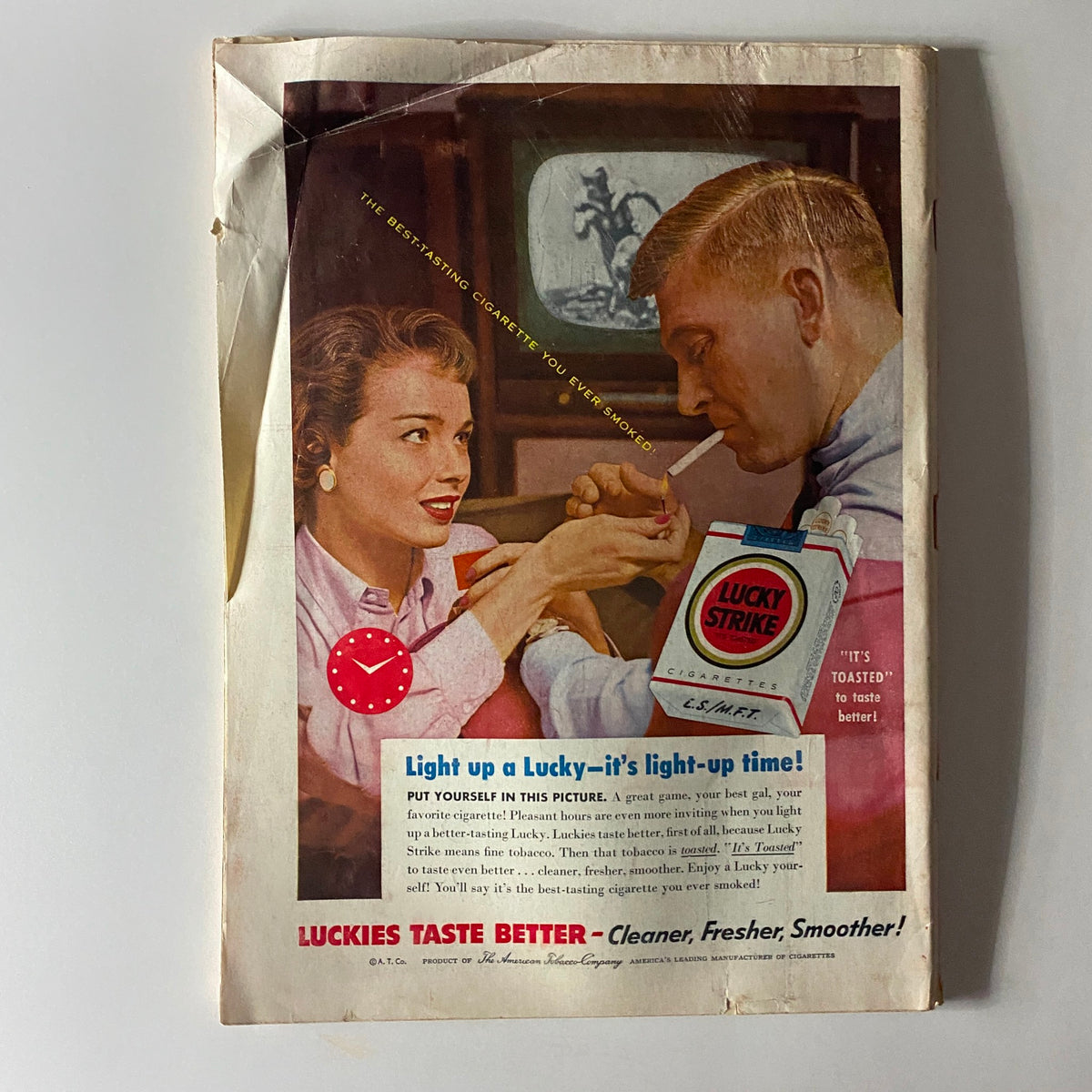
To hold a vintage magazine featuring Iman is to hold a primary document of a cultural revolution in progress — one that the headlines of the time did not always recognize as such. The weight of the paper stock, the slight resistance of a well-preserved glossy page, the faint mineral tang of decades-old ink: these are the textures of a moment before the image became infinite and therefore weightless. The advertisements surrounding her editorials are their own time capsule — perfume campaigns, cigarette endorsements, department store spreads — each one a reminder that this image of a Black African woman commanding the center of Western fashion culture was, in its moment, genuinely radical. For collectors of fashion history and supermodel ephemera, African diaspora cultural heritage, or 1980s and 1990s popular culture, these publications offer something no digital archive can replicate: the original encounter, on original paper, in its original context. Explore the current available inventory below and find the issue that belongs in your collection.