📖 About this Collection
Indira Gandhi: Iron Will, Printed in Ink
The Legend & The Legacy
Before the scroll, the feed, or the breaking-news chyron, the world learned about Indira Gandhi the way it learned about all great and terrible things — through the weight of a magazine in one's hands. The first and only woman to serve as Prime Minister of India, she governed a nation of hundreds of millions through war, famine, constitutional crisis, and the audacious emergency rule of 1975–77 that split opinion across the globe. Her ascent through the Congress Party, her orchestration of India's victory in the 1971 war that birthed Bangladesh, her uneasy relationship with democracy, and her eventual assassination in 1984 made her one of the most relentlessly covered political figures of the twentieth century. In an era when geopolitics was still digested over breakfast tables and in dentists' waiting rooms, her face — severe, elegant, and utterly commanding — became one of the most recognisable on the planet. She was not merely a leader; she was a civilisational event, and print media was the only mirror large enough to reflect her.
Inside the Archive
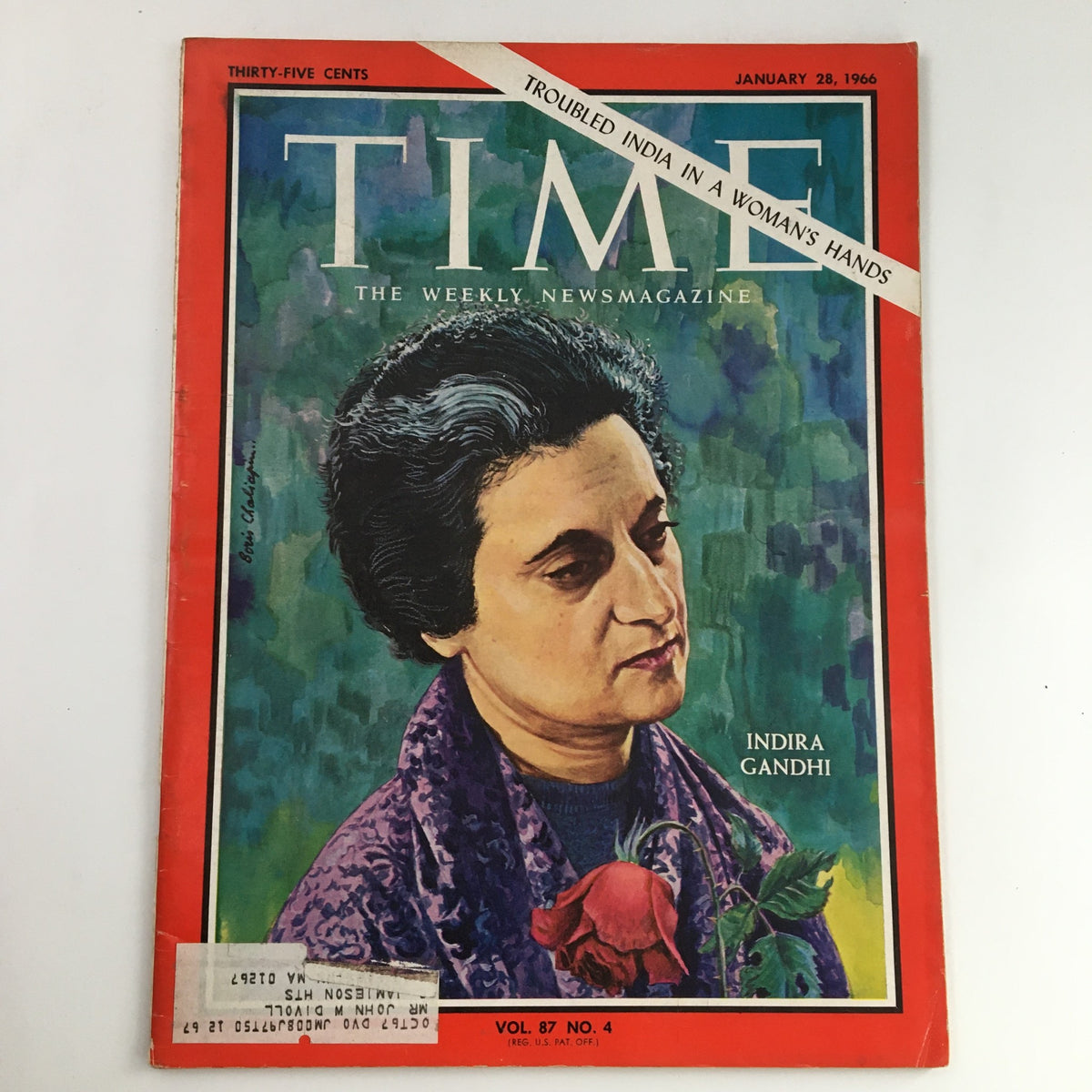
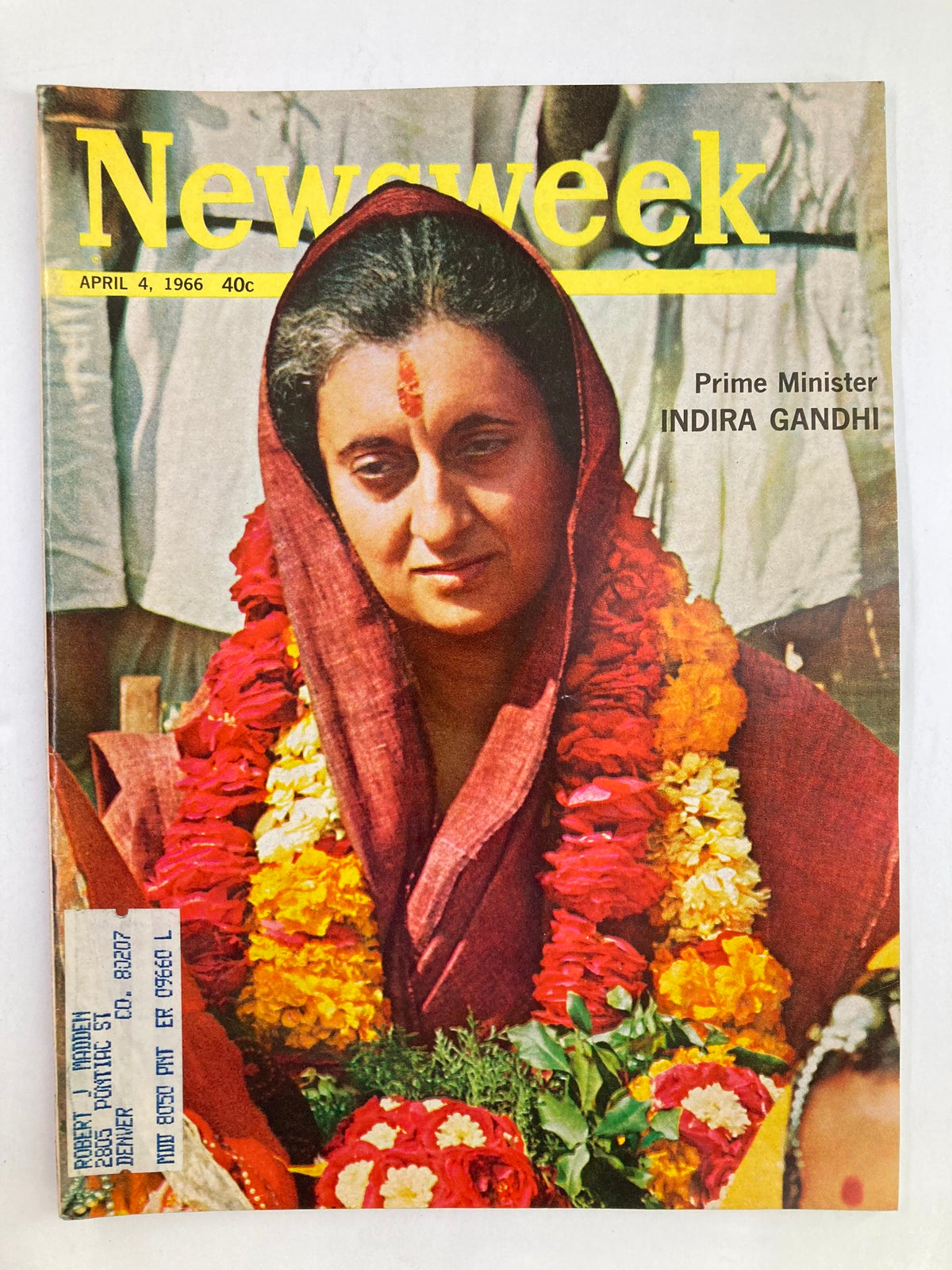
Magazines of the 1960s through the 1980s approached the Iron Lady of India with a mixture of fascination, reverence, and unease that produced some of the most striking political portraiture of the Cold War era. Photographers from the world's leading publications captured her in moments of rare stillness — the steel-grey streak in her hair, the immaculate sari, the eyes that disclosed nothing — as well as in the kinetic chaos of election rallies and state funerals. Time magazine returned to her repeatedly, placing her on its cover during pivotal moments including the Bangladesh crisis and the Emergency, framing her alternately as a democratically elected stateswoman and an authoritarian in the making. Paris Match, drawn to her singular visual gravity, brought a more continental romanticism to its coverage, often juxtaposing her commanding public persona with glimpses of the private woman behind the Nehru dynasty's towering shadow. Meanwhile, Newsweek tracked her geopolitical maneuvering with Cold War urgency, documenting her careful dance between Washington and Moscow with the analytical gravity that defined its editorial identity. Across all these publications, the photography is architectural — she is almost never diminished by a frame.
Curator's Checklist: Highlights Often Include
- Election & Coronation Moments — Coverage surrounding her landmark 1966 appointment as Prime Minister, her dramatic 1971 landslide re-election, and her controversial return to power in 1980 are among the issues collectors most actively seek
- The 1971 Indo-Pakistani War — International weeklies and news magazines from late 1971 frequently feature extensive photo essays and analysis of India's military campaign and the creation of Bangladesh, with the Prime Minister front and centre
- The Emergency Years (1975–1977) — Domestic Indian publications and foreign press alike documented the suspension of civil liberties under her rule, producing editorial content of enormous historical and moral complexity rarely seen in peacetime coverage of a democratic leader
- State Visits & Cold War Diplomacy — Glossy features from her meetings with Nixon, Brezhnev, and later Reagan offer a rare visual record of non-aligned India asserting itself on the world stage, often accompanied by rich colour photography
- Assassination & Legacy Issues (October–November 1984) — Memorial editions published in the immediate aftermath of her killing by her own bodyguards represent some of the most collectible and emotionally charged issues of the decade, spanning publications from New Delhi to Paris to New York
The Collector's Value
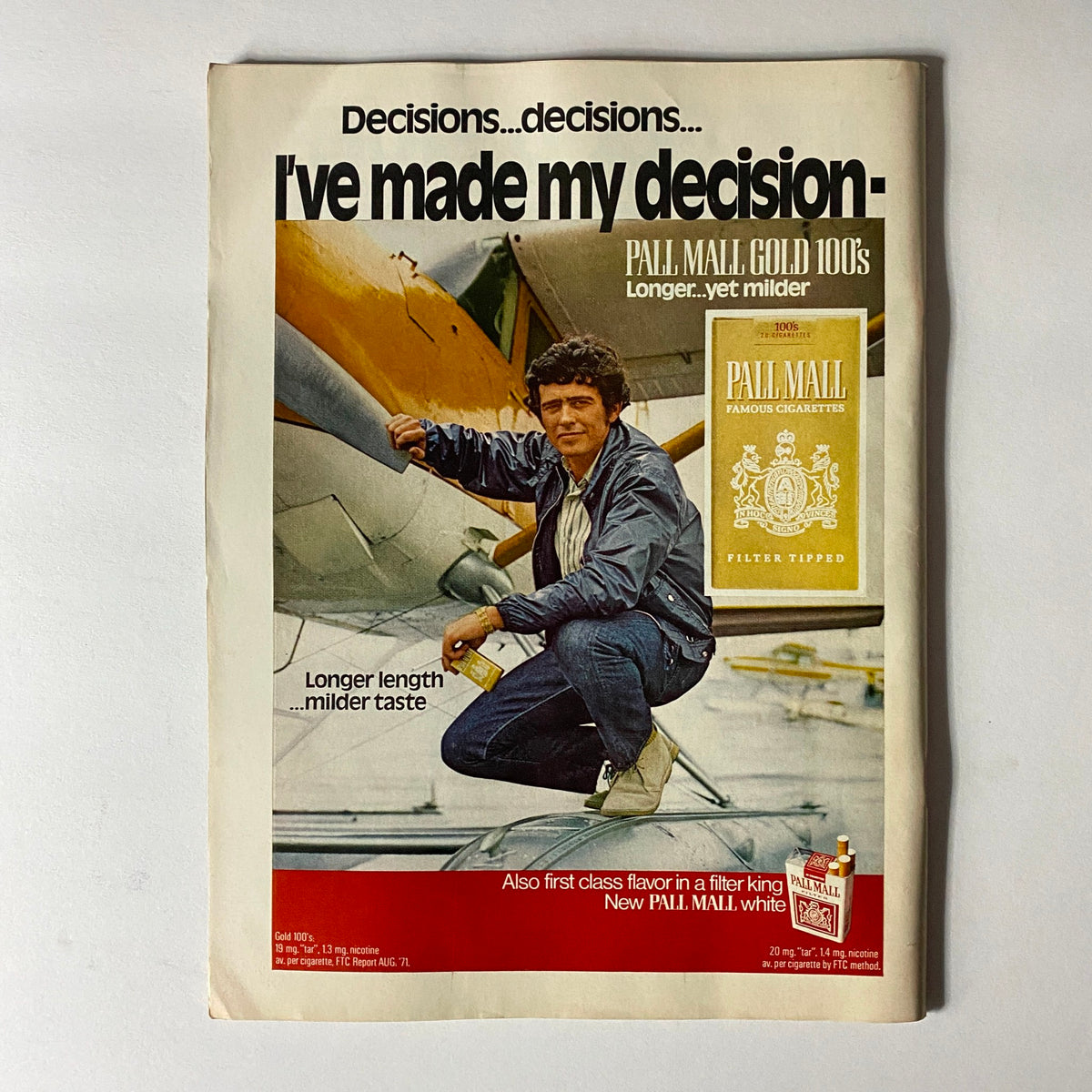
There is something no digital archive can replicate: the experience of holding a 1971 copy of Time and feeling the slightly coarse texture of mid-century newsprint beneath your fingertips, catching the faint, mineral ghost of decades-old ink as you turn to a full-page photograph of one of the twentieth century's most formidable women. The advertisements surrounding her image — for airlines that no longer fly, for cigarette brands, for transistor radios — situate her in her exact historical moment with an intimacy no reprint or PDF can approximate. These are primary sources, not reproductions; objects that were physically present in the world as history was being made. For collectors of Cold War political history, South Asian heritage and postcolonial studies, or iconic twentieth-century women in power, these publications offer an irreplaceable window into how the world perceived, feared, admired, and mythologised a leader unlike any other. Explore the current available inventory below and discover which pieces of this extraordinary story are waiting to be reclaimed.