📖 About this Collection
Ingrid Bergman: The Face That Defined an Era's Idea of Grace
The Legend & The Legacy
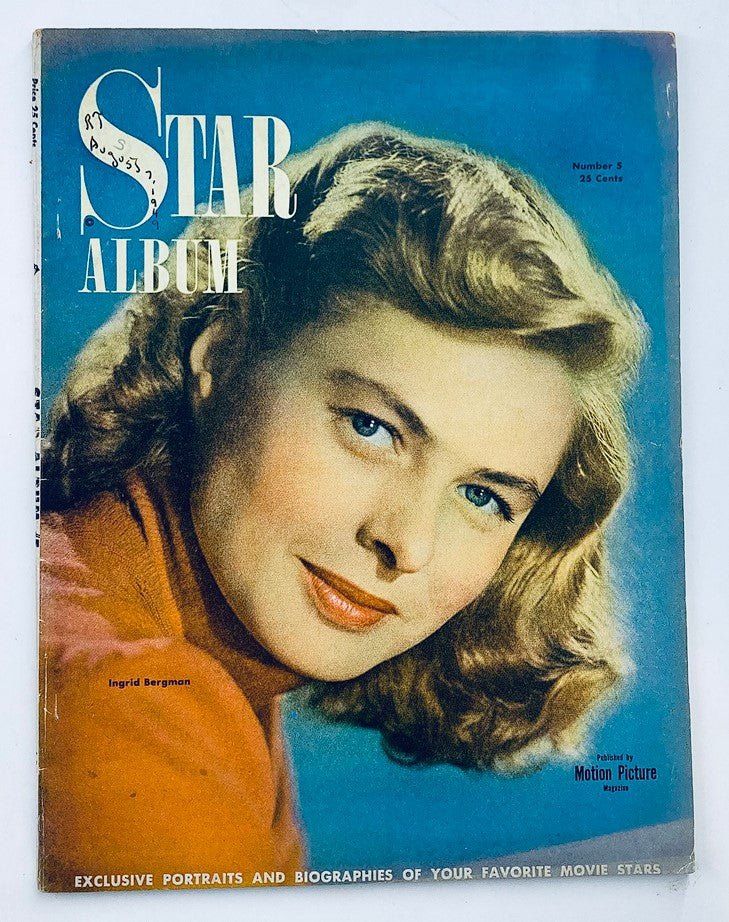
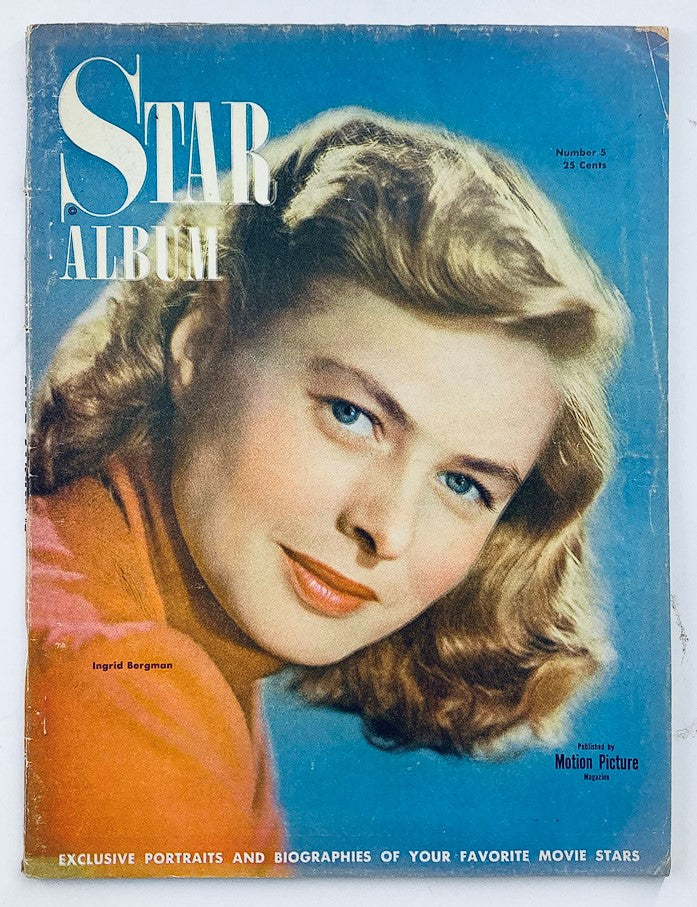
Before algorithms curated what we admired and streaming platforms told us whom to love, the world fell for Ingrid Bergman one page at a time. From her breakthrough in Hollywood's golden age through the scandalous headlines that briefly exiled her from American screens, to the triumphant, Oscar-winning return that proved her talent was simply too formidable to ignore, the Swedish actress occupied a singular place in the public imagination. She was neither manufactured nor manicured in the way the studio system demanded — her naturalness, her lack of artifice, her almost uncomfortable emotional honesty made her radical. Readers devoured her story through the glossy pages of their favourite weeklies, not as gossip alone, but as a kind of cultural referendum: on beauty, on morality, on what women were permitted to be. In an age when print was the sole medium of myth-making, she became one of the most written-about women on earth.
Inside the Archive
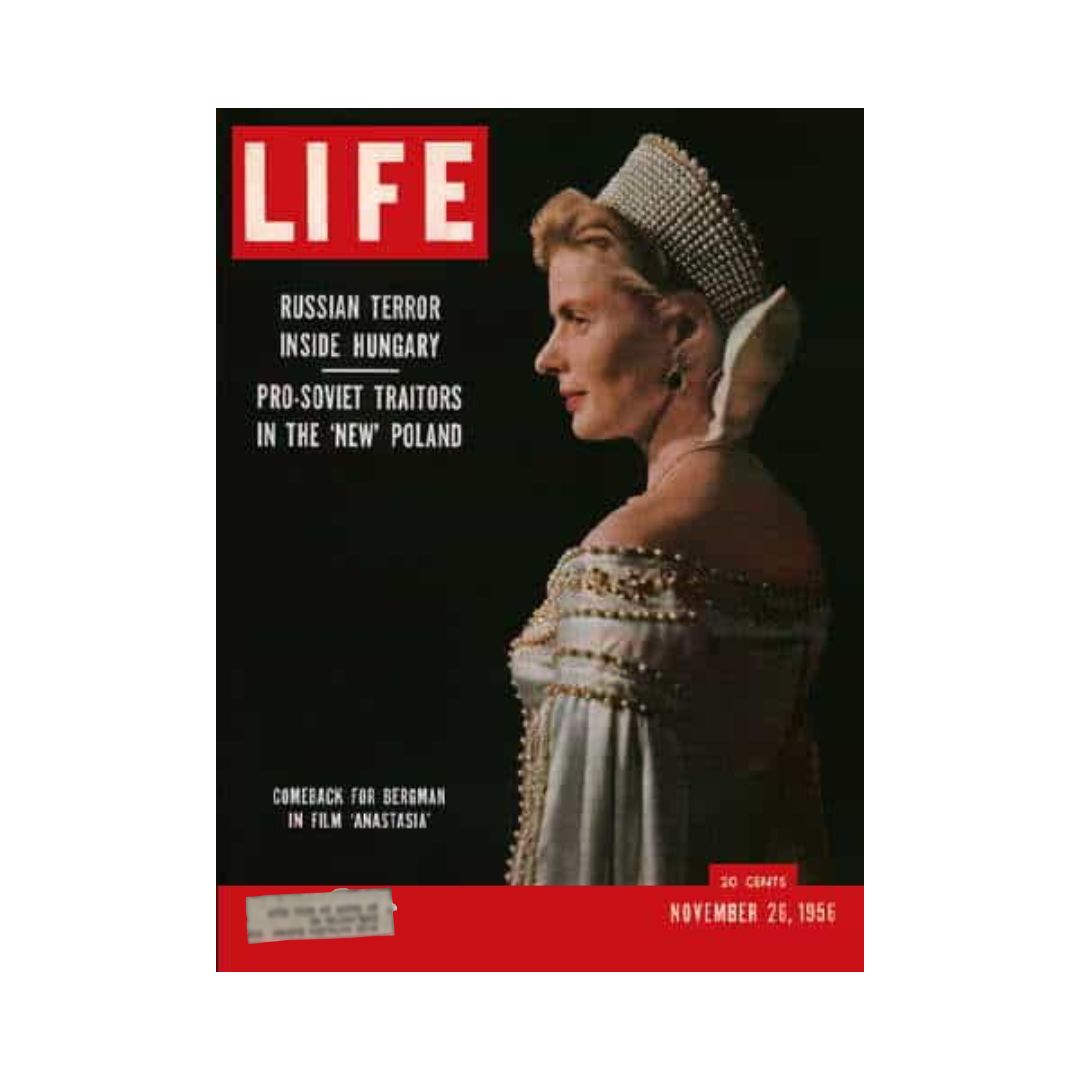
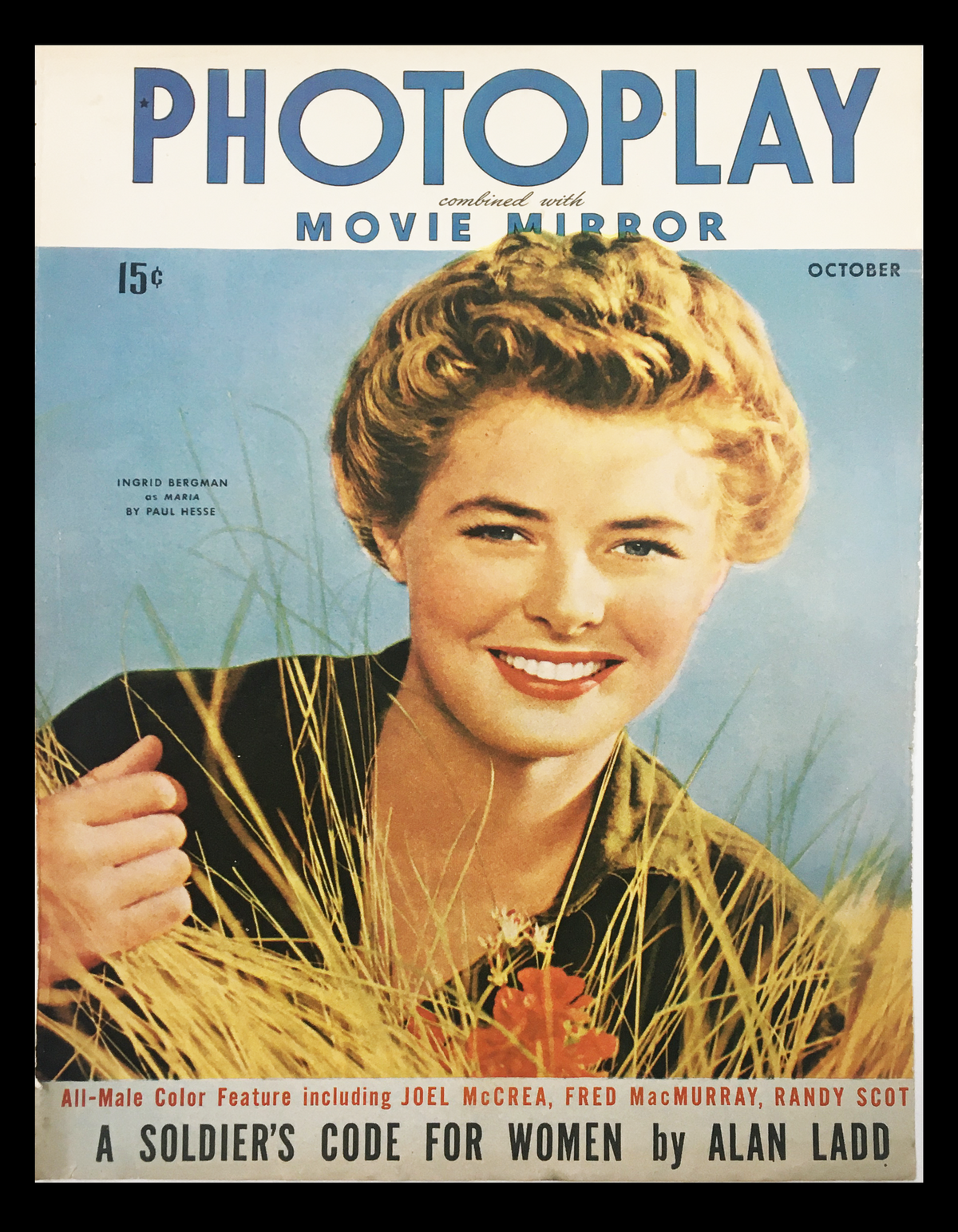
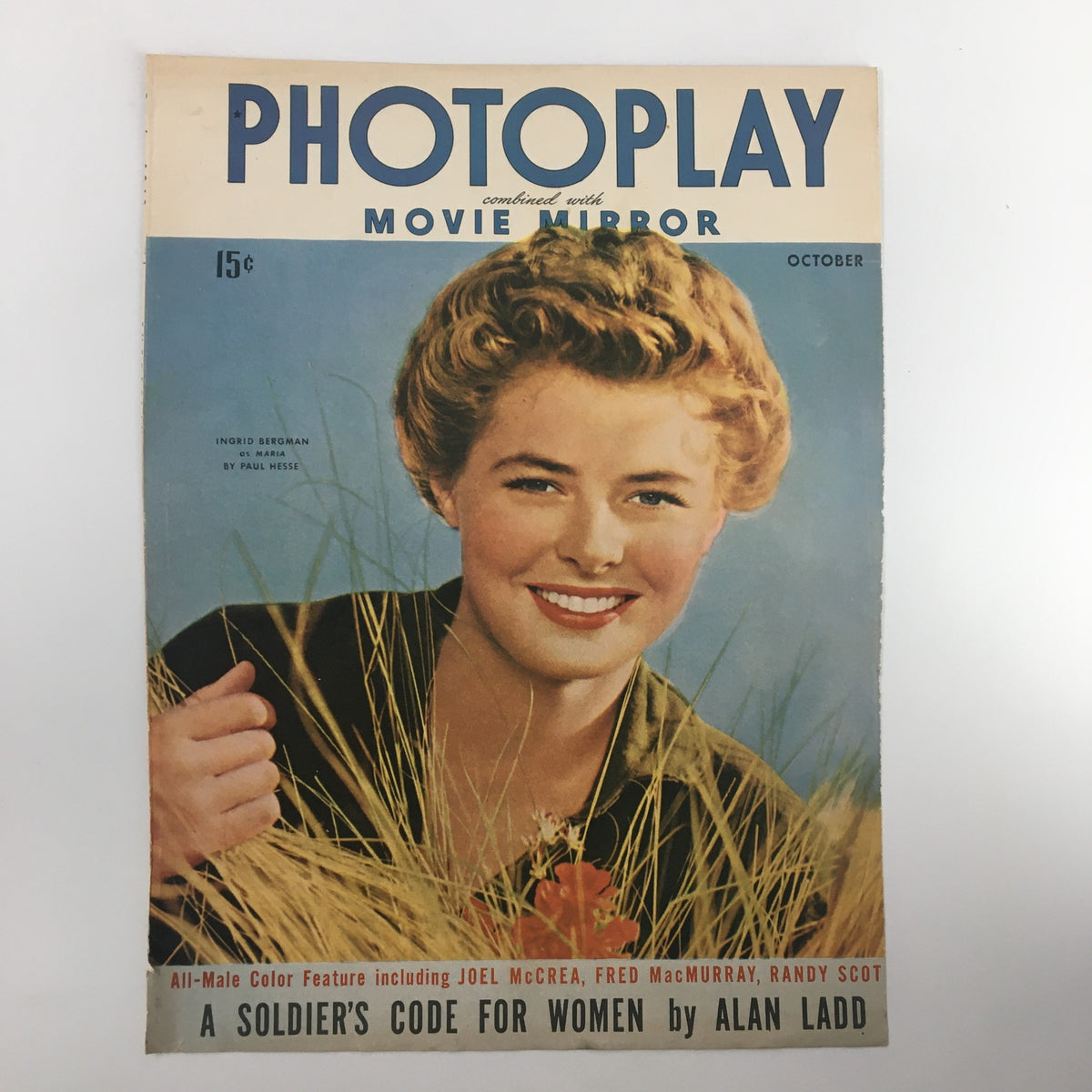
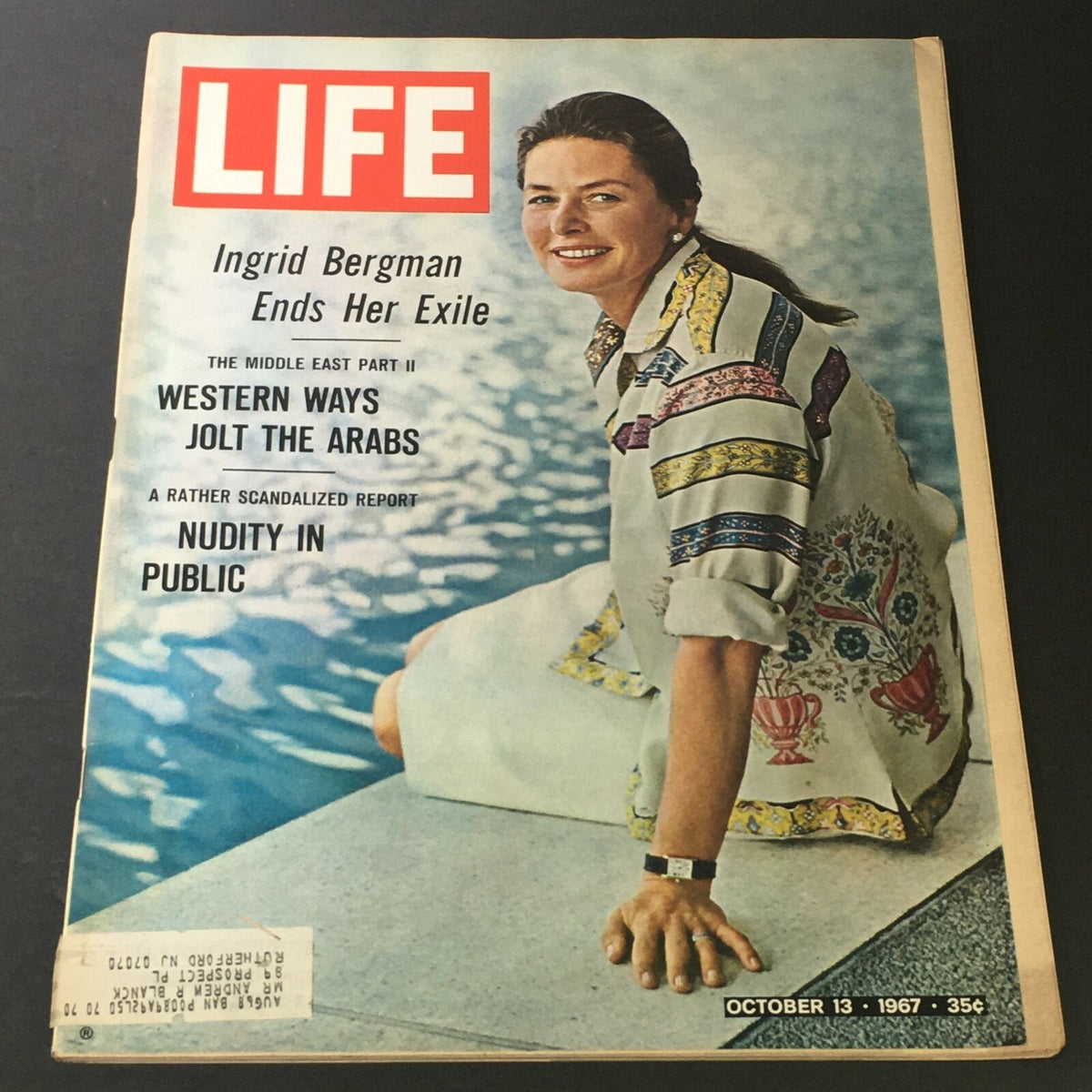
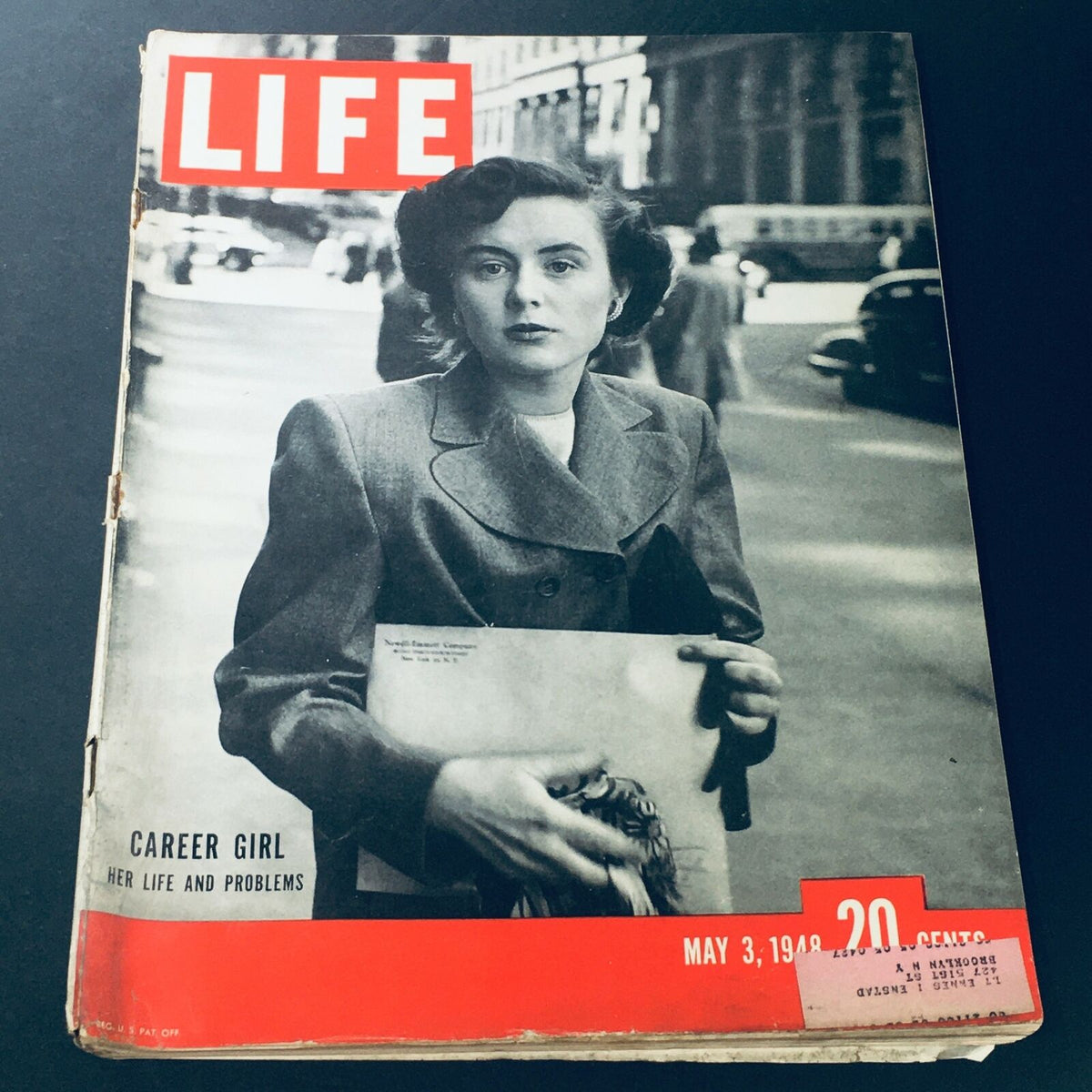
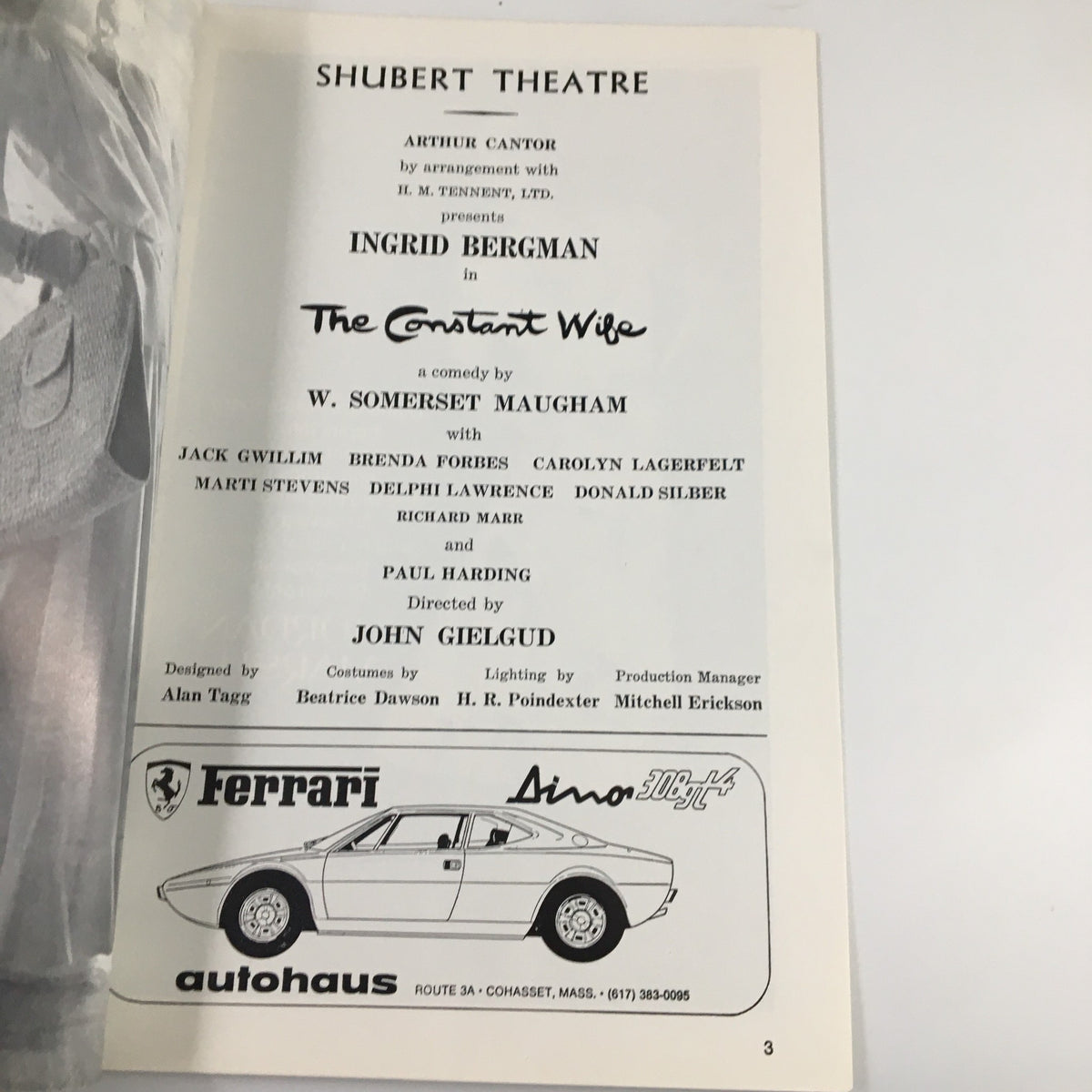
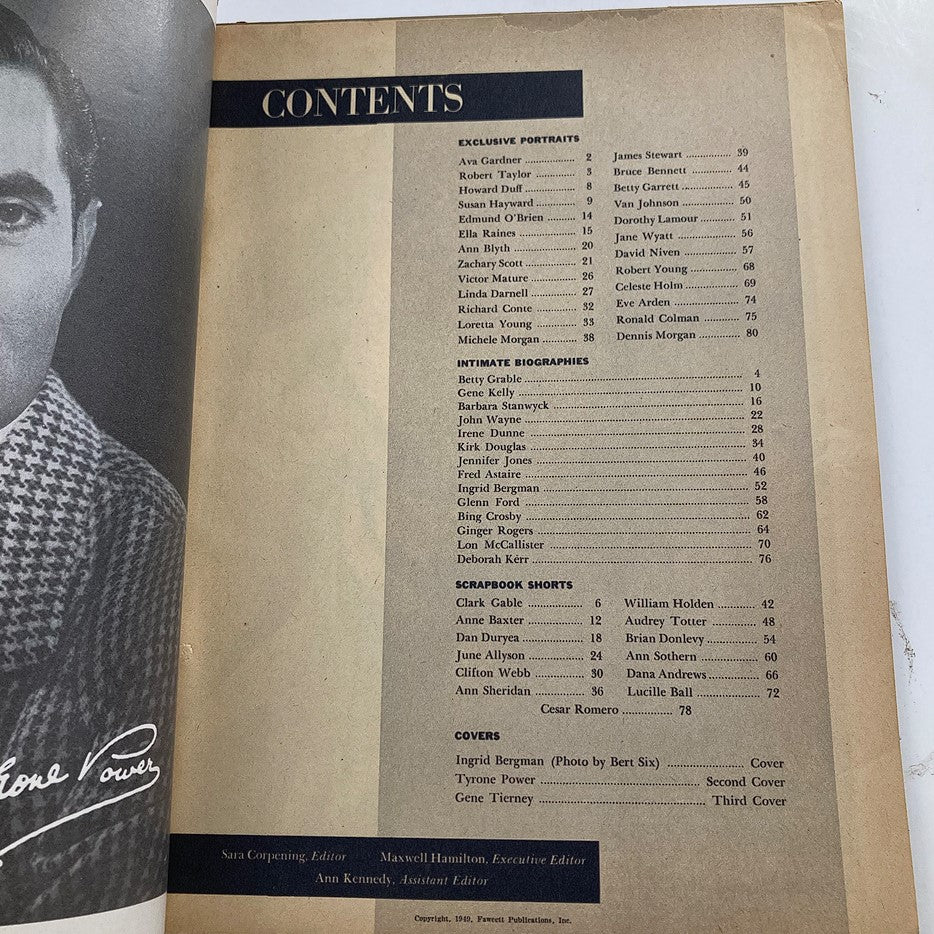
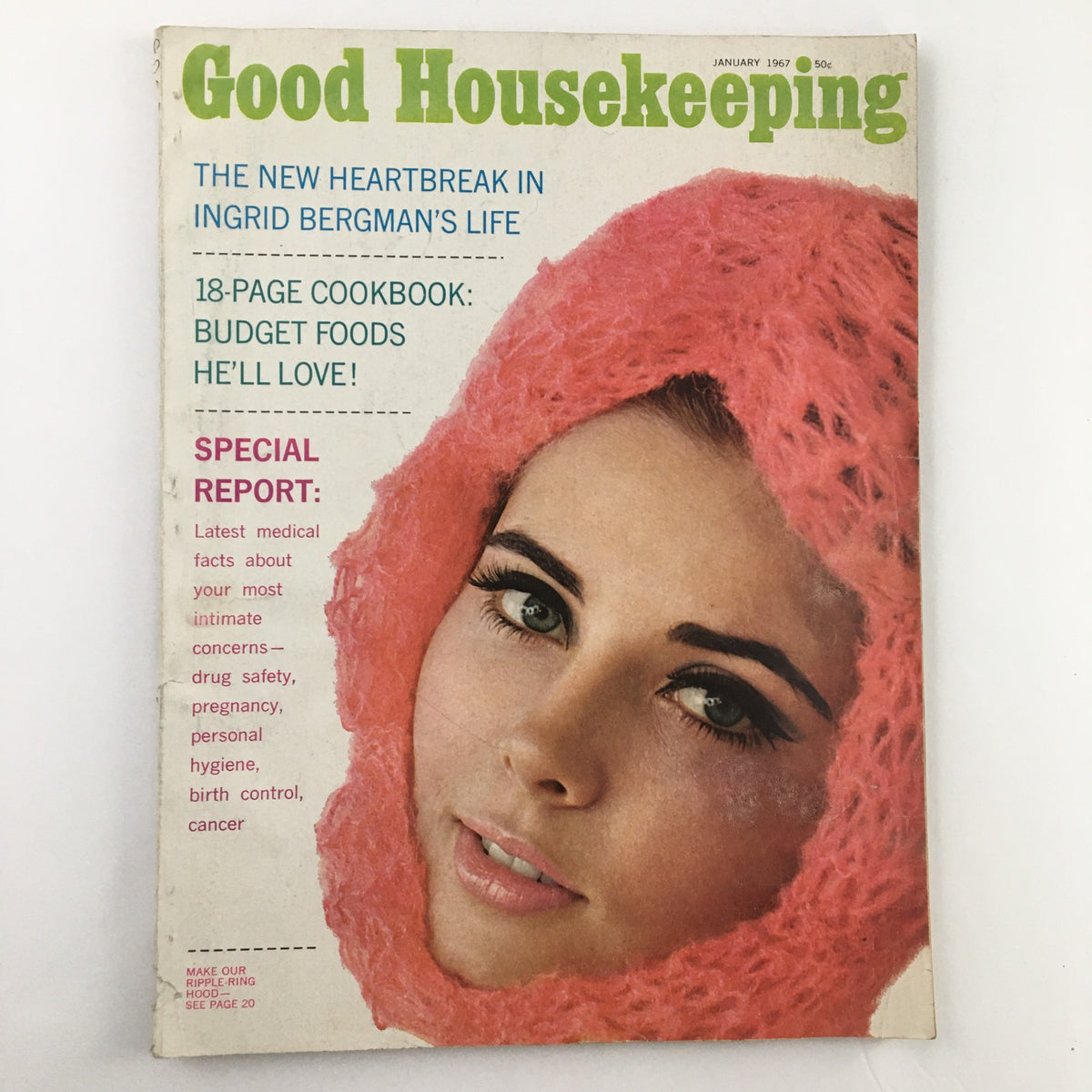
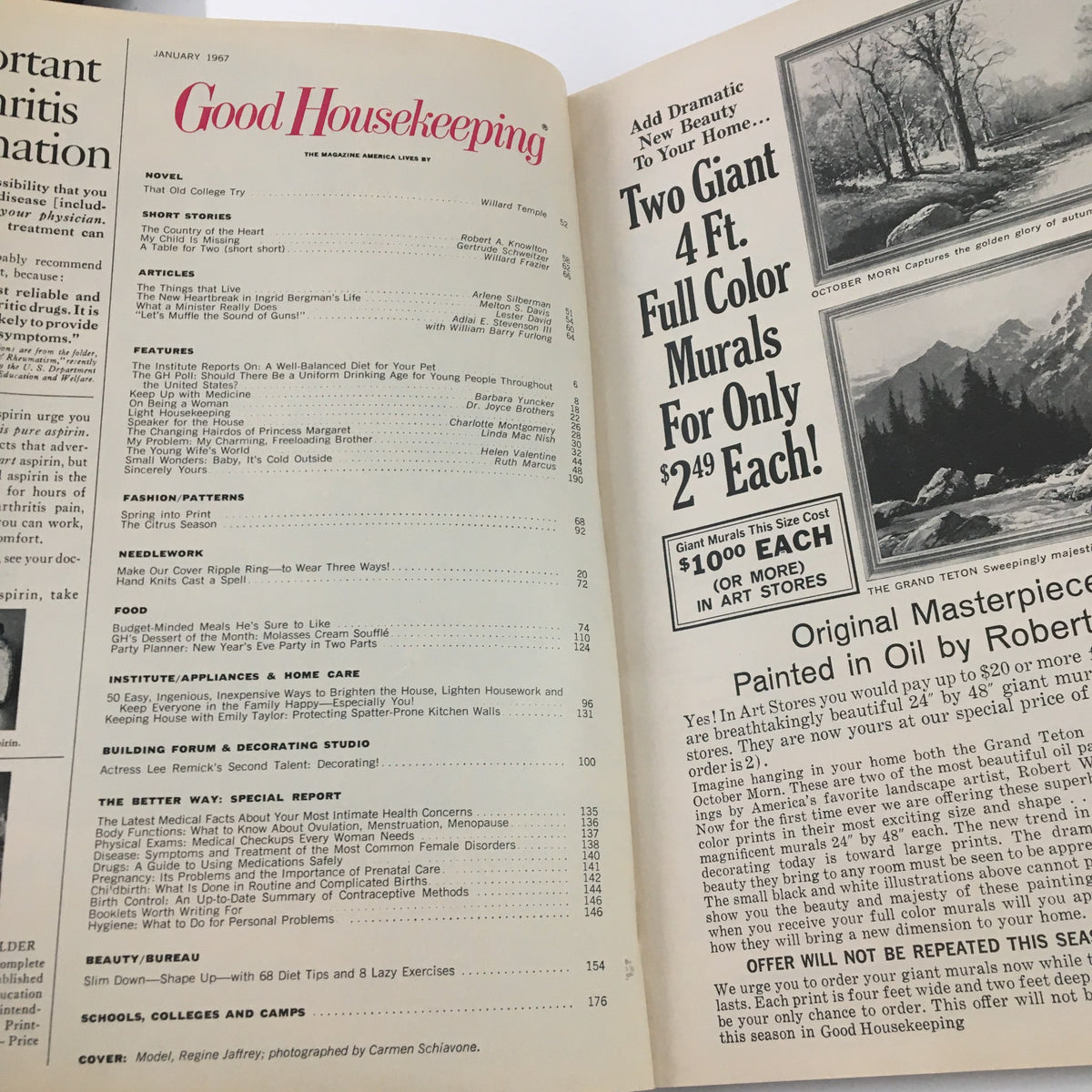
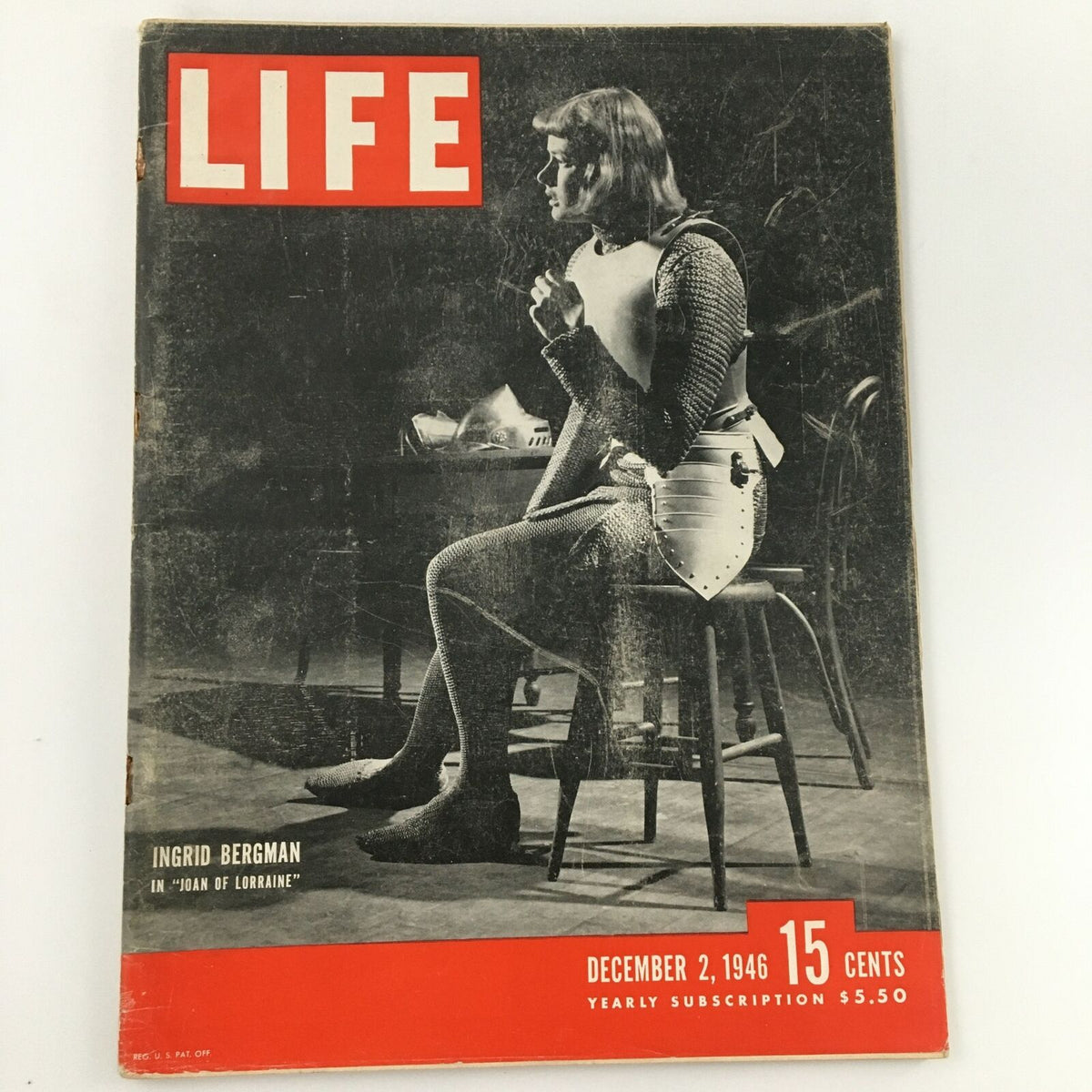
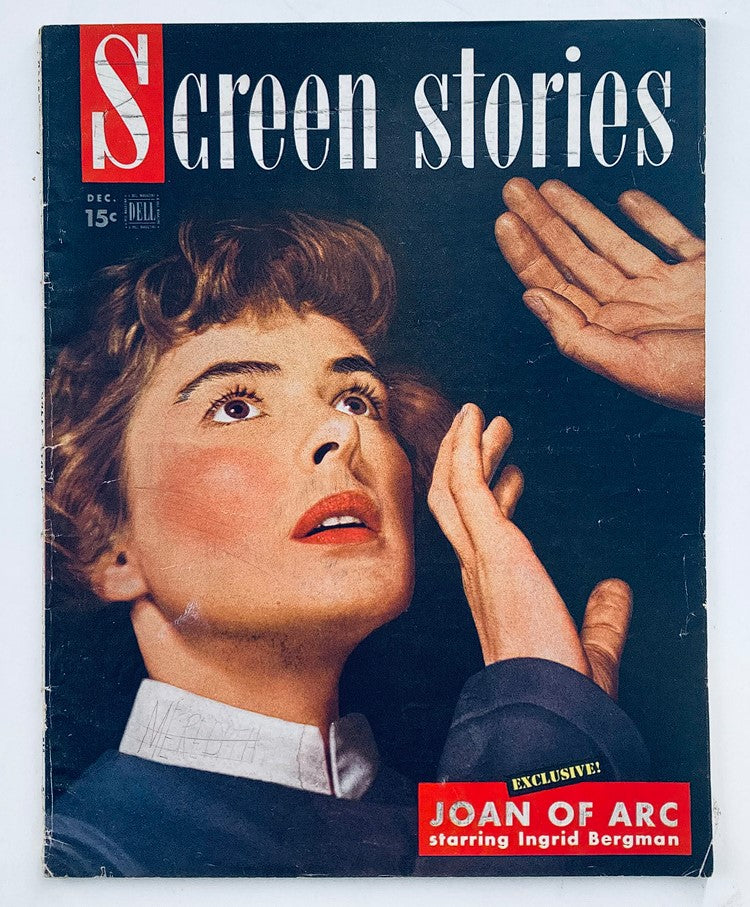
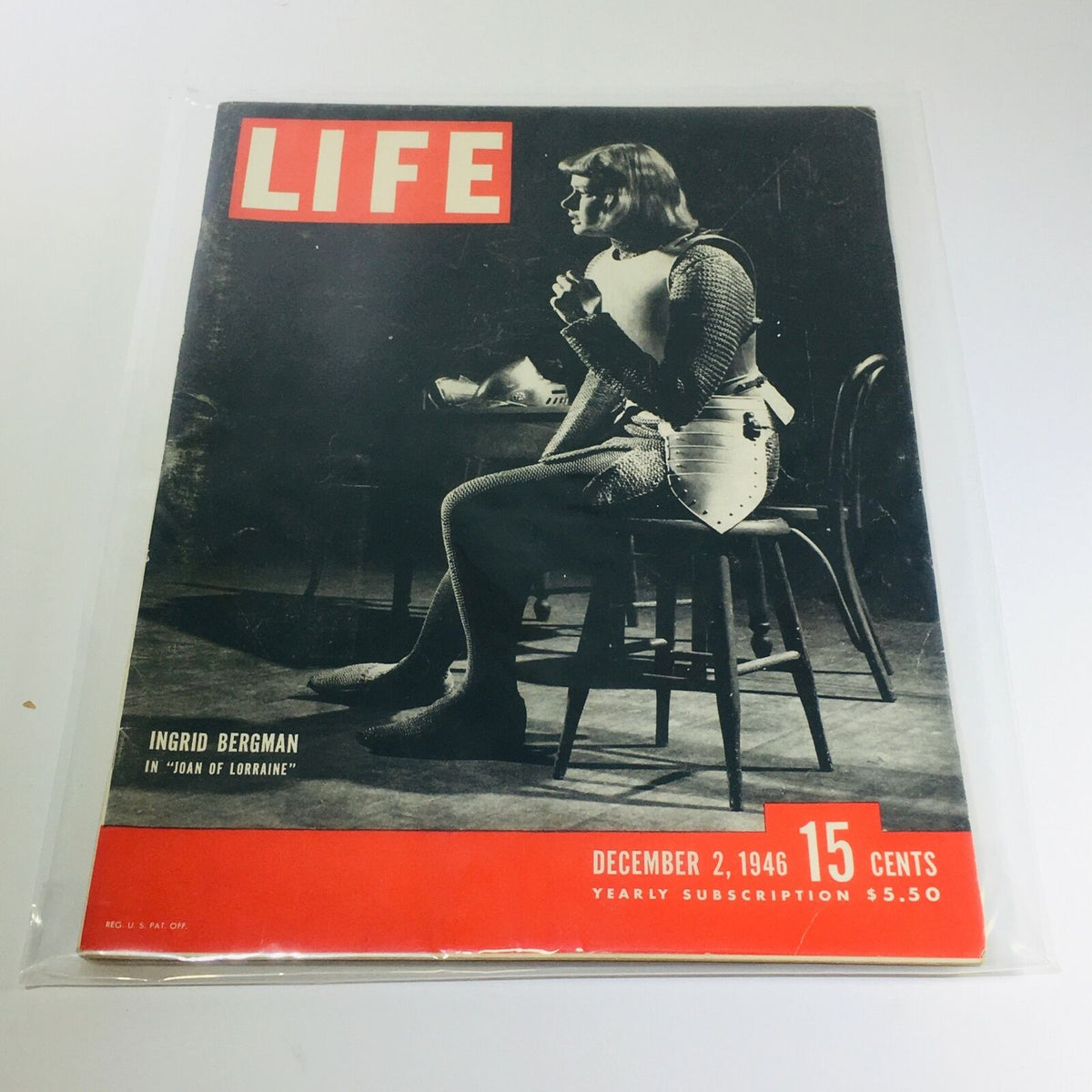
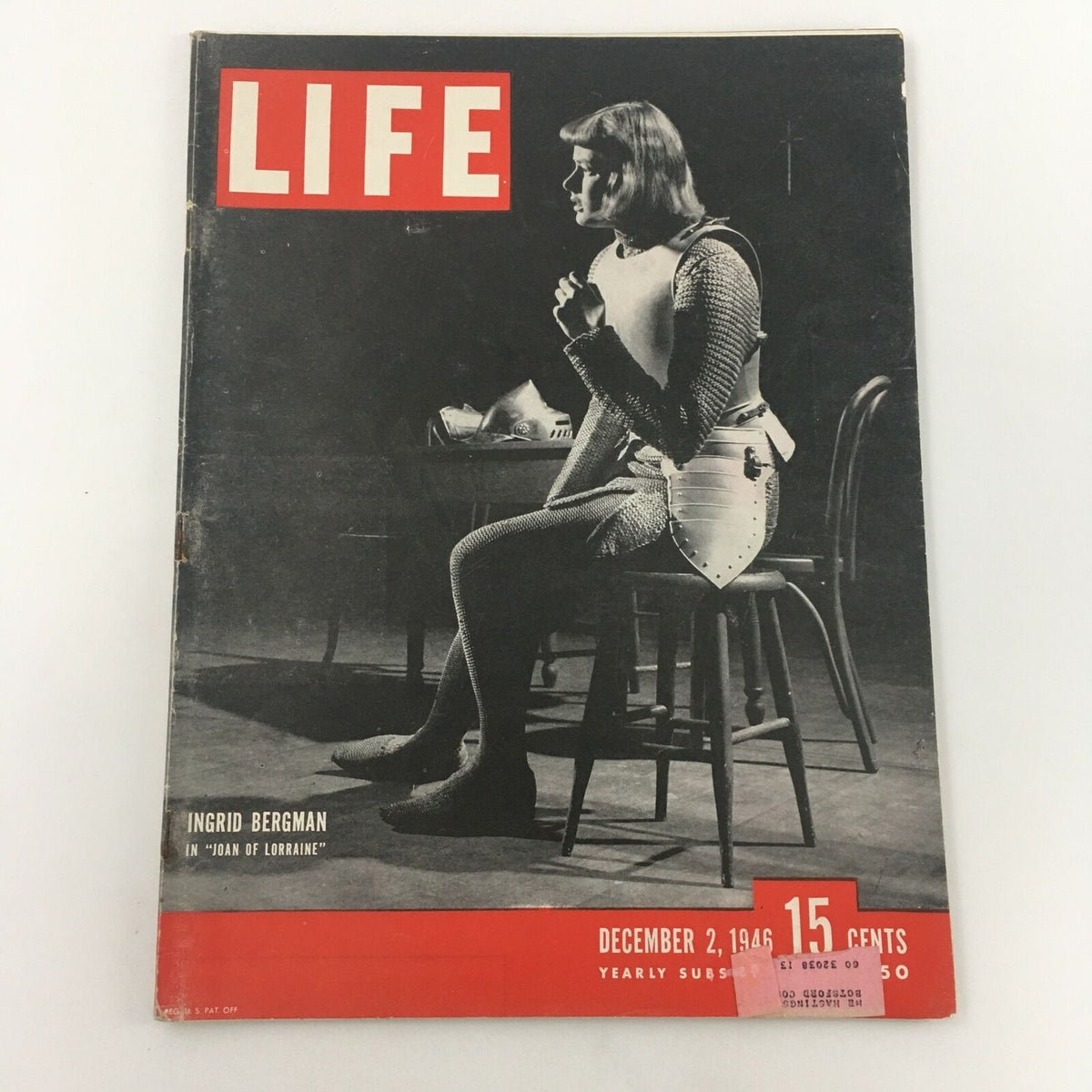
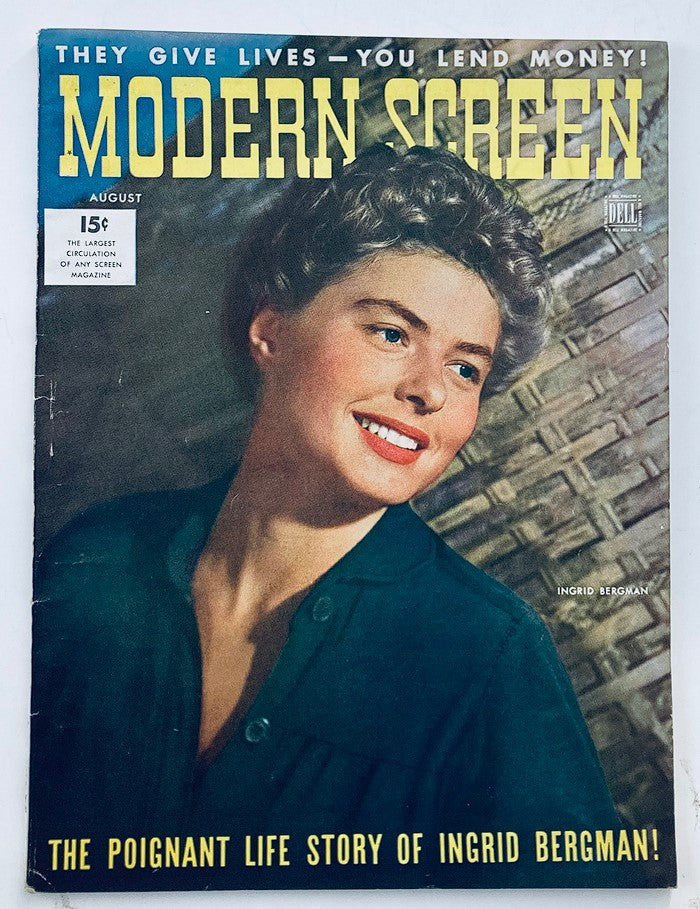
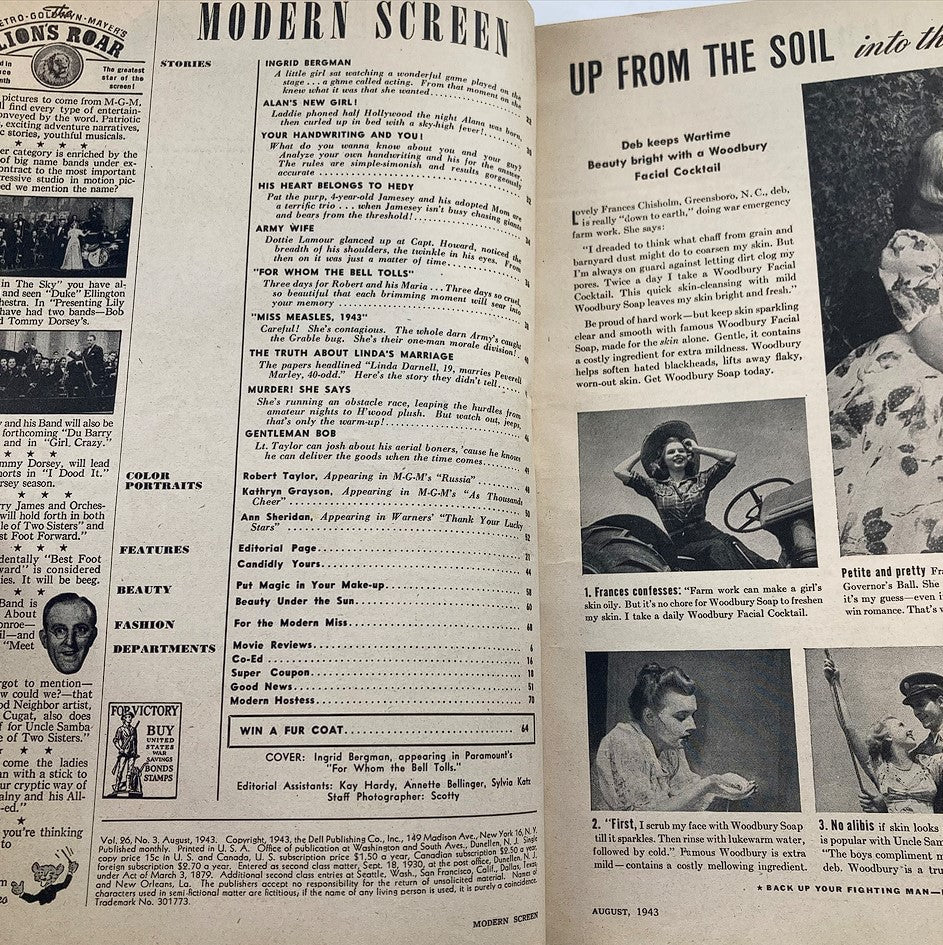
The magazine coverage of this luminous figure is as varied and layered as the performances that defined her. In her American peak years of the 1940s and early 1950s, Life magazine treated her as a subject worthy of its most considered photographic attention — clean, unaffected portraiture that allowed her bone structure and her presence to do all the work. Photoplay and the fan magazine circuit of Hollywood's golden era catalogued her rise with breathless intimacy, placing her alongside Bogart, Rossellini, and the other giants of mid-century cinema. When her affair with Roberto Rossellini erupted into one of the era's great scandals and she retreated to Europe, the French press — most notably Paris Match — embraced her with the frankness that the continent afforded its artists, documenting her Roman years with a romanticism that American editors could not yet afford. Later, as critical rehabilitation restored her to Hollywood royalty, the coverage deepened: feature profiles in Look explored her complexity with a seriousness rarely extended to actresses, while European cinema and lifestyle titles tracked her theatrical work and her enduring magnetism well into the 1970s.
Curator's Checklist: Highlights Often Include
- Golden Age Hollywood portraiture — Studio-era covers and profiles from the early-to-mid 1940s, frequently featuring photography from her most iconic films, including Casablanca, For Whom the Bell Tolls, and Gaslight
- The scandal years — Coverage from 1949–1952, when the Rossellini affair dominated both American and European press, representing some of the most historically charged celebrity journalism of the postwar era
- European exile and artistic reinvention — Italian and French publications from the early 1950s documenting her work with Rossellini on the continent, a chapter largely absent from American archives
- The triumphant return — American magazine features surrounding her Oscar win for Anastasia (1956), marking one of Hollywood's most celebrated second acts and a media story in its own right
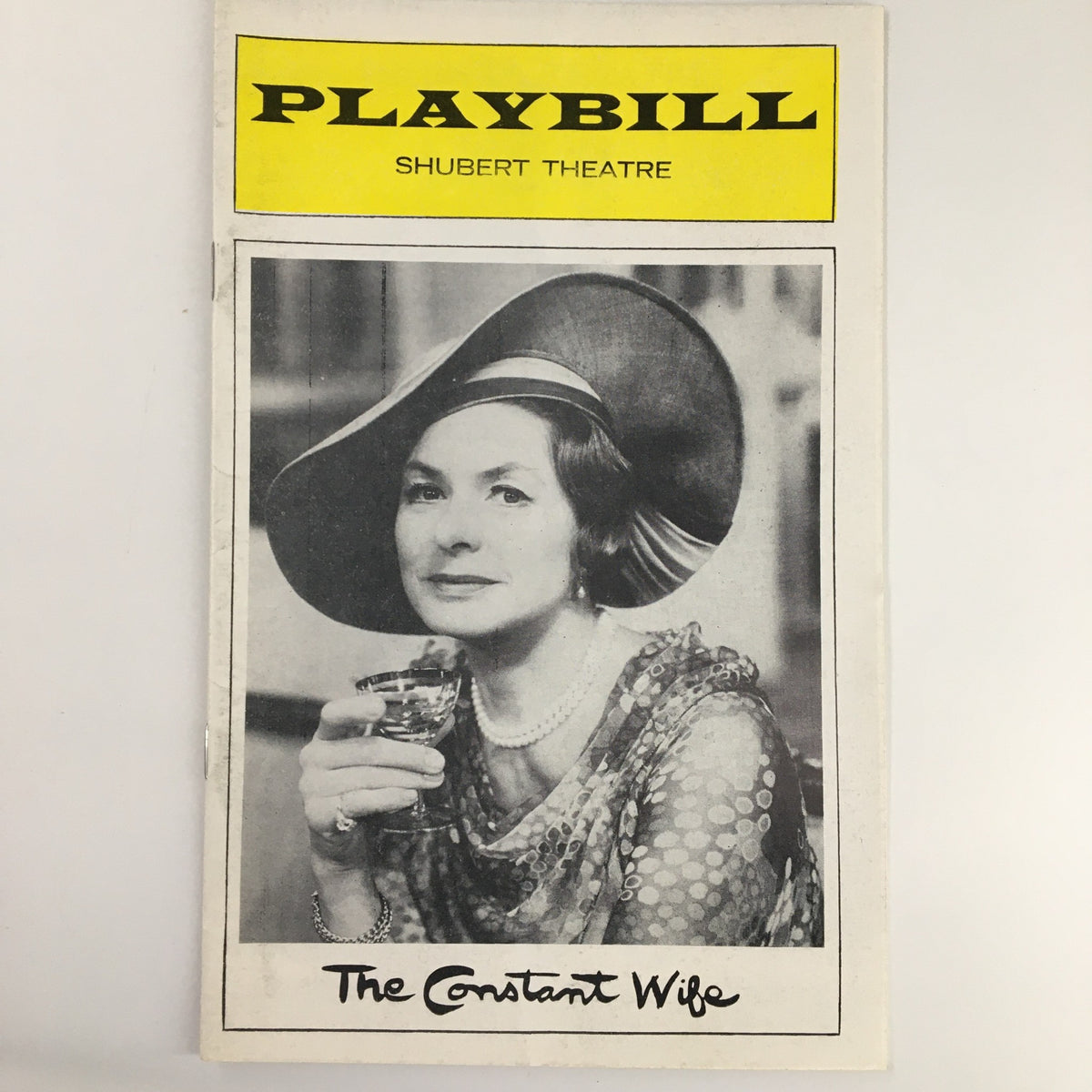
- Later career and theatrical recognition — Profiles and cover features from the 1970s, including coverage of her Tony Award-winning stage work and her acclaimed television and film performances, culminating in worldwide tributes to a career of extraordinary range
The Collector's Value
To hold one of these issues is to hold something that no digital archive can replicate: the slight give of mid-century coated paper stock, the faint mineral sharpness of decades-old ink, the surrounding advertisements for products and a world that no longer exist — all of it conspiring to place you, genuinely, inside the moment when this woman's face stopped a nation cold. These are not reproductions or retrospectives; they are primary sources, carrying the editorial voice and the cultural temperature of their exact instant in history. The framing of a 1944 Life profile, the breathless outrage of a 1949 Photoplay exposé, the admiring restraint of a 1957 European cinema quarterly — each document the world as it actually responded to her, in real time, before history had the chance to smooth everything into myth. For collectors of vintage Hollywood memorabilia, mid-century European cinema, or women's cultural history, these publications offer an irreplaceable window into how one of the twentieth century's most complex public figures was seen, judged, celebrated, and ultimately canonised by the world that loved her. Explore the current available inventory below and discover which piece of that history is waiting for you.