📖 About this Collection
Isaac Hayes: Soul Architect of a Revolution
The Legend & The Legacy
Before streaming algorithms and digital playlists, before the internet could reduce a genius to a thumbnail, the world came to know Isaac Hayes through the crackling warmth of vinyl and the glossy weight of a magazine page. When Shaft detonated across American cinema in 1971, the Memphis-born composer, producer, and performer didn't merely score a film — he redefined what Black artistry could sound like, look like, and demand from the culture at large. Here was a man who had quietly architected the soul sound of an entire generation from behind the boards at Stax Records, co-writing immortal tracks for Otis Redding and Sam & Dave, before stepping boldly into his own light. With his shaved head, gold chains, and orchestral arrangements that stretched languidly across entire album sides, he shattered every expectation of what a soul musician was supposed to be. In an era when America was fracturing — through Vietnam, civil rights battles, and urban upheaval — he offered something both defiant and deeply human. Readers reached for magazines not just to see him, but to understand him, because print was where culture came to make sense of itself.
Inside the Archive
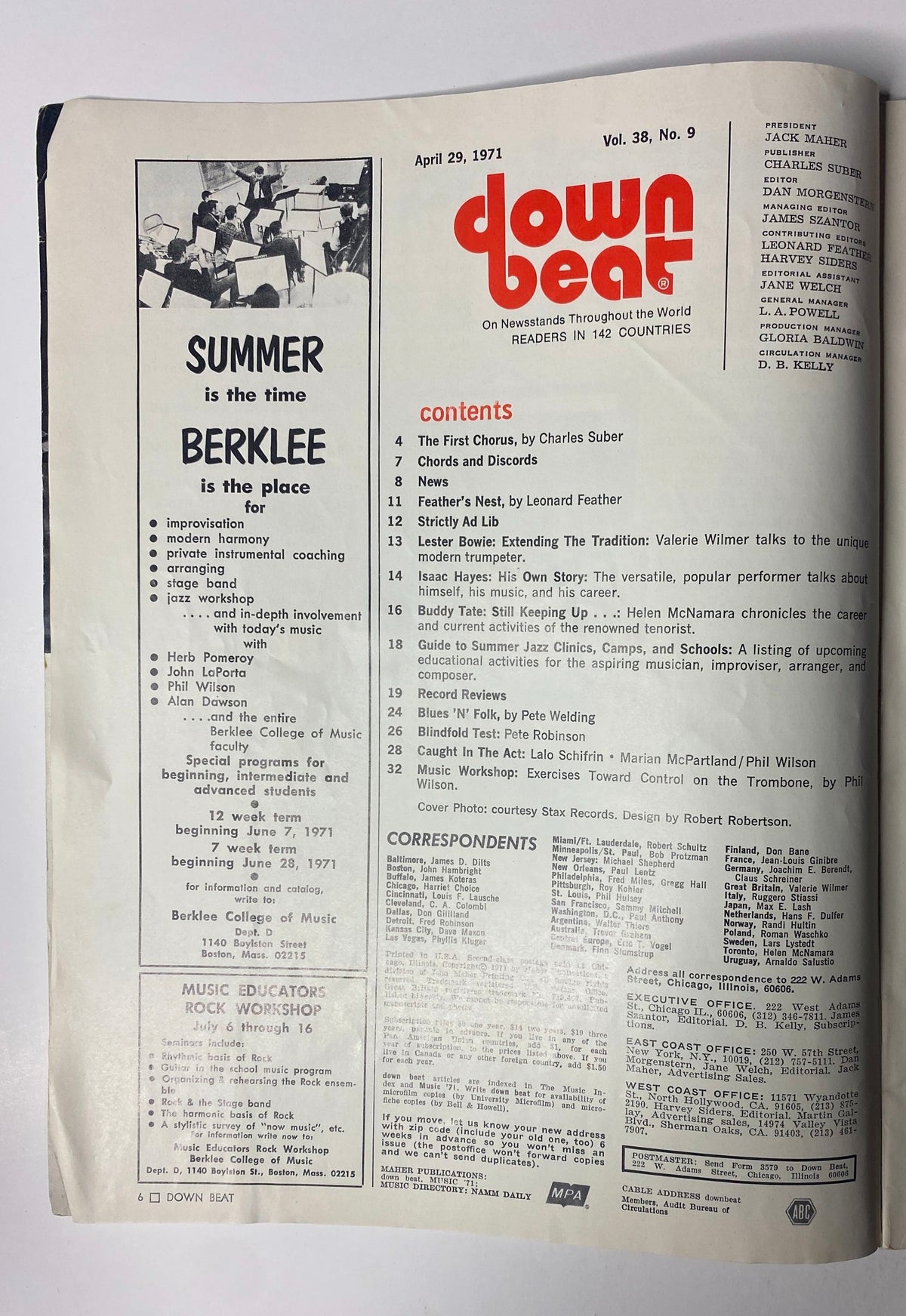
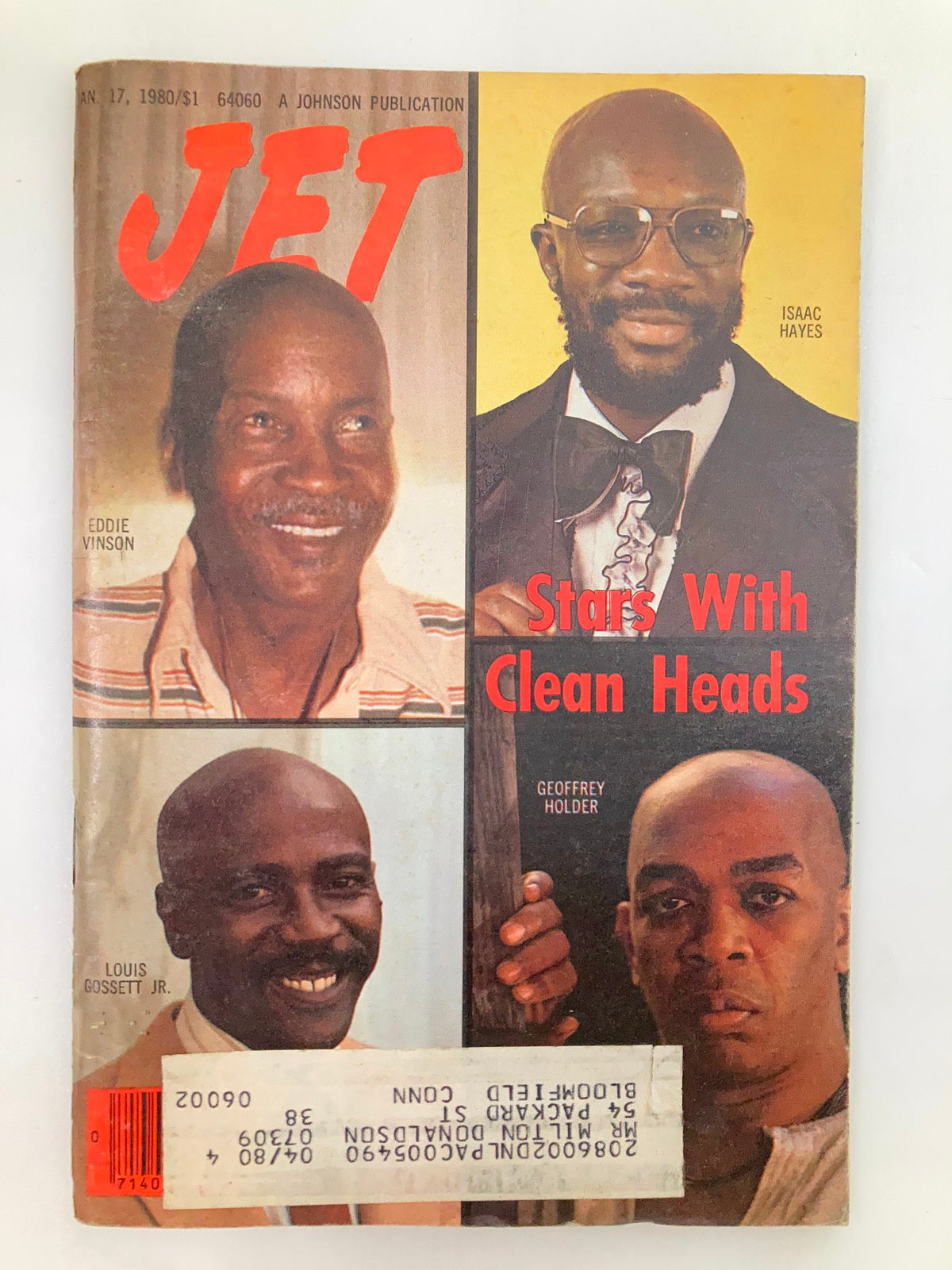
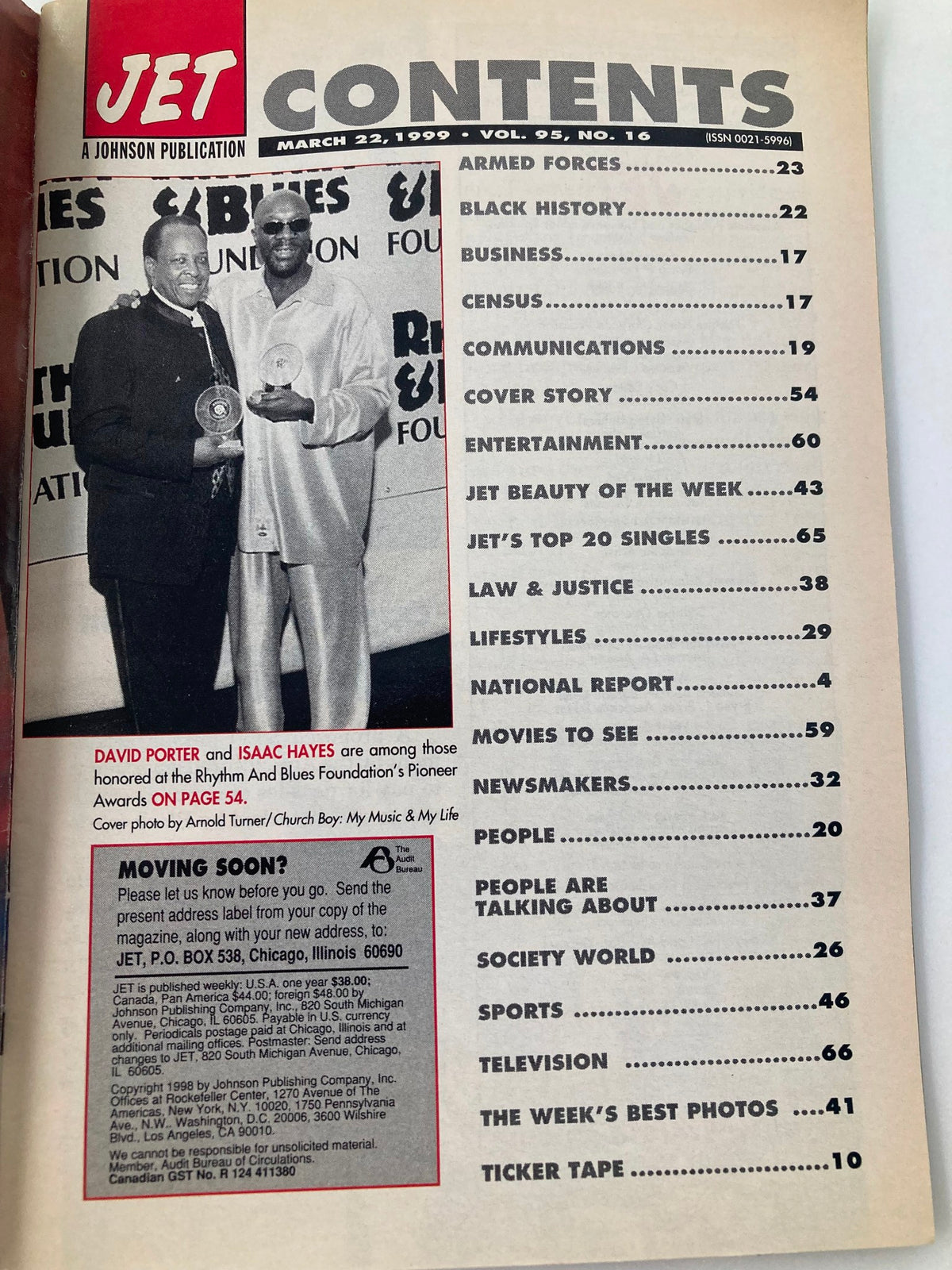
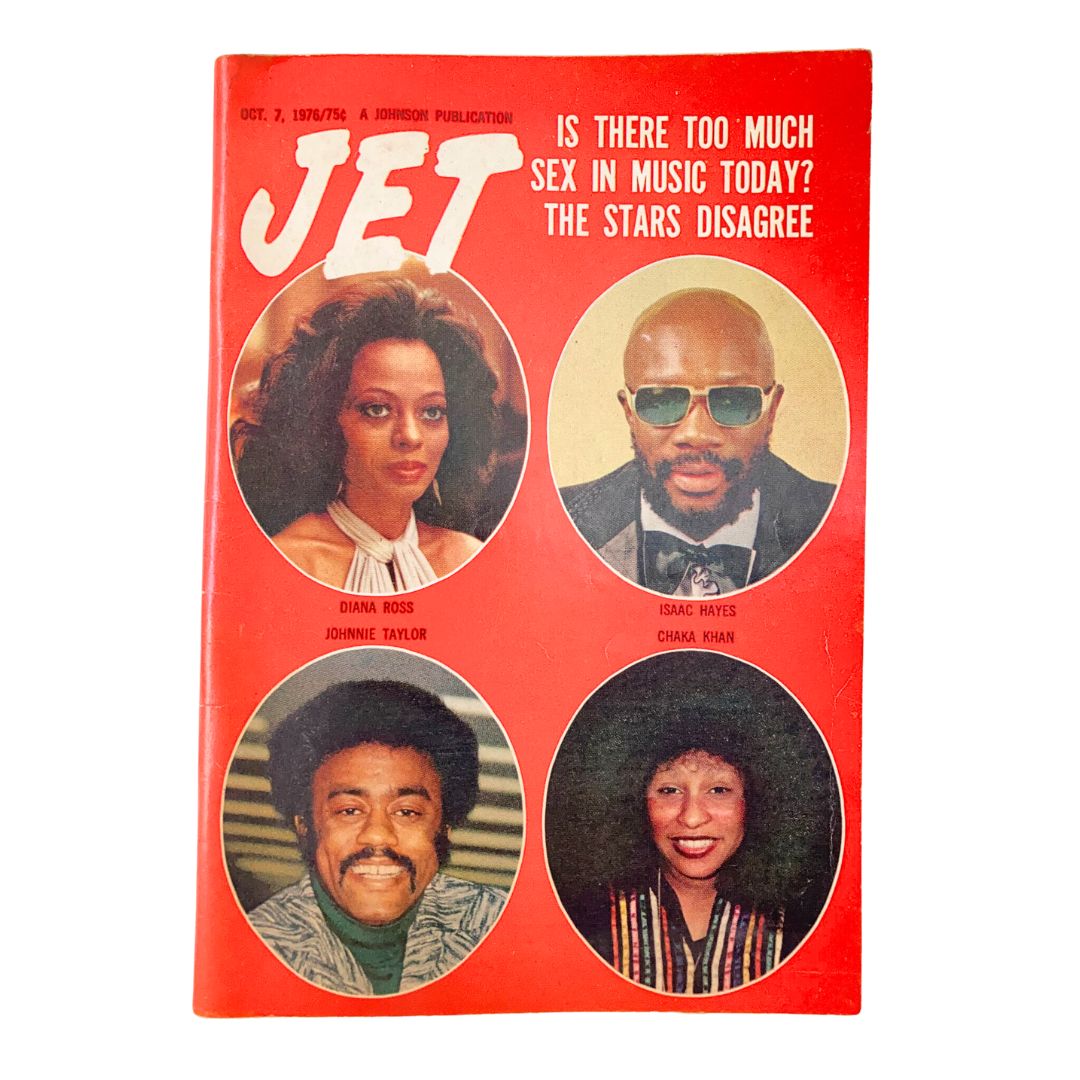
The magazines of the late 1960s through the 1980s approached Isaac Hayes with a mixture of reverence, fascination, and the particular electricity reserved for figures who could not be easily categorized. Publications like Ebony and Jet — the essential chroniclers of Black achievement and cultural life in America — gave him sprawling, intimate portraits that celebrated his rise from sharecropper poverty in Covington, Tennessee to the peak of the entertainment world, often accompanied by rich, cinematic photography that matched the grandeur of his public persona: the gleaming skin, the regal bearing, the unapologetic sensuality. Rolling Stone, in its heyday as the definitive journal of rock and soul culture, placed him within the broader revolution reshaping American music, running editorial spreads that wrestled with his crossover genius and his political voice. International publications such as the UK's Black Music magazine tracked his enormous influence abroad, where European audiences embraced him with an ardor that rivaled anything on home soil. The photography across all these outlets was deliberately monumental — wide frames, dramatic lighting — because editors understood instinctively that this was a man who filled whatever room, or page, he occupied.
Curator's Checklist: Highlights Often Include
- Shaft-era coverage (1971–1972): Features and reviews surrounding the Shaft soundtrack, his Academy Award win, and the cultural firestorm of blaxploitation cinema that he helped ignite and define
- Stax Records retrospectives: Deep-dive editorial pieces tracing the Memphis soul movement, frequently naming him as the silent architect behind the label's golden-era sound
- Concert and performance spreads: Live photography and reviews from his legendary, theatrically staged shows — often compared in tone and scale to James Brown and Marvin Gaye at their peaks
- Personal profile interviews: Long-form conversations exploring his childhood in the Jim Crow South, his self-taught musicianship, and his philosophy on Black identity, masculinity, and artistic freedom
- Late-career and cultural legacy features: Coverage from the 1980s and 1990s revisiting his influence, including his work in film, television, and his celebrated turn as Chef on South Park — a moment that introduced him to an entirely new generation
The Collector's Value
What a digital playlist will never replicate is the full sensory ceremony of sitting with a vintage magazine — the slight resistance of aged coated stock as you turn a page, the faintly sweet, dusty perfume of decades-old ink, the jarring beauty of a full-page advertisement for a 1972 Cadillac or an Afro Sheen campaign sitting flush beside a photograph of him draped in gold. These are primary source documents, not mere memorabilia — artifacts that capture not only the man but the precise cultural temperature of the moment the world was watching him. They preserve the editorial voice of their era, the graphic design language of their decade, and the unfiltered enthusiasm of journalists who were witnessing history in real time, without the benefit of hindsight to tell them how significant it all was. For collectors of soul and funk music history, Black cultural heritage and the Civil Rights era, or 1970s cinema and the golden age of blaxploitation, these publications offer something no reprint or digital archive can approximate: an unbroken physical thread back to the moment itself. Explore the current available inventory below and discover which pieces of this extraordinary legacy are waiting to find their next curator.