📖 About this Collection
J. Edgar Hoover: The Shadow Behind the Seal
The Legend & The Legacy
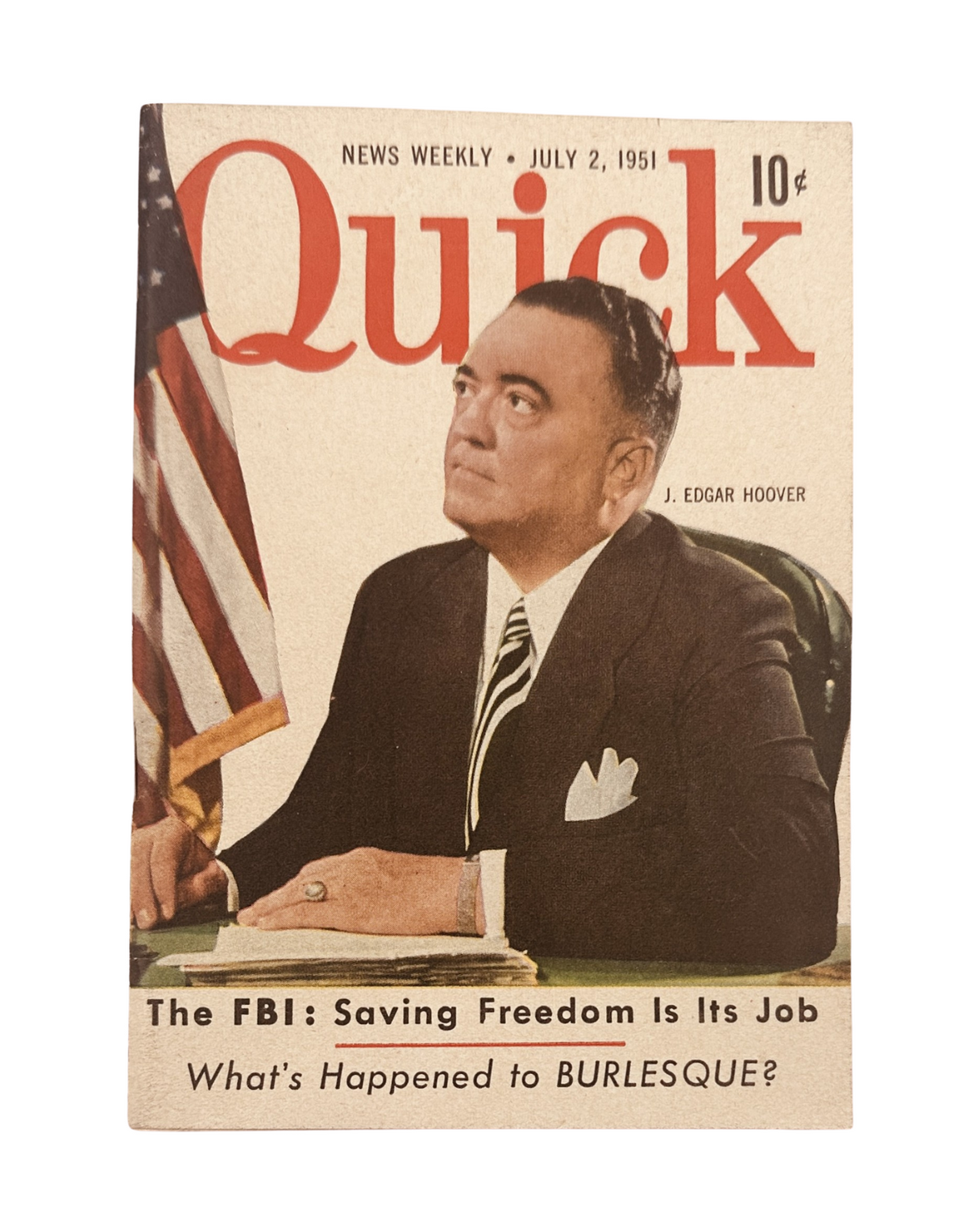
For nearly half a century, J. Edgar Hoover did not merely lead the Federal Bureau of Investigation — he was the FBI, an institution unto himself, a man whose name carried the simultaneous weight of national security and whispered fear. From his appointment as Bureau Director in 1924 through his death in 1972, Hoover shaped the American century with an iron grip that presidents respected and dreaded in equal measure. In an era before digital leaks or 24-hour cable scrutiny, the public understood him almost entirely through the printed page — through breathless True Detective-style crime features, sober newsweekly profiles, and the occasional rare exposé that dared to question the myth. He was the face of law-and-order America, the architect of modern federal policing, and a figure whose carefully managed public image made him one of the most covered — and most carefully un-covered — men in twentieth-century print journalism. His story was told in ink and glossy paper long before historians were permitted to tell it in full.
Inside the Archive
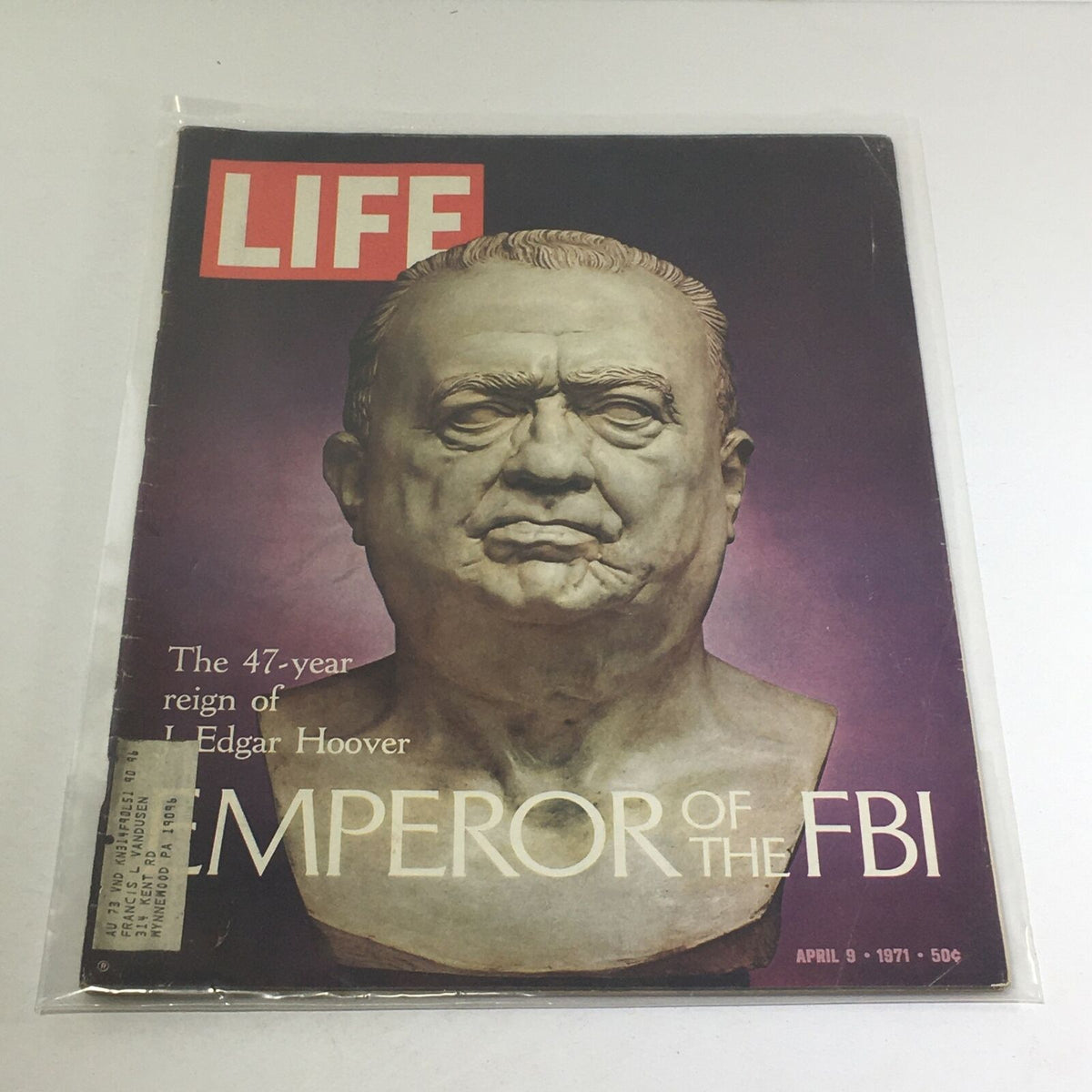
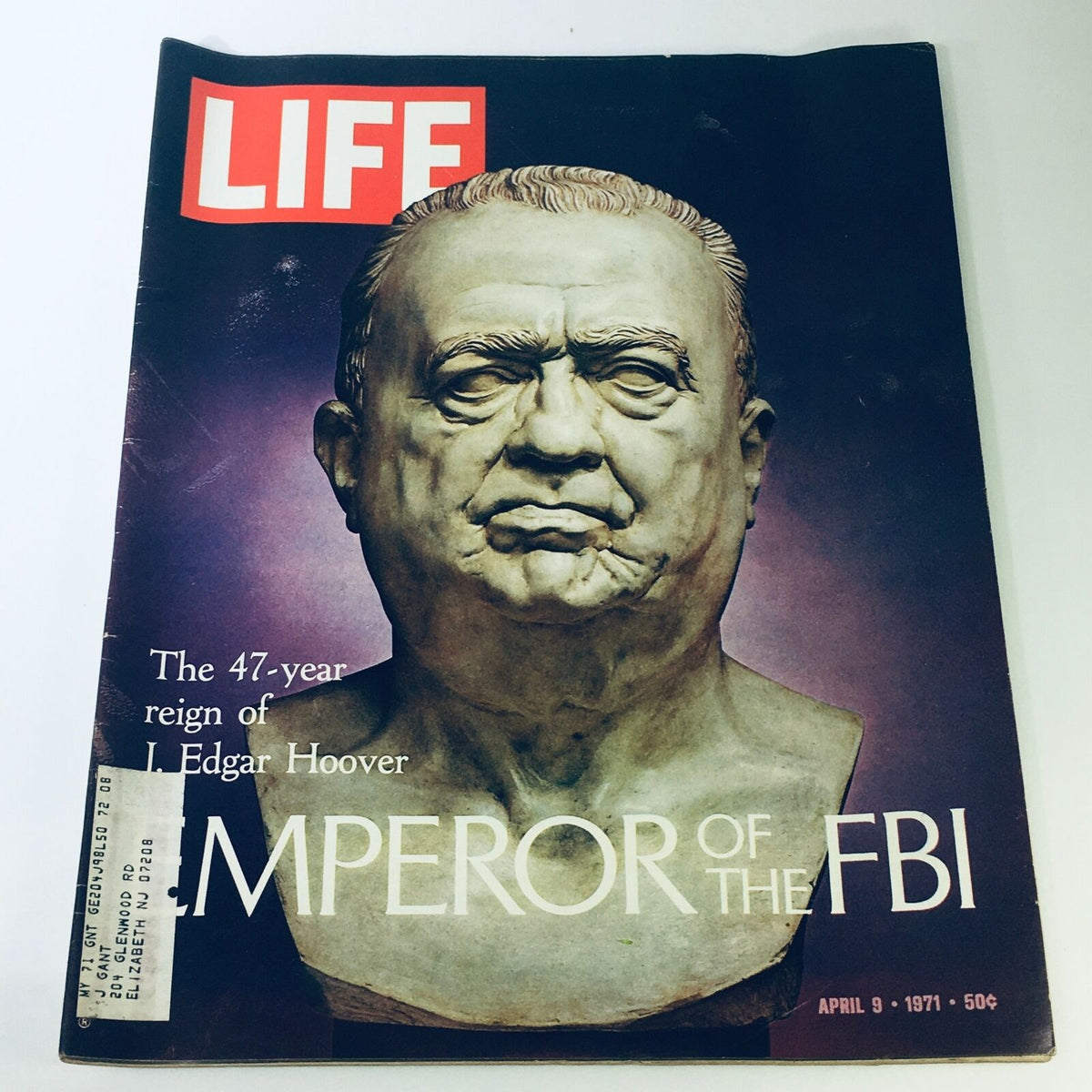
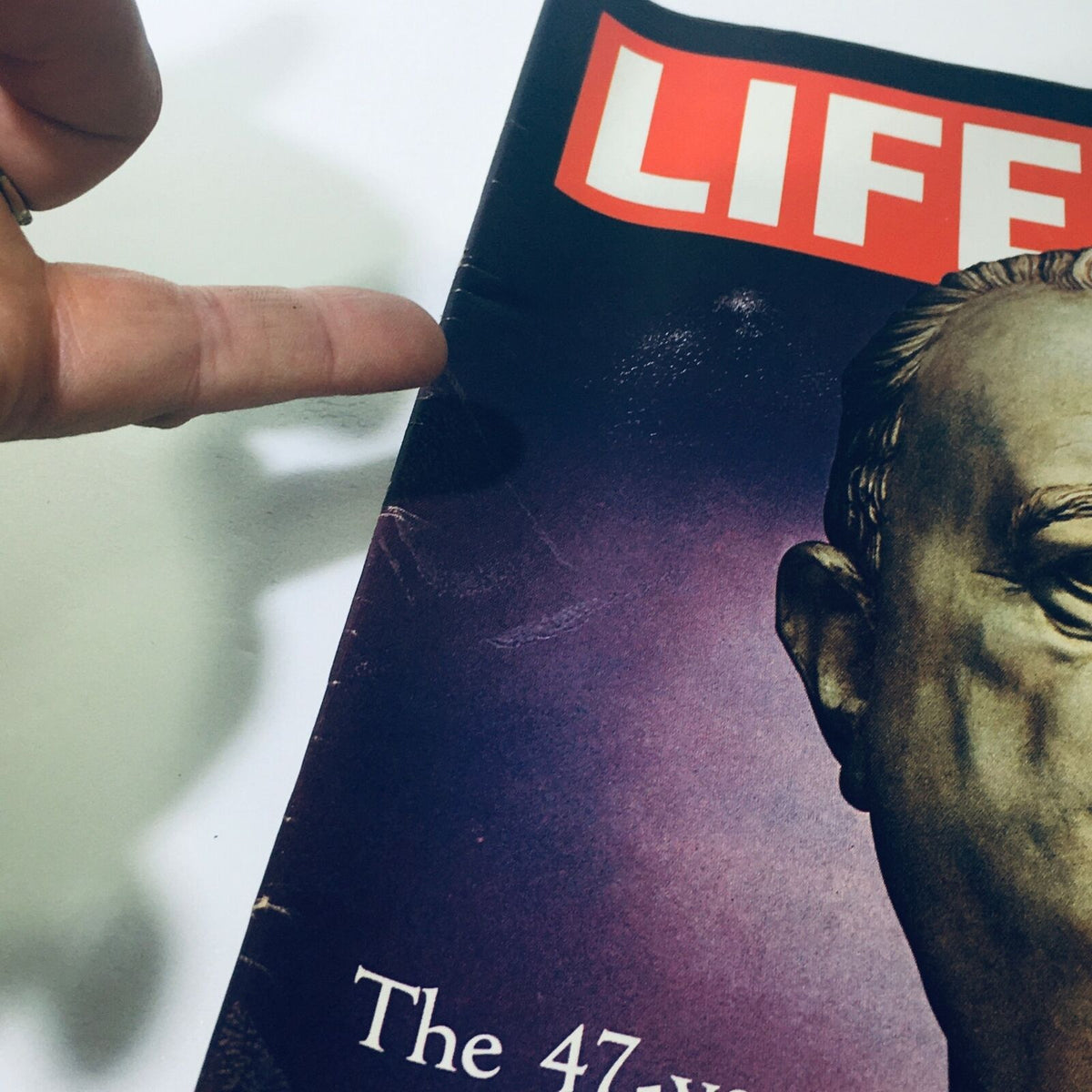
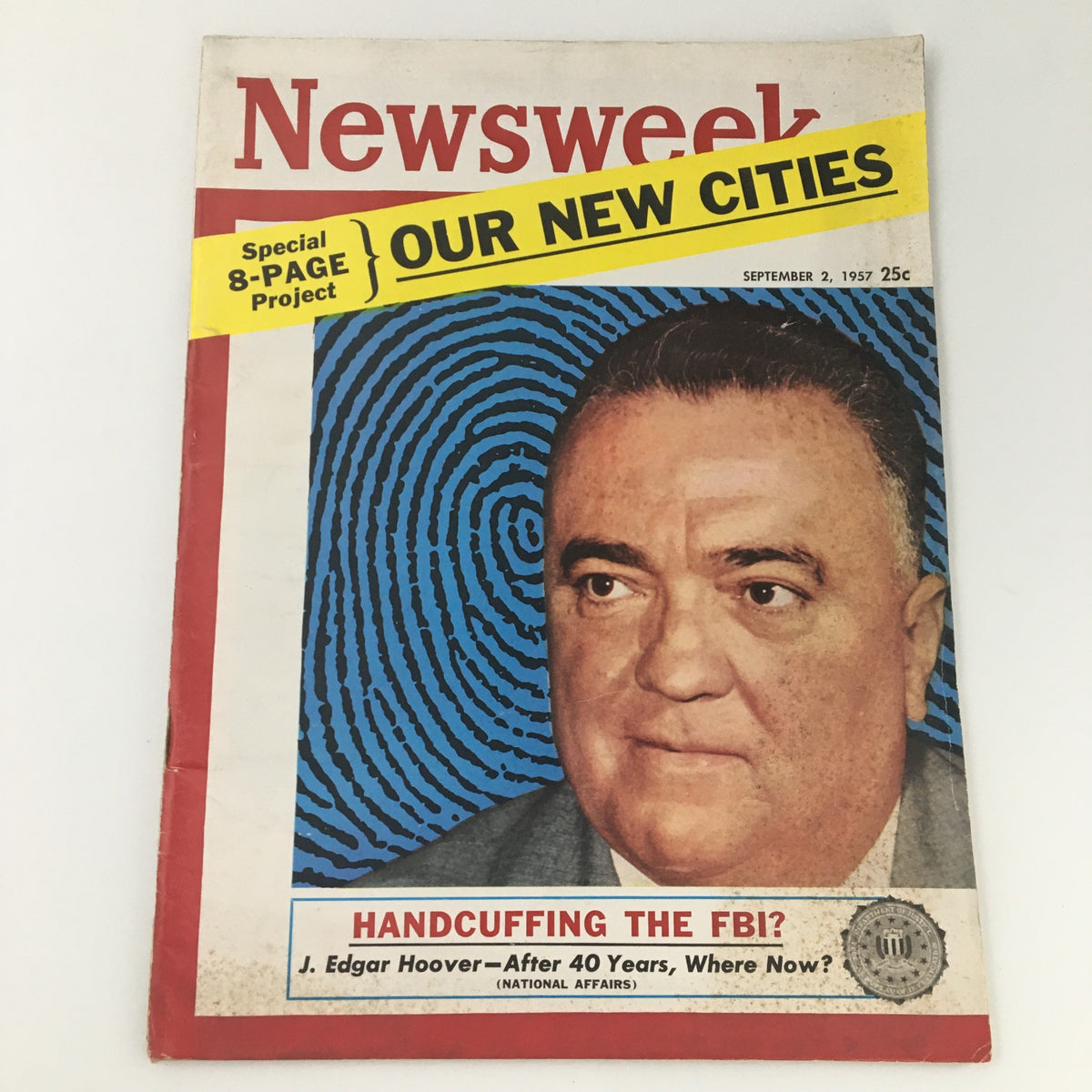
The vintage press approached Hoover with a reverence that, decade by decade, slowly curdled into unease — and that editorial evolution is precisely what makes period publications so historically rich. In the 1930s and 40s, photographic spreads in Life magazine rendered him as a square-jawed guardian of the republic, flanked by G-men in snap-brim fedoras, the imagery deliberately cinematic and reassuring. Time magazine placed him on its cover multiple times across the decades, each portrait a study in institutional gravitas — stern, buttoned-up, the embodiment of a government that had everything under control. More candid and culturally layered coverage appeared in Newsweek, which tracked both his celebrated anti-Communist campaigns and, in later years, the creeping congressional unease about his unchecked power. The photographic tone shifted notably between eras: early issues favored the heroic wide shot and the authoritative desk portrait, while coverage from the late 1960s onward introduced a harder editorial edge, reflecting a nation beginning to ask uncomfortable questions about the man behind the badge.
Curator's Checklist: Highlights Often Include
-
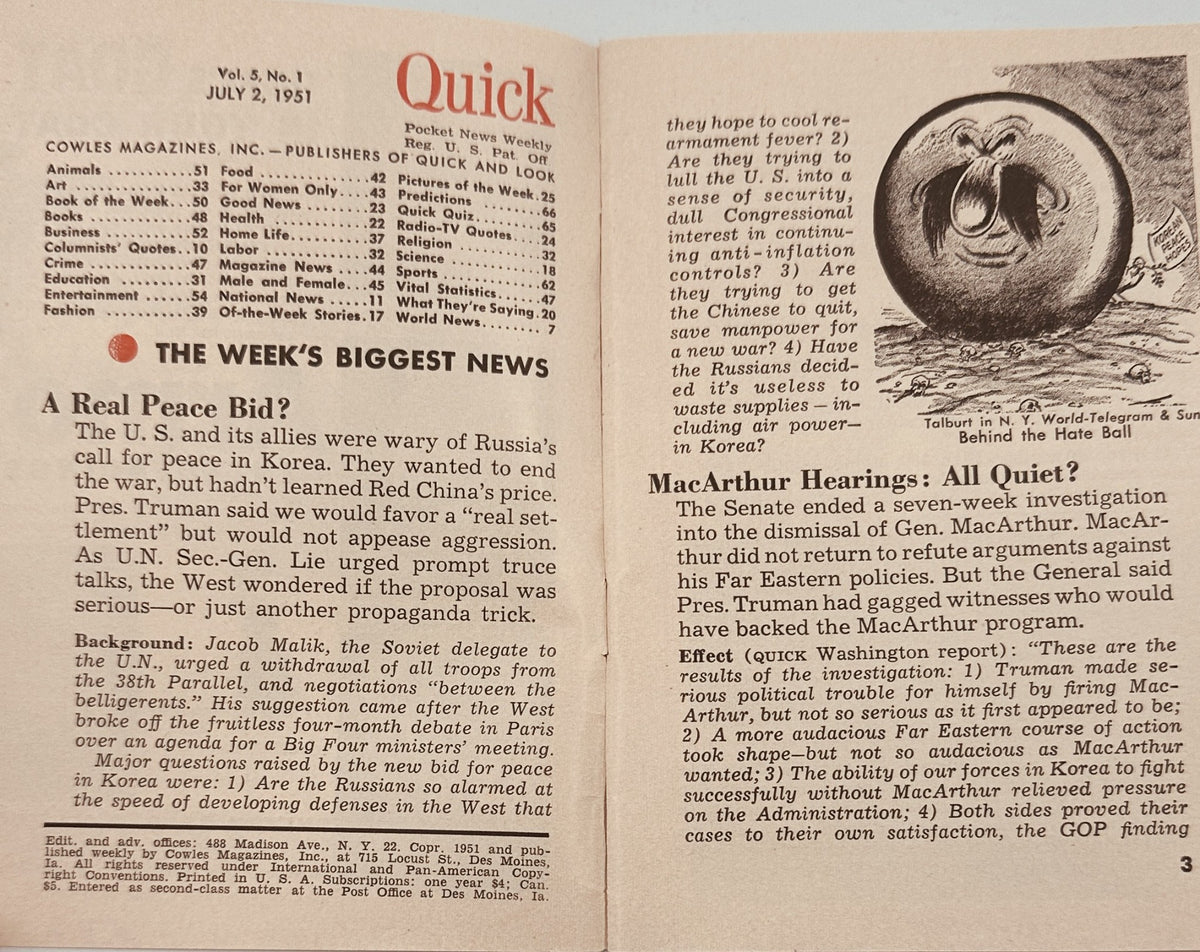
Cold War & COINTELPRO-Era Features — Newsweekly and magazine spreads from the 1950s–60s covering the FBI's domestic surveillance programs, anti-Communist initiatives, and Hoover's public battles with perceived subversives, offering a striking window into Cold War paranoia as it was sold to the American public in real time.
-
Crime & G-Man Golden Age Coverage — Issues from the 1930s and 40s chronicling the Bureau's pursuit of Depression-era gangsters such as John Dillinger and "Pretty Boy" Floyd, in which Hoover himself was frequently cast as the heroic protagonist of a national crime drama.
-
Presidential Administration Profiles — Features examining the Director's complex, often tense relationships with the eight presidents he served under — from Coolidge to Nixon — including rare editorial pieces that hinted at the political leverage he quietly wielded over the Oval Office.
-
Civil Rights Era Controversy — Later-period magazine coverage, particularly from 1965 onward, documenting the mounting tension between Hoover's FBI and civil rights leaders, a chapter of history that print journalists began to address with increasing frankness as the decade wore on.
-
Obituary & Legacy Issues (1972) — Memorial and retrospective issues published immediately following his death in May 1972, offering an extraordinary snapshot of a nation attempting to eulogize a man it had never fully understood — invaluable primary source documents for this pivotal moment of institutional reckoning.
The Collector's Value
There is something irreplaceable about holding a 1950s Time or Life in your hands and reading Hoover's name in the original typeface, surrounded by advertisements for Lucky Strike cigarettes and Studebaker automobiles — the whole cultural atmosphere of the era preserved in a single object. The slight brittleness of the paper stock, the faintly sweet and musty perfume of decades-old ink, the bold mid-century illustration work on the covers: these are not merely aesthetic pleasures but temporal portals, delivering you to the exact moment when these stories were breaking news rather than history. Unlike a digital archive or a reprinted anthology, an original issue carries the fingerprints of its era — literally and figuratively. For collectors of American political history, Cold War and intelligence studies, or vintage true crime and law enforcement ephemera, these publications offer unmediated primary source material that no textbook or documentary can replicate: the unfiltered voice of a nation grappling with power, secrecy, and the complicated mythology of its own institutions. Browse the current available inventory below, and discover which pieces of this extraordinary, unsettling American chapter are waiting to find their next keeper.