📖 About this Collection
J. Robert Oppenheimer: The Man Who Held the Sun in His Hands
The Legend & The Legacy
Few figures in the twentieth century carried the weight of history so visibly on a single human face. J. Robert Oppenheimer — theoretical physicist, reluctant war architect, and America's most tortured genius — occupied a singular place in the public imagination from the 1940s through the Cold War years that followed. As the scientific director of the Manhattan Project, he shepherded the creation of the atomic bomb at Los Alamos, and when the Trinity test illuminated the New Mexico desert on July 16, 1945, the world changed forever. The public consumed his story not through scrolling feeds or cable news panels, but through the careful ritual of turning pages — absorbing grainy black-and-white photographs, long-form investigative profiles, and editorial cartoons that captured both the awe and the dread of the nuclear age. When the Atomic Energy Commission stripped him of his security clearance in 1954 — a Cold War inquisition that rivaled anything out of Kafka — the press covered it with the gravity of a Greek tragedy. To mid-century readers, he was not merely a scientist. He was the mirror in which America examined its own conscience.
Inside the Archive
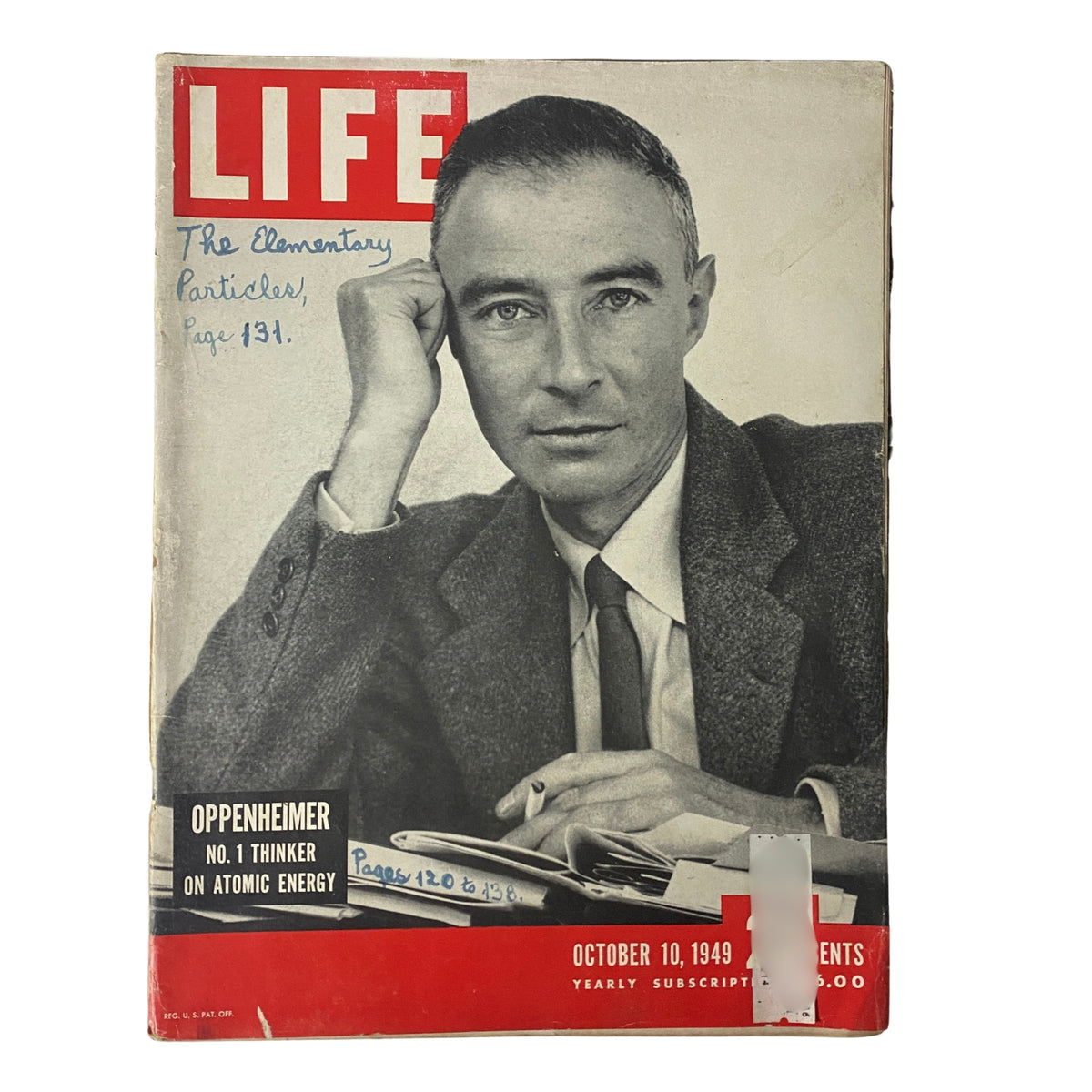
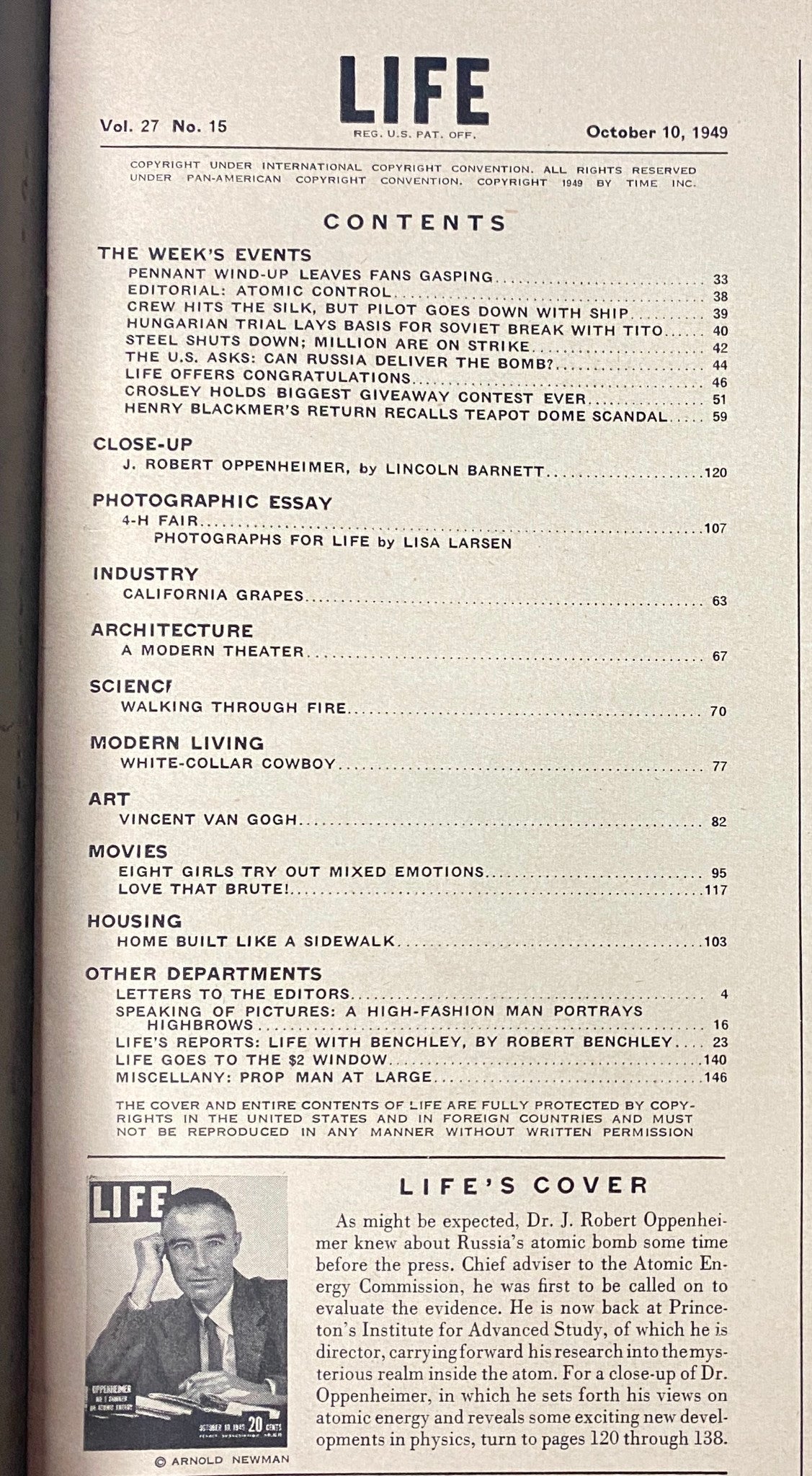
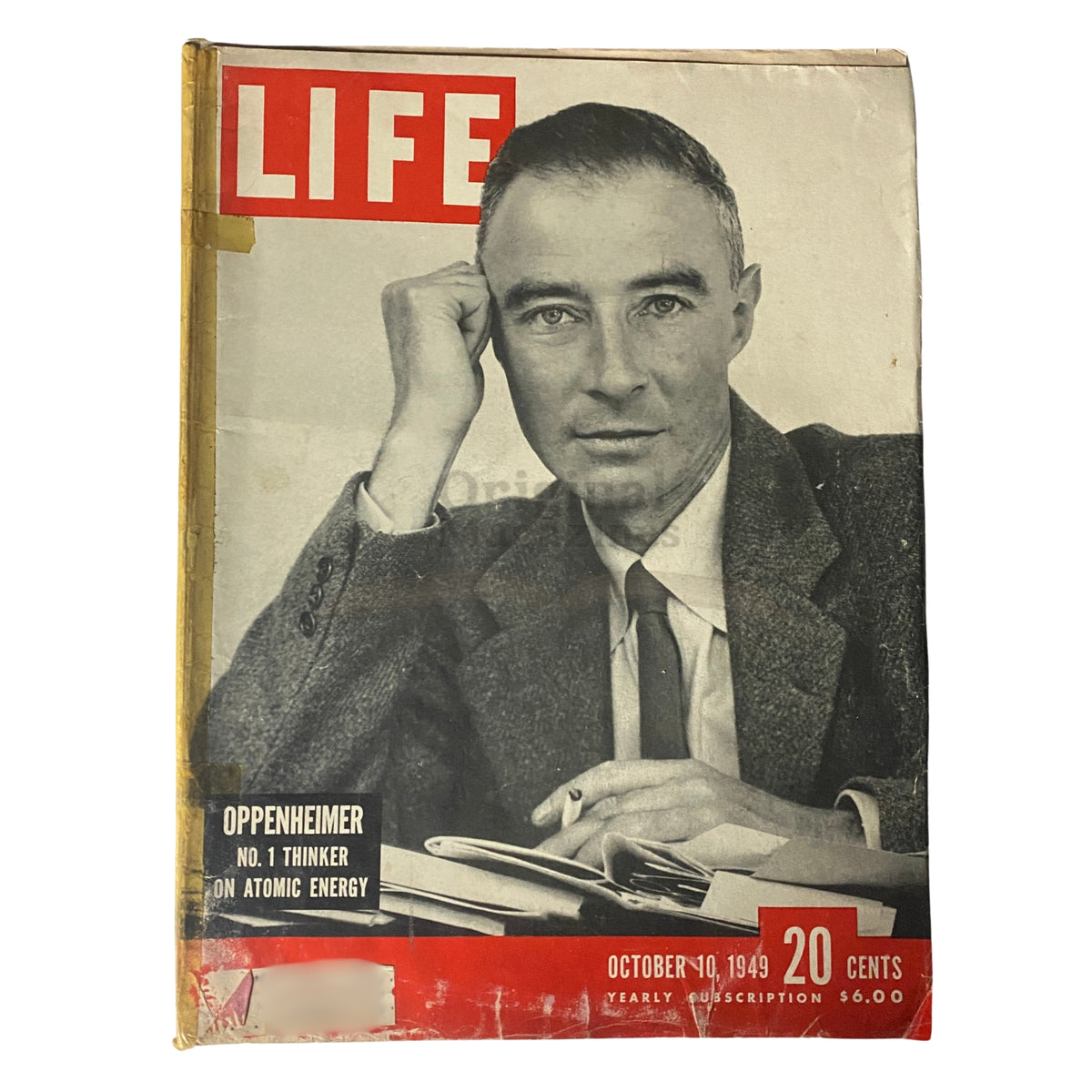
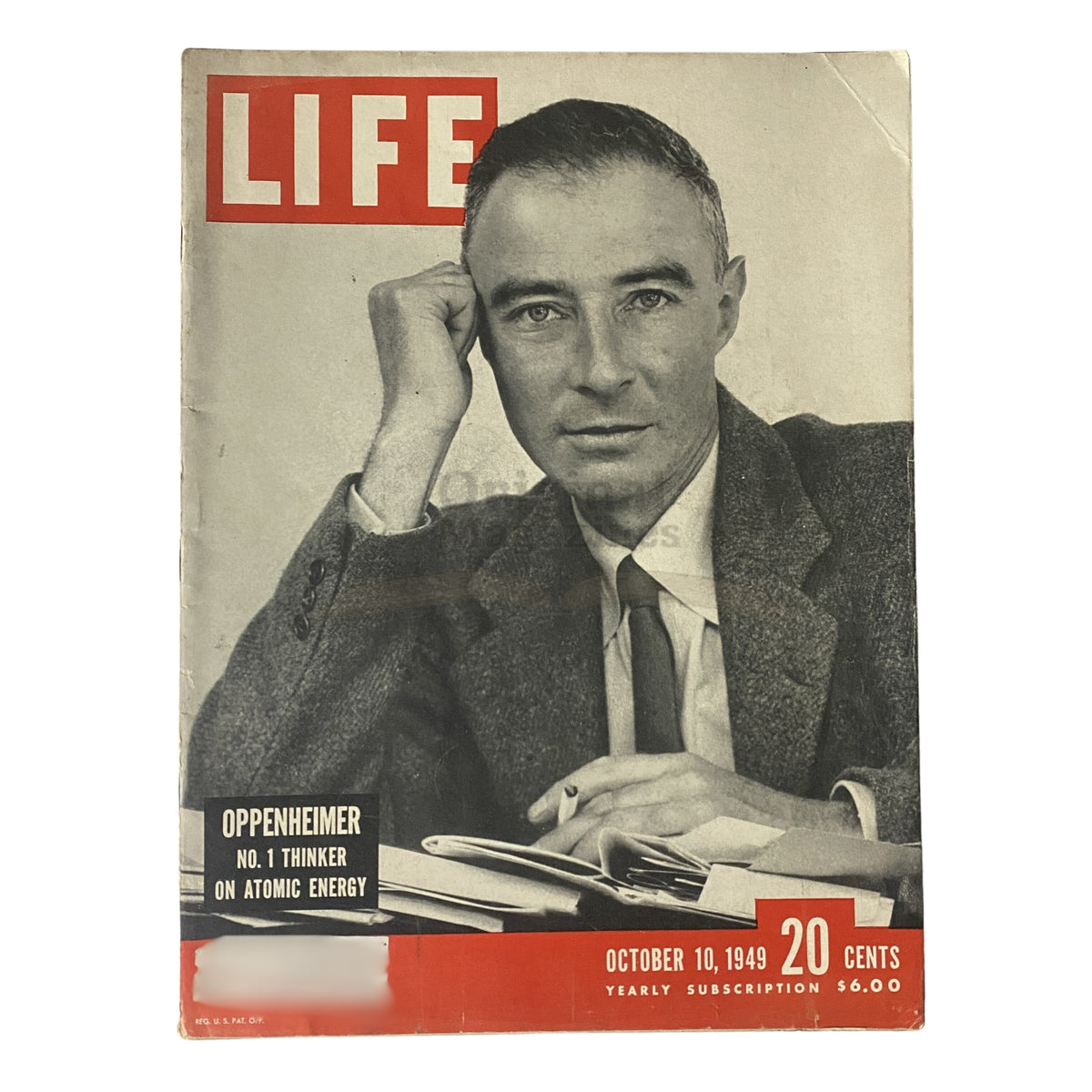
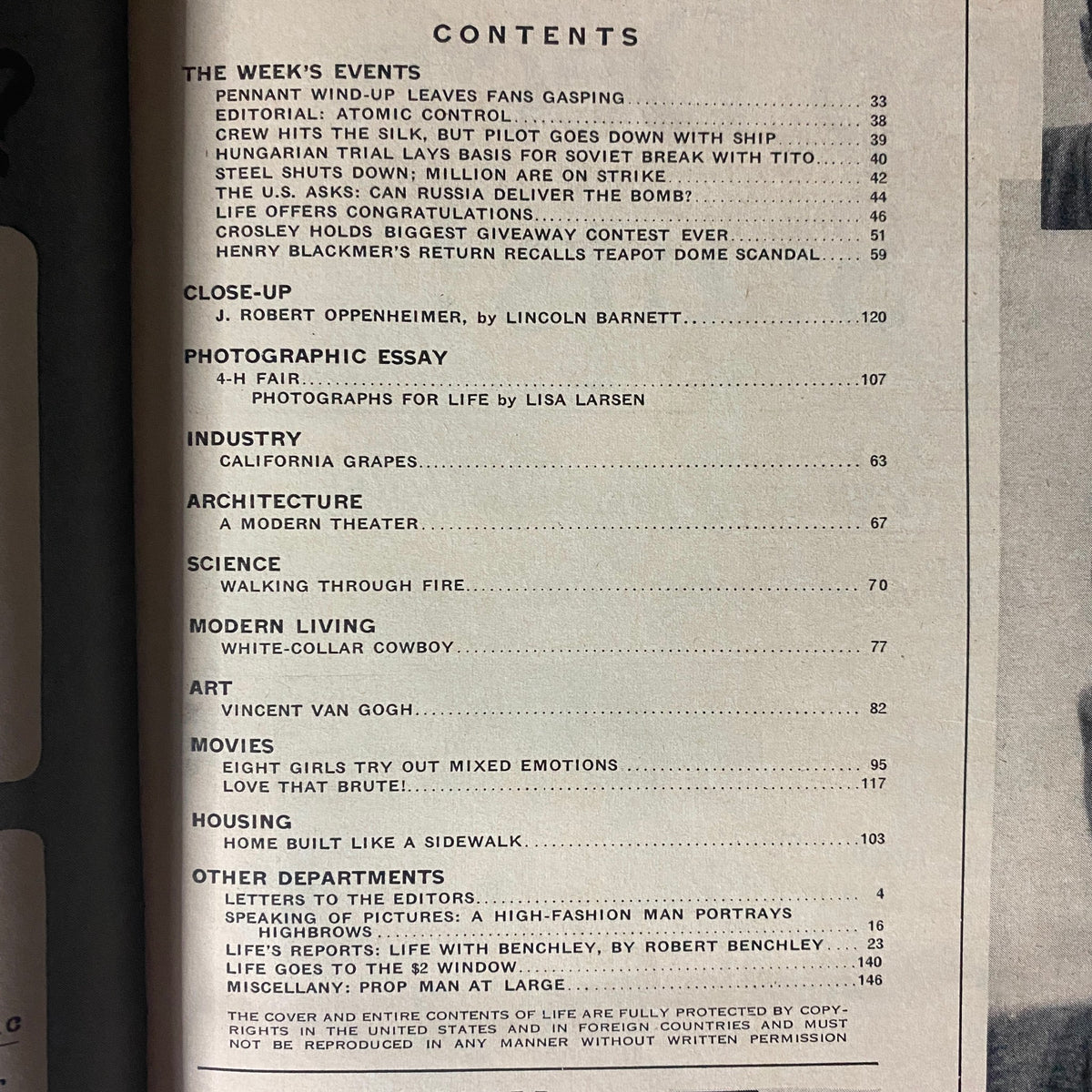
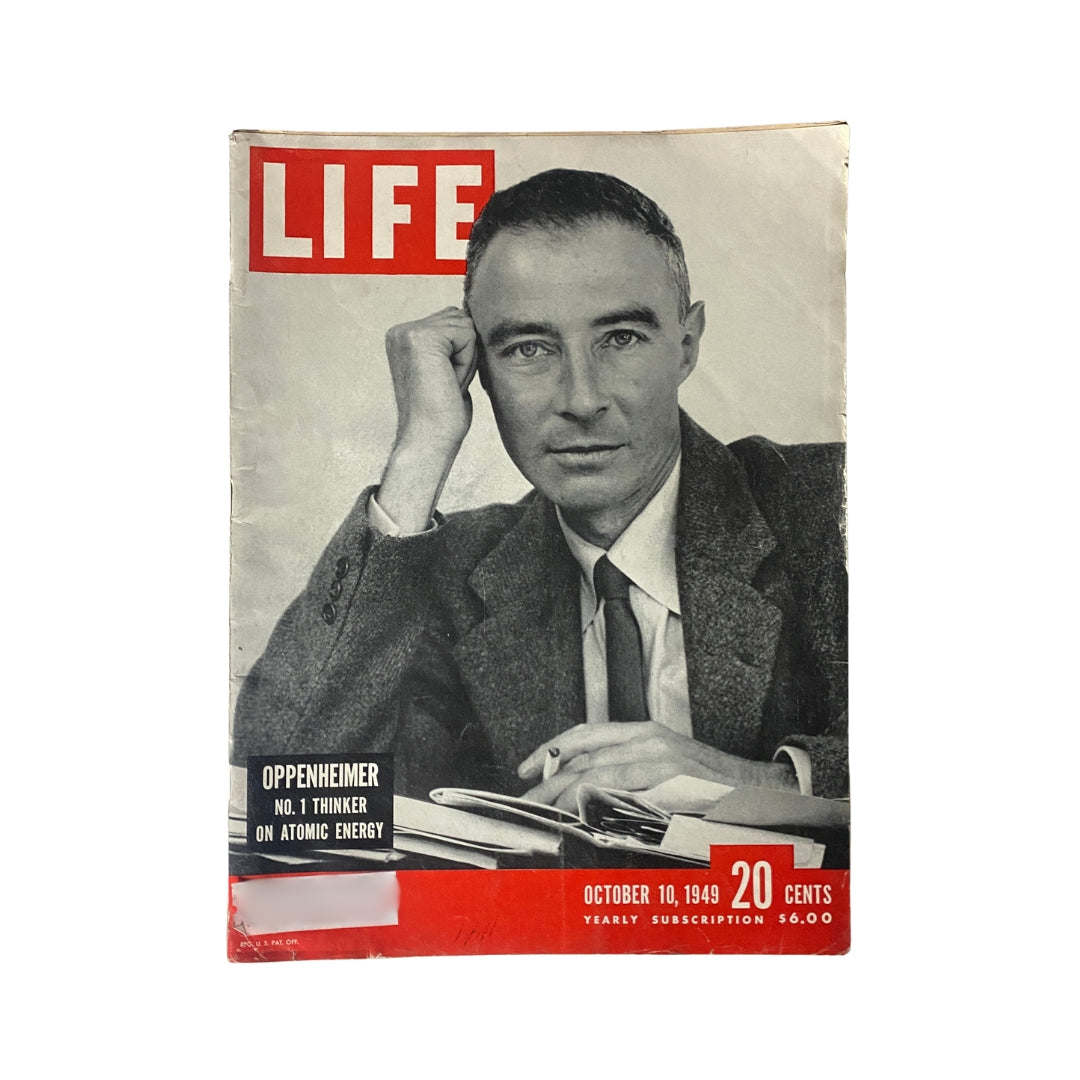
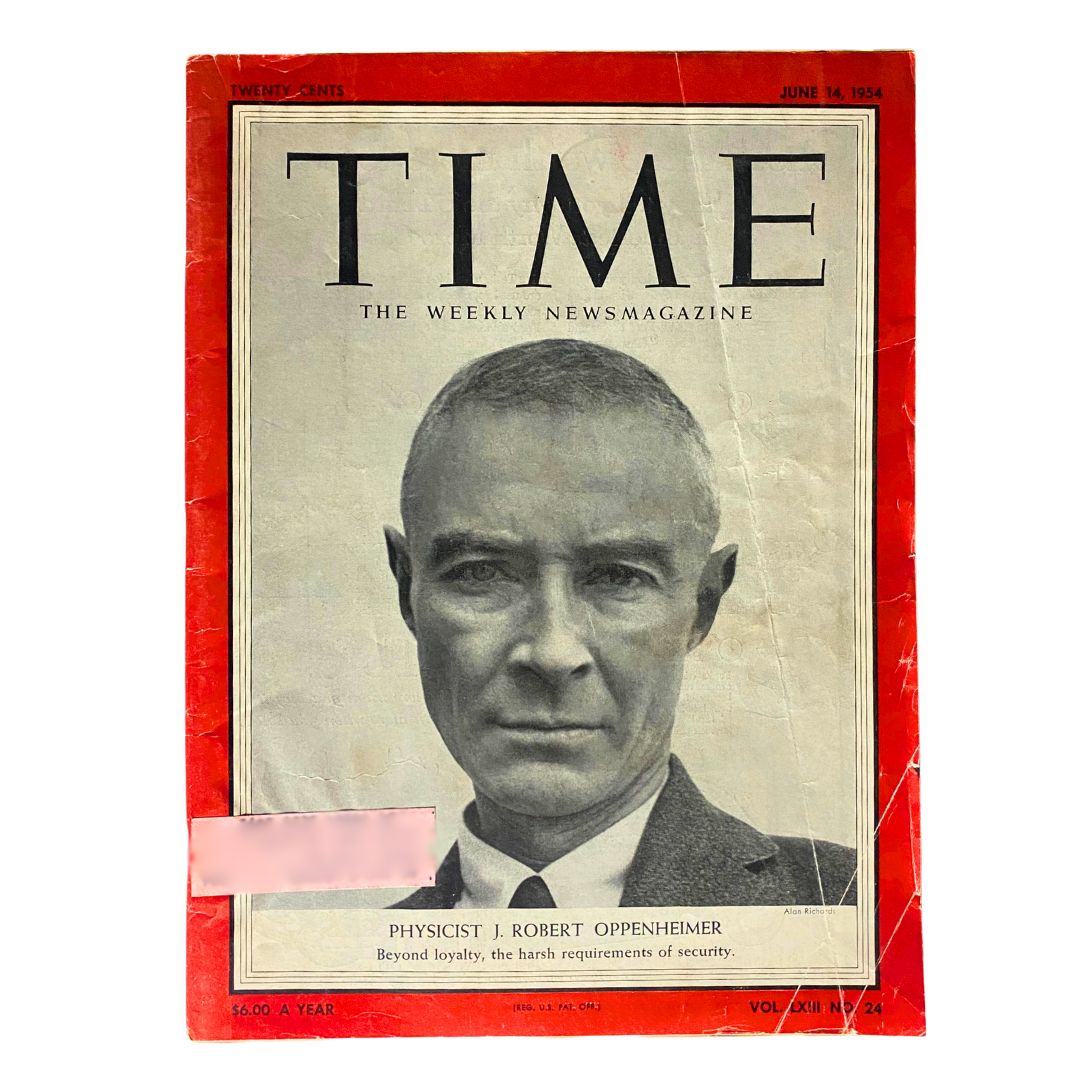
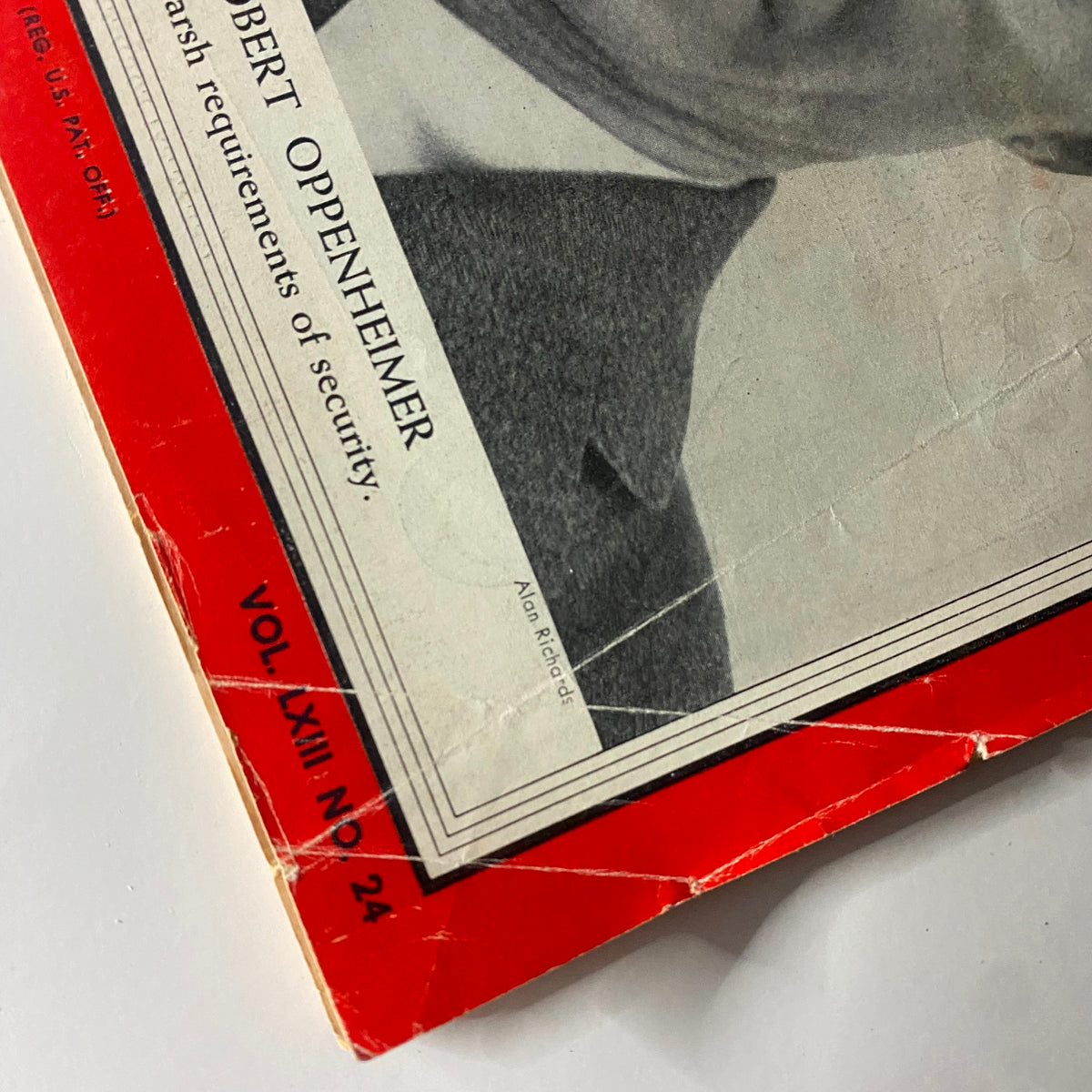
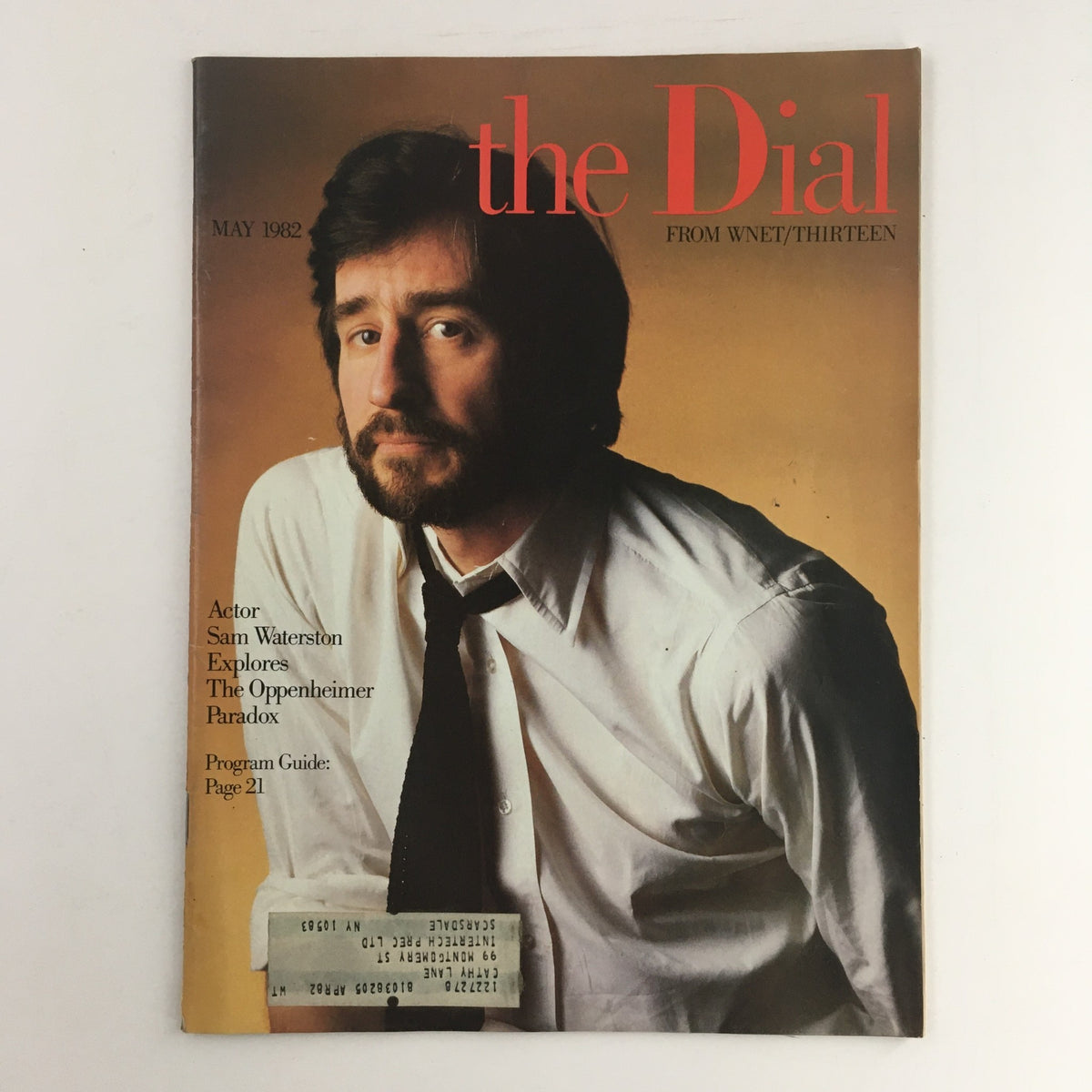
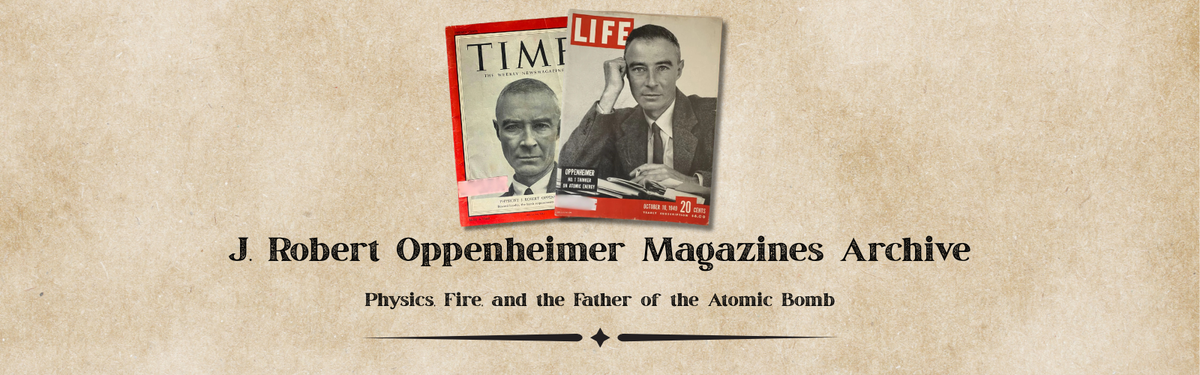
Vintage magazine coverage of the father of the atomic bomb ranged from reverential to ruthless, reflecting the shifting tides of public sentiment across three decades. In the triumphant postwar years, publications like Life magazine brought his angular, hawk-like face into American living rooms with sweeping photo essays — stark, dramatically lit portraits that made him look every inch the brooding intellectual the public wanted him to be. Time magazine, which named him among the most influential figures of the era and featured him in landmark issues of the late 1940s, gave him the kind of measured, authoritative editorial treatment reserved for statesmen and generals. Internationally, publications such as Der Spiegel and Picture Post covered the atomic age — and its American architect — with a mixture of fascination and existential unease that domestic outlets rarely permitted themselves. Scientific and policy journals of the period, meanwhile, offered a more cerebral portrait: the quantum theorist, the Sanskrit scholar, the man who quoted the Bhagavad Gita in the dust of the first atomic dawn. Together, these publications compose a mosaic of a man perpetually caught between veneration and condemnation.
Curator's Checklist: Highlights Often Include
- Postwar triumph features (1945–1947): Coverage of the Manhattan Project's aftermath, with the physicist celebrated as a national hero — profiles emphasizing his Berkeley years, Los Alamos leadership, and the moral complexity beginning to surface in his own public statements
- Cold War persecution and the security hearing (1954): Some of the most historically significant issues collectors seek relate to the AEC loyalty hearings, in which the press documented his public humiliation with a level of detail that reads today as a primary source on McCarthyism
- The nuclear debate in popular media (late 1940s–1950s): Broader atomic age issues of Life, Look, and Collier's in which he appears as a central voice in the urgent national conversation about the hydrogen bomb and arms control
- International Cold War press: European and British publications offering outside perspectives on American nuclear policy, often featuring the father of the bomb as both symbol and cautionary figure
- Rehabilitation and legacy coverage (1960s): Following President Kennedy's decision to award him the Enrico Fermi Award in 1963, press coverage took on a elegiac, vindicating tone — issues from this period are prized for their reflective long-form essays on science, power, and moral responsibility
The Collector's Value
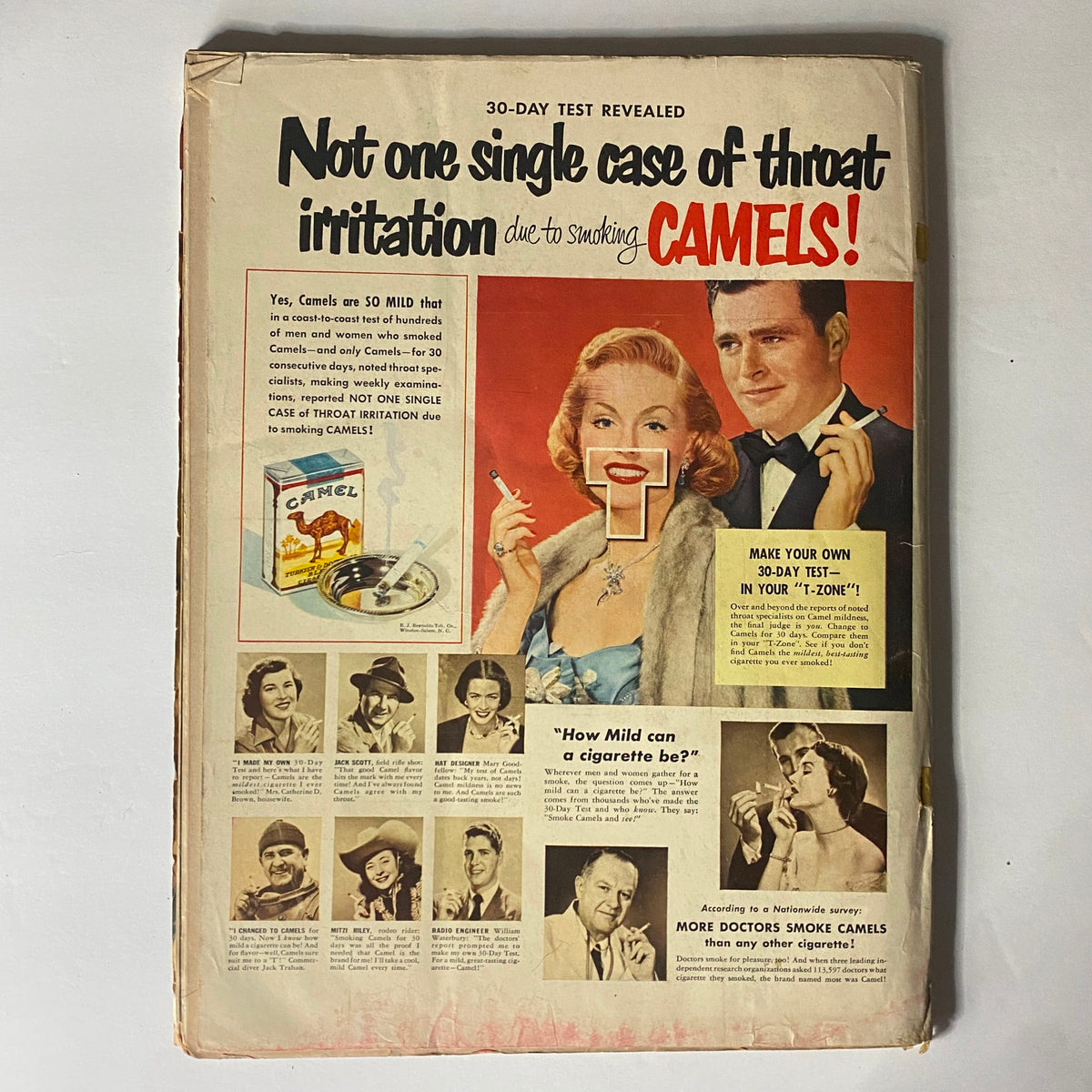
To hold one of these magazines is to hold a document of civilizational reckoning. The slightly brittle pages, the deep-set ink of mid-century offset printing, the faint and wonderfully specific smell of a 1940s or 1950s publication — these are not mere aesthetic pleasures. They are the sensory proof that this history was lived, that real people opened these very pages over breakfast and confronted, for the first time, the photograph of a man who had just altered the destiny of the species. The surrounding advertisements — for American automobiles, cigarettes, household appliances — only deepen the cultural vertigo, anchoring the atomic sublime in the ordinary fabric of daily life. For collectors of Cold War history, the history of science, or twentieth-century American political culture, these publications offer something no digital archive can replicate: the unmediated, physical experience of the moment itself, complete with all its hope, horror, and unresolved moral weight. Explore our current available inventory below and discover which pieces of this extraordinary chapter are waiting to find their next careful keeper.