📖 About this Collection
Jack Benny: The Man Who Made Time Stand Still
The Legend & The Legacy
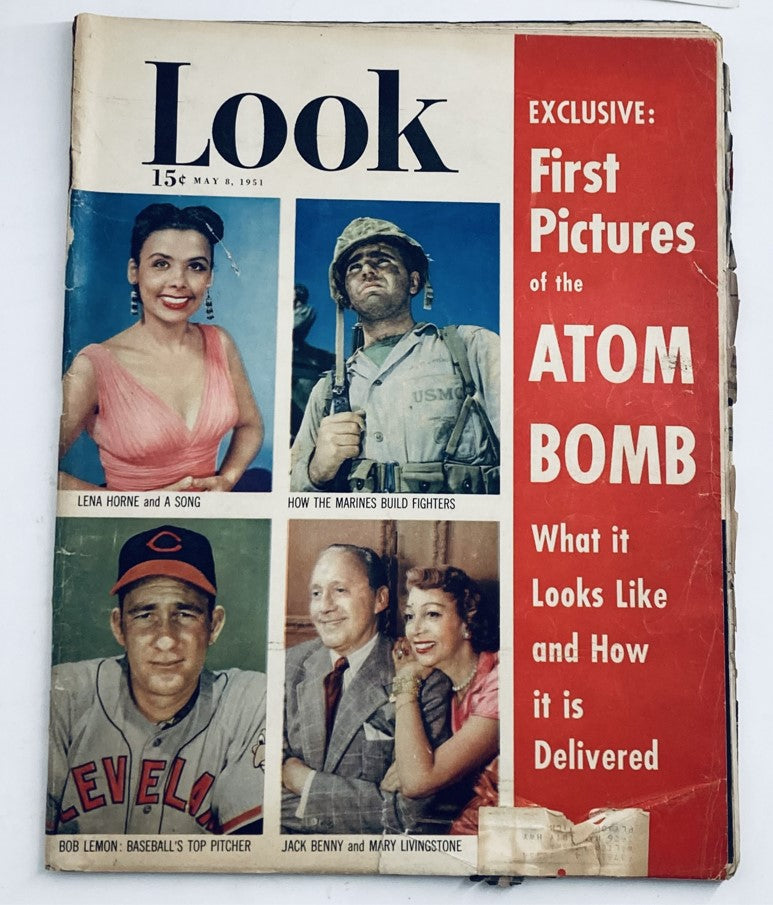
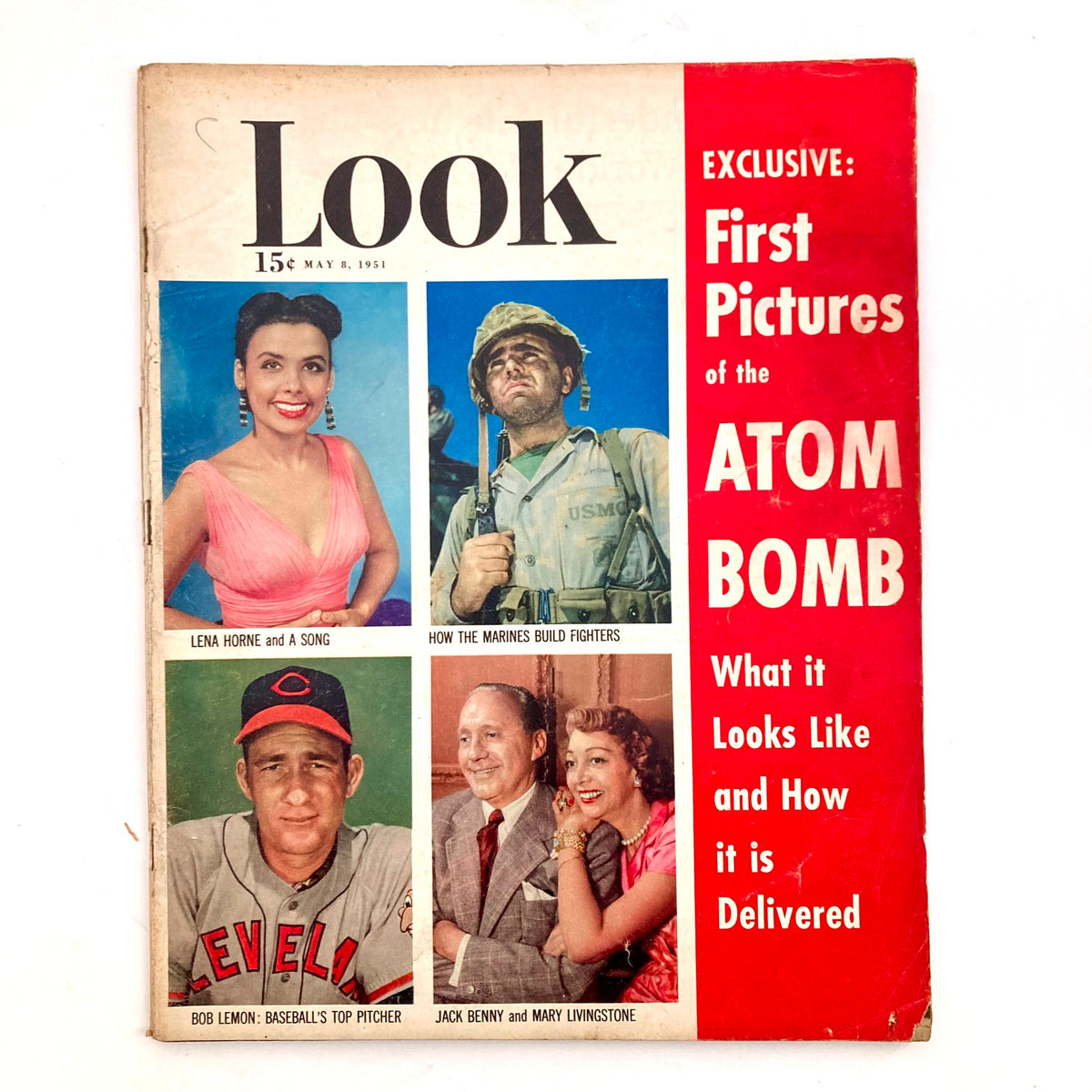
In an era when a household's connection to its favorite entertainer passed through the crackle of a radio speaker or the glossy pages of a magazine, Jack Benny occupied a singular throne in American popular culture. For more than five decades, the man from Waukegan, Illinois transformed the art of comedy through one of the most brilliantly constructed public personas ever conceived — the vain, perpetually 39-year-old miser who played the violin badly and paused longer than anyone before or since. His dominance spanned three distinct eras of media: vaudeville, radio, and television, making him one of the rare entertainers who didn't merely survive each transition but conquered it. At his peak in the 1940s and 1950s, The Jack Benny Program commanded audiences in the tens of millions, and the press tracked his every move with the reverence reserved for royalty. Long before a celebrity could speak directly to fans through a screen in their pocket, Americans met their beloved comedian in the barbershop, the dentist's waiting room, and at the kitchen table — through ink, paper, and photography.
Inside the Archive
Vintage publications treated the comedian with a warmth and fascination that reflected just how deeply he had embedded himself in the American psyche. Editorial photography of the era often captured him in studied comic poses — violin in hand, eyes rolled skyward, or locked in that legendary stare of exasperated silence — images that photographers and art directors knew would resonate instantly with readers who felt they knew him personally. Life magazine, the great visual chronicle of 20th-century America, featured him repeatedly across the decades, framing him both as entertainer and cultural institution. TV Guide, the defining publication of the television age, gave him enormous real estate as his Sunday night program became appointment viewing for a nation. Look magazine, Life's more personality-driven rival, frequently explored the man behind the character — his genuine warmth, his legendary generosity, and his friendships with the likes of George Burns and Bob Hope. International publications took note as well, reflecting his Hollywood stature beyond American borders. The photography across these features ranged from candid backstage moments to lavish studio portraits, always underscoring the paradox at the heart of his appeal: a man playing a fool, executed with absolute mastery.
Curator's Checklist: Highlights Often Include
- Radio Era Coverage (late 1930s–1940s): Features and profiles from the height of his radio dominance, when he was considered the most listened-to comedian in America, often accompanied by cast photography with Mary Livingstone, Rochester, and Don Wilson
- Television Transition Features (early-to-mid 1950s): Editorial coverage documenting his seamless move to the small screen, a transition that fascinated the press and cemented his reputation as a generational performer
- Hollywood & Celebrity Circle Spreads: Photo features placing him among the golden age elite — candid moments with Bob Hope, George Burns, Humphrey Bogart, and fellow Rat Pack-adjacent figures at industry events and charity galas
- Anniversary & Tribute Issues: Later-career retrospectives from the 1960s and early 1970s celebrating his longevity, his legendary timing, and his status as a living monument to American comedy
- Obituary & Memorial Editions (December 1974): Publications marking his passing carried some of the most eloquent tributes in entertainment journalism history, reflecting a nation genuinely mourning the loss of a man who had made them laugh for half a century
The Collector's Value
To hold one of these original issues is to hold something that no streaming service or digital archive can replicate — the specific gravity of a weekly or monthly publication printed at the very moment the world was watching him. The paper stock carries its years honestly: a slight amber warmth at the edges, the faint ghost of old ink, the texture of a page turned by hands that laughed at the same jokes your grandparents did. Surrounding the feature spreads are the advertisements of the age — Jell-O (his longtime sponsor, inseparable from his radio identity), cigarette brands, automobiles, and appliances — creating an immersive time capsule that no reprint can manufacture. For collectors of Golden Age radio and television memorabilia, mid-century Americana and pop culture ephemera, or classic Hollywood and entertainment history, these publications offer an irreplaceable primary source — a direct, physical connection to the era when one man's perfectly timed silence could bring an entire country to its knees in laughter. Browse the current available inventory below and find the piece of that world waiting to come home with you.