📖 About this Collection
Jack Nicholson: The Devil Behind the Grin
The Legend & The Legacy
Few figures in twentieth-century American culture carved their mythology so deliberately — or so dangerously — as Jack Nicholson. Rising from the B-movie circuits of the early 1960s to become the defining anti-hero of New Hollywood, he embodied a generation's disillusionment with authority, propriety, and polished perfection. In an era before celebrity was manufactured by algorithm or managed by social media teams, the public encountered him through the considered, deliberate frames of print: the long-form profile in a glossy magazine, the brooding full-bleed photograph on a newsstand cover, the breathless review of a film that felt like a cultural provocation. His Oscar-winning turns in One Flew Over the Cuckoo's Nest, Terms of Endearment, and As Good as It Gets — and his indelible, haunting work in Chinatown, The Shining, and Batman — were not merely cinematic events. They were national conversations, and magazines were the forum in which those conversations lived.
Inside the Archive
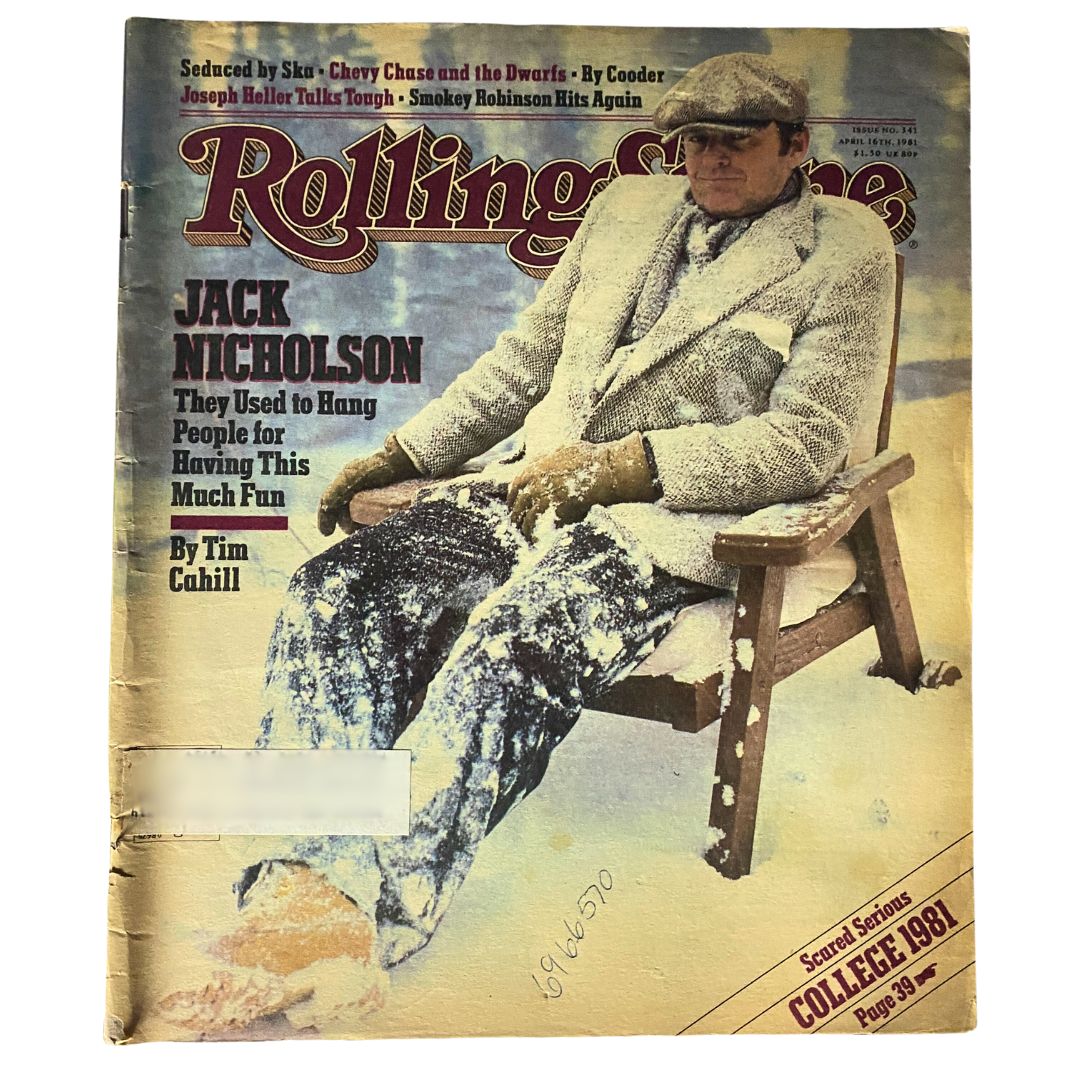
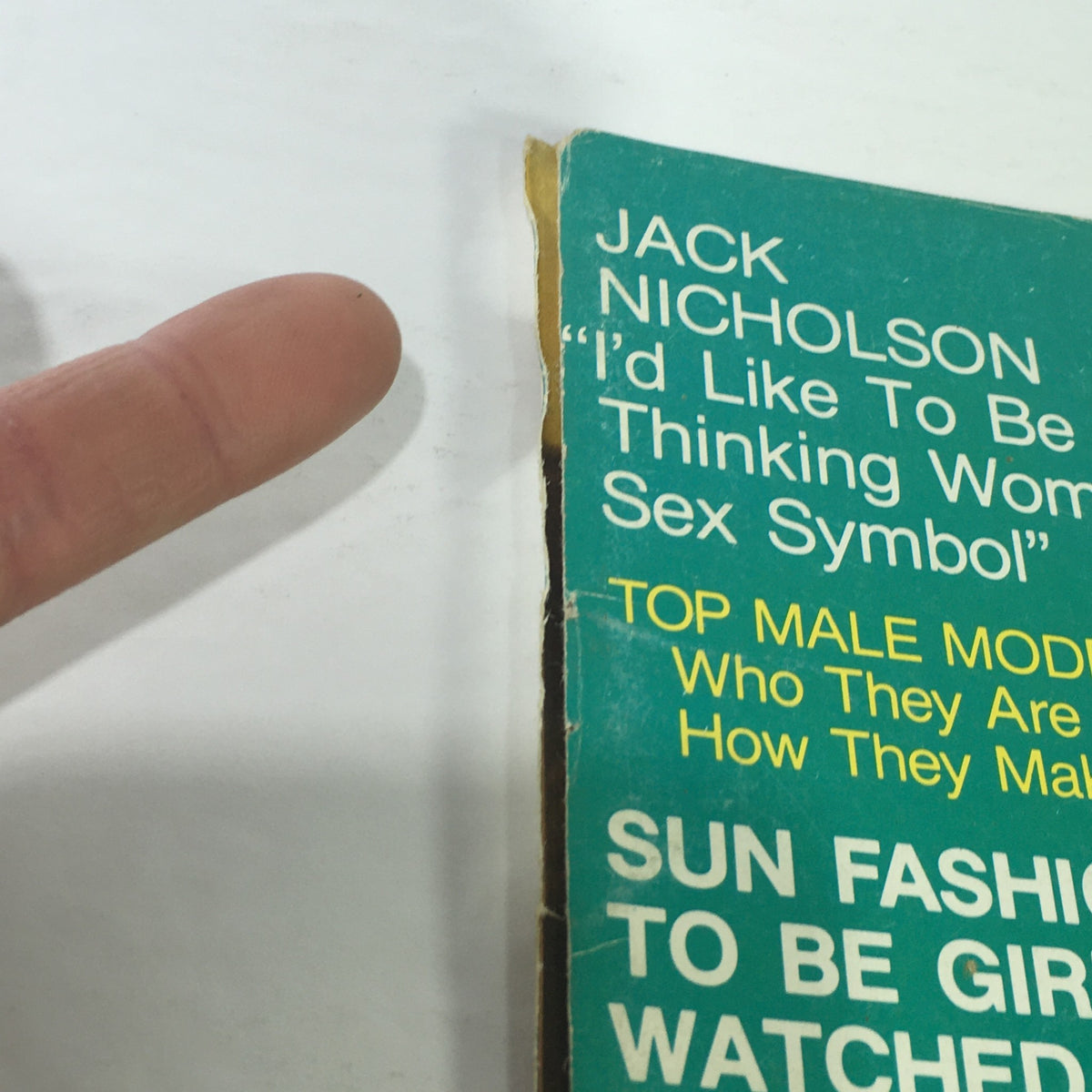
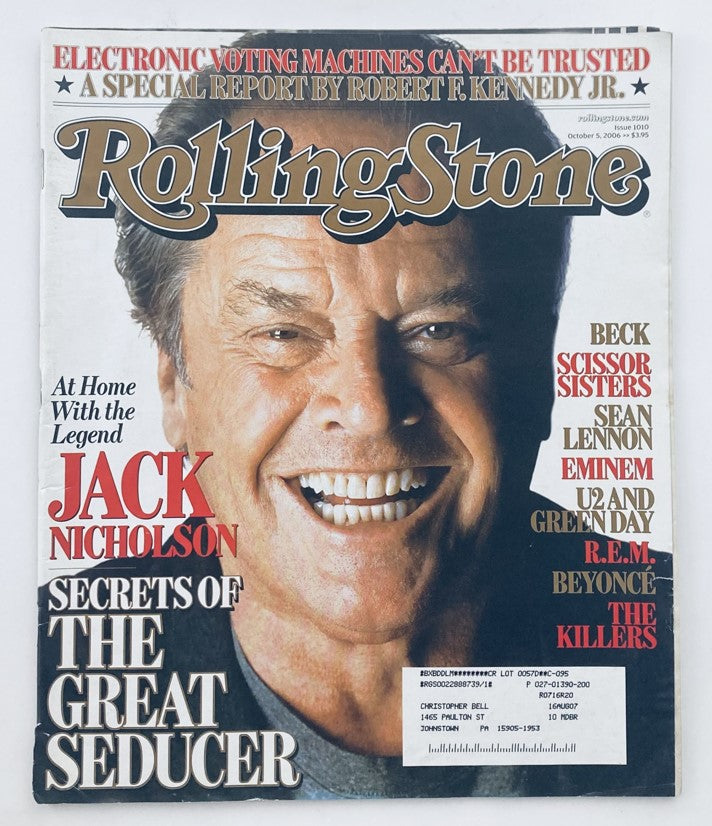
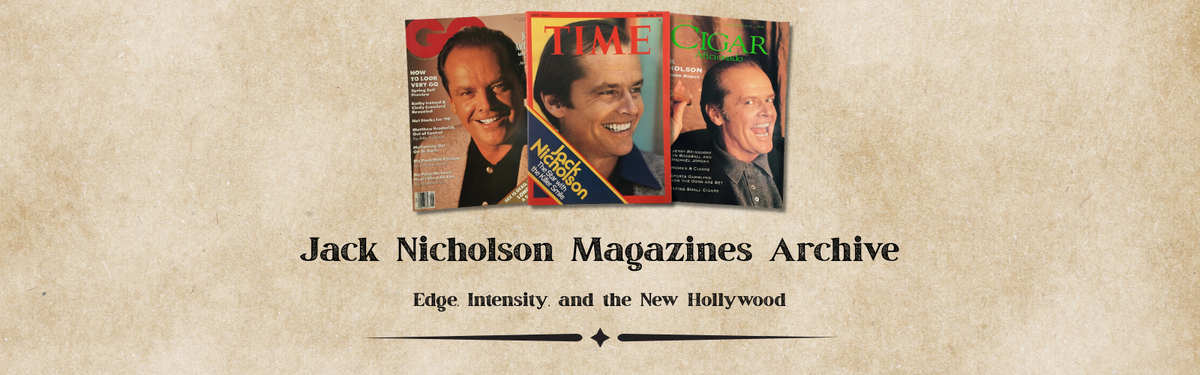
The coverage of this singular actor across four decades of print journalism is as varied and richly textured as the roles themselves. In the 1970s, when New Hollywood was upending every convention of the studio system, Rolling Stone treated him with the reverence afforded to rock royalty — long, immersive interviews shot in candid black-and-white, revealing a man as philosophically restless as he was charismatic. Time and Newsweek turned to him repeatedly as a cultural barometer, placing him on their covers during the release of his most seismic films, the photography oscillating between the playful and the quietly menacing. Internationally, Paris Match and Stern captured the European fascination with his particular brand of American rebellion, their fashion-forward layouts framing him as both movie star and existential symbol. The editorial tone across these publications shared a common thread: here was a man the press genuinely did not know how to contain, and that tension made for extraordinary reading.
Curator's Checklist: Highlights Often Include
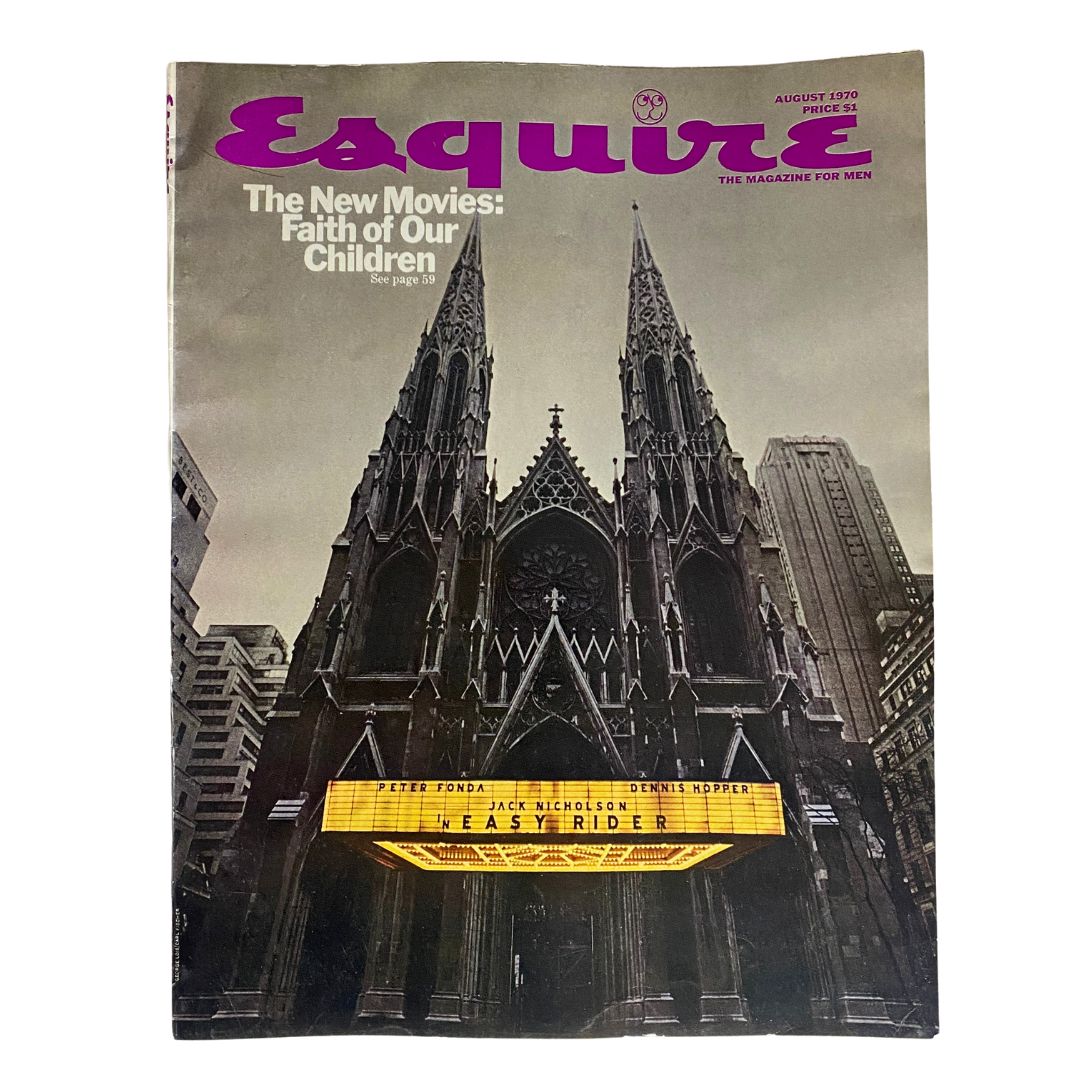
- New Hollywood profiles from the early-to-mid 1970s — coverage situating him alongside Coppola, Polanski, and Antonioni, exploring his pivot from counterculture curiosity to critical darling following Easy Rider and Five Easy Pieces
- Awards season features surrounding his historic Oscar runs — collector's issues from 1976, 1984, and 1998 frequently surface, documenting three wins across five decades, a record that generated substantial editorial attention both domestically and abroad
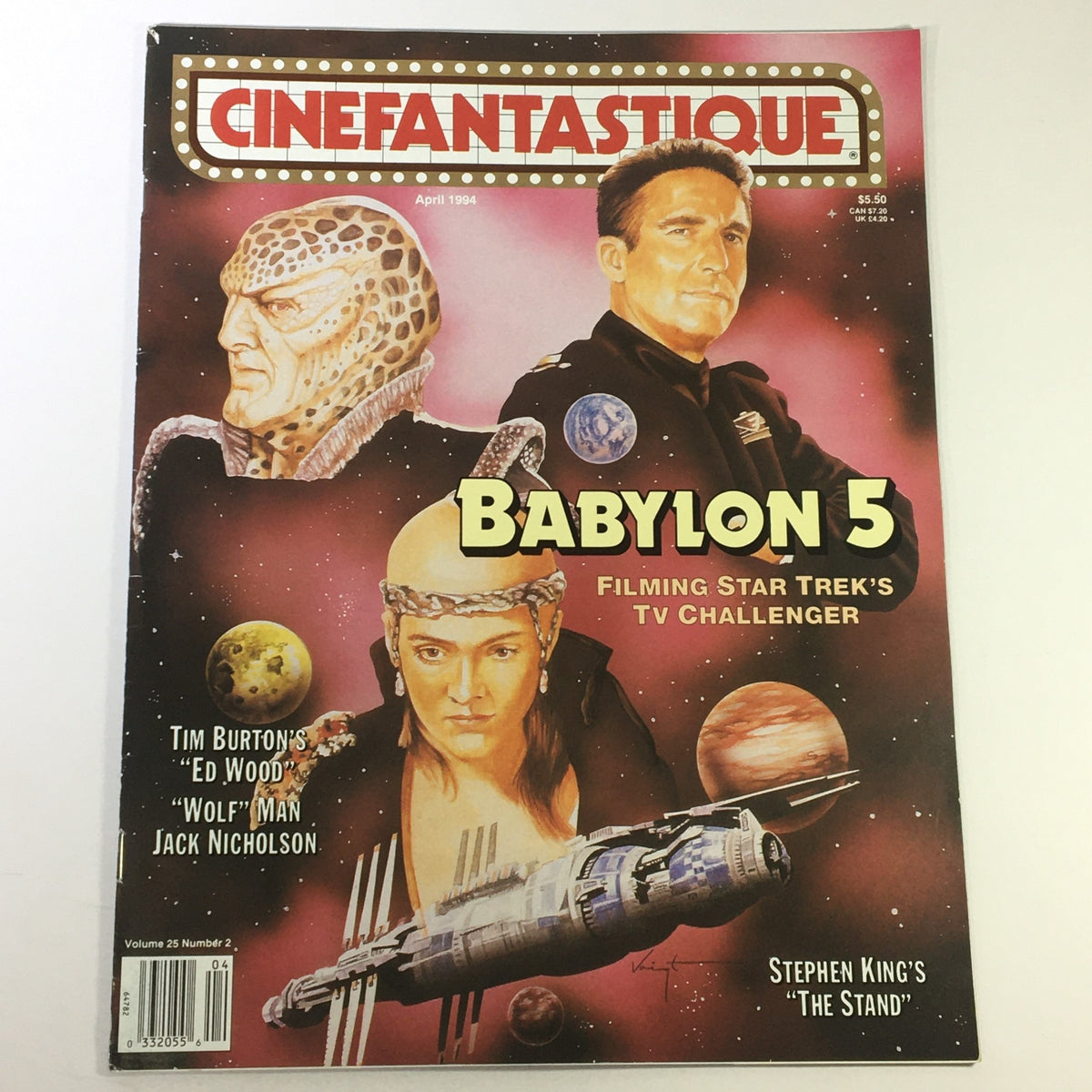
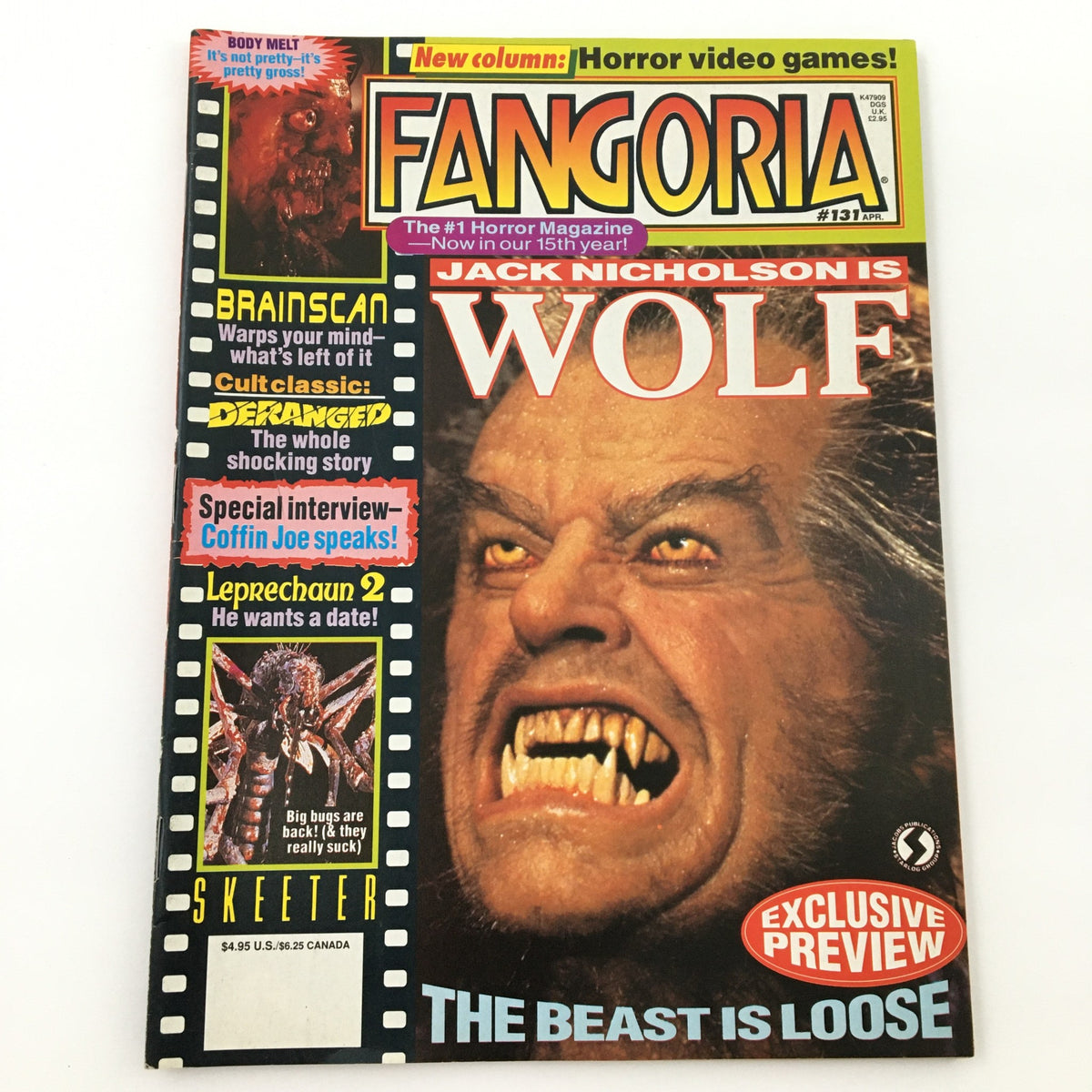
- Film-release promotional spreads for The Shining and Batman — iconic imagery from these cultural landmarks appeared across entertainment weeklies, general-interest magazines, and international film publications throughout 1980 and 1989
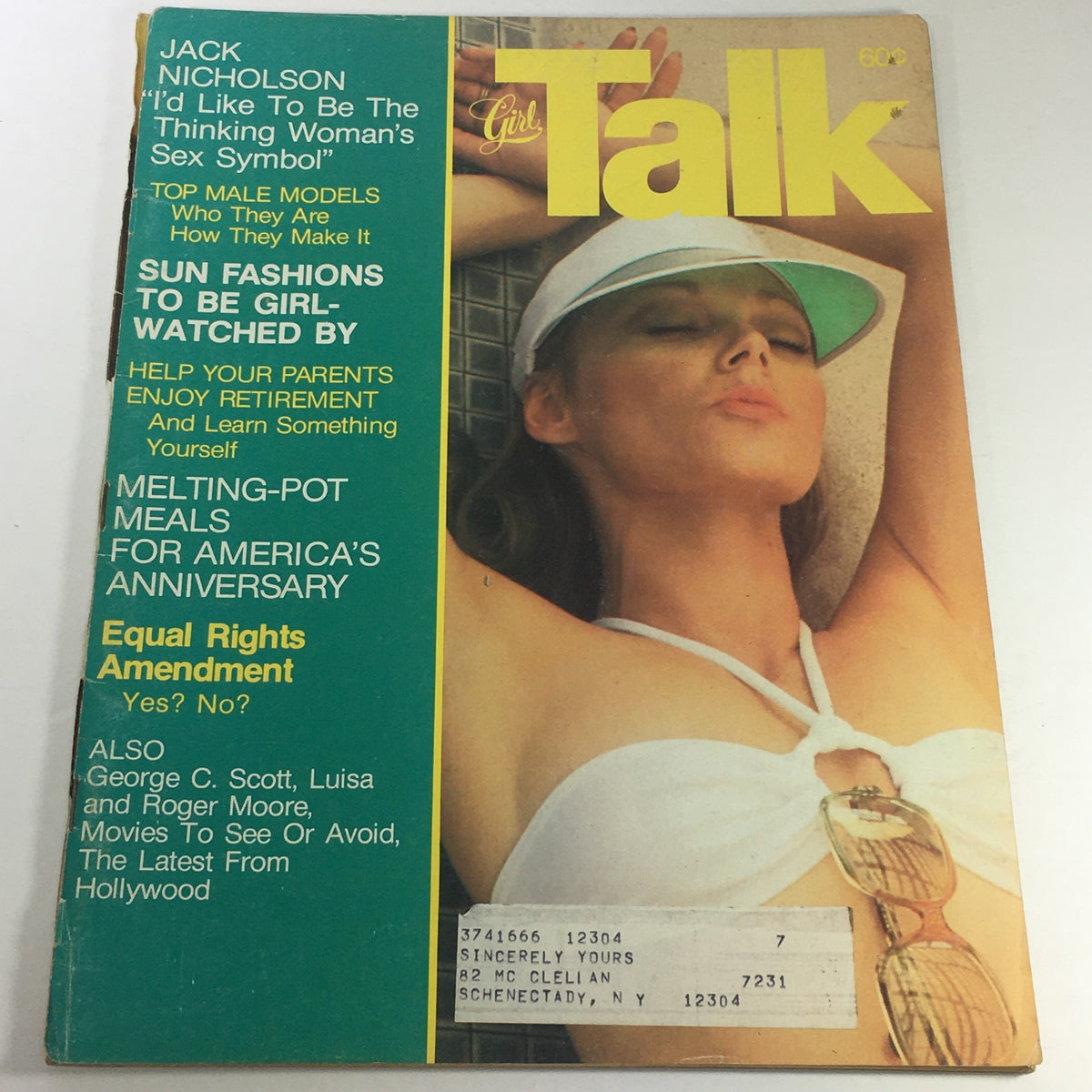
- Lifestyle and personality profiles from the 1980s and 1990s — a period when his off-screen persona — the courtside Lakers seats, the Hollywood Hills compound, the oversized sunglasses — became as mythologized as any role, generating features in publications ranging from Esquire to Vanity Fair
- Retrospective and career-survey issues — as he transitioned into elder statesman of American cinema in the late 1990s and 2000s, major publications dedicated substantial editorial space to reassessing his legacy, often accompanied by rare archival photography
The Collector's Value
To hold one of these original issues is to hold something the internet cannot replicate: the weight of the paper stock, the slight give of a decades-old staple, the faint mineral perfume of ink pressed into pages that once sat in a barbershop, a waiting room, a student's apartment in 1975. The advertisements alone — for cigarettes, muscle cars, and long-defunct department stores — construct a vivid world around him, reminding us that these were not archival documents but living, breathing objects of their time. A vintage magazine featuring this legendary actor is not merely memorabilia; it is a primary source, a window into how a culture understood itself at the exact moment it was being made. For collectors of New Hollywood cinema, classic Americana, or mid-century entertainment history, these publications offer something no streaming platform or digital archive ever could — an authentic, tangible encounter with a legend, exactly as his contemporaries first experienced him. Explore the current available inventory below and find the piece of history that speaks to you.