📖 About this Collection
Jackie Chan: Fists, Film, and the Art of the Impossible
The Legend & The Legacy
Long before the algorithm could reduce a legend to a highlight reel, Jackie Chan's ascent from a Hong Kong opera school boy to the world's most bankable action star unfolded across the glossy, ink-and-paper pages of magazines on six continents. His story was one of the 20th century's great crossover narratives — a martial artist who made the world laugh while it gasped, a stuntman who bled for his craft in an era when that sacrifice was visible and verifiable. In the pre-internet decades of the 1970s through the 1990s, fans in Tokyo, Paris, Los Angeles, and Jakarta alike turned to print media to follow his rise: the bruising behind-the-scenes stories, the box office records, the Hollywood gamble, and the eventual triumph that made him a household name in every language. His was a fame earned in installments, delivered monthly at the newsstand.
Inside the Archive
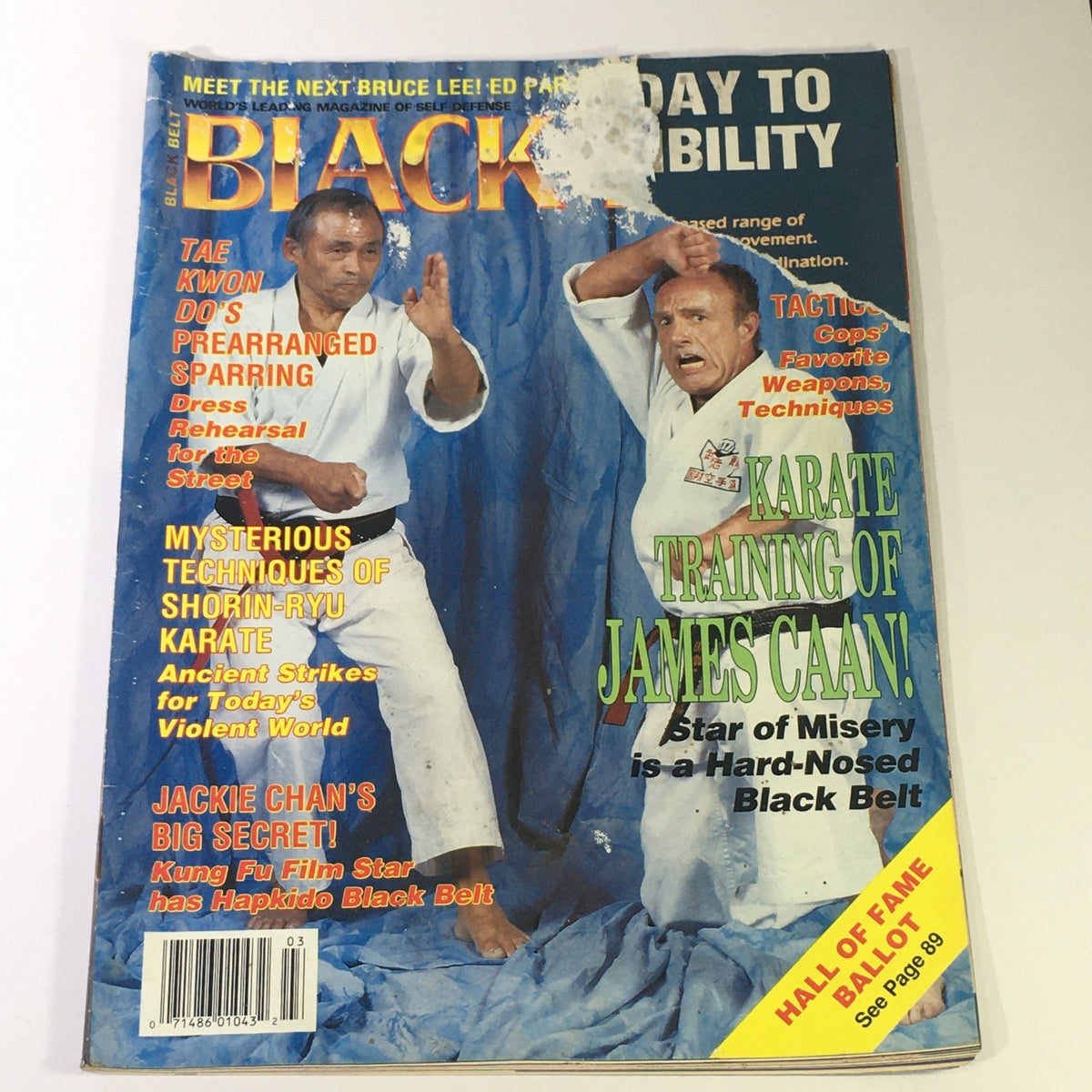
Vintage magazine coverage of the martial arts icon evolved dramatically across his career. In the 1970s and early 1980s, specialist publications approached him with the reverence reserved for combat royalty — action photography captured mid-technique, limbs blurred with kinetic energy, editorial tones breathlessly cataloguing the physical feats that no stunt double would dare attempt. As his international crossover accelerated, mainstream entertainment weeklies and film journals broadened the lens: candid behind-the-scenes photography from grueling Hong Kong sets, interviews reflecting on broken bones and unwavering discipline, and cover treatments that played equally on charm and danger. Entertainment Weekly documented his Hollywood arrival with the excitement of a cultural event; Premiere offered long-form profiles that contextualized his singular position in global cinema; and Asian film periodicals such as Hong Kong Movie News and regional editions of Screen International provided the richest, most granular documentation of his craft during his peak years with Golden Harvest, capturing an artist at the absolute height of his powers for audiences who understood exactly what they were witnessing.
Curator's Checklist: Highlights Often Include
- Hong Kong New Wave coverage — early feature profiles and action spreads from the late 1970s documenting his emergence as a post-Bruce Lee phenomenon, often in regional Asian film publications with striking, kinetically composed photography
- Hollywood breakthrough documentation — entertainment press coverage surrounding Rumble in the Bronx (1995) and Rush Hour (1998), capturing the rare moment a foreign-language action star genuinely conquered the American mainstream
- Stunt culture deep-dives — specialty film and behind-the-scenes magazines frequently ran extraordinary on-set photography and injury reports, celebrating the physical audacity that defined his brand of filmmaking
- International fan magazine features — European, Japanese, and Southeast Asian publications often offered exclusive interview content and photography that never circulated in the English-language press, making them prized discoveries for serious collectors
- Awards season and lifetime achievement coverage — later-career recognition pieces, including those surrounding his honorary Academy Award in 2016, offer a retrospective arc that collectors assembling a complete narrative find deeply compelling
The Collector's Value
There is something irreplaceable about holding a 1980s Hong Kong film magazine and feeling the slightly coarser paper stock beneath your fingers, the ink faintly perfumed with the particular mustiness of a world that moved slower and documented itself more carefully. These publications did not merely report on the Dragon — they were artifacts of the cultural moment that produced him, their surrounding advertisements for Sony Walkmans and Pan Am flights and imported cigarettes composing an unintentional time capsule every bit as evocative as the editorial content itself. The photography, printed before digital retouching became industry standard, carries a raw, analog truth: sweat is visible, sets look tangible, and the danger is never in question. For collectors of martial arts and action cinema history, Hong Kong film culture, or 20th-century international entertainment memorabilia, these publications offer something no streaming service or Wikipedia entry can replicate — a primary source, a physical witness, a piece of the world as it actually existed when the legend was still being written. Explore our current available inventory below and discover what the archive has waiting for you.