📖 About this Collection
Jaclyn Smith: The Velvet Standard of American Glamour
The Legend & The Legacy
In an era before streaming algorithms and social media feeds decided who deserved to be a star, Jaclyn Smith became one through something far more enduring — sheer, undeniable presence. When Charlie's Angels premiered in 1976, it did not merely launch a television phenomenon; it ignited a cultural conversation about beauty, femininity, and female agency that played out, week after week, on the glossy pages of the American press. Smith occupied a singular position among her co-stars: she was the constant, the anchor, the one who remained through every cast change and cultural shift across five seasons. Yet her influence extended well beyond the soundstage. By the early 1980s, she had parlayed her fame into a pioneering business empire — a licensed fashion and fragrance line at Kmart that predated the celebrity lifestyle brand by two full decades — cementing her status not merely as an actress, but as a genuinely innovative entrepreneur. In those pre-internet decades, the public followed her journey entirely through print: the fan magazines, the fashion glossies, the television weeklies, and the Sunday supplements that landed on doorsteps and drugstore racks across the country every single week.
Inside the Archive
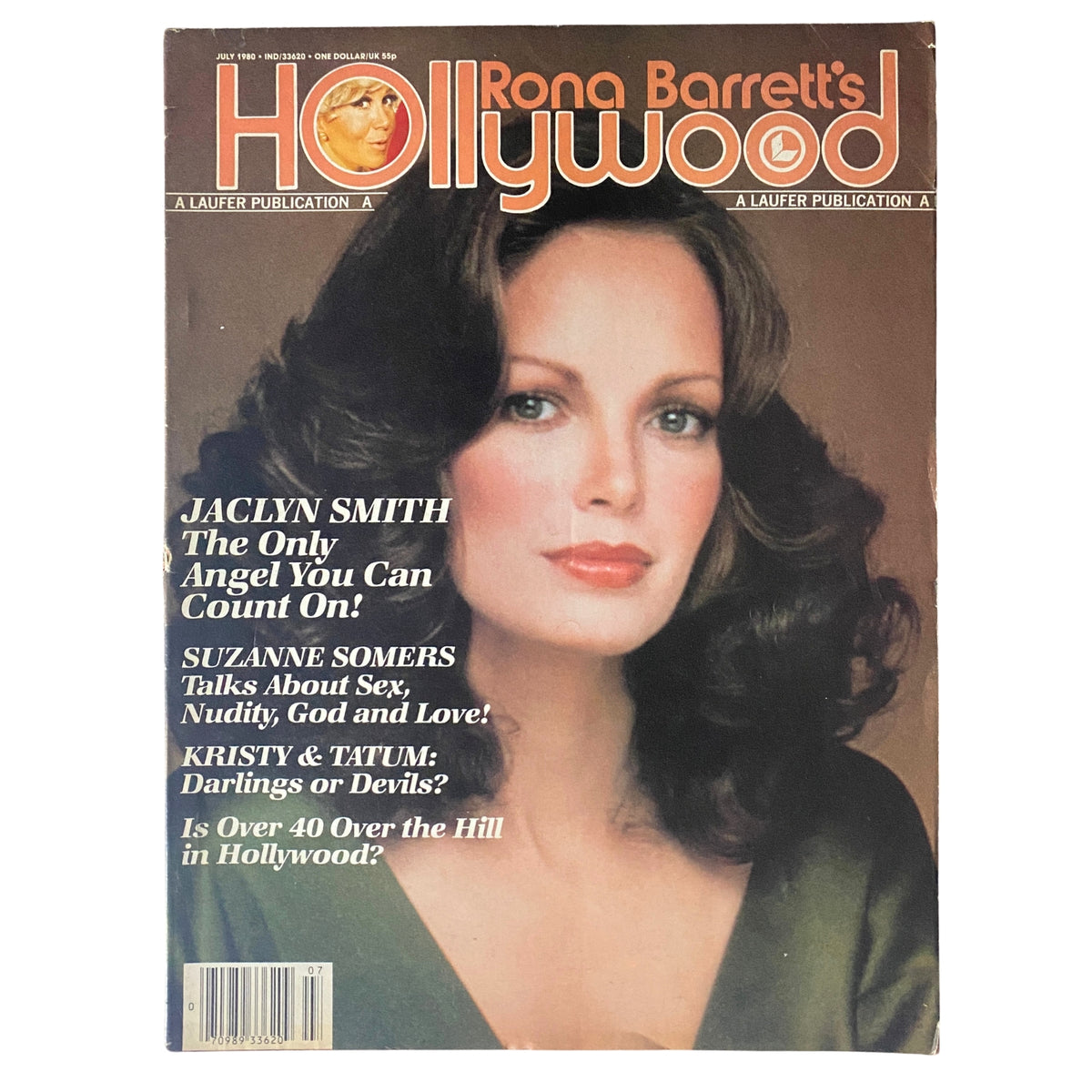
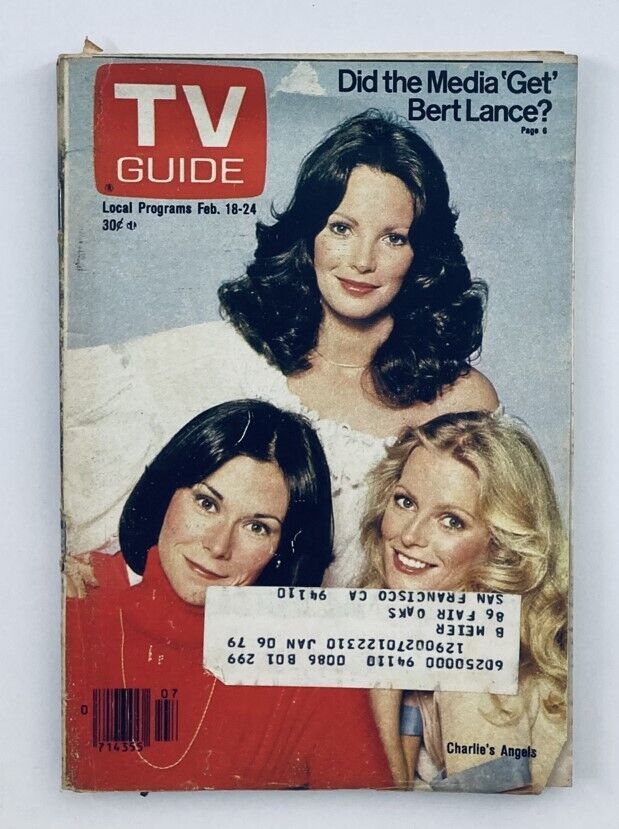
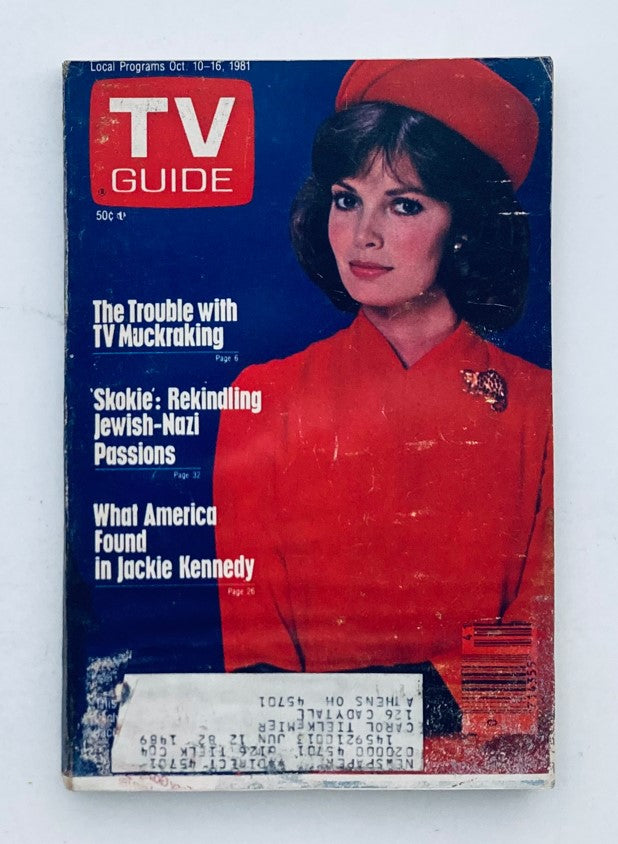
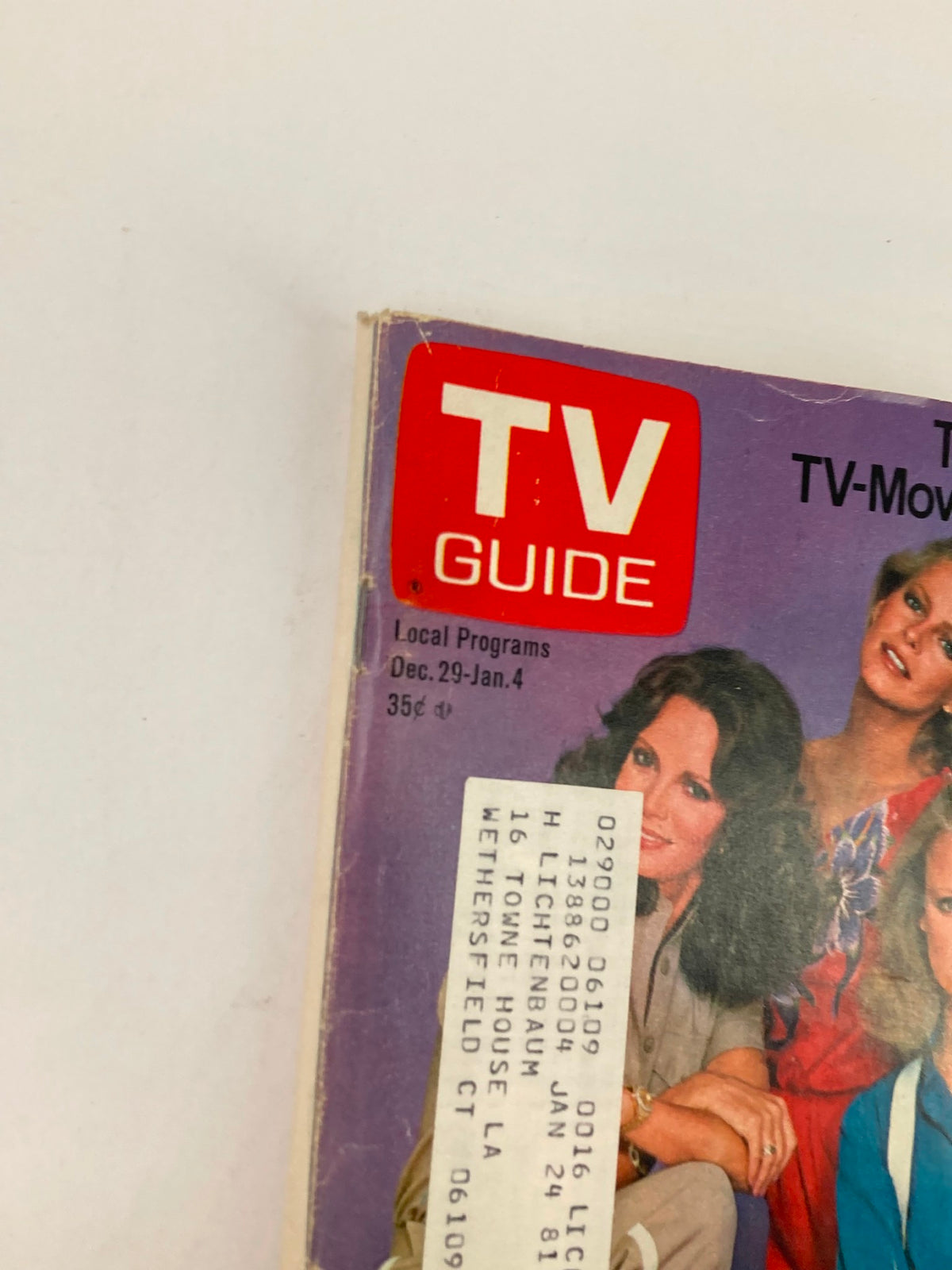
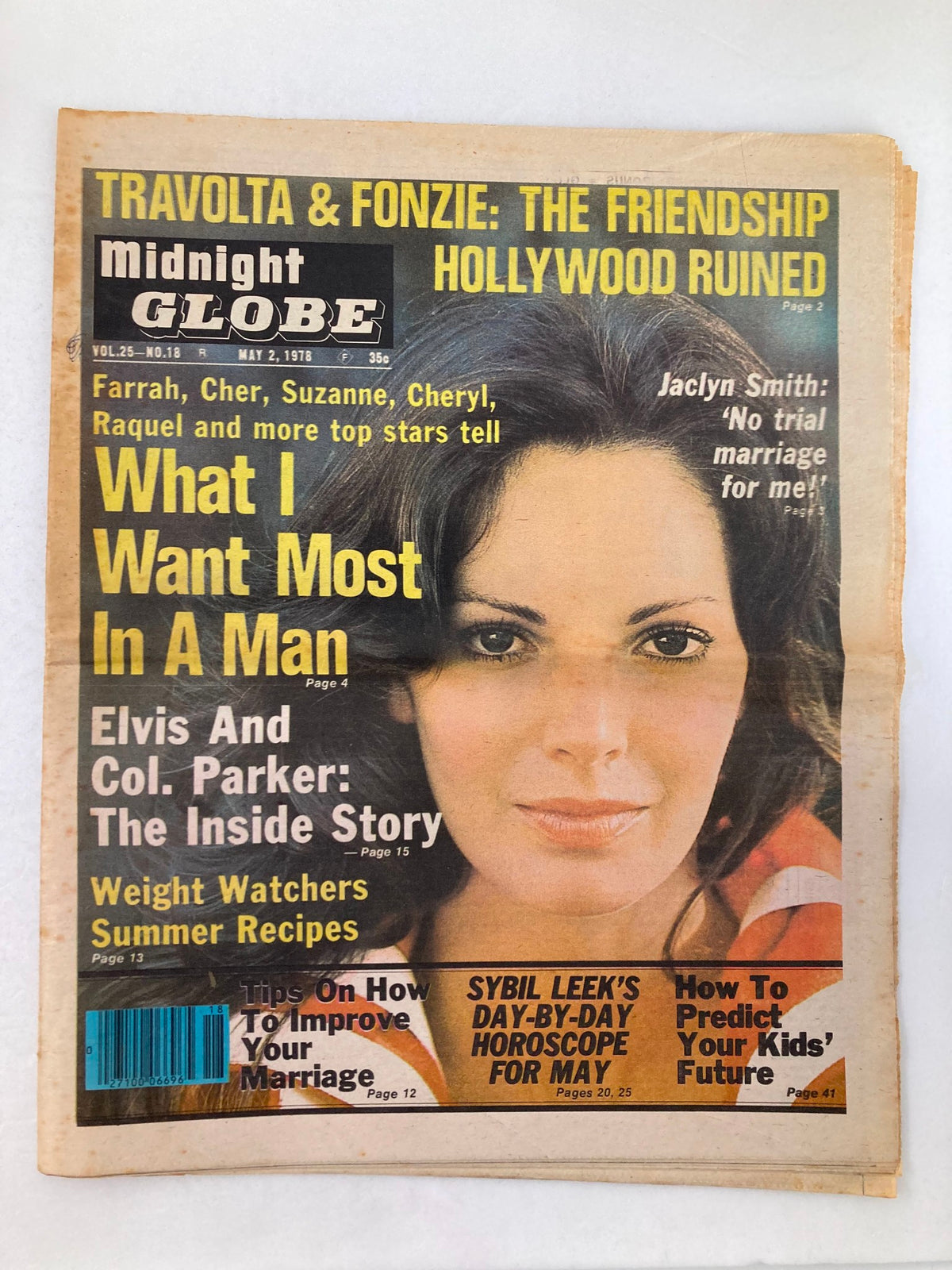
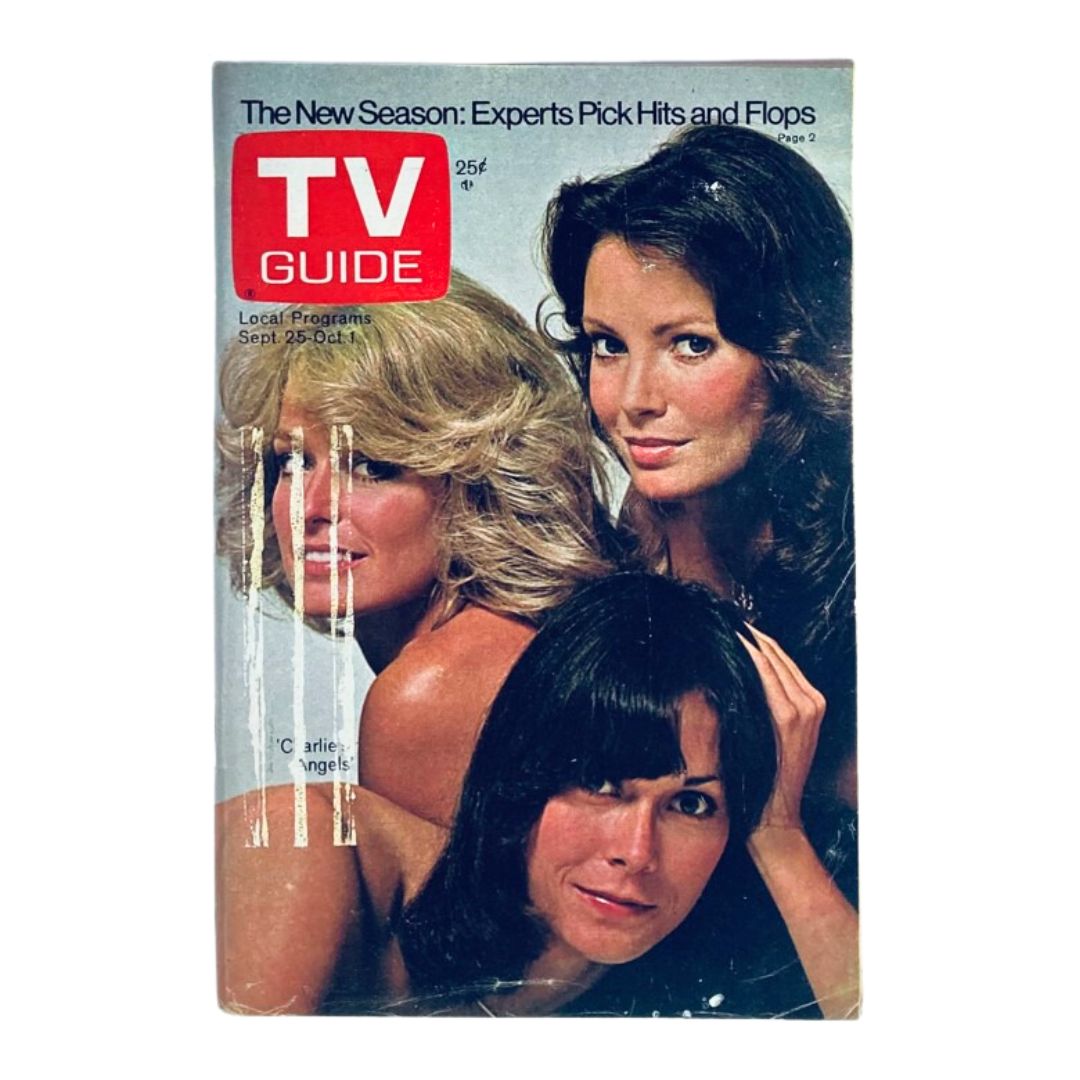
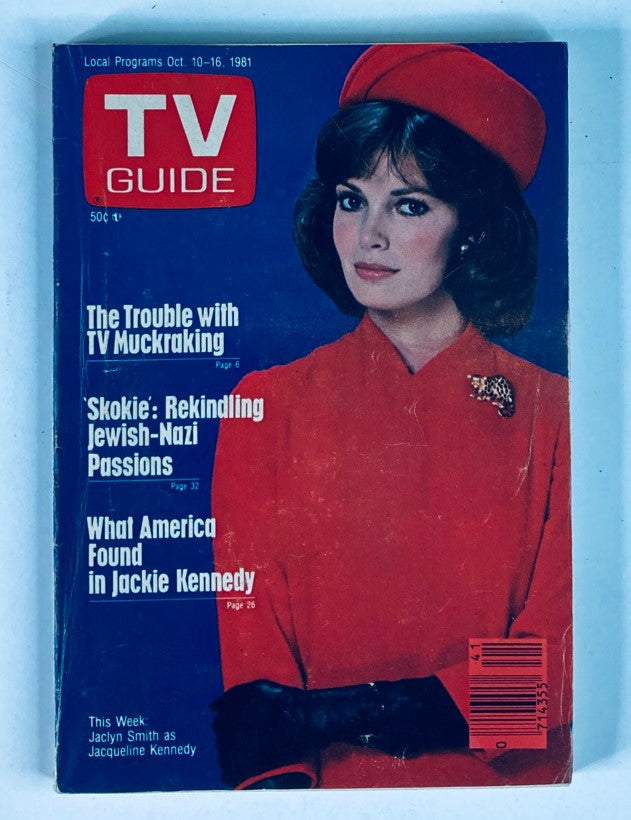
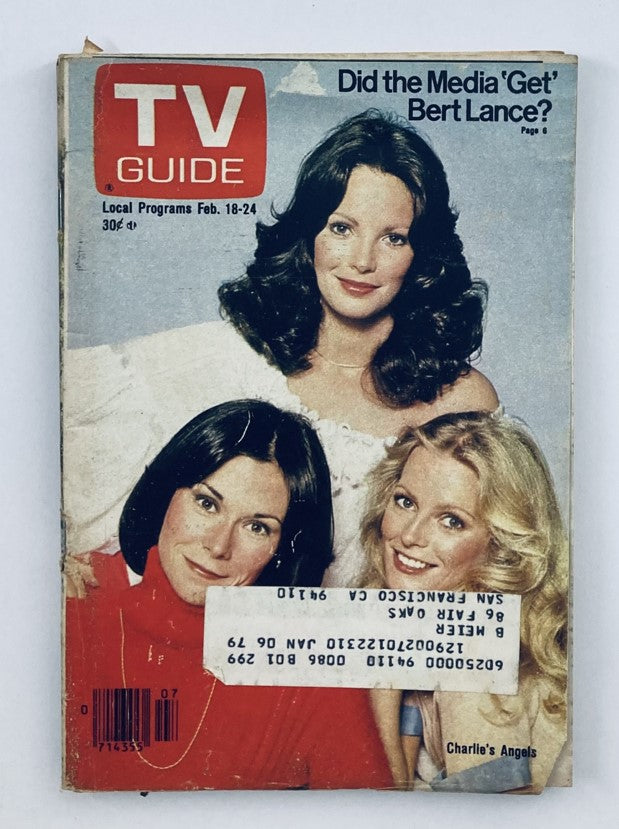
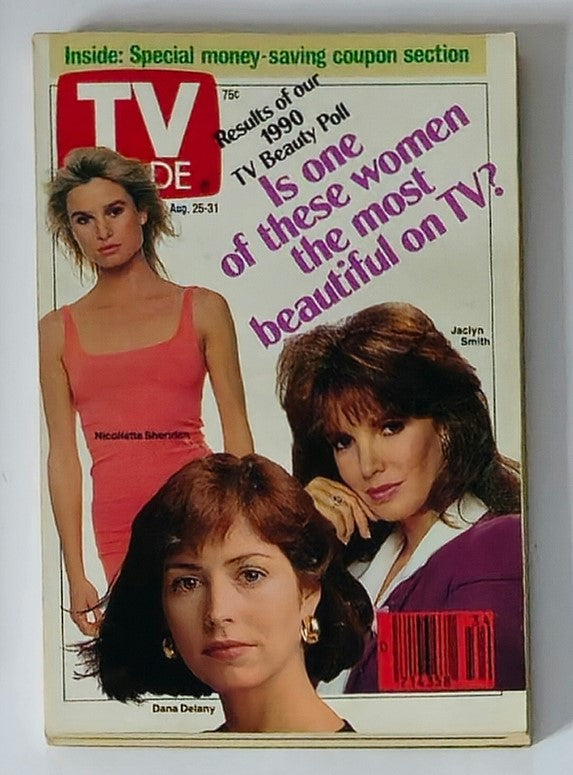
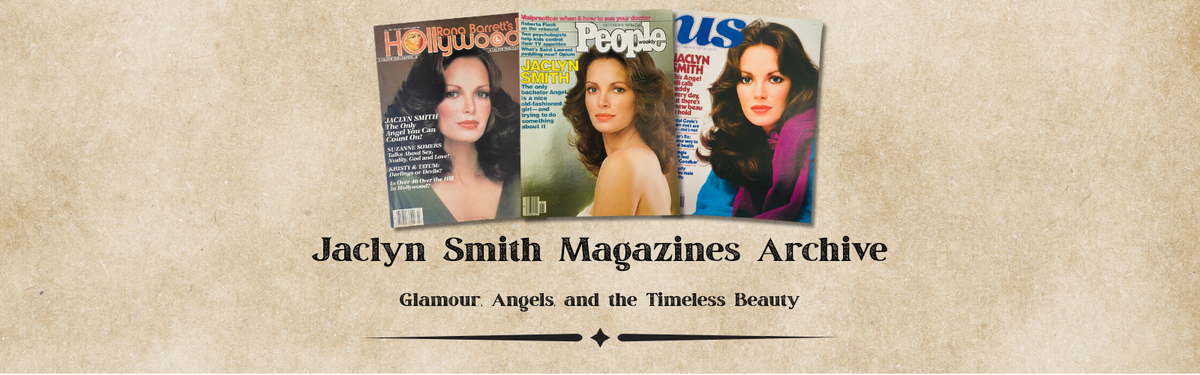
Vintage magazines of the late 1970s and 1980s approached Jaclyn Smith with a reverence typically reserved for Old Hollywood royalty. Photographers rendered her in warm, luminous tones — soft-focus glamour shots that emphasized her dark, almost Pre-Raphaelite beauty — while editorial copy was consistently breathless, positioning her as the definitive American ideal of understated elegance. People magazine returned to her repeatedly throughout this era, covering everything from her Angels ascendancy to her personal life and business ventures with an intimacy its readership found irresistible. The legendary TV Guide — then a cultural institution with a circulation that rivaled any publication in the nation — featured her on multiple covers, each issue a coveted artifact of the golden age of network television. Meanwhile, fashion-forward titles such as Ladies' Home Journal and McCall's embraced her as a style authority, running profiles and fashion spreads that reflected her transition from actress to tastemaker. International editions of celebrity weeklies across Europe, particularly in the UK and Germany where Charlie's Angels was a syndication sensation, extended her photographic coverage well beyond American shores, making her one of the era's most globally recognizable faces in print.
Curator's Checklist: Highlights Often Include
- Charlie's Angels ensemble and solo covers — Issues from 1976 through the early 1980s frequently spotlighting the full cast or featuring Smith alone as the show's enduring centerpiece, often tied to season premieres or cast transition announcements
- Fashion and lifestyle features — Editorial spreads from women's service magazines chronicling her signature style, including her influence on the era's iconic feathered-hair aesthetic and her choices in wardrobe both on and off-screen
- Business and entrepreneurship profiles — Coverage from the mid-1980s onward documenting her groundbreaking Kmart fashion collection, a story that business and entertainment press alike treated as a genuinely novel cultural development
- Television industry retrospectives — Anniversary issues and "best of television" editions from major weeklies that invariably returned to Charlie's Angels as a defining moment of 1970s pop culture, with Smith as its most lasting symbol
- Personal life and humanitarian coverage — Profiles tied to her highly publicized marriages, her well-documented battle with and recovery from cancer in the 1990s, and her philanthropic work, all of which kept her a fixture in human-interest journalism well into a new decade
The Collector's Value
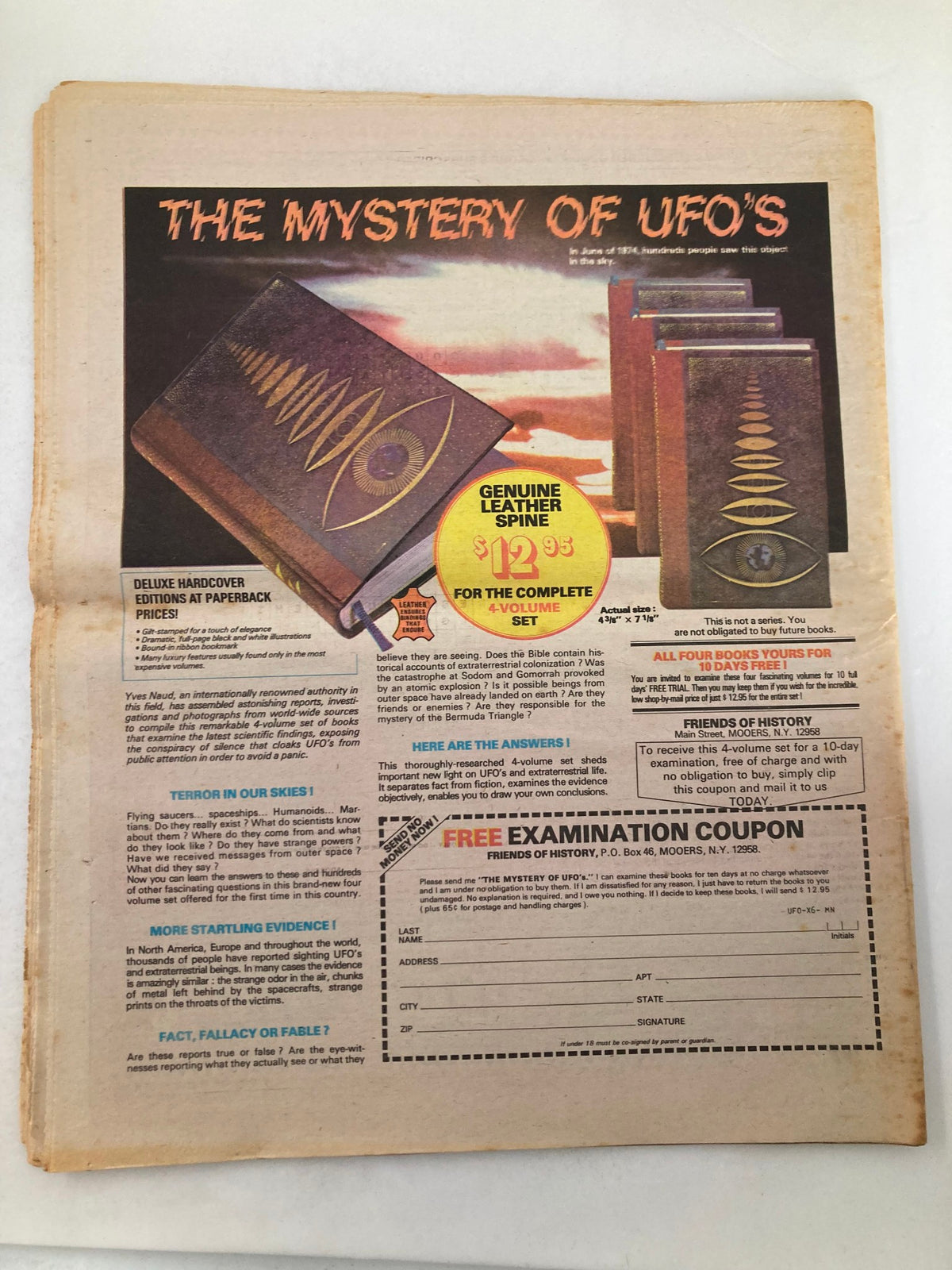
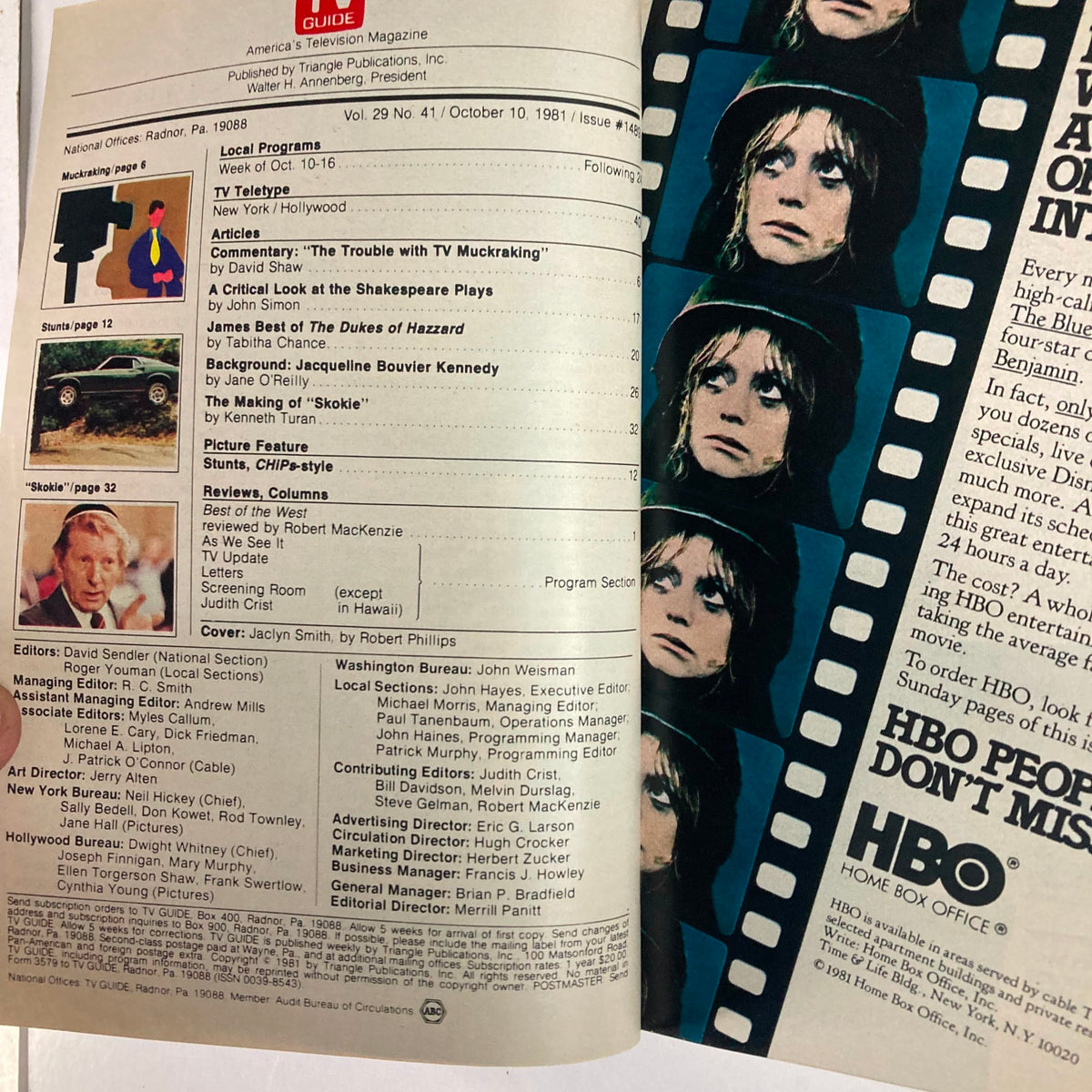
To hold one of these magazines is to hold a specific, unrepeatable moment in time — the paper stock slightly yellowed at the edges, the ink carrying that faint, distinctive perfume of the pressroom that no digital archive has ever come close to replicating, the surrounding advertisements for Tab cola and Farrah Fawcett shampoo providing an astonishing, immersive window into the full texture of American life in that era. These are not reproductions or commemorations; they are primary sources, witnesses to the precise cultural moment in which Jaclyn Smith became an icon. The covers that once stared out from supermarket checkout lanes are now singular pieces of pop culture history, their value compounded by their scarcity and their absolute authenticity. For collectors of golden-age television memorabilia, 1970s and '80s American fashion history, or pioneering female entrepreneurship narratives, these publications offer not just imagery but context — the full, living world in which this remarkable career unfolded, rendered in print exactly as contemporaries experienced it. Explore the current available inventory below and discover which pieces of that world are waiting to be reclaimed.