📖 About this Collection
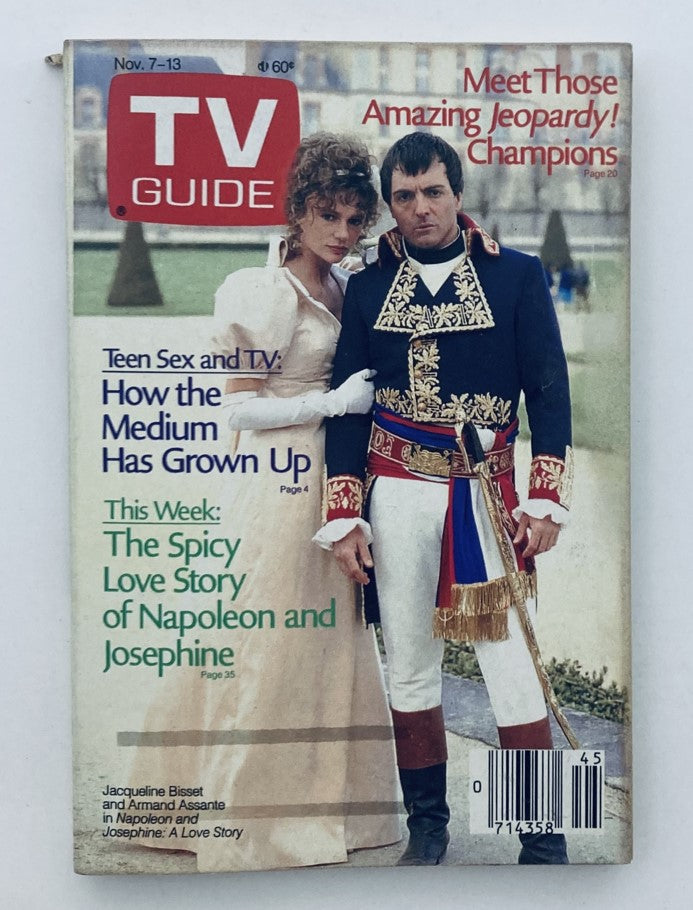
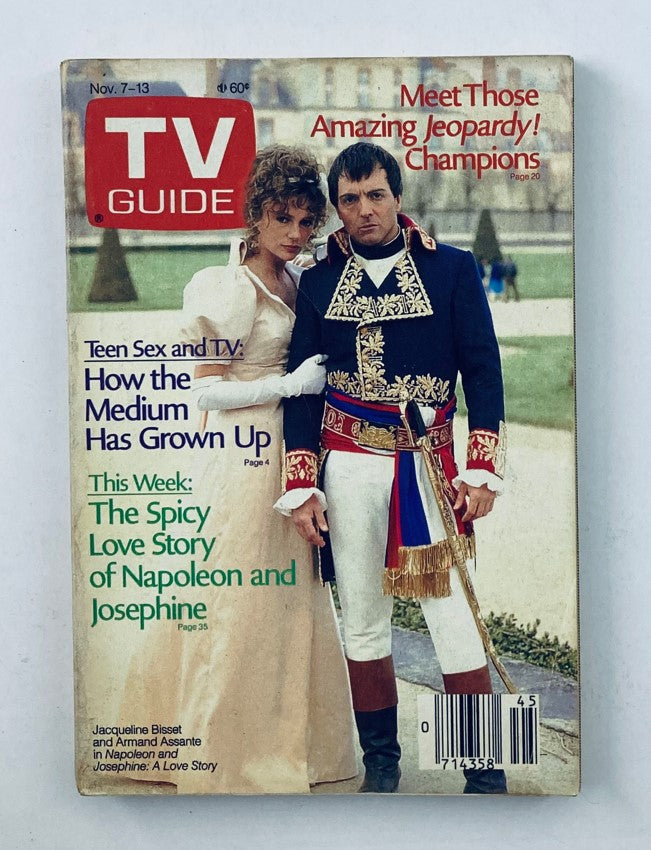
Jacqueline Bisset: The Face That Stopped the World
The Legend & The Legacy
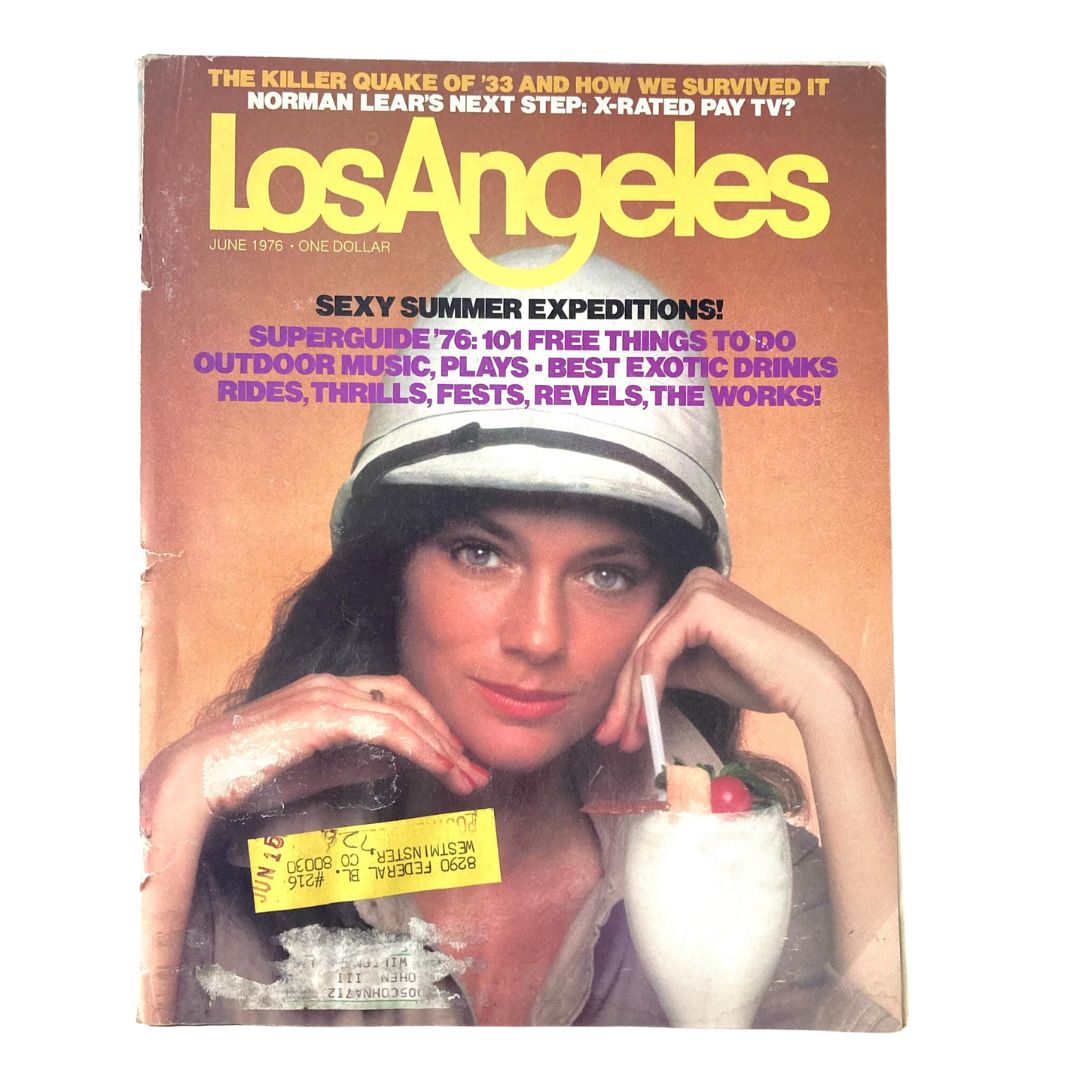
Long before algorithms decided who the world would find beautiful, there was Jacqueline Bisset — a presence so singular that editors competed for the privilege of placing her on their covers. The British-born actress emerged in the late 1960s at the precise cultural moment when cinema was reinventing itself, and the glossy magazine press was its most fervent chronicler. Her arc from supporting roles in Casino Royale and Bullitt to international stardom in films like The Deep and François Truffaut's Day for Night was a story consumed almost entirely through print — through the lush, deliberate pages of magazines that arrived by post, were passed between friends, and were saved in drawers for decades. In an era before entertainment was instantaneous or disposable, her image carried weight. Each photograph was an event. Each profile was a cultural document.
Inside the Archive
The coverage of this luminous actress spanned continents as readily as her career did, and the magazines that chronicled her reflected that international scope. Paris Match, with its sweeping full-bleed photography and its appetite for European glamour, returned to her again and again — particularly as her fluency in French culture and her collaborations with Truffaut made her a figure of genuine Parisian fascination. Vogue, both its American and British editions, treated her as a study in understated elegance, pairing her with the era's most celebrated photographers to produce images that were less fashion editorial than fine portraiture. Photoplay and its Hollywood-adjacent counterparts documented the more accessible side of her stardom, with candid profiles and behind-the-scenes spreads that fed an audience hungry for intimacy with the silver screen's most captivating faces. The photography across all these publications shares a common quality: it is unhurried. These were images made for a medium that rewarded the lingering gaze.
Curator's Checklist: Highlights Often Include
- Late 1960s breakthrough coverage — early features and pictorials timed to her rising visibility in international productions, capturing the precise moment the world began to take notice of a remarkable new talent
- The Bullitt and The Deep era spreads — among the most sought-after by collectors, these issues documented the films that made her a household name on multiple continents, often with on-set photography of remarkable quality
- European and French-language publications — issues of Paris Match, Elle (France), and Jours de France that reflect her deep cultural currency abroad, frequently with editorial voices and visual aesthetics distinct from their American counterparts
- 1970s "New Hollywood" profiles — longer-form interview features from this era offer a rare window into the industry at its most creatively turbulent, with her perspective as both insider and international observer
- Awards season and festival coverage — appearances at Cannes and other international film festivals generated some of the most beautifully composed magazine photography of the period, documented across both trade and consumer publications
The Collector's Value
To hold one of these issues is to understand something that no digital archive can replicate. The paper stock of a 1970s Vogue has a particular heft — slightly waxy to the touch, cool and smooth in a way that modern printing simply does not reproduce. The ink carries that faint, distinctive perfume of the offset press, inseparable now from the sensation of a specific decade. And surrounding the editorial content is the full context of the era: the perfume advertisements with their swirling Art Nouveau typography, the airline promotions promising an impossibly glamorous jet age, the film studio spreads for pictures long since consigned to repertory cinema. These are not merely magazines; they are time capsules, and the subject at their center is both the reason they were preserved and the key to unlocking everything else on the page. For collectors of vintage Hollywood memorabilia, mid-century European cinema, or classic fashion and beauty photography, these publications offer an irreplaceable primary source — tangible proof of a cultural moment that no streaming service can restore. Browse the current available inventory below and discover what the archive holds today.