📖 About this Collection
James Brown: The Hardest Working Man in Print
The Legend & The Legacy
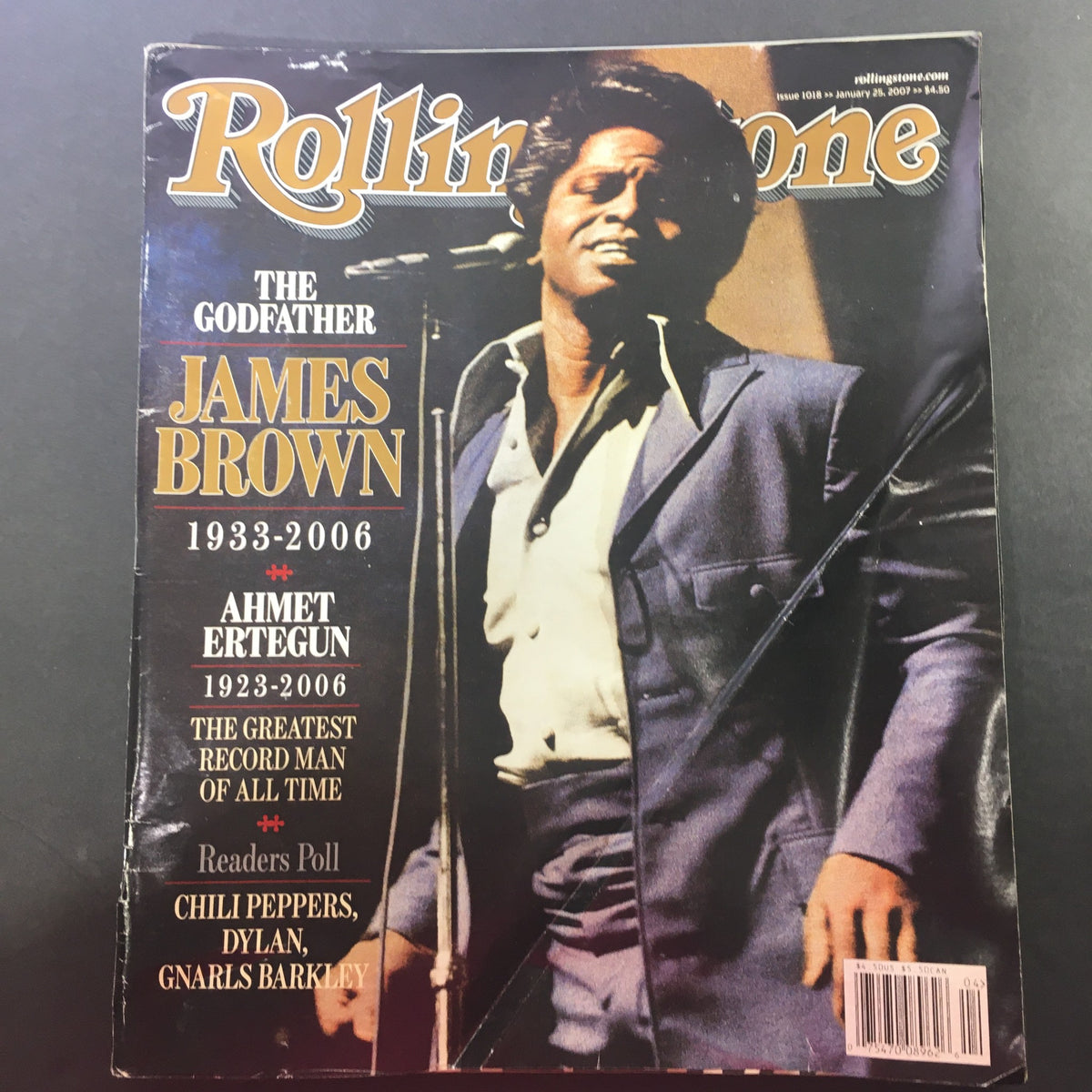
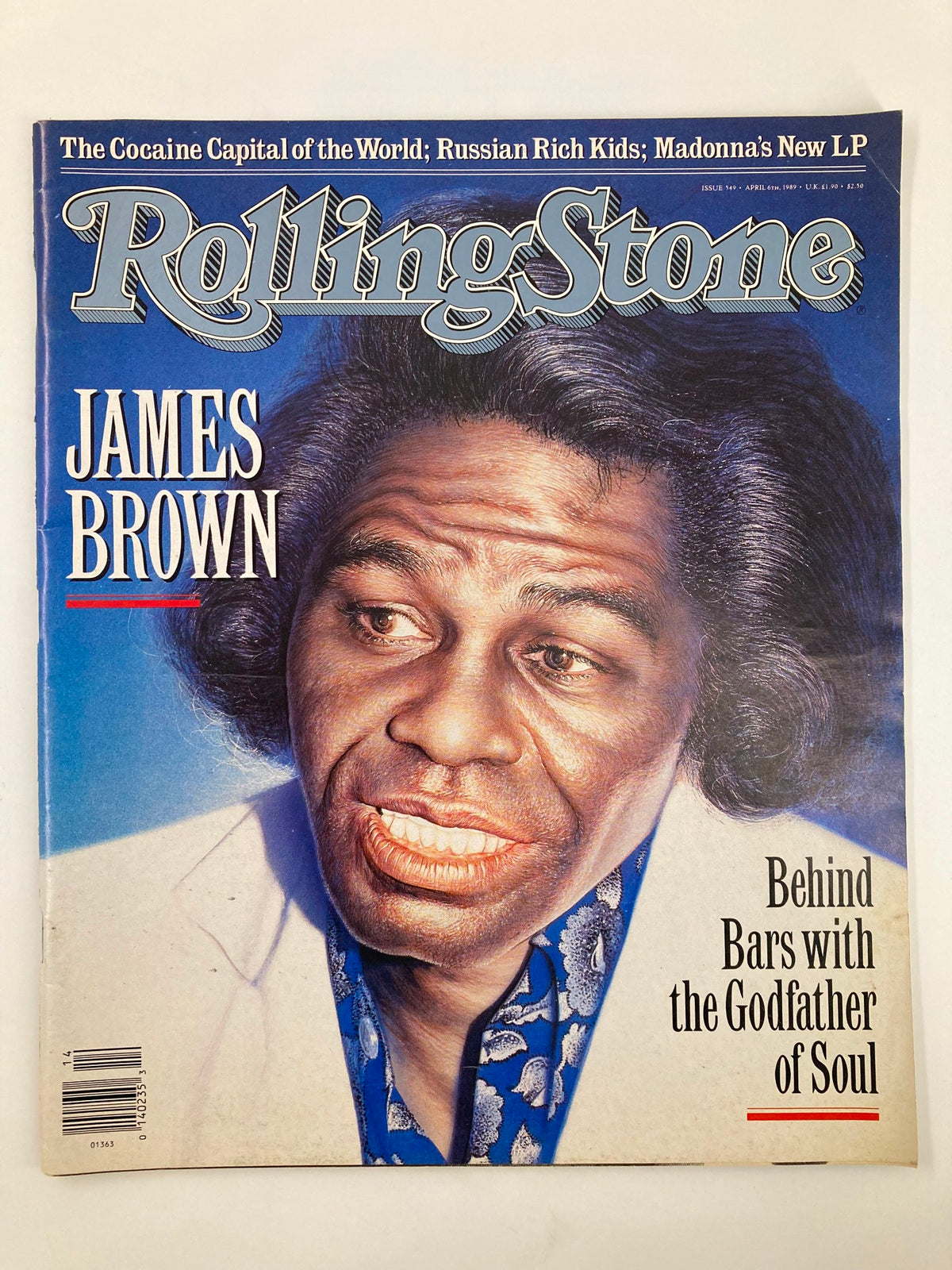
Before streaming platforms, before algorithmically curated playlists, before the internet could flatten a cultural earthquake into a trending topic, James Brown had to be experienced — and for millions of people around the world, that experience arrived folded between the pages of a magazine. From his electrifying rise out of Macon, Georgia in the late 1950s through his coronation as the undisputed Godfather of Soul, the man born James Joseph Brown Jr. became one of the most documented, debated, and celebrated figures in the entire history of popular music. His influence did not merely touch rhythm and blues — it rewired funk, ignited hip-hop, shaped African American cultural identity, and sent shockwaves through the civil rights era with anthems that became rallying cries. In an age when print media was the primary lens through which the public made sense of its icons, the Hardest Working Man in Show Business generated an almost inexhaustible appetite for coverage. Every arena-shaking performance, every political statement, every reinvention demanded ink, photography, and editorial commentary at scale.
Inside the Archive
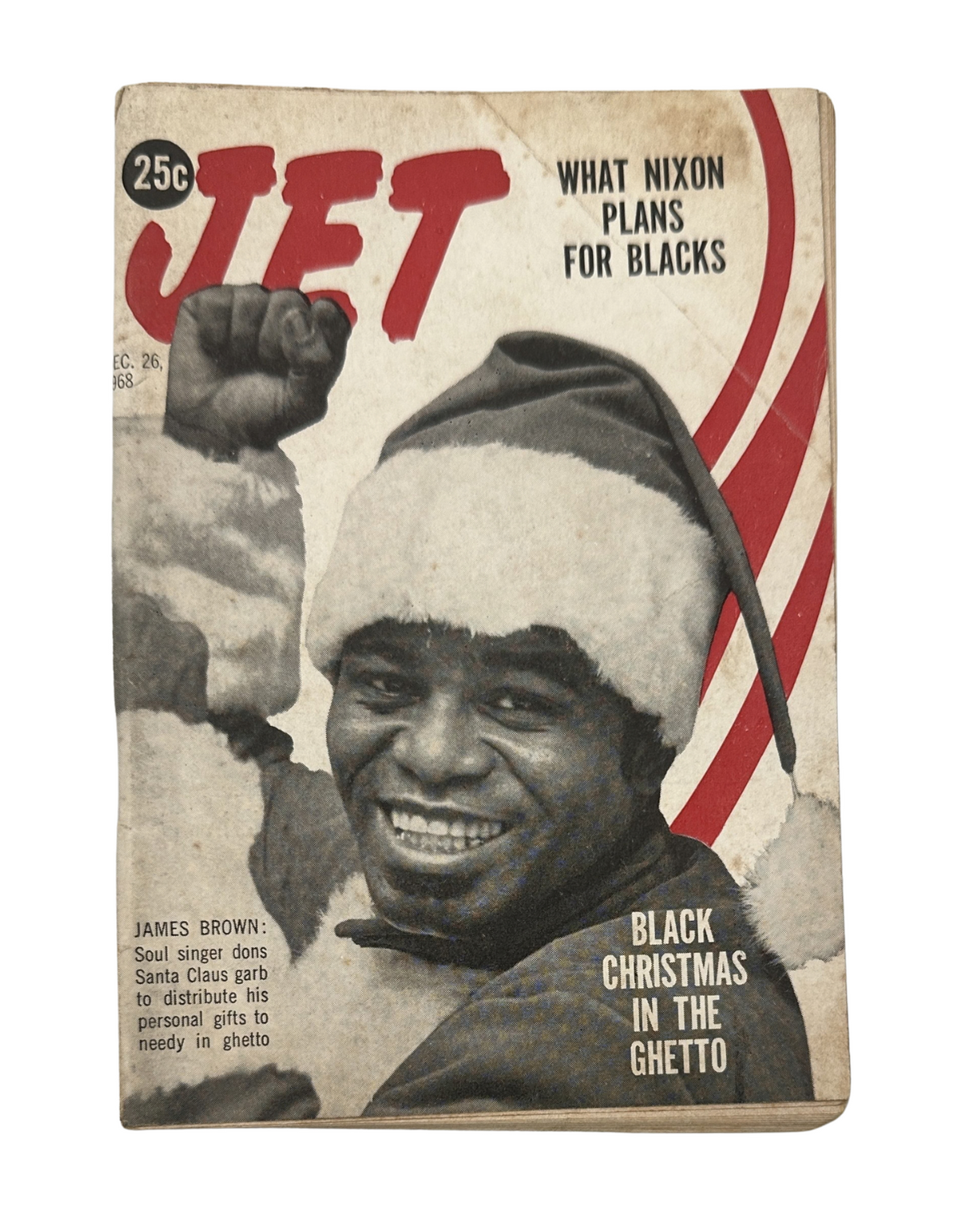
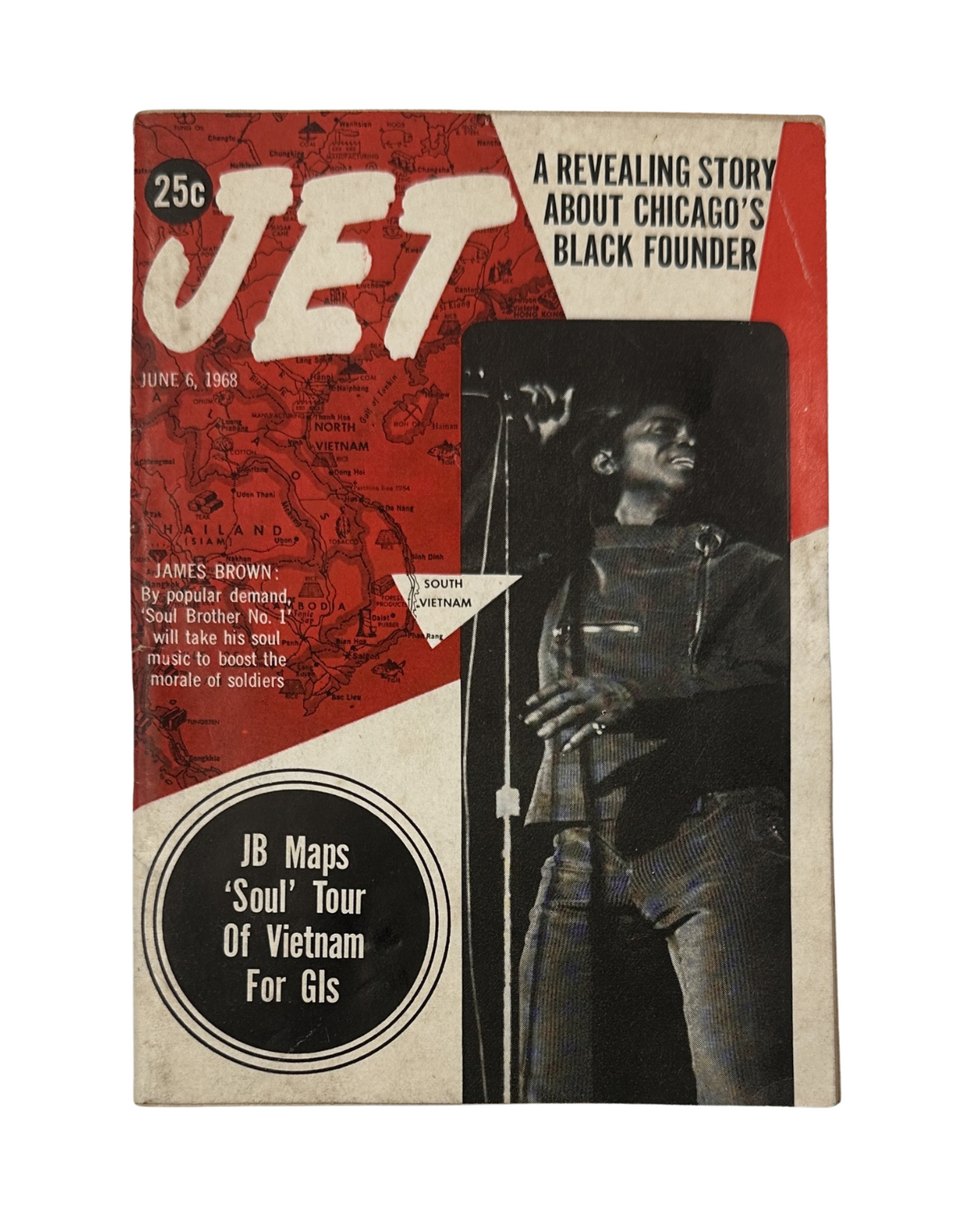
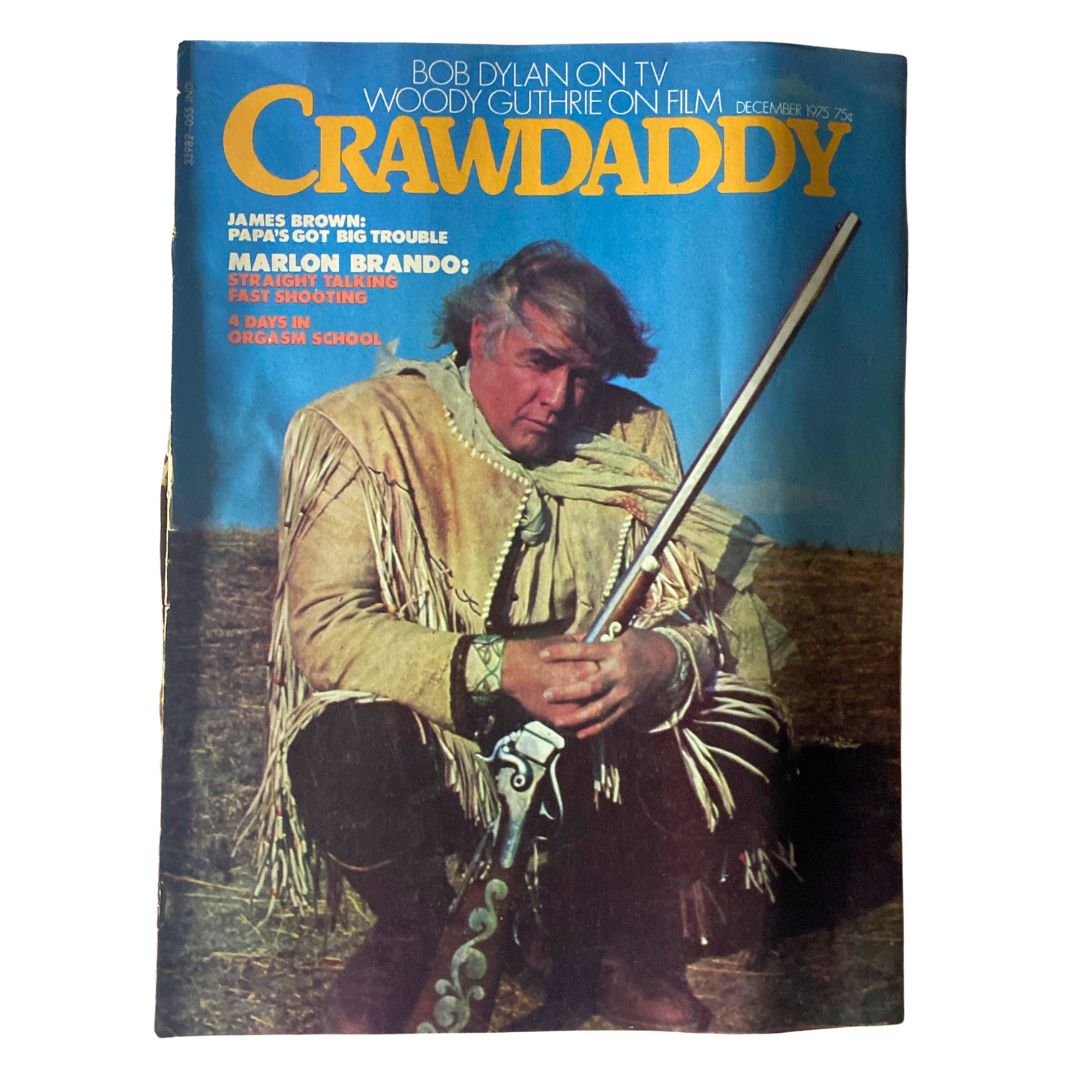
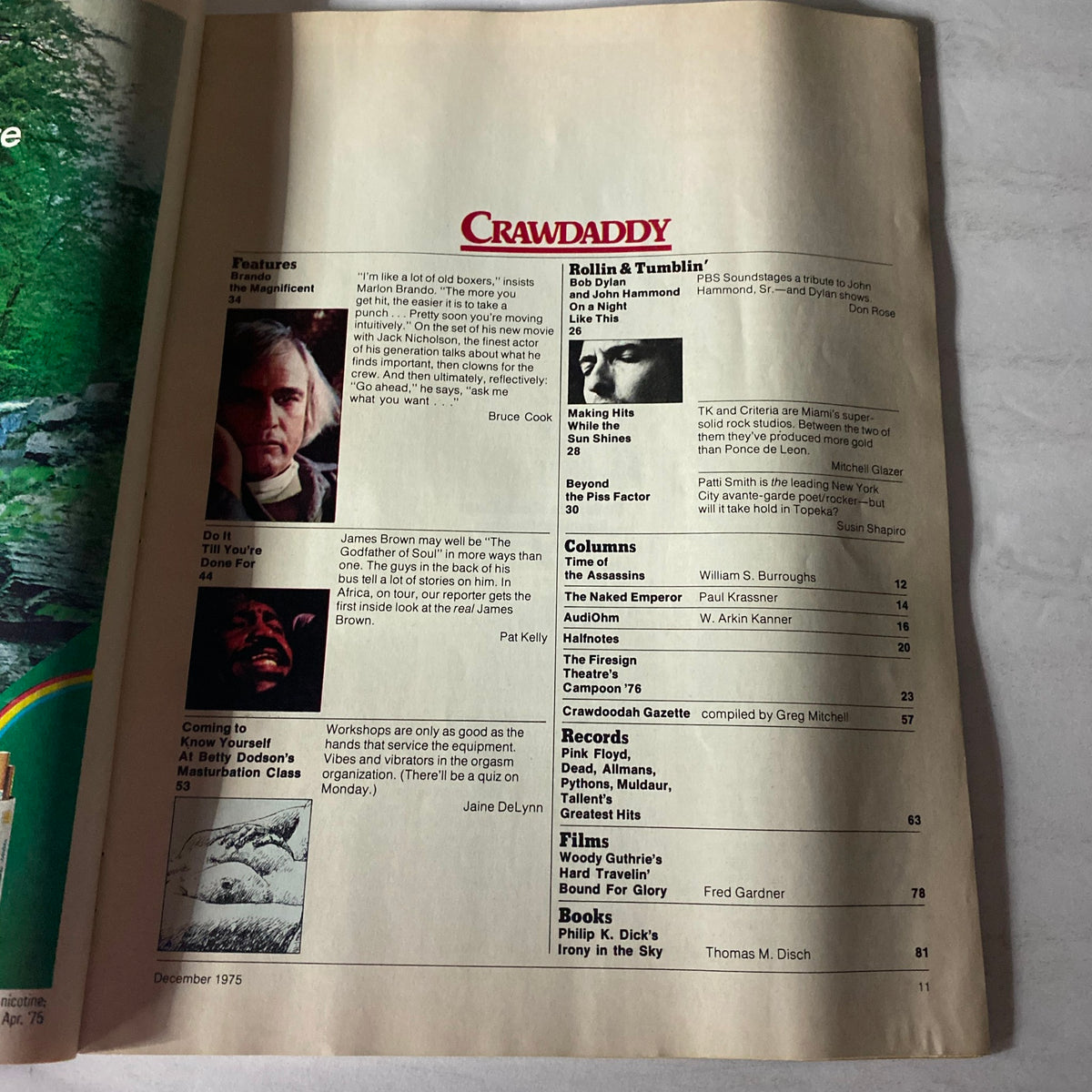
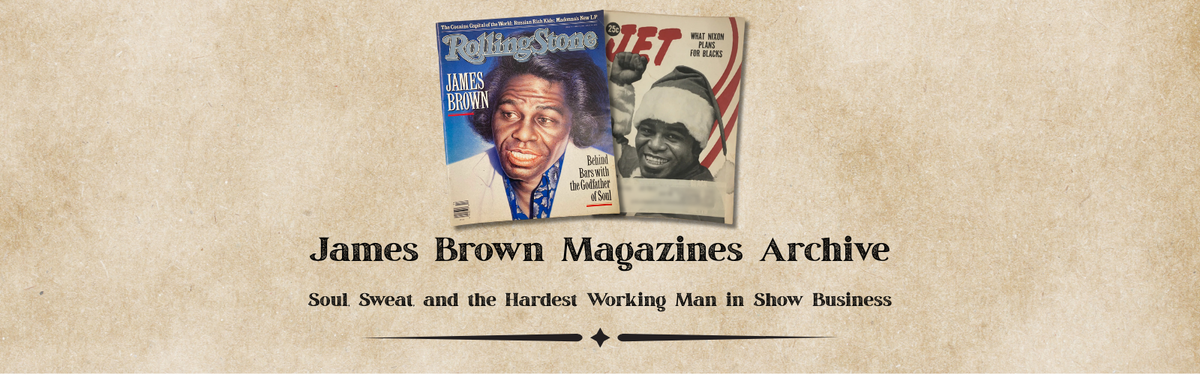
Vintage magazines captured the Godfather of Soul with an intimacy and visual ambition that television rarely matched. Ebony and its sister publication Jet were among the most essential chroniclers of his career — treating him not merely as an entertainer but as a symbol of Black excellence, economic independence, and cultural power, running full-color features that examined both his stagecraft and his broader social significance. Rolling Stone, emerging in the late 1960s as the authoritative voice of popular music culture, profiled him as a living institution, grappling seriously with his artistry, his contradictions, and his seismic influence on a generation of musicians. Meanwhile, Billboard documented his chart dominance with the reverence of a ledger recording history. The photography across these publications ranges from sweat-drenched, mid-performance shots — capes mid-fall, microphone cords coiled at his feet — to composed studio portraits that reveal a man acutely conscious of his own iconography. The editorial tone shifted decade by decade: breathless admiration in the 1960s, analytical scrutiny through the 1970s, and something approaching reverence by the time the world began fully comprehending what he had built.
Curator's Checklist: Highlights Often Include
- Civil Rights Era Features (mid-1960s): Coverage connecting his music — particularly Say It Loud – I'm Black and I'm Proud — to the broader movement for racial equality, including editorial responses from both the Black press and mainstream white publications navigating the song's bold declaration
- Performance Photography Spreads: Full-page and double-page photographic features capturing his legendary stage presence, the Famous Flames, and the theatrical ritual of the cape routine that became one of the most iconic images in live performance history
- Crossover Mainstream Profiles (late 1960s–1970s): Coverage from mainstream American and international music press as funk eclipsed soul, documenting his transition from R&B chart king to the architect of an entirely new genre
- International & Niche Music Press: European publications — particularly from the UK's influential music weeklies such as NME and Melody Maker — which tracked his enormous overseas following and his status as an ambassador of American Black music on the world stage
- Later Career Reassessments (1980s–1990s): Features reassessing his legacy as hip-hop producers began sampling his recordings with extraordinary frequency, effectively crowning him the most sampled artist in history and prompting a new generation of editorial coverage to re-examine the full arc of his genius
The Collector's Value
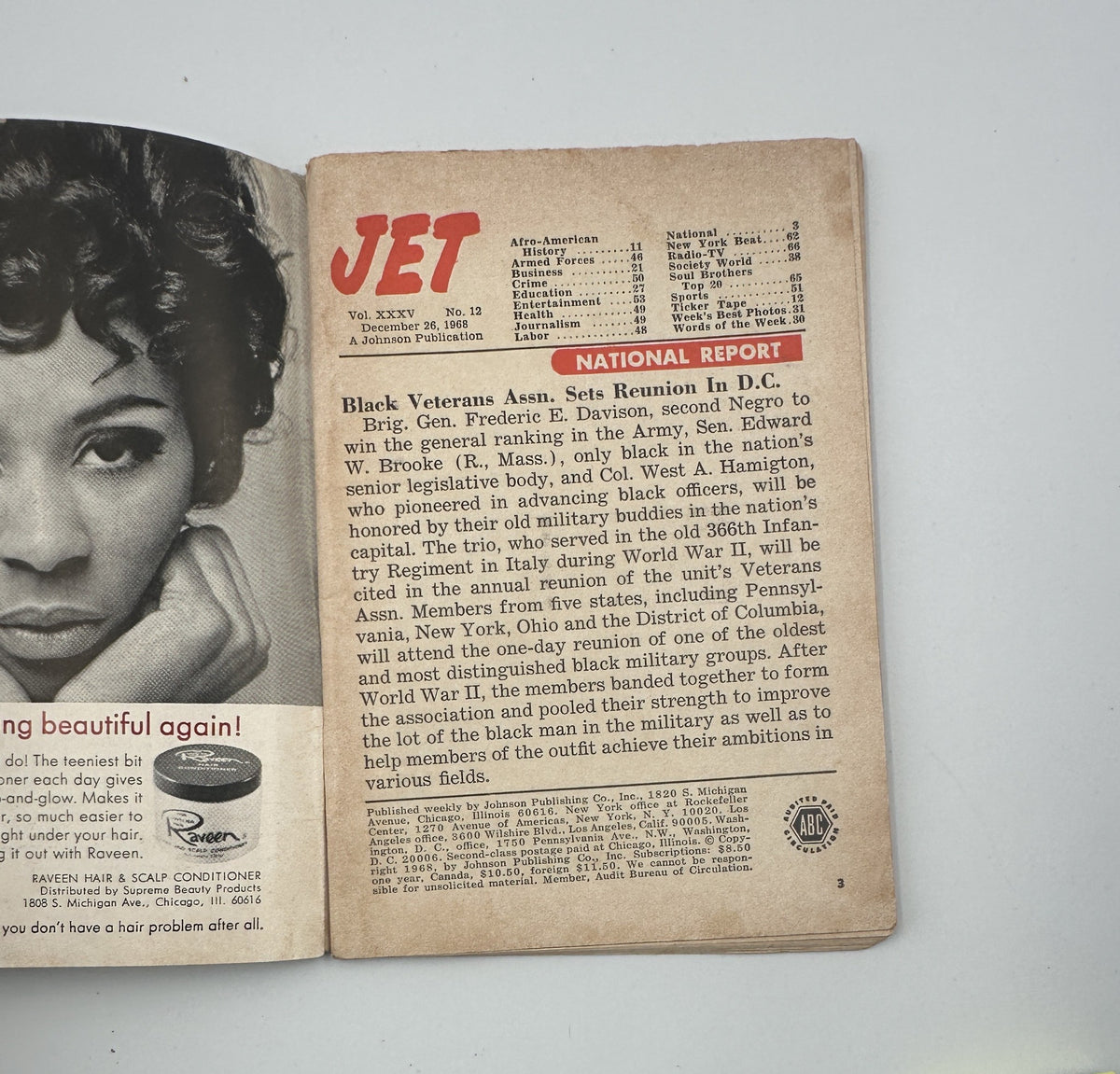
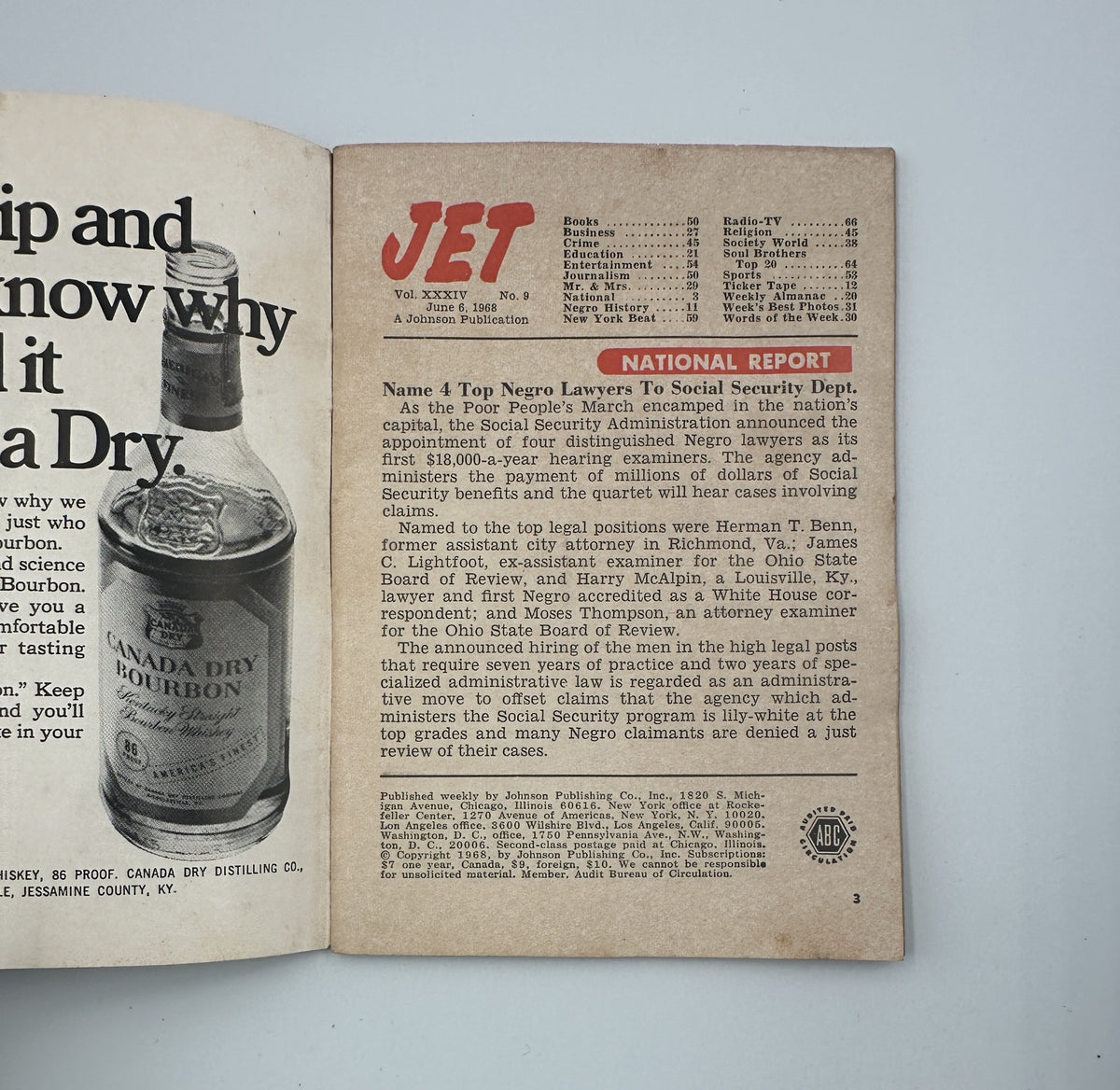
There is something irreplaceable about holding a vintage magazine that once carried his name on its pages — the slight give of aged newsprint or glossy stock beneath your fingertips, the faint mineral scent of decades-old ink, the visual texture of period advertisements for Cadillacs and hair products and whiskey that place you, unmistakably, inside the exact cultural moment the editors were recording. These are not reprints or digital scans; they are primary sources — artifacts that were present as history happened, sold at newsstands in the same weeks the Godfather of Soul was making headlines, purchased by readers who had no idea they were holding tomorrow's collectibles. For collectors of vintage music memorabilia, African American cultural history, or mid-century print and graphic design, these publications offer something no biography or documentary can replicate: the unmediated voice of an era speaking about its own icon in real time, surrounded by all the visual and commercial context that shaped how that icon was understood. Explore the current available inventory below and find the piece of history that belongs in your collection.