📖 About this Collection
James Dean: The Rebel Who Burned Brightest
The Legend & The Legacy
He lived only 24 years, yet James Dean carved a wound into American consciousness that has never healed. In three films—East of Eden, Rebel Without a Cause, and Giant—he gave voice to an entire generation's inarticulate rage, capturing the restless ache of post-war youth with such searing authenticity that his death in a Porsche 550 Spyder on September 30, 1955, felt less like an accident and more like the inevitable conclusion to a myth written in real time. Dean wasn't just an actor; he was a cultural fissure, the first modern teenager, the patron saint of beautiful outsiders. His legacy endures because he made loneliness look heroic, rebellion look poetic, and vulnerability look like strength.
Inside the Archive
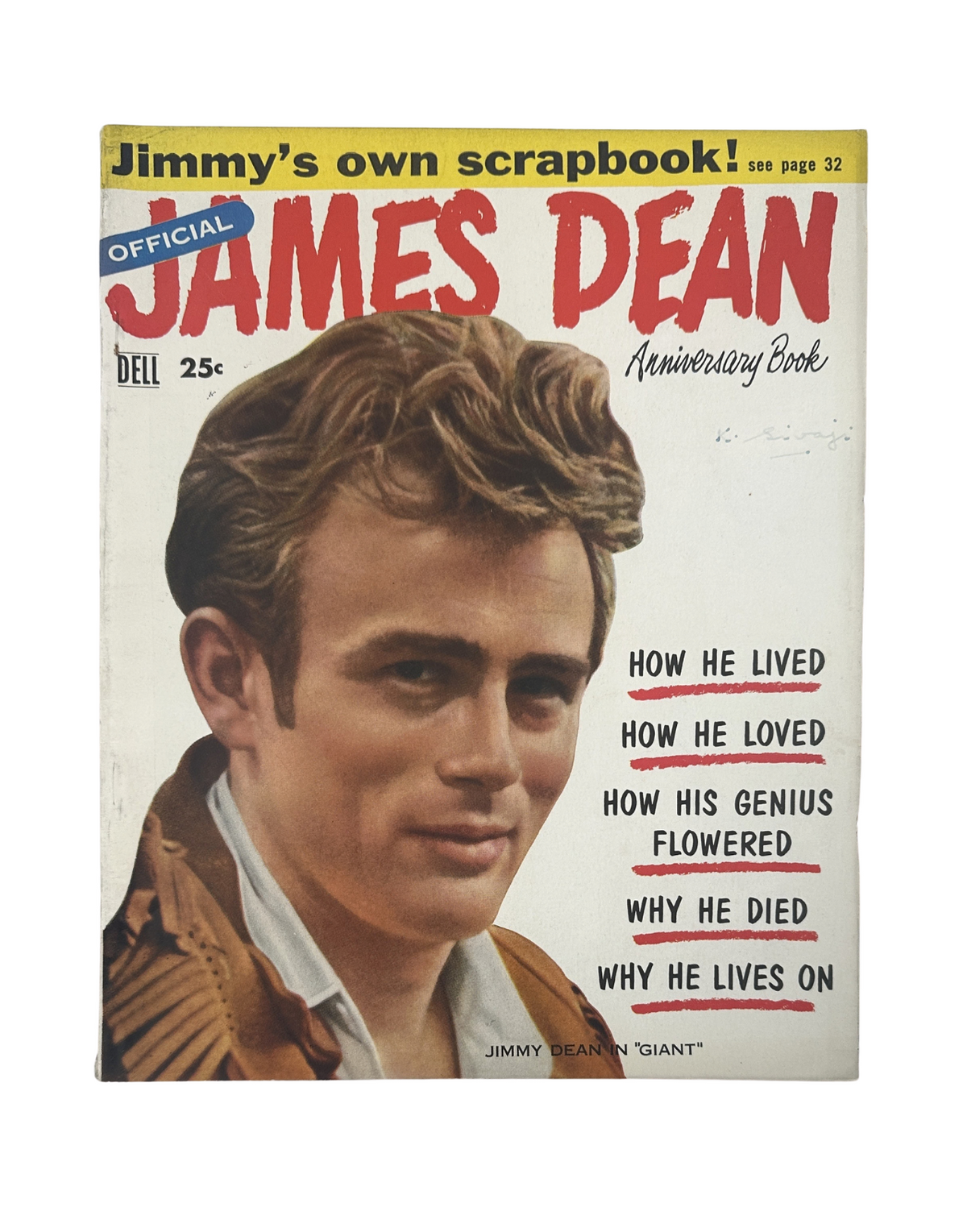
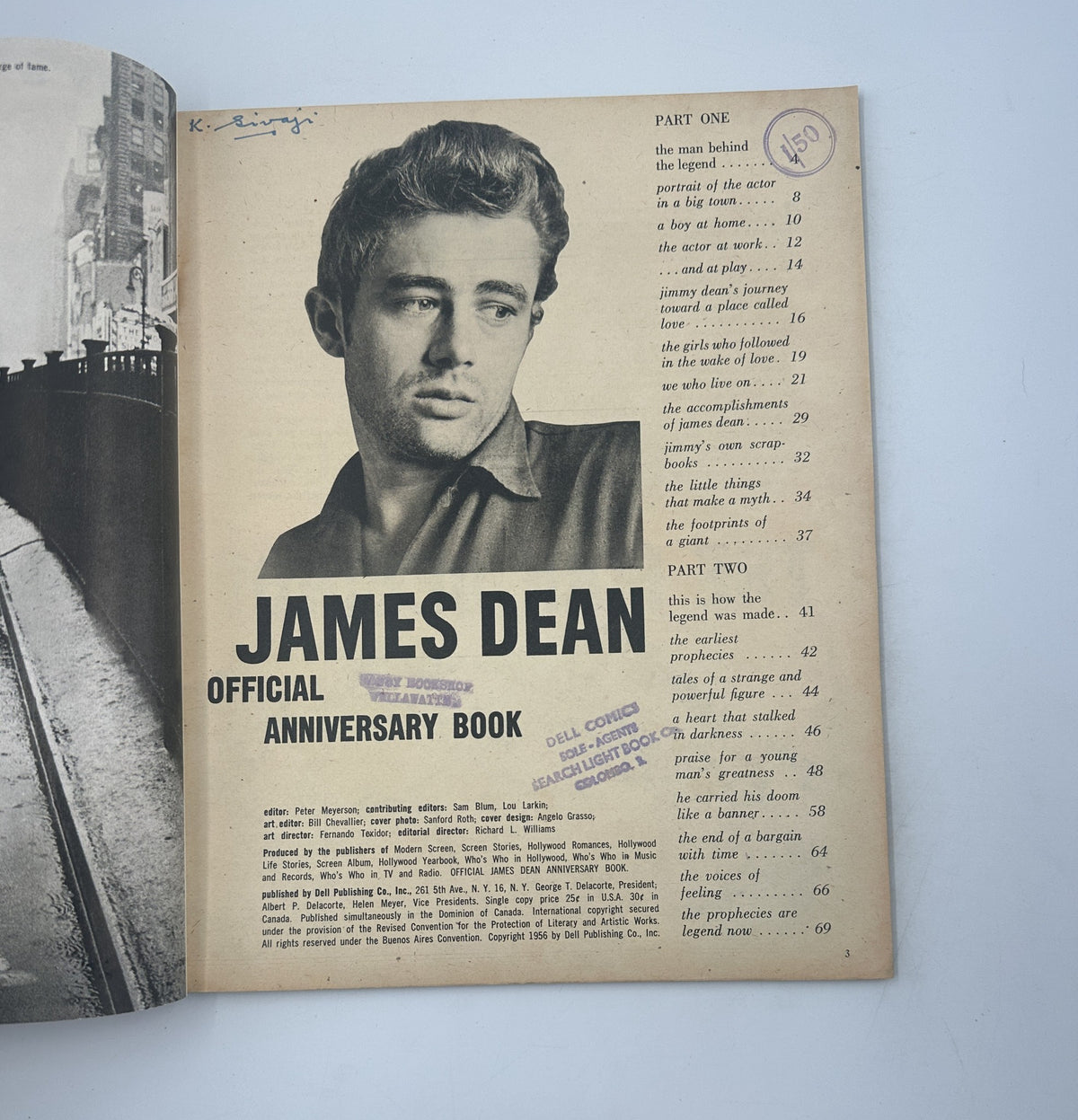
The magazines that documented Dean's brief supernova rarely used color—the black-and-white photography matched the stark emotional terrain he inhabited. Publications like Life, Look, Photoplay, Modern Screen, and Time deployed moody, introspective portraiture that emphasized his brooding intensity: cigarette smoke curling, eyes averted, that signature slouch. The journalism oscillated between breathless fan worship and surprisingly probing interviews where Dean spoke candidly about isolation, the craft of acting, and his discomfort with fame. After his death, memorial editions appeared with haunting speed, their covers draped in elegiac imagery and tributes that read like eulogies for American innocence itself.
Curator's Checklist: Highlights Often Include
- Pre-Crash Coverage: Issues from 1954-1955 documenting his meteoric rise, on-set behavior at Warner Bros., and electric chemistry with co-stars Natalie Wood, Sal Mineo, and Pier Angeli—capturing Dean when he was still a living, breathing enigma rather than a frozen icon.
- Immediate Tributes: Memorial editions published in the weeks following the Cholame crash, featuring raw fan grief, photographic retrospectives, and director testimonials from Elia Kazan and George Stevens that dissect his genius and impossible temperament.
- Youth Rebellion Manifestos: Cultural analysis pieces exploring how Dean's wardrobe—the red windbreaker, white t-shirt, blue jeans—became the uniform of teenage defiance, and how his characters challenged 1950s conformity with unprecedented emotional honesty.
- Behind-the-Curtain Exposés: Rare interviews and candid photography revealing Dean's method acting obsessions, his passion for racing, his insecurities about his Indiana roots, and the loneliness that shadowed his sudden stardom.
- Legacy Retrospectives: Anniversary editions and comparisons with Marlon Brando that examine Dean's lasting influence on everything from film performance to rock-and-roll aesthetics, charting how a handful of roles created an eternal archetype.
The Collector's Value
Original James Dean magazines are time capsules from the moment when Hollywood discovered it could package angst, when celebrity journalism learned to excavate interior lives, and when a generation recognized itself in one haunted face. These issues appreciate not just as memorabilia but as primary sources documenting the birth of modern youth culture and the tragic cost of burning too bright. Owning one means holding evidence of the exact instant when an actor became mythology. Explore our current inventory below to discover which chapter of Dean's immortal rebellion is available today.