📖 About this Collection
Jane Curtin: The Quiet Revolutionary Who Changed Saturday Night Forever
The Legend & The Legacy
Before the age of algorithmic fame and internet virality, comedy was built in real time — on a single live stage, broadcast into millions of living rooms at once, with no safety net and no second take. Jane Curtin stepped into that unforgiving arena as one of the original cast members of Saturday Night Live in 1975 and, with almost defiant composure, became one of its most enduring pillars. While the show's anarchic spirit was often personified by louder, more volatile personalities, Curtin's gift was precision — a razor wit delivered with the poise of a news anchor and the timing of a Swiss watch. Her "Weekend Update" desk became a cultural landmark, and her deadpan rejoinders to Dan Aykroyd's gleeful provocations — "Jane, you ignorant slut" — entered the American vernacular as a shorthand for a new kind of comedic sparring between the sexes. Later, her starring role in Kate & Allie (1984–1989) brought her into the heart of primetime, earning back-to-back Emmy Awards and cementing her status as a legitimate dramatic and comedic force. In an era when women in comedy were expected to be supporting players, she was quietly, unmistakably, a lead.
Inside the Archive
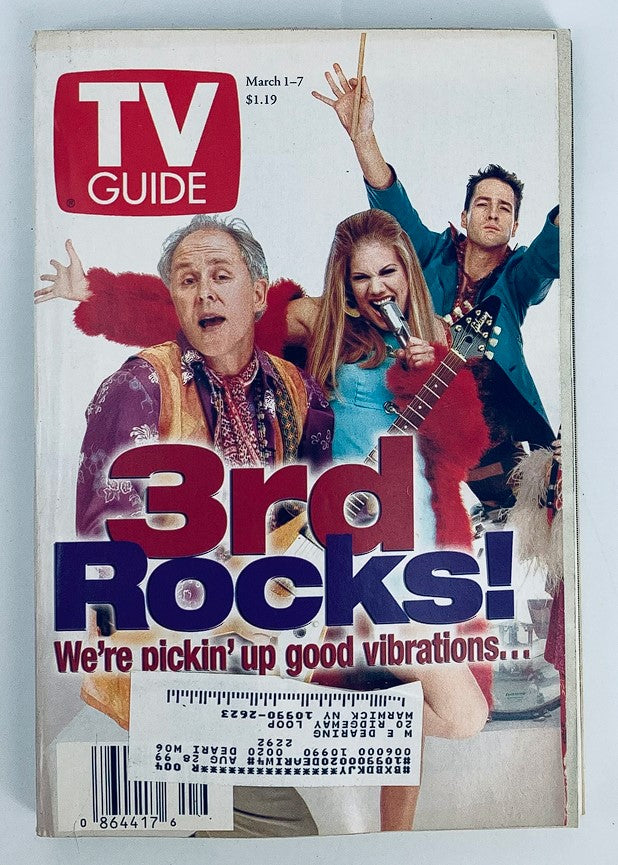
The print media of the late 1970s and 1980s was both fascinated by and slightly uncertain about what to do with Jane Curtin. She defied the easy headline — she was not scandalous, not fragile, not easily mythologized — and so the magazines that covered her best were the ones that knew how to reward careful attention. People magazine returned to her repeatedly throughout her SNL and Kate & Allie years, running warm, candid profiles that contrasted her composed on-screen persona with glimpses of domestic life and dry, self-aware humor. TV Guide, the indispensable bible of American broadcast culture, featured her in the context of the television landscape she was reshaping, examining what her particular brand of intelligent, understated comedy meant for the medium. Meanwhile, broader cultural publications like Rolling Stone — which treated SNL as a cultural phenomenon worthy of serious journalistic scrutiny — captured her within the larger portrait of a show that was rewriting the rules of American entertainment. Photographically, she was typically rendered in a style befitting her persona: polished but approachable, lit with the warm editorial grain of the era, often in ensemble shots that nonetheless allowed her quiet authority to register clearly.
Curator's Checklist: Highlights Often Include
- Early SNL ensemble coverage (1975–1980): Feature spreads and cast profiles from the landmark first seasons, capturing the original Not Ready for Prime Time Players at the dawn of a comedy revolution — with Curtin often anchoring the group's more grounded, professional center.
- "Weekend Update" era retrospectives and profiles: Pieces examining the cultural weight of the faux-news desk format and her role in shaping it, including coverage of her on-screen chemistry and comedic rivalry with co-anchors.
- Emmy and awards season coverage (1984–1985): Following her back-to-back Emmy wins for Kate & Allie, entertainment magazines frequently ran celebratory profiles recognizing her transition from sketch comedy star to primetime dramatic presence.
- Women in television features: Broader editorial pieces from the mid-1980s that positioned her alongside contemporaries in discussions of how women were redefining leading roles in American sitcoms and live television.
- Primetime Kate & Allie promotional and mid-run coverage: TV-focused publications regularly featured cast interviews, set photography, and ratings analyses tied to one of CBS's most beloved comedies of the decade.
The Collector's Value
There is something irreplaceable about holding a copy of People or TV Guide from 1978 — the slight brittleness of the newsprint, the faintly sweet, oxidized scent of decades-old ink, the surrounding advertisements for products and lifestyles that feel like dispatches from another civilization entirely. These are not reprints or digital facsimiles; they are primary documents, pressed and bound at the very moment history was being made. A vintage magazine featuring Jane Curtin is a portal back to the television's golden adolescence, to a New York still raw and electric, to a cultural moment when a woman could walk onto a live stage every Saturday night and quietly, methodically dismantle every assumption about who got to be funny and how. For collectors of classic television memorabilia, feminist media history, or the golden age of American sketch comedy, these publications offer something no streaming service or Wikipedia entry can replicate — the texture and testimony of an era as it actually felt to live through it. Browse the current inventory below and discover which pieces of that irreplaceable era are available today.