📖 About this Collection
Jane Pauley: The Voice America Trusted at Breakfast
The Legend & The Legacy
Long before the algorithm curated your morning news and before the scroll replaced the broadcast, tens of millions of Americans began their days with Jane Pauley. As co-host of NBC's Today show from 1976 to 1989, she became one of the most recognized and trusted faces in American living rooms — a constant, composed presence through presidential elections, national tragedies, and the quiet revolutions of everyday life. She arrived at Today at just 25 years old, youthful and Midwestern in her earnestness, and she stayed long enough to become an institution. Her tenure coincided with a seismic shift in how Americans related to television journalists: no longer distant anchormen behind mahogany desks, but warm, familiar personalities who sat across from the powerful and the grieving alike, asking the questions the public wished they could ask themselves. When she later anchored Dateline NBC and, decades on, returned to anchor the CBS Sunday Morning broadcast, it only deepened what was already a rare bond between broadcaster and audience — one forged entirely in the analog era, through the shared rituals of print and broadcast media.
Inside the Archive
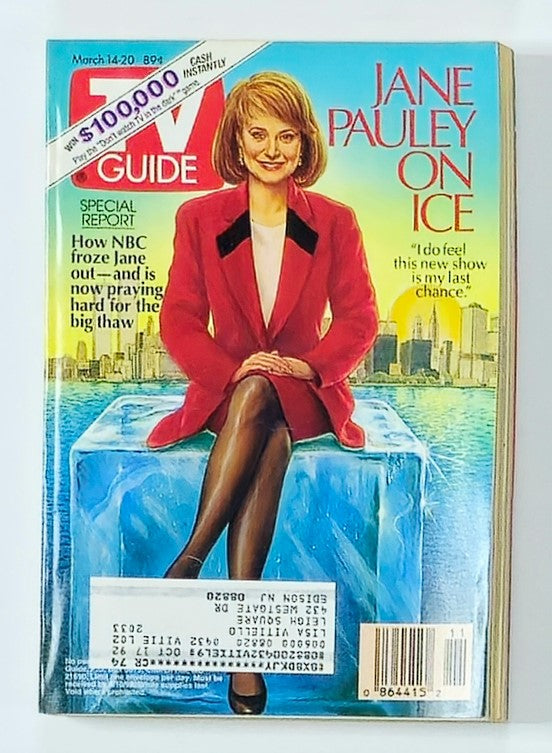
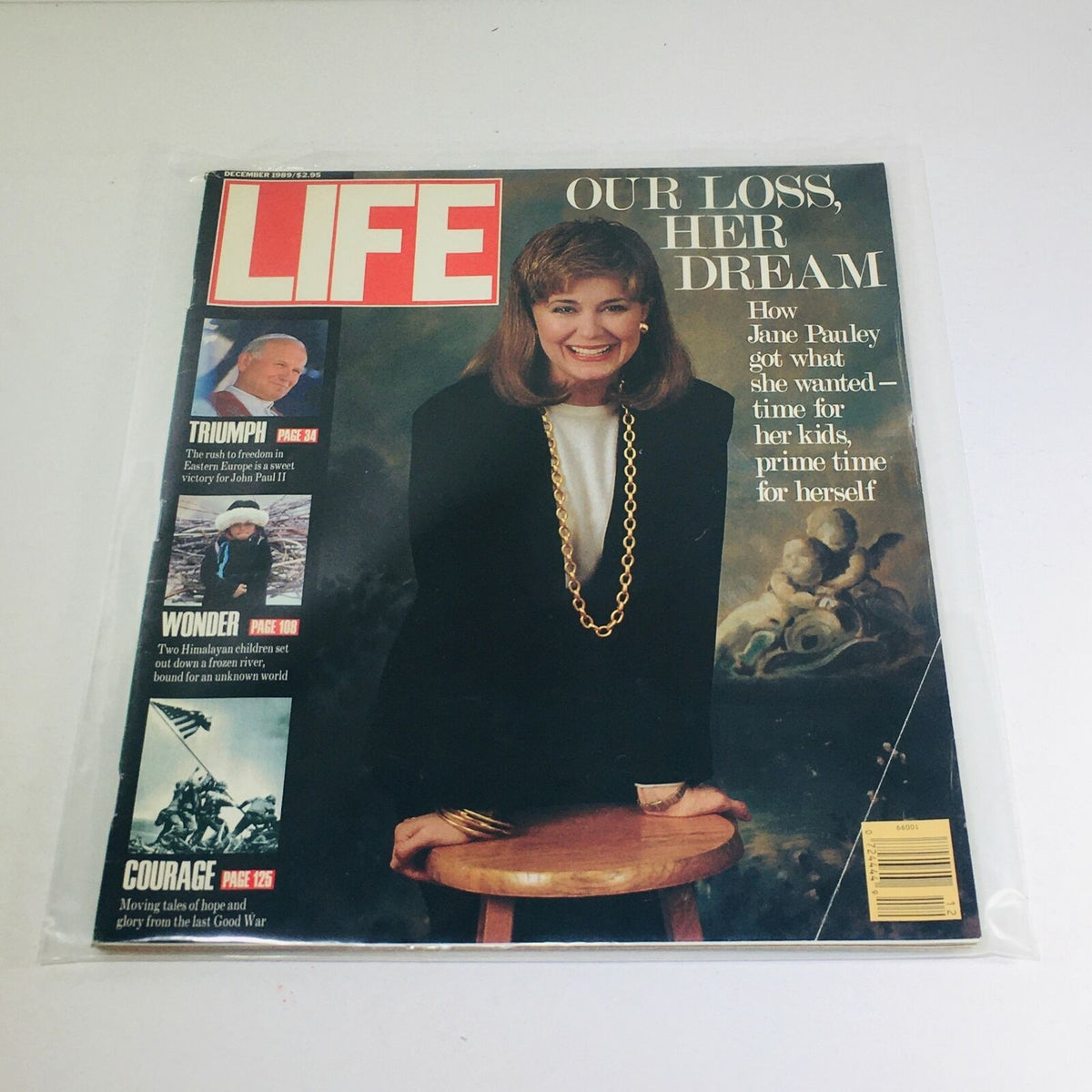
The magazines of the late 1970s and 1980s approached Jane Pauley with a particular editorial fascination: here was a woman who had broken into one of the most visible seats in American media at a moment when that seat was still being contested by gender. Profile photography from this era tended toward the warmly candid — Pauley photographed in the Today studio mid-laugh, or posed in soft-lit editorial portraits that emphasized her approachability rather than her authority, a telling reflection of how the industry both celebrated and subtly contained its women. People magazine was among the most devoted chroniclers of her public and private life, covering everything from her meteoric rise to her marriage to Doonesbury cartoonist Garry Trudeau and the couple's life raising triplets in the public eye. TV Guide, the indispensable bible of the broadcast era, featured her repeatedly as both cover subject and profile centerpiece, cementing her status as a genuine television star rather than simply a journalist. Broader newsweeklies such as Time and Newsweek engaged with her story in a more sociological register, using her career as a lens through which to examine the evolving role of women in network news — particularly during the turbulent period surrounding her 1989 departure from Today, a moment that sparked a national conversation about age, femininity, and the impossible standards placed on women on camera.
Curator's Checklist: Highlights Often Include
- The Rise at Today — Coverage from the late 1970s documenting her arrival as co-host alongside Tom Brokaw and later Bryant Gumbel, often framed as a new era for morning television and for women in broadcast journalism
- The Pauley–Walters Parallel — Editorial features drawing comparisons between her career trajectory and that of Barbara Walters, situating both women within the broader feminist narrative of the era
- The Garry Trudeau Years — Society and lifestyle coverage of her high-profile marriage to one of America's most celebrated satirists, a pairing that fascinated the cultural press throughout the 1980s
- The 1989 Departure Controversy — A significant moment in media history; newsweeklies and entertainment press covered her exit from Today extensively, with pointed commentary on how Deborah Norville's arrival was perceived as a generational displacement
- The Bipolar Disclosure & Later Career — Features from the early-to-mid 2000s following her candid memoir Skywriting, in which she discussed her bipolar II diagnosis — coverage that ran in health-adjacent publications and general interest magazines with a notably more reflective, intimate editorial tone
The Collector's Value
To hold one of these original issues is to hold a artifact of American media culture at a precise and unrepeatable moment — the paper slightly yellowed at the margins, the ink carrying that distinctive mid-century offset press fragrance, the surrounding advertisements a vivid time capsule of the cars, perfumes, and aspirations of their decade. These are not reprints or digital facsimiles; they are primary documents, handled by real readers in real homes, that captured a still-young woman becoming one of the defining voices of her generation. The editorial photography alone — reproduced with the warmth and grain that only period print stock can render — offers something no screen can replicate. For collectors of broadcast history and television memorabilia, feminist media history, or 1980s American cultural ephemera, these publications offer an irreplaceable window into the era when network morning television held the nation's full attention, and when one woman from Indianapolis quietly claimed her place at its center. Browse the current available inventory below, and discover which pieces of that history are waiting to find a new home.