📖 About this Collection
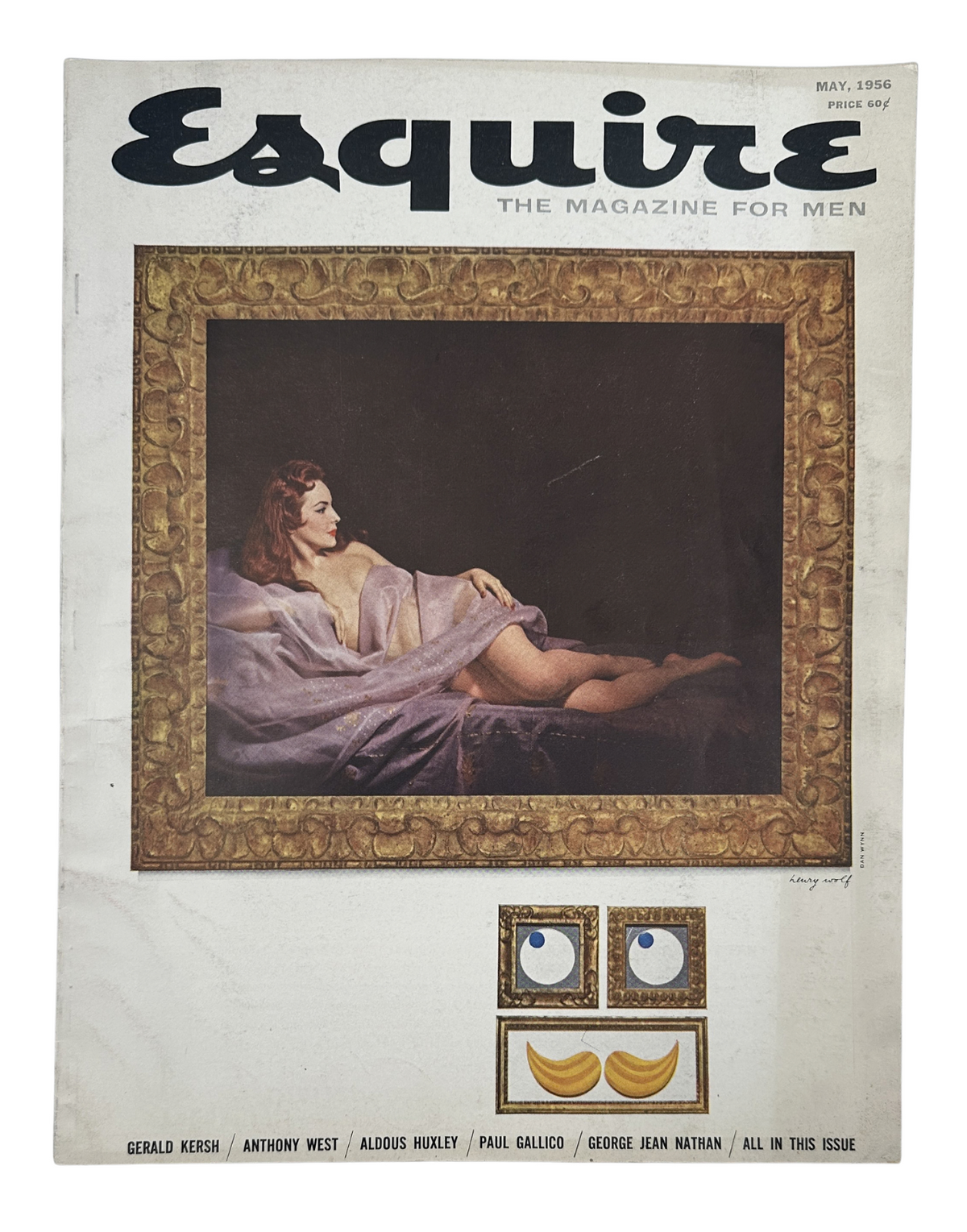
Jane Russell: Lips Red as Danger, Eyes That Never Apologized
The Legend & The Legacy
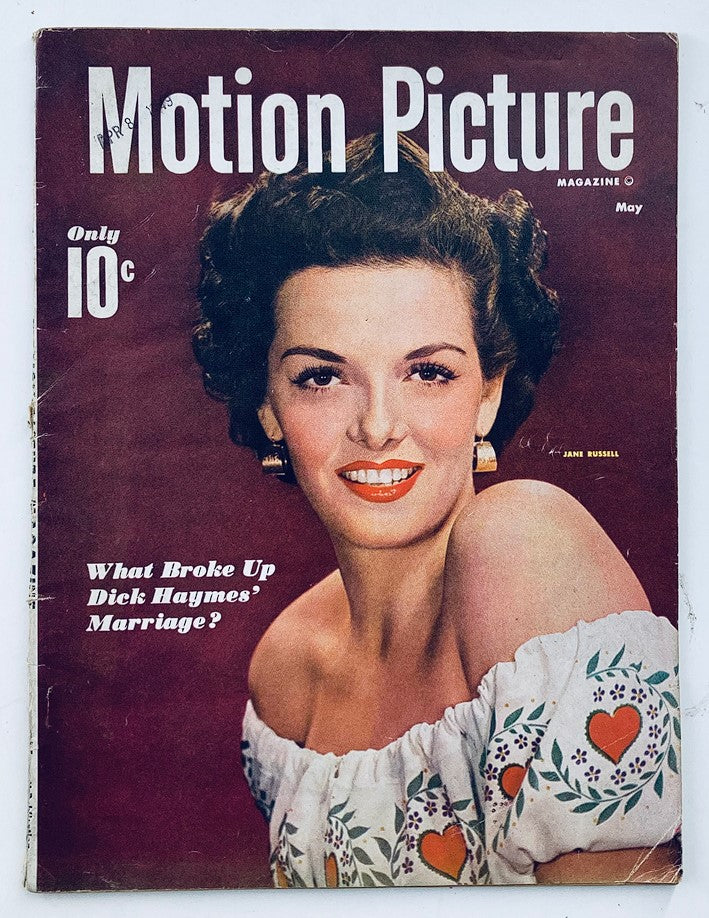
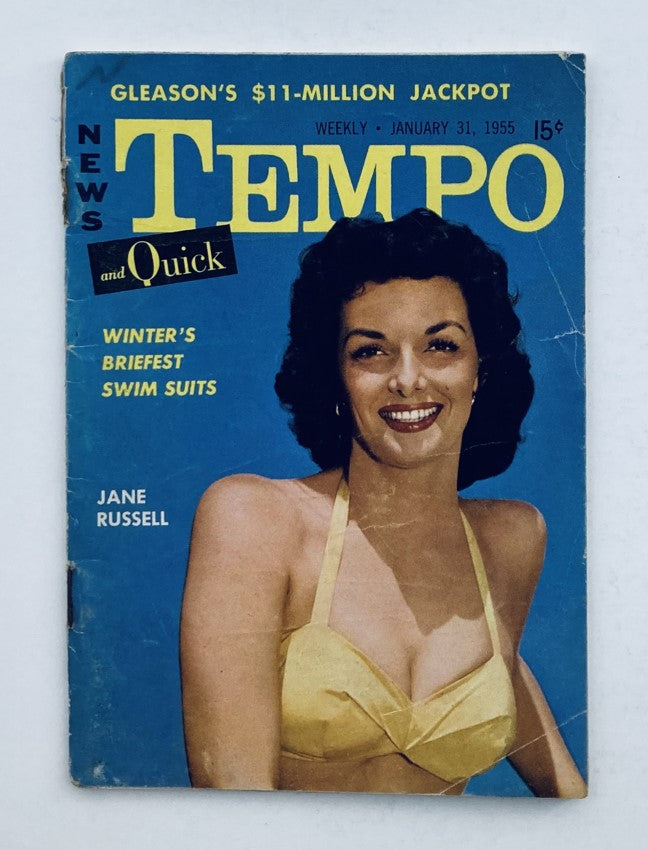
Long before the internet could flatten an icon into a trending topic, Jane Russell arrived in American living rooms through the printed page — and the country was never quite the same. When Howard Hughes cast the Missouri-born brunette in The Outlaw in 1943, the resulting censorship battles generated years of breathless magazine coverage, making her one of the most-discussed women in print before most audiences had even seen the film. She was Hollywood's great paradox: a deeply religious woman weaponized by a studio system hungry for sensation, a sharp-witted actress perpetually overshadowed by her own mythology. Throughout the late 1940s and into the 1960s, newsstand readers tracked her every move — her performances opposite Bob Hope and Marilyn Monroe, her passionate advocacy for international adoption, her frankly glamorous defiance of the censors who tried to suppress her. In an era when a magazine cover was the closest most people would ever get to a star, she was a fixture — commanding, warm, and utterly impossible to ignore.
Inside the Archive
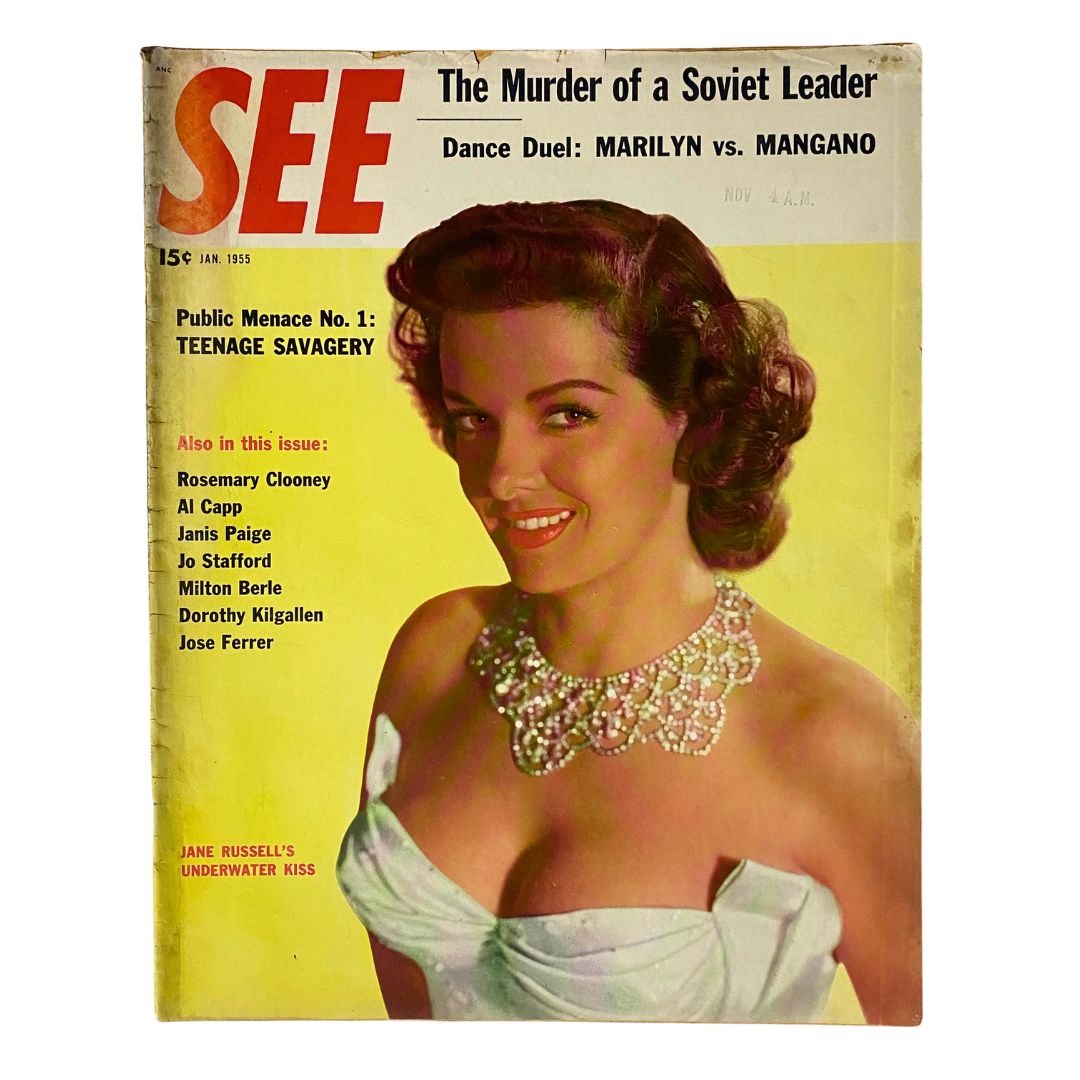
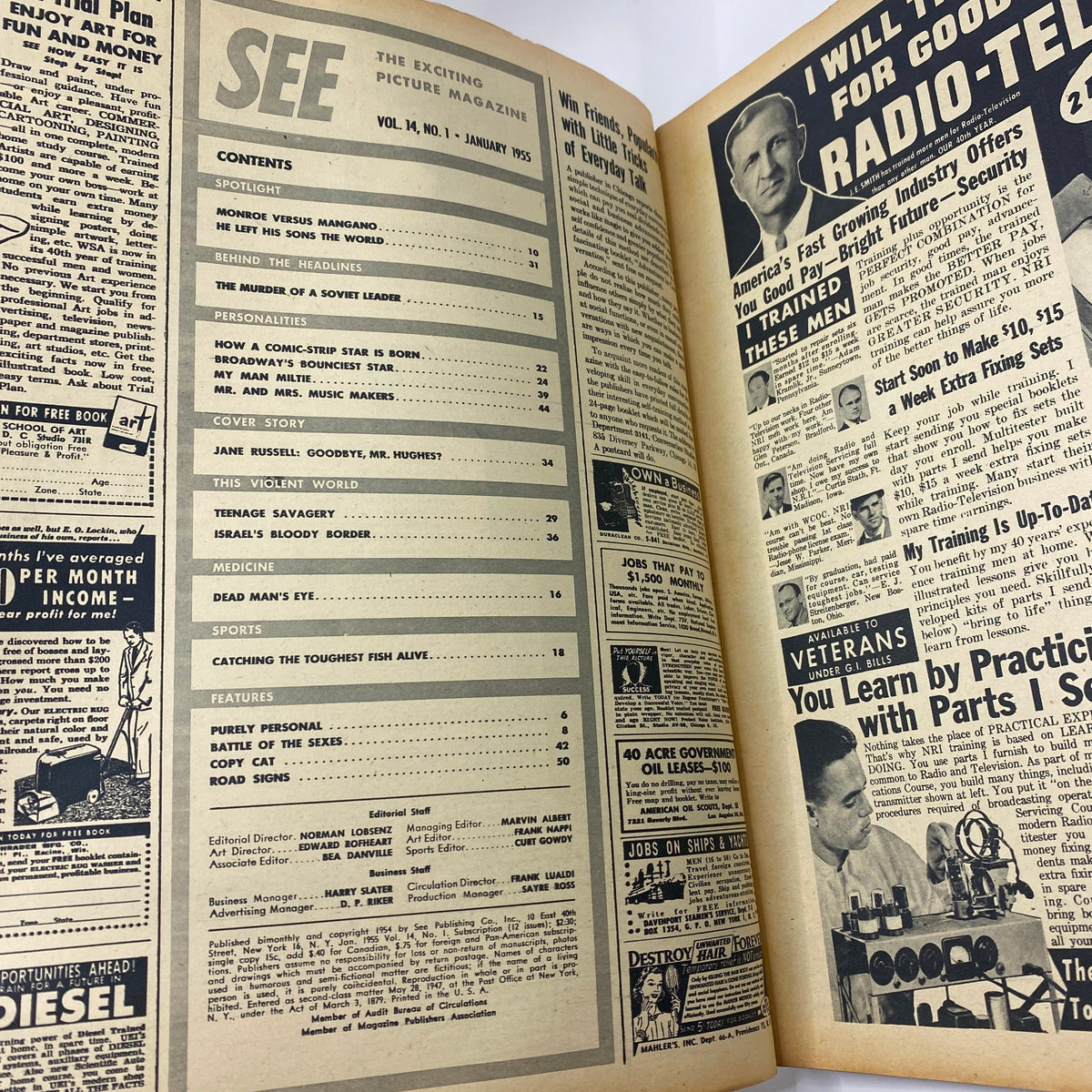
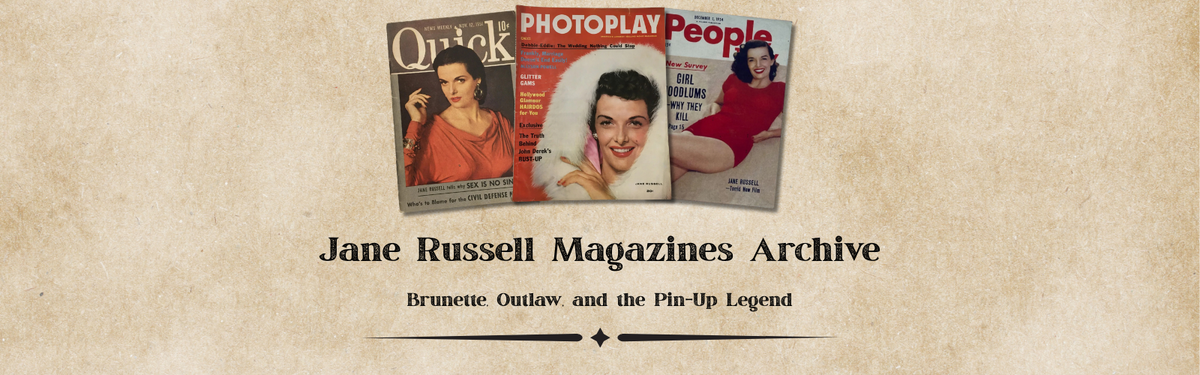
Vintage magazine coverage of the raven-haired screen goddess was a study in theatrical photography and breathless editorial tension. Photographers shot her with dramatic chiaroscuro lighting that emphasized her famously striking features, often in poses that walked the fine line between Old Hollywood elegance and frank sensuality — images that feel today like arrested moments from a more opulent world. Life magazine returned to her repeatedly throughout her peak years, treating her as both cultural phenomenon and genuine star worthy of serious profile. Photoplay, the essential currency of mid-century fan culture, chronicled her marriages, her faith, and her battles with the Breen Office in the kind of intimate editorial voice that made readers feel like confidants. International publications such as Paris Match embraced her with a European frankness that American editors sometimes lacked, presenting the full complexity of a woman who was far more than the image Hughes had tried to sell.
Curator's Checklist: Highlights Often Include
- Early censorship-era coverage (1941–1946): Features and editorial commentary surrounding the suppression and eventual release of The Outlaw, including period reactions to the now-legendary promotional campaign — among the most controversial in Hollywood history.
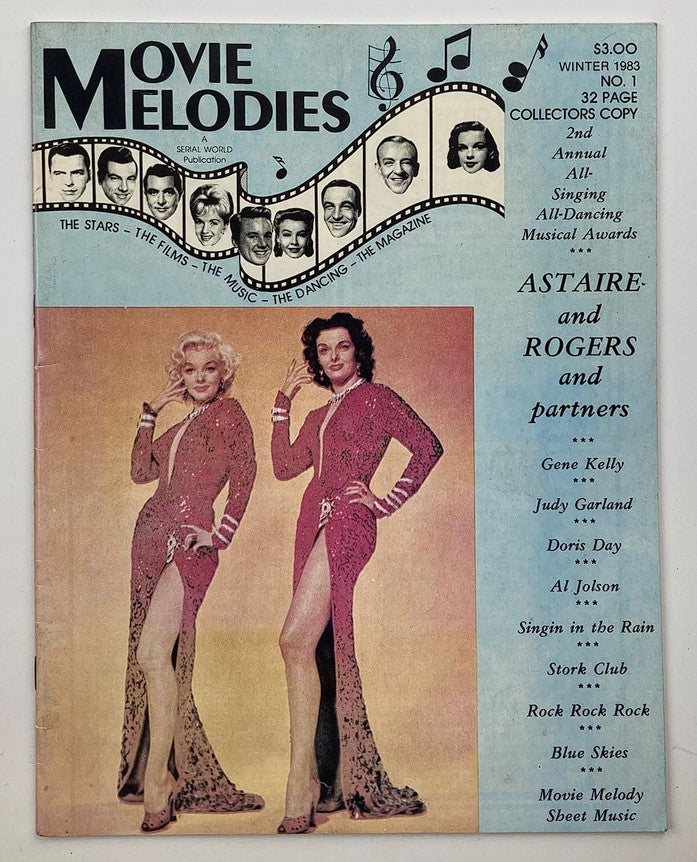
- Golden-era film promotion (late 1940s–1950s): Studio-sanctioned spreads and candid features timed to releases such as Gentlemen Prefer Blondes, often picturing her alongside co-stars and capturing the electric interplay between two of Hollywood's defining female presences.
- Human-interest and lifestyle profiles: Coverage of her Christian faith, her founding of WAIF (World Adoption International Fund), and her deeply felt advocacy work — a revealing counterpoint to the bombshell mythology.
- Fashion and glamour editorials: Full-colour spreads from the height of the Technicolor era, featuring the structured silhouettes, bold jewellery, and unapologetic femininity that defined her off-screen aesthetic as vividly as any costume department managed on screen.
- Later-career and retrospective features (1960s–1970s): Profiles charting her transition from leading lady to enduring cultural institution, including coverage of her Broadway work and her continued presence in the public imagination.
The Collector's Value
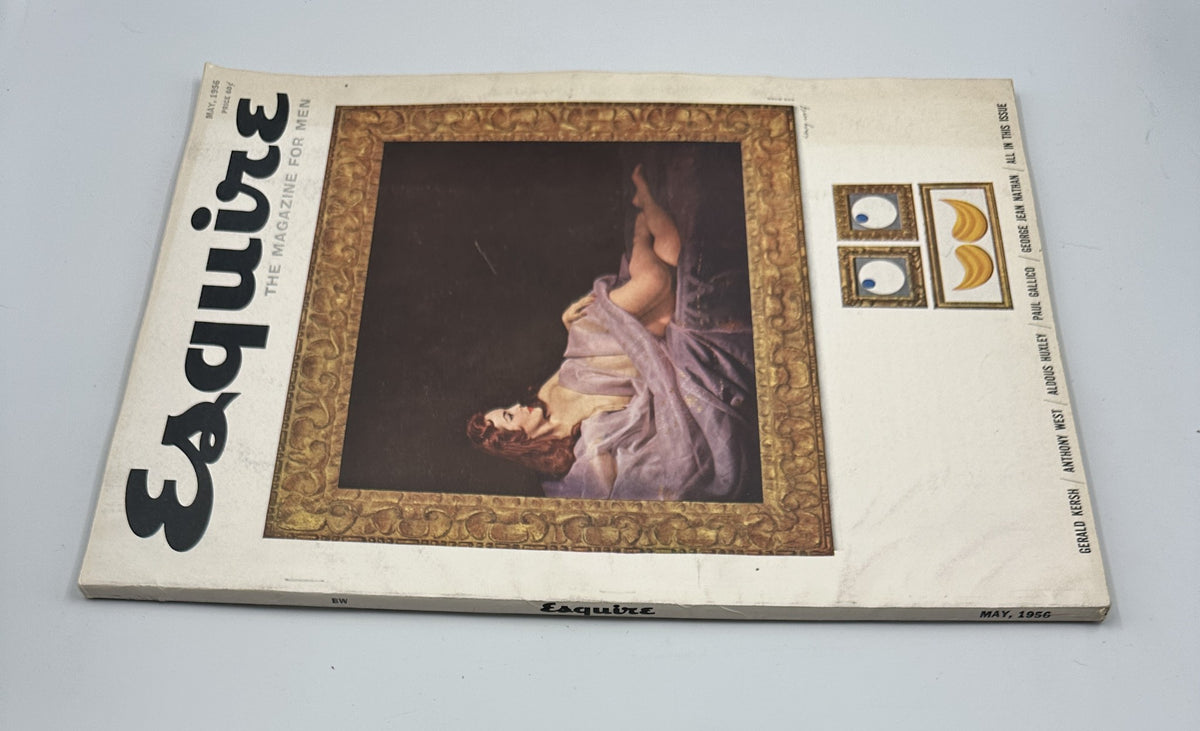
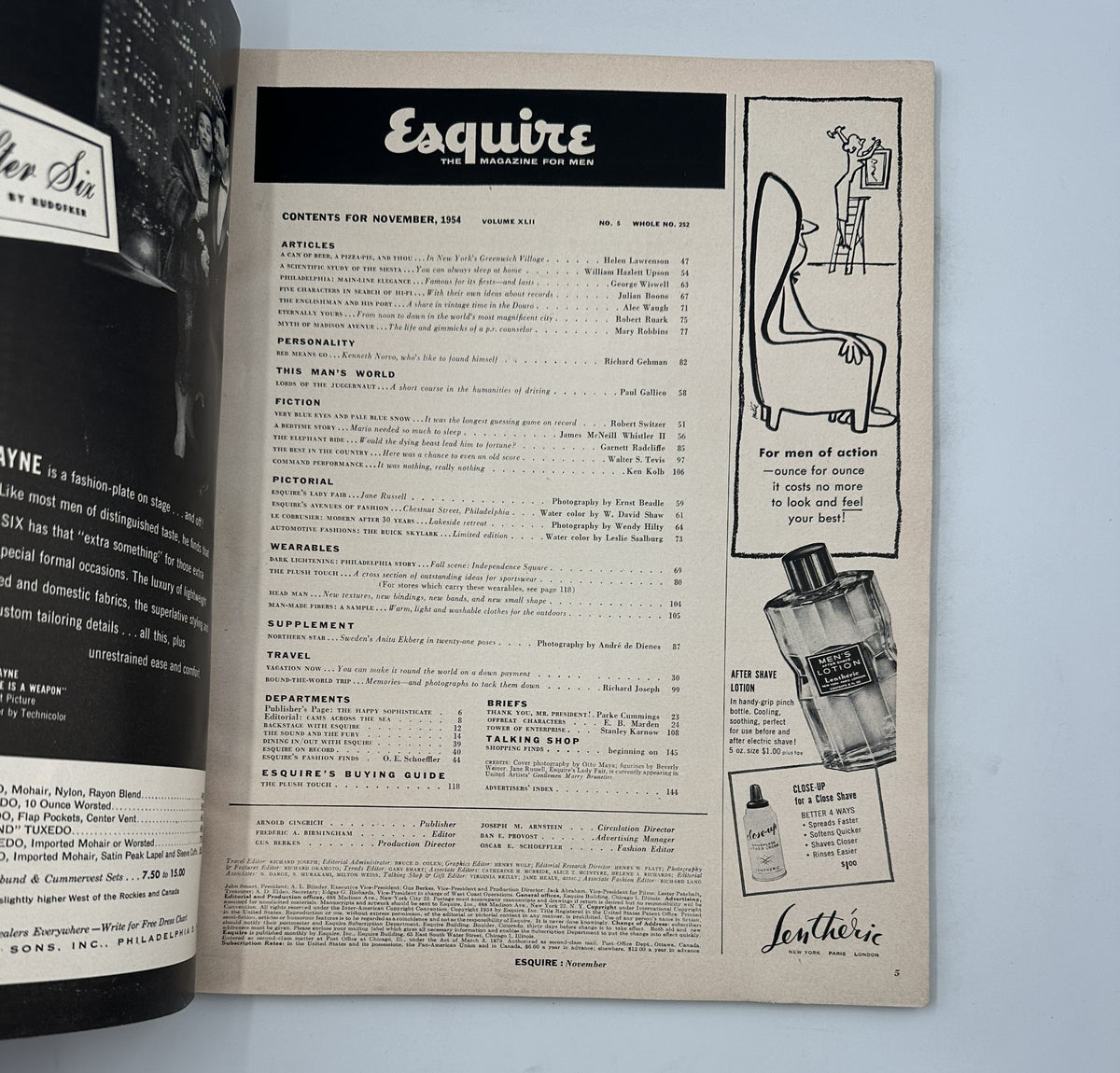
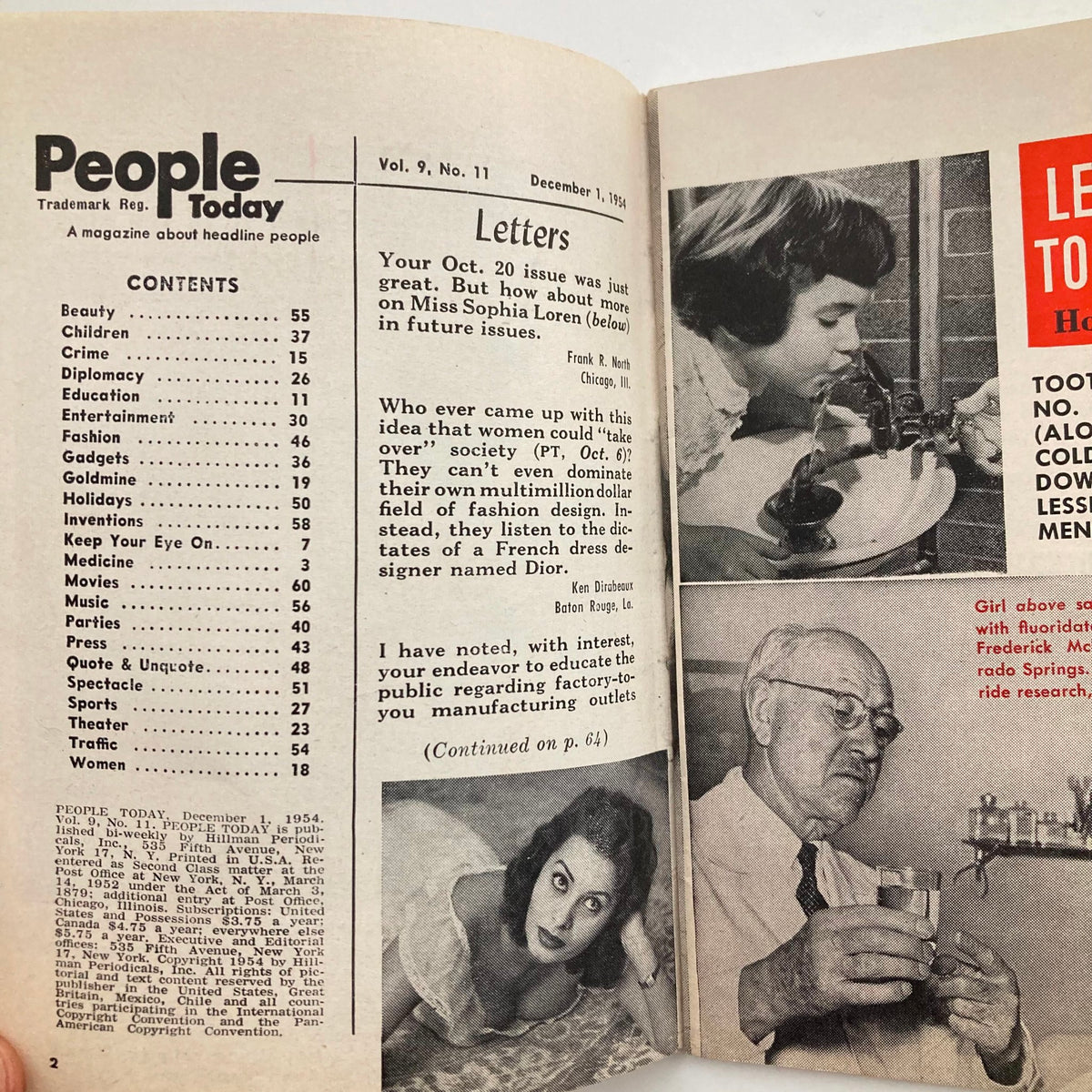
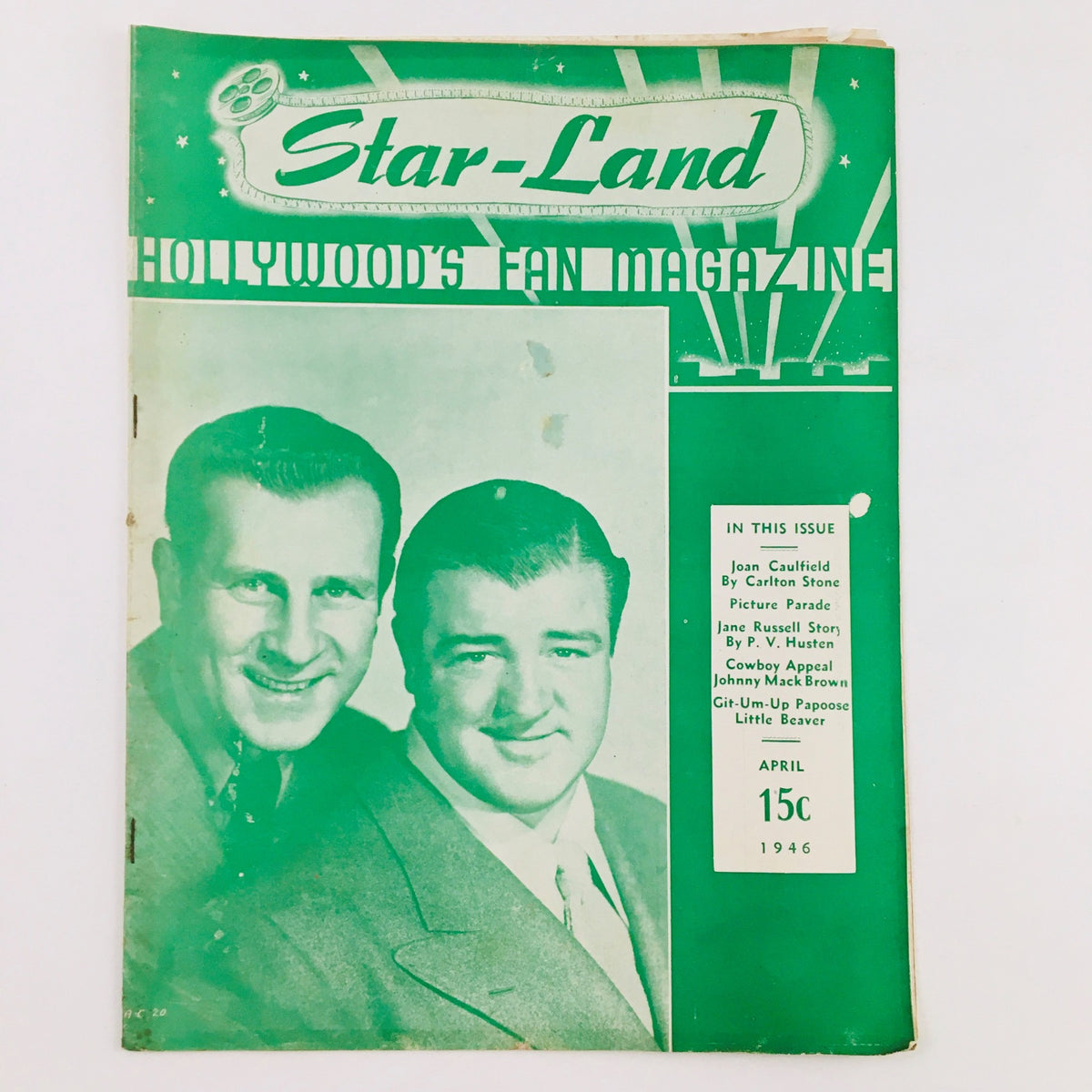
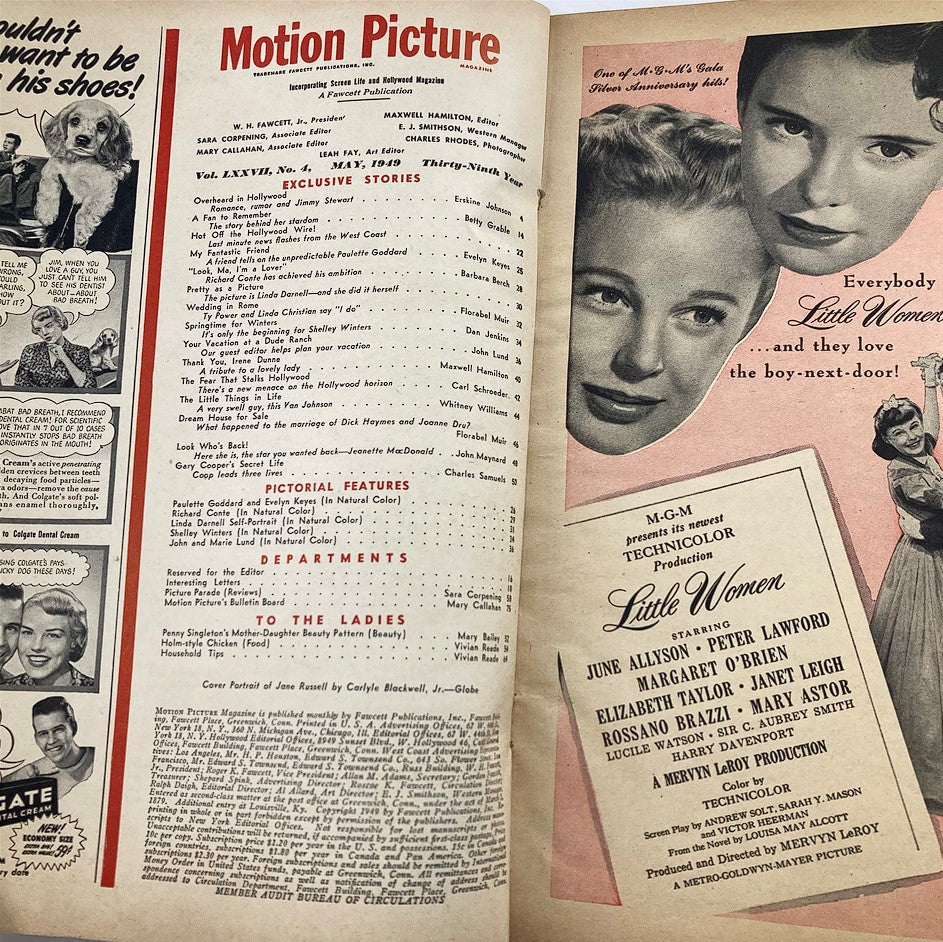
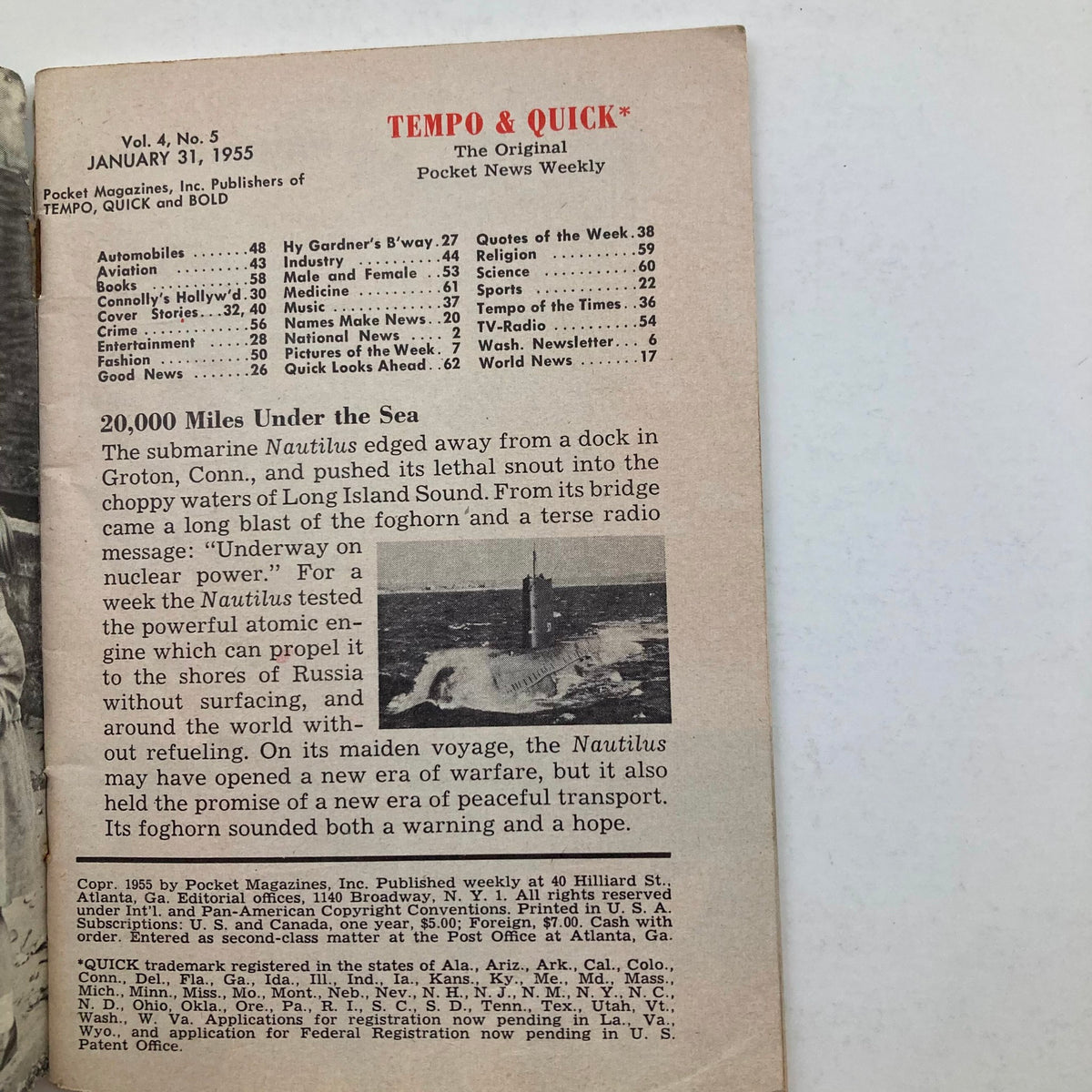
To hold one of these issues is to hold the temperature of an era. The paper stock tells its own story — the slightly coarser weave of a wartime-era weekly, the glossy heft of a 1950s fan magazine, the faint foxing at the margins that speaks to decades spent in a cedar chest or on a well-loved shelf. The ink carries a particular quality of permanence; these were documents printed to matter, to be passed between neighbours, saved in attic boxes, and argued over at kitchen tables. Surrounding the star herself are the vivid artifacts of mid-century American commercial life — adverts for nylon stockings, chromium-plated automobiles, and cigarette brands endorsed by physicians — context that no digital archive can replicate and no reprint can restore. For collectors of Hollywood Golden Age memorabilia, mid-century feminist cultural history, or classic American print and graphic design, these publications offer an irreplaceable primary source: not a reproduction, not a caption, but the living document itself. Explore the current available inventory below and find the issue that speaks to you.