📖 About this Collection
Janet Jackson: The Rhythm Nation and the Revolution She Carried
The Legend & The Legacy
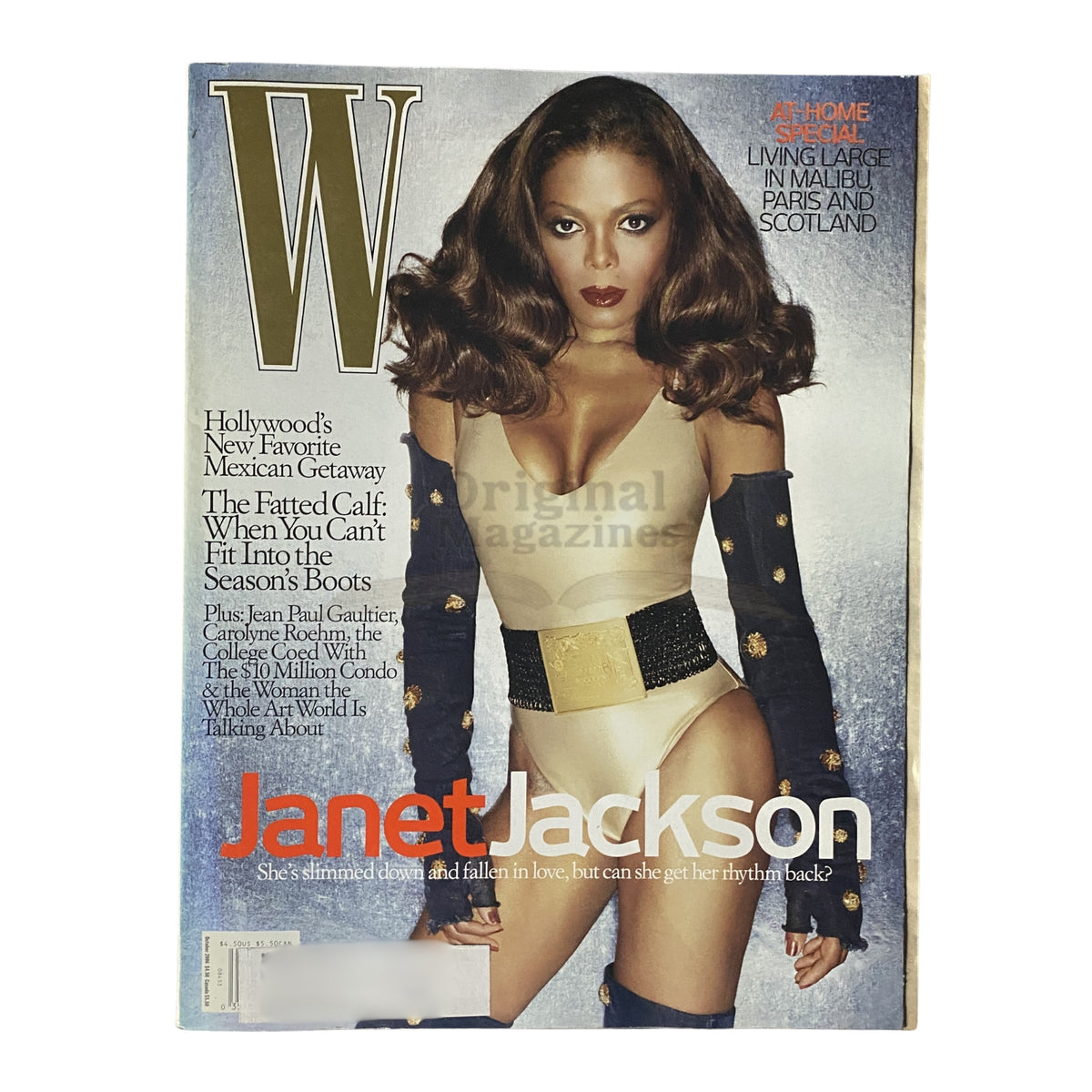
Long before algorithms decided what the world was listening to, Janet Jackson's story unfolded across newsstands, coffee tables, and record shops — breathlessly chronicled in ink and glossy stock by a print media industry that could hardly keep pace with her reinvention. Emerging from the long shadow of one of entertainment's most formidable dynasties, she forged an identity entirely her own — that of a visionary artist, a social architect, and a pop icon whose influence bent the arc of music, fashion, and cultural conversation for decades. The albums Control (1986) and Rhythm Nation 1814 (1989) were not merely commercial landmarks; they were civic statements, and the press treated them as such. In an era when a magazine cover was the highest real estate in popular culture, editors competed fiercely to place her image on their front pages. From her early crossover moments to her Super Bowl-era ubiquity, hers was a career consumed by the public almost exclusively through physical media — through features read on subway trains, cover stories scissored out and pinned to bedroom walls, and photographs that defined an aesthetic generation.
Inside the Archive
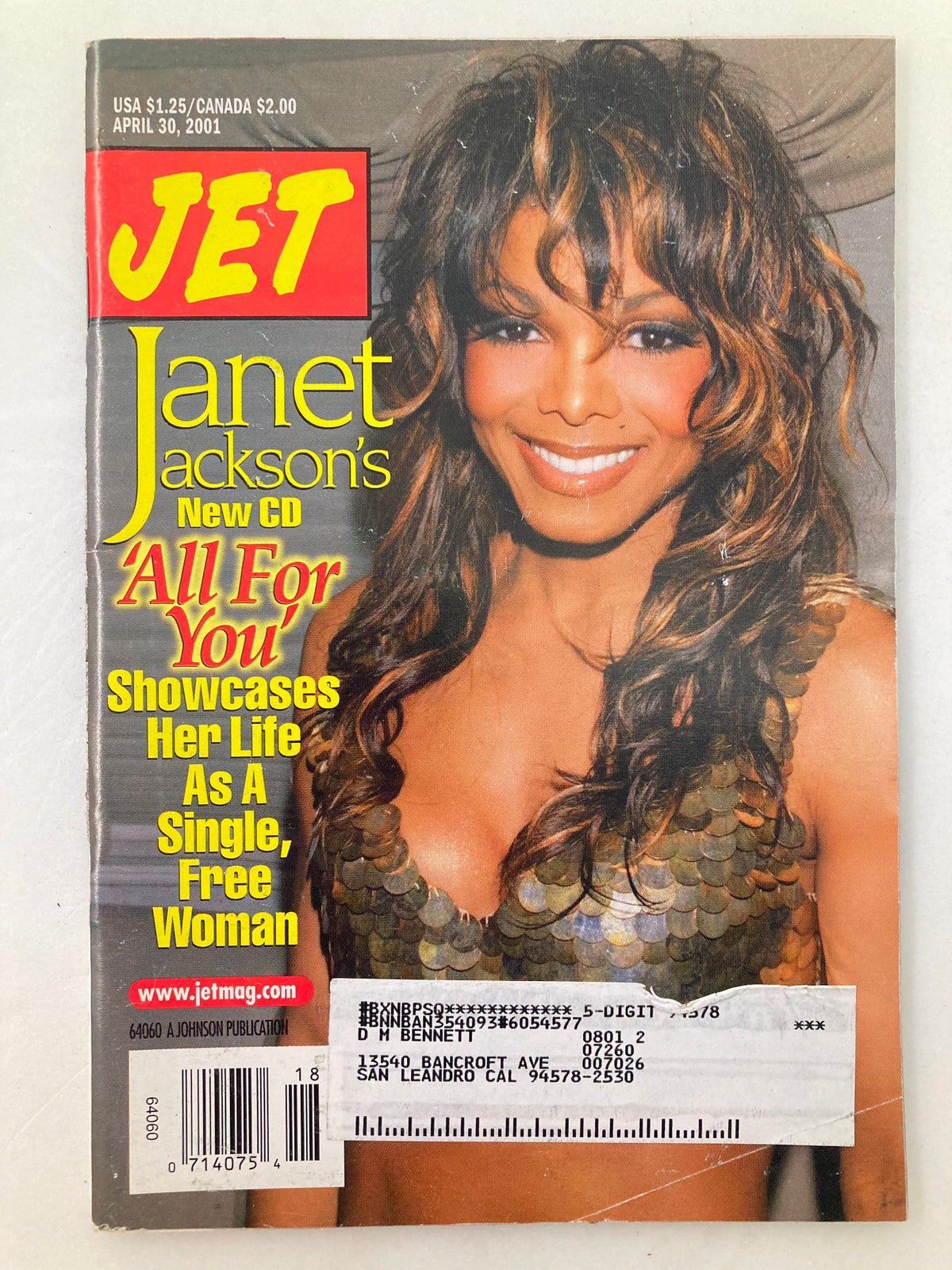
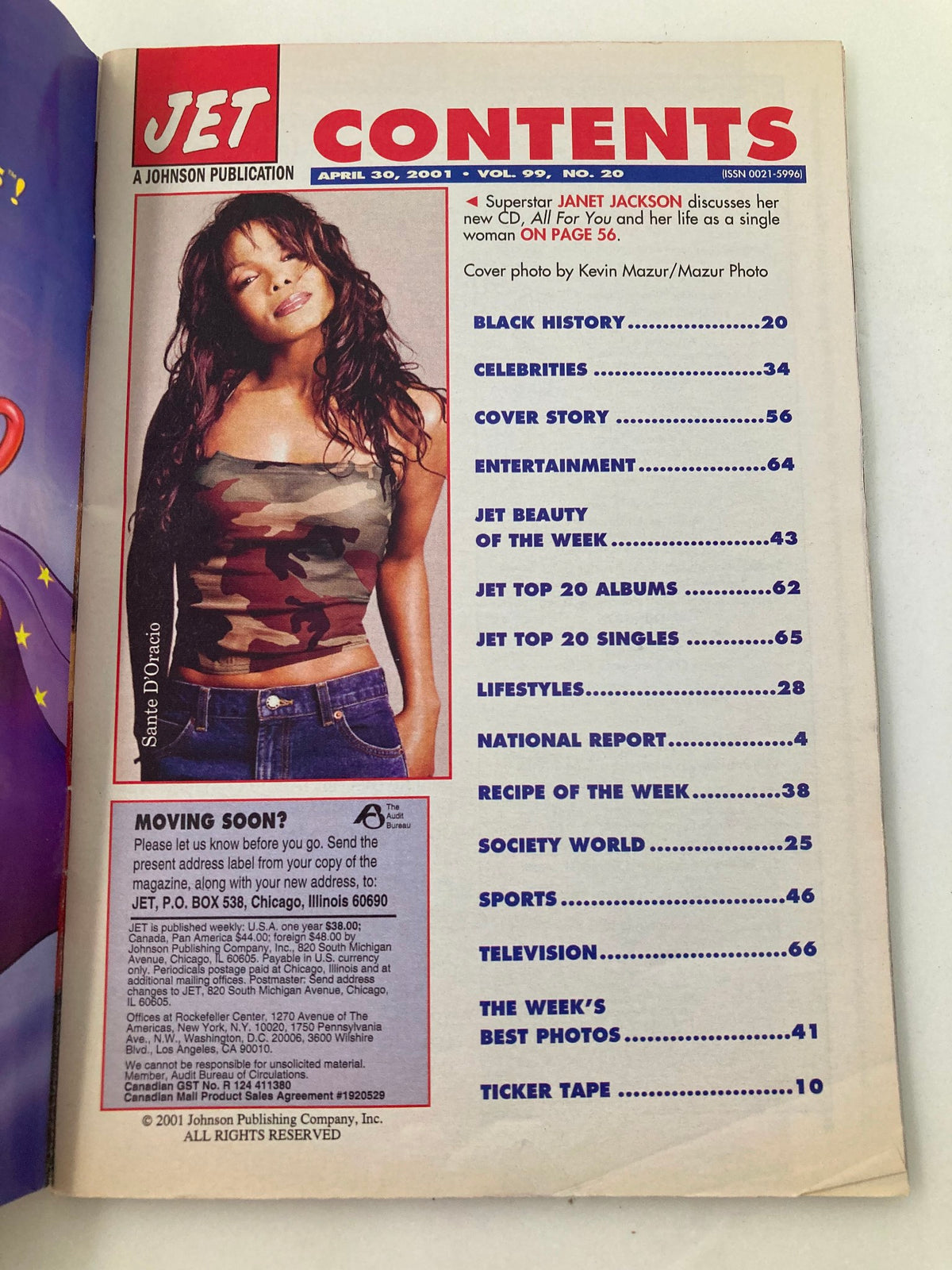
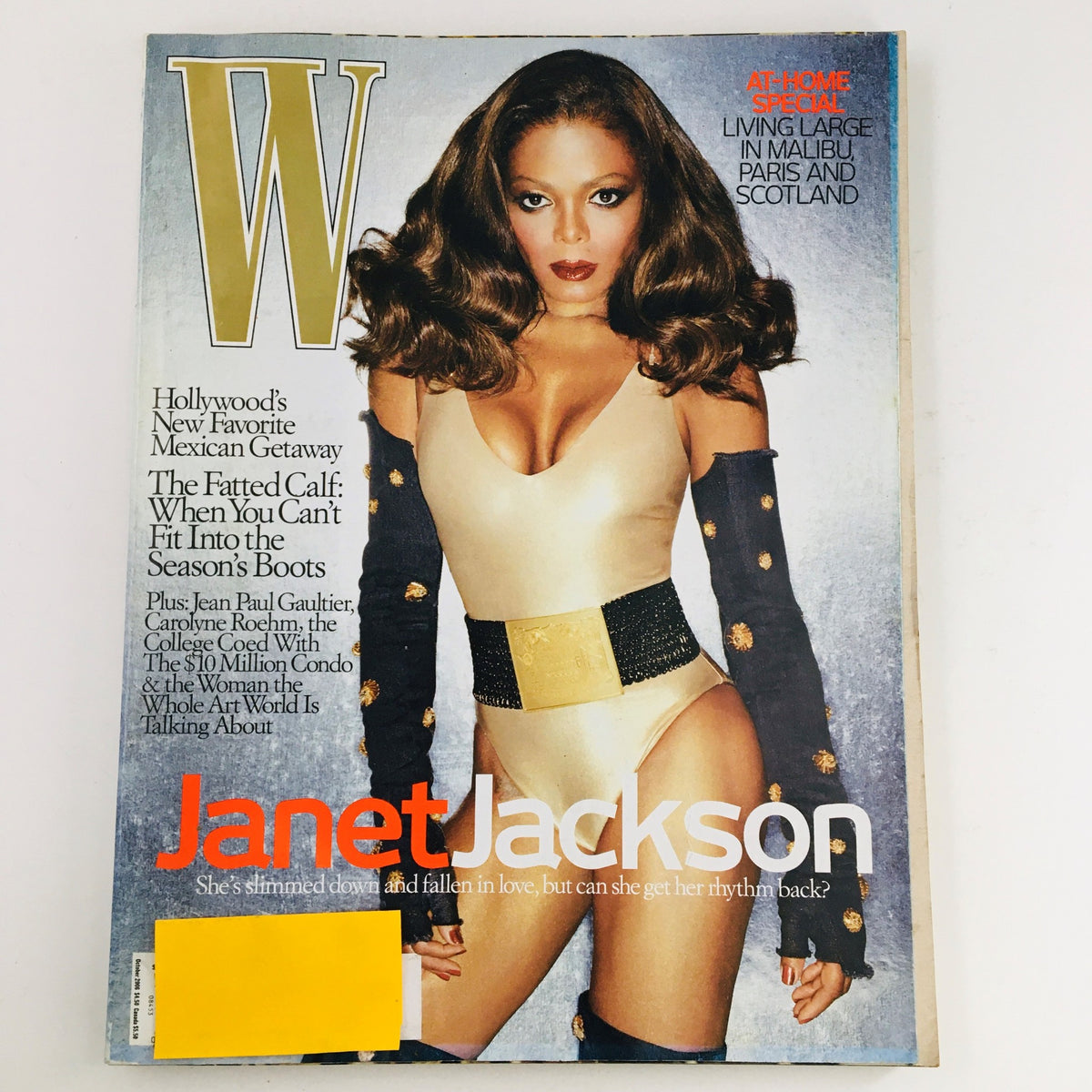
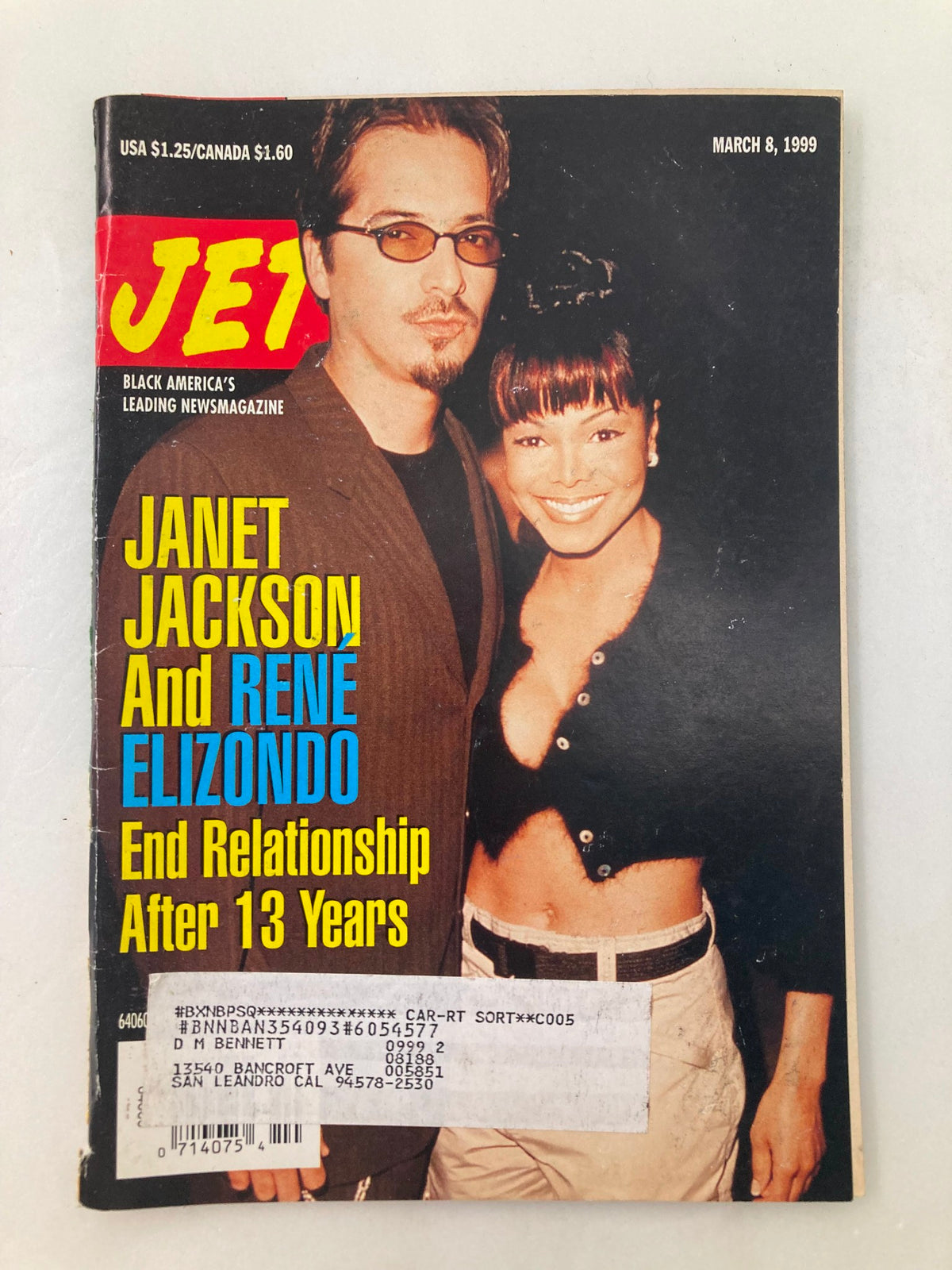
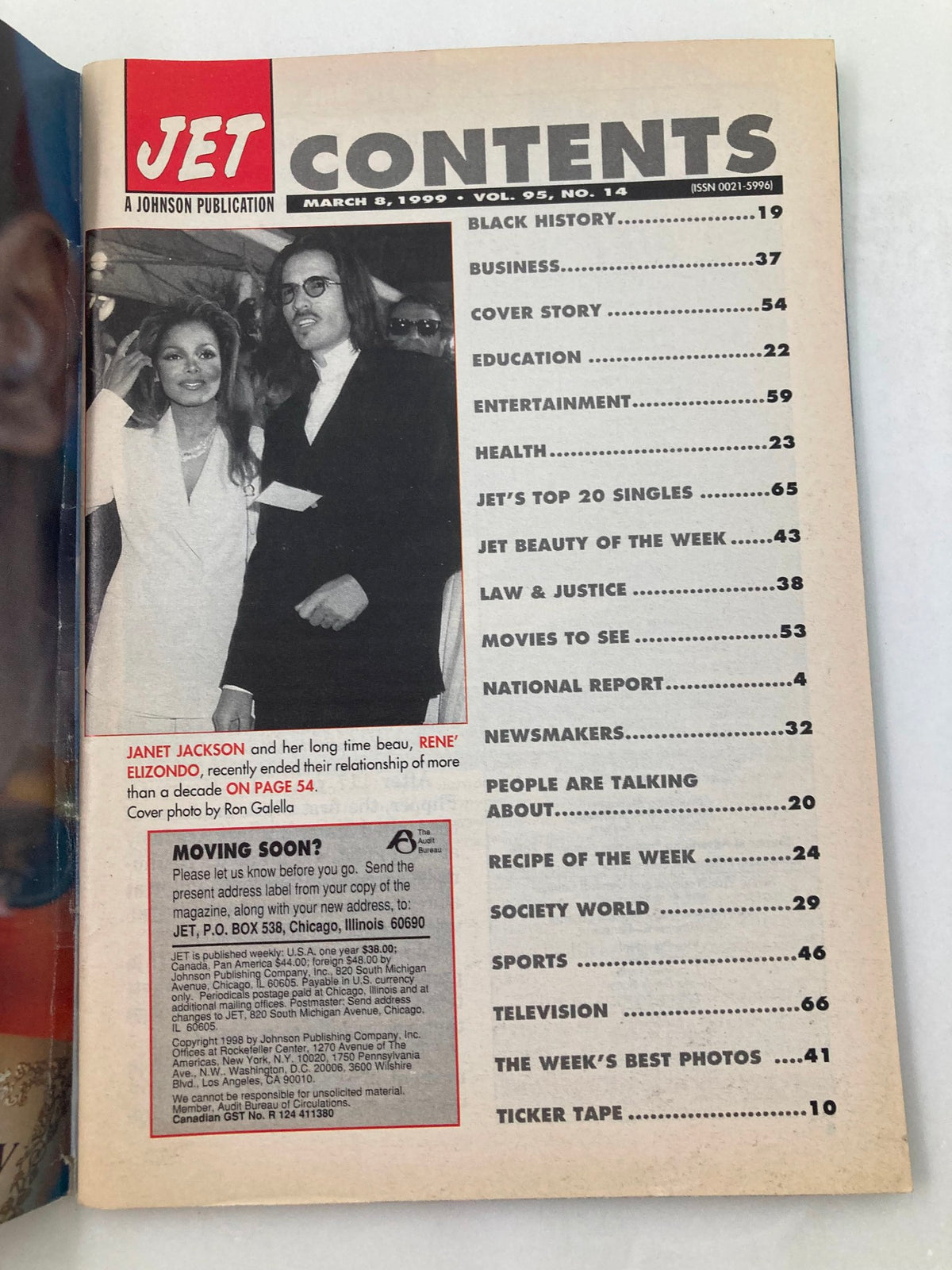
Vintage magazine coverage of this icon reflects the full, complex arc of a woman who refused containment. The photography ranged from the sleek, high-contrast black-and-white portraiture favored by music publications in the late 1980s — angular, deliberate, powerful — to the lush, fashion-forward editorial shoots of the 1990s that positioned her squarely among the era's most bankable style figures. Rolling Stone pursued her with the reverence reserved for artists who genuinely reshape the sonic landscape, publishing landmark profiles that grappled with her artistry as seriously as any act of the decade. Ebony and Jet documented her with particular depth and cultural pride, tracing her journey from child actress to commanding Black female auteur, celebrating her in the context of a broader African American cultural renaissance. Meanwhile, mainstream style titles like Vogue and international entertainment weeklies found in her a cover subject of rare versatility — equally at home in a military-inspired ensemble as in haute couture — ensuring that her image crossed every editorial category and reached every corner of the globe.
Curator's Checklist: Highlights Often Include
- Breakthrough-era features (mid-1980s) documenting the Control period, when critics and journalists first grappled with the emergence of an independent creative force stepping decisively out of a famous family narrative
- Rhythm Nation coverage (1989–1991) including concert tour retrospectives, album analysis pieces, and socially conscious editorial profiles that treated her as a cultural commentator as much as an entertainer
- International and crossover press from the early-to-mid 1990s, coinciding with the janet. and The Velvet Rope eras, when her global profile and increasingly daring image attracted the full attention of the fashion and lifestyle press
- Collector-grade cover appearances in African American publications that positioned her as a defining figure of Black excellence, beauty, and artistic ambition across multiple decades
- Retrospective and anniversary issues from the late 1990s and early 2000s that assessed her cumulative legacy within the landscape of pop music and American celebrity culture
The Collector's Value
There is something irreplaceable about holding one of these original issues in your hands — the slight give of decades-old coated paper stock, the faint ghost of offset ink that rises to meet you as you turn the first page, the surrounding advertisements for perfumes and automobiles that anchor the object irrevocably to its moment in time. These are not reprints or digital facsimiles; they are primary sources, artifacts of a cultural conversation that was happening in real time, before the internet flattened and compressed how the world processes its icons. Every crease and foxed edge is evidence of a life lived alongside history. For collectors of 1980s and 1990s pop memorabilia, African American cultural history, or vintage music and entertainment press, these publications offer an unmediated window into the era — context, texture, and iconography that no streaming platform or digital archive can replicate. Explore the current available inventory below, and claim your piece of the archive before it moves on.