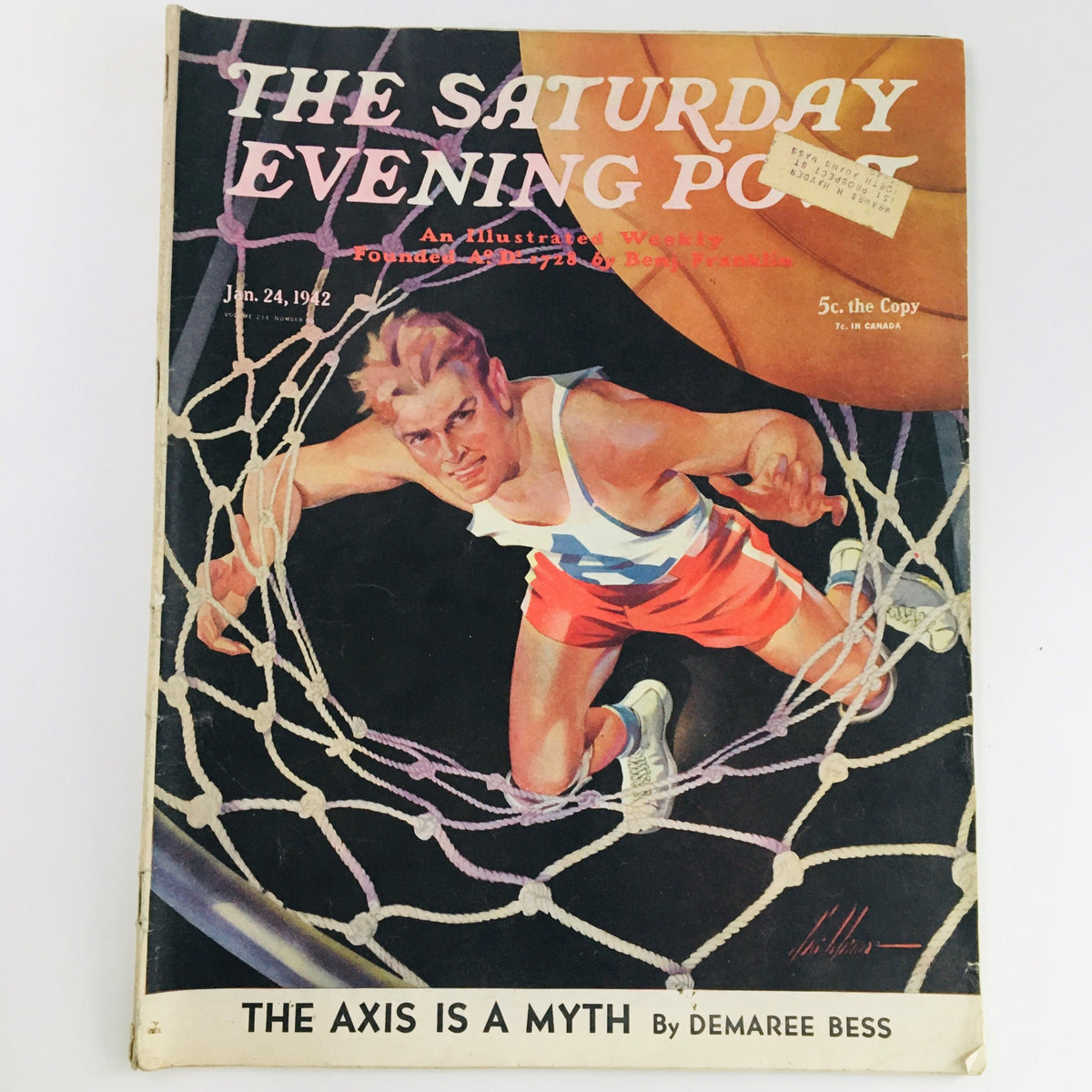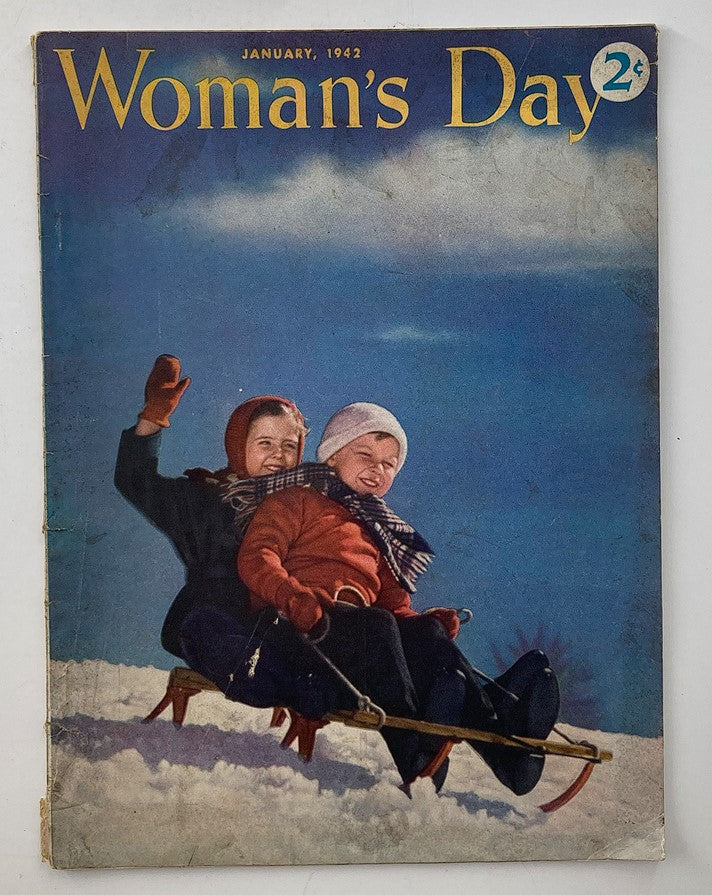
📖 About this Collection
January 1942: When America Braced for the Long Fight
The Historical Context
The new year arrived not with celebration but with resolve. In the first days of January 1942, the ink was barely dry on the Declaration by United Nations—a historic pledge signed by the United States and 25 Allied nations on January 1st, committing each to fight together and make no separate peace with the Axis. The world had never seen a coalition of this scale, and its birth announced that this war would be total, global, and fought to the finish.
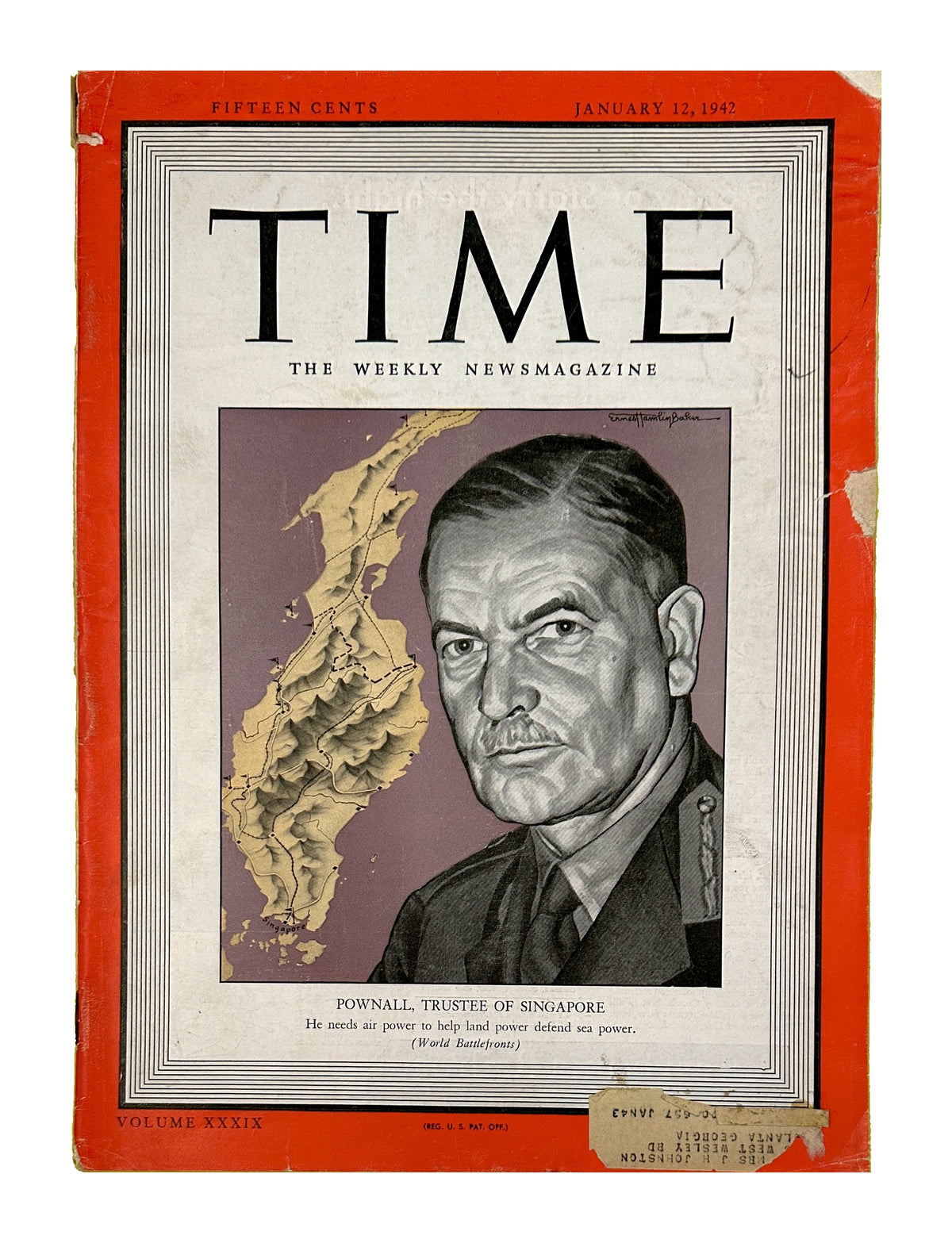
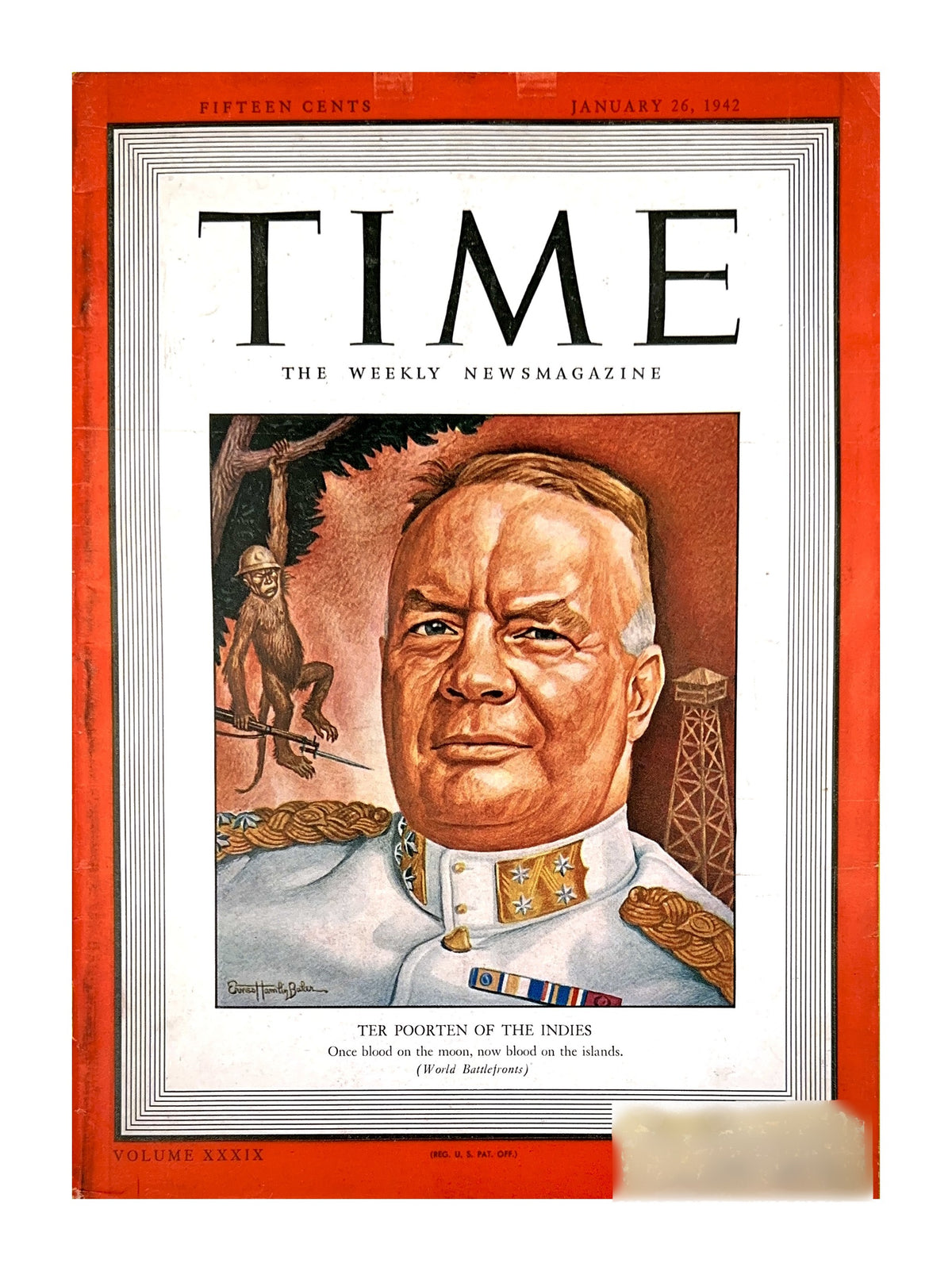
The crisis was already everywhere. Japanese forces had occupied Manila on January 2nd, begun their siege of Bataan on the 7th, and were advancing through Malaya, Burma, and the Dutch East Indies with terrifying speed. In Europe, German U-boats opened Operation Drumbeat off the American Atlantic coast—a submarine campaign that would sink nearly 200 ships by April. Then, on January 20th, Nazi officials gathered at a villa in Wannsee, Berlin, to formalize their plan for the systematic extermination of European Jewry—a meeting whose name would become synonymous with industrialized evil. This was the world your loved one entered: one balanced on the knife's edge of history.
Life Between the Headlines
Even as war consumed the front pages, American life pressed forward with stubborn vitality. At Madison Square Garden on January 9th, Joe Louis delivered a first-round knockout of Buddy Baer in his 20th consecutive heavyweight title defense—an image of American strength that Life magazine's photographers captured for a nation hungry for heroes. On Broadway, a revival of Gershwin's folk-opera Porgy and Bess opened at the Majestic Theatre, and Mike Todd's burlesque revue Star & Garter drew crowds to the Music Box. On the radio, Roy Plomley launched Desert Island Discs on the BBC—a program that would run for decades—while Count Basie recorded his jazz standard "One O'Clock Jump" in a studio session that crackled with the era's nervous energy.
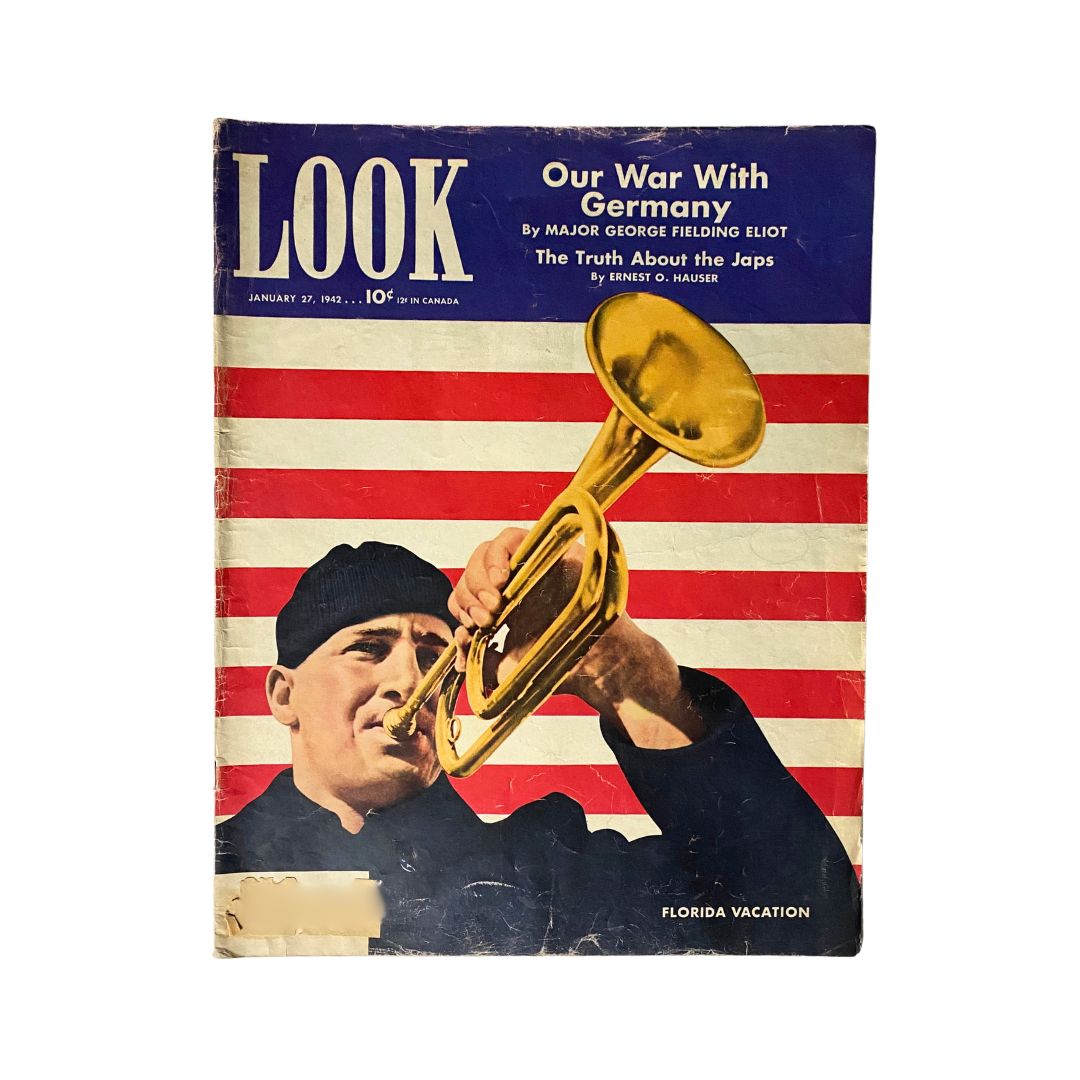
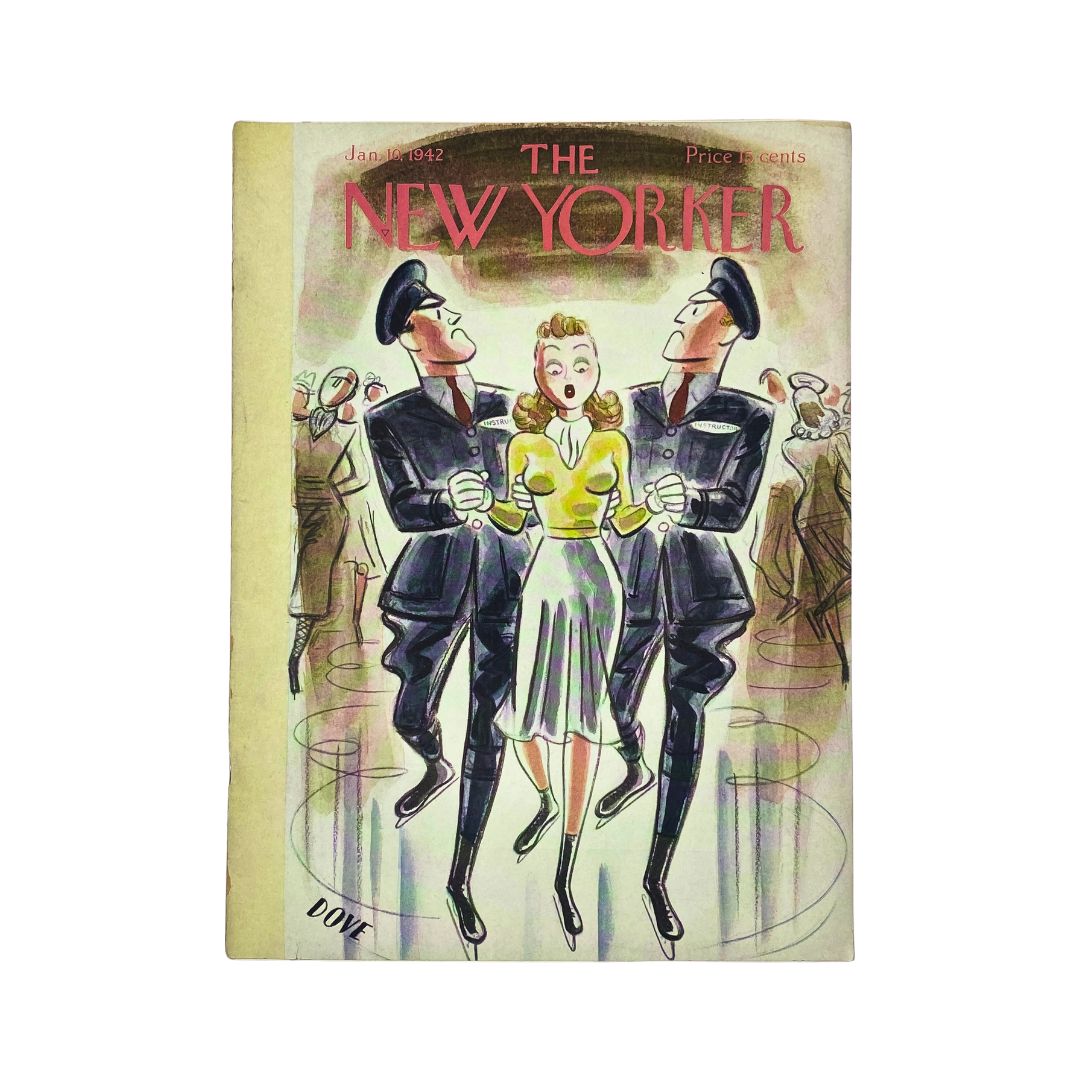
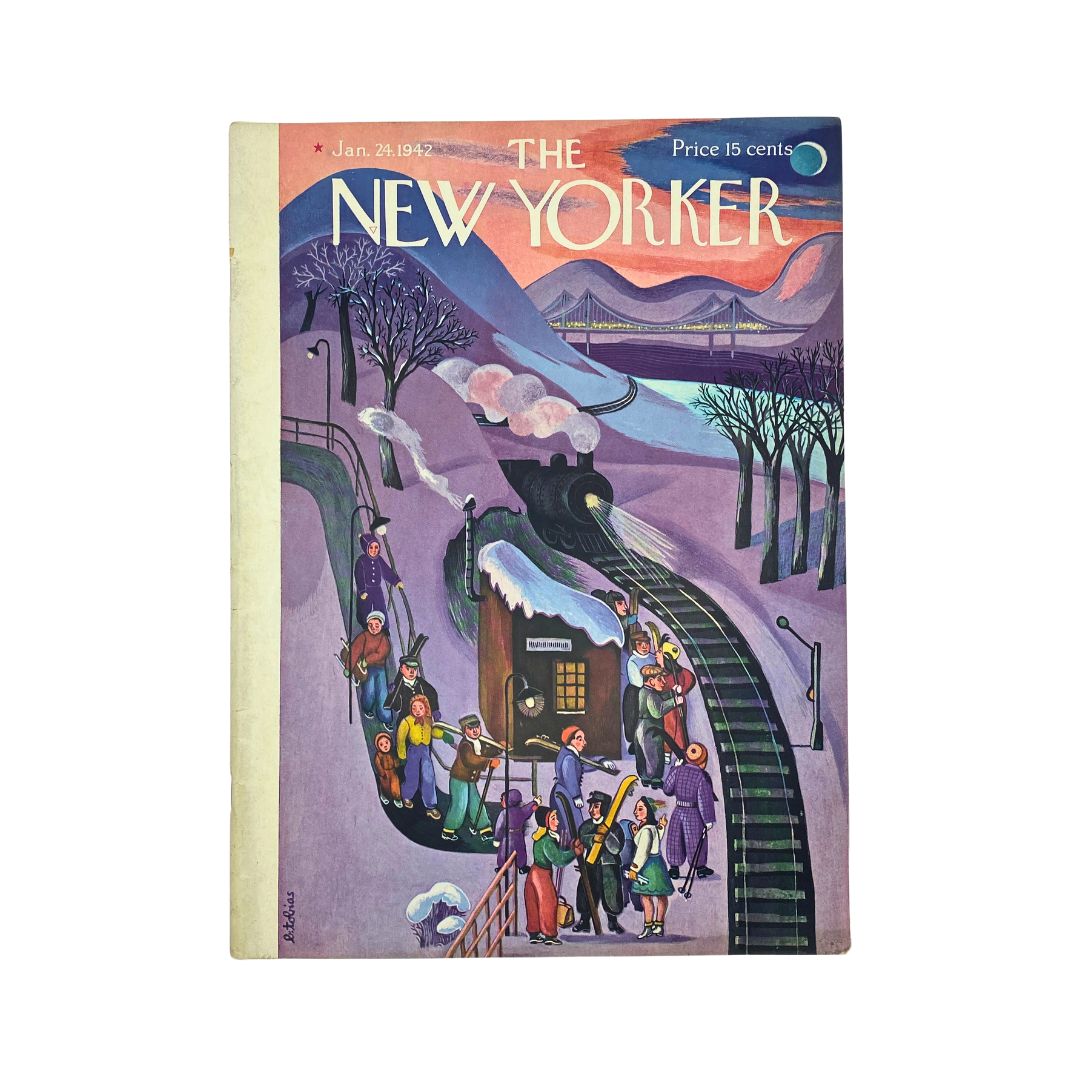
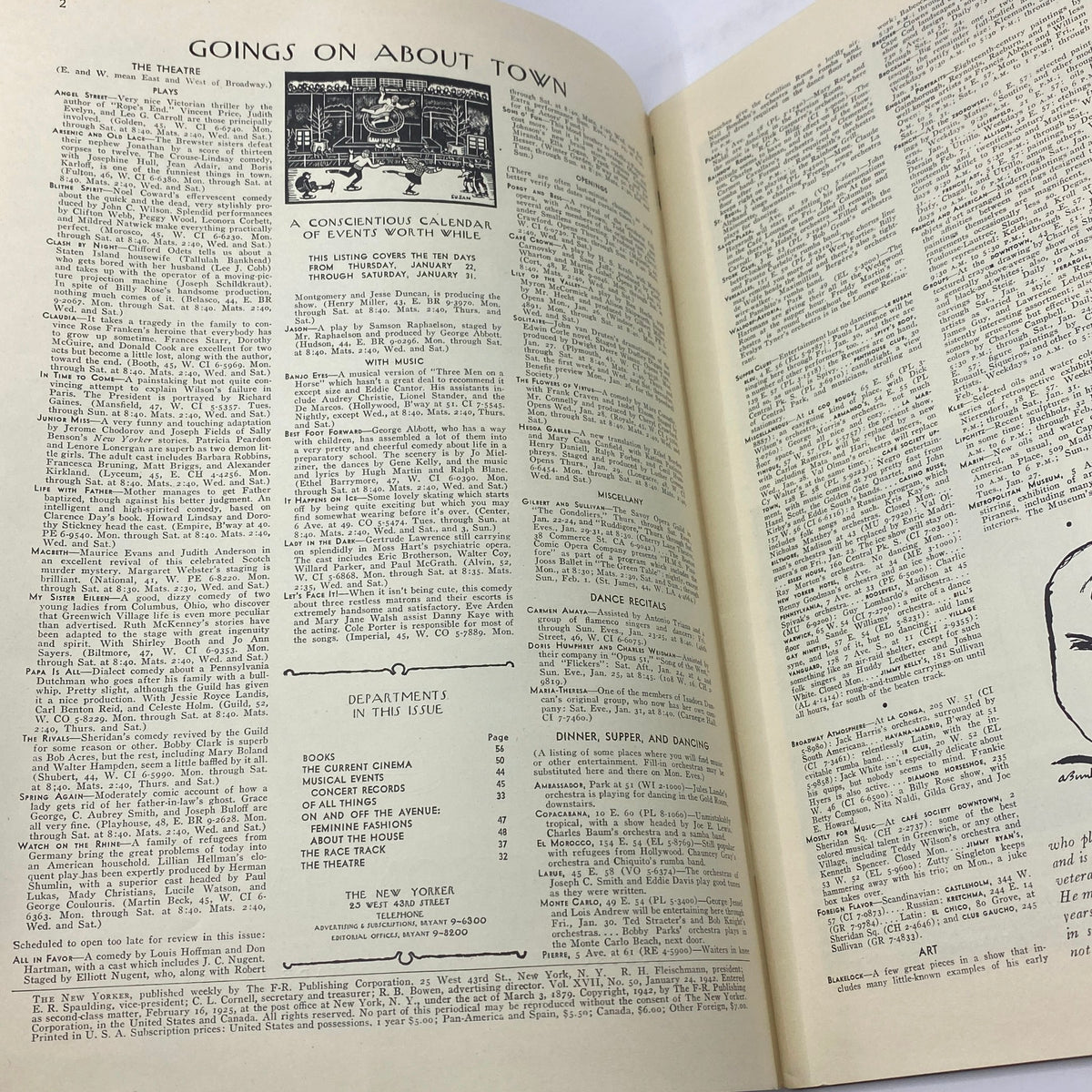
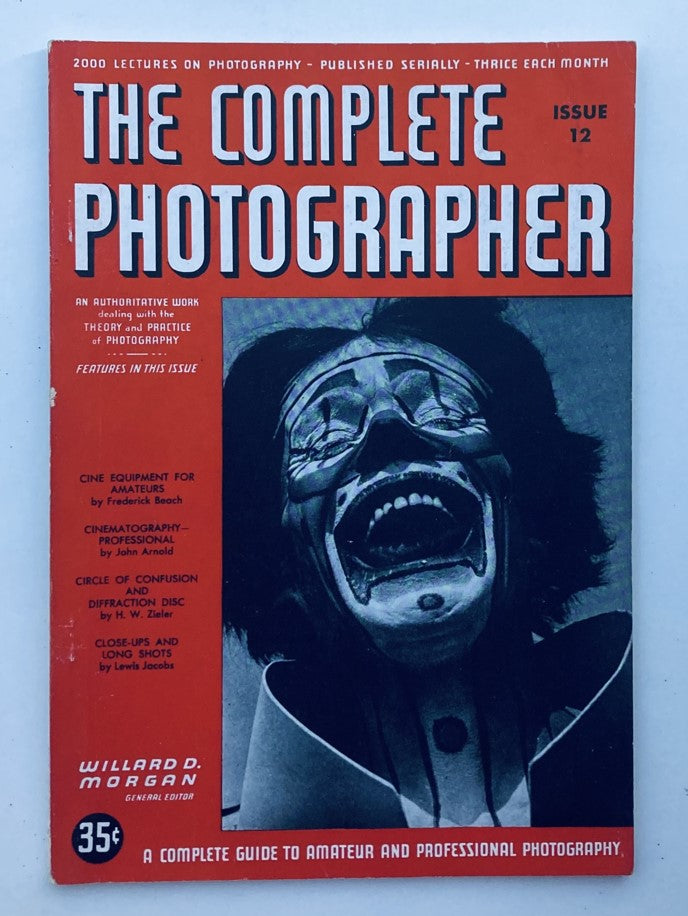
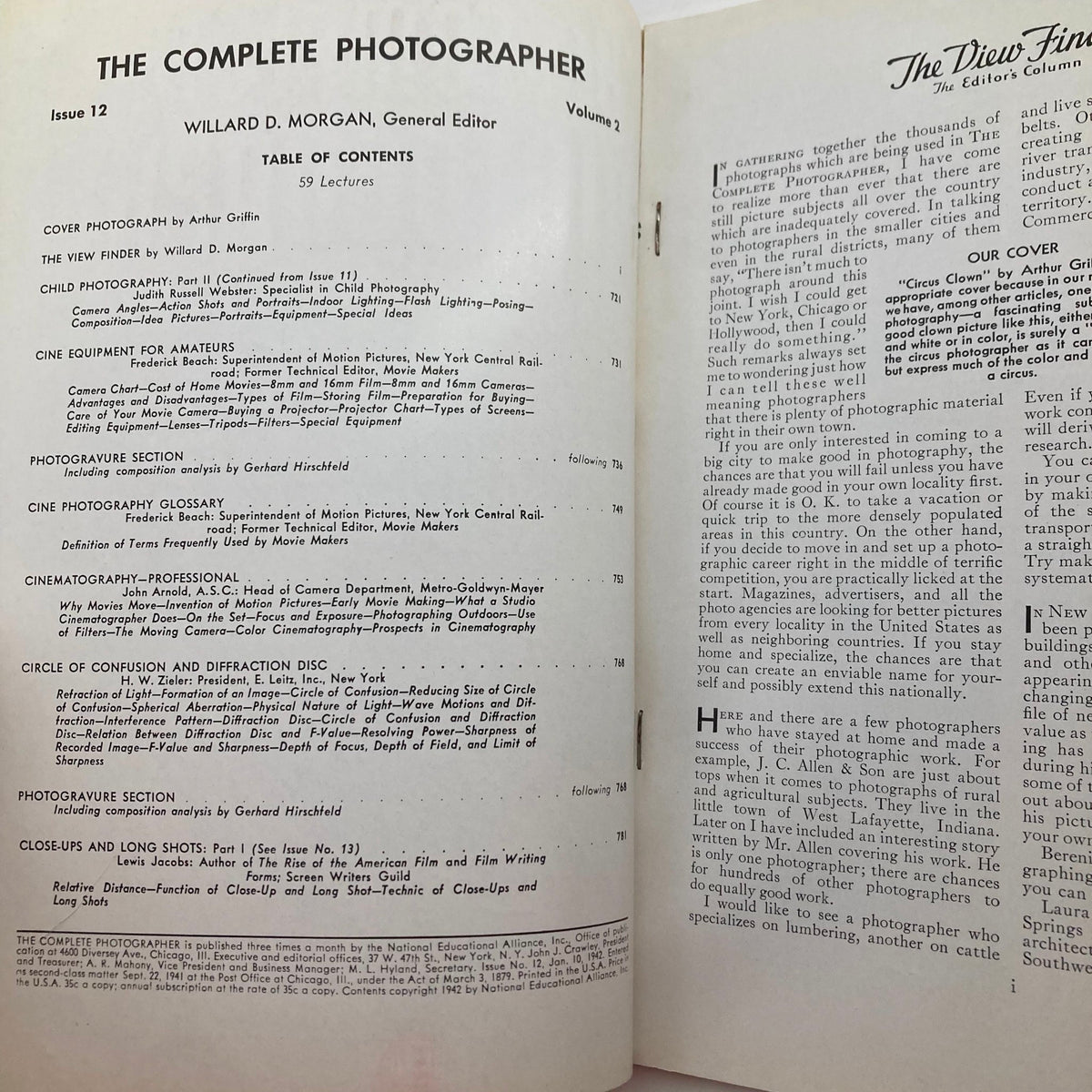
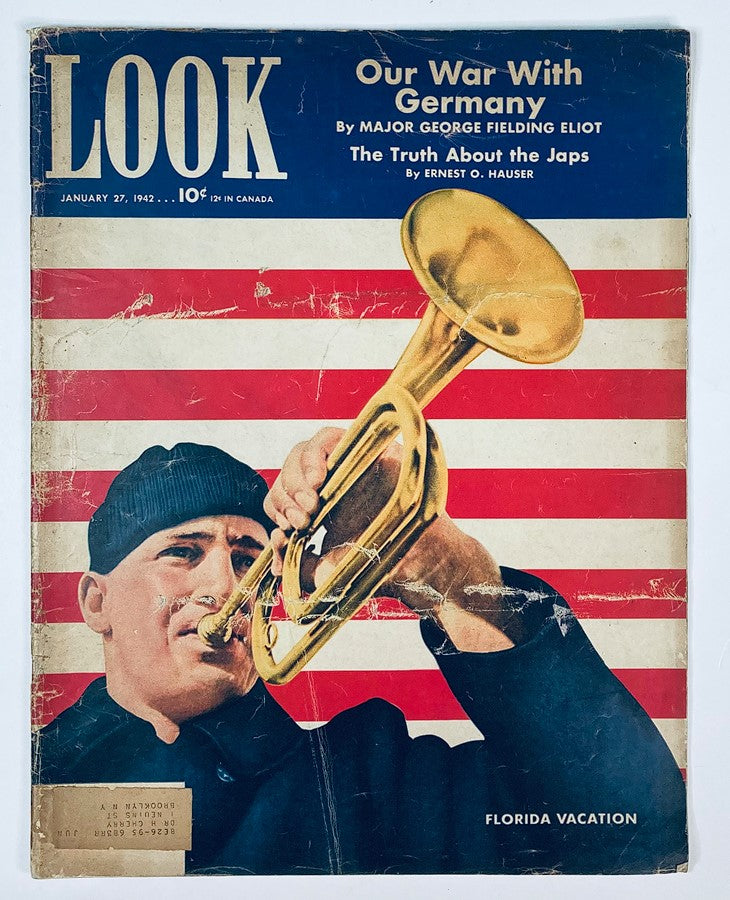
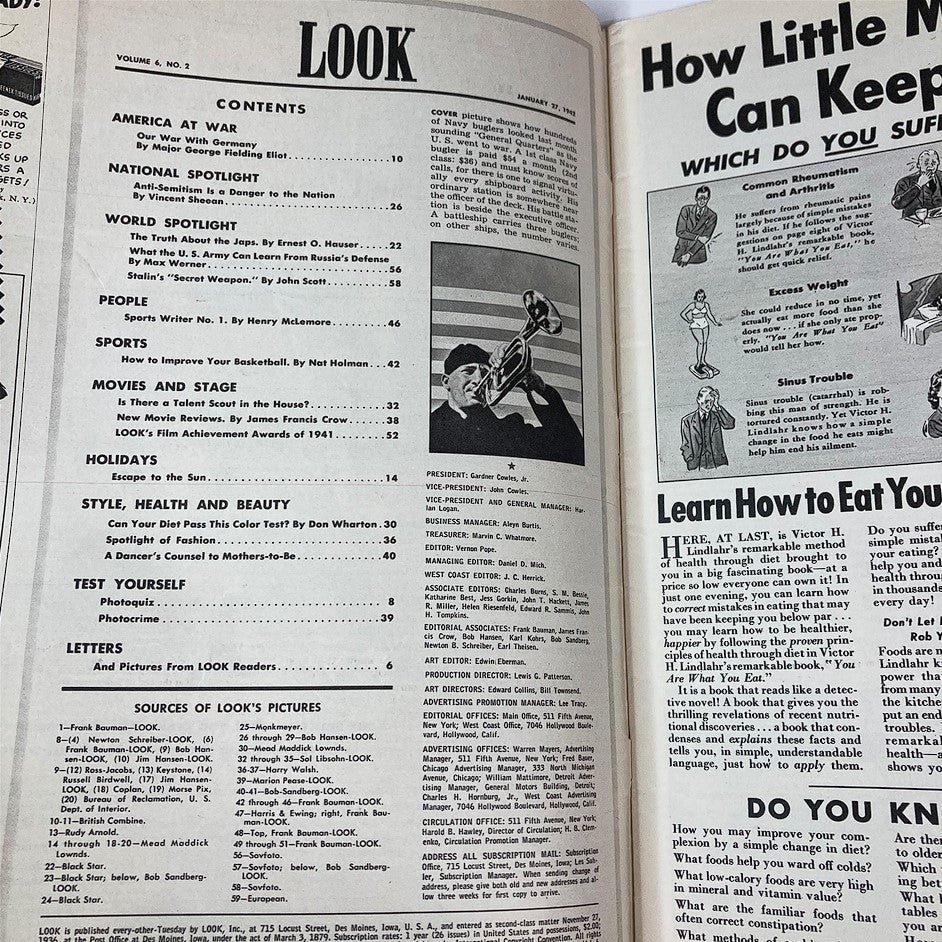
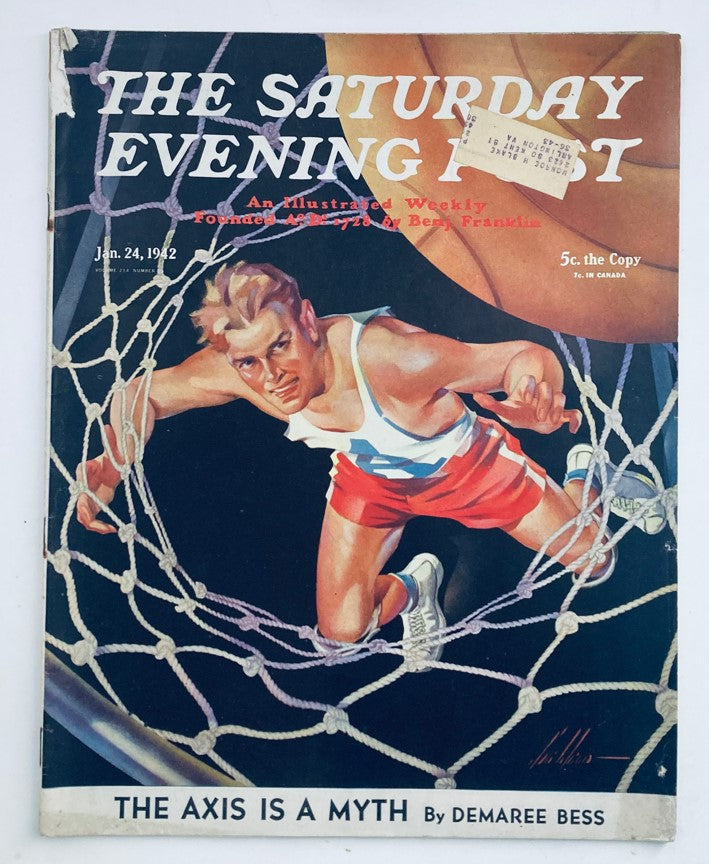
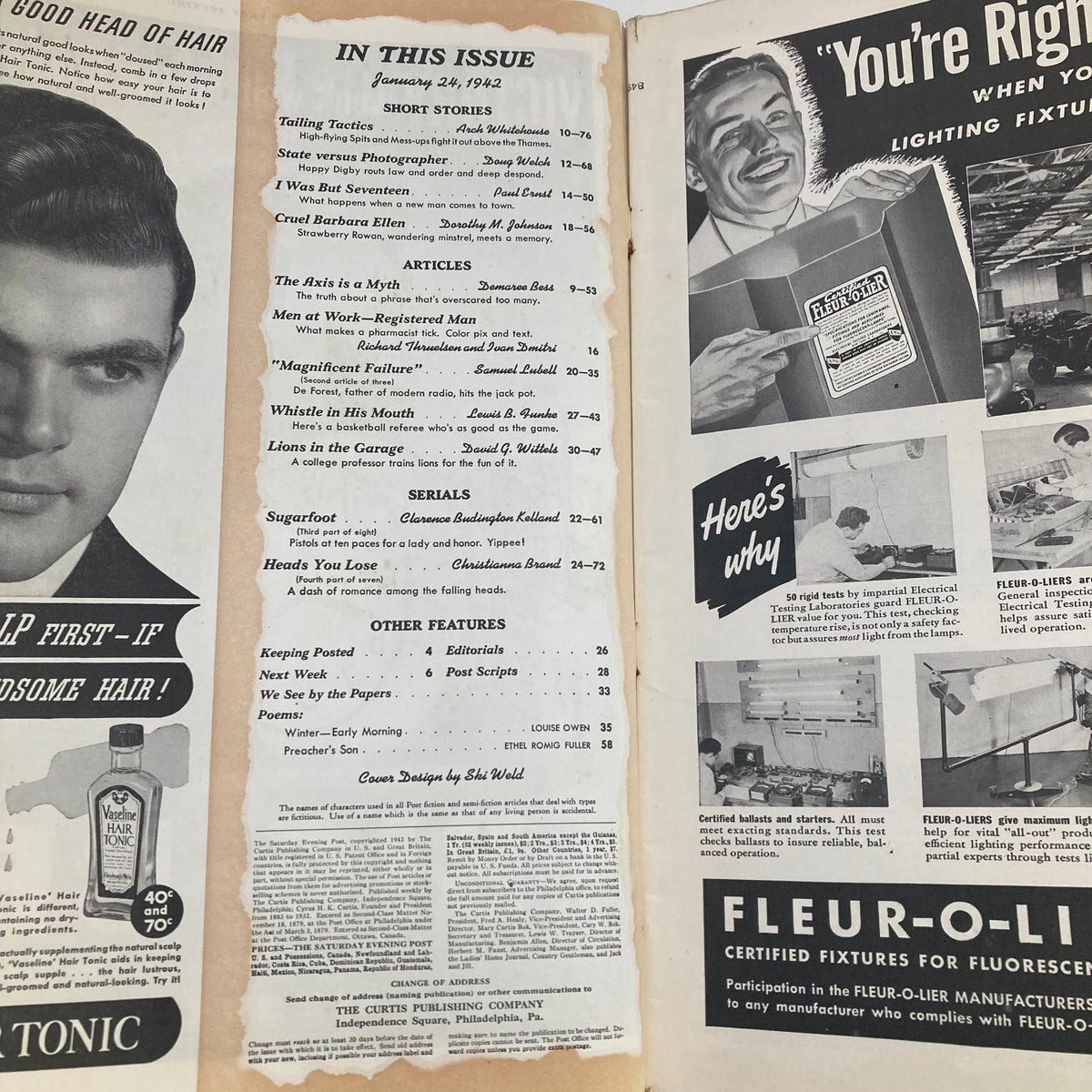
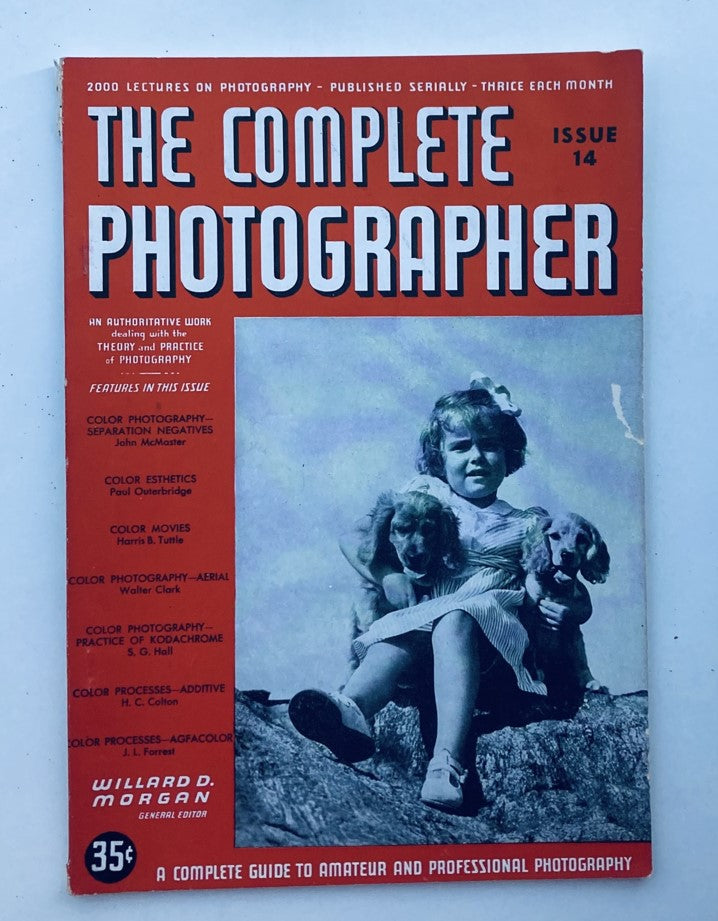
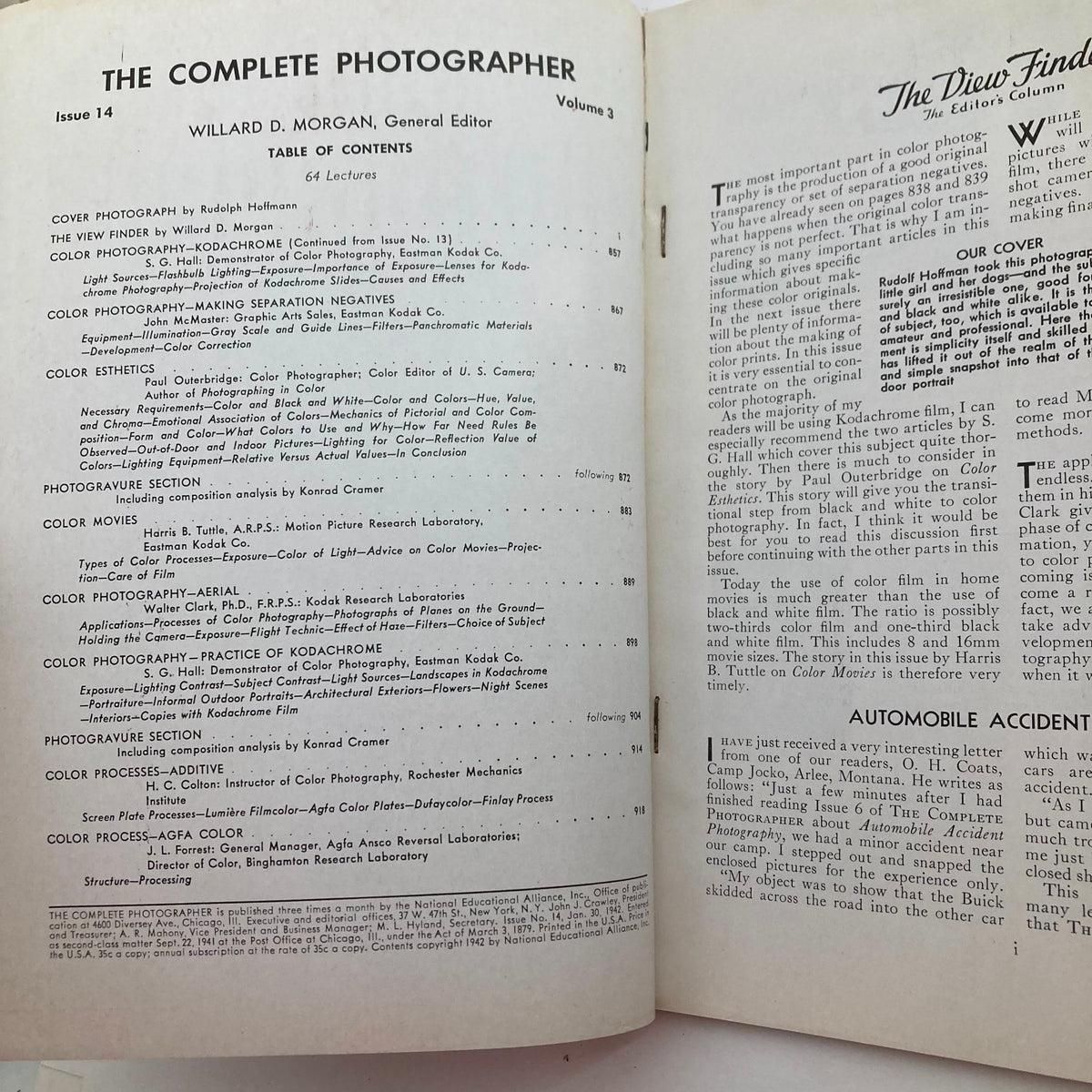
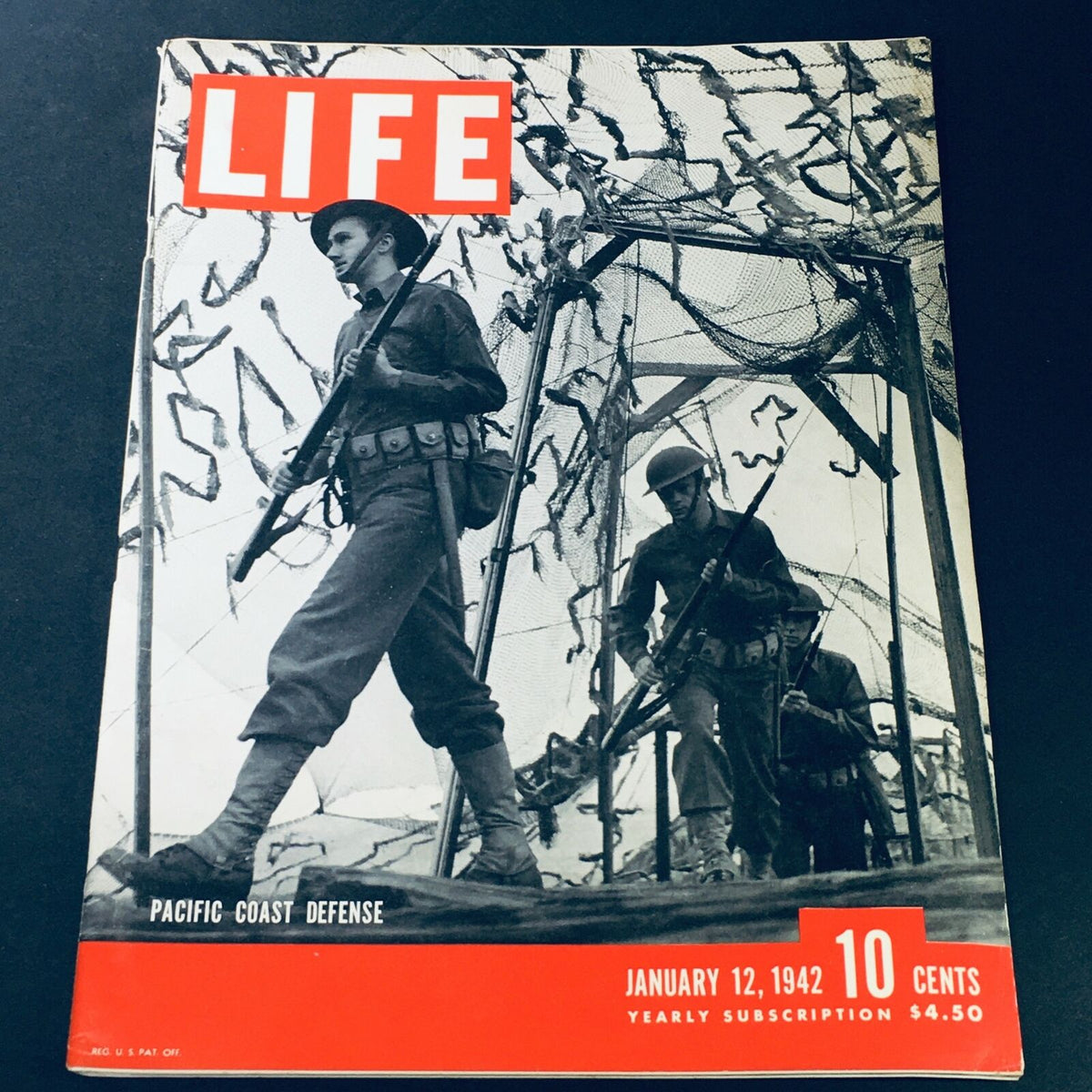
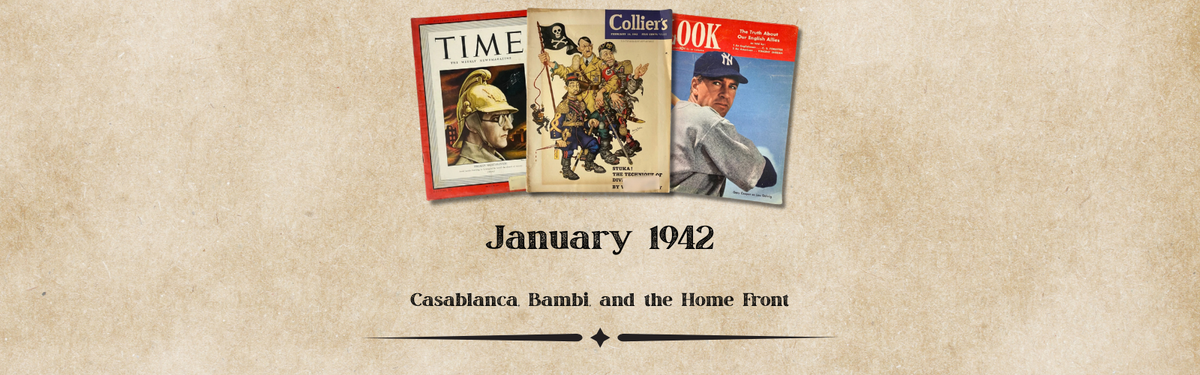
Original magazines from January 1942 capture this remarkable cultural double-vision: advertisements for war bonds alongside Hollywood glamour, sports heroes and battlefield dispatches sharing the same glossy pages. Time, Life, and Look devoted their layouts to the new Allied coalition, while sports-focused publications tracked Louis's dominance. The Rose Bowl, relocated to North Carolina for the first time due to fears of a Japanese attack on the Pacific Coast, made national headlines—a detail that appears in the sports coverage of nearly every major publication from this month.
Curator's Checklist: What to Look For
-
The United Nations Declaration: News magazines including Time, Life, and Newsweek featuring full coverage of the January 1st signing, illustrated with photographs of Allied representatives and diplomatic ceremony—a founding document of the modern world order captured in real time.
-
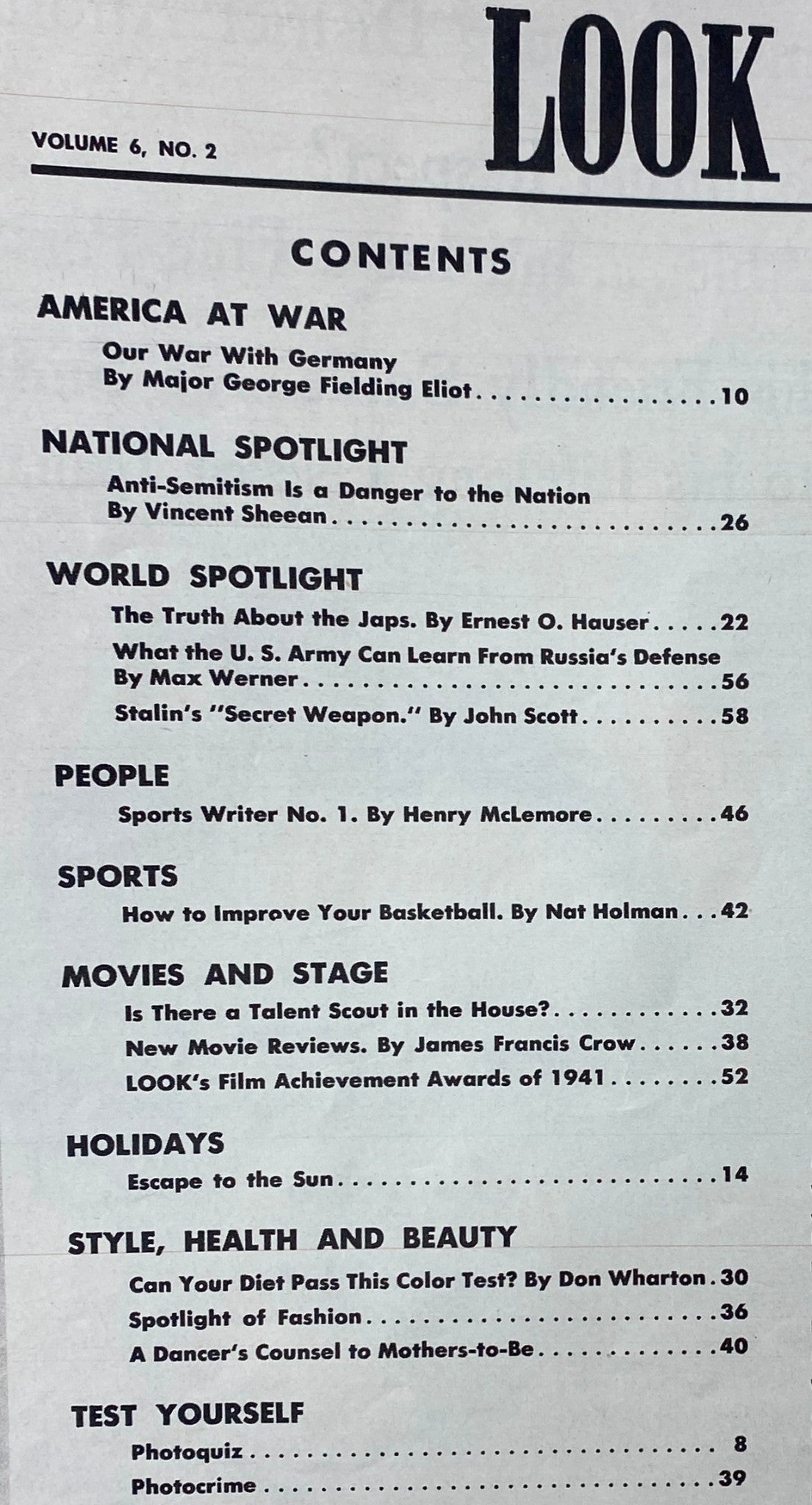
The Wannsee Conference: While wartime censorship limited immediate coverage, Look and Life issues from this period contain the first fragmentary reports of Nazi persecution in Europe, offering collectors a chilling contemporaneous glimpse at what the world knew—and didn't—in January 1942.
-
Joe Louis, Heavyweight Champion: Sports and general-interest magazines showcasing the Madison Square Garden bout, featuring ringside photography and profiles of Louis as a symbol of American resolve—among the most sought-after vintage magazines for boxing collectors.
-
The Pacific Theater's Opening Weeks: Time and Newsweek covers and interior spreads chronicling the fall of Manila and the siege of Bataan, with maps, military photography, and urgent editorial tone that documents America's first shocking weeks of Pacific warfare.
-
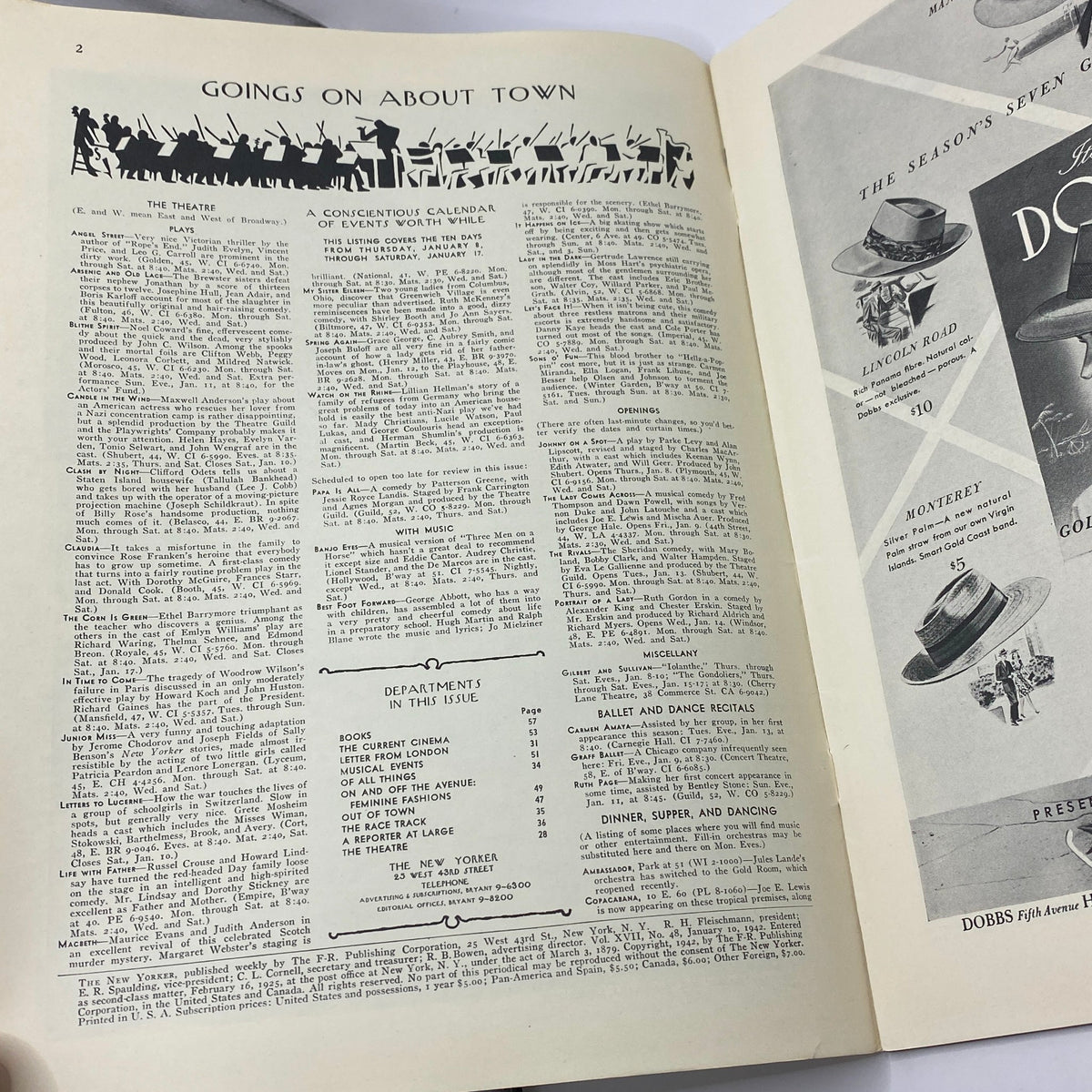
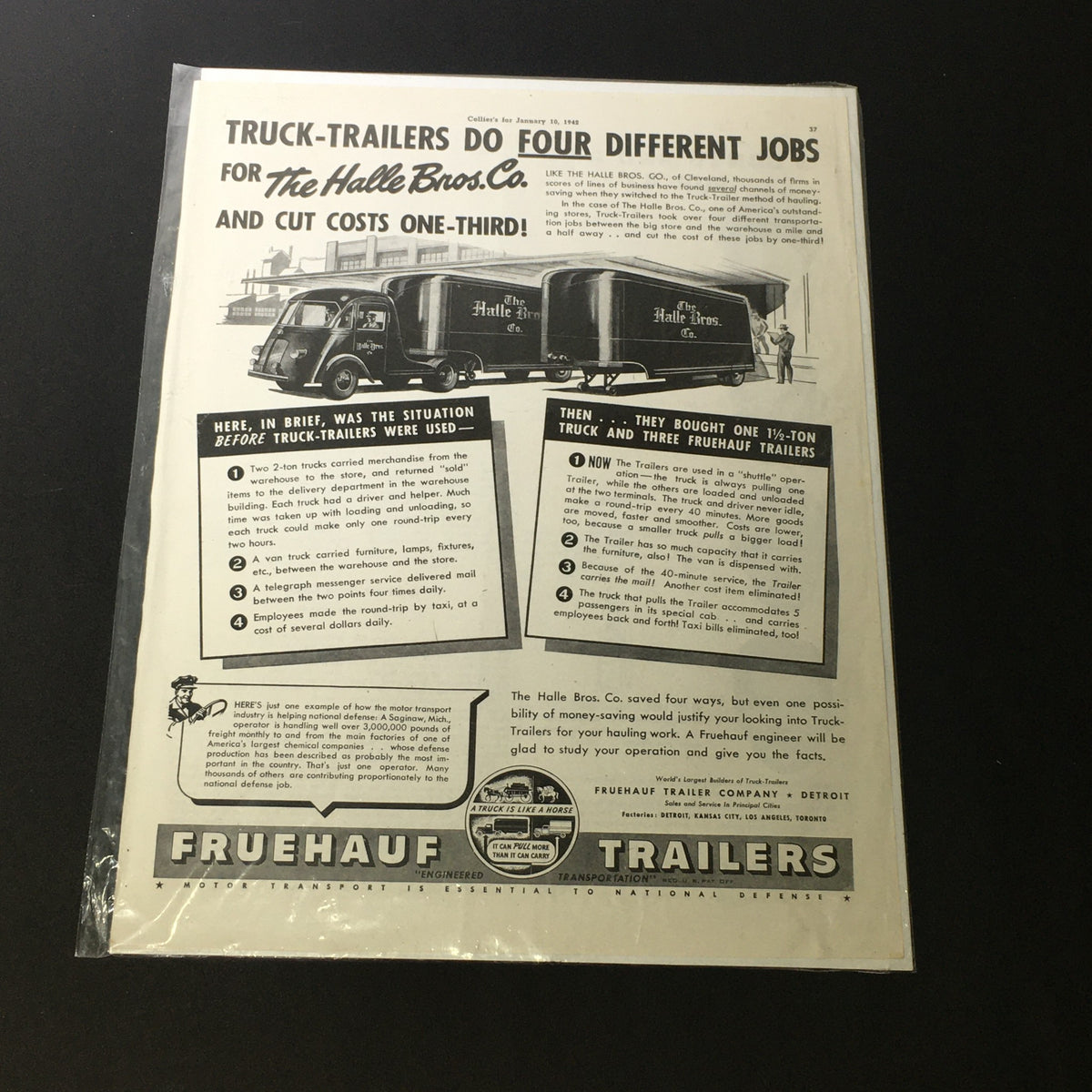
The Homefront in Advertising: Authentic period advertisements throughout every rare magazine from this month—war bond promotions, Victory Garden appeals, and the last consumer ads before full wartime rationing—a genuine time capsule of American commerce at the moment it transformed into a war economy.
The Perfect Gift
For someone born in January 1942, an original magazine from this consequential month isn't just a keepsake—it's an authenticated portal to the exact world they arrived in, preserved in genuine headlines, original photography, and the vivid advertising of a nation that had just committed itself to saving the world.