📖 About this Collection
January 1943: The Turning of the Tide
The Historical Context
The winter of January 1943 crackled with a tension the whole world could feel. At Stalingrad, the fate of the German war machine hung by a thread as Soviet forces tightened their grip on the battered 6th Army—what began as Hitler's showcase conquest was collapsing into catastrophe. On January 31st, Field Marshal Friedrich Paulus made history as the highest-ranking German officer ever to surrender, handing the Allies a psychological victory as staggering as any military one. Meanwhile, in the sun-bleached streets of Casablanca, Winston Churchill and Franklin D. Roosevelt met in secret to chart the next phase of the war—FDR becoming the first sitting American president to fly abroad in office. Soviet forces broke the agonizing Siege of Leningrad, opening a narrow lifeline to the city after nearly 900 days of blockade. For anyone born in January 1943, this was the month the war's momentum shifted, the first real intimation that the darkness might one day lift.
Culture & Life in January 1943
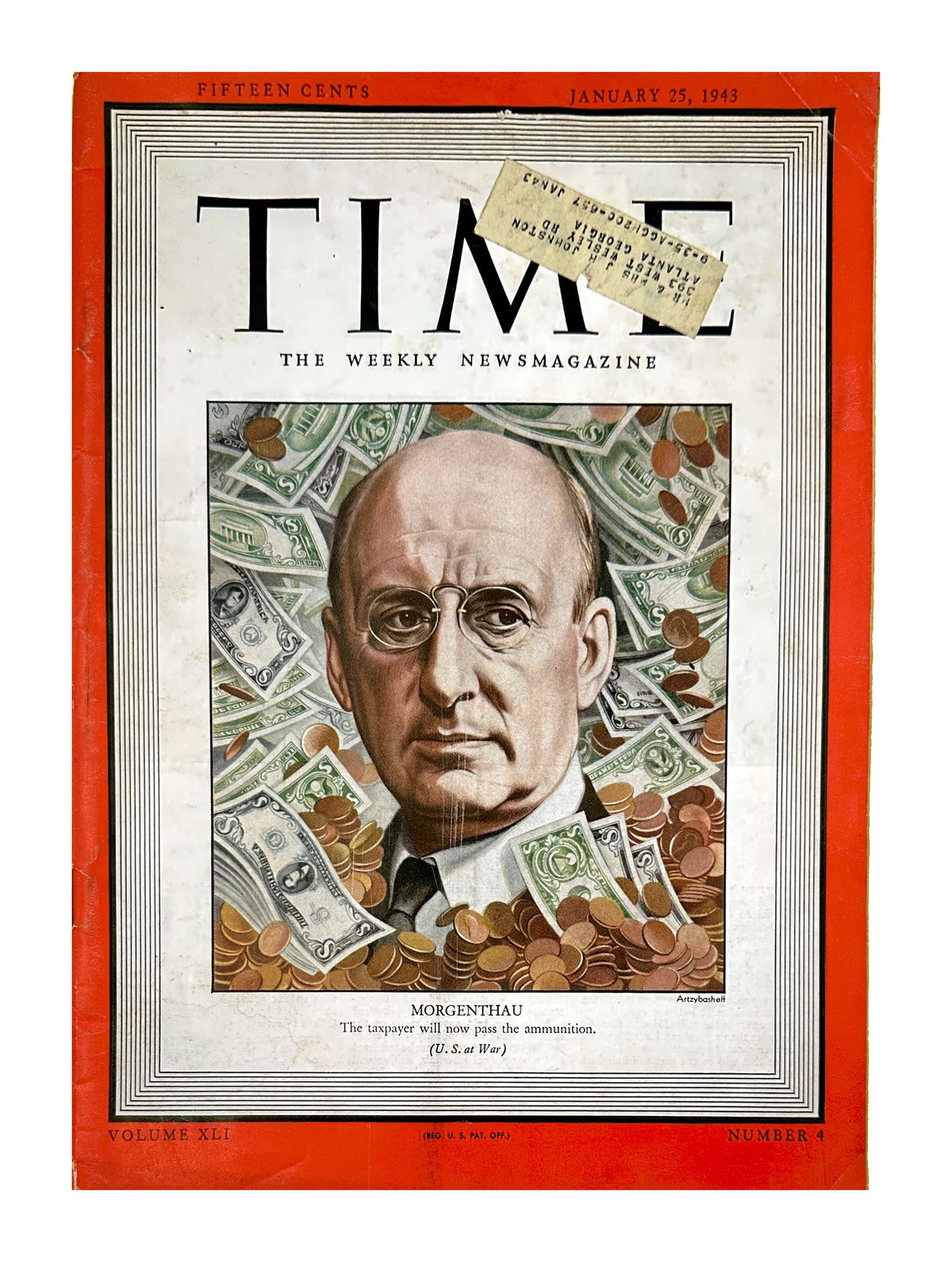
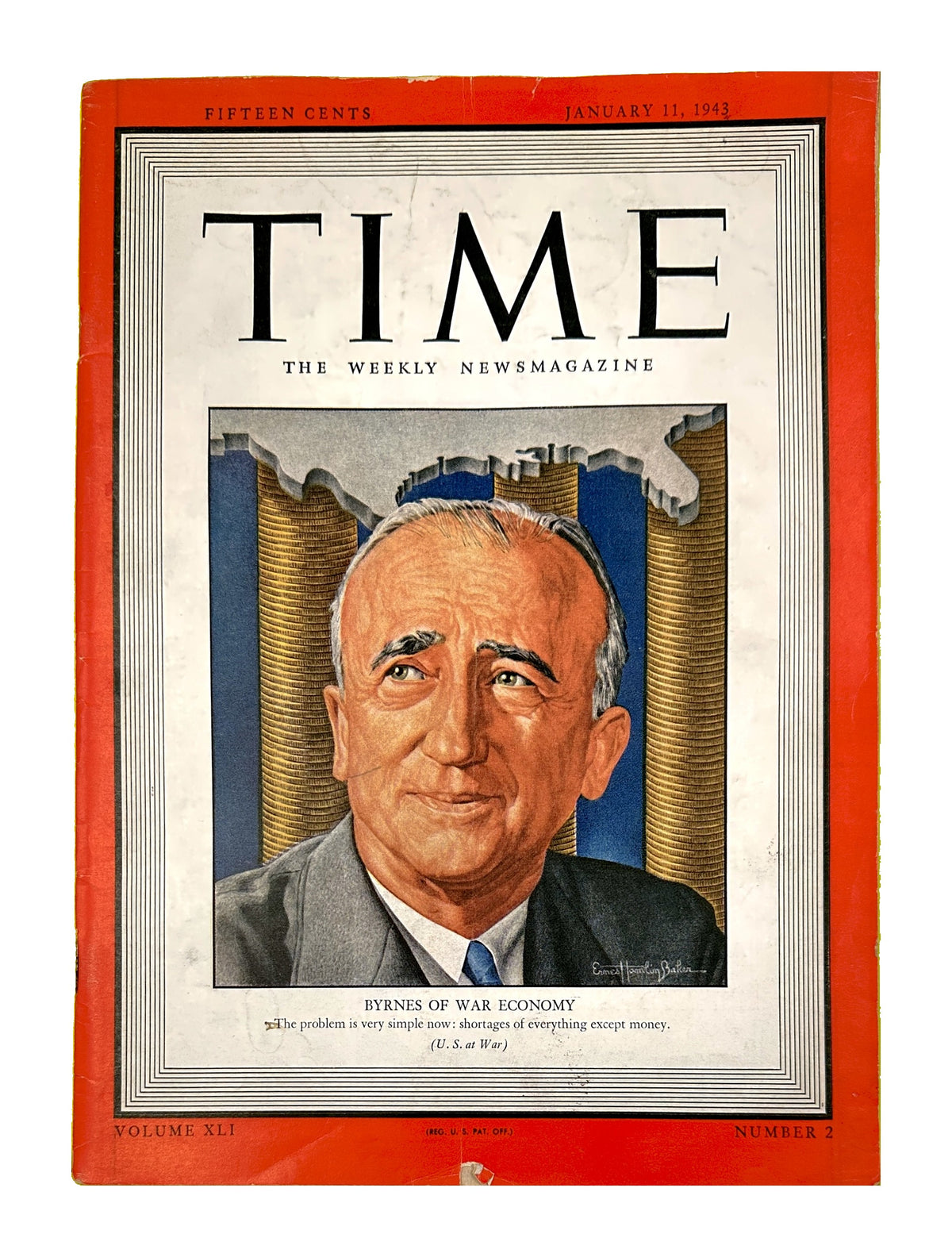
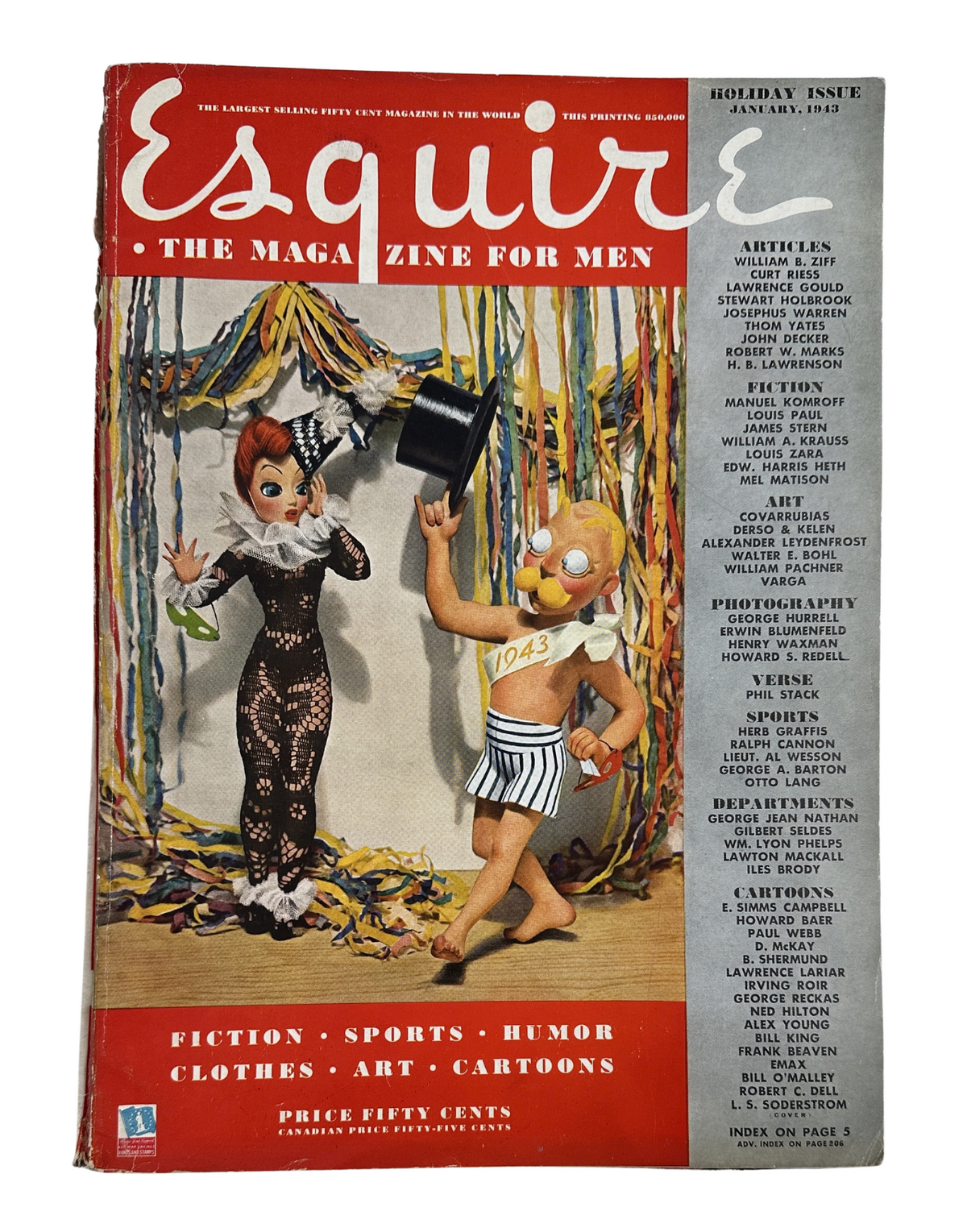
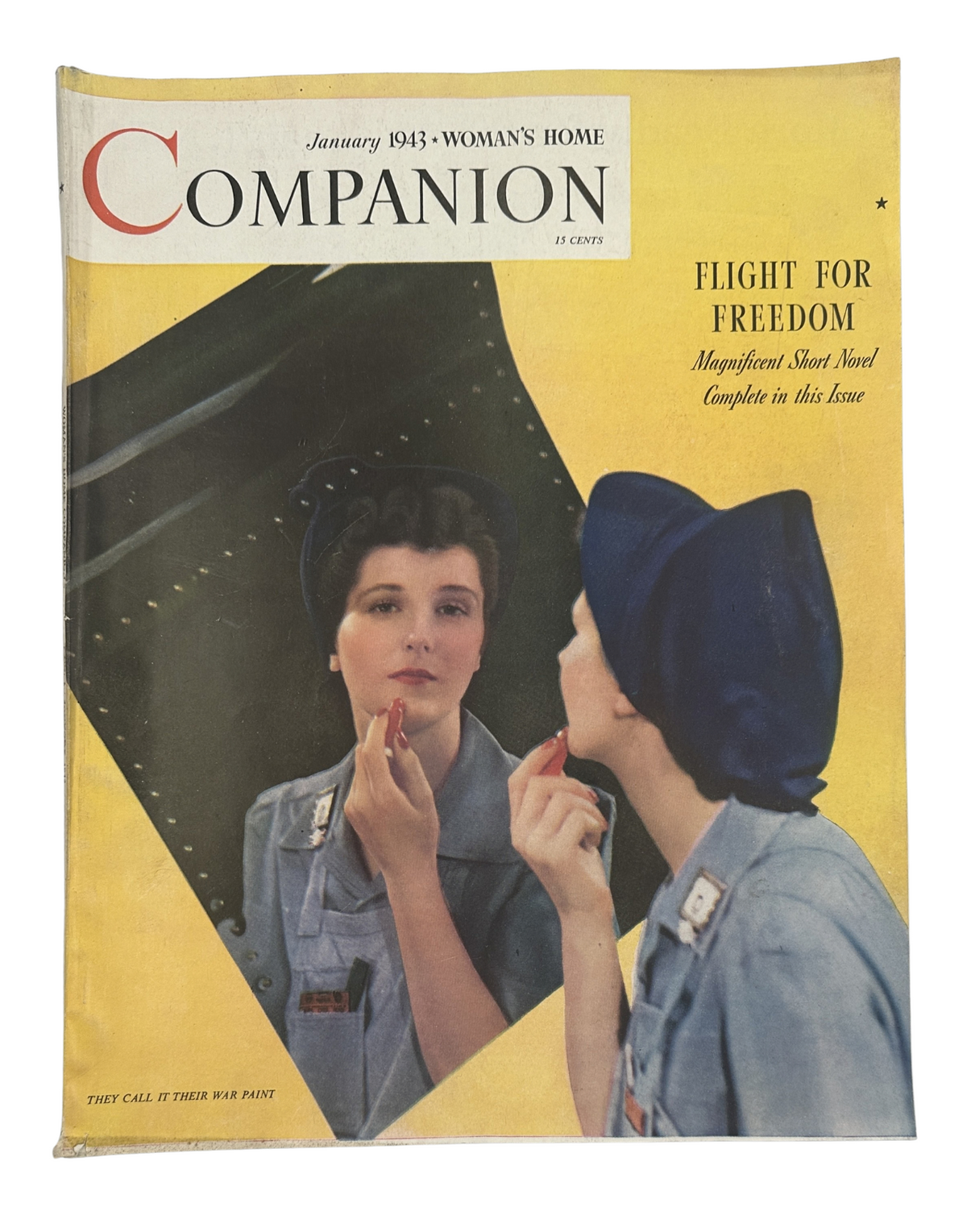
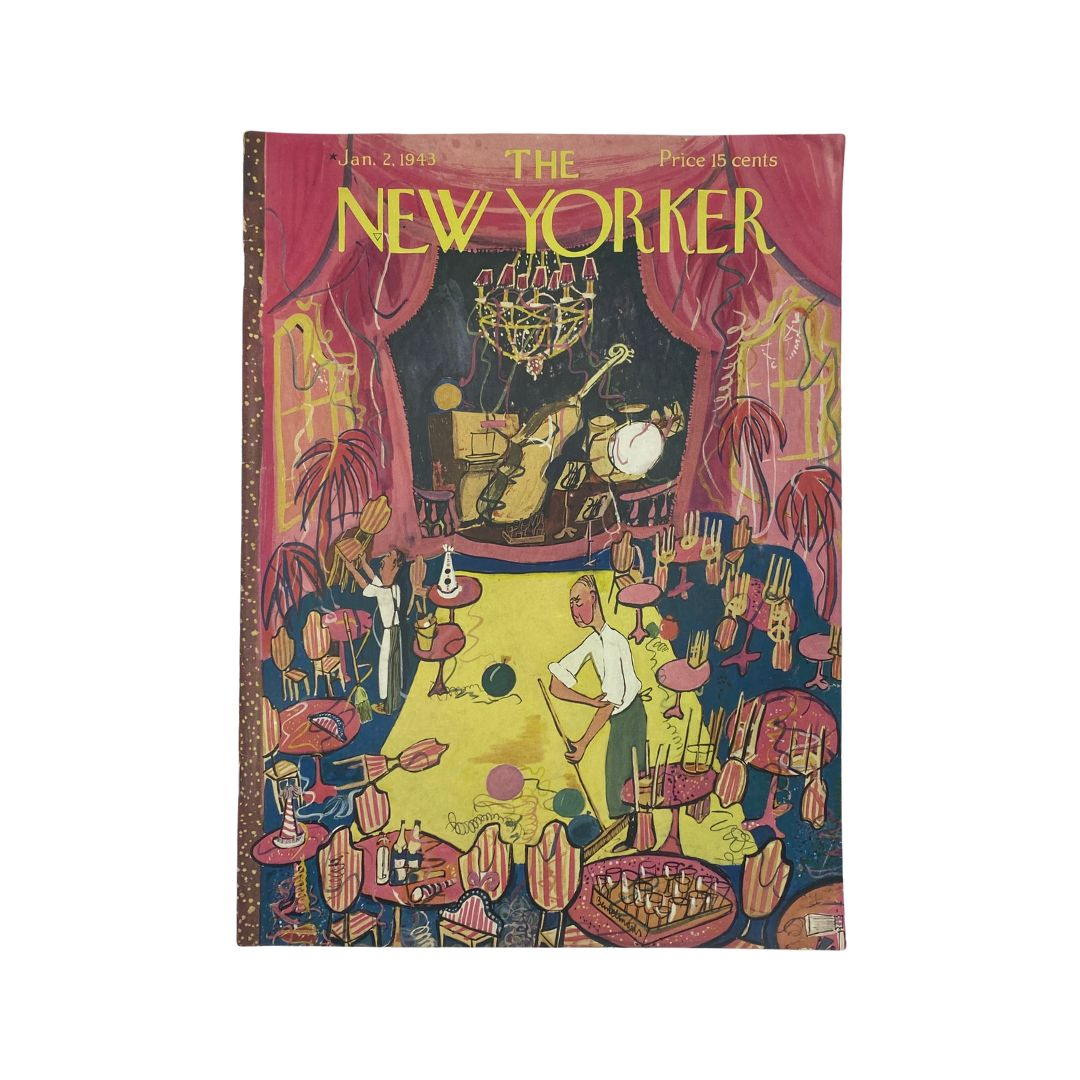
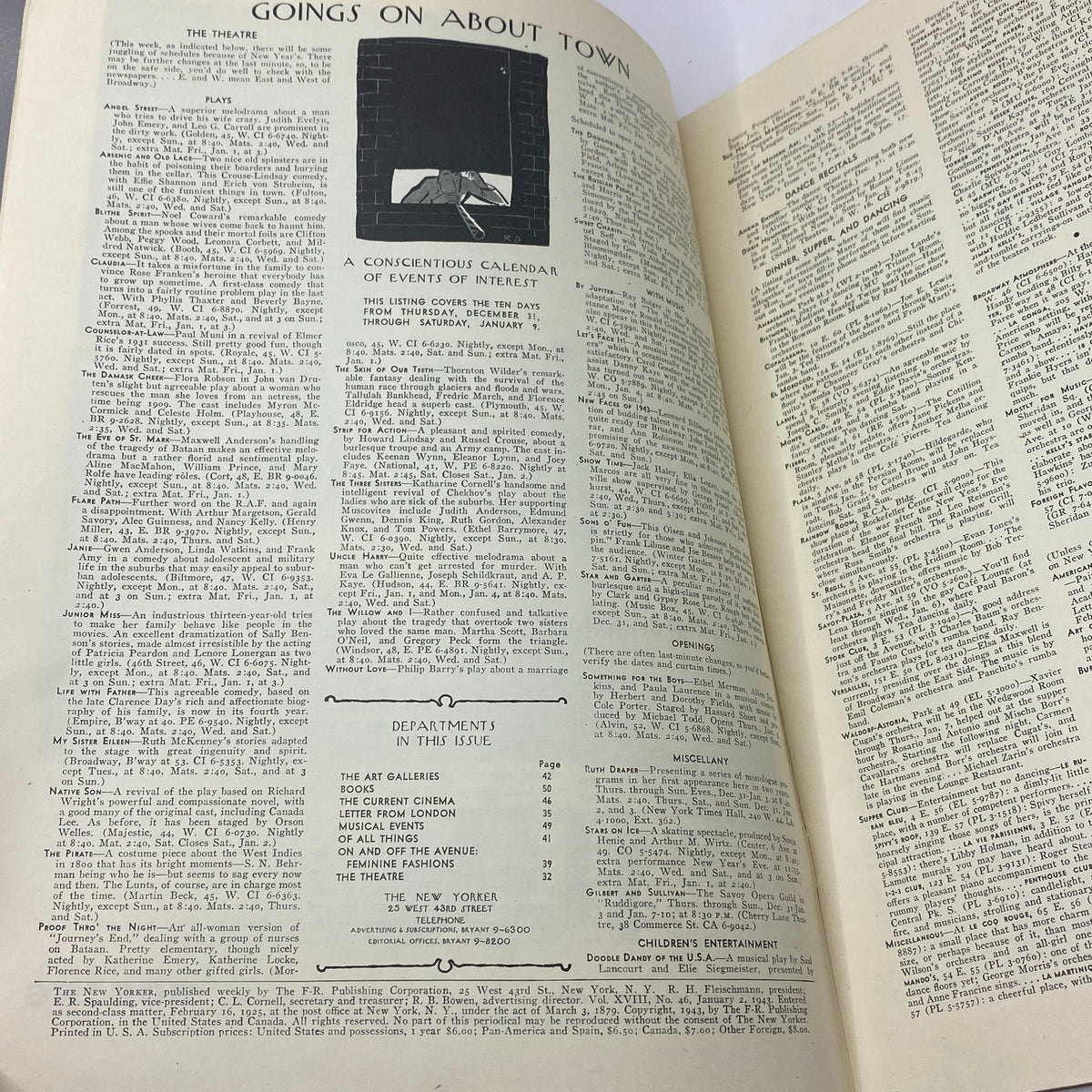
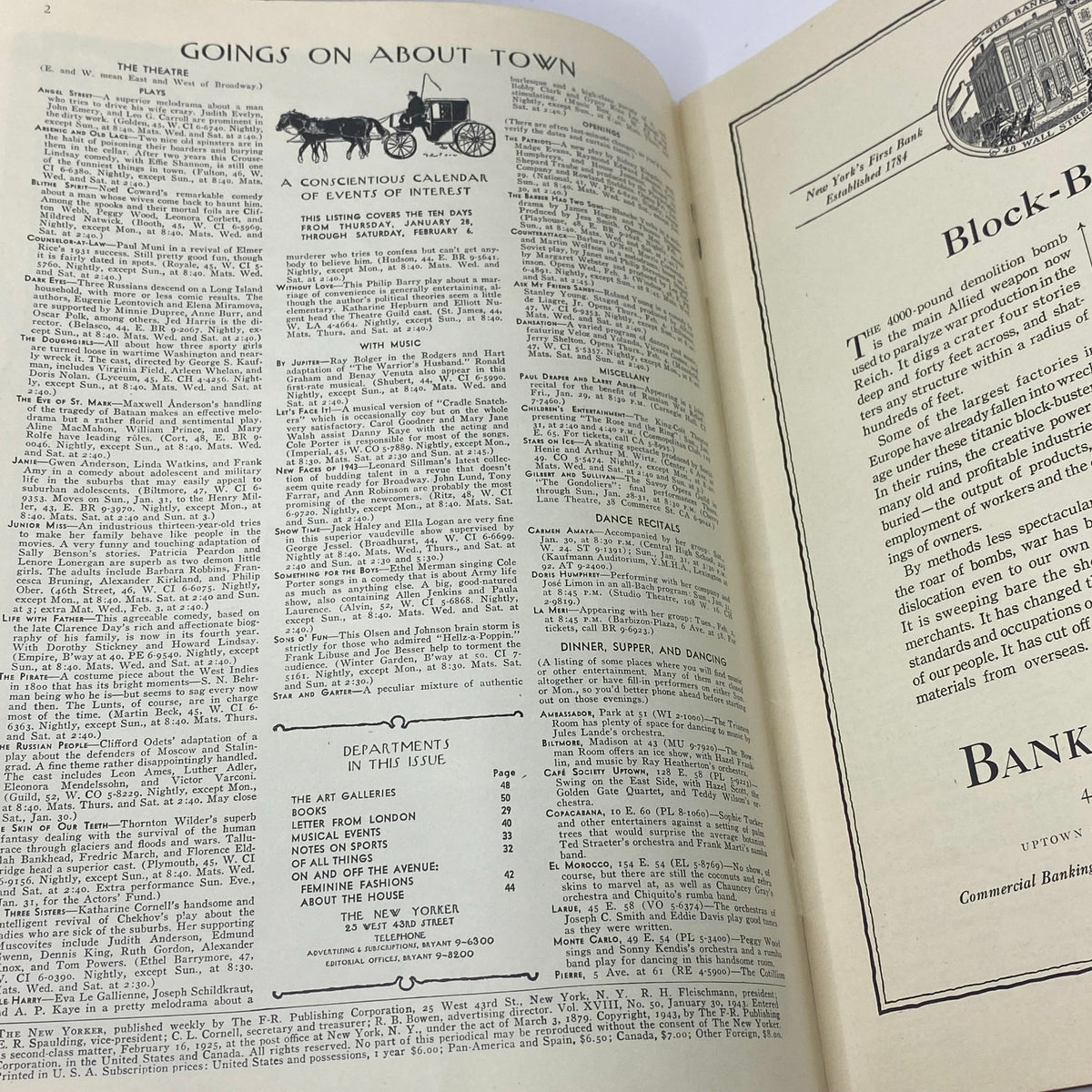
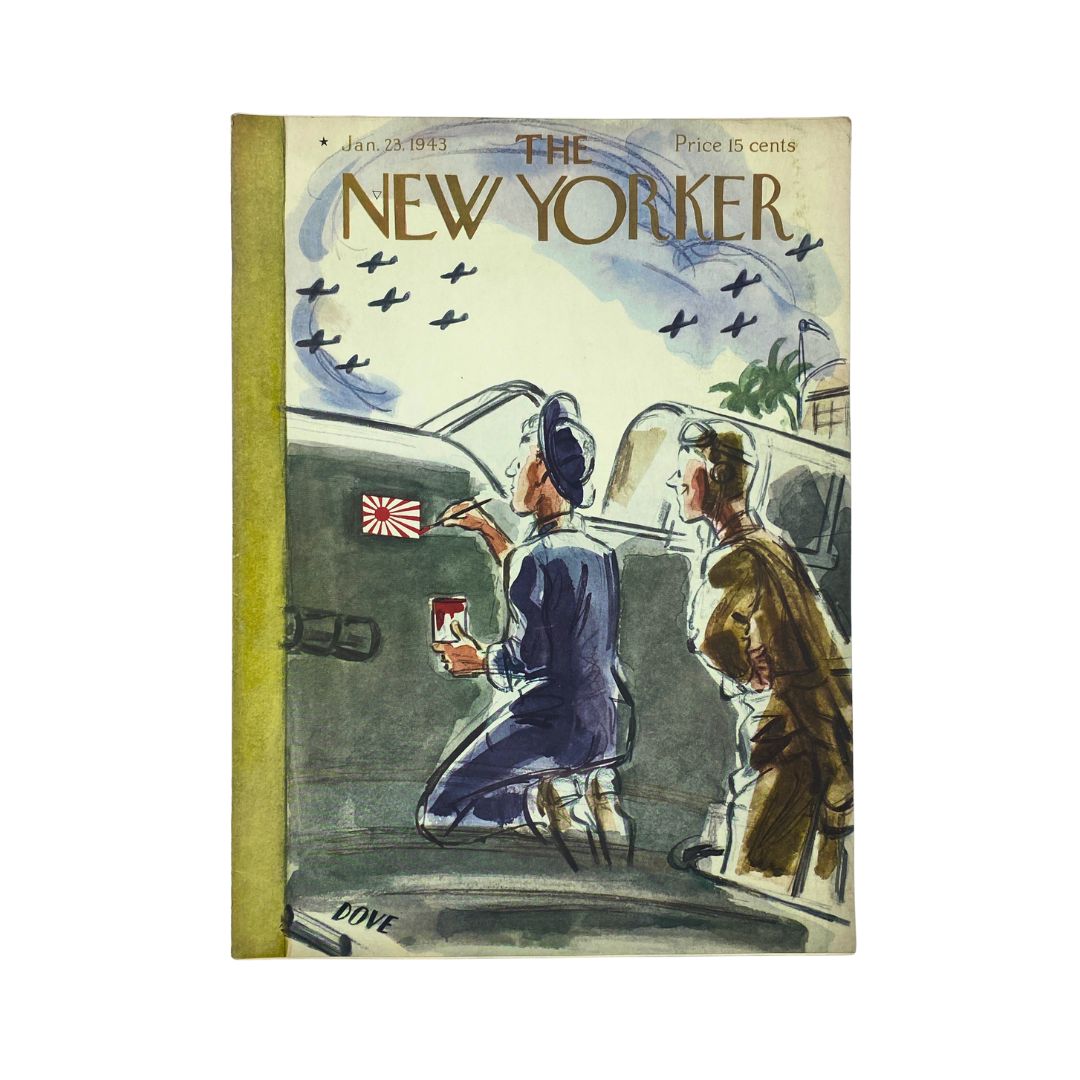
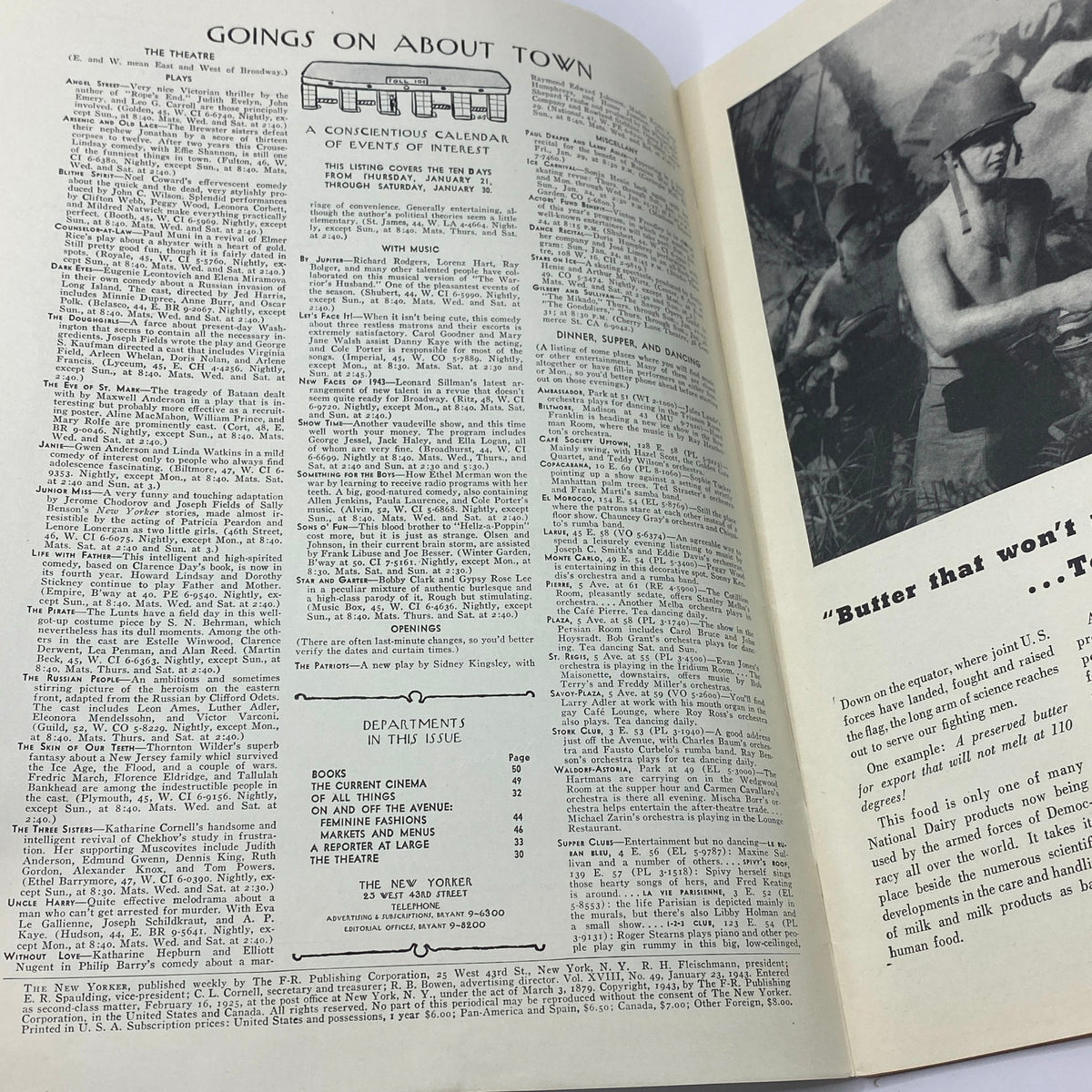
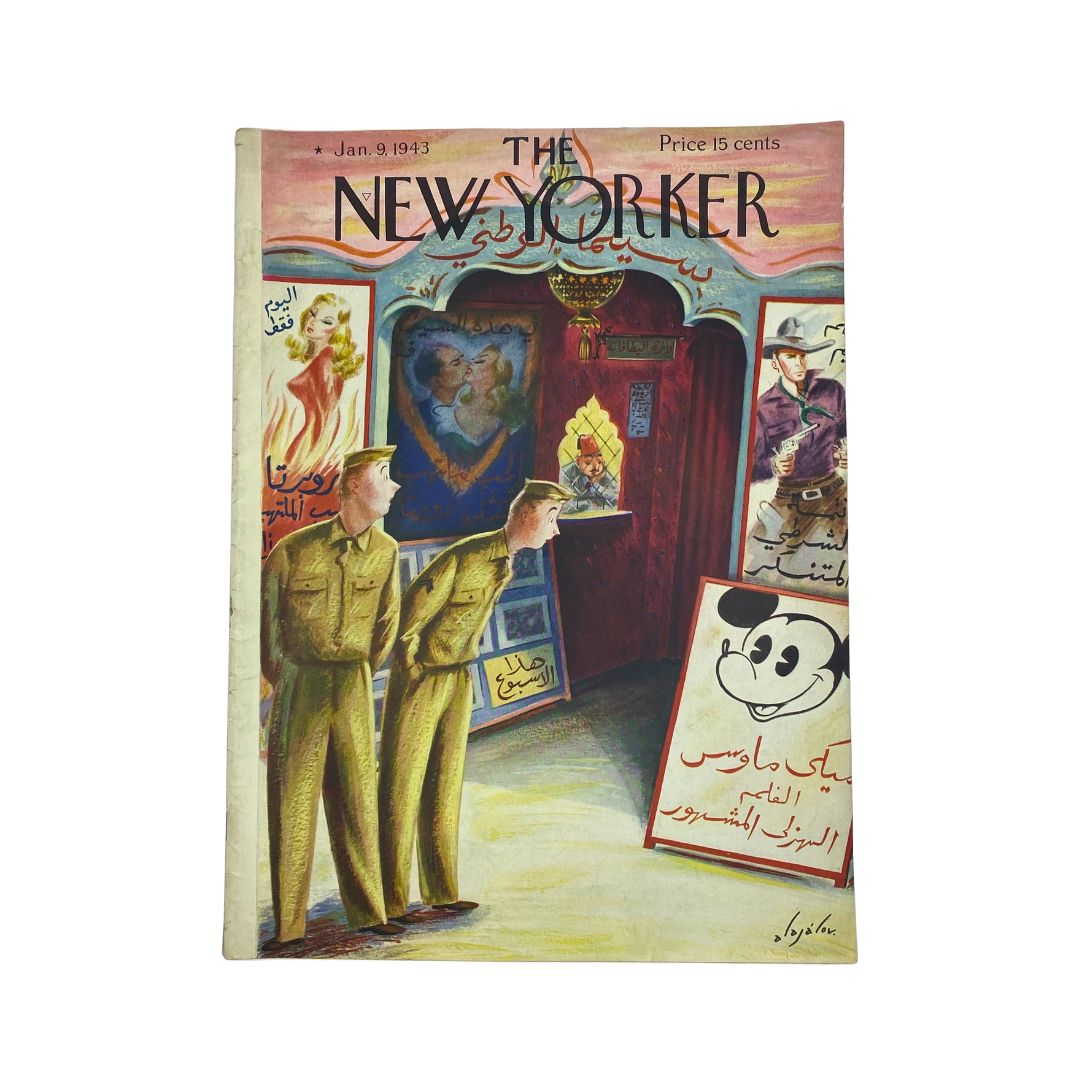
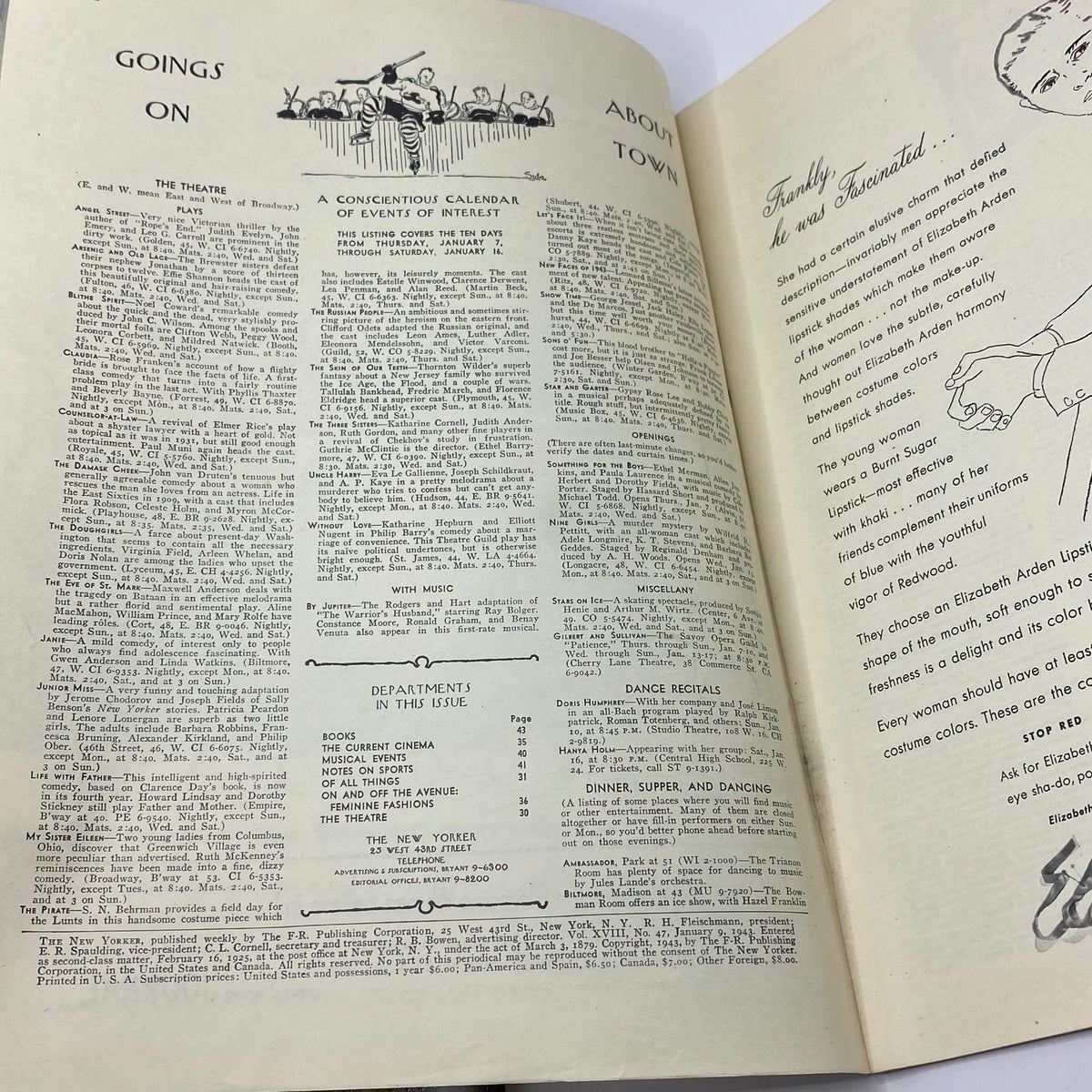
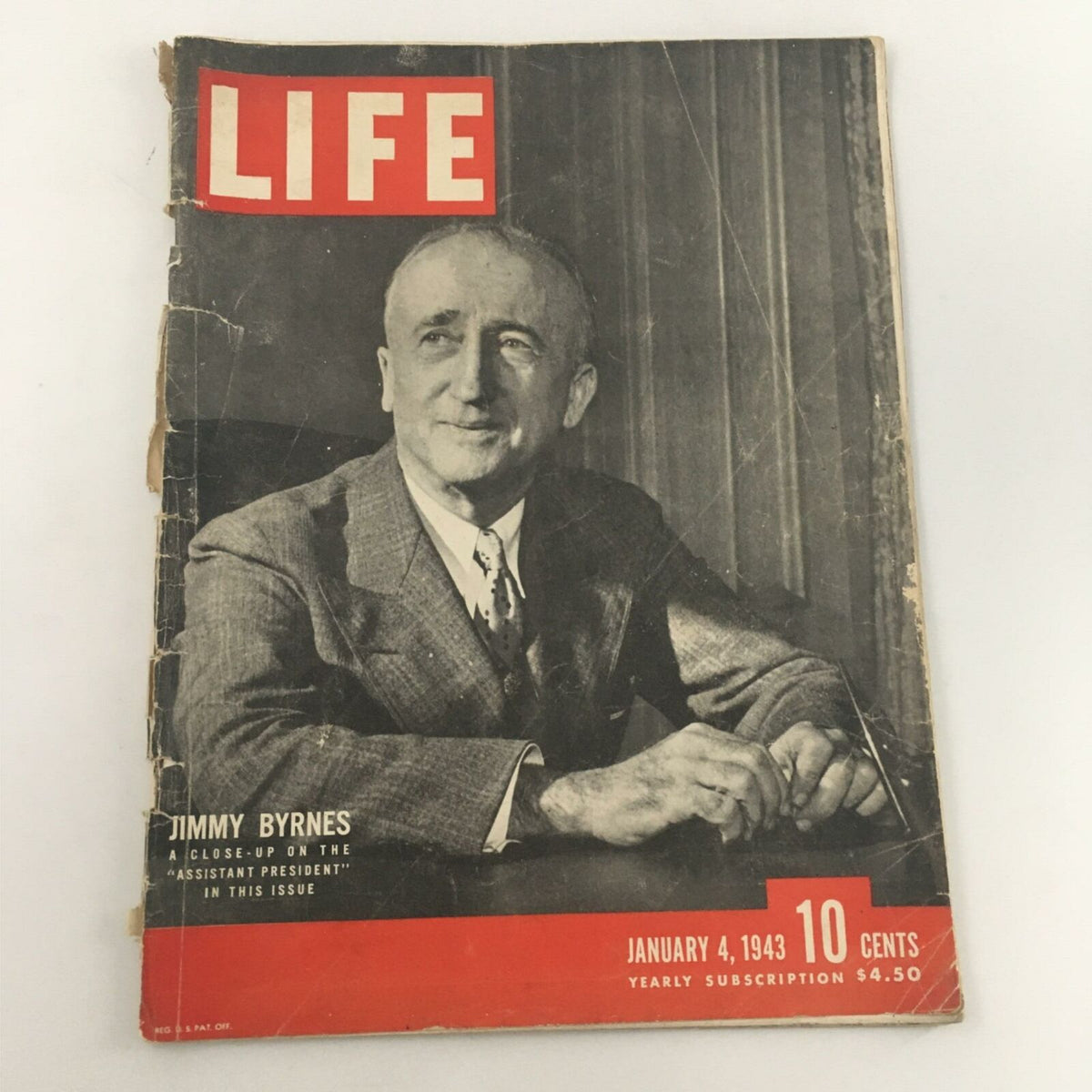
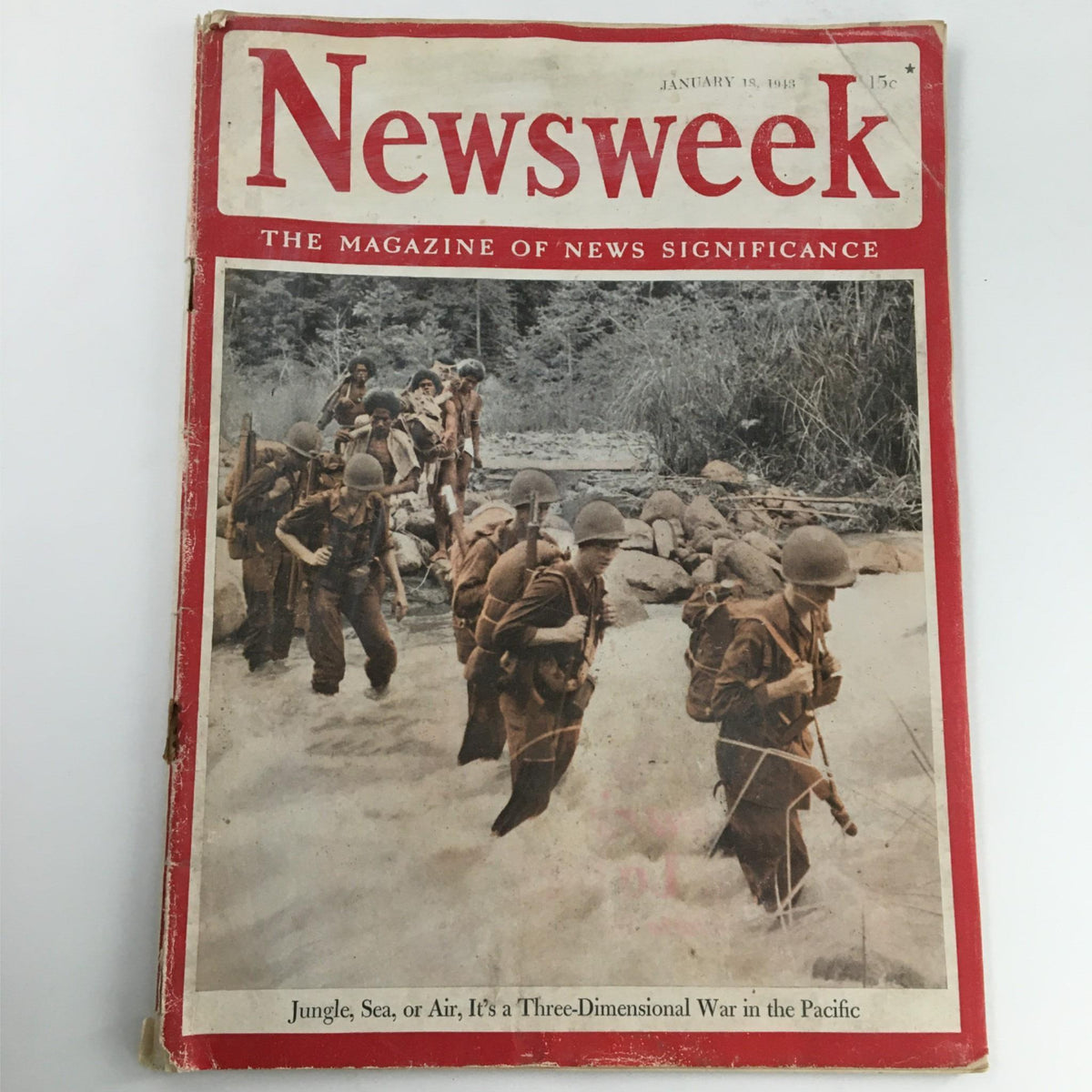
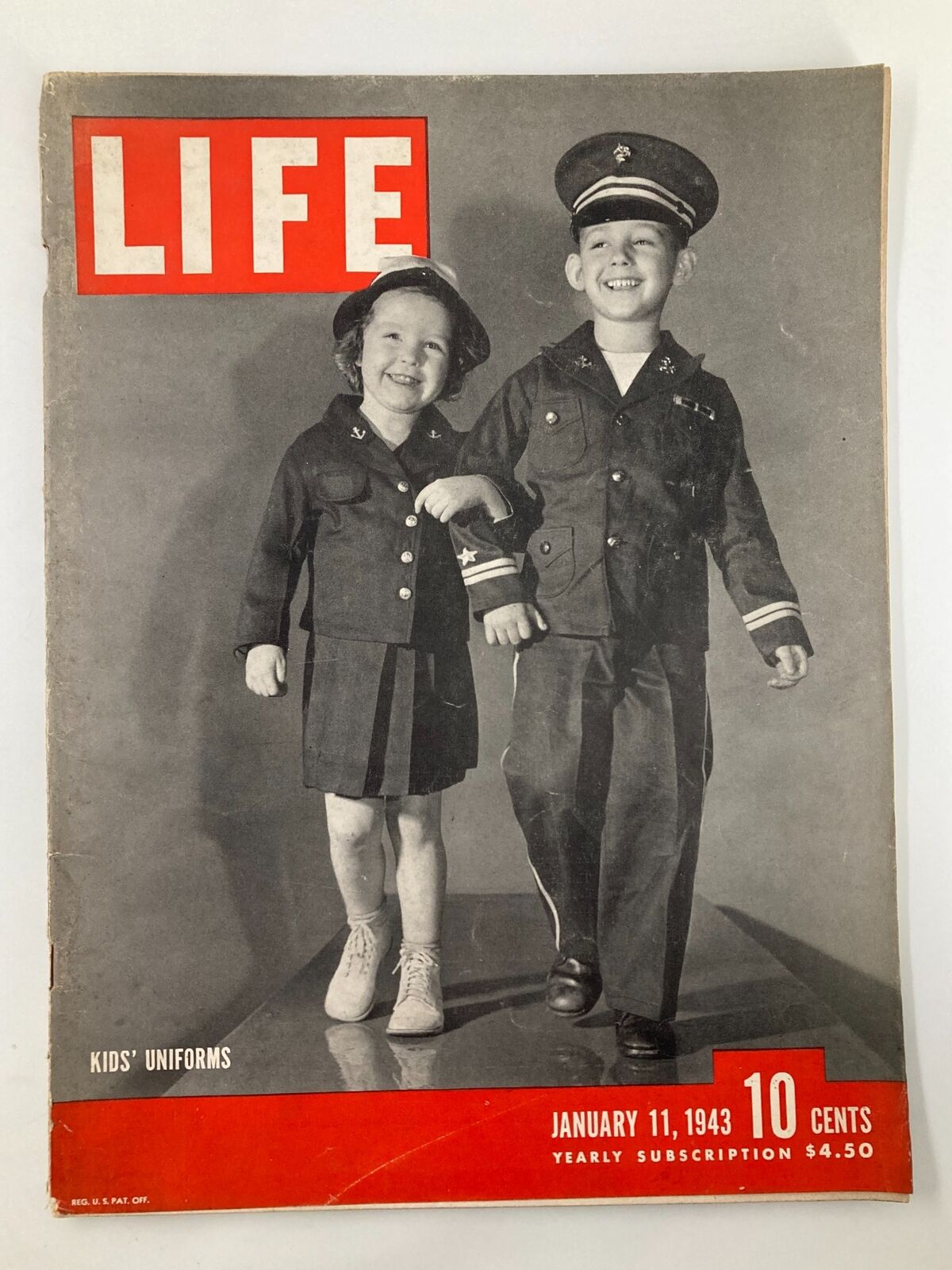
Even as the world mobilized, American life carried on—transformed but resilient. Wartime rationing reshaped everyday rituals: frankfurters had become "Victory Sausages," presliced bread was banned to conserve metal, and tin can drives turned neighbors into participants in something larger than themselves. At Carnegie Hall on January 23rd, Duke Ellington made his landmark debut with an orchestra, a concert that would be remembered as one of jazz's defining nights. On Broadway, Sidney Kingsley's Patriots opened to an audience hungry for drama that mirrored the moment. Original magazines from January 1943 captured this fascinating tension—advertisements for rationed goods alongside breathless dispatches from North Africa and the Pacific. Life, Time, and Newsweek dominated the newsstands, their covers haunted by the faces of generals and the smoke of distant battlefields, while The Saturday Evening Post carried the home-front mood in every illustrated page. These rare magazines are genuine dispatches from a nation at war with itself and the world.
Curator's Checklist: What to Look for in January 1943 Magazines
-
The Stalingrad Surrender: News magazines including Time, Life, and Newsweek featuring photography and maps chronicling the Soviet encirclement, often illustrated with stark aerial images of the frozen Volga front and portraits of Paulus in defeat.
-
The Casablanca Conference: Look for vintage magazines carrying early reports of the secret Allied summit, illustrated with the iconic photograph of Churchill, Roosevelt, de Gaulle, and Giraud seated together—one of the war's most reproduced images.
-
Wartime Rationing and the Home Front: Authentic advertisements throughout any January 1943 issue reveal the era's sacrifice culture—Victory Sausage promotions, war bond appeals, and consumer brands repositioning their products around patriotic themes.
-
Duke Ellington at Carnegie Hall: Entertainment and cultural publications showcasing Ellington's historic debut, capturing a watershed moment in American music when jazz stepped fully into the concert hall, often featuring portrait photography of the Duke and his orchestra.
-
The Siege of Leningrad: Issues of Life and Look featuring Soviet human-interest photography are among the most sought-after for this month—showcasing Red Army soldiers and civilian survivors in images of almost unbearable resilience that defined Allied wartime journalism.
The Perfect Gift
For someone born in January 1943, an original magazine from this pivotal month isn't just a birthday gift—it's a time capsule of the moment the war's tide began to turn, preserved in genuine wartime headlines, original advertisements, and authentic photography that no reproduction can replicate.