📖 About this Collection
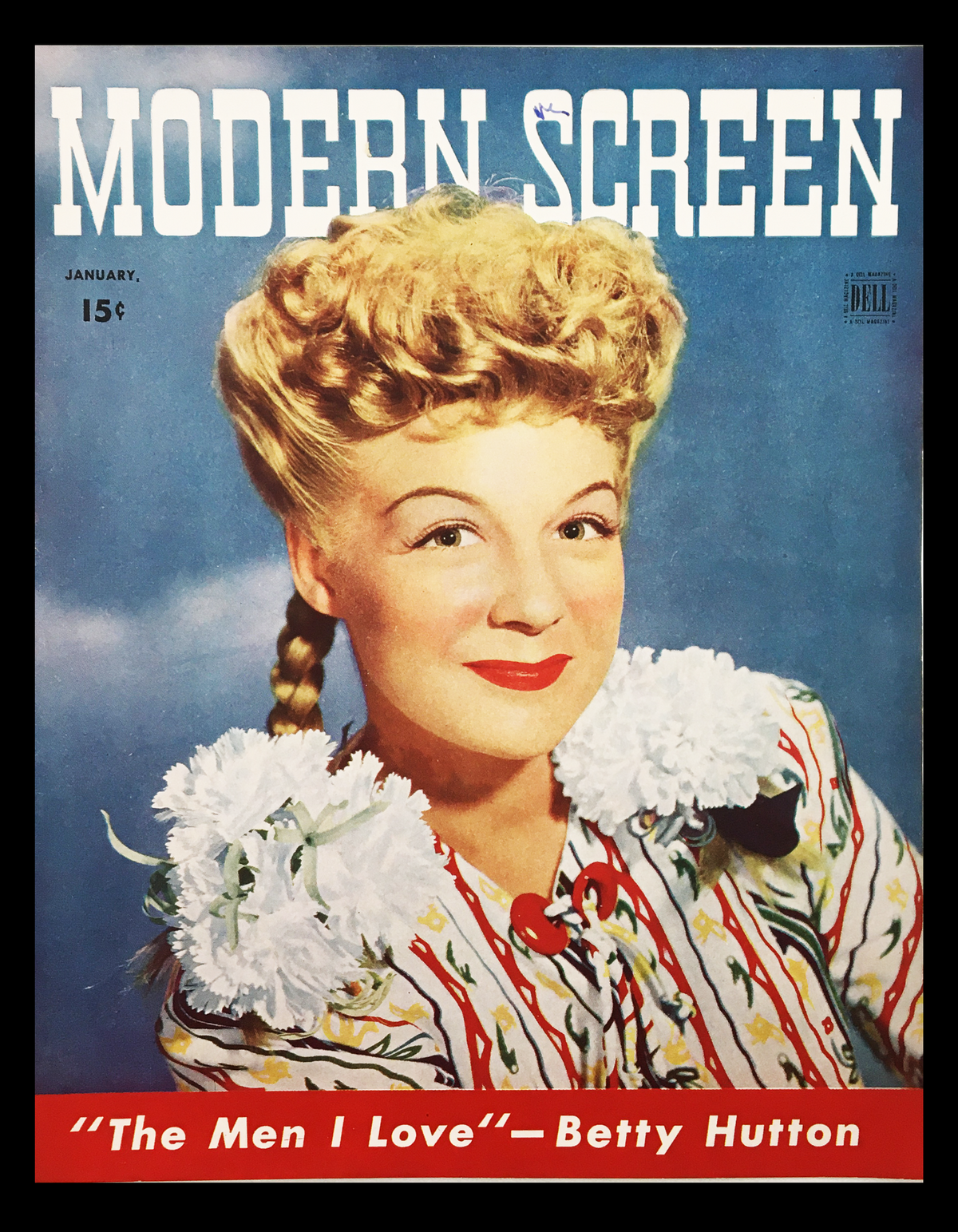
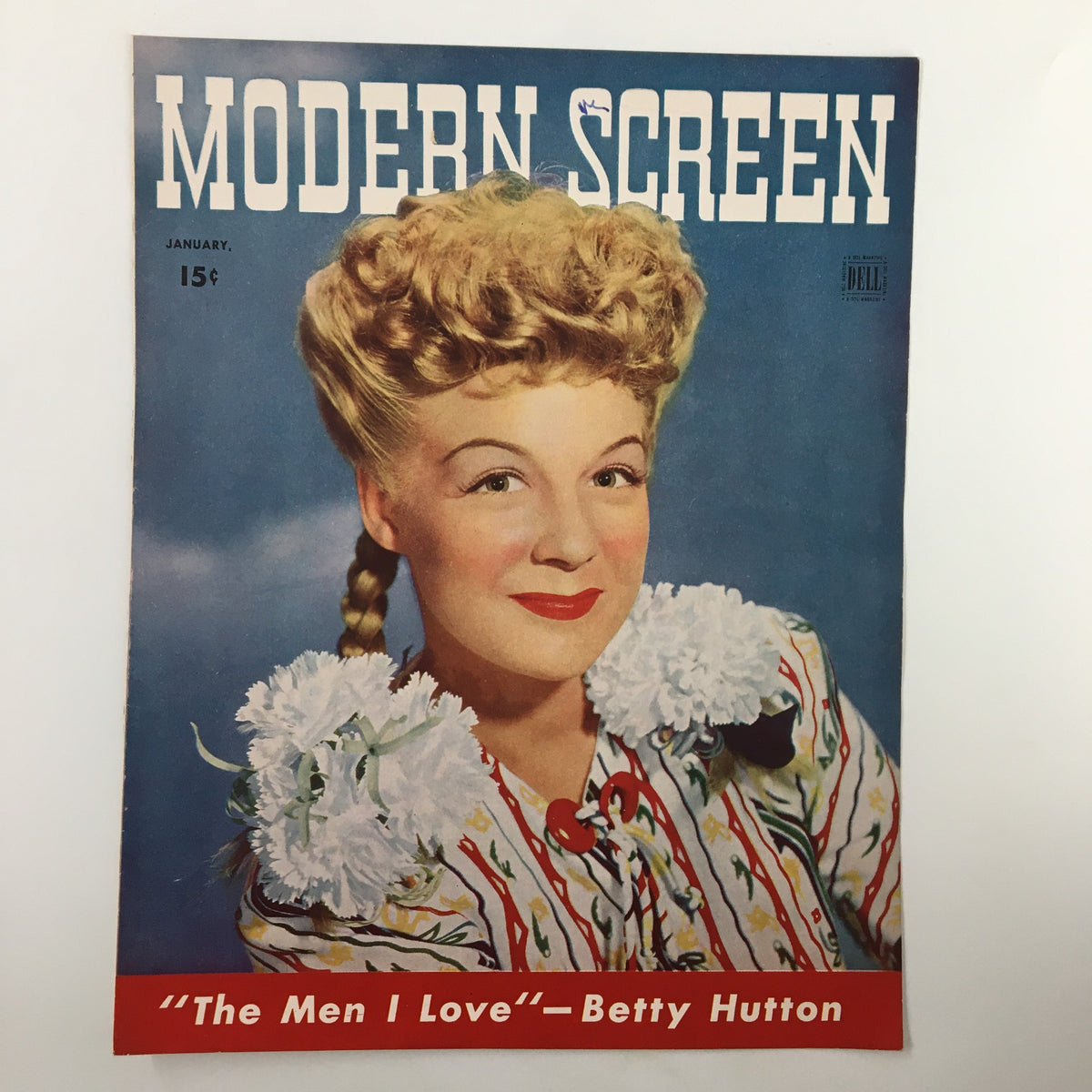
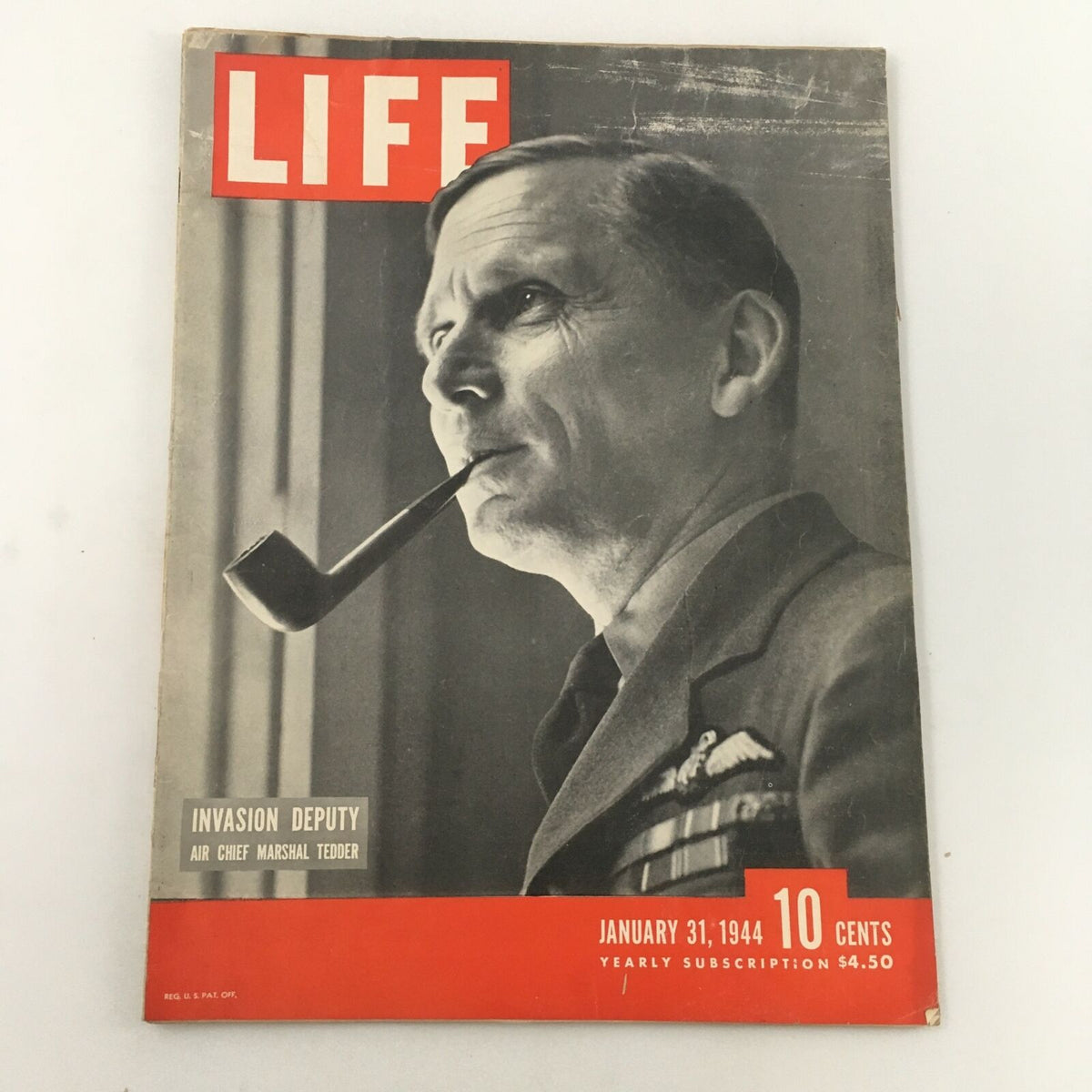
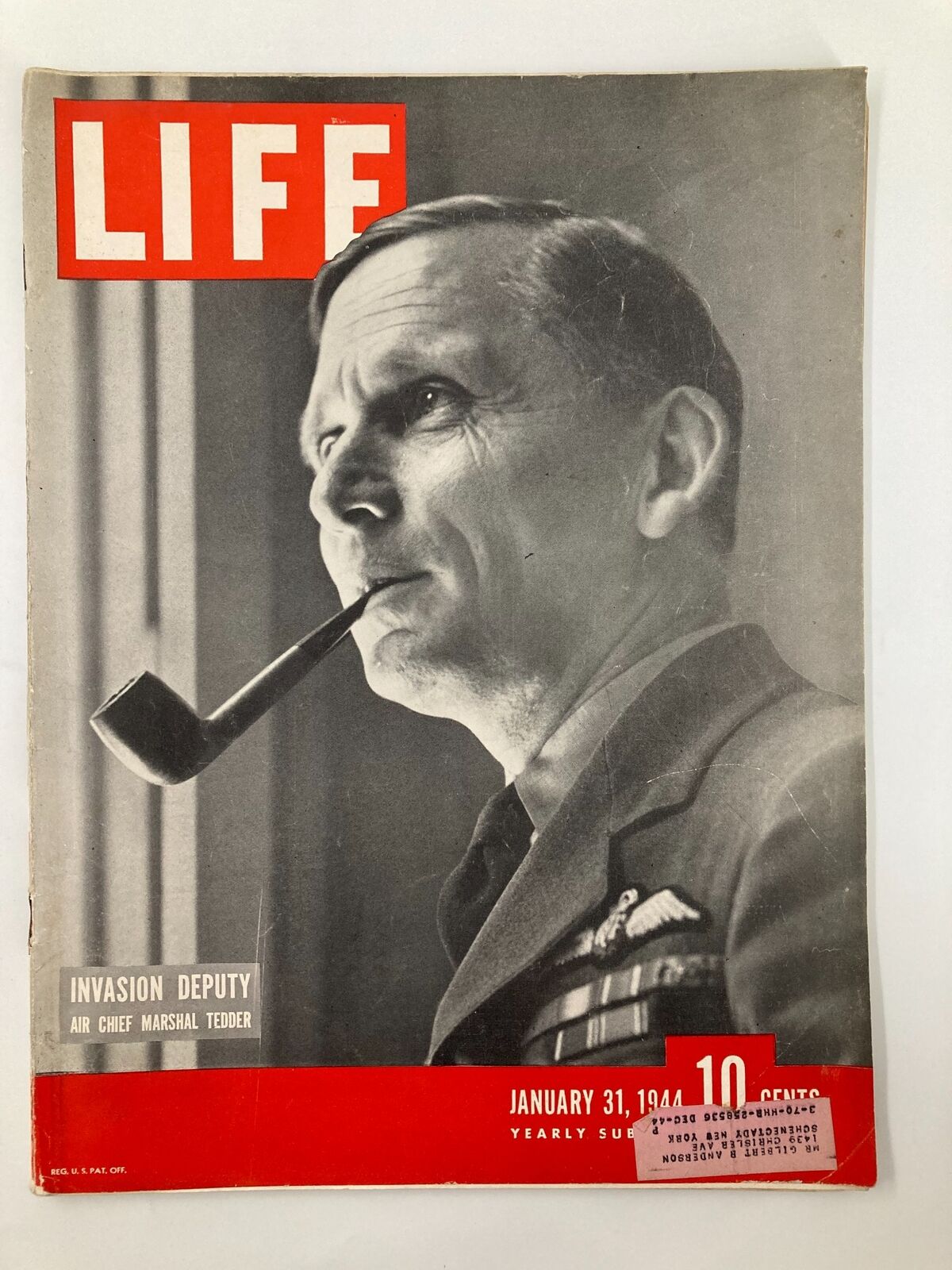
January 1944: The World Holds Its Breath
The Historical Context
The new year arrived not with celebration but with the weight of a war entering its most consequential phase. January 1944 crackled with a tension that gripped every household, every newsstand, every radio set — because everyone sensed that 1944 would be the year the tide turned, or didn't. The month's defining story was the appointment of General Dwight D. Eisenhower as Supreme Commander of the Allied Expeditionary Force, arriving in London on January 15th to take command of the most ambitious military operation in human history. That same week, Allied forces stormed the beaches at Anzio on January 22nd, punching a new front into the Italian mainland. Then came the moment that had sustained a besieged city for nearly three years: on January 27th, Soviet forces finally broke the Siege of Leningrad after 880 harrowing days and more than two million Russian lives lost. This was the world your loved one entered — resolute, exhausted, and beginning to believe in victory.
Culture & Life on the American Home Front
While generals plotted invasions across both oceans, American culture pulsed with an energy all its own. On January 18th, the Metropolitan Opera House hosted its first-ever jazz concert — a landmark evening featuring Louis Armstrong, Billie Holiday, Lionel Hampton, Benny Goodman via remote hookup, and a constellation of the era's finest musicians sharing a stage that had never heard a trumpet played that way. The evening made headlines and filled the pages of Life and Look with photographs of a cultural barrier quietly dissolving. On January 28th, a young Leonard Bernstein premiered his Symphony No. 1, Jeremiah, conducting the Pittsburgh Symphony himself — a debut that announced a major American voice. Meanwhile, the January 7th announcement of the Bell P-59, America's first jet fighter, sent a shiver of technological pride through Popular Mechanics and Time readers alike. Original magazines from January 1944 capture this dual America — one eye on the front pages, one on the future arriving faster than anyone expected.
Curator's Checklist: What to Look For
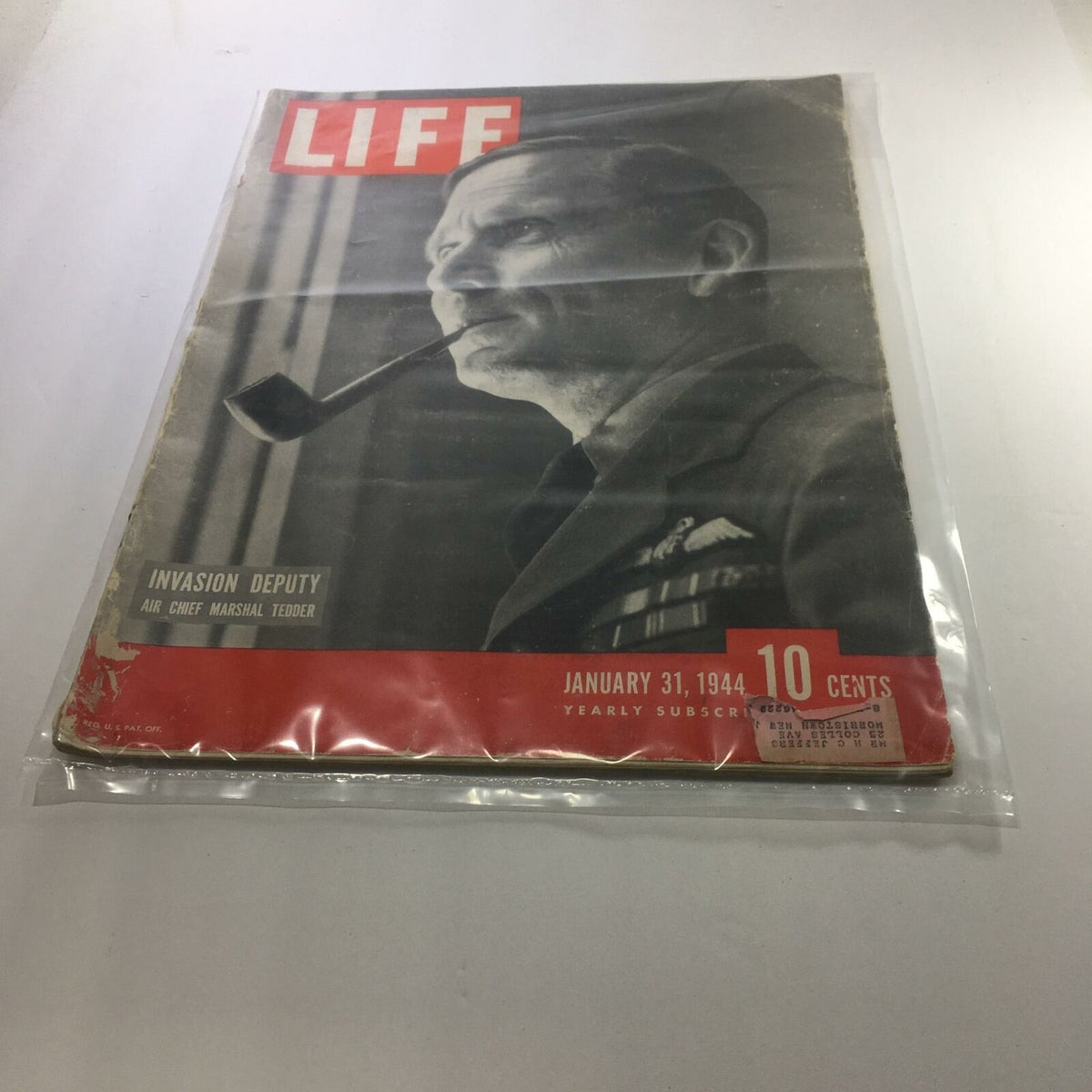
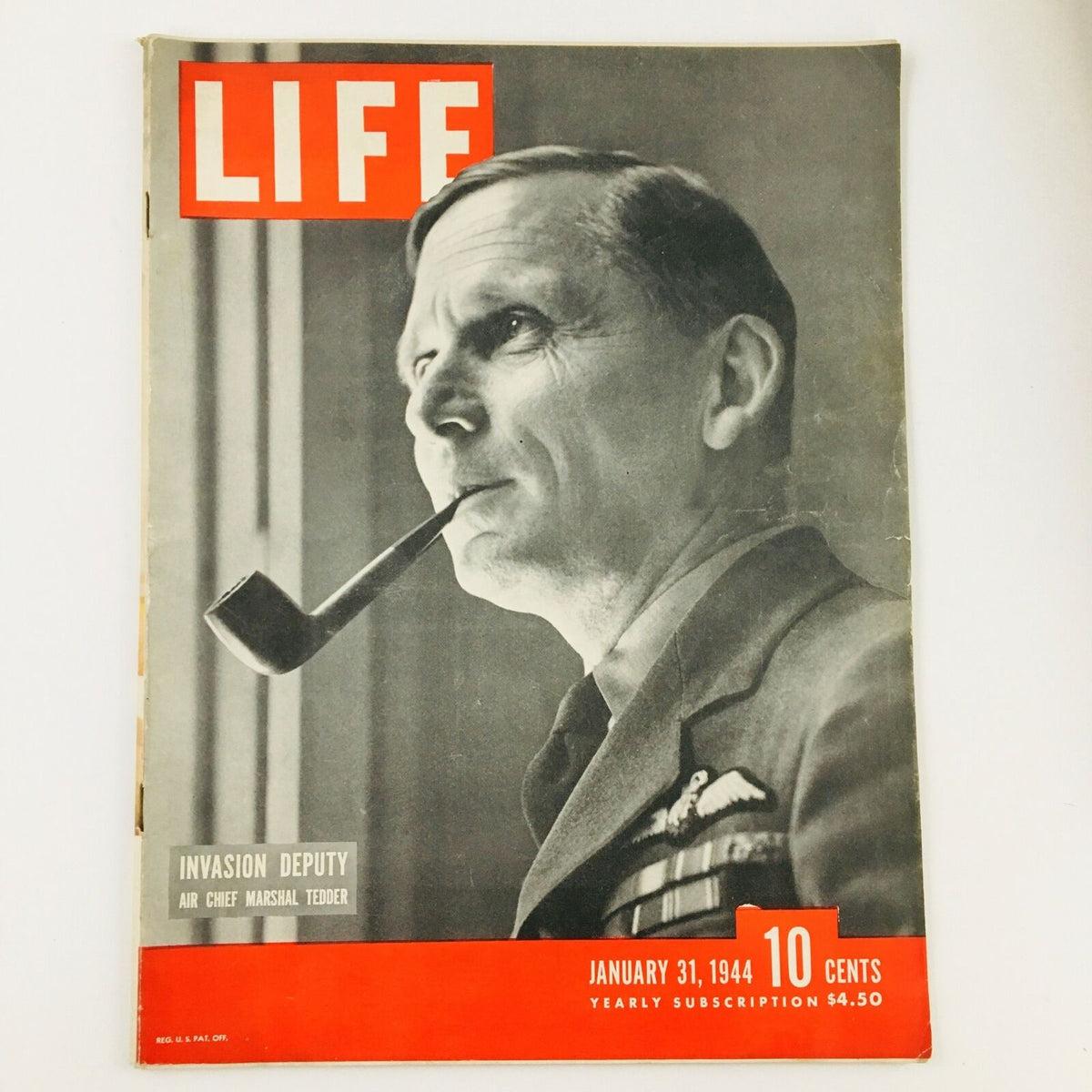
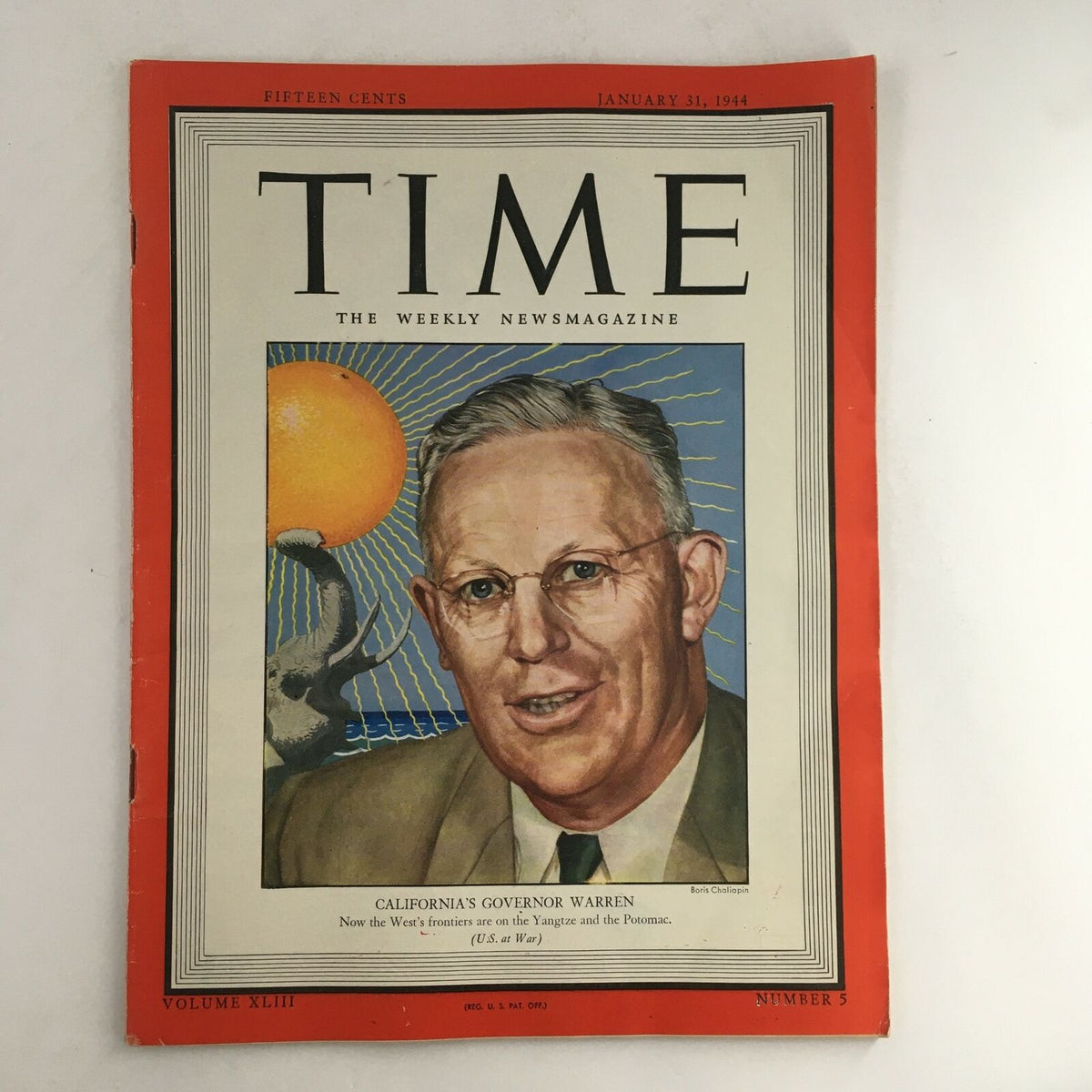
- Eisenhower Takes Command: News weeklies like Time, Life, and Newsweek featuring front-page coverage of Eisenhower's arrival in London, often illustrated with portrait photographs and maps of the European theater showing Allied positions as 1944 began.
- The Anzio Landings: Life and Look issues from late January showcasing the dramatic amphibious assault on the Italian coast, with battlefield photography and tactical diagrams that brought the fight home to American living rooms in genuine, authentic visual detail.
- Leningrad's Liberation: Rare magazines carrying the January 27th news of the Siege's end — one of the war's most emotional stories — are extraordinary time capsules, their front pages often featuring gaunt, triumphant survivors emerging into daylight for the first time in years.
- The Jazz at the Met: Down Beat, Metronome, or pictorial weeklies covering the historic January 18th concert at the Metropolitan Opera House, showcasing vintage magazines that documented the night Louis Armstrong and Billie Holiday rewrote what a concert hall could be.
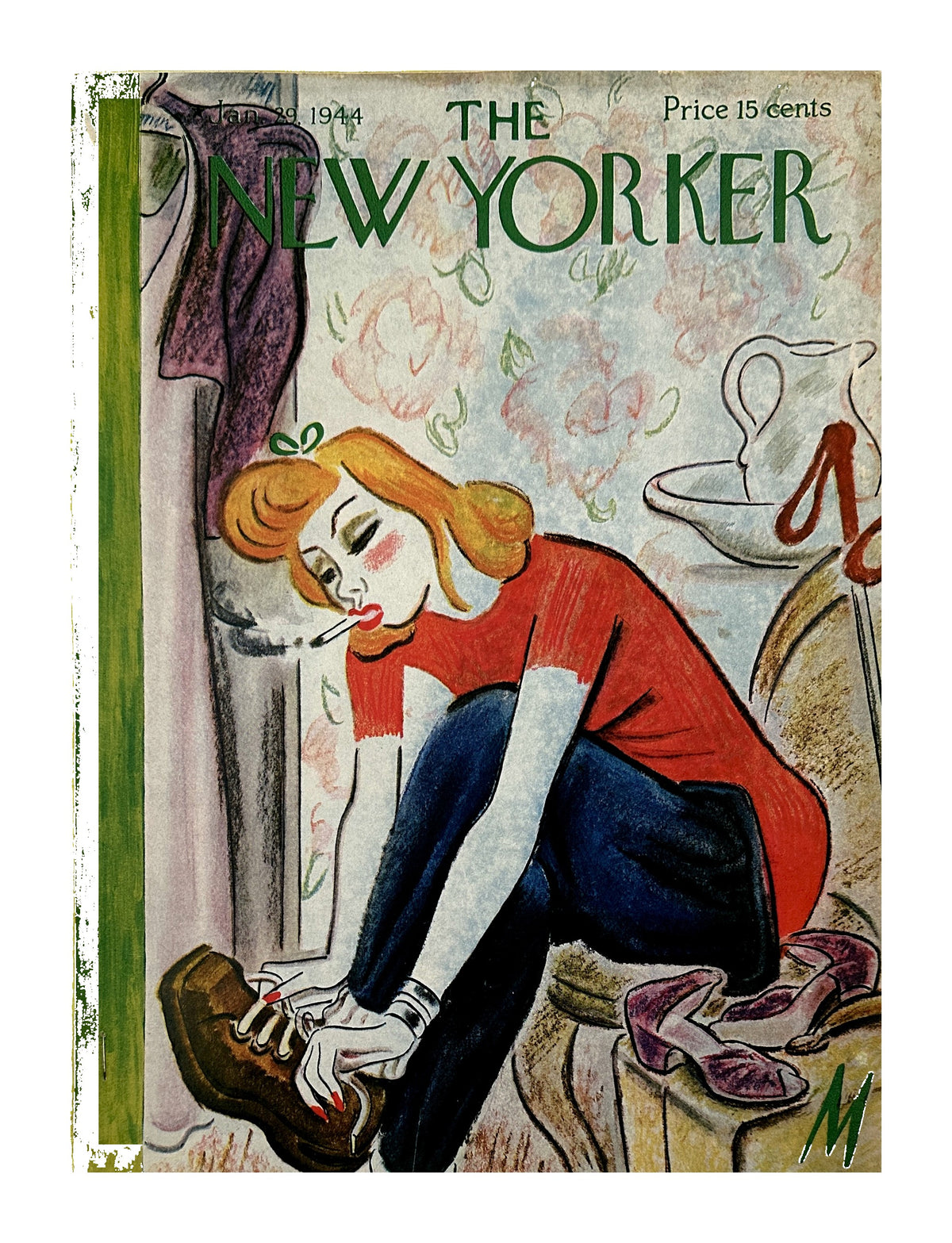
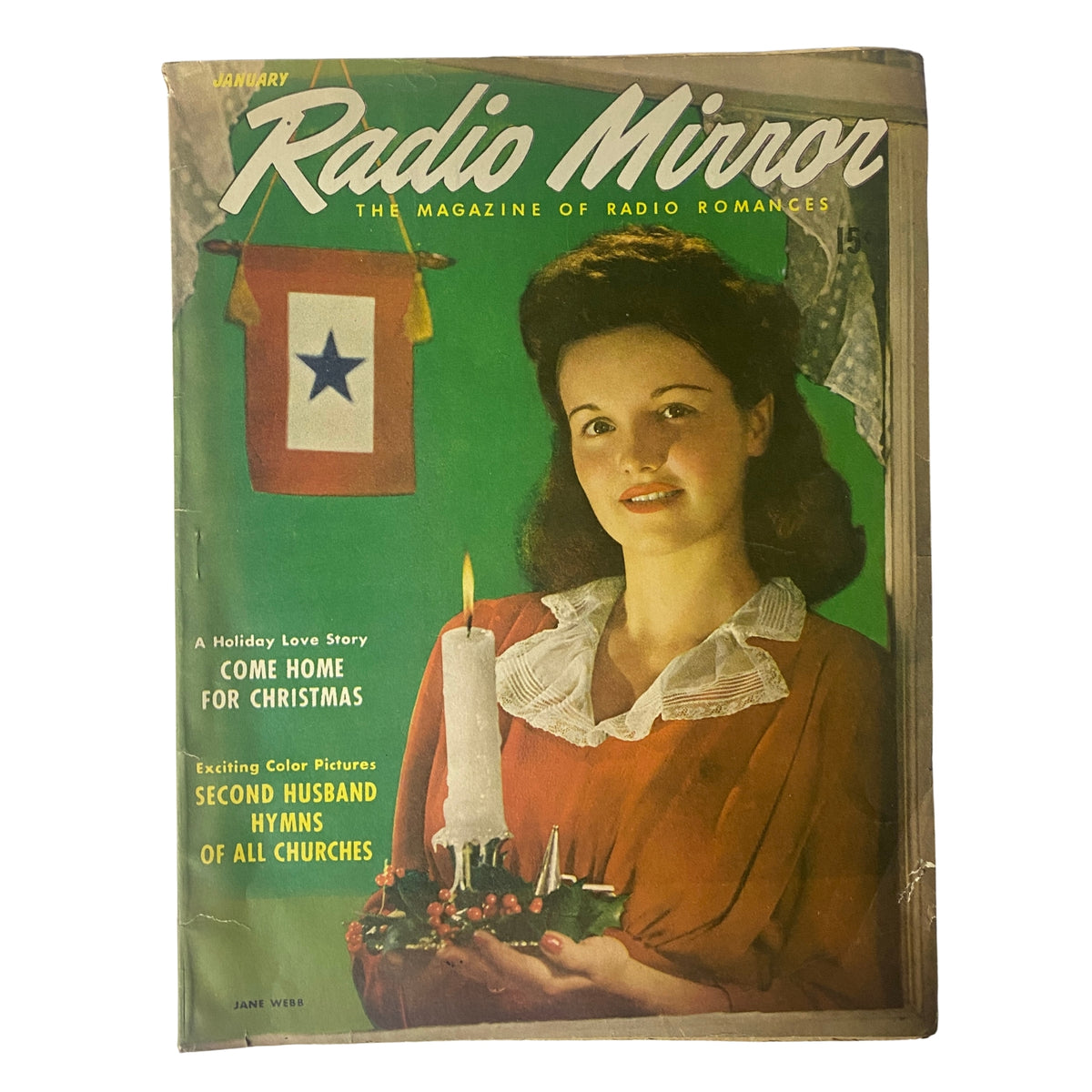
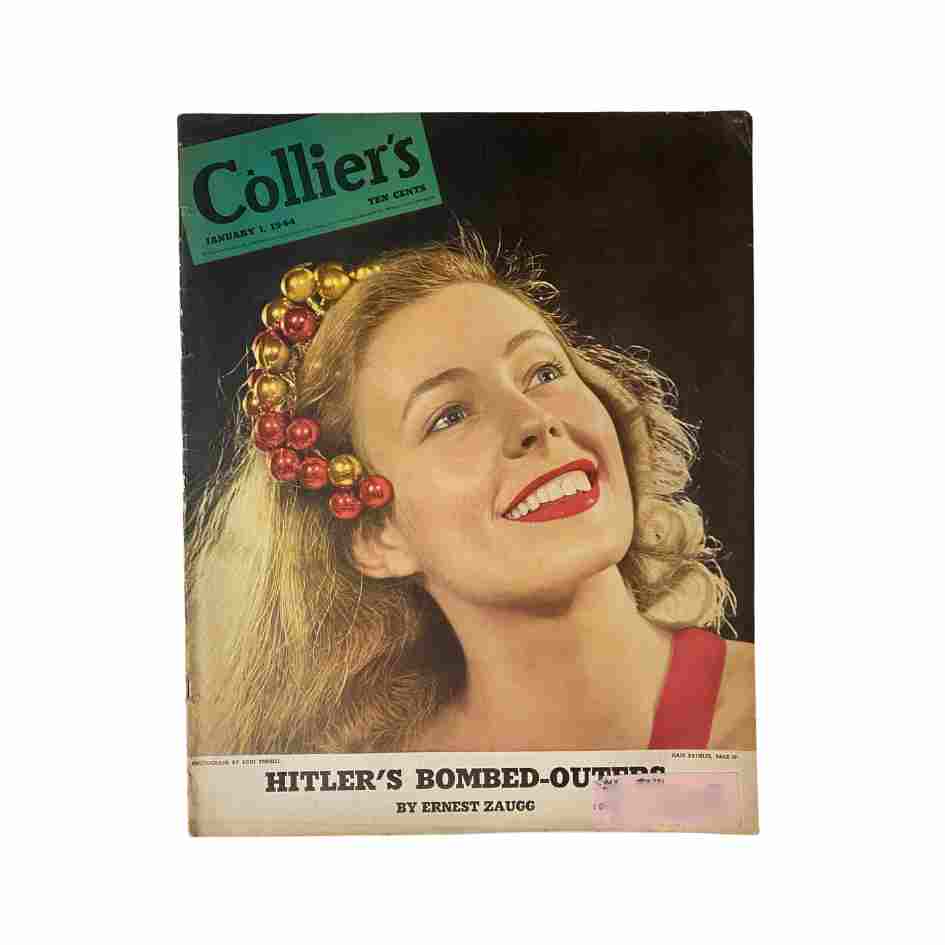
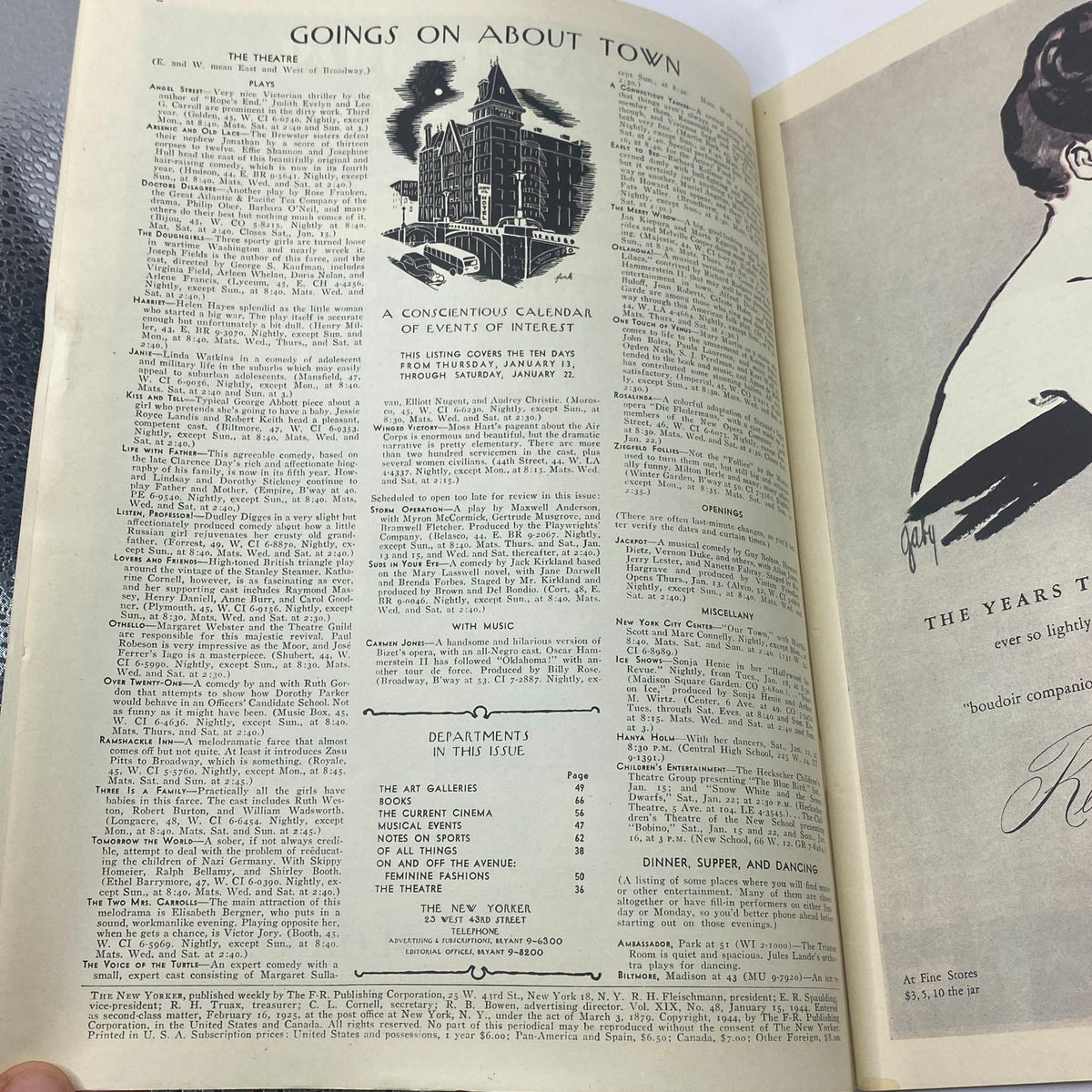
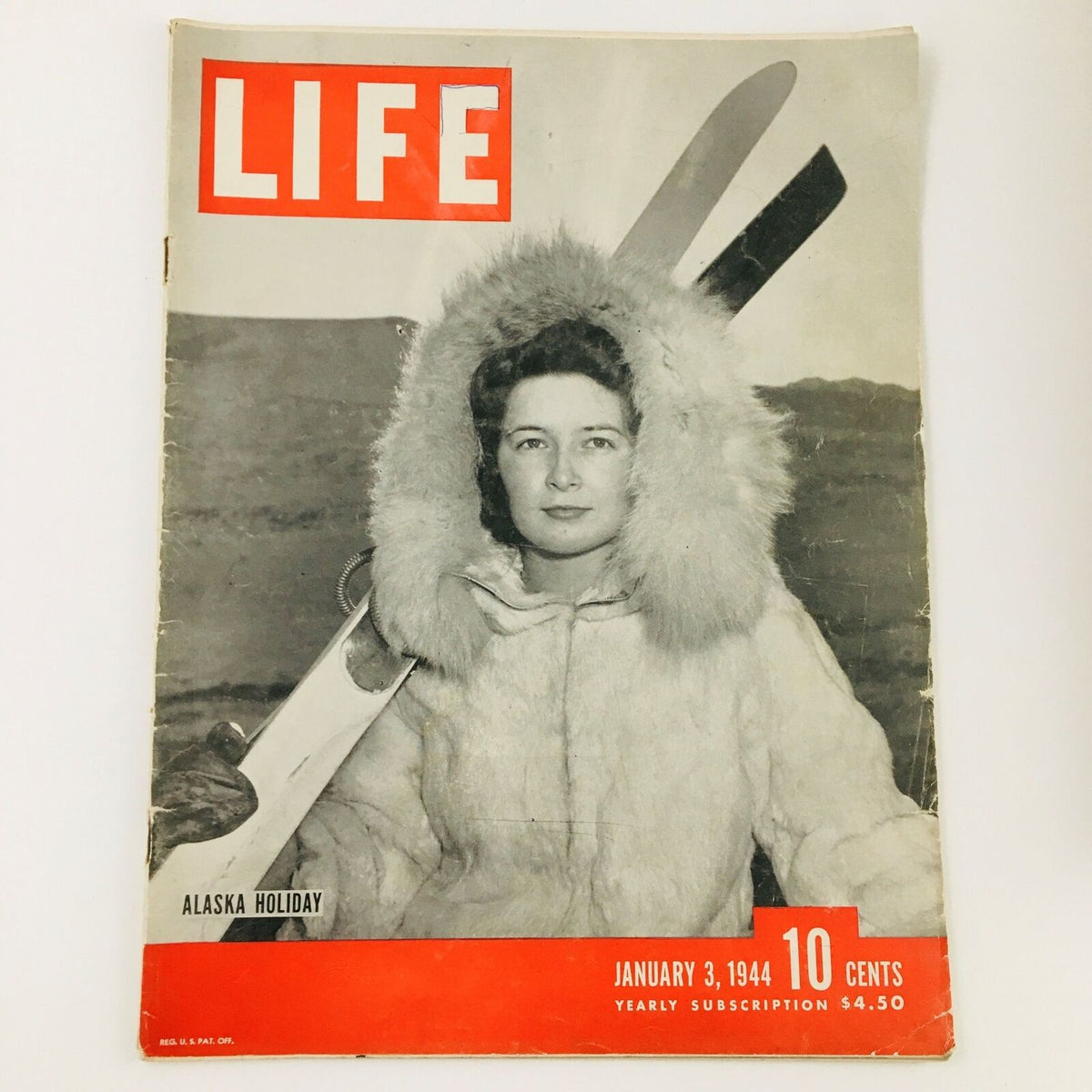
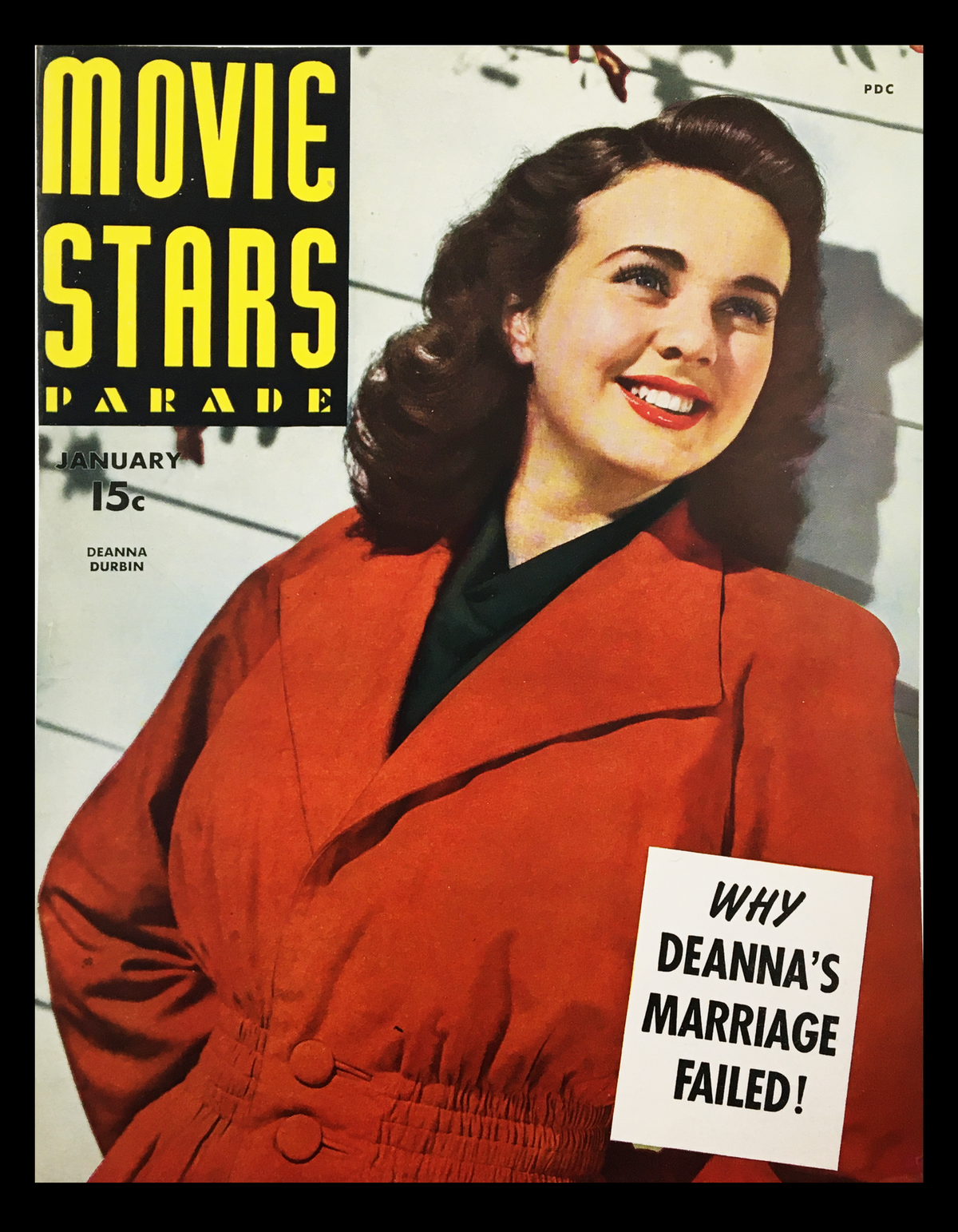
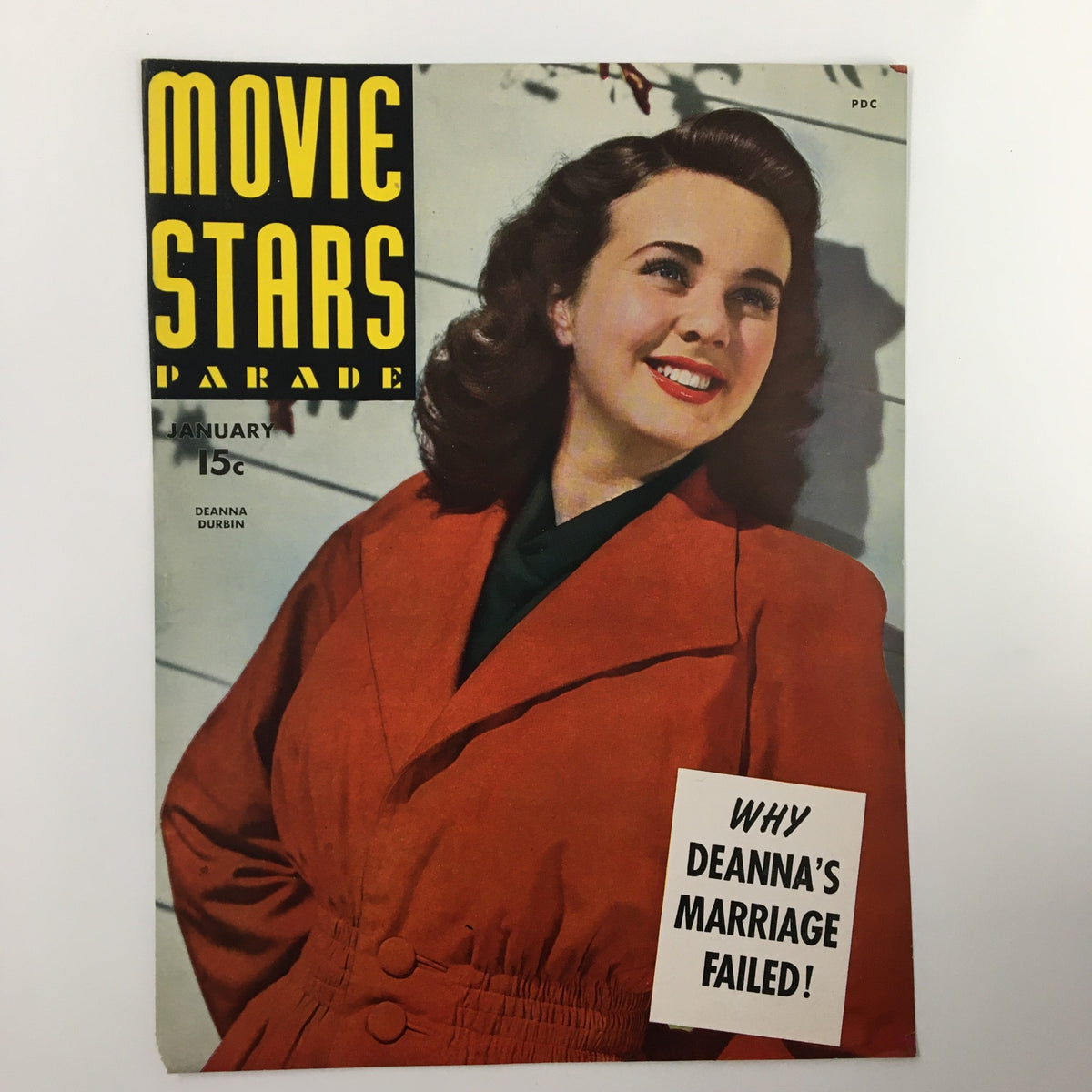
- Home Front Advertising: Fashion and lifestyle spreads in Vogue, Harper's Bazaar, and the Saturday Evening Post reflecting wartime America — practical women's fashion, war bond advertisements, and the particular visual language of a nation both sacrificing and striving.
The Perfect Gift
For someone born in January 1944, an original magazine from this extraordinary month isn't just a piece of paper — it's an authenticated time capsule of the world at its pivot point, preserved in the genuine headlines, photographs, and advertisements printed the very week they arrived in it.