📖 About this Collection
January 1945: The Last Winter of the World at War
The Historical Context
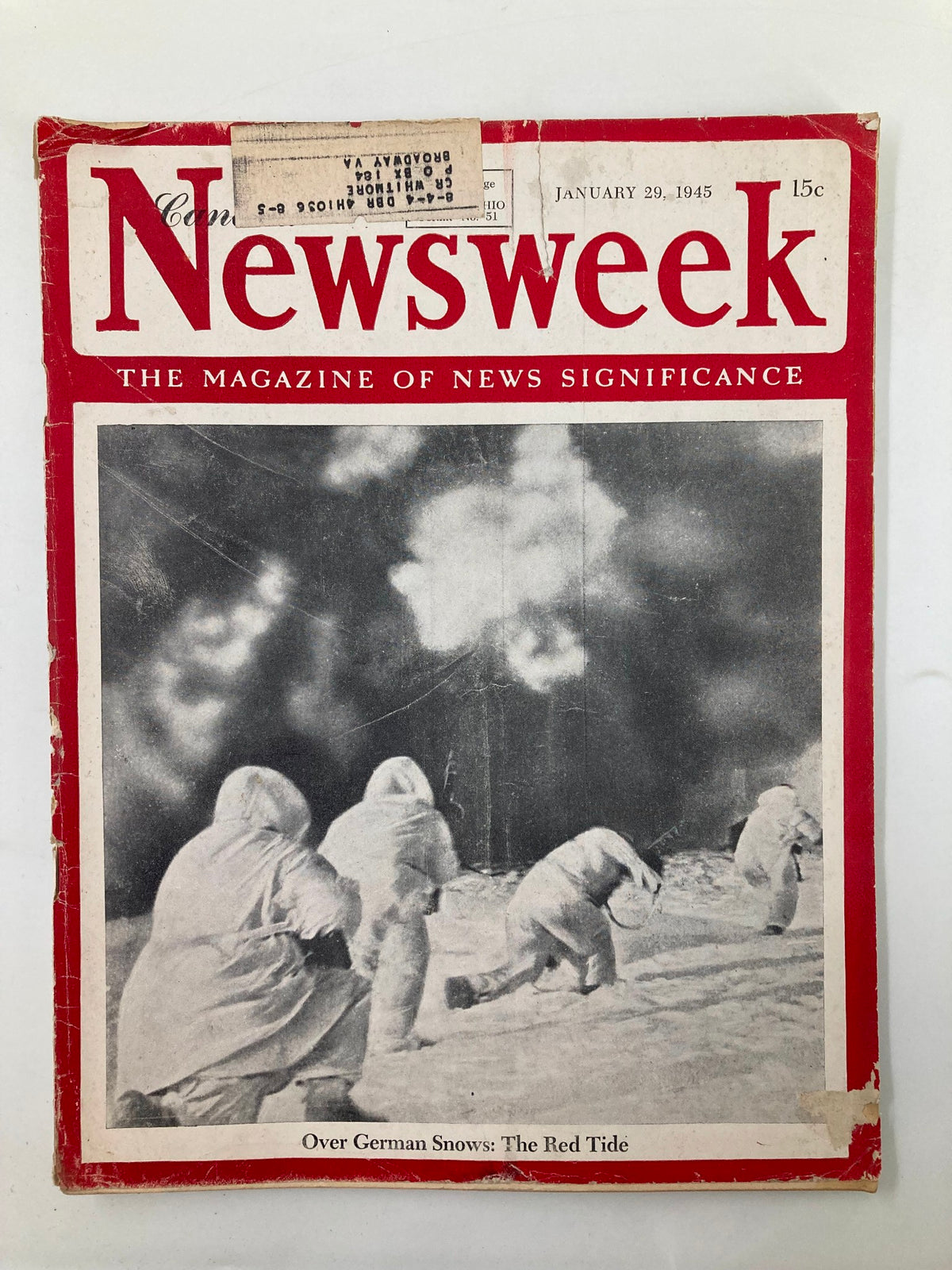
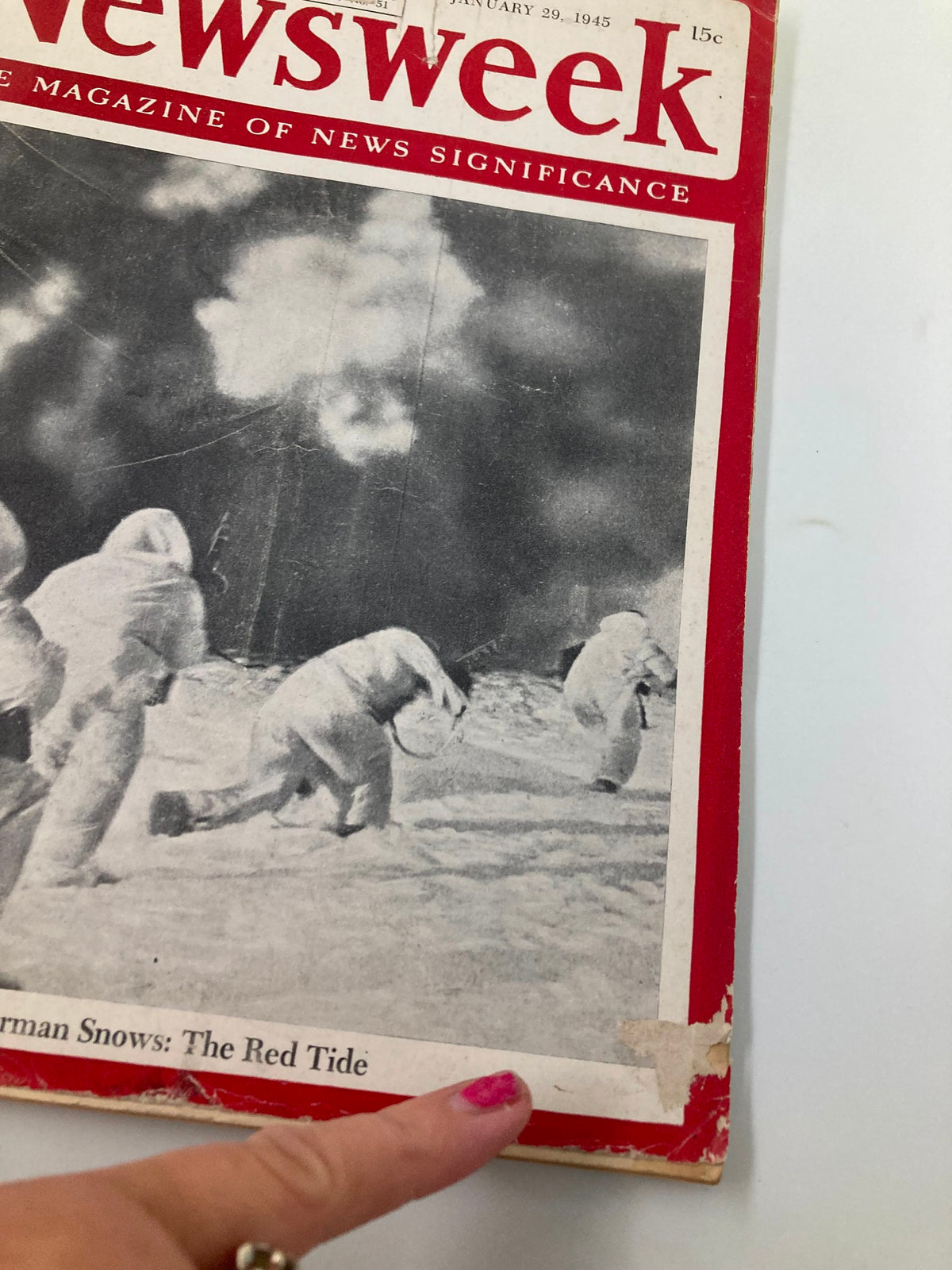
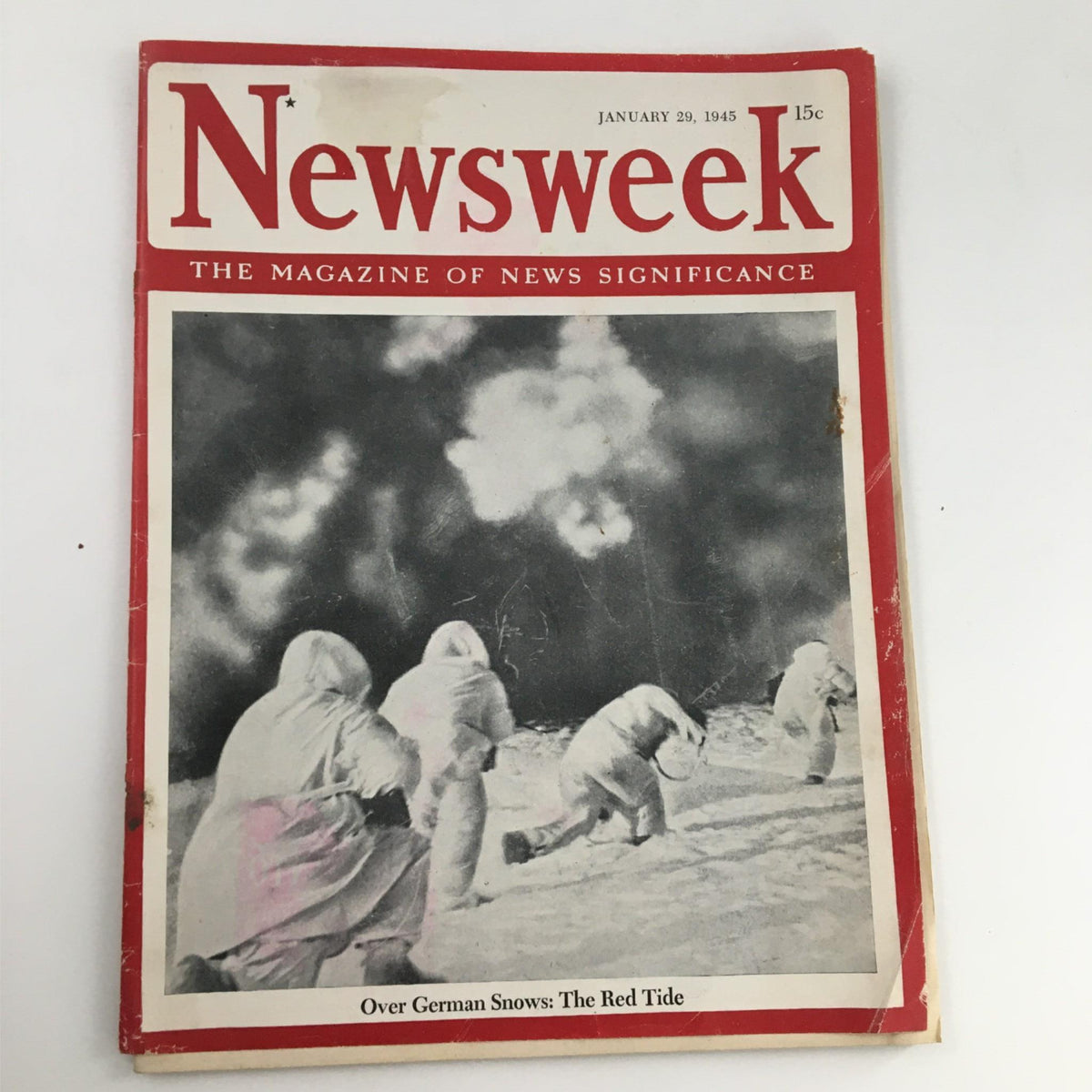
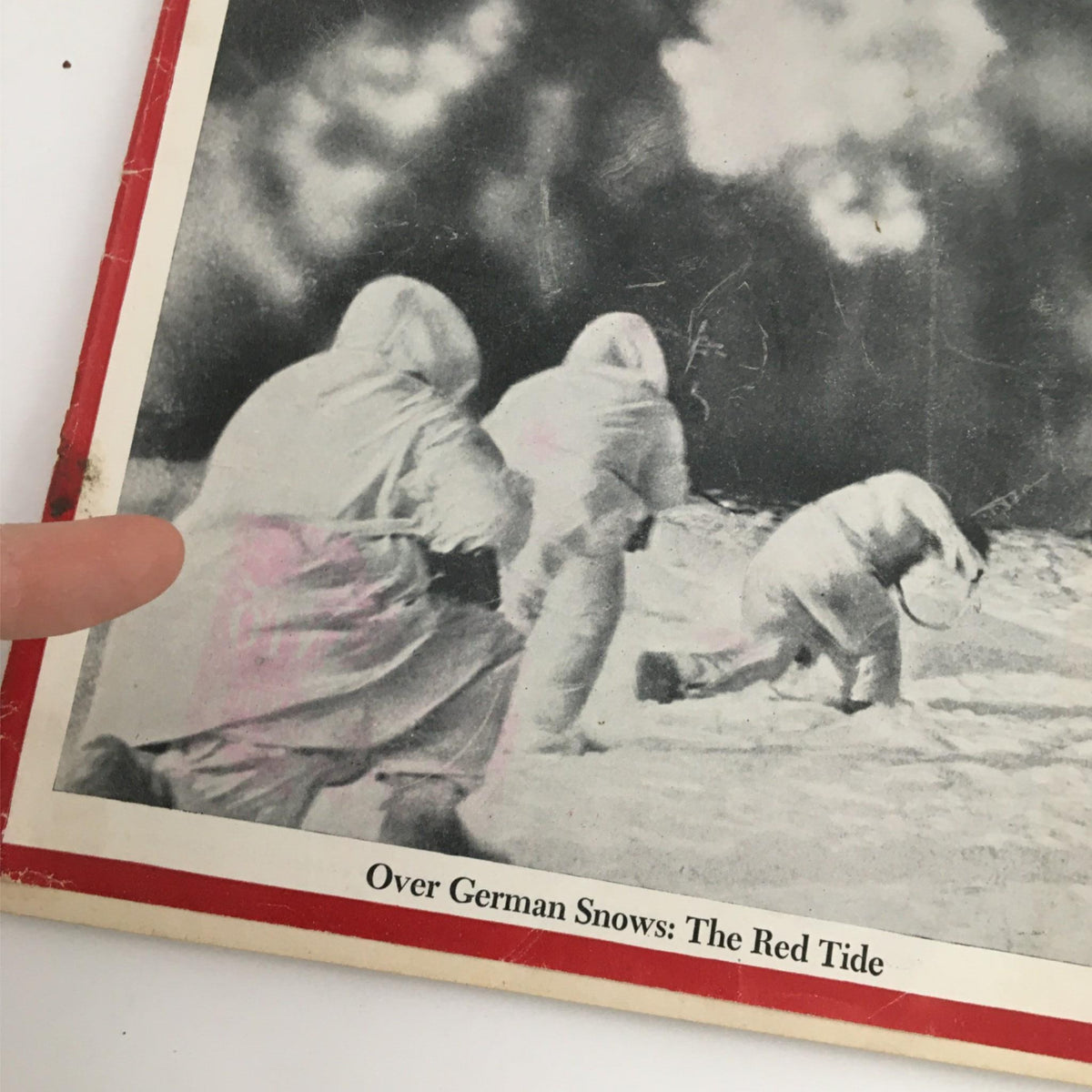
The world entered January 1945 under a sky heavy with consequence. Germany's gamble in the Ardennes was collapsing—by mid-month, the last great Nazi offensive was broken, and Allied armies were pressing east through Belgium. But the true seismic event came on January 20th, when Franklin D. Roosevelt took the oath of office for an unprecedented fourth term as President of the United States, his voice steady even as the weight of a civilization's survival rested on the decisions ahead. On the Eastern Front, Soviet armies launched a thunderous offensive that swept through Poland with terrifying speed: Warsaw fell on January 17th, and by month's end, Red Army soldiers stood at the Oder River, less than fifty miles from Berlin itself. The world your loved one entered in January 1945 was a world balanced on the knife-edge of history—exhausted, resolute, and straining toward a peace that was finally, achingly, within reach.
Newsstand, Silverscreen, and Living Room
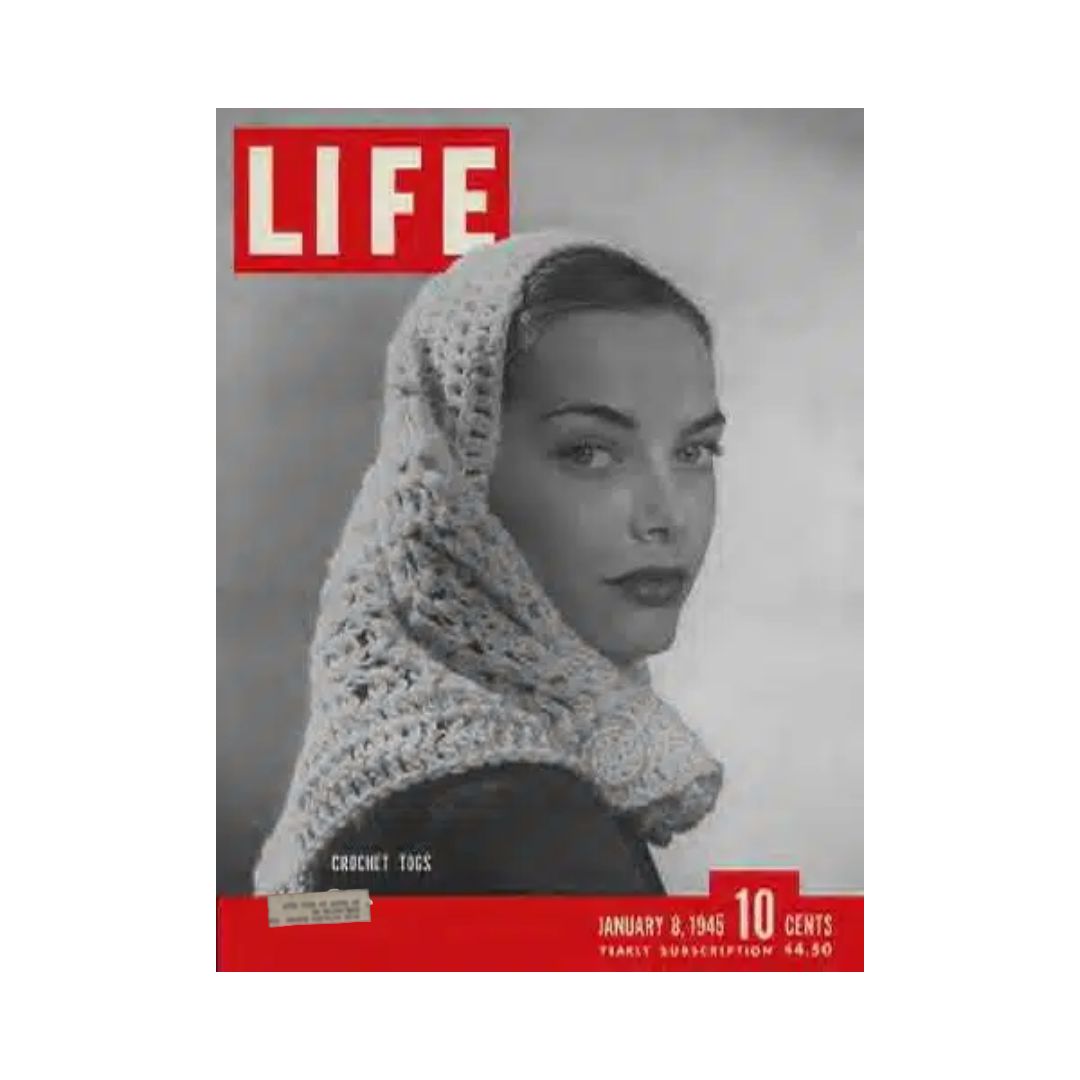
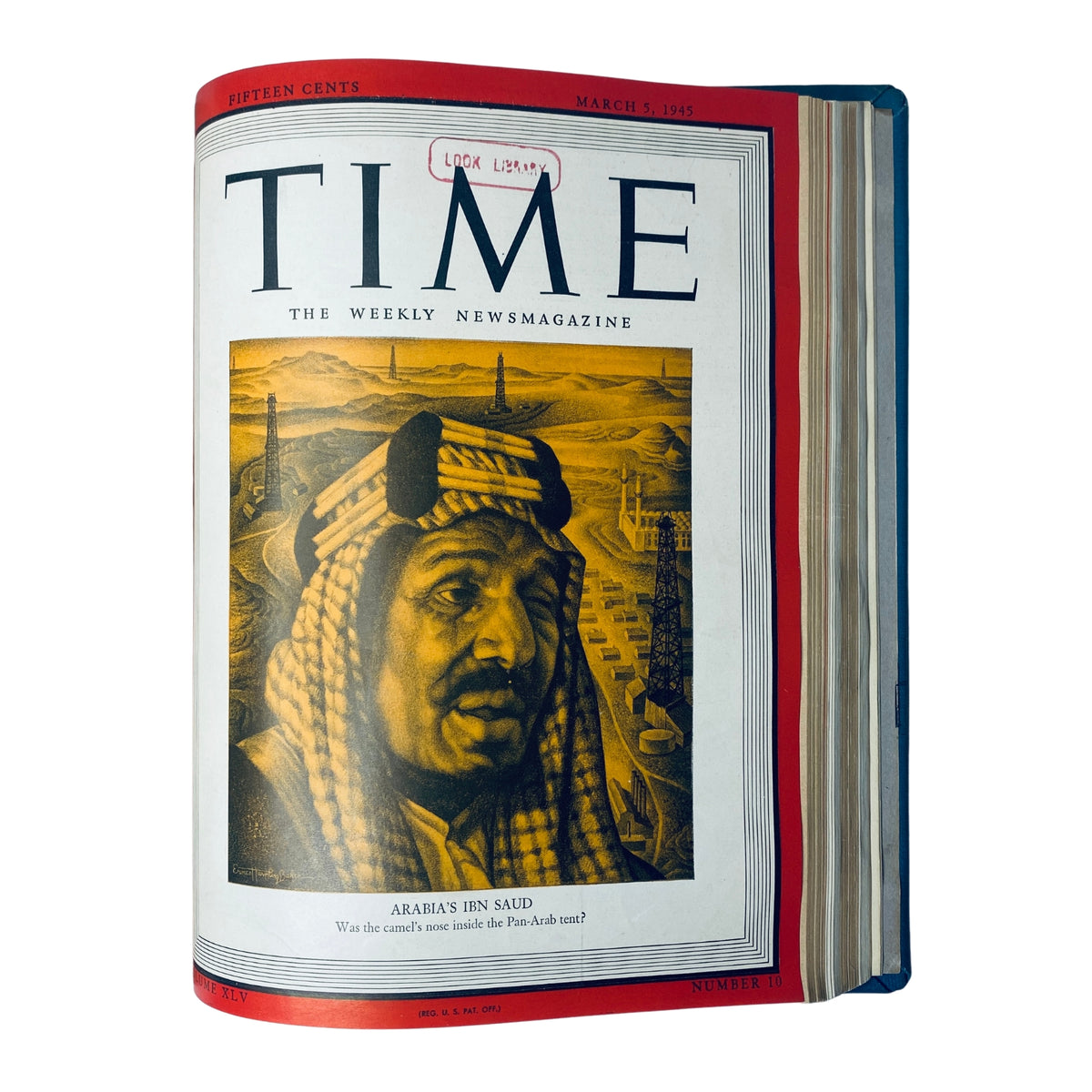
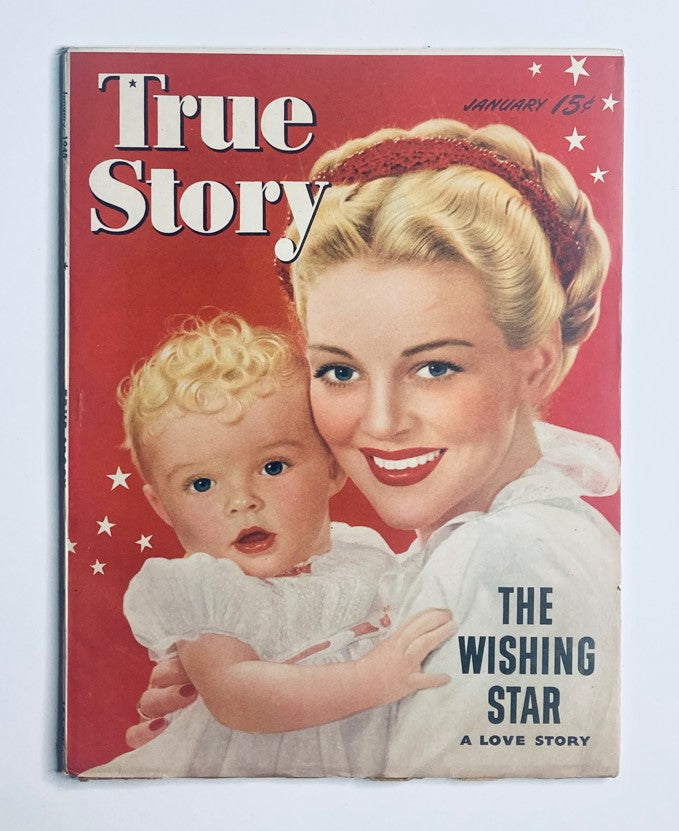
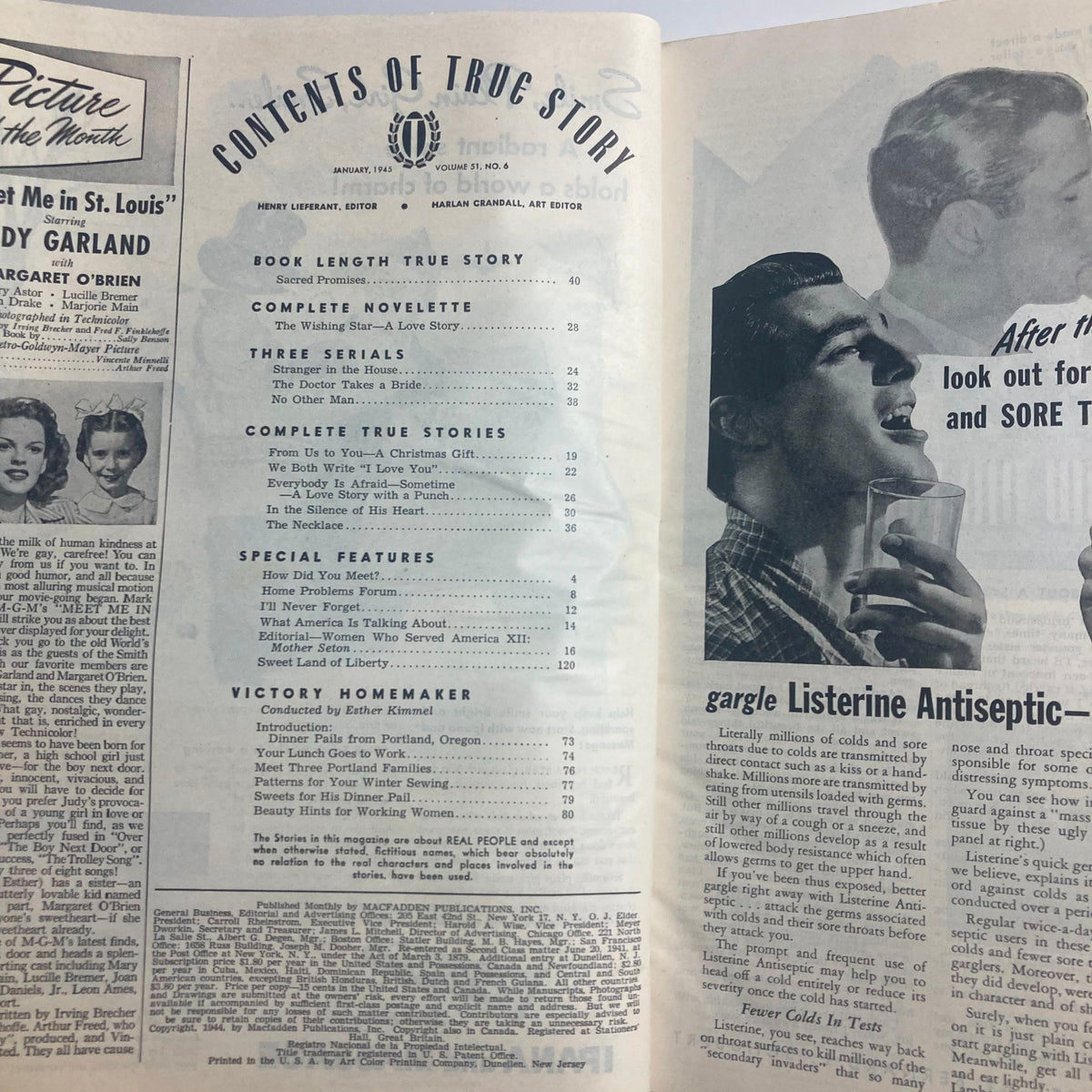
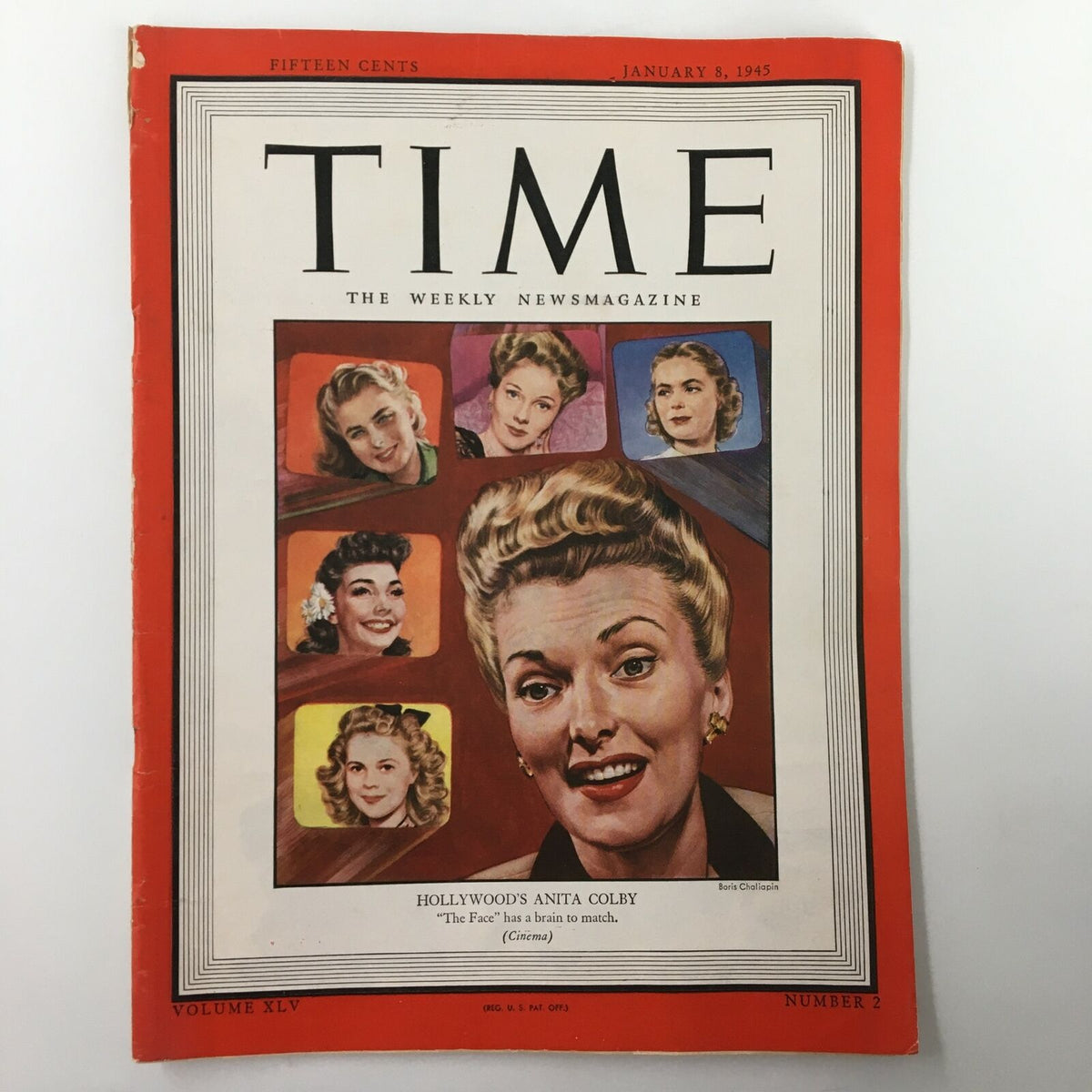
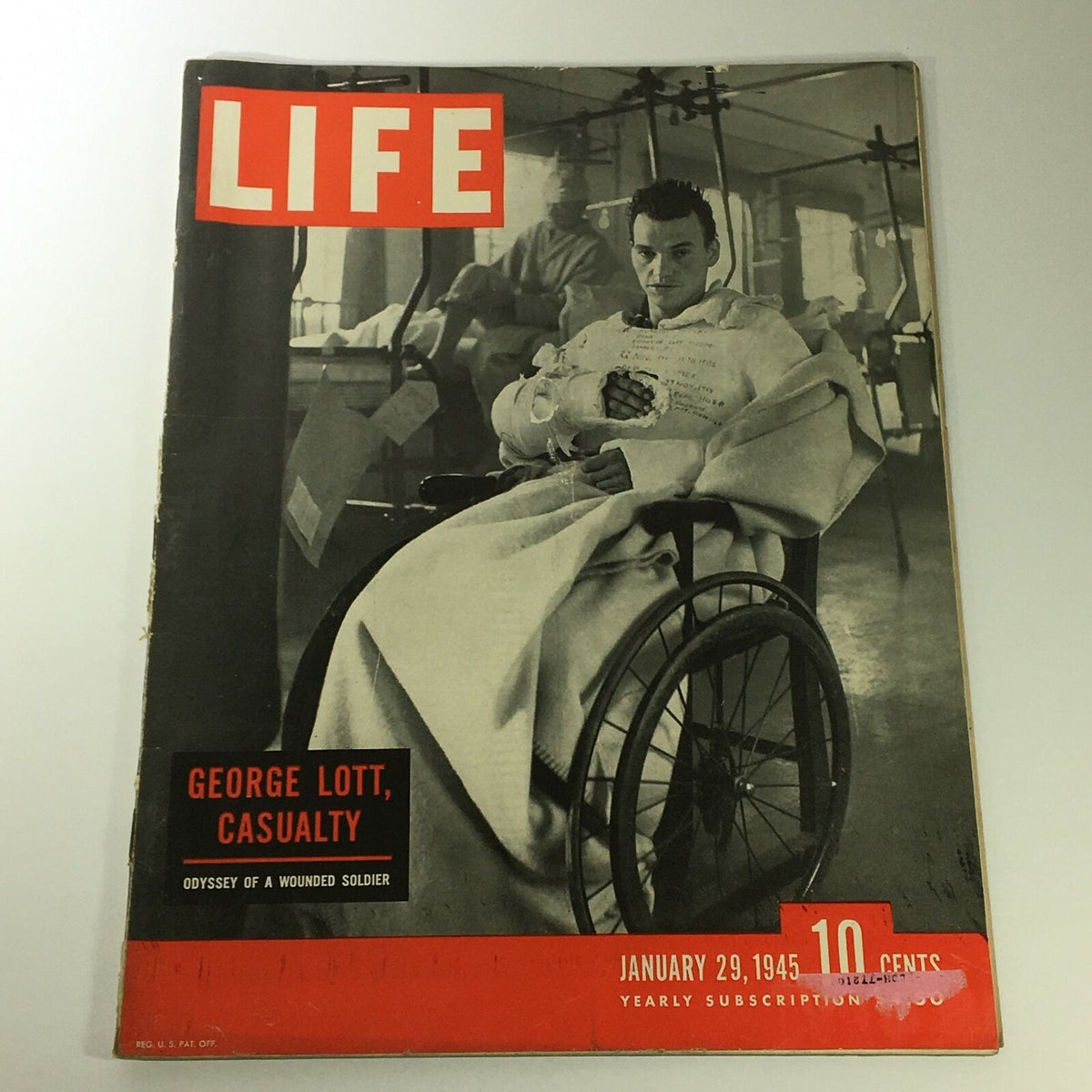
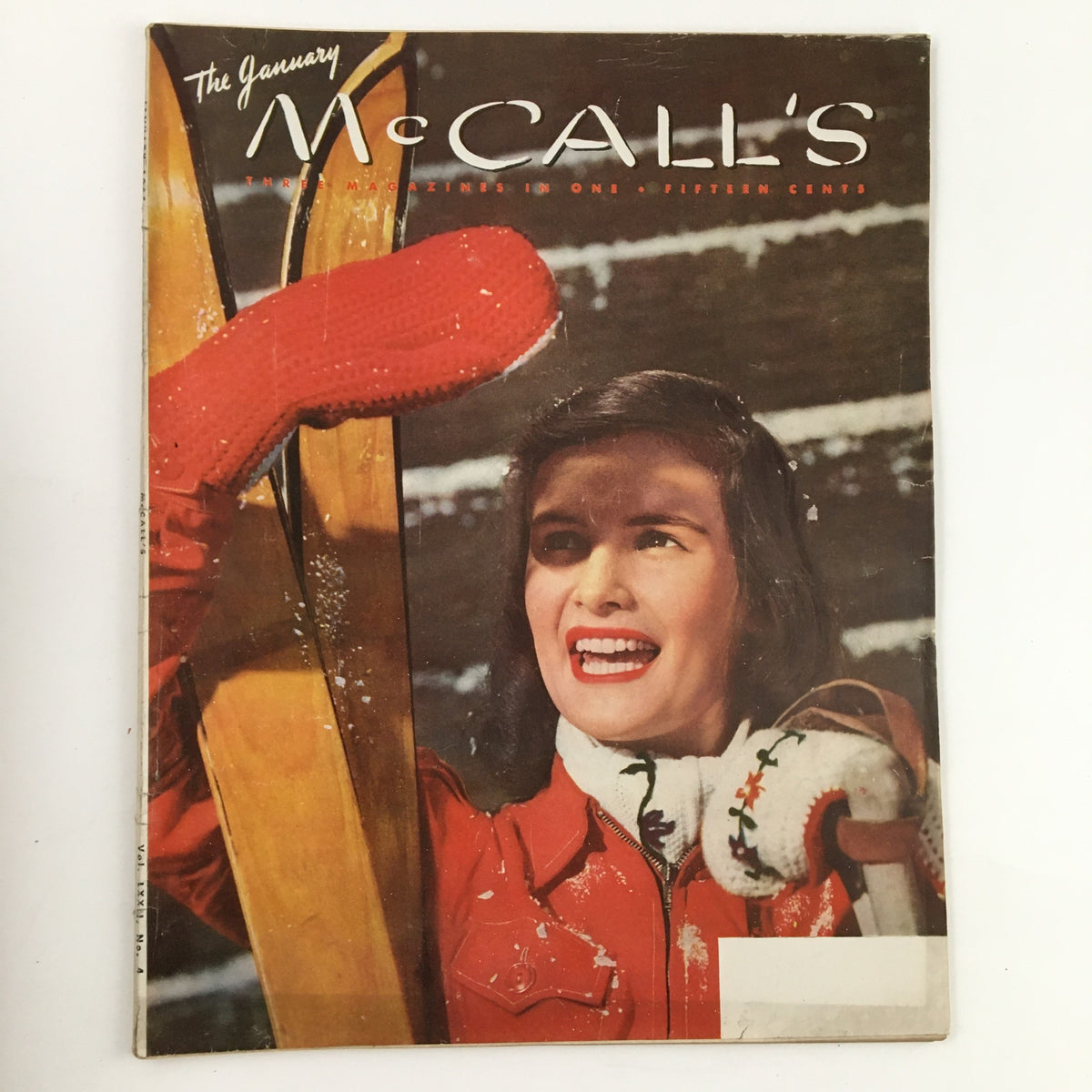
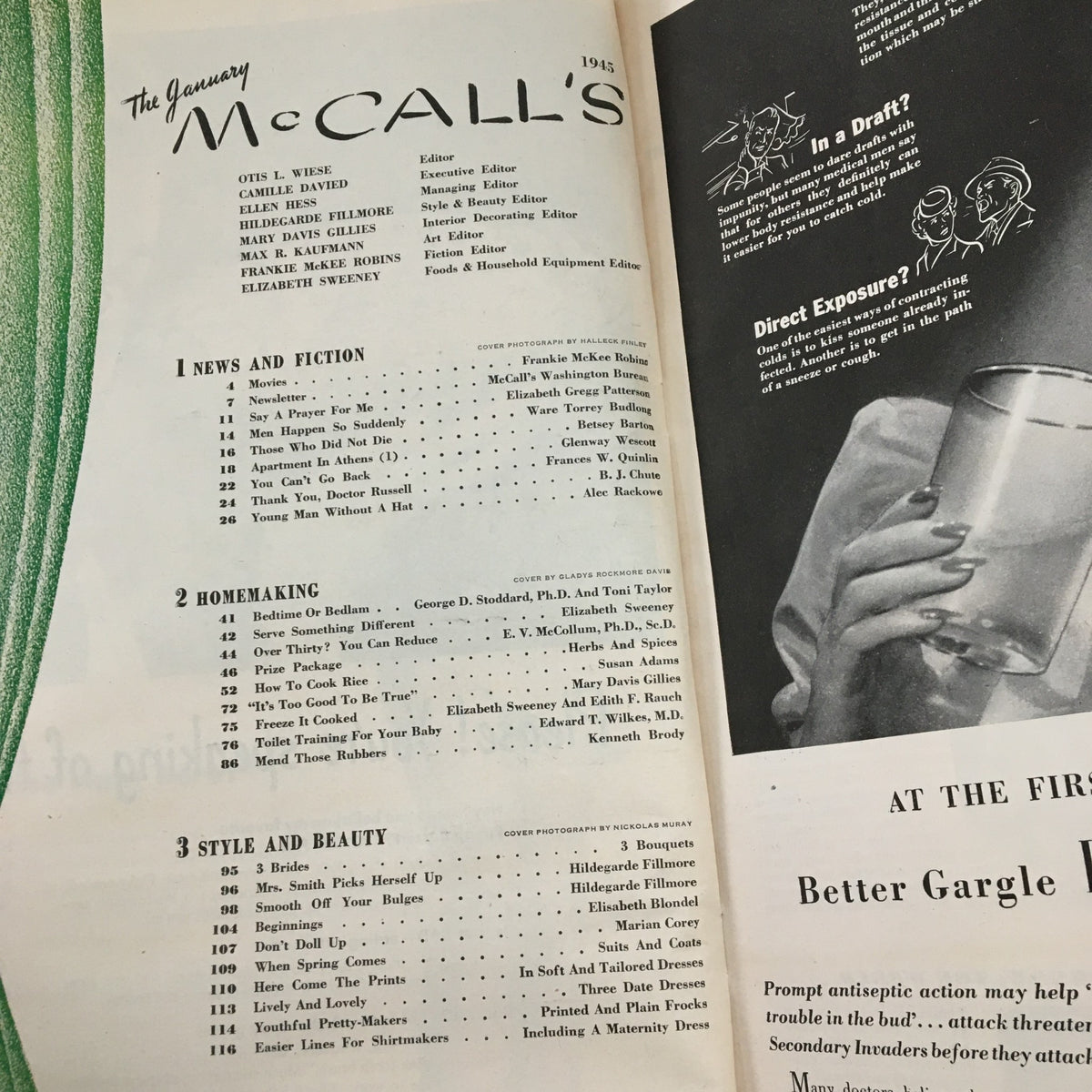
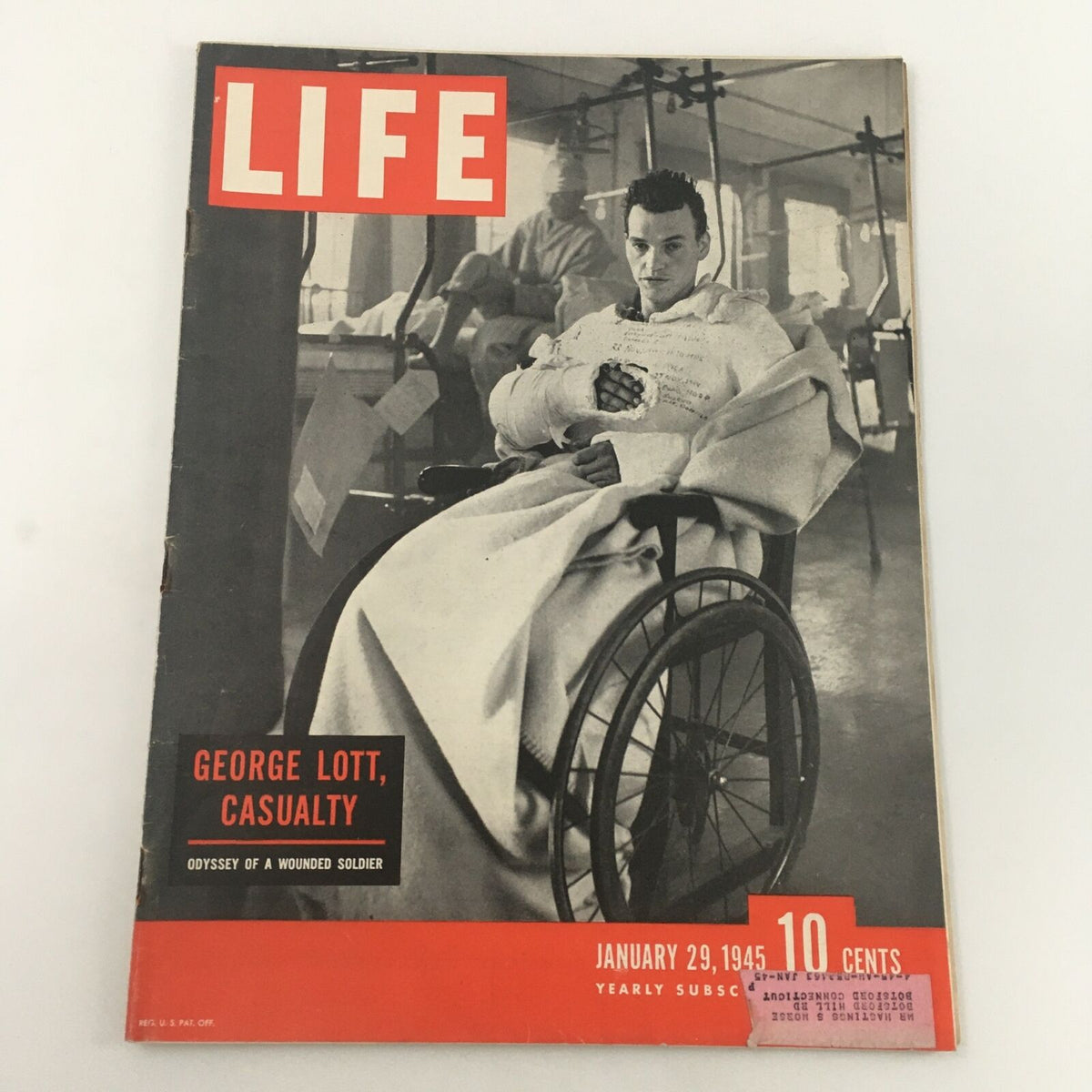
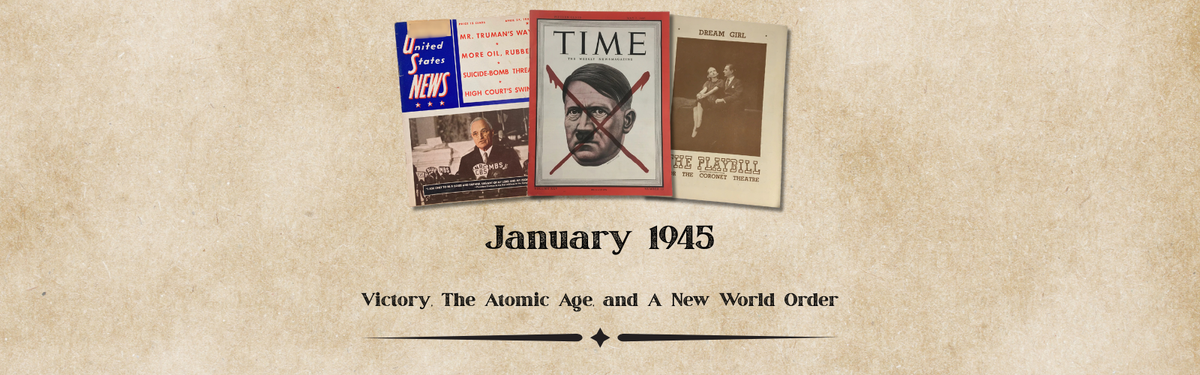
Even as the war dominated every headline, American popular culture continued its restless, vital pulse. On January 3rd, a new theatrical voice announced itself when John Patrick's play The Hasty Heart opened at the Hudson Theatre in New York City—a wartime drama about a Scottish soldier that would resonate deeply with audiences already intimate with sacrifice and courage. On January 5th, a very different kind of debut charmed moviegoers when Pepe LePew made his first appearance in the Warner Bros. cartoon Odor-able Kitty, a small comic respite in a grim month. The month also saw Youth for Christ organizing as a national movement on January 8th, reflecting a country seeking spiritual anchoring during years of upheaval. Original magazines from January 1945 capture this extraordinary duality perfectly—Life and Time chronicled the collapsing Reich and FDR's historic inauguration, while Look and the Saturday Evening Post carried the advertisements, fashions, and domestic imagery of a home front daring to imagine peacetime. These rare magazines hold within their pages both the anguish of a world at war and the first trembling light of what would come after.
Curator's Checklist: What to Look For
- Roosevelt's Fourth Inauguration: Time, Life, and Newsweek featuring full photographic spreads of FDR's January 20th swearing-in ceremony, often accompanied by editorial analysis of what an unprecedented fourth term meant for the war's final chapter and the architecture of postwar peace.
- The Fall of Auschwitz: Vintage magazines from late January 1945 carrying initial reports of Soviet troops liberating the Auschwitz and Birkenau camps on January 27th—now commemorated as International Holocaust Remembrance Day—representing among the most historically significant pages any collector can hold.
- MacArthur Returns to Luzon: Life and Newsweek showcasing dramatic photography of General Douglas MacArthur's January 9th landings at Lingayen Gulf, illustrating the relentless Allied advance through the Pacific with maps, troop photographs, and frontline dispatches.
- The Eastern Front Offensive: Time and Look chronicling the Soviet army's massive January offensive, illustrating the rapid liberation of Warsaw and Kraków with battlefield photography and strategic maps showing Russian forces pressing toward Berlin.
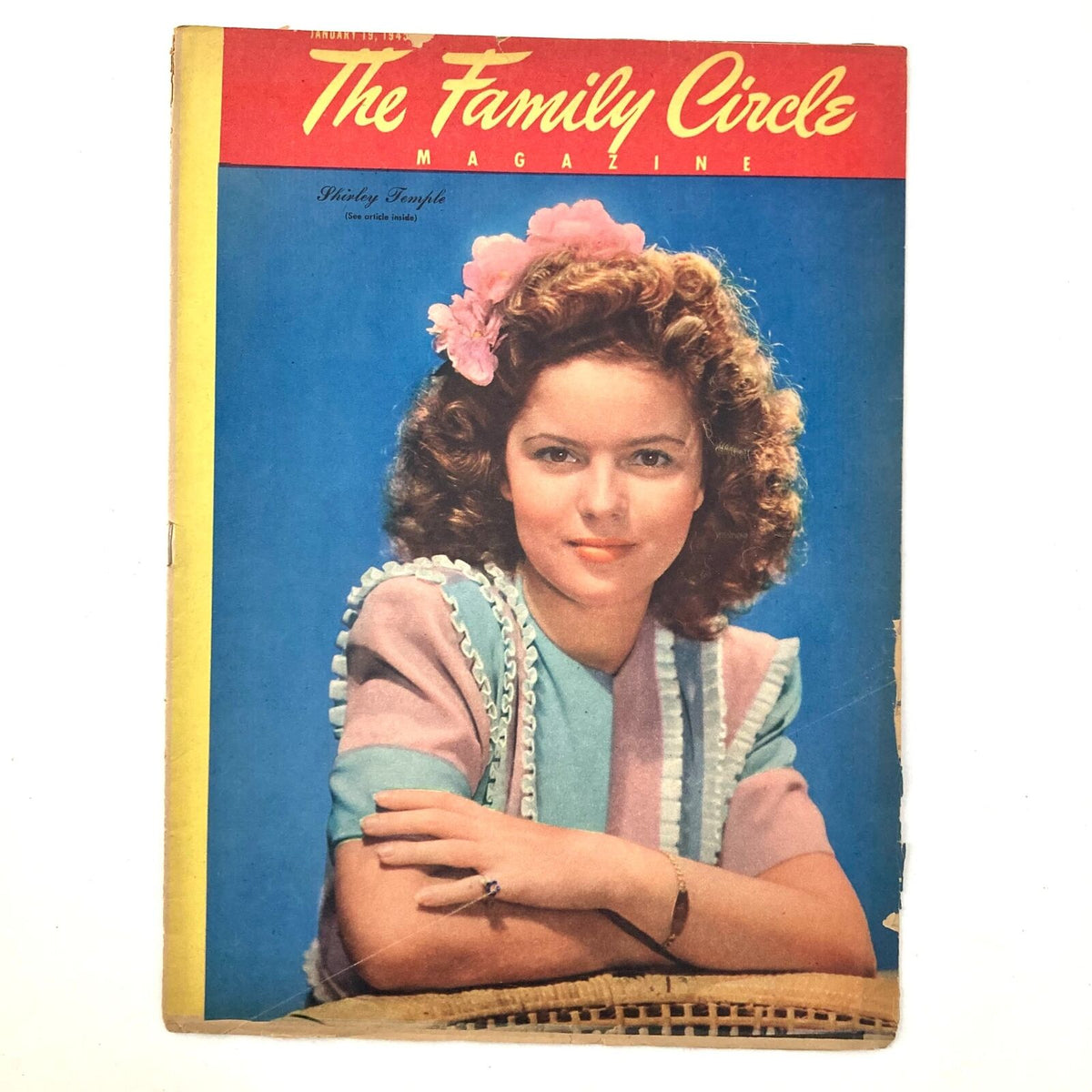
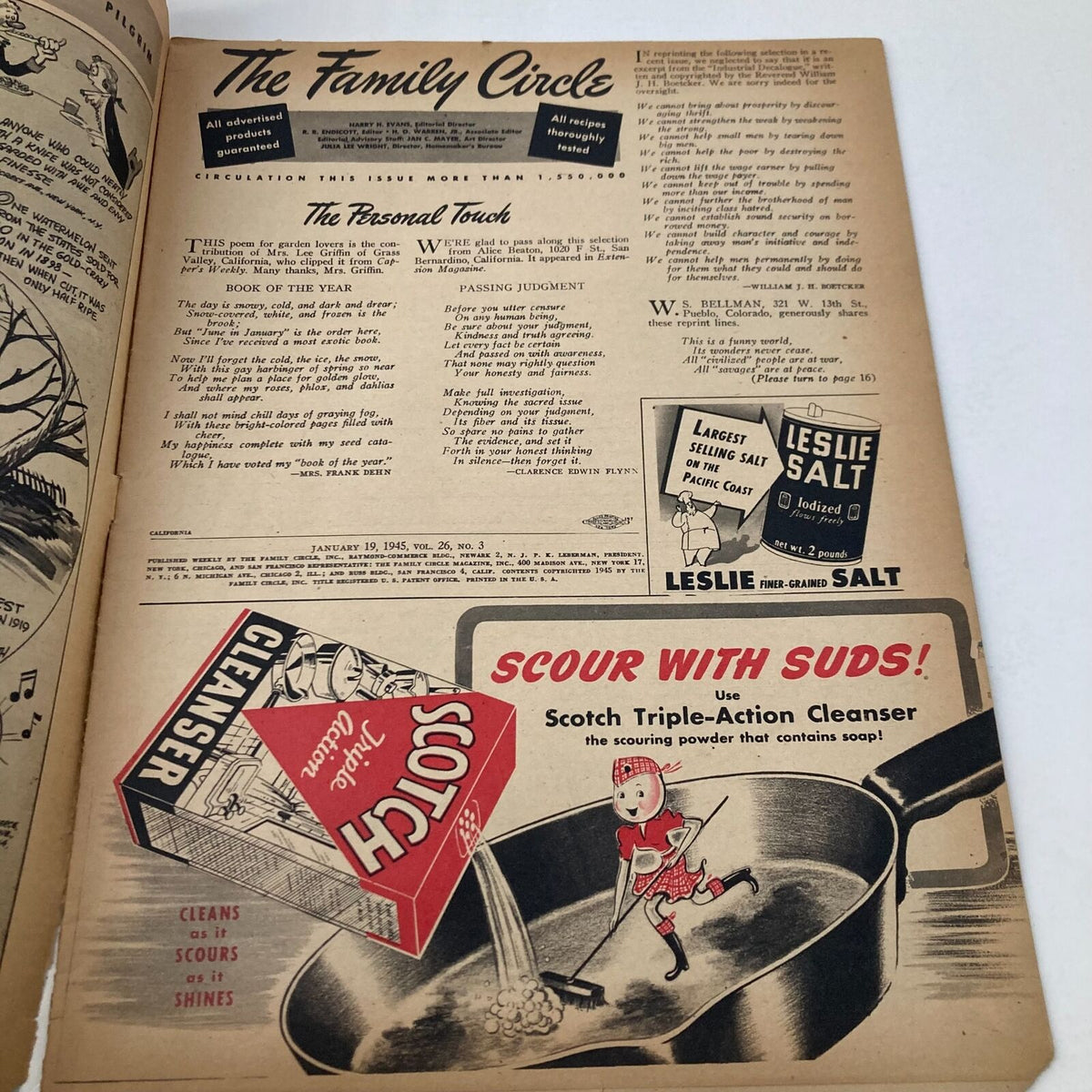
- The Home Front at War's End: Vogue, Harper's Bazaar, and the Saturday Evening Post featuring wartime fashion and domestic advertising—the authentic period detail of what American women were wearing and what families were buying, a genuine time capsule of daily life in that defining winter.
The Perfect Gift
For someone born in January 1945, an original magazine from this pivotal month isn't just a birthday gift—it's an authenticated window into the exact weeks the world was changing forever, preserved in genuine period headlines, wartime photography, and the vivid advertisements of a civilization fighting for its future.