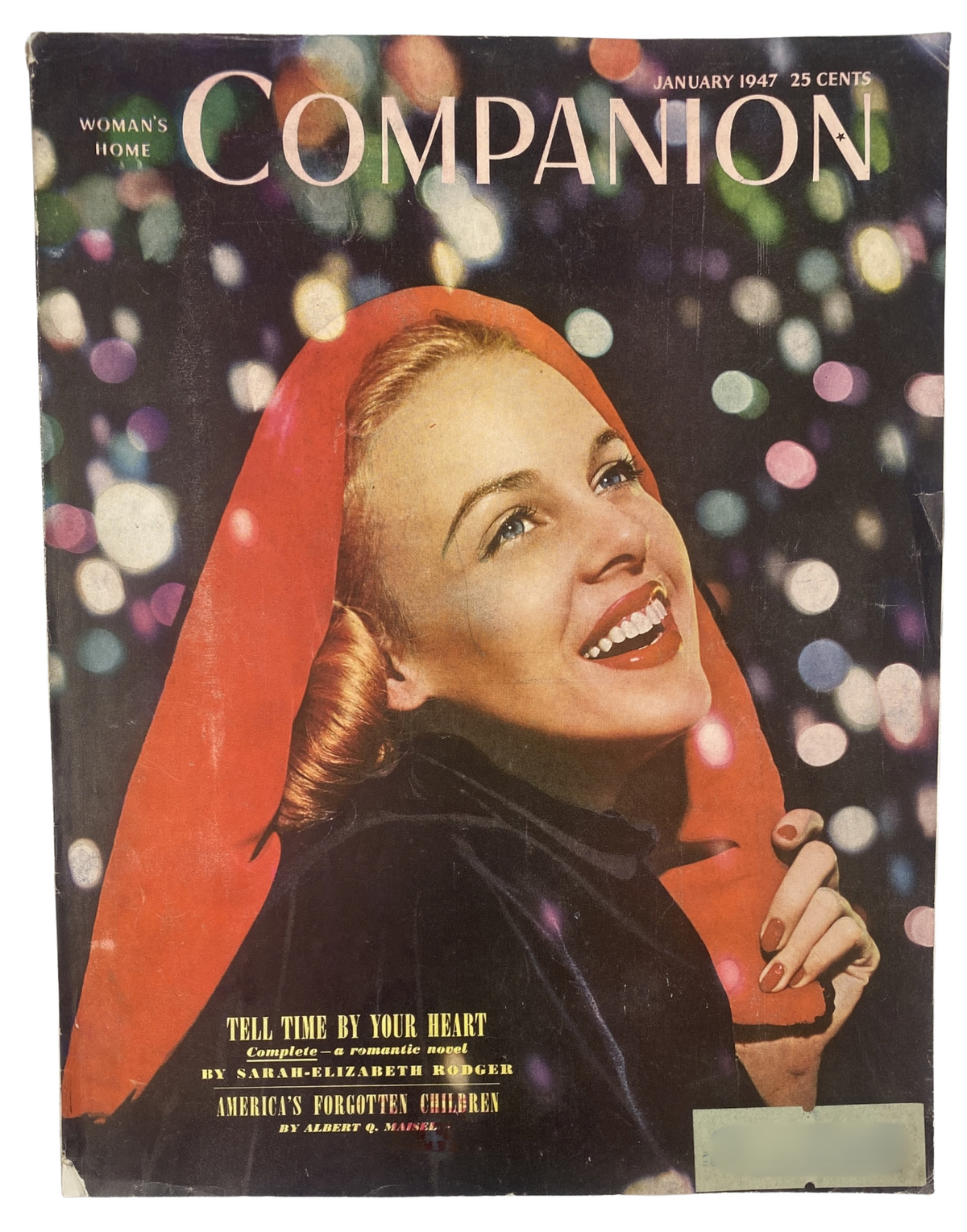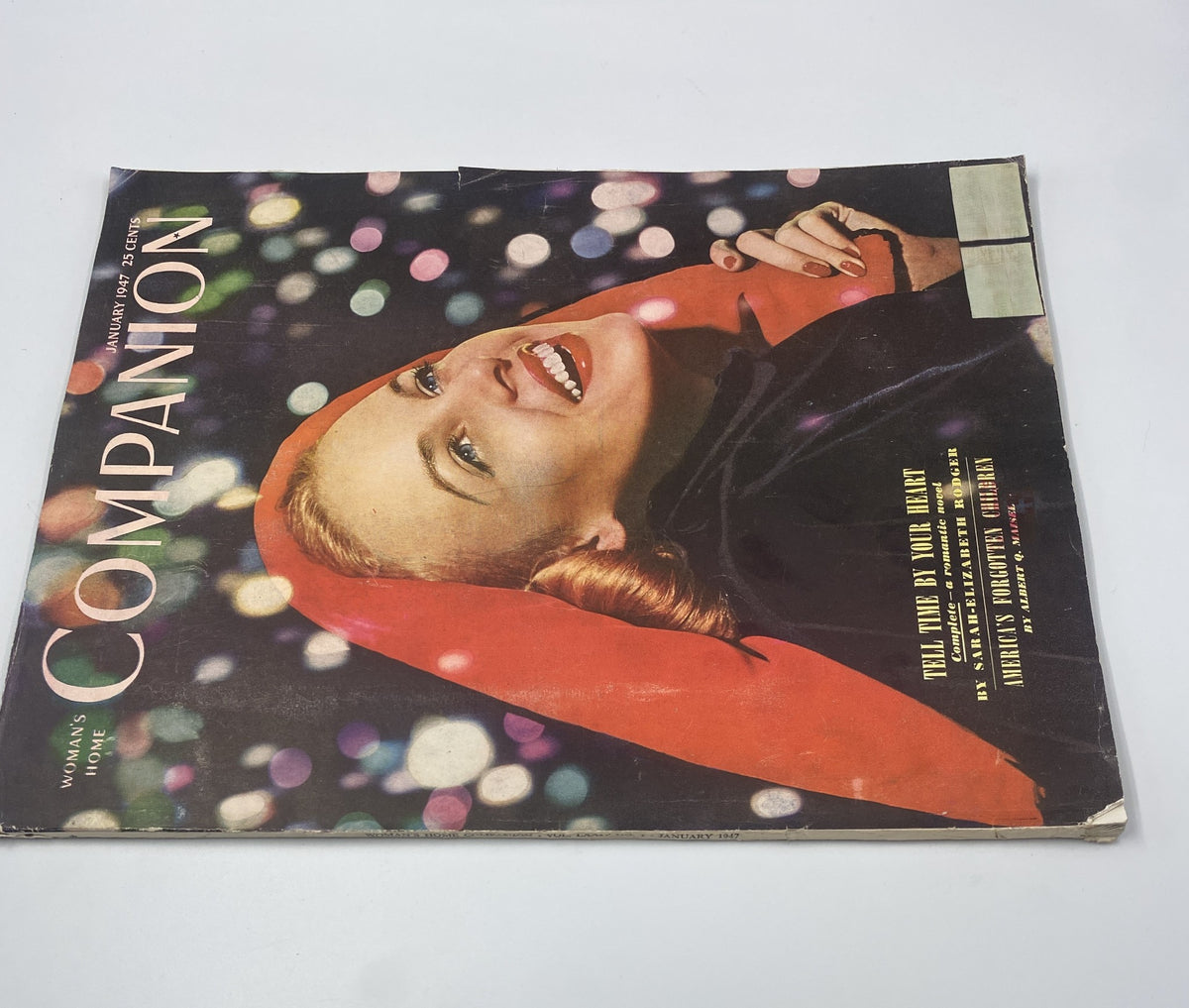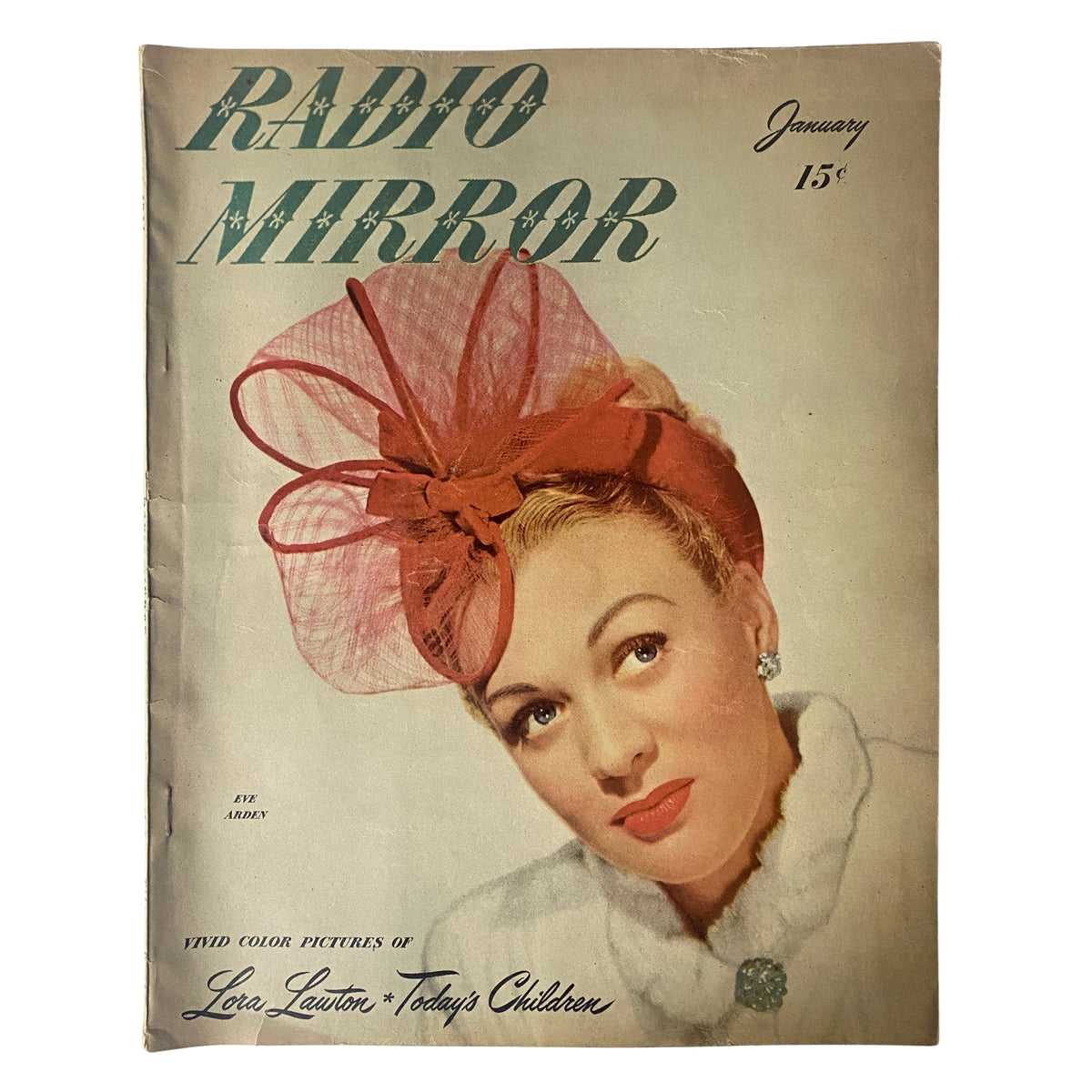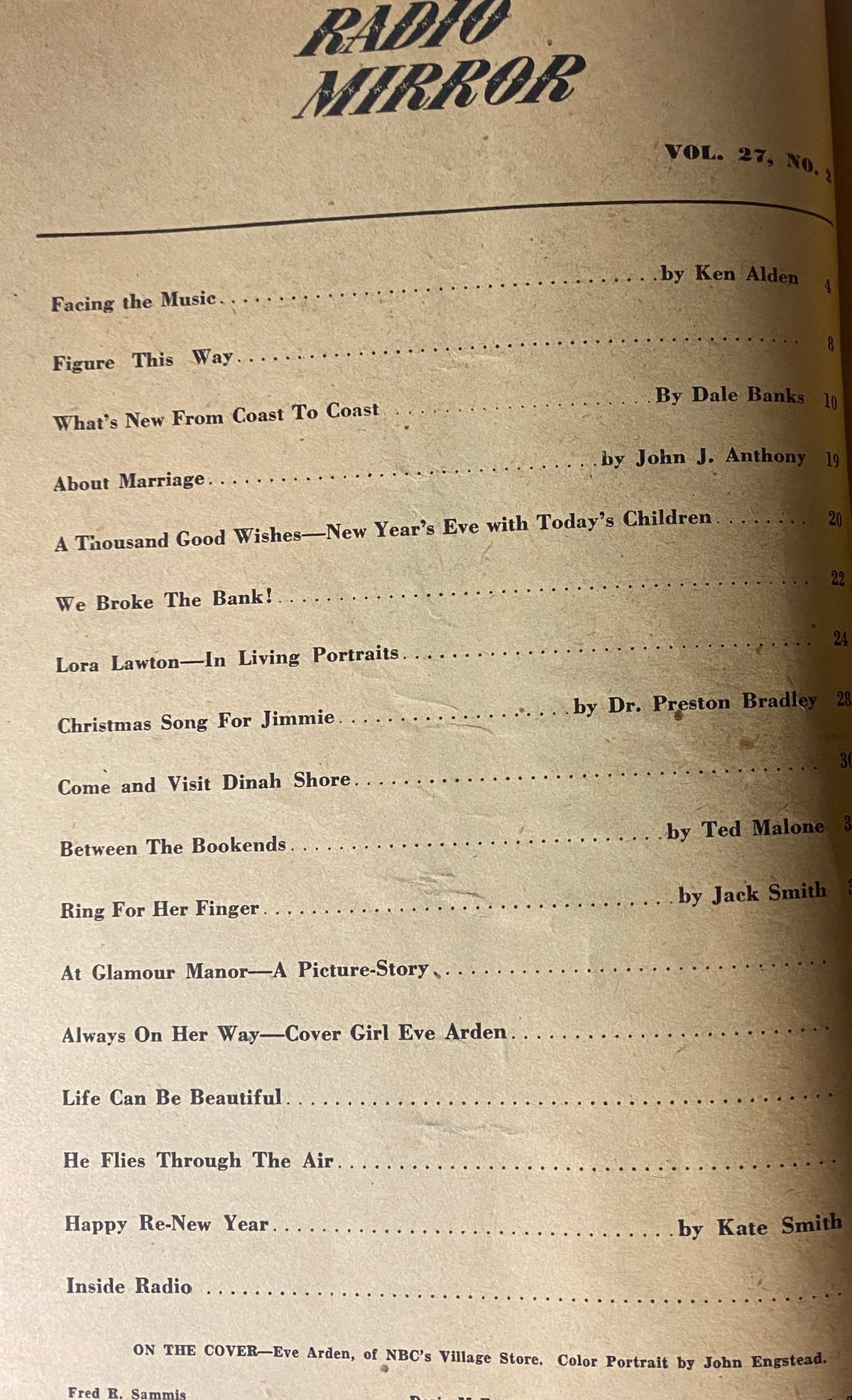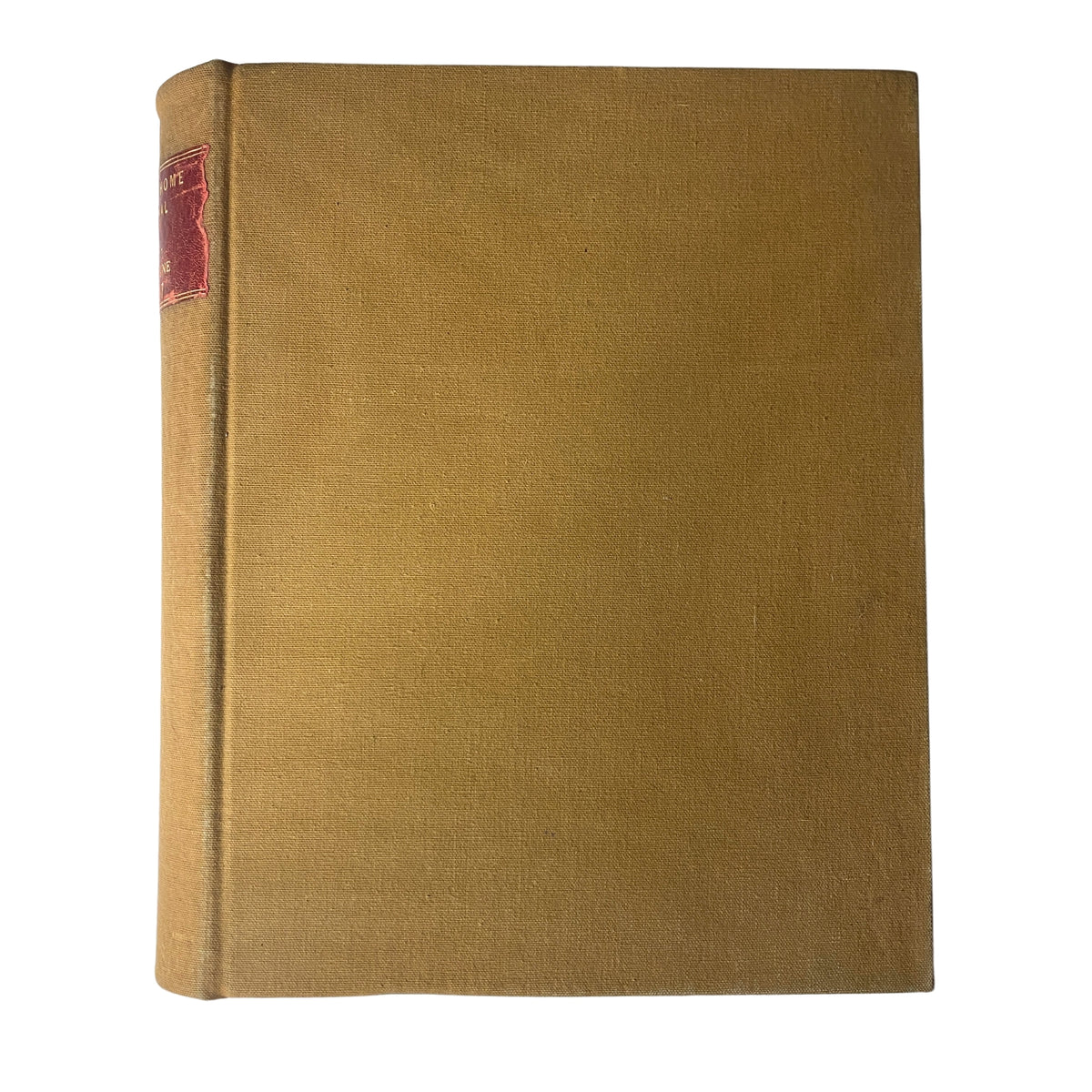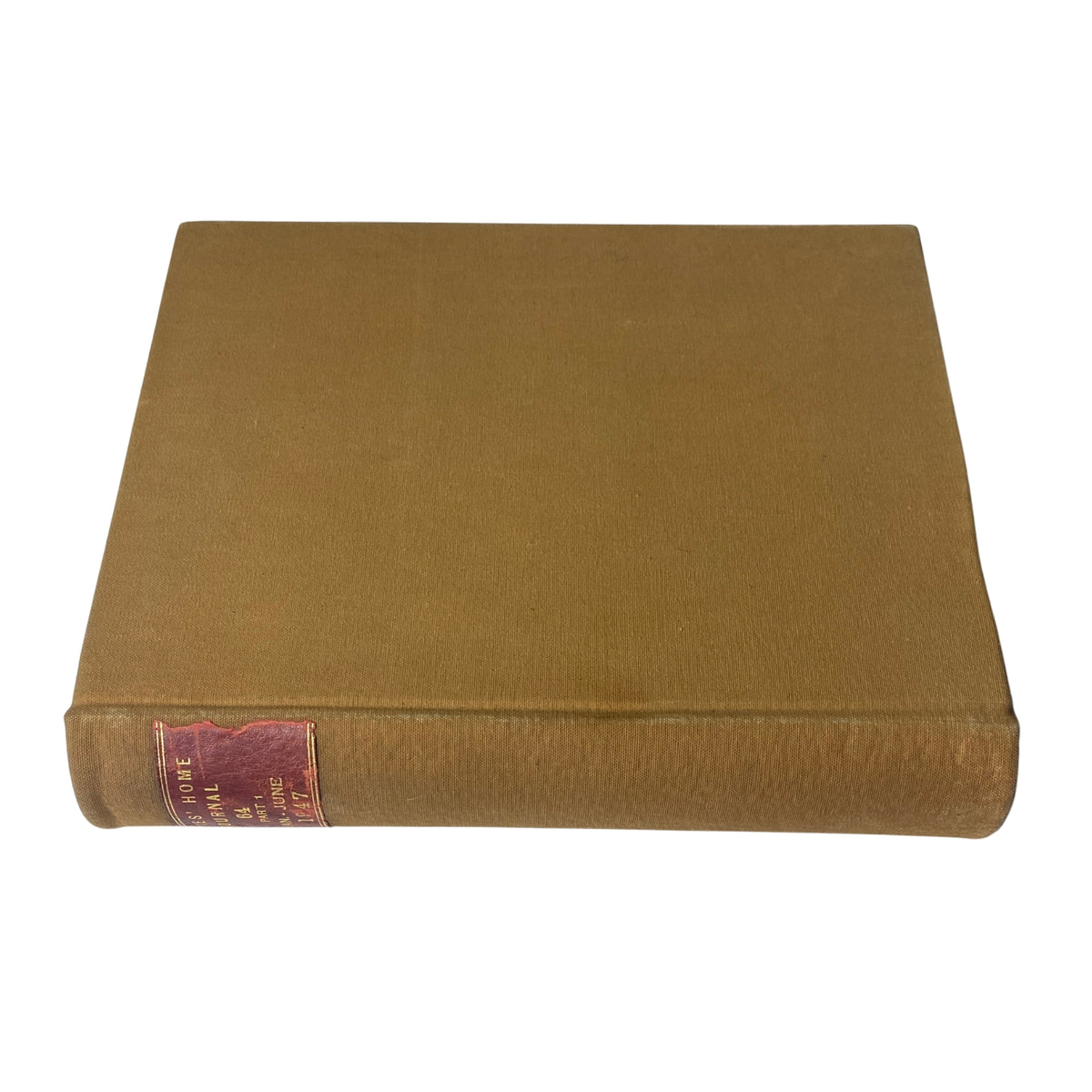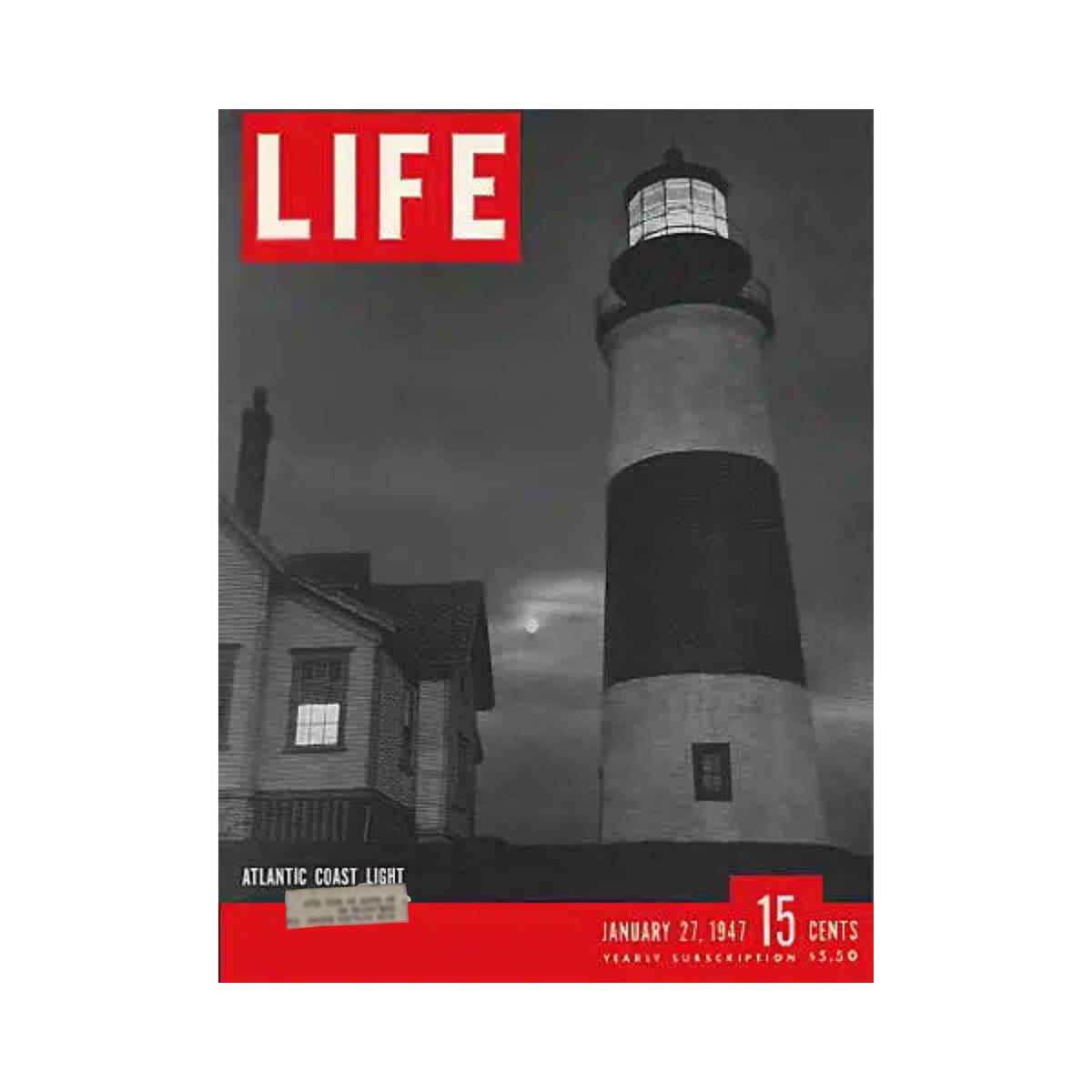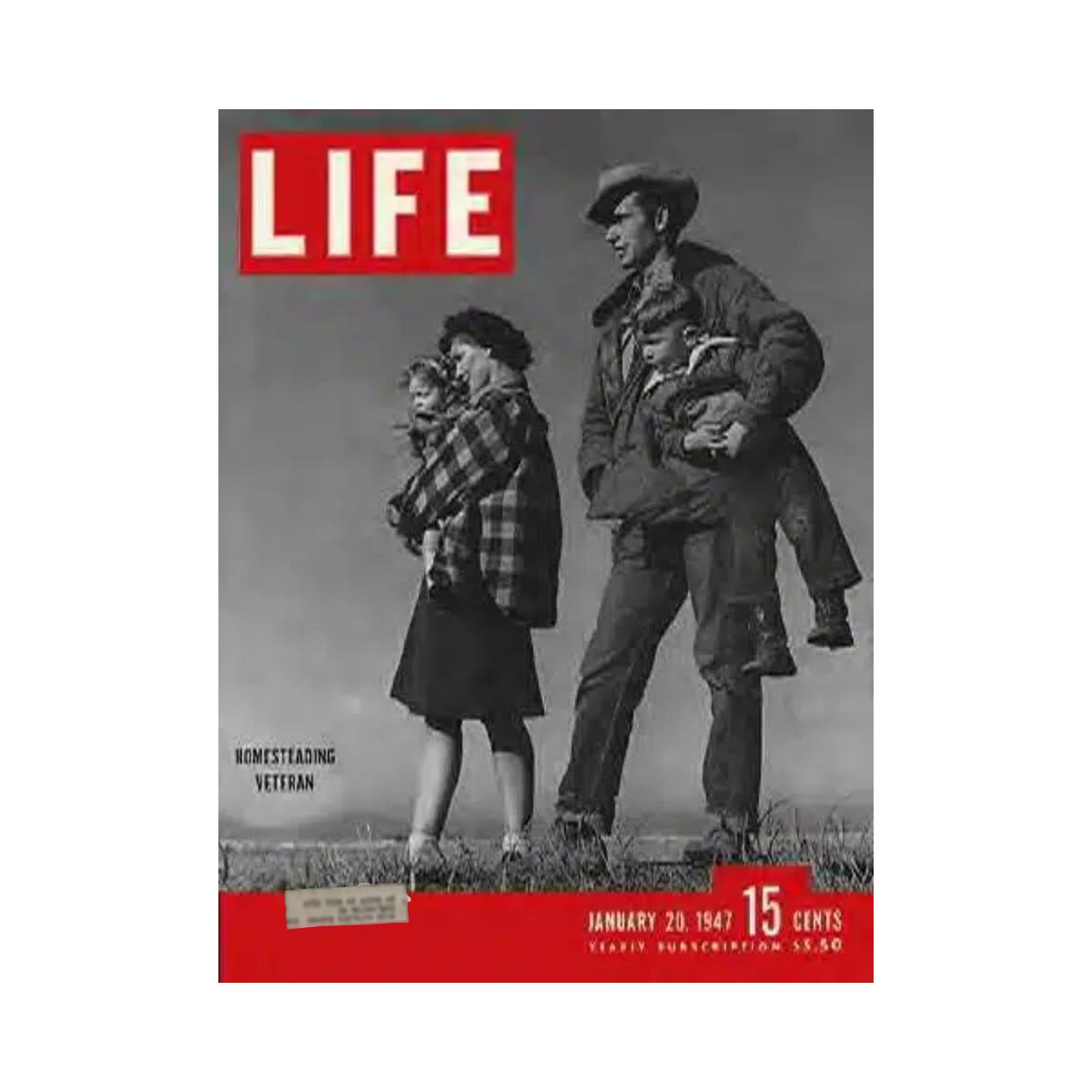
📖 About this Collection
January 1947: The World Holds Its Breath
The Historical Context
January 1947 arrived heavy with consequence. The wounds of the Second World War were still raw, yet the machinery of a new world order was already grinding into motion. On January 8, General George Marshall was sworn in as US Secretary of State—a four-star architect of Allied victory now charged with rebuilding a shattered Europe, a story that would unfold across the front pages of Time and Life all year. Meanwhile, the nascent CIA gained new leadership, and Britain—still rationing, still exhausted—nationalized its coal industry on New Year's Day, a seismic shift in how a modern democracy might govern itself.
But January 1947 also carried darker notes. The disappearance and murder of Elizabeth Short—the Black Dahlia—shocked a nation that had only just returned to peacetime and suddenly found itself gripped by a crime of almost theatrical brutality. Newsweek and the tabloid press scrambled to cover the case. This was the world your loved one entered: tense, expectant, capable of both extraordinary statesmanship and sudden, inexplicable horror.
Footlights, Foul Play, and the First Flicker of Television
What people watched, read, and argued about in January 1947 reveals a culture simultaneously exhausted and hungry for something new. On January 22, KTLA in Los Angeles became the first commercial television station west of the Mississippi—a quiet milestone that would reshape American life within a decade, and one whose novelty the era's magazines both celebrated and regarded with deep suspicion. On Broadway, the month was electric: Arthur Miller's All My Sons opened on January 29 to serious acclaim, and Burton Lane's Finian's Rainbow had debuted on the 10th, running for an extraordinary 725 performances and winning three Tony Awards.
On January 3, the opening session of Congress was televised for the first time—an event so novel it would not be repeated until 1977. Original magazines from January 1947 capture a culture on the cusp: advertisements for appliances jostle with photographs of lawmakers, and film stills from Hollywood's most ambitious year crowd the pages of Look and the Saturday Evening Post. Pan American Airlines that month became the first carrier to offer a round-the-world ticket—a luxury that now seems like science fiction.
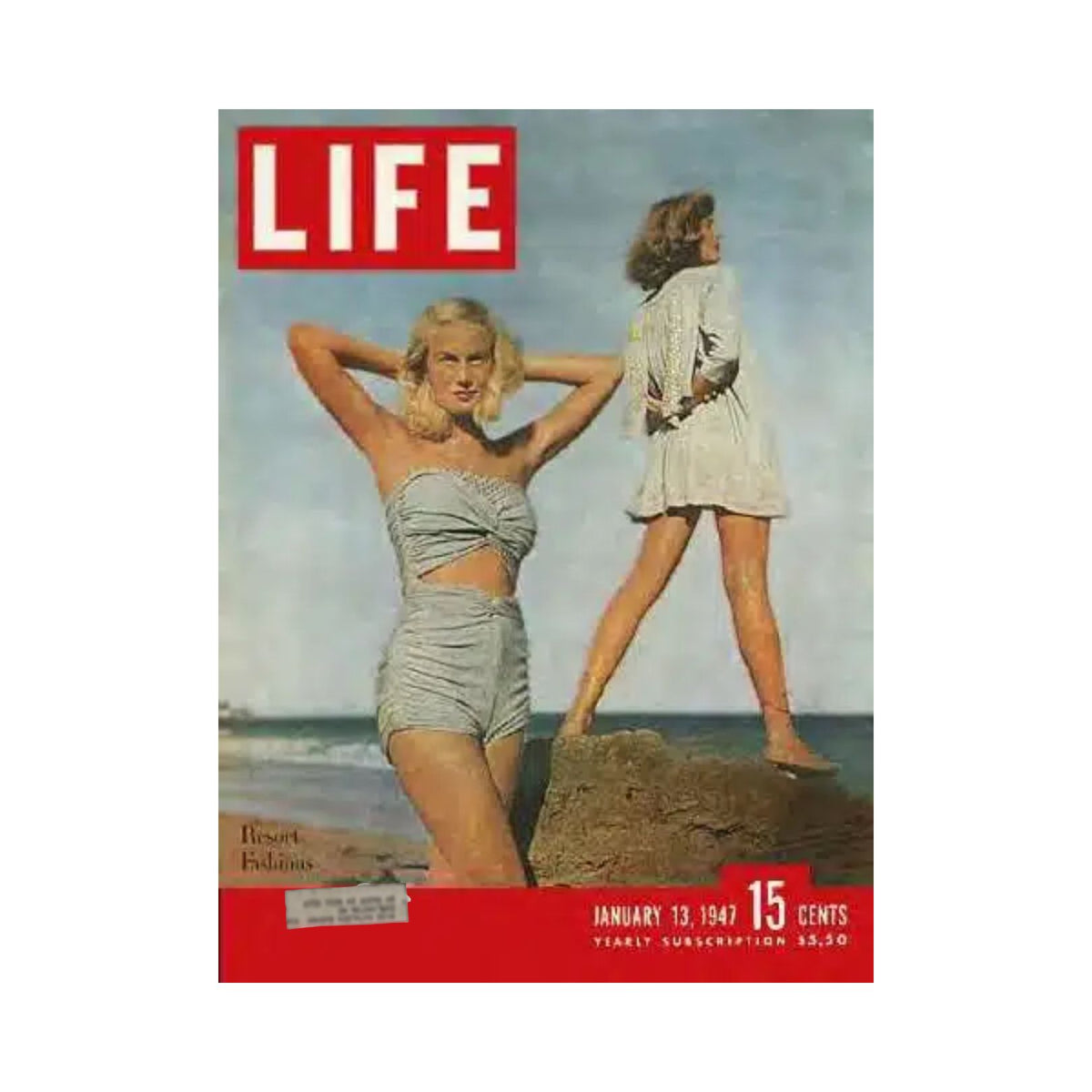
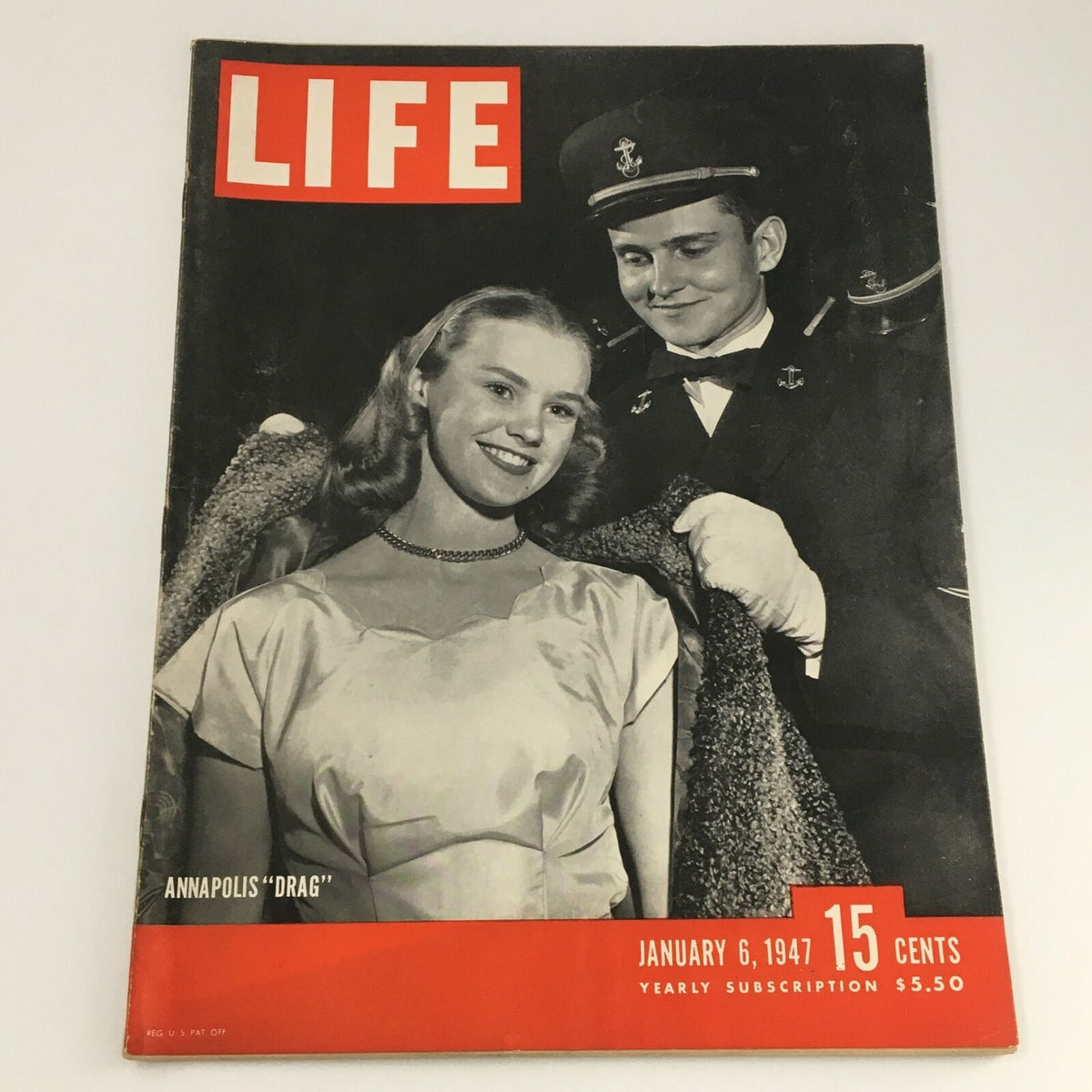
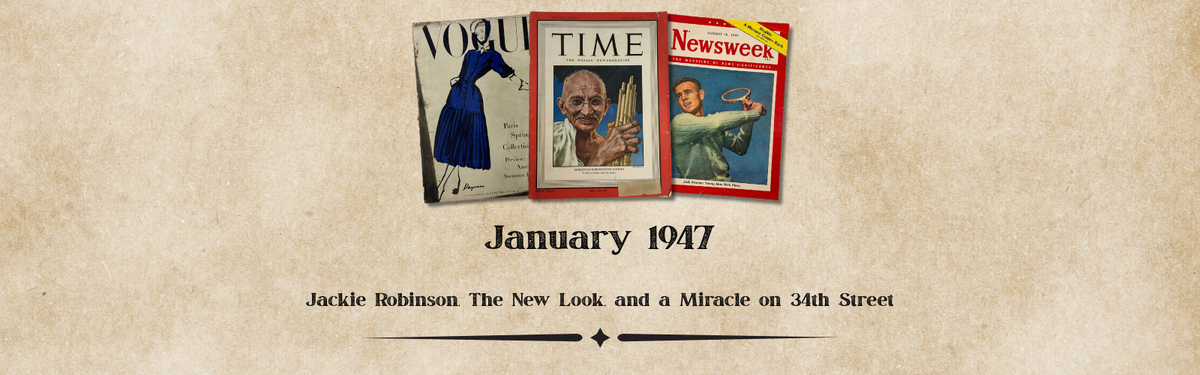
Curator's Checklist: What to Look for in January 1947 Magazines
- The Black Dahlia Case: Crime and detective magazines, alongside Life and Newsweek, featuring early coverage of the Elizabeth Short disappearance and murder, often illustrated with stark Los Angeles crime photography and urgent, tabloid-influenced layouts that capture the nation's shock.
- General Marshall's Appointment: News-focused vintage magazines such as Time and Look showcasing portrait photography of the new Secretary of State, frequently paired with editorial commentary on America's postwar foreign policy ambitions and the emerging Cold War tension.
- The Birth of West Coast Television: Technology and lifestyle publications chronicling KTLA's launch in Los Angeles, with advertisements for early television sets beginning to appear—a rare glimpse at the precise moment mass-market TV became a westward reality.
- Broadway's Golden Month: Entertainment coverage in Variety and general-interest titles featuring production photography from Finian's Rainbow and Arthur Miller's All My Sons, capturing the theatrical vibrancy that made 1947 one of Broadway's most celebrated seasons.
- Bowl Games and Winter Sport: Sports Illustrated-era predecessors and general sports pages—alongside Life photo essays—illustrating the Rose, Sugar, and Orange Bowl results, with genuine advertisements for sportswear and automobiles that framed midcentury American leisure.
The Perfect Gift
For someone born in January 1947, an original magazine from this charged and consequential month isn't just a gift—it's an authenticated time capsule of the exact world they arrived in, preserved in genuine headlines, original advertisements, and the unmistakable typography of an era that had no idea what came next.