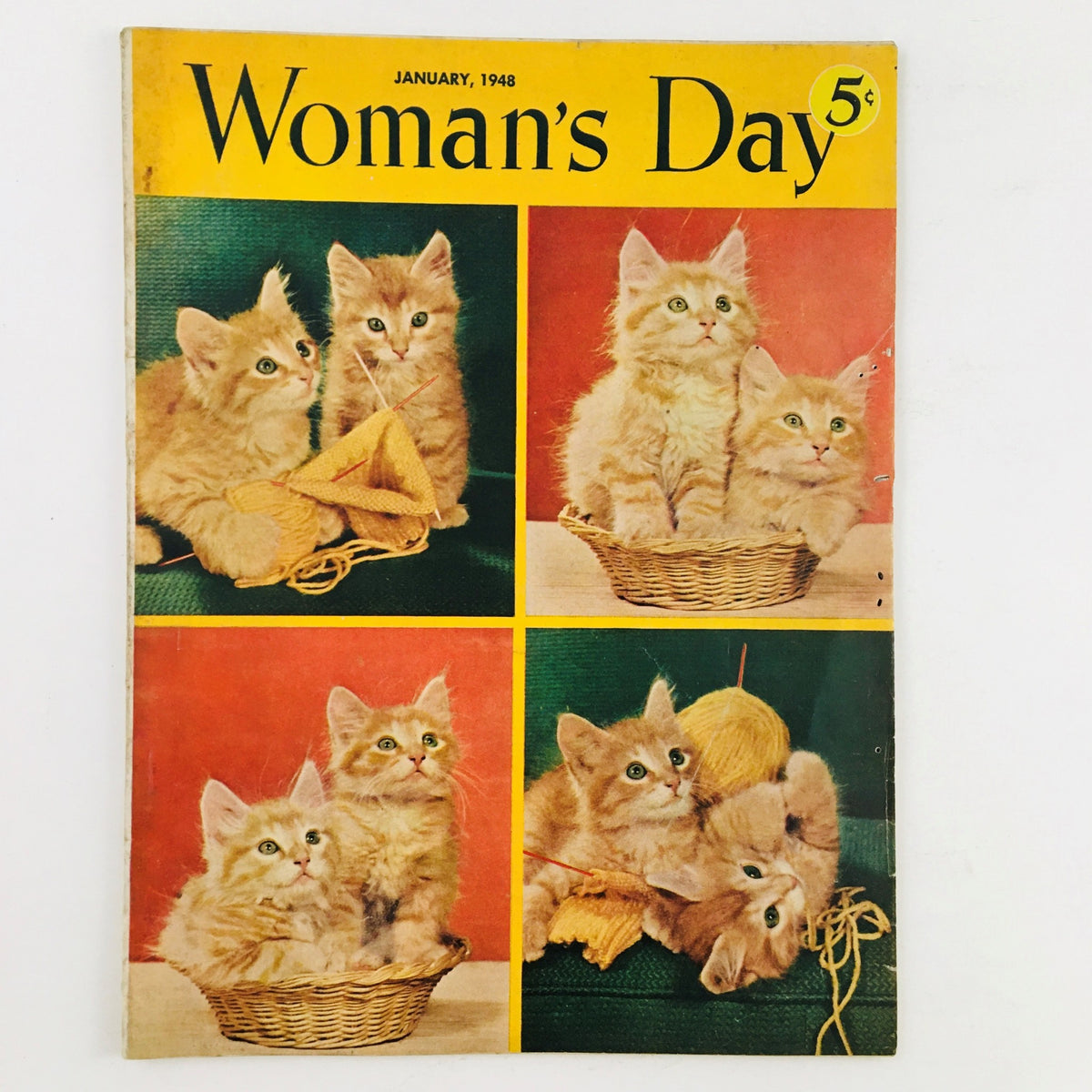
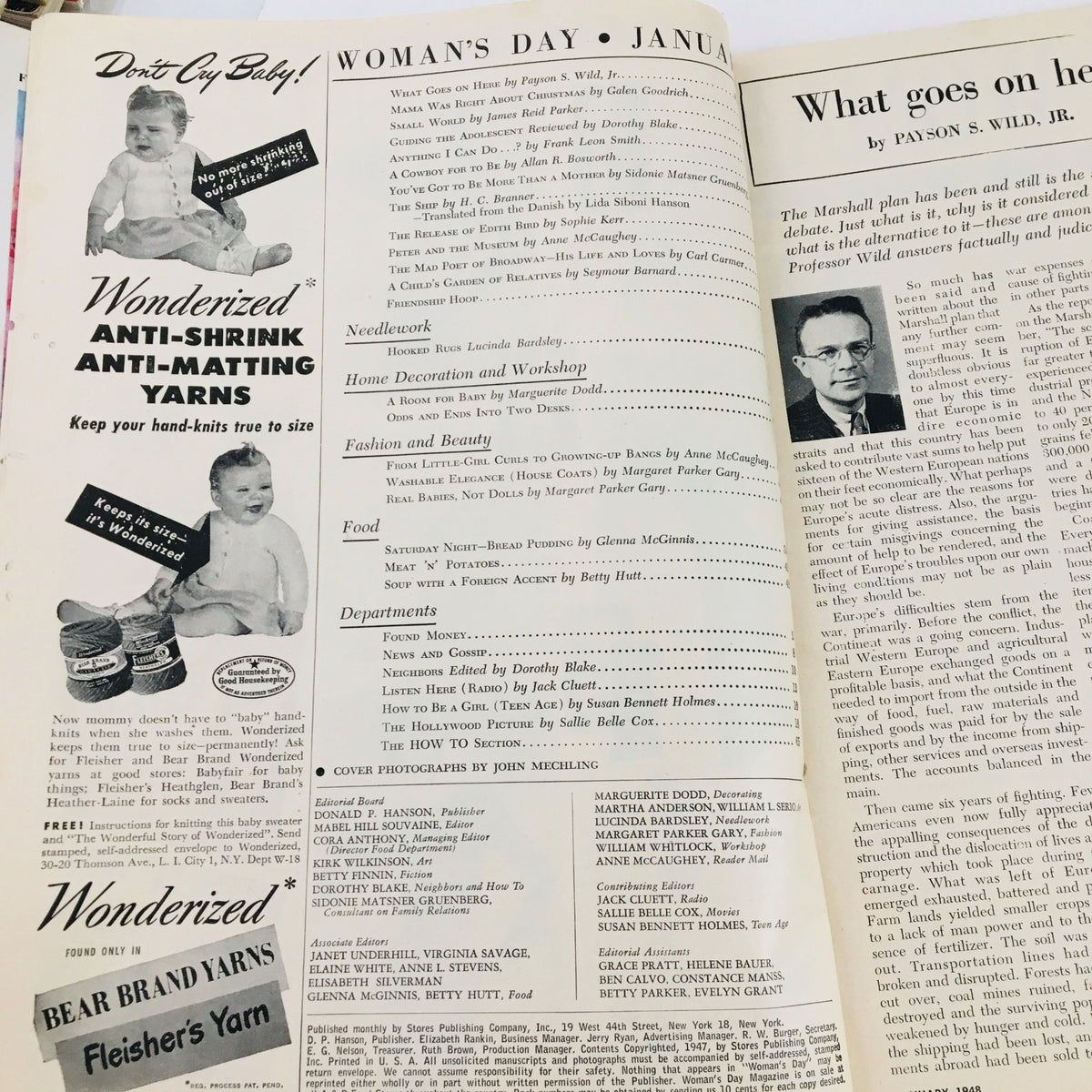
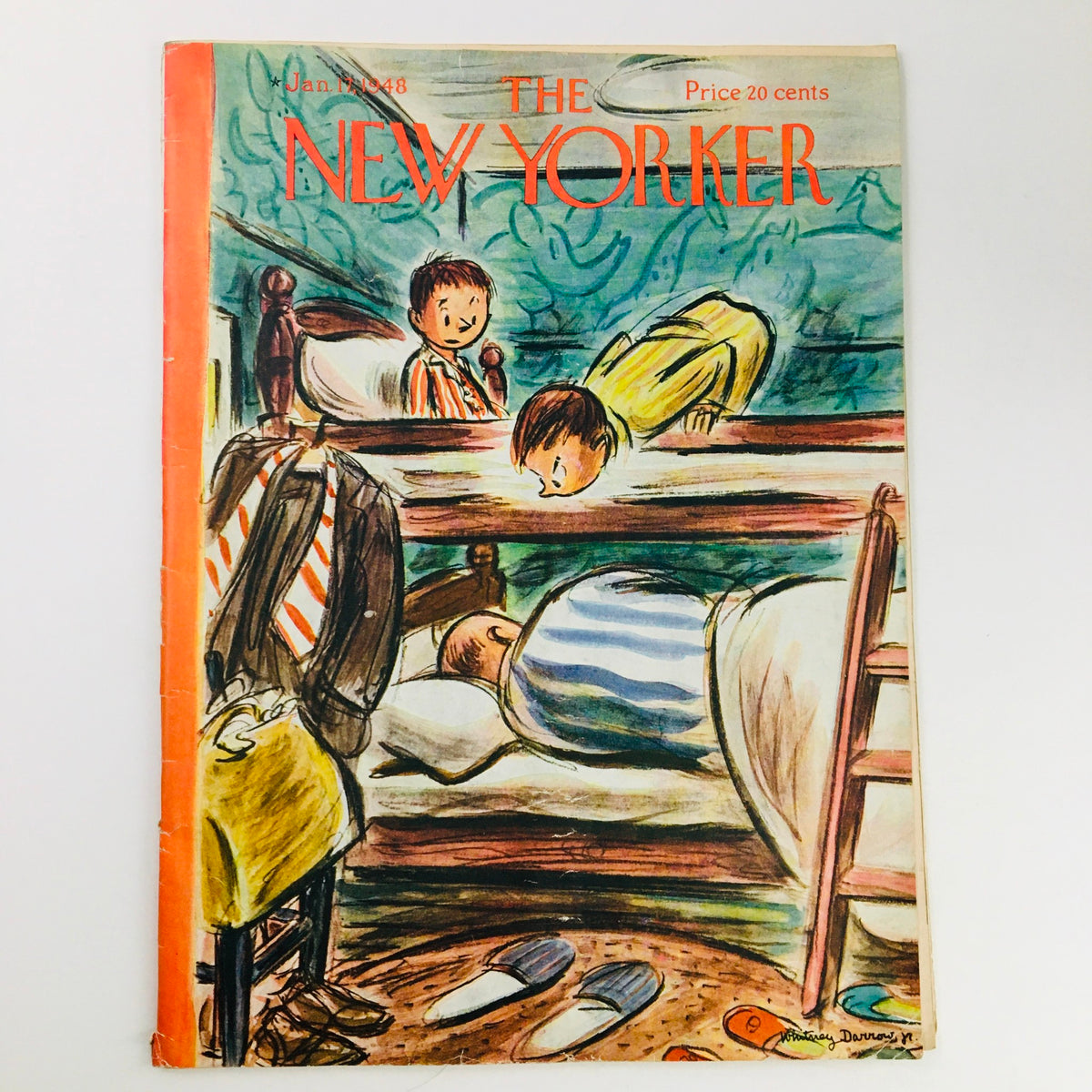
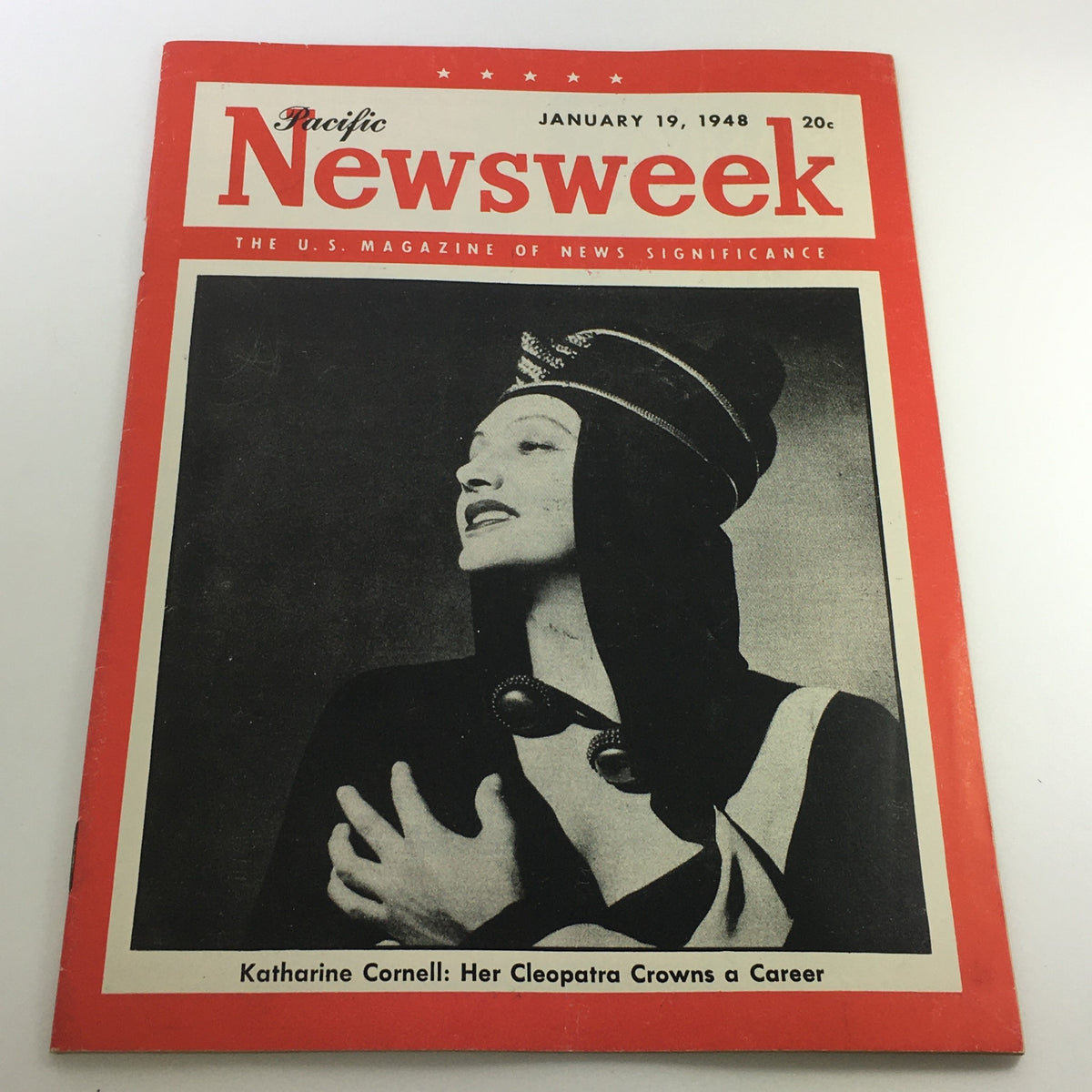
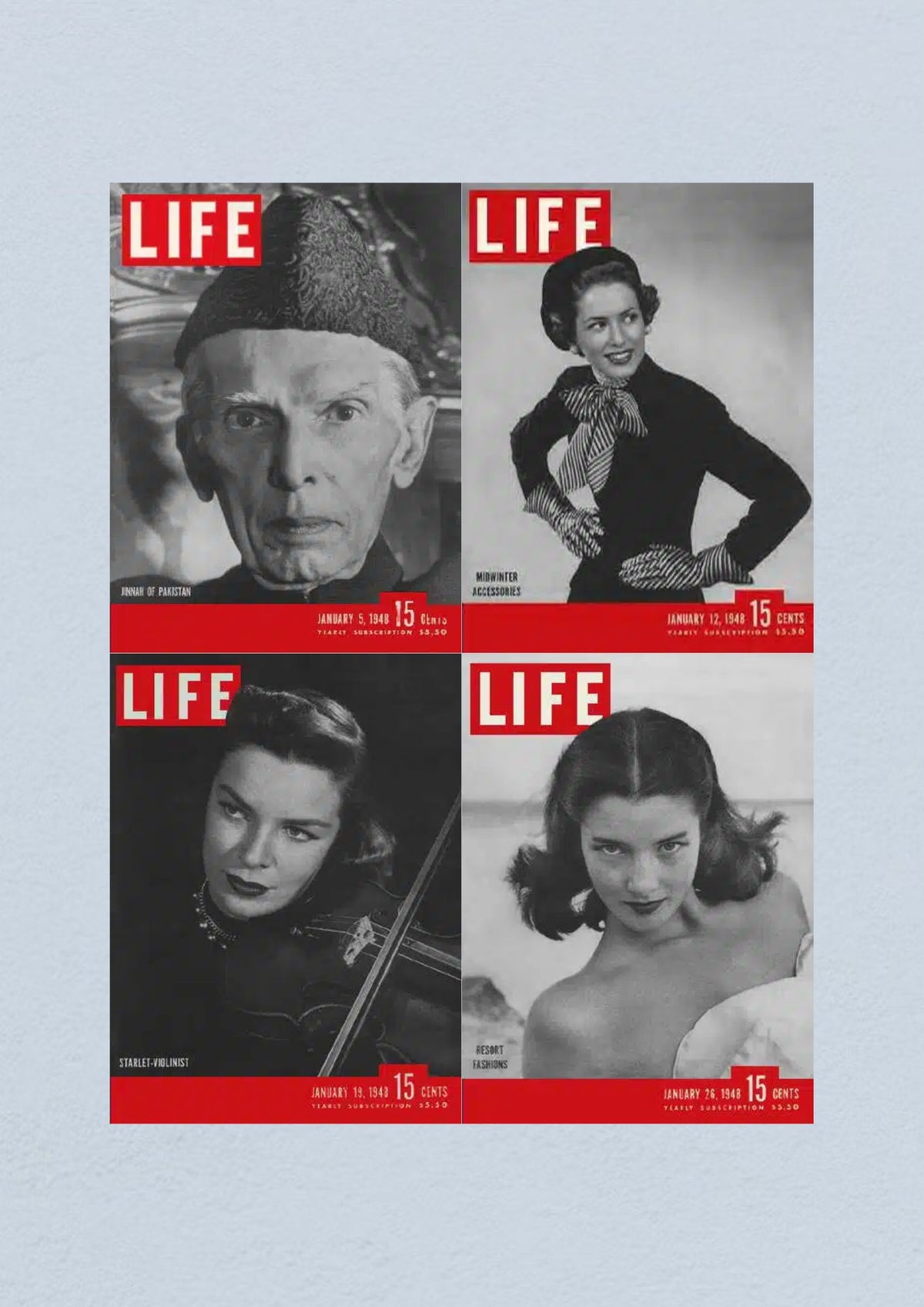
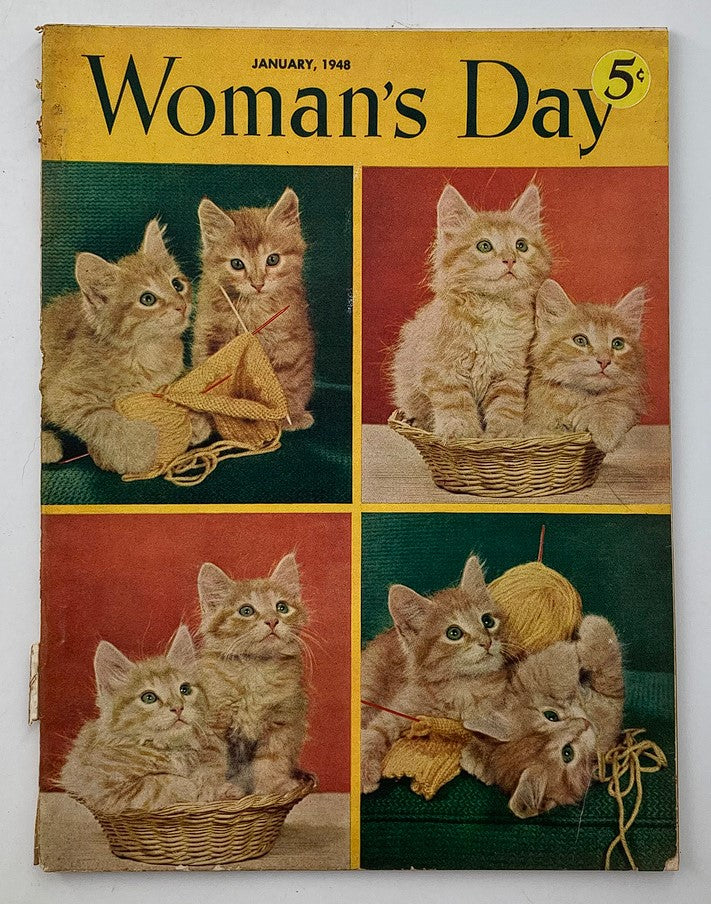
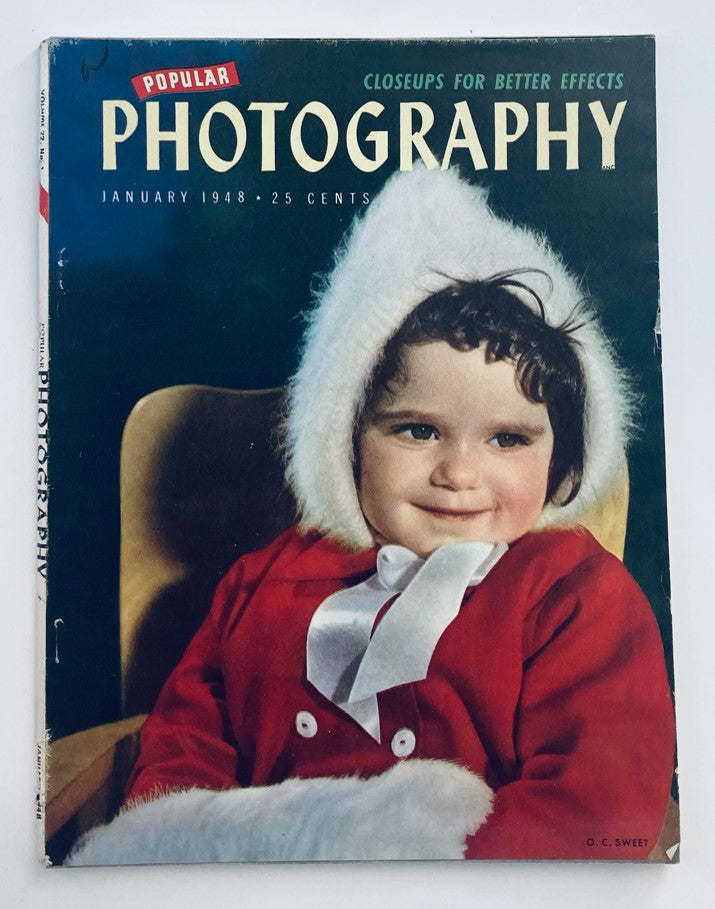
📖 About this Collection
January 1948: The Month the World Lost Its Conscience
The Historical Context
The new year had barely drawn its first breath when January 1948 announced itself as something different—charged, unstable, caught between hope and dread. The General Agreement on Tariffs and Trade came into force on the first of the month, threading nations together in an economic compact that quietly reshaped the postwar order. Burma declared independence from Britain on the 4th. The V Winter Olympic Games opened magnificently in St. Moritz on the 30th. And yet, hovering over every headline, every broadcast, every conversation was the frail figure of one man in New Delhi. Mahatma Gandhi had begun his final fast on January 12th, a desperate act of conscience aimed at cooling the communal violence tearing the subcontinent apart. Then, on January 30th, he was shot dead in a garden. The world did not know quite how to comprehend it. For someone born in January 1948, this was the world they entered—one capable of breathtaking achievement and breathtaking cruelty in the same calendar month.
Culture, Entertainment & Life in January 1948
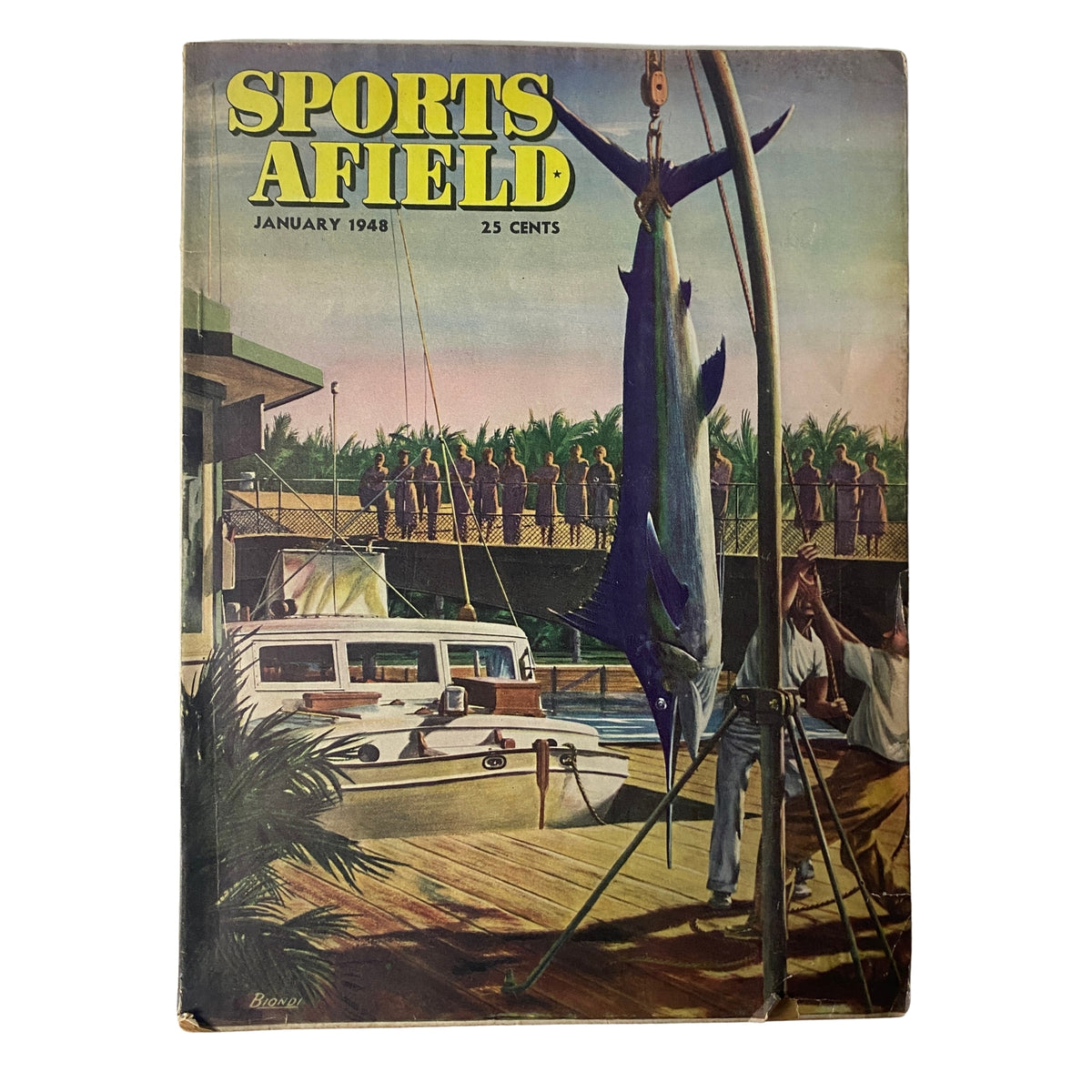
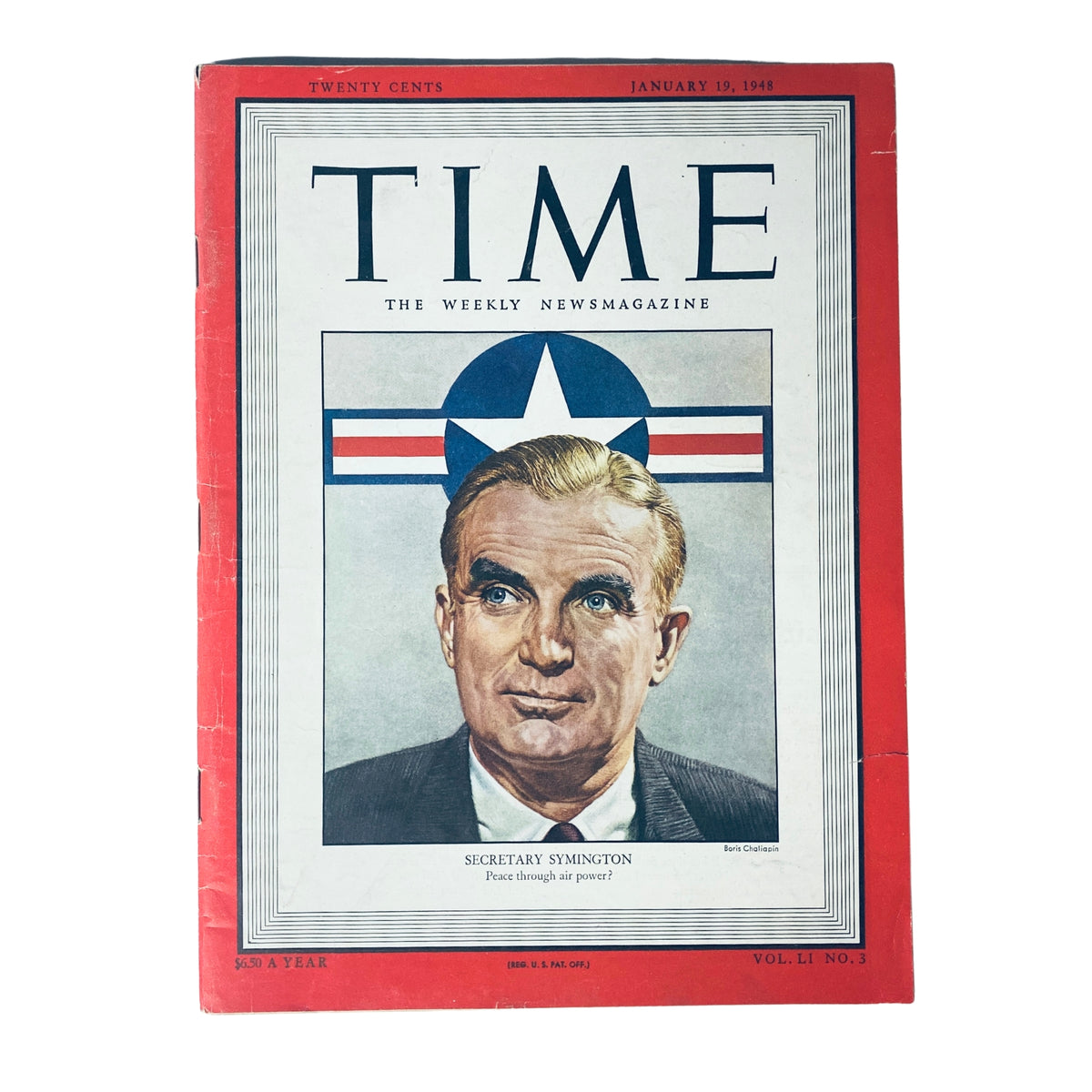
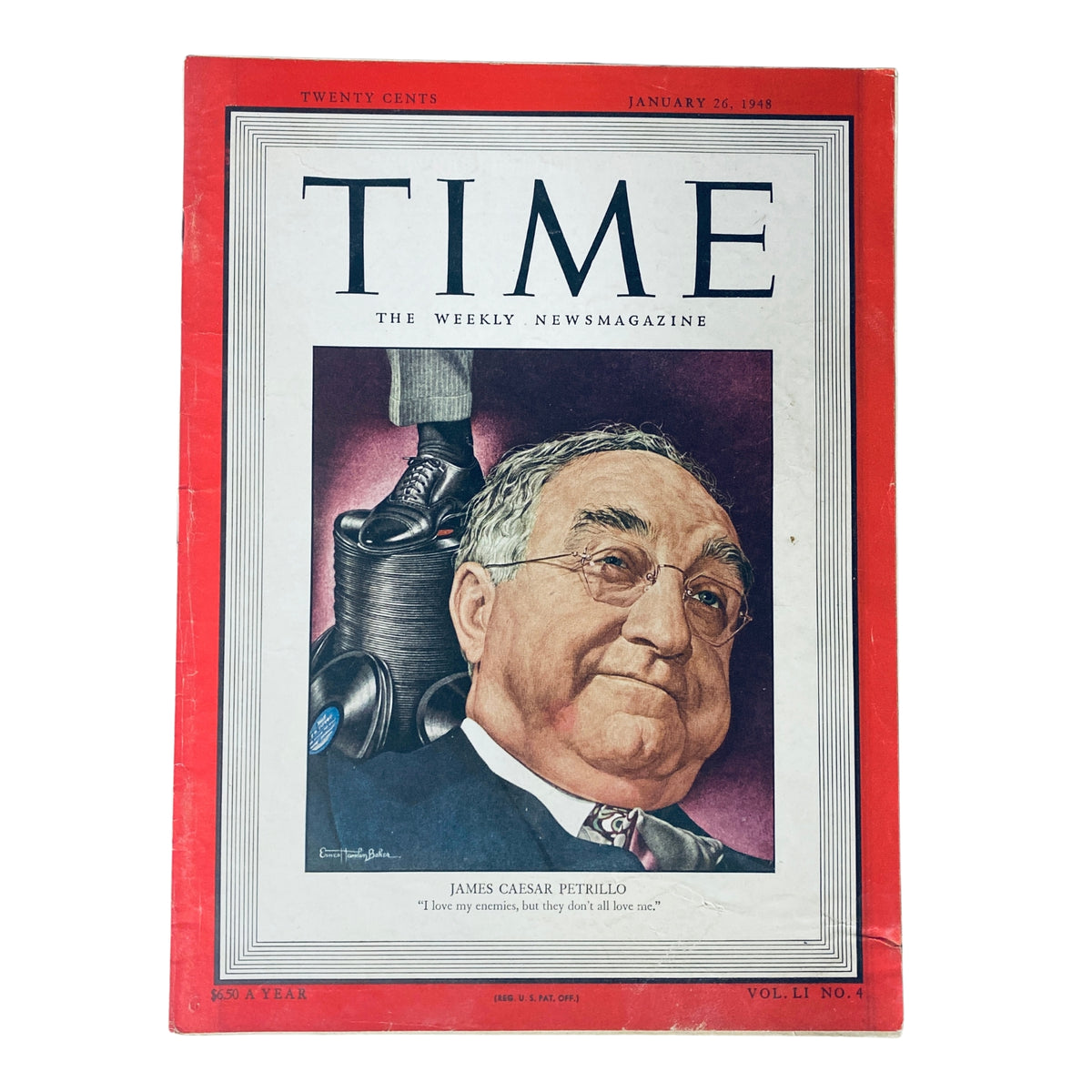
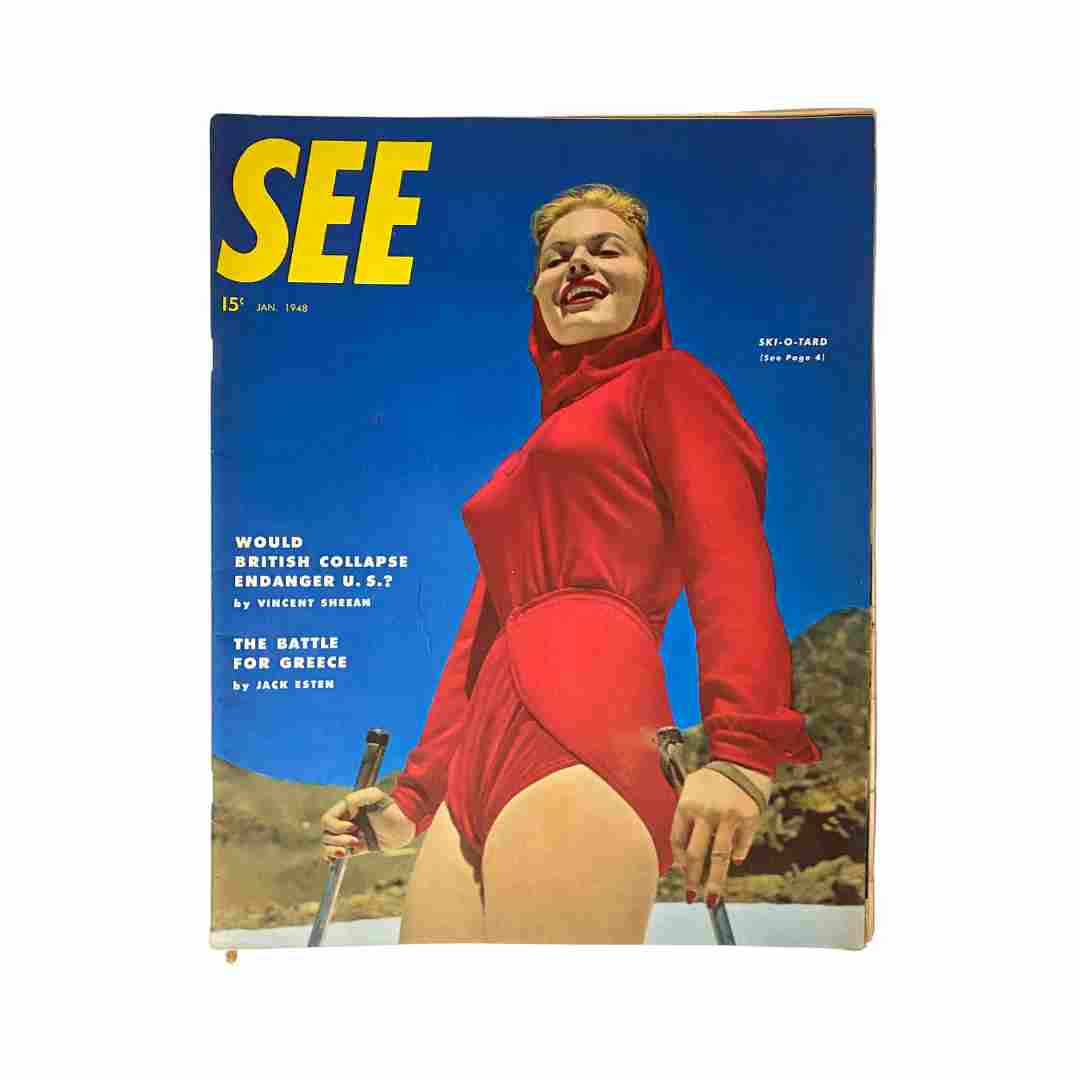
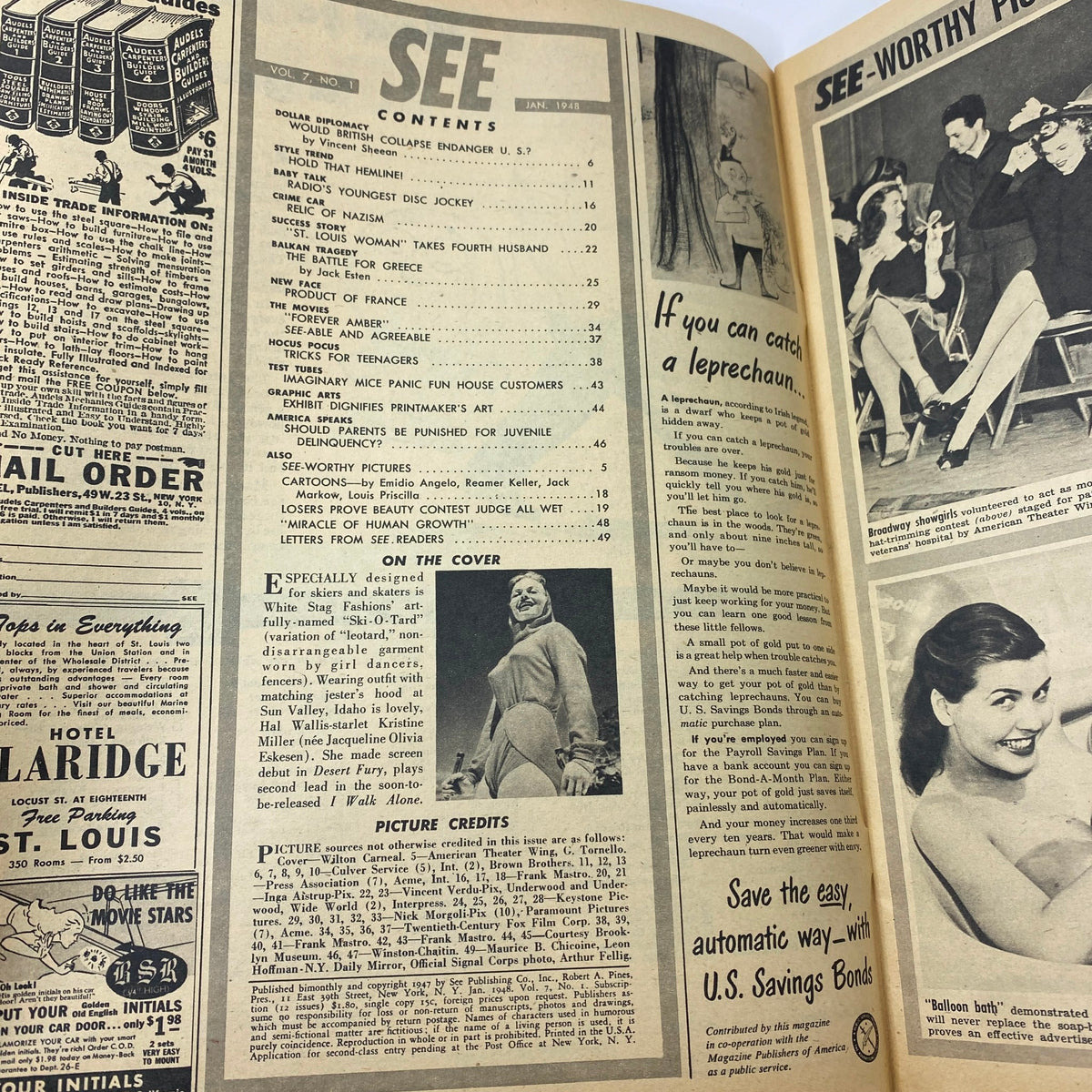
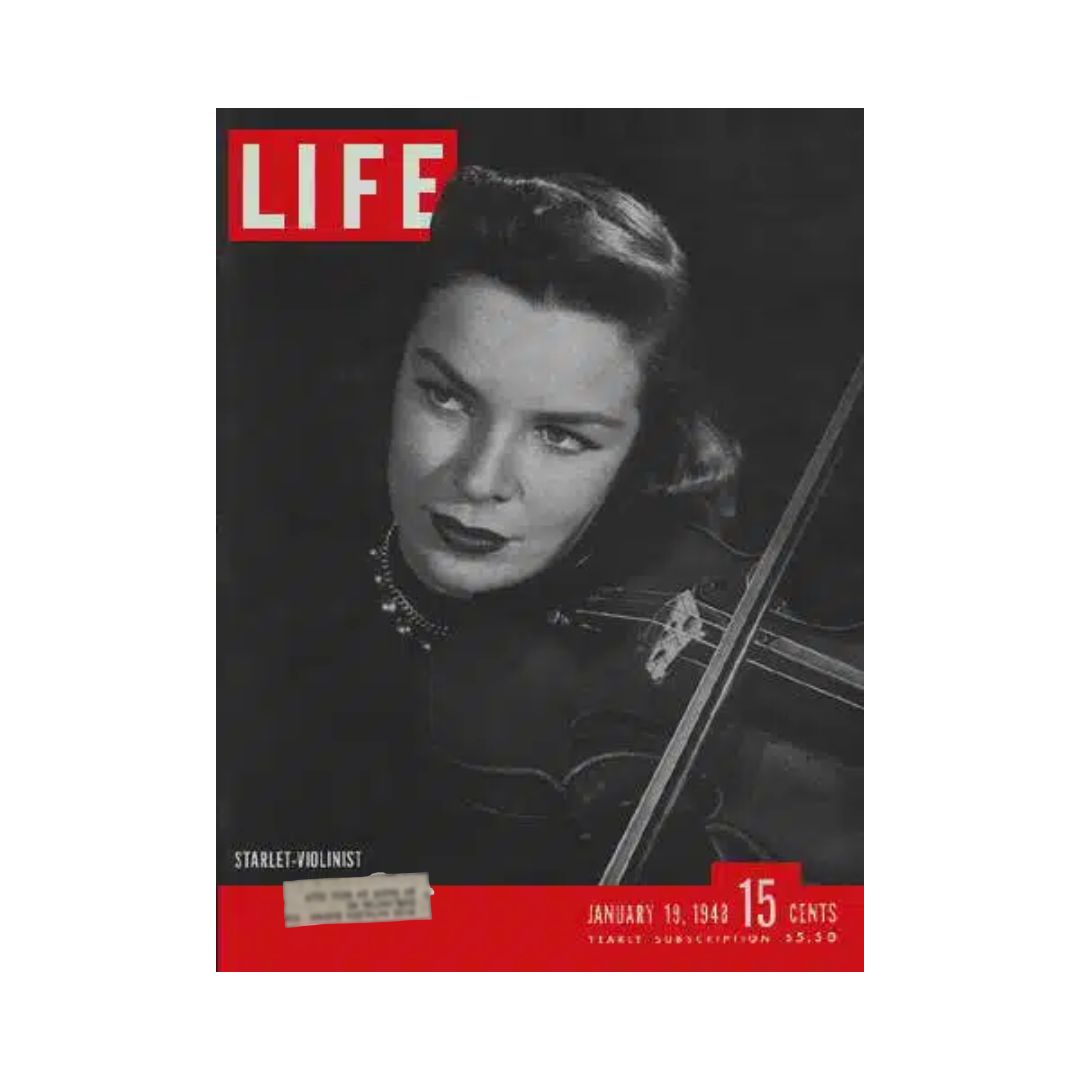
While history moved at a brutal pace, American living rooms and movie houses offered their own kind of electricity. The Treasure of the Sierra Madre, directed by John Huston and starring Humphrey Bogart, had its premiere on January 15th—a psychologically raw adventure that would go on to define a new kind of Hollywood moral ambiguity. On Broadway, Sid Caesar made his debut in Make Mine Manhattan, while Jerome Robbins choreographed Look Ma, I'm Dancin'—signs that American popular culture was flexing extraordinary creative muscle. Television was staking its claim as the new American hearth: The Original Amateur Hour, hosted by Ted Mack, premiered on the DuMont Network on January 18th, and the very first country music TV show, Midwestern Hayride, debuted on WLW-T in Cincinnati on the 13th. Original magazines from January 1948 capture all of this—Life and Look photographing Gandhi's death and the Olympics alike, Variety tracking Hollywood's shifting ambitions, Time mapping a world remaking itself. J.D. Salinger's "A Perfect Day for Banana Fish" appeared in The New Yorker on the 31st—a quiet landmark for American fiction that passed almost unnoticed amid the noise.
Curator's Checklist: What to Look for in January 1948 Issues
- Gandhi's Assassination: Issues of Life, Newsweek, and Look from late January and early February 1948 are among the most historically significant of the postwar decade—look for front-cover photography and multi-page photojournalism chronicling the scene in New Delhi, the global reaction, and Gandhi's legacy.
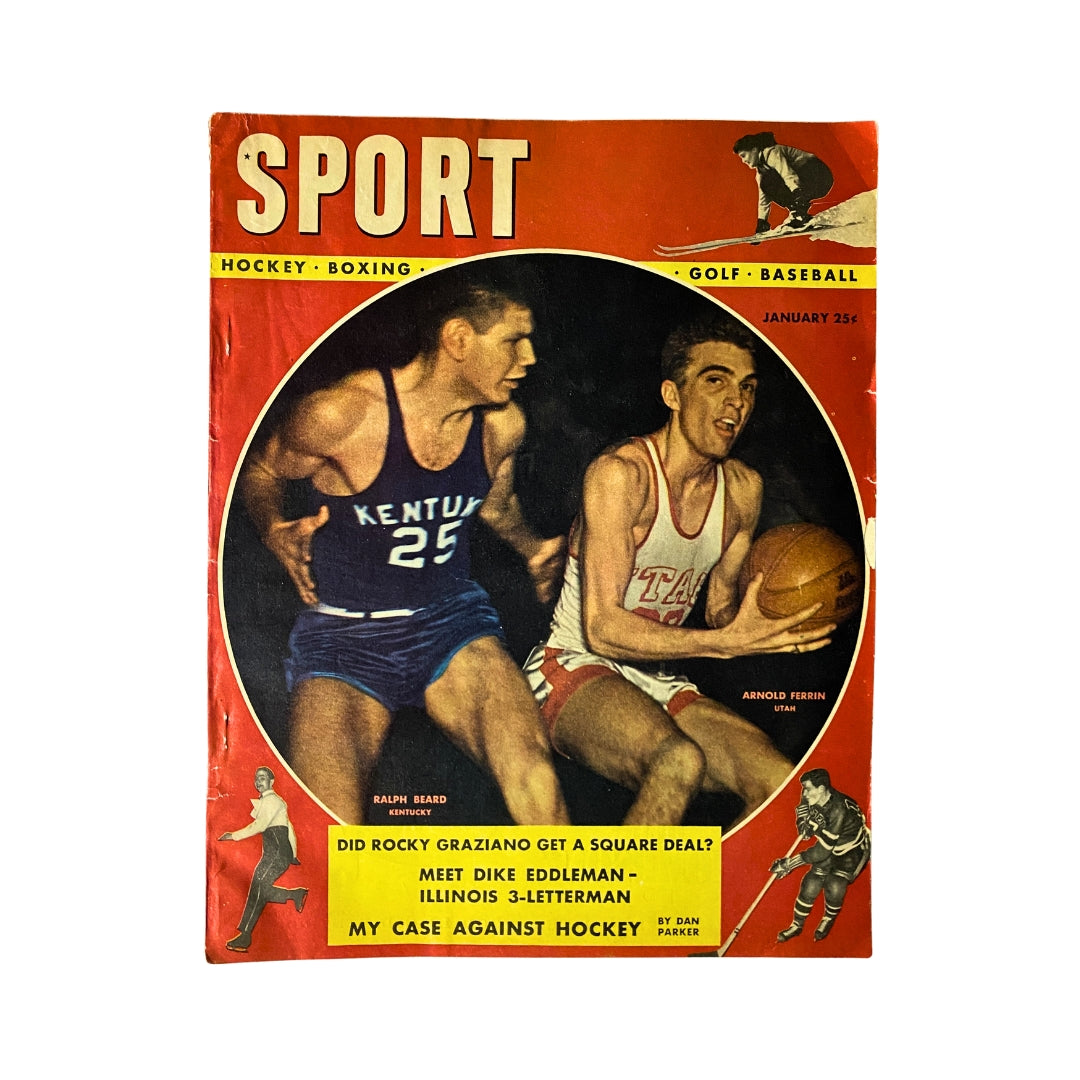
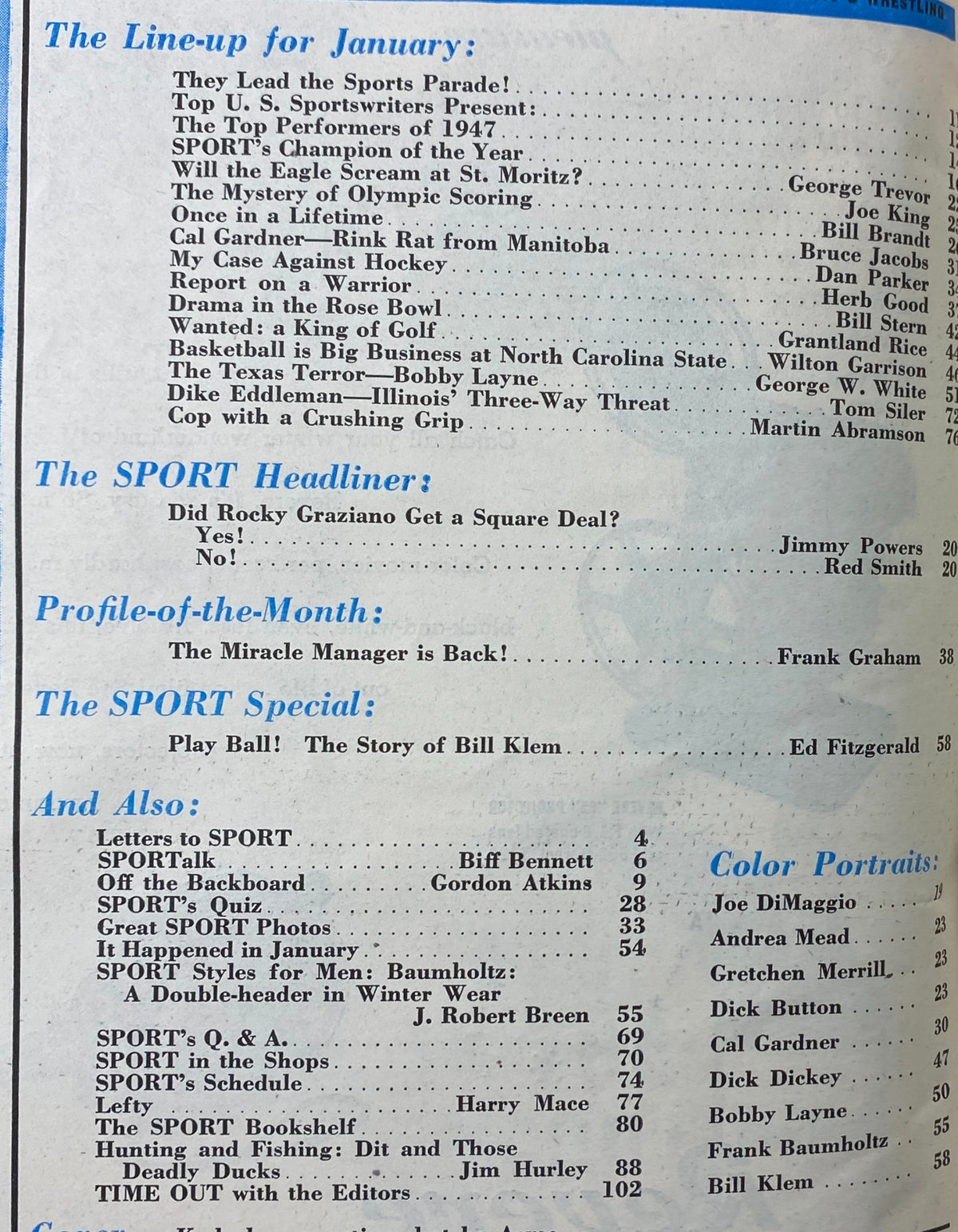
- The St. Moritz Winter Olympics: Vintage magazines from sports and news titles will feature the opening of the V Winter Games on January 30th, with illustrated coverage of speed skating, bobsleigh, and cross-country skiing—the first Winter Olympics since 1936 and a powerful symbol of postwar renewal.
- Hollywood's New Darkness: Variety and fan magazines from January 1948 showcase the premiere of The Treasure of the Sierra Madre, offering genuine original advertisements and studio photography from a film now recognized as a Hollywood masterpiece—rare magazines from this moment carry extraordinary collector appeal.
- The Birth of Television Culture: TV Guide was still years away, but authentic issues of Life and general-interest weeklies from January 1948 carry early television advertisements and programming announcements, documenting the precise moment American living rooms changed forever.
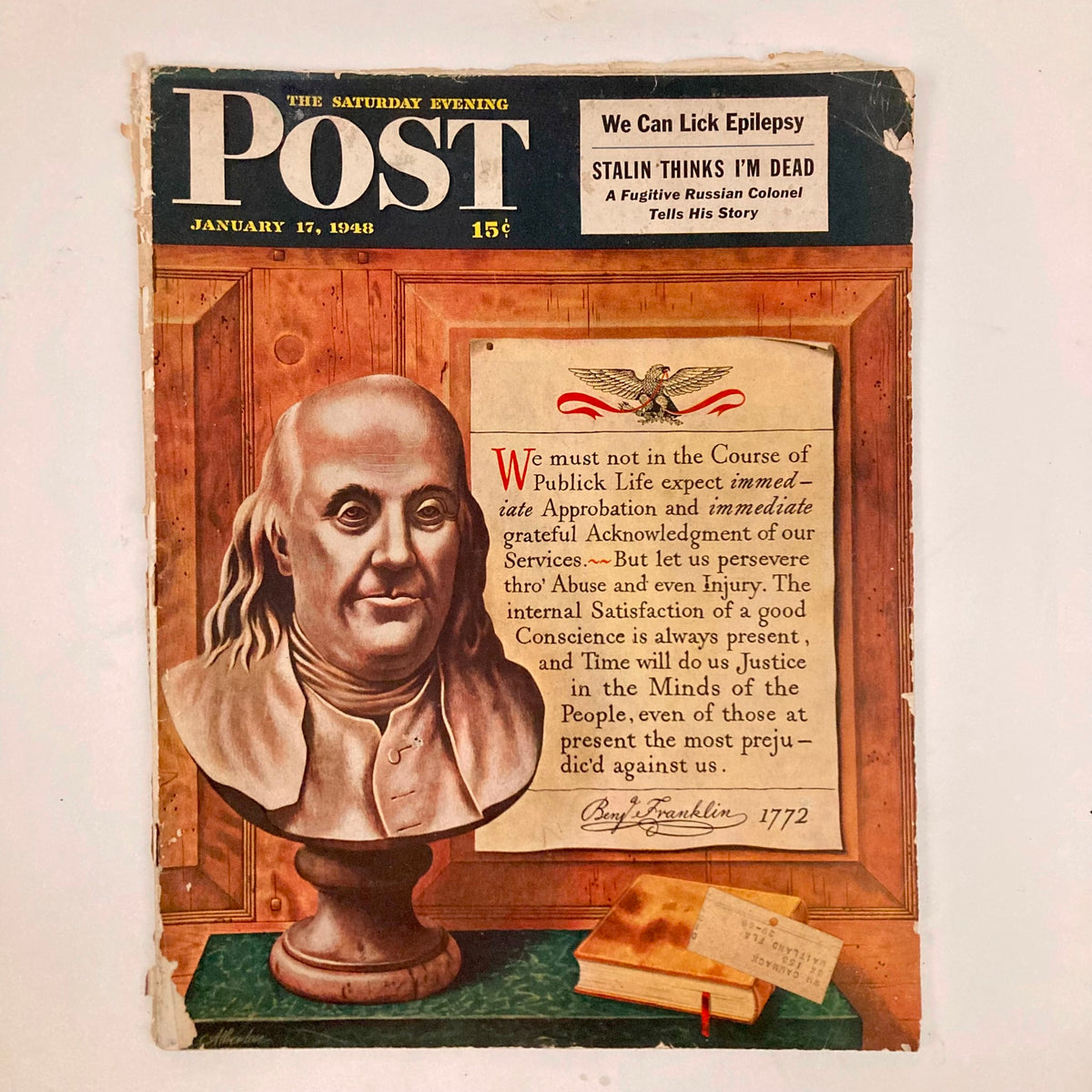
- Broadway at Its Peak: Time and The Saturday Evening Post from January 1948 frequently featured Broadway coverage; look for pieces on Sid Caesar's debut and Jerome Robbins's emerging choreographic brilliance—both figures who would define American entertainment for the next generation.
The Perfect Gift
For someone born in January 1948, an original magazine from this pivotal month isn't just a piece of old paper—it's an authenticated time capsule of the exact world they arrived in, preserved in genuine headlines, original advertisements, and period photography that no reproduction can replicate.