📖 About this Collection
January 1949: The World Remade at the Threshold of a New Order
The Historical Context
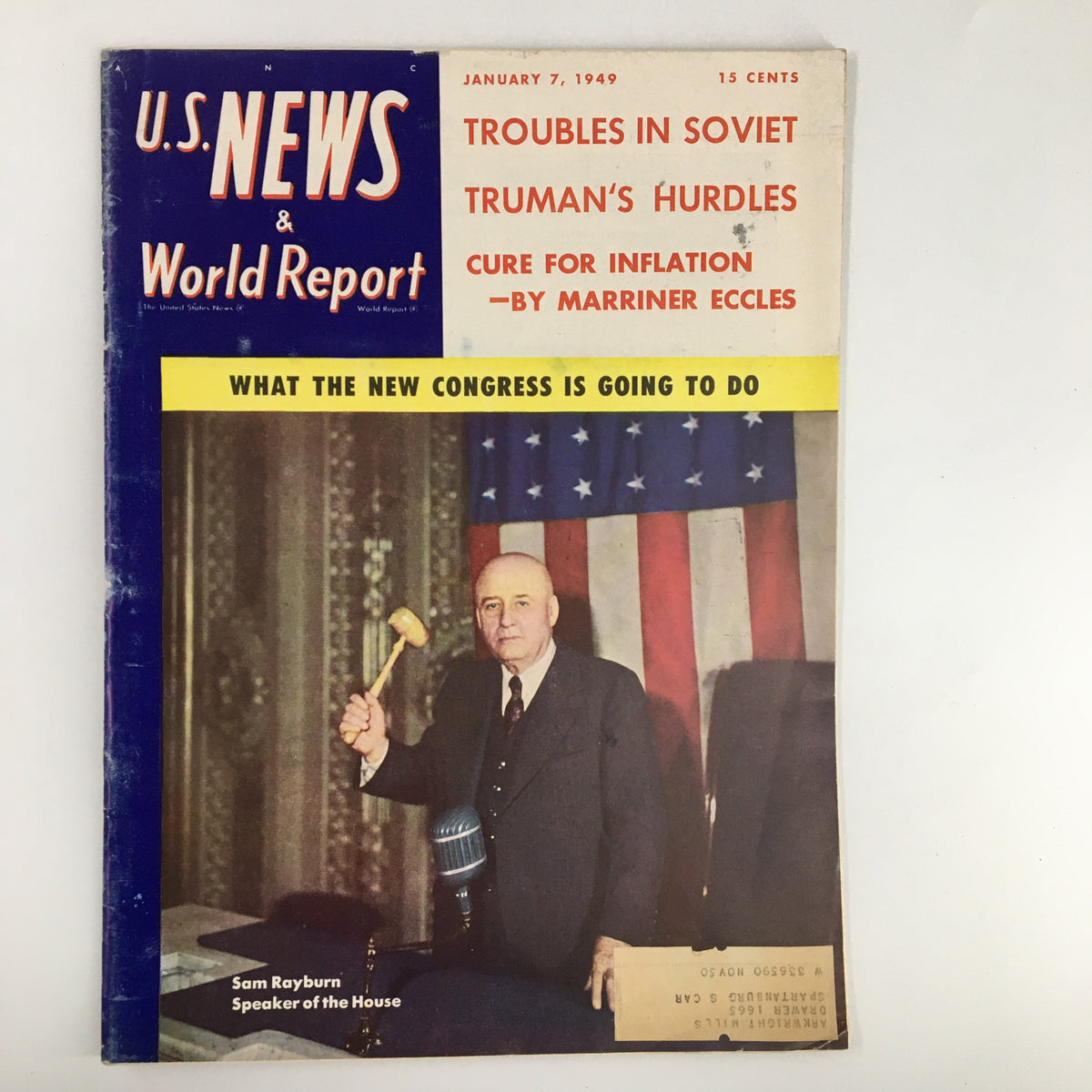
The opening month of 1949 crackled with the electricity of a world still sorting itself out after the upheavals of war. Across the Pacific, Mao Zedong's Red Army swept into Tientsin on January 15th, the latest dominoes falling as China's Communist revolution drew toward its inevitable conclusion—a geopolitical earthquake that had Washington watching in grim silence. Back on American soil, the mood was quietly triumphant: on January 20th, ten million people gathered around their television sets to watch Harry Truman's inaugural parade, the first ever televised, as the man who had surprised the entire country with his election win took the oath for a full term. That same day, Truman put a name to his domestic vision, announcing the "Fair Deal"—a declaration that the New Deal's ambitions weren't finished. This was the world your loved one entered: a planet at a hinge point, still exhaling, already racing forward.
The Culture of January 1949
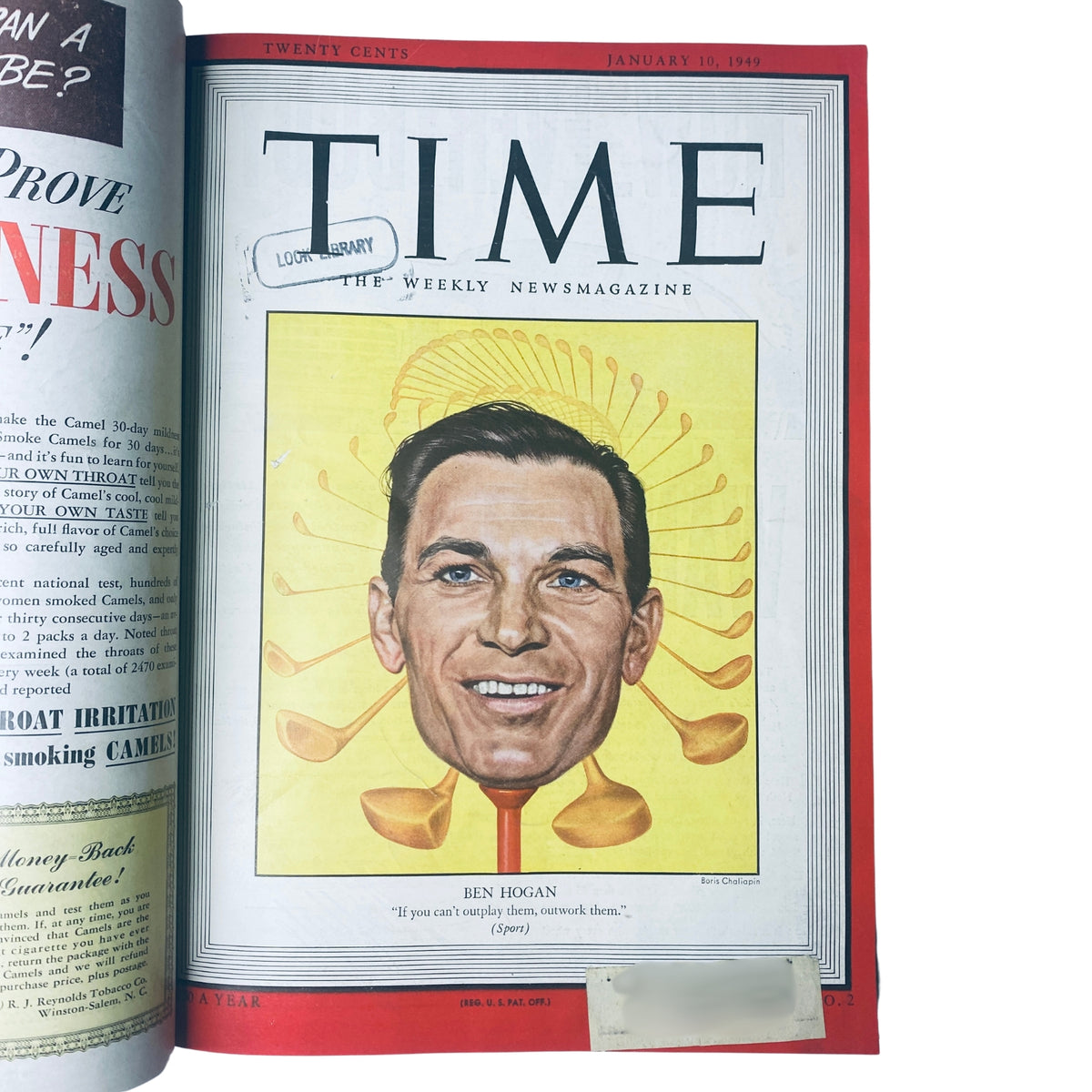
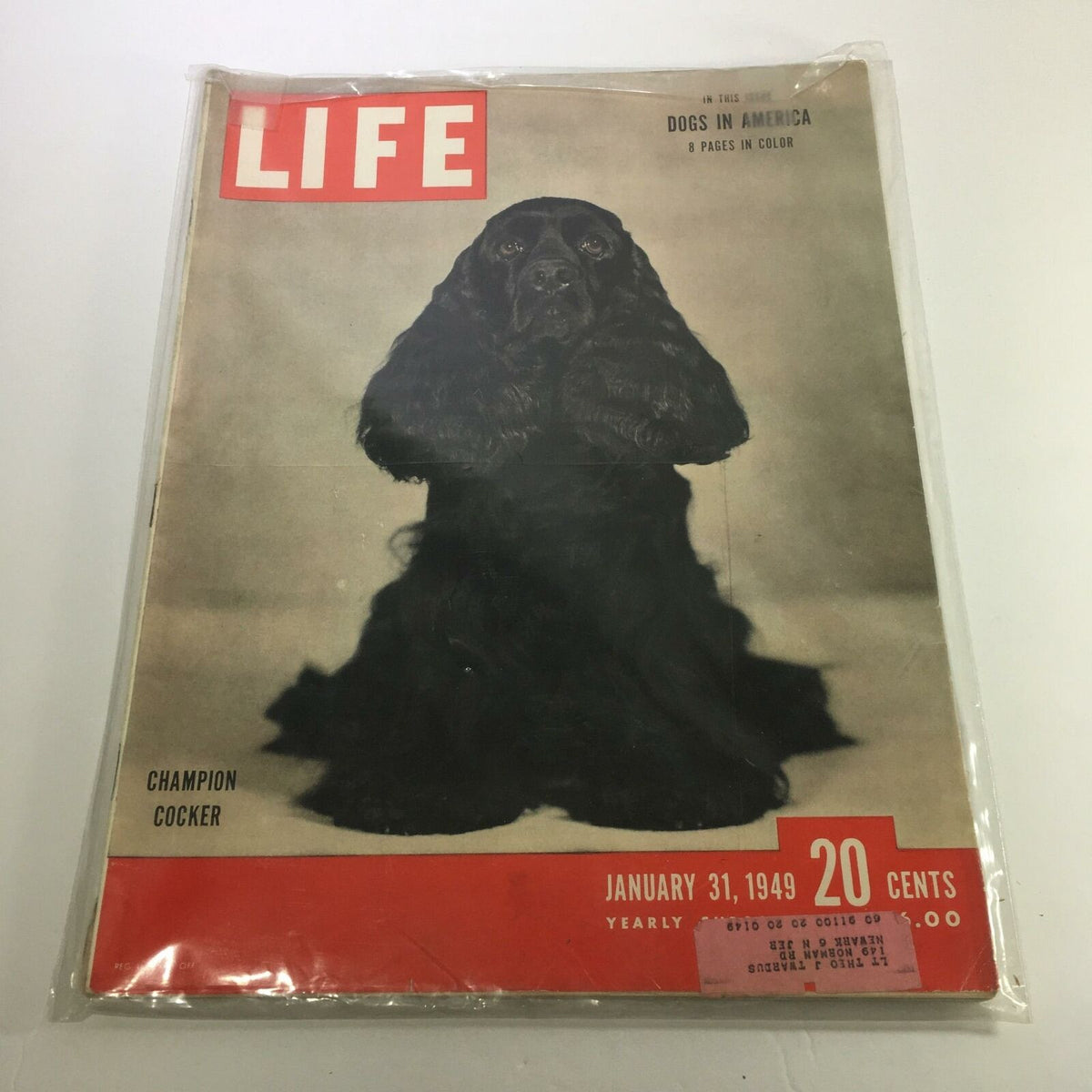
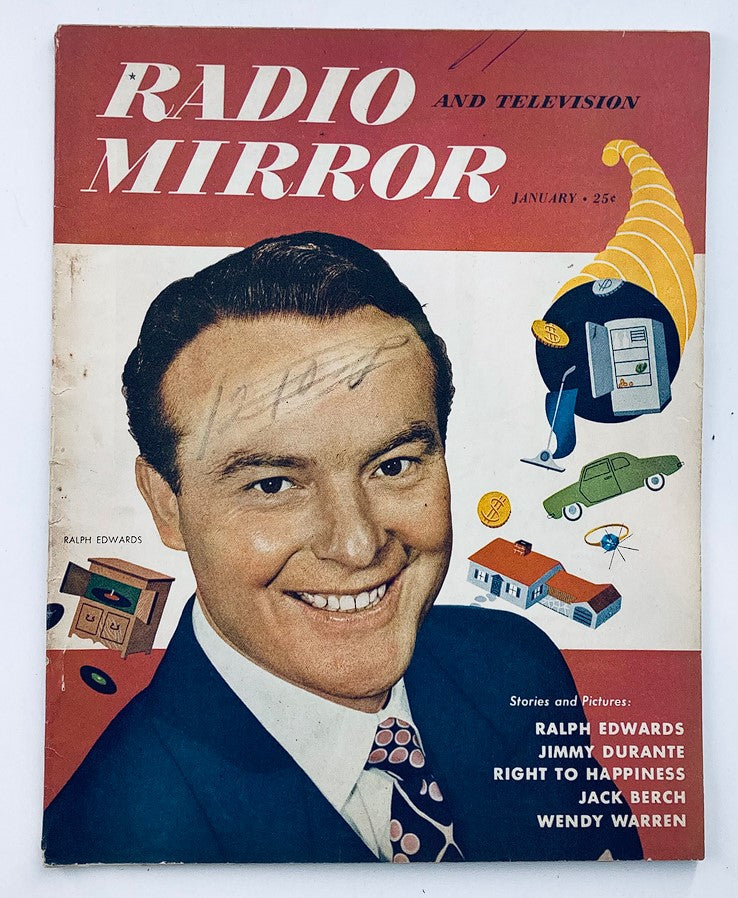
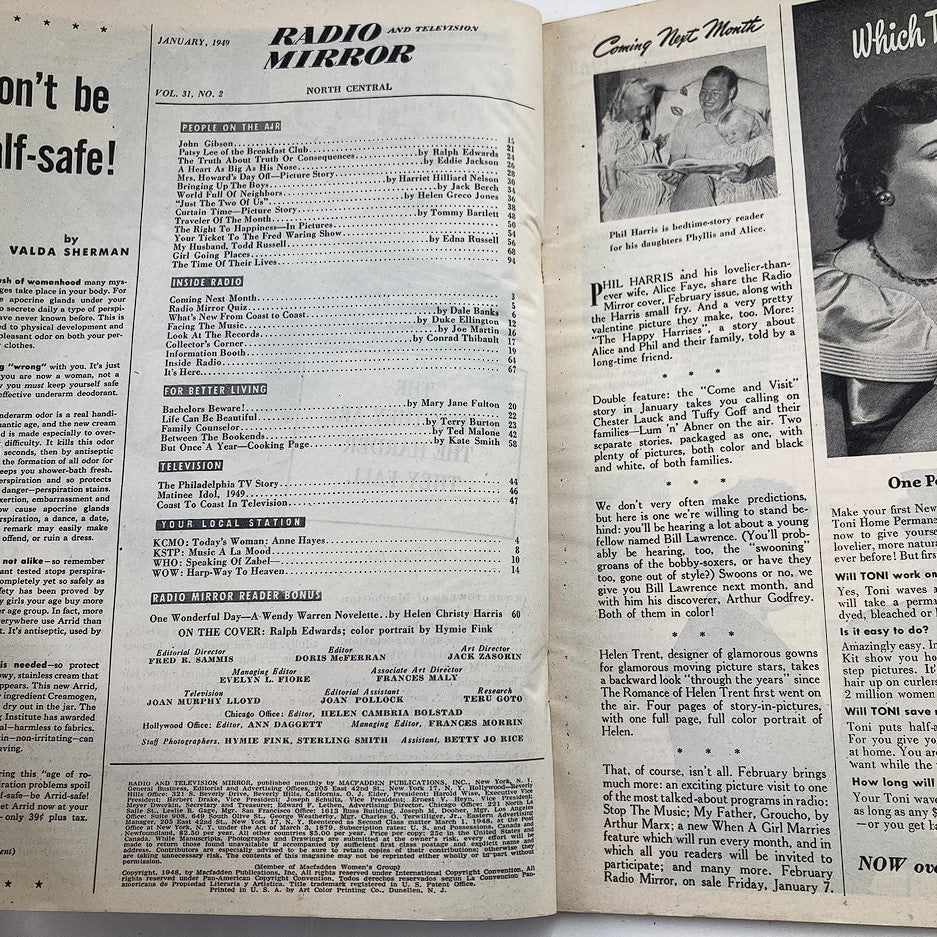
The entertainment landscape of January 1949 was alive with firsts that would reshape American life for decades. Television, still a novelty in most living rooms, was expanding its reach in ways audiences could barely have imagined: Arthur Godfrey and His Friends premiered on CBS on January 12th, bringing the medium its most beloved radio personality, while The Goldbergs—television's first Jewish family drama—debuted on January 10th, and NBC launched the first daytime soap opera, These Are My Children, on the 31st. At the same time, RCA introduced the 45 RPM record on January 10th, quietly launching a revolution in how music was bought, carried, and played. The first Emmy Awards were handed out on January 25th, honoring a medium so young it was still figuring out what it was. Original magazines from January 1949 capture all of this in vivid, firsthand fashion—Time and Life photographed Truman's triumphant inauguration, while TV Guide's earliest forerunners and Look reflected the country's gathering fascination with the glowing screen in the corner. On the sports pages, readers were following Australian tennis star Frank Sedgman's dominant run at the Australian Championships, while college football bowl games—Rose, Sugar, Orange—filled the back pages of January issues.
Curator's Checklist: What to Look for in January 1949 Magazines
- Truman's Inaugural and the "Fair Deal": News magazines including Time, Life, and Newsweek featuring full photographic spreads of the first televised inaugural parade, often with portraits of Truman and analysis of his Fair Deal domestic program—a remarkable snapshot of presidential optimism at mid-century.
- Mao's Advance into China: Life and Look issues chronicling the Red Army's capture of Tientsin, illustrated with dramatic wire photographs and maps showing the Communist sweep across the Chinese mainland, offering an unfiltered window into Cold War anxiety as it was first being felt.
- The Television Revolution: Rare magazines and broadcast-adjacent publications from this month reflecting the extraordinary explosion of new stations—KPRC, KTTV, KNBH, WTOP—all launching simultaneously, with advertisements for television sets appearing in mainstream publications as the medium crossed from novelty to necessity.
- The First Emmy Awards: Entertainment publications and Variety issues from late January 1949 carrying the announcement of the very first Emmy Awards, with coverage of the winners from KTLA—a collector's piece marking the formal birth of television as an industry worth honoring.
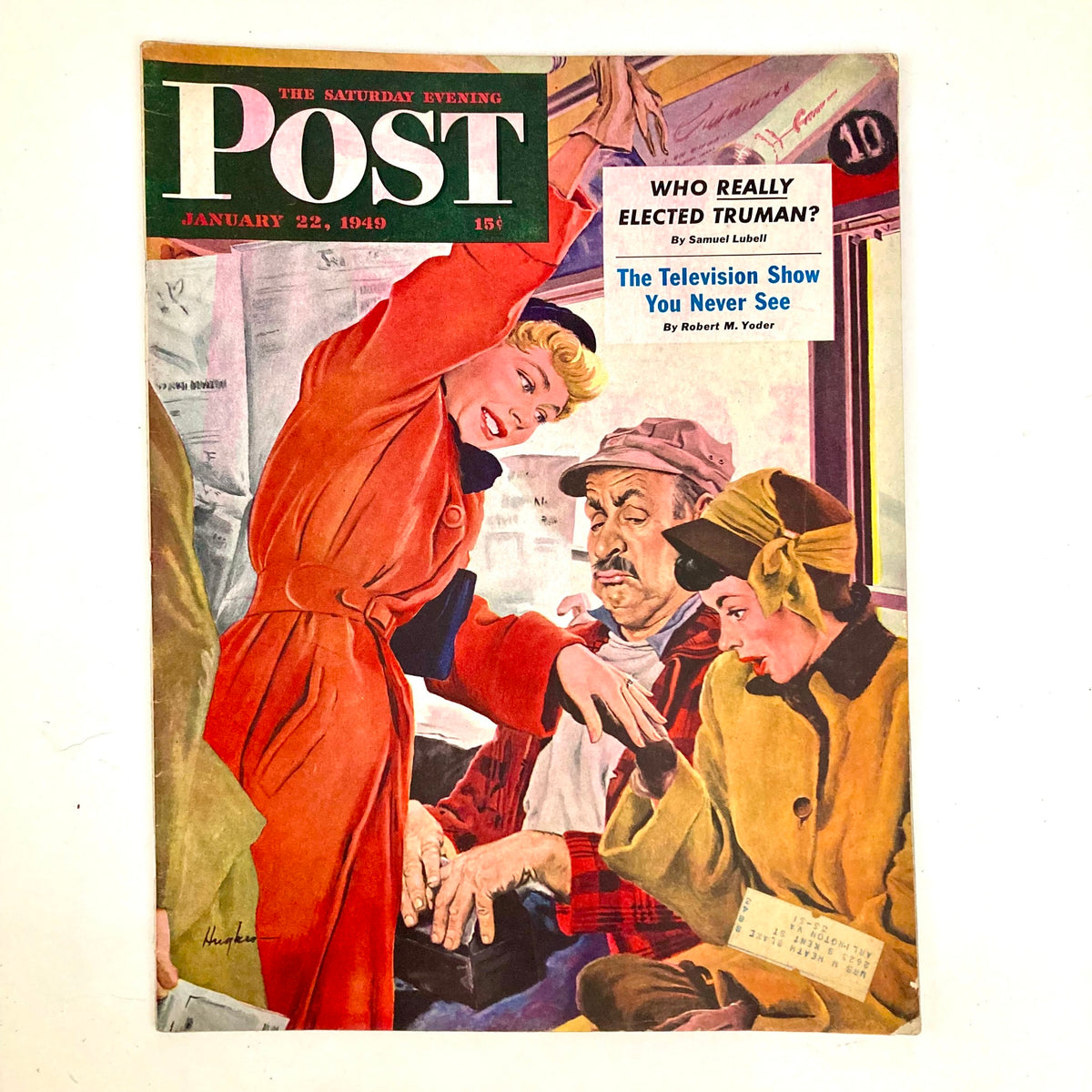
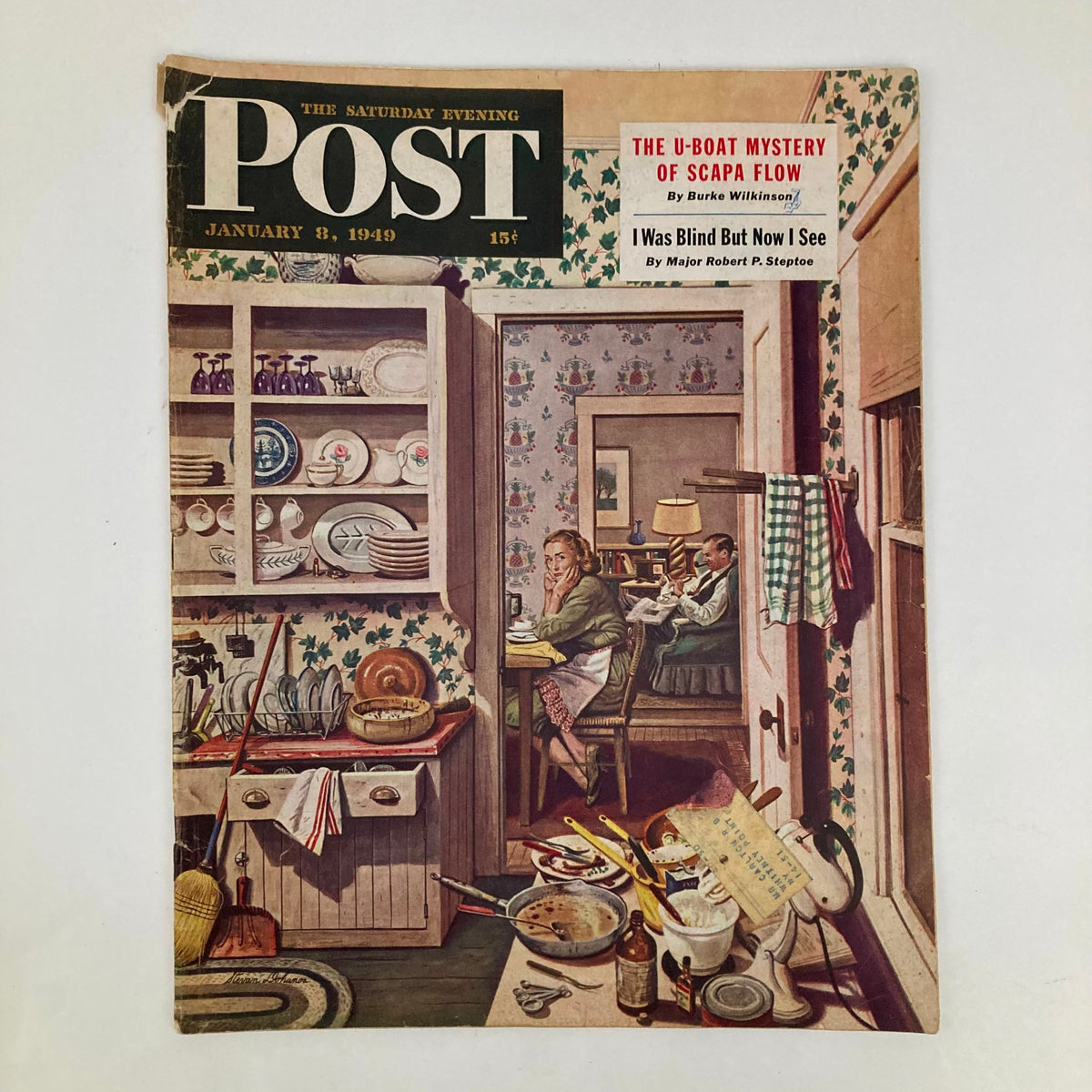
- RCA's 45 RPM Record Launch: Vintage magazines from this month featuring early RCA advertisements and consumer announcements for the revolutionary 45 RPM format, often appearing alongside record player ads in Life, The Saturday Evening Post, and popular science titles—authentic evidence of a format that would define youth culture for a generation.
The Perfect Gift
For someone born in January 1949, an original magazine from this charged and consequential month isn't just a piece of old paper—it's a genuine time capsule of a world remaking itself, preserved in authentic headlines, original advertisements, and photography that no reproduction can replicate.