📖 About this Collection
January 1954: The Atomic Age Awakens
The Historical Context
The new year arrived with America balanced between Cold War anxiety and postwar prosperity. The USS Nautilus, the world's first nuclear-powered submarine, slid into Connecticut's Thames River on January 21st, a technological marvel that embodied both the promise and peril of atomic energy. Across the Atlantic, Queen Elizabeth II opened New Zealand's parliament, extending her historic coronation tour to the farthest reaches of the Commonwealth. In Yugoslavia, Vice President Milovan Djilas shocked the communist world by publicly criticizing the very system he helped build, his statements reverberating through Iron Curtain capitals. At Rogers Pass, Montana, thermometers plunged to -70°F, setting a record that still stands as the coldest temperature ever recorded in the contiguous United States. This was the world your loved one entered in January 1954—a month when the future seemed both thrilling and uncertain.
The Cultural Landscape
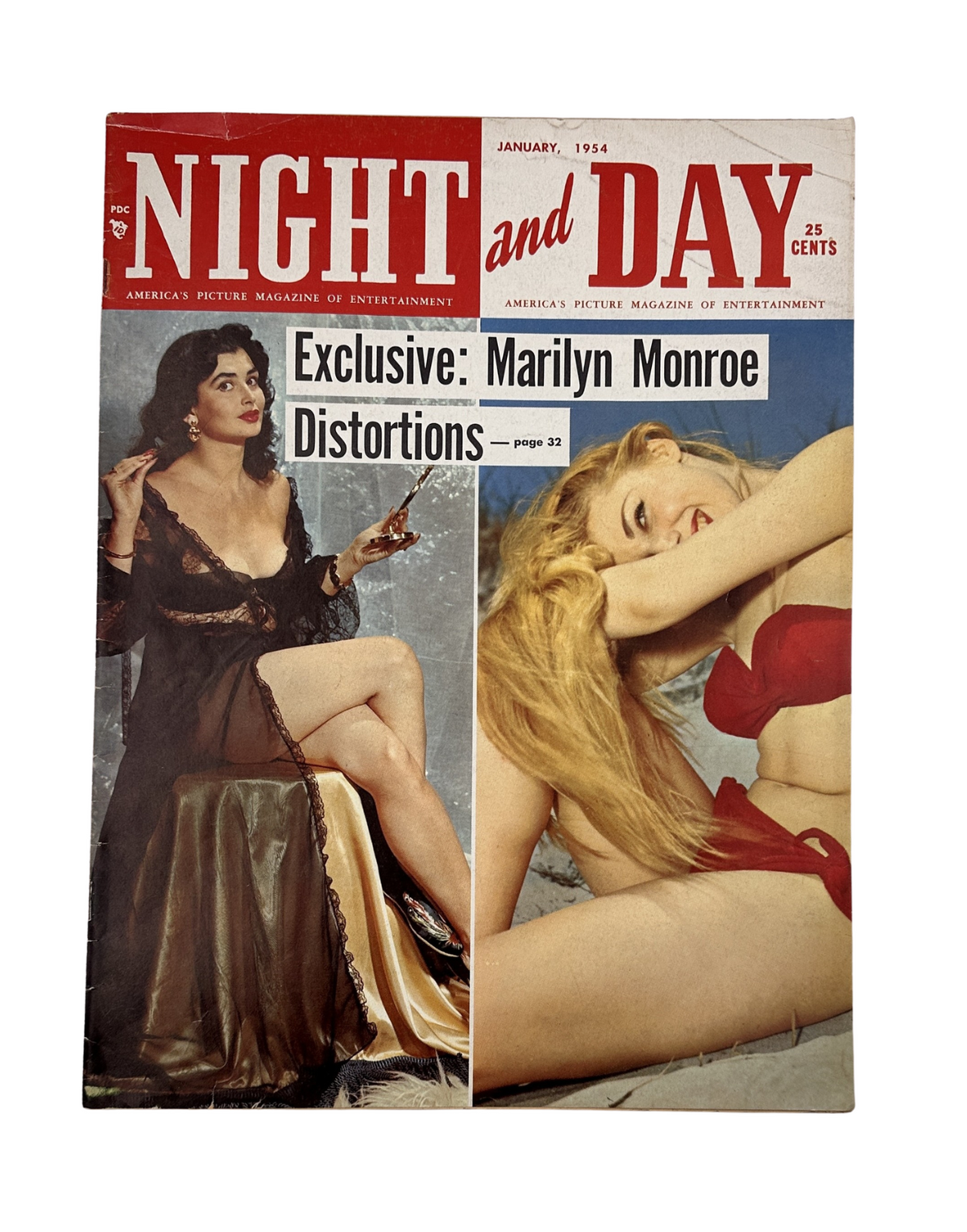
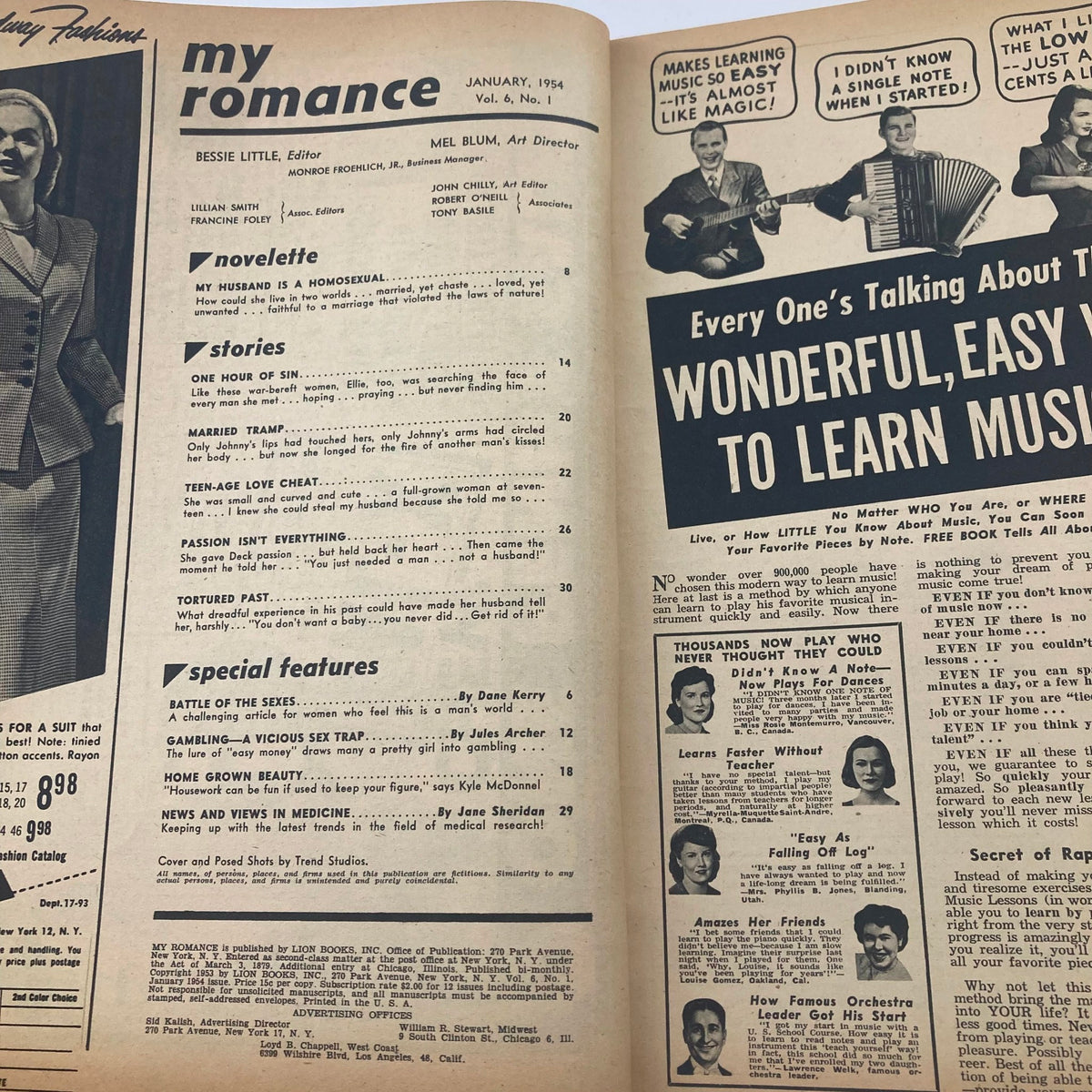
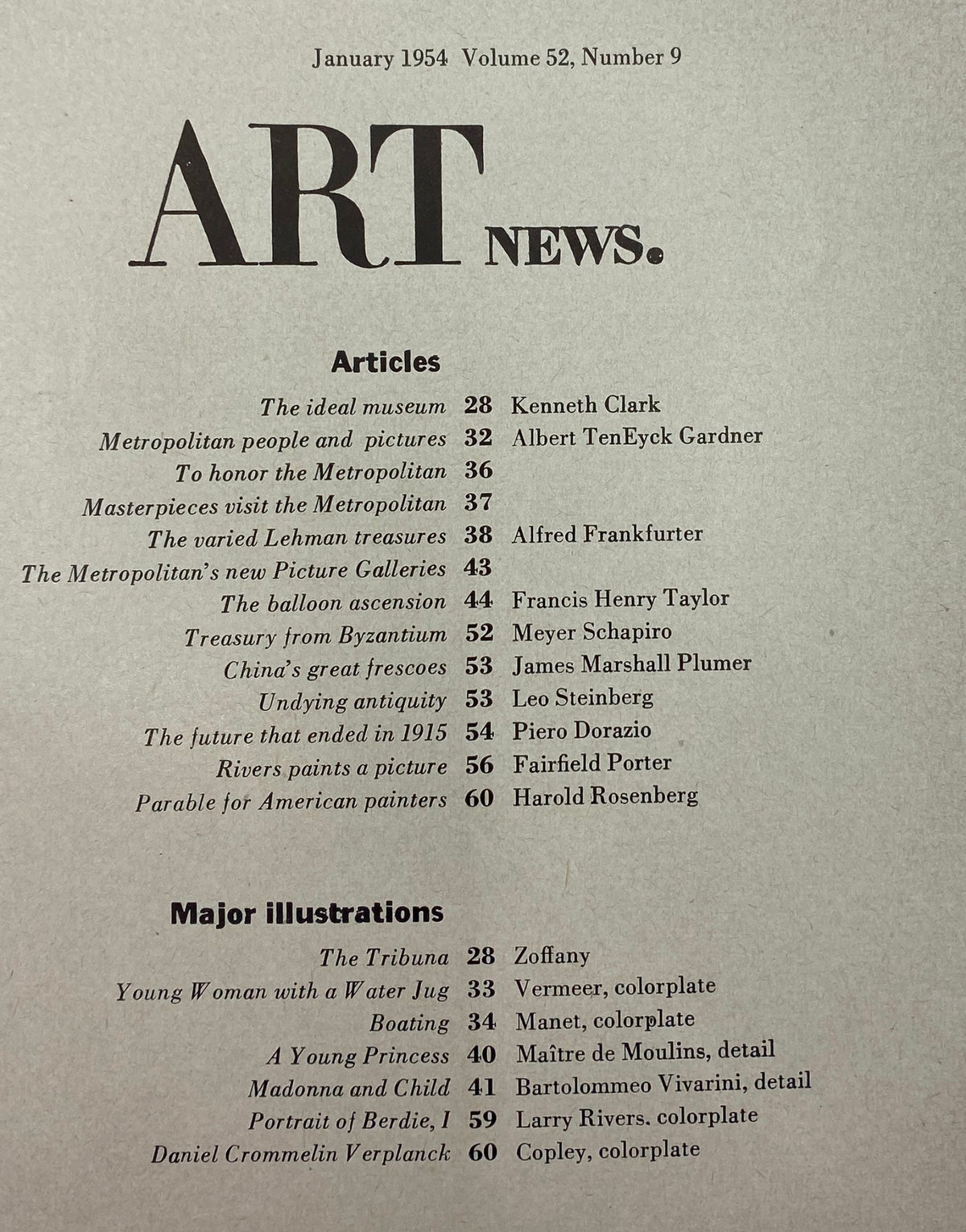
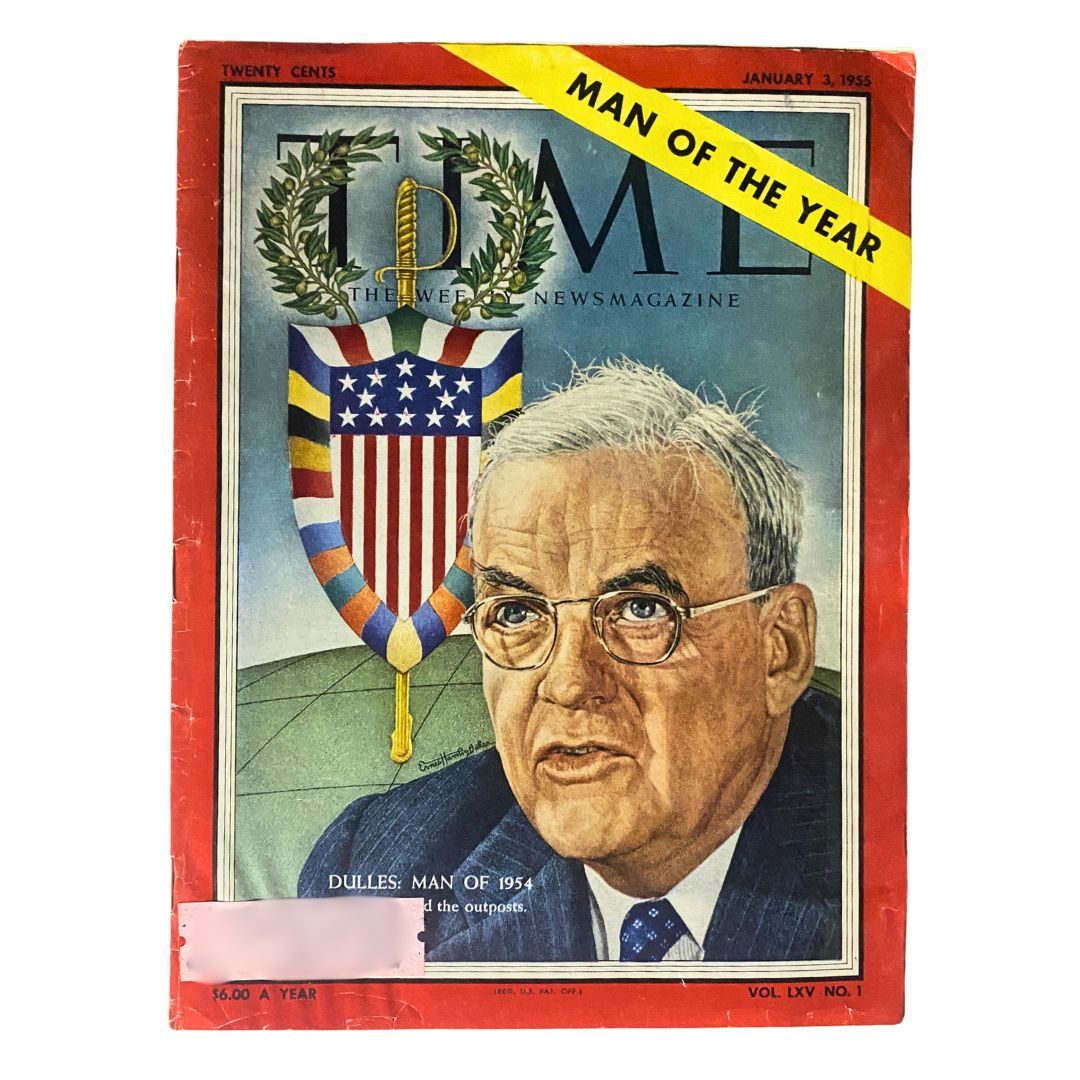
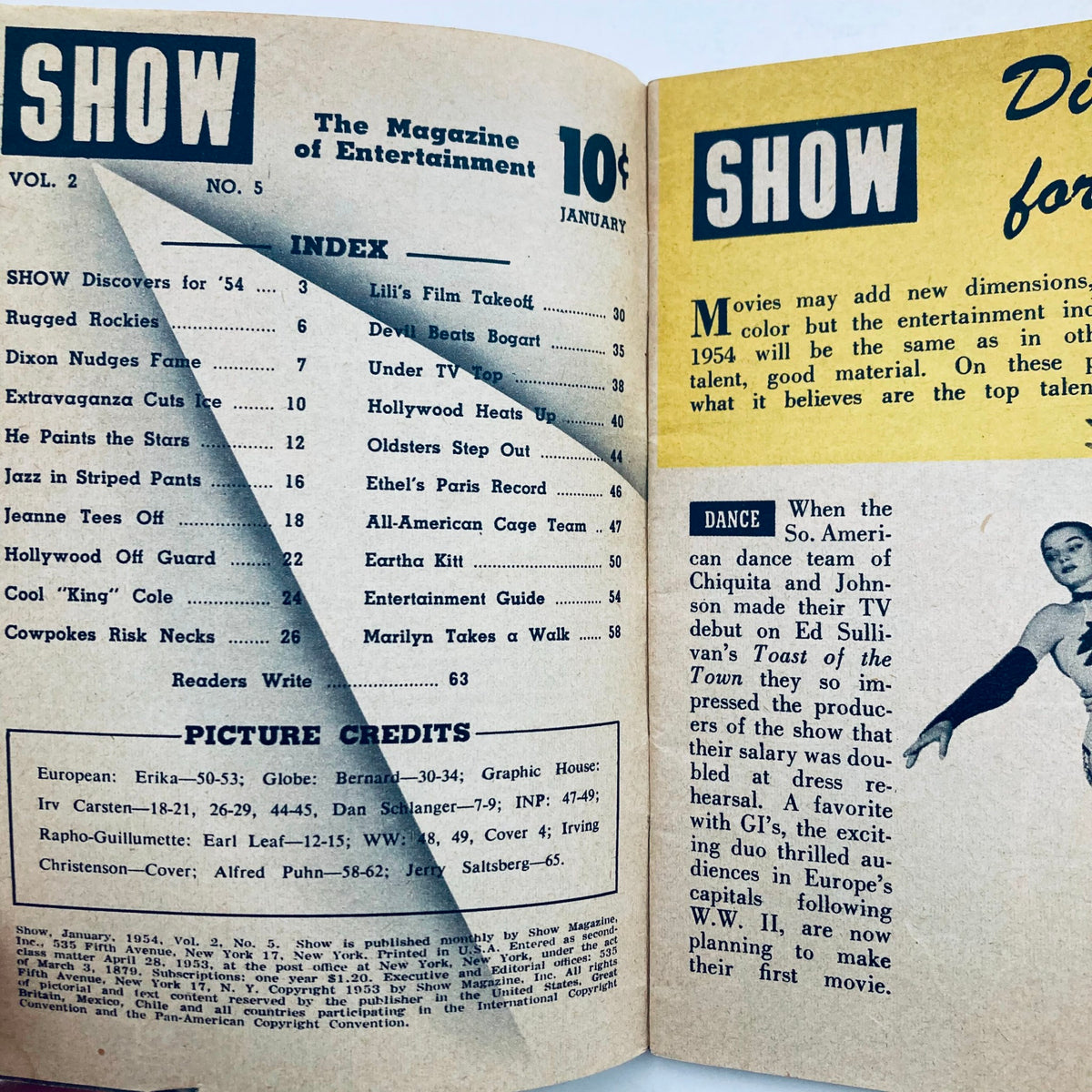
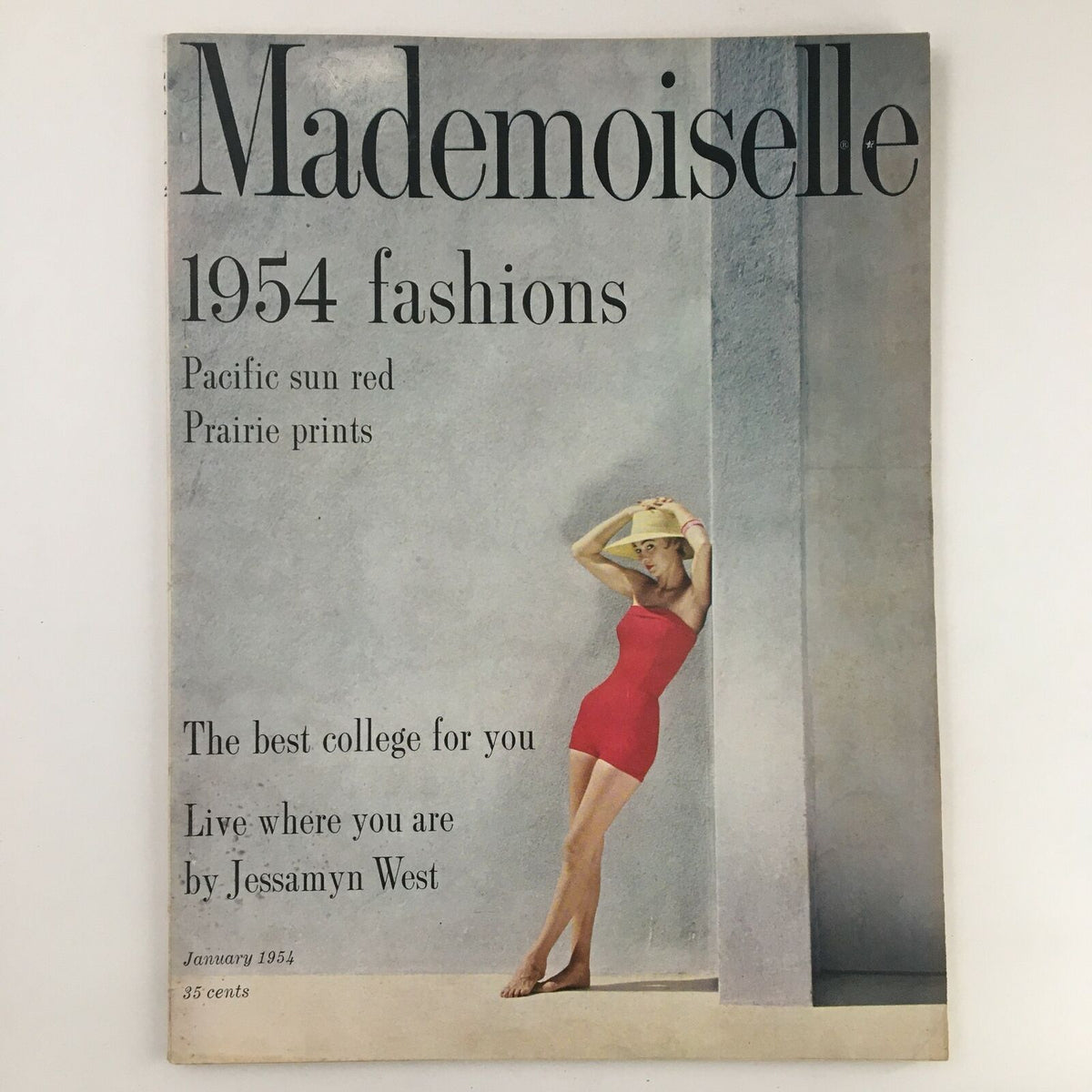
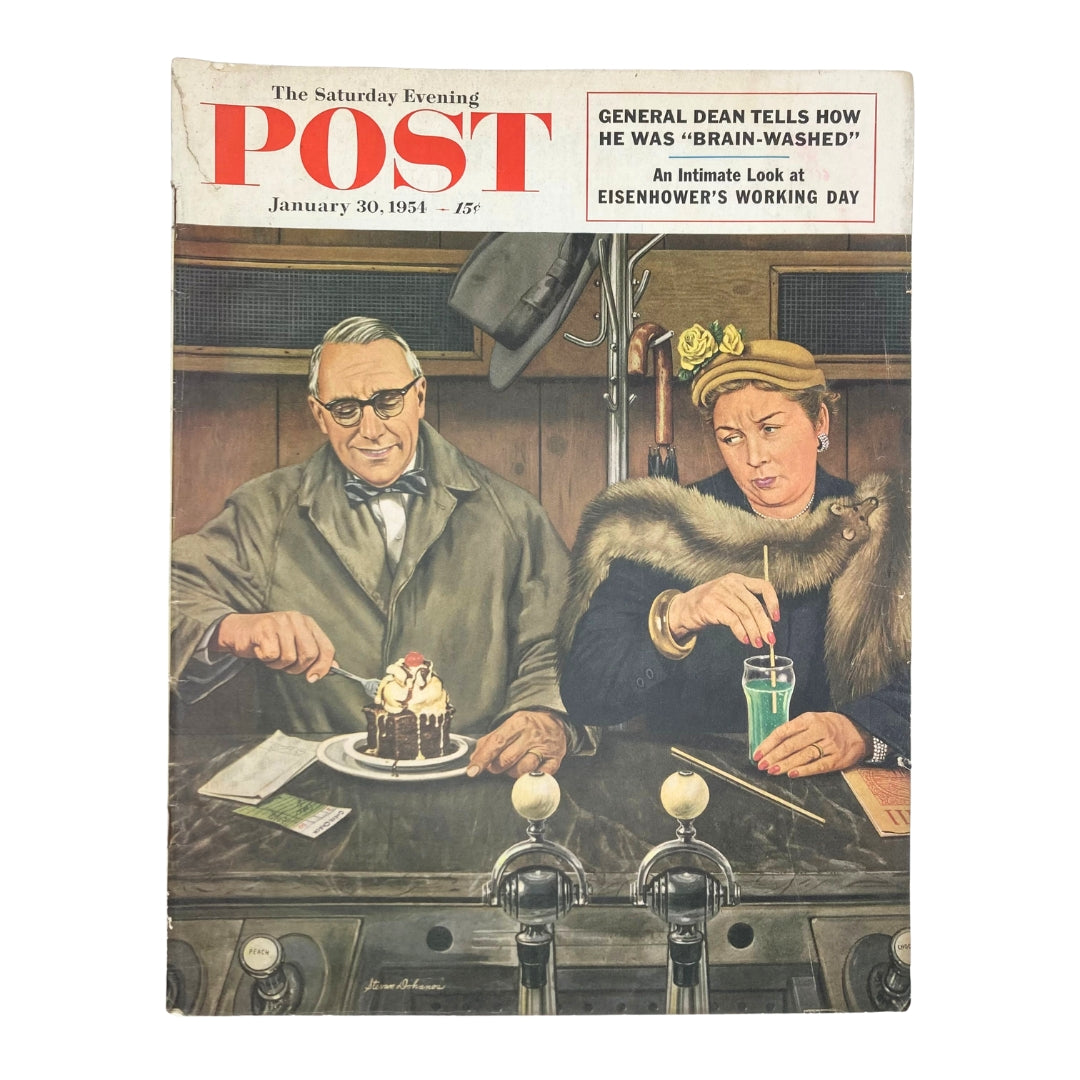
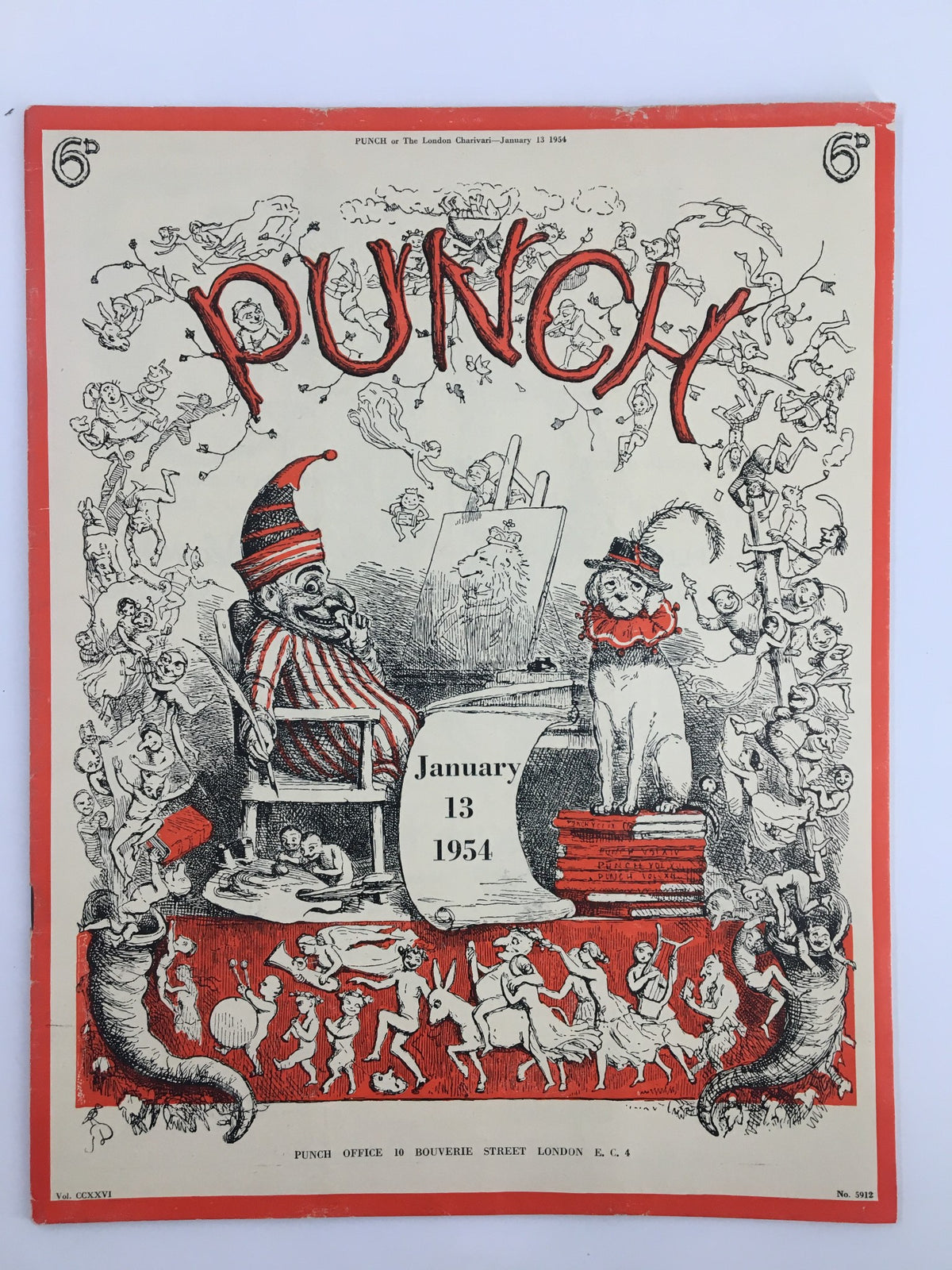
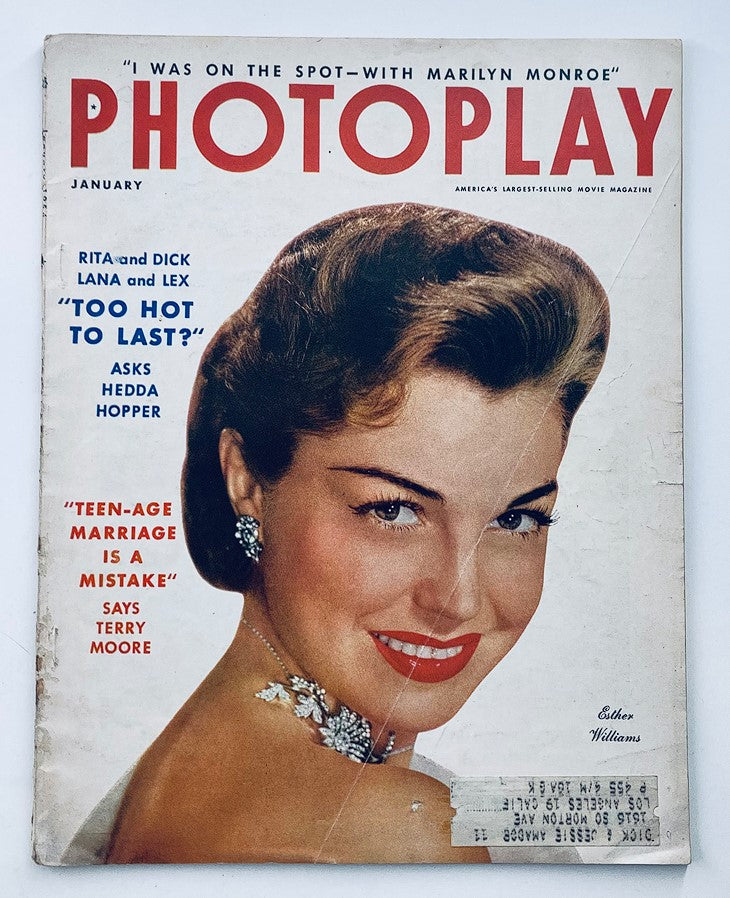
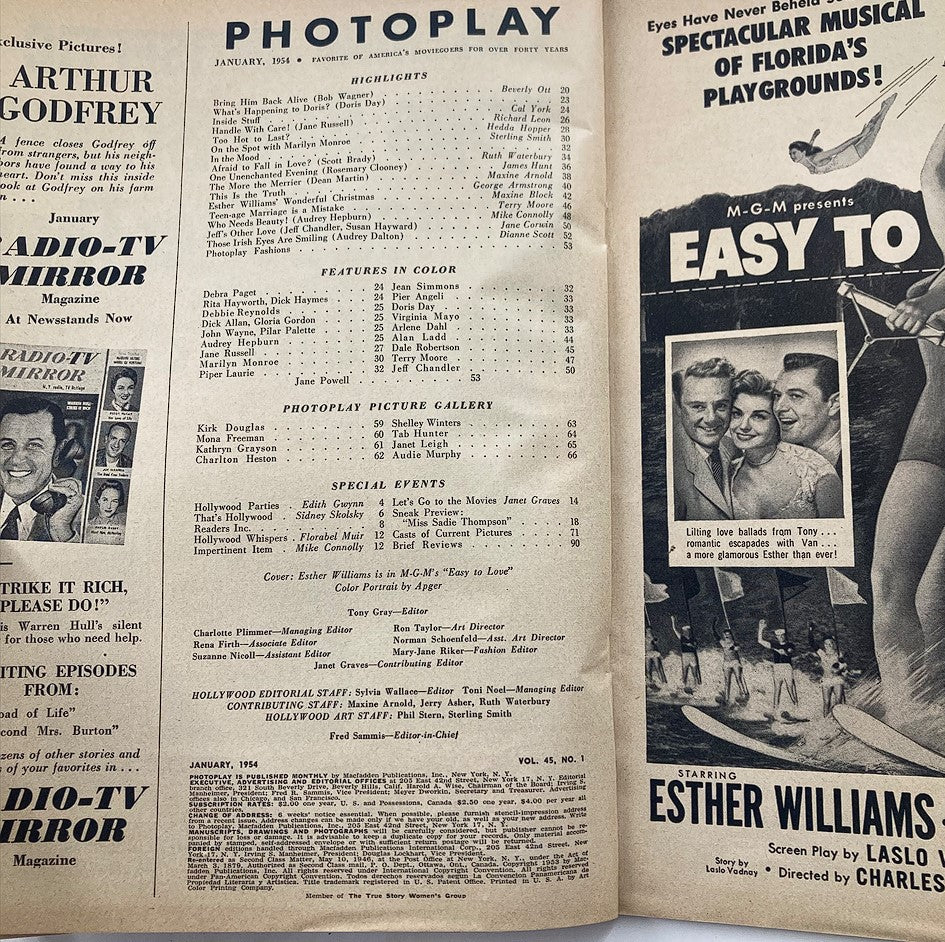
Movie theaters showcased "The Robe" (which would sweep the Golden Globes on January 22nd, with Audrey Hepburn and Spencer Tracy taking acting honors), while Broadway audiences packed the Plymouth Theatre for Herman Wouk's "The Caine Mutiny Court-Martial" starring Henry Fonda, directed by Charles Laughton. Richard Rodgers and Oscar Hammerstein's "South Pacific" closed after a legendary 1928 performances at the Majestic Theater, having captured ten Tony Awards and a Pulitzer Prize. Television history was made on New Year's Day when NBC broadcast the Tournament of Roses Parade in color—the first national color transmission in American broadcasting. On the gridiron, Michigan State defeated UCLA 28-20 in the Rose Bowl, while the NBA All-Star Game went to overtime for the first time, with Boston's Bob Cousy scoring 10 points in the extra period. Fashion magazines captured the elegant silhouettes of mid-century femininity, while original magazines from January 1954 preserved Detroit's sleek automotive designs and the early buzz around a revolutionary theme park project: on January 26th, groundbreaking began on Disneyland in Anaheim, California.
Curator's Checklist: What to Look For in Vintage Magazines
-
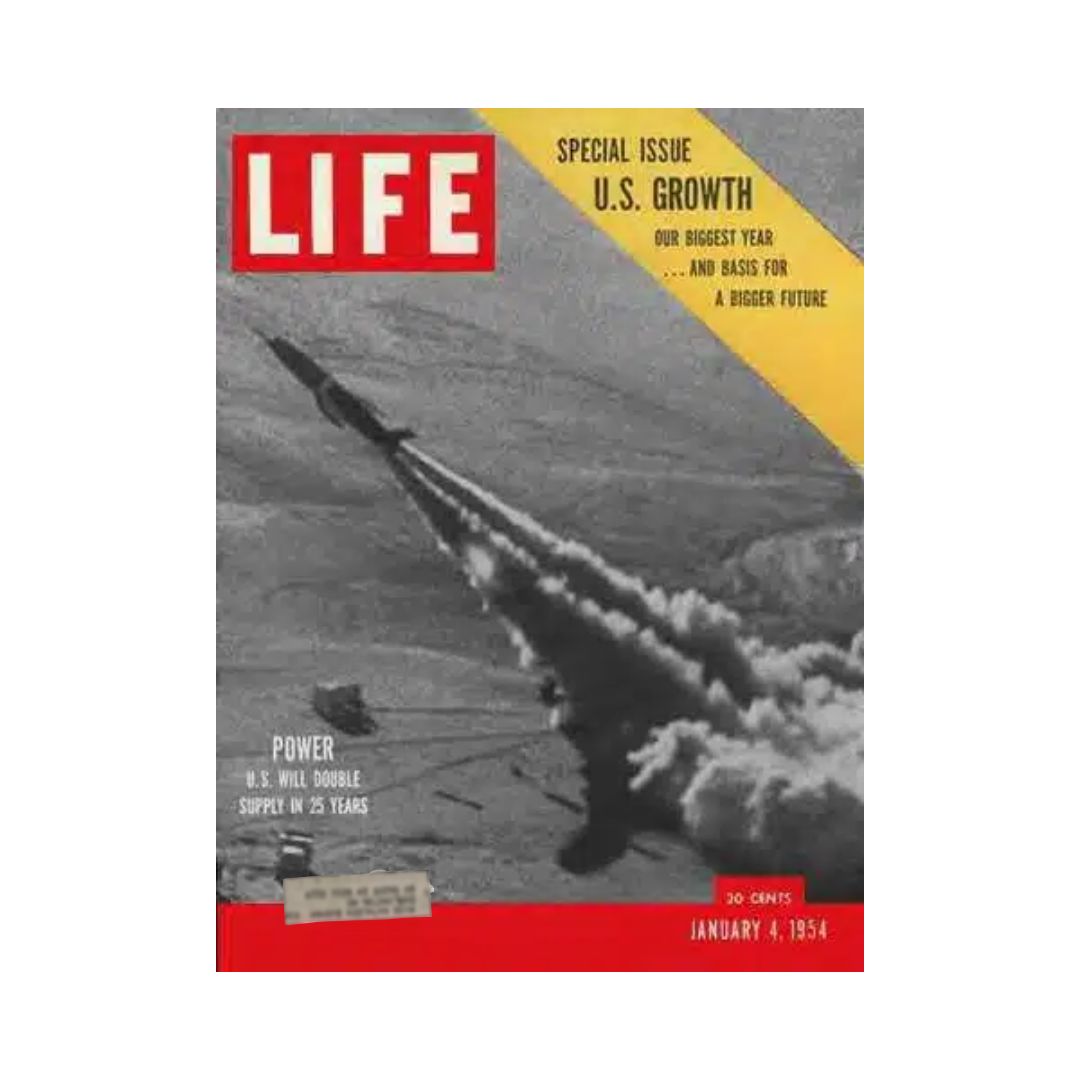
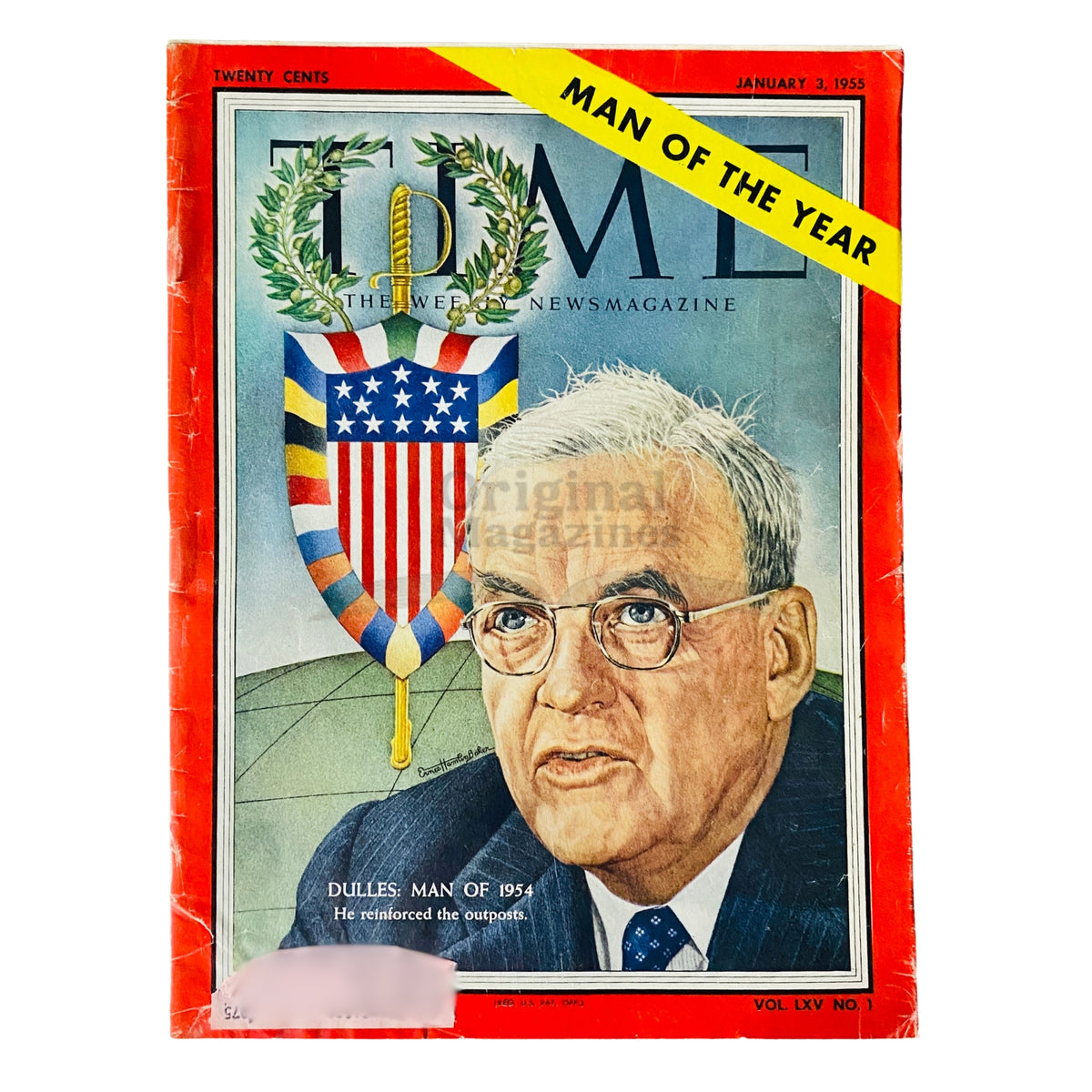
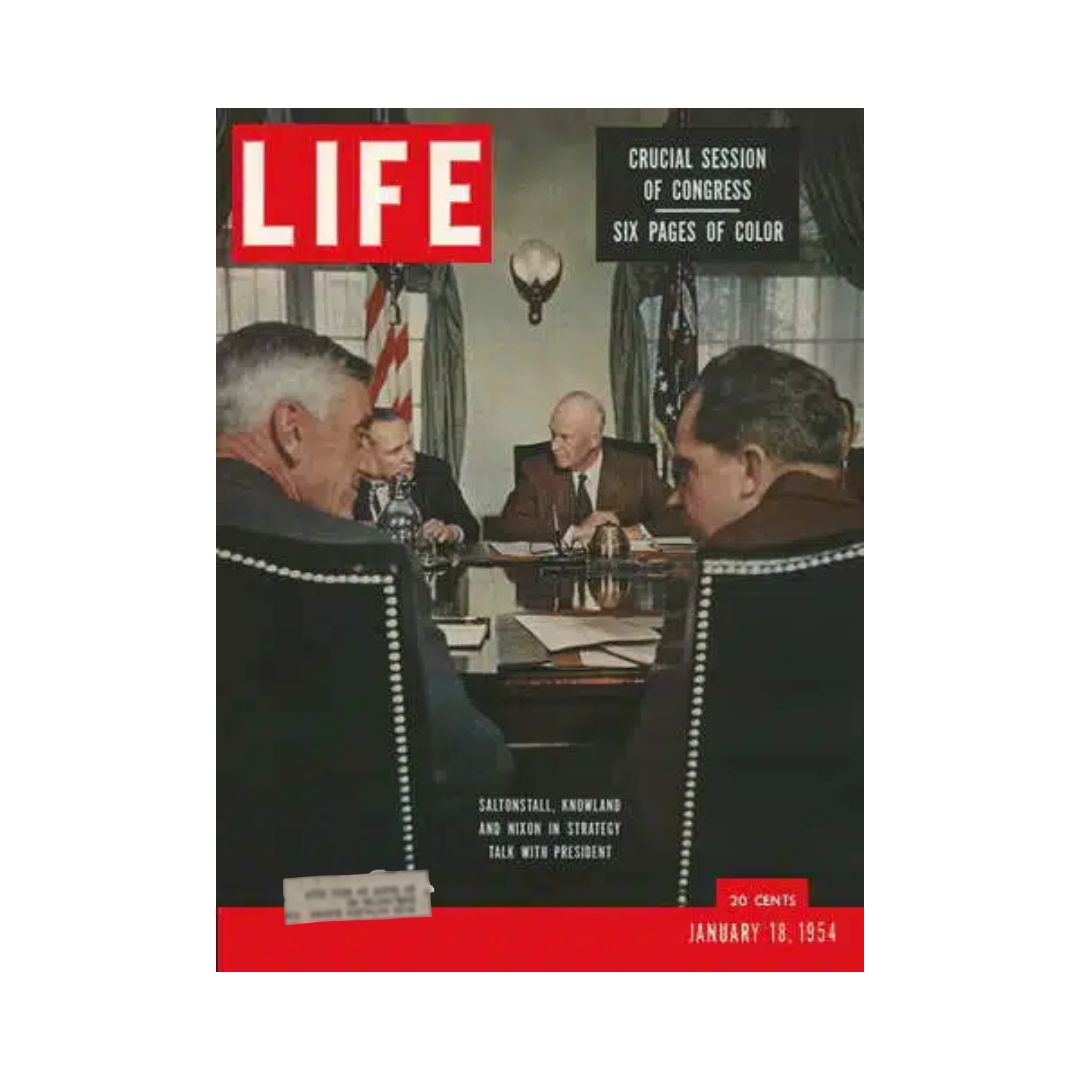
The USS Nautilus Launch: News magazines like Life, Time, and Newsweek featuring dramatic photography of the nuclear submarine's christening, often with cutaway diagrams explaining atomic propulsion technology that captivated a nation eager to understand this new power source.
-
Color Television's Debut: Entertainment and technology publications showcasing RCA and other manufacturers' advertisements for color TV sets, often illustrated with optimistic families gathered around bulky consoles, promising a chromatic future that January's Rose Parade broadcast seemed to confirm.
-
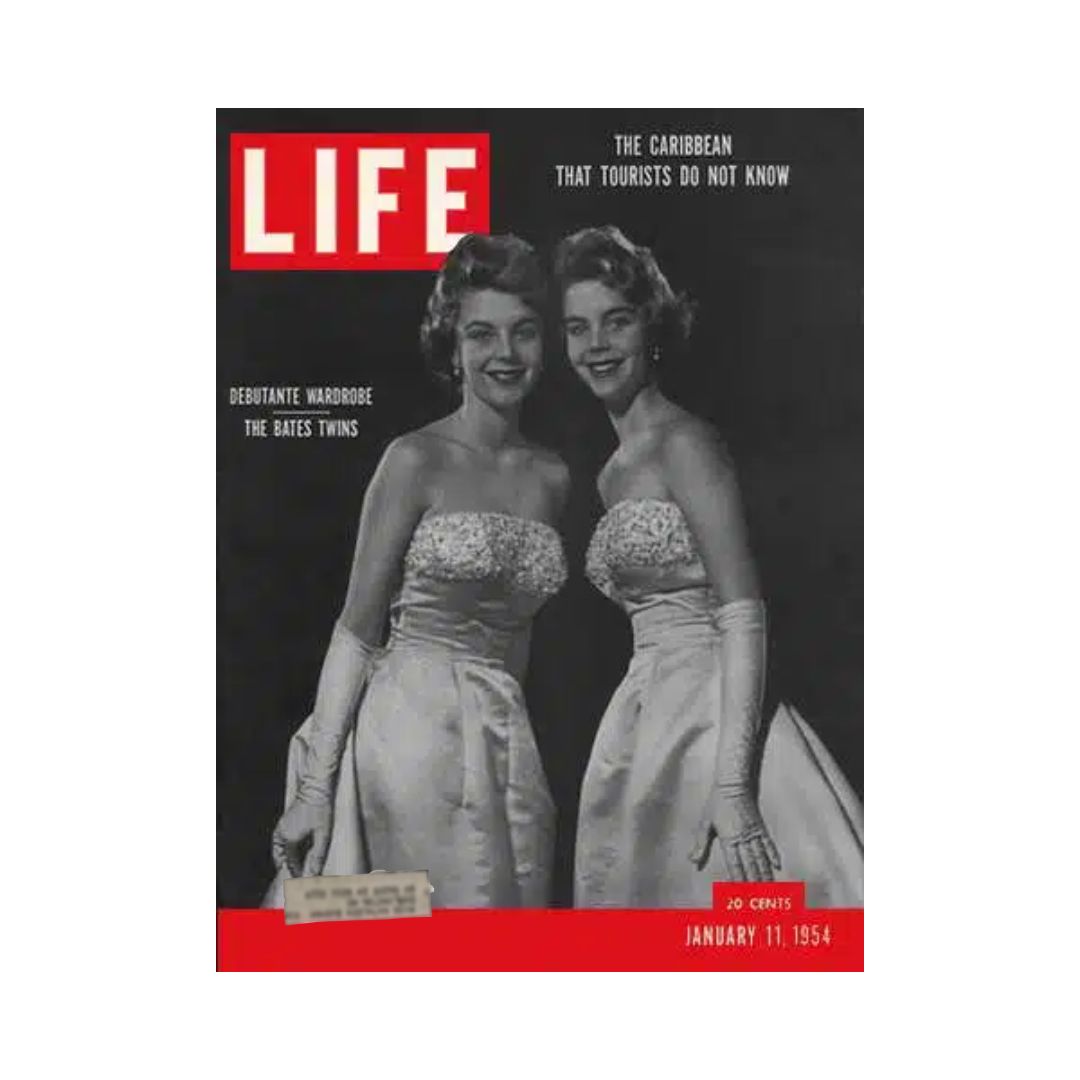
Mid-Century Fashion at Its Peak: Issues of Vogue, Harper's Bazaar, and Mademoiselle displaying the sophisticated, tailored looks of 1954—cinched waists, full skirts, and elegant gloves—preserved in advertisements for department stores and couture houses that defined feminine style before the casual revolution.
-
The Robe's Religious Epic Marketing: Movie magazines and general interest periodicals featuring full-page advertisements for this CinemaScope biblical spectacle, often with dramatic artwork depicting Richard Burton in Roman regalia, reflecting Hollywood's embrace of widescreen technology and faith-based storytelling.
-
College Football Championships: Sports sections and rare magazines like early Sports Illustrated (though it wouldn't launch until August 1954) chronicles of the Rose, Orange, and Sugar Bowl games, featuring action photography and statistics from Michigan State, Oklahoma, and Georgia Tech's championship-defining victories.
The Perfect Gift
For someone born in January 1954, an original magazine from this pioneering month isn't just a nostalgic keepsake—it's an authenticated time capsule from the moment atomic submarines became reality and color television illuminated American living rooms, preserved in genuine advertisements, headlines, and photography that no reproduction can replicate.