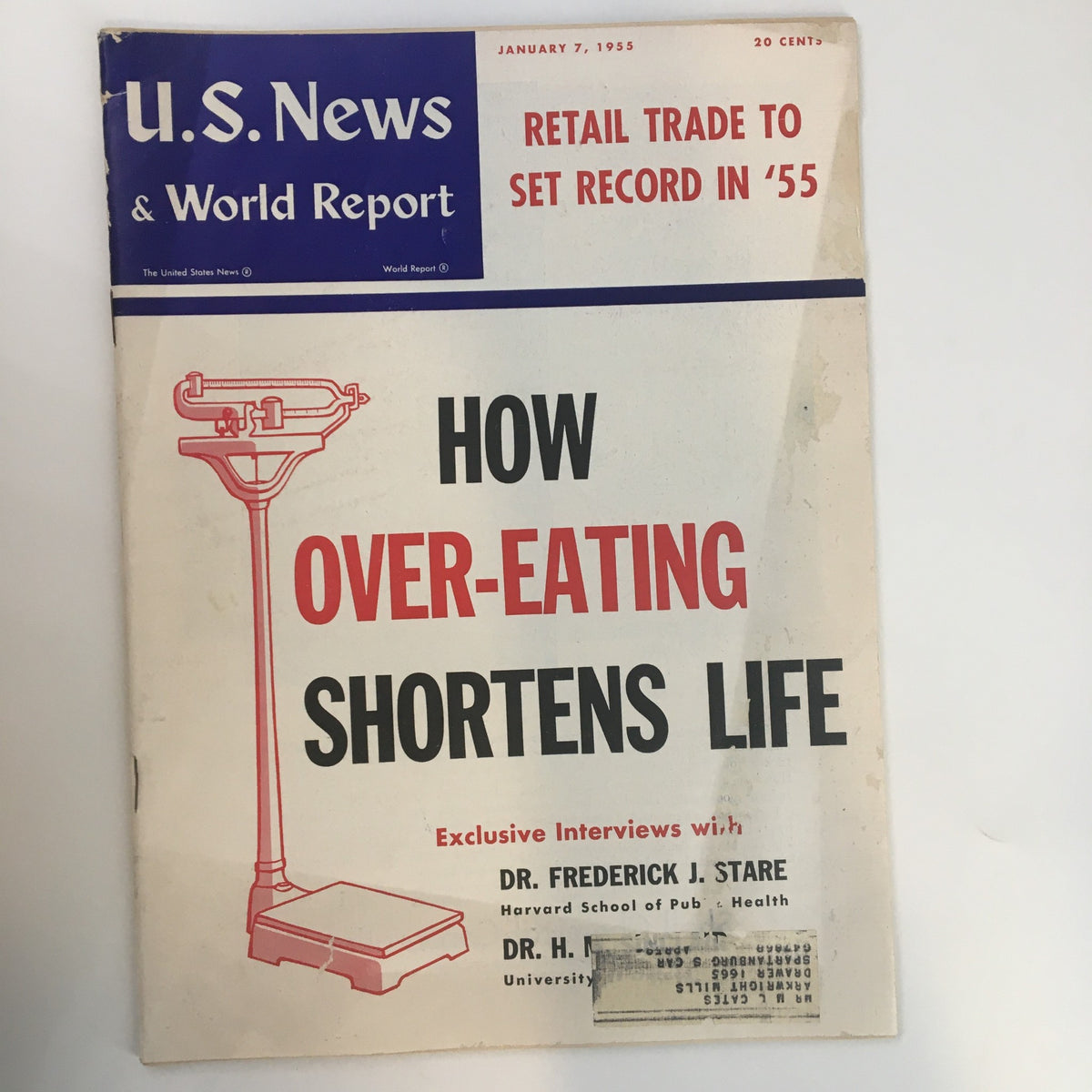
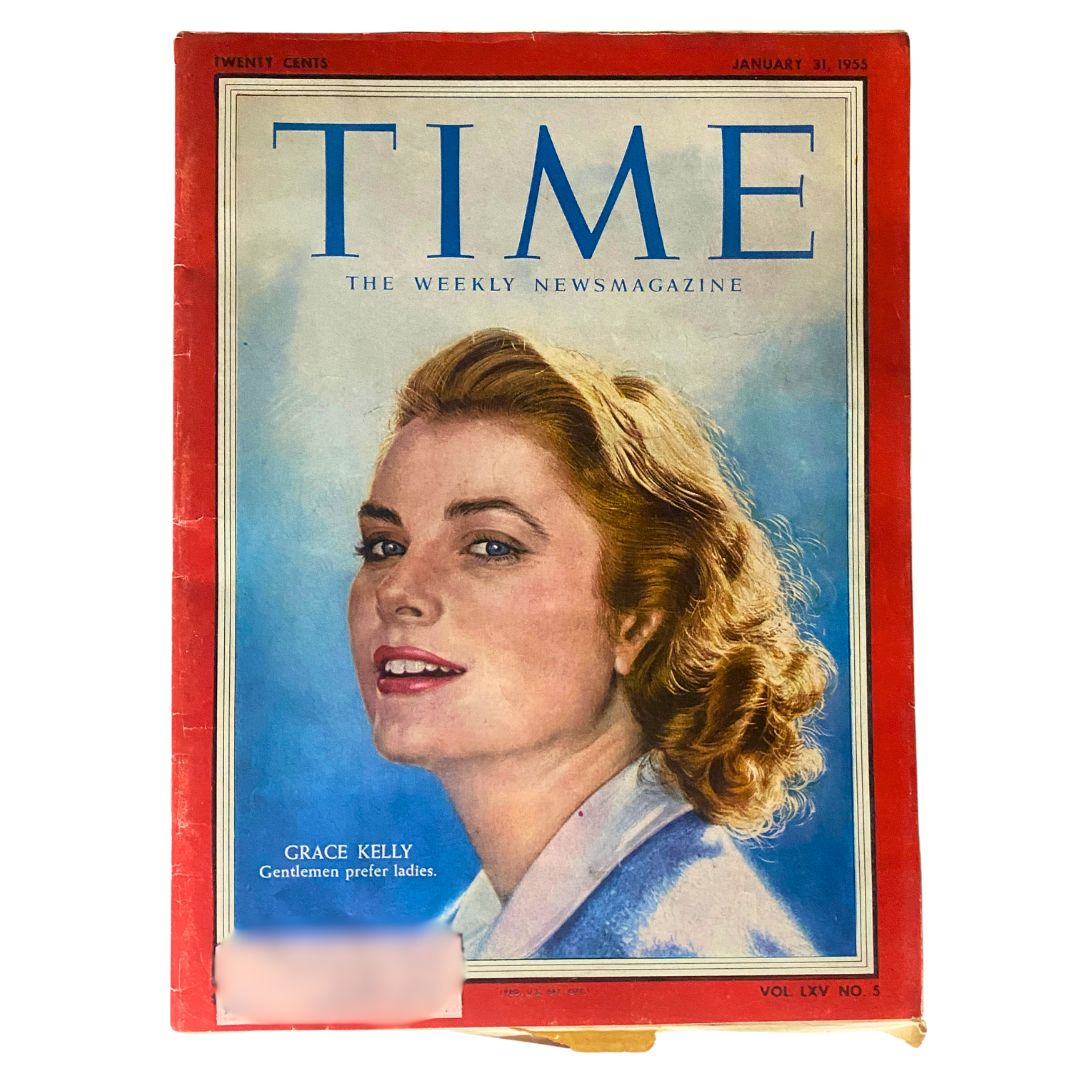
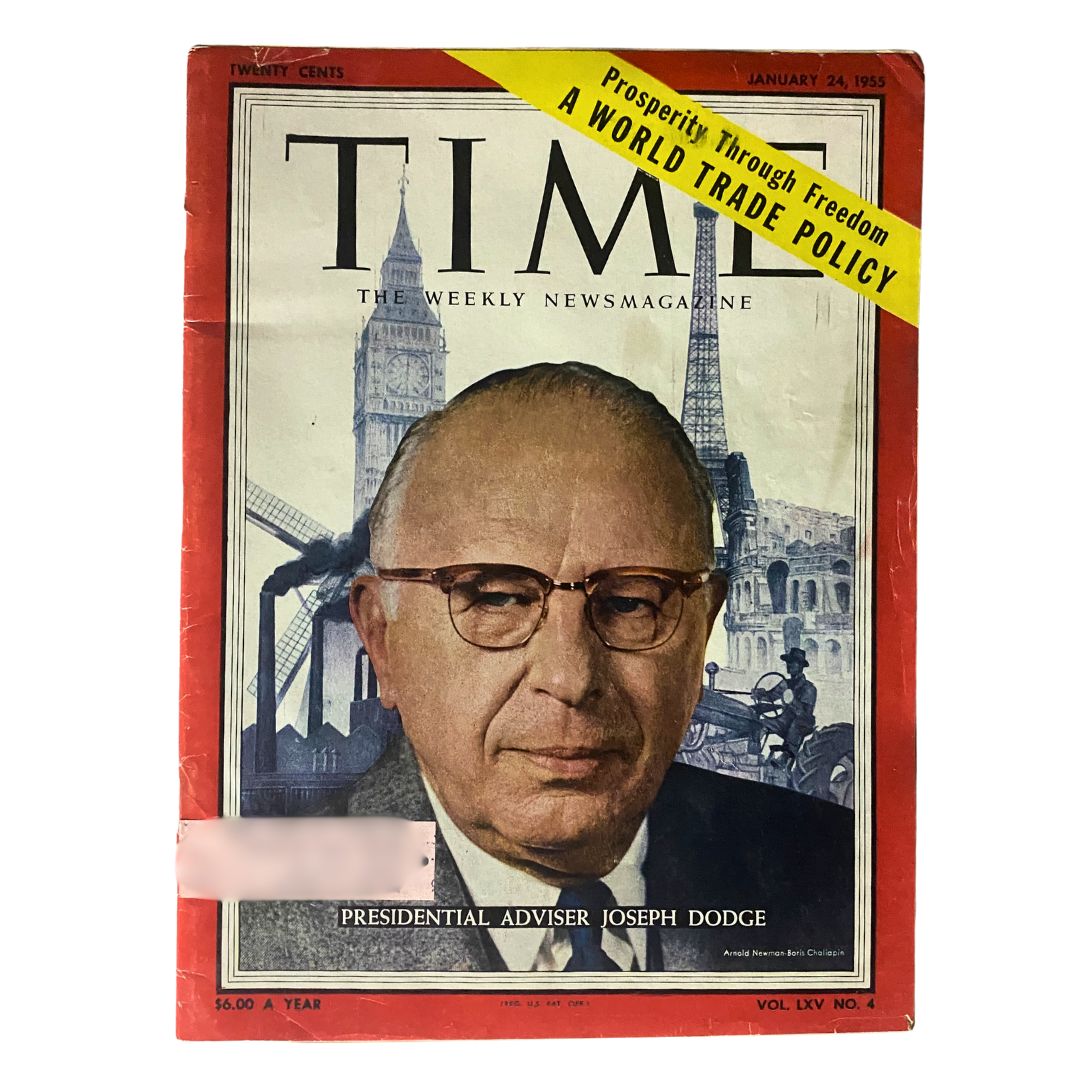
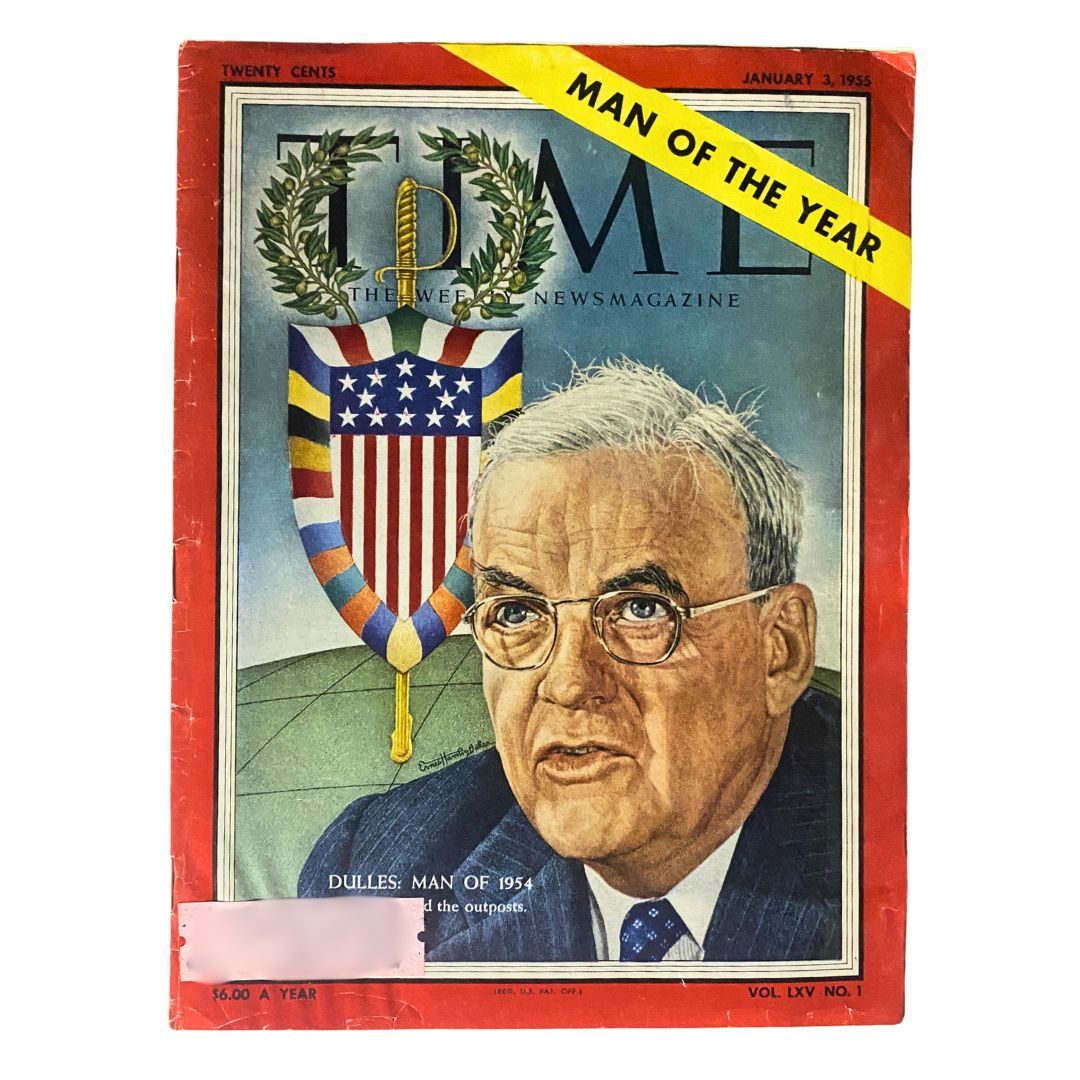
📖 About this Collection
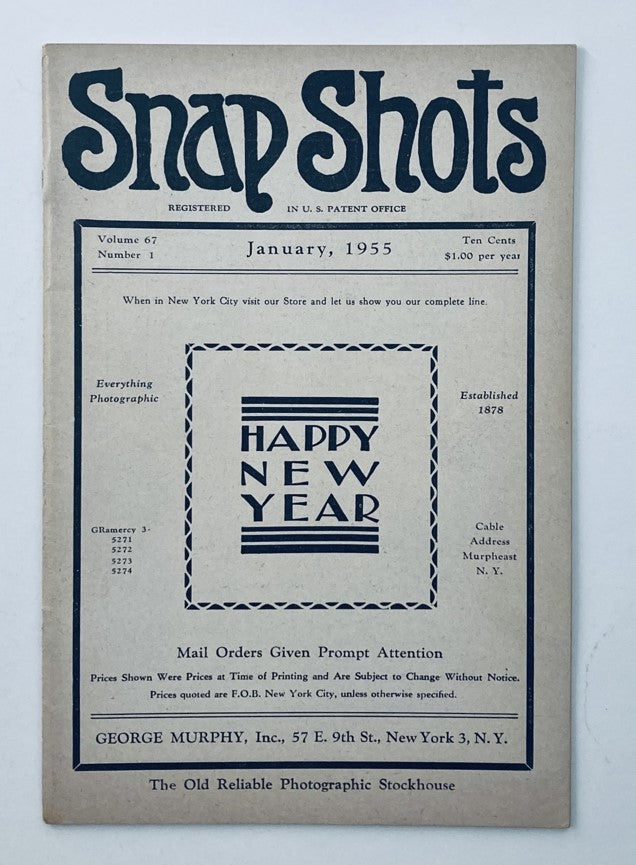
January 1955: The Dawn of the Atomic Age
The Historical Context
The first month of 1955 crackled with Cold War tension and cultural watershed moments. On January 19, President Eisenhower became the first sitting president to hold a news conference filmed for television, fundamentally transforming how Americans would interact with their leaders. That same day, the board game Scrabble debuted on the American market, destined to become a household staple. The month witnessed history both profound and pioneering: Marian Anderson shattered barriers as the first African American to perform with the Metropolitan Opera on January 7, singing Ulrica in Verdi's Un ballo in maschera. Meanwhile, beneath the Atlantic, the USS Nautilus began its first nuclear-powered test voyage on January 17, heralding a new era of submarine warfare. Russia formally ended its state of war with Germany on January 25, while young Floyd Patterson scored a decisive knockout at Madison Square Garden, foreshadowing his future heavyweight championship. This was the world your loved one entered—a nation balancing technological marvels with social transformation, where television was reshaping democracy and the atomic age promised both progress and peril.
Popular Culture & Entertainment
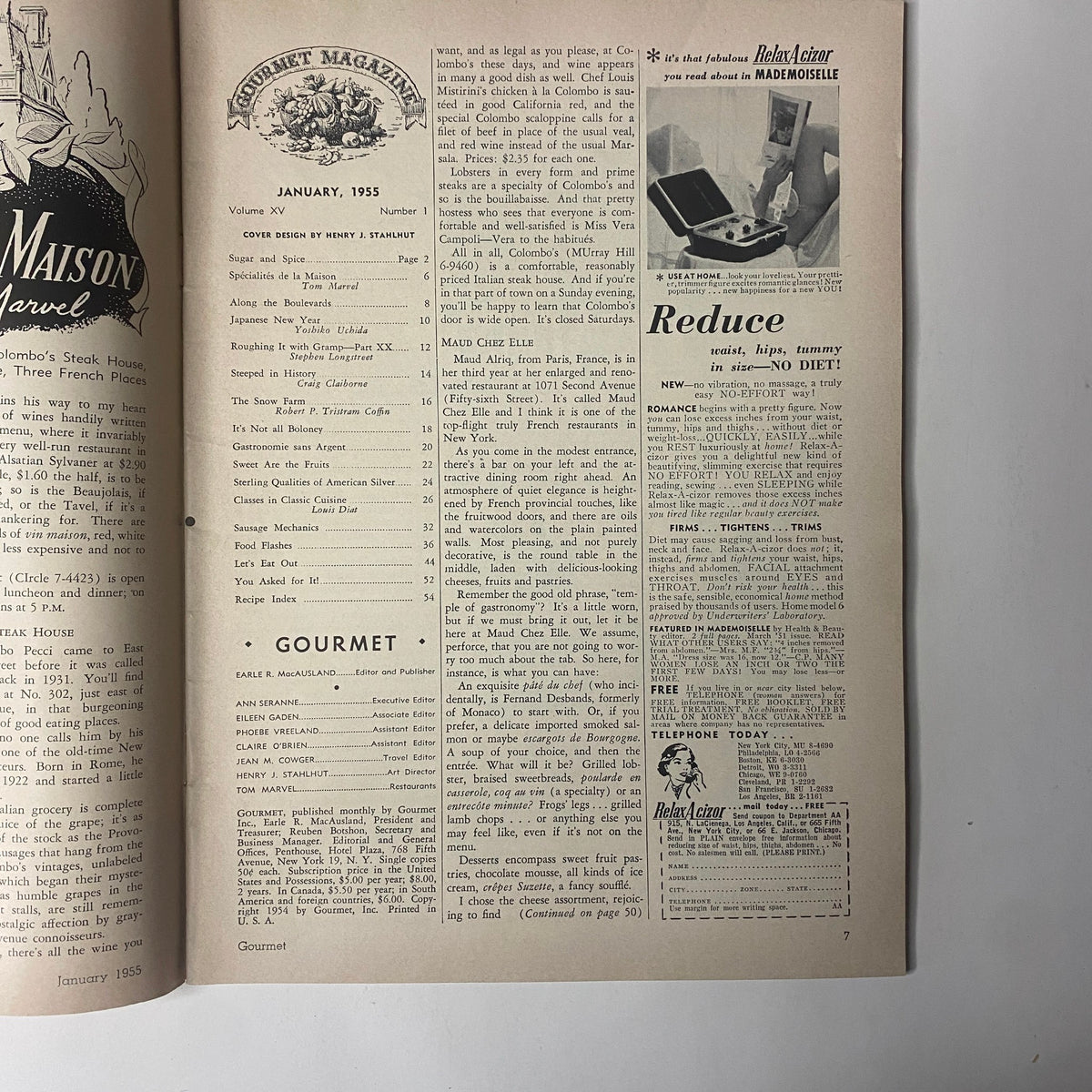
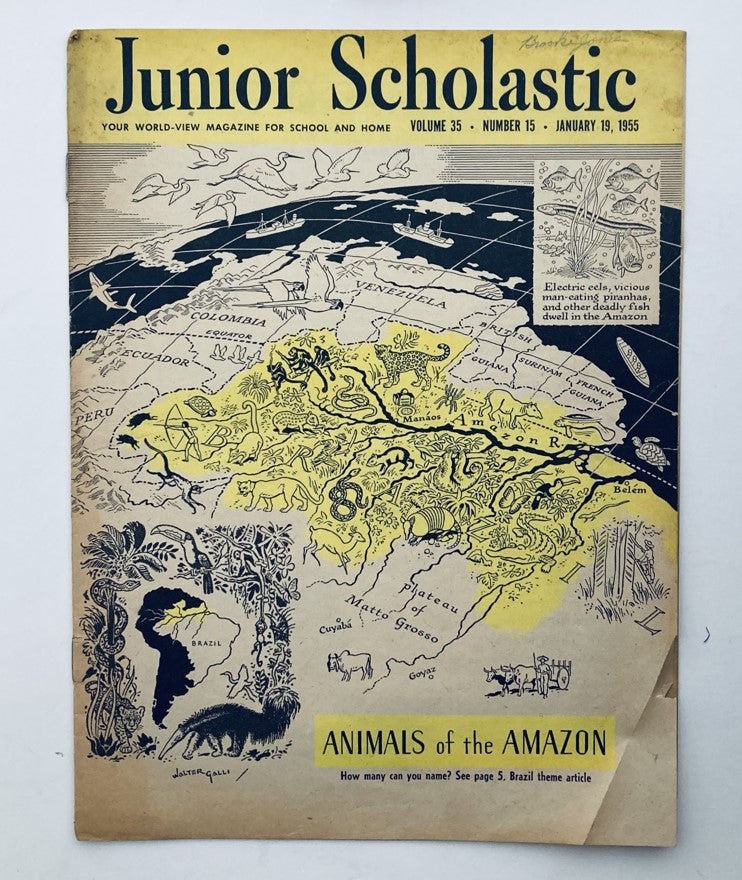
America's entertainment landscape in January 1955 reflected a nation in cultural transition, where new media competed with established traditions. CBS premiered The Millionaire on January 19, the same day Scrabble arrived in stores to eventually dominate game nights across the country. Television broadcasting expanded dramatically—WEAT in West Palm Beach, KMSP in Minneapolis-St. Paul, and KORK in Las Vegas all began operations this month, bringing the medium to new audiences. At Carnegie Hall, Brazilian composer Heitor Villa-Lobos conducted the Philadelphia Orchestra in the premiere of his 8th Symphony on January 14. The sports world delivered drama: Ohio State defeated USC 20-7 in the Rose Bowl, Navy blanked Mississippi 21-0 in the Sugar Bowl, and Georgia Tech ended Kentucky's remarkable 130-game home basketball winning streak. Tennis fans witnessed Ken Rosewall claim his second Australian Championship title. These moments—the championship victories, the television broadcasts, the classical premieres—filled the pages of original magazines from January 1955, their advertisements showcasing everything from new appliances to the latest automotive designs that defined mid-century American optimism.
Curator's Checklist
When exploring vintage magazines from this transformative month, seek these defining elements:
-
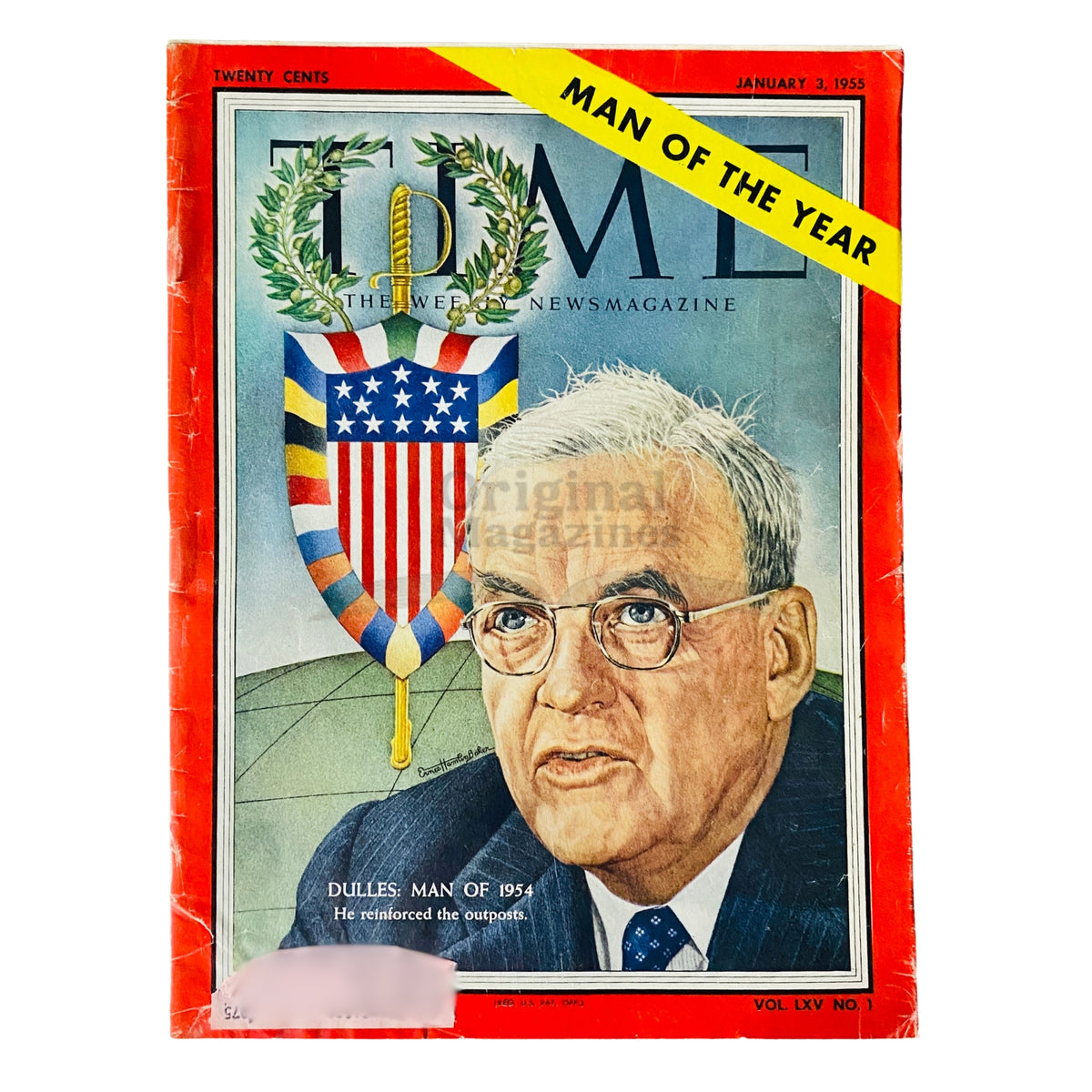
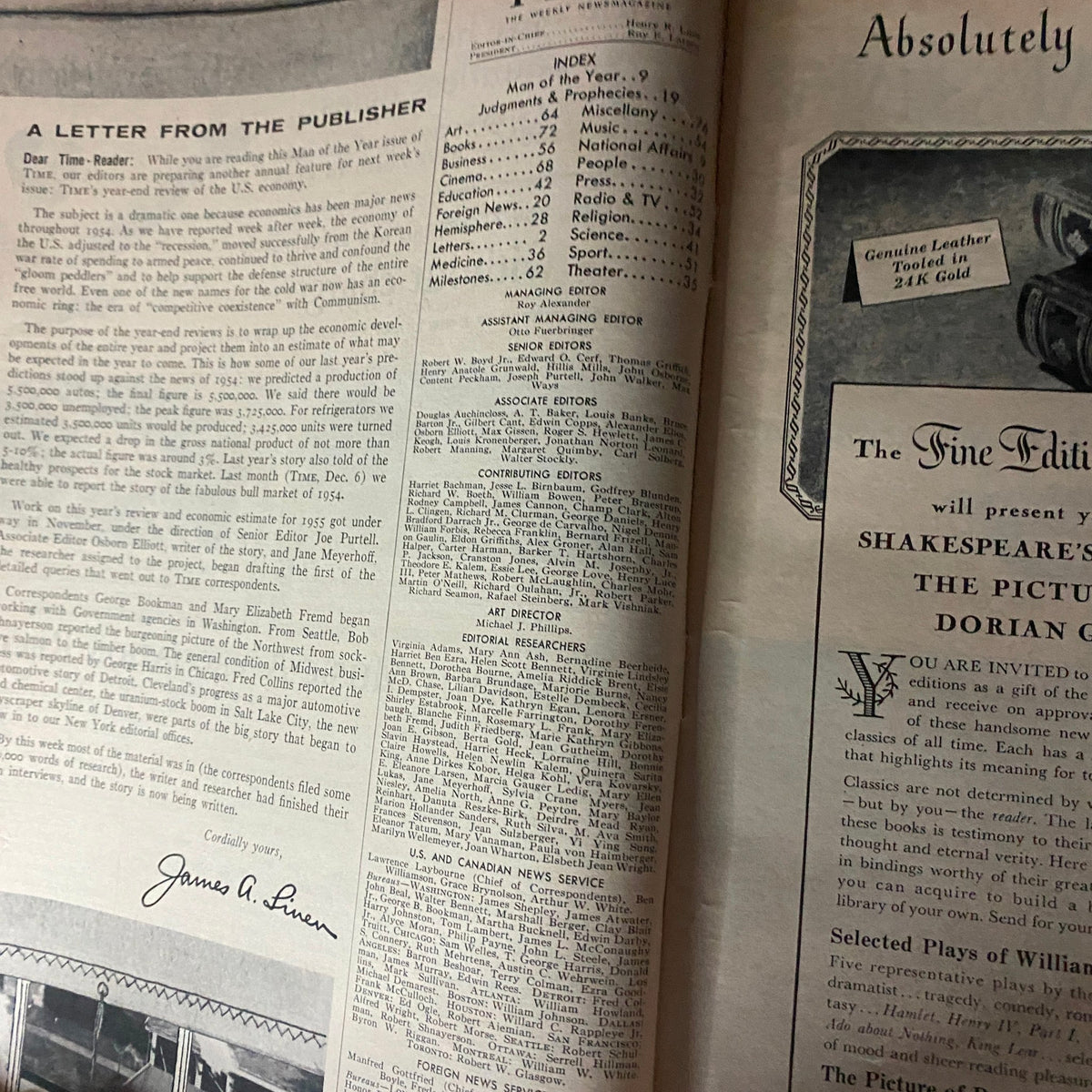
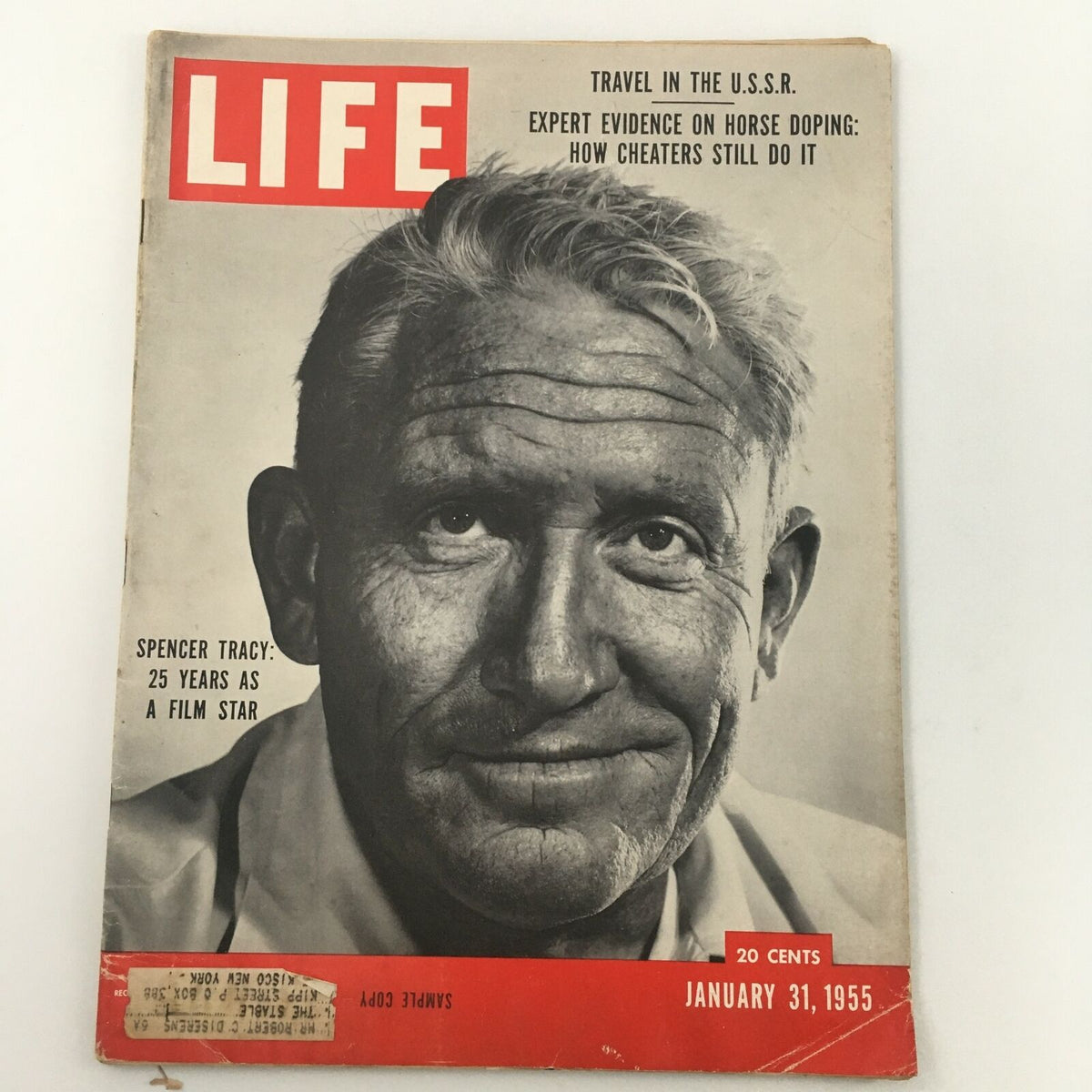
Eisenhower's Televised Press Conference: News magazines like Time, Life, and Newsweek featuring extensive coverage of the first presidential news conference filmed for television, with photographs of the broadcast setup and analysis of how this innovation would reshape political communication in America.
-
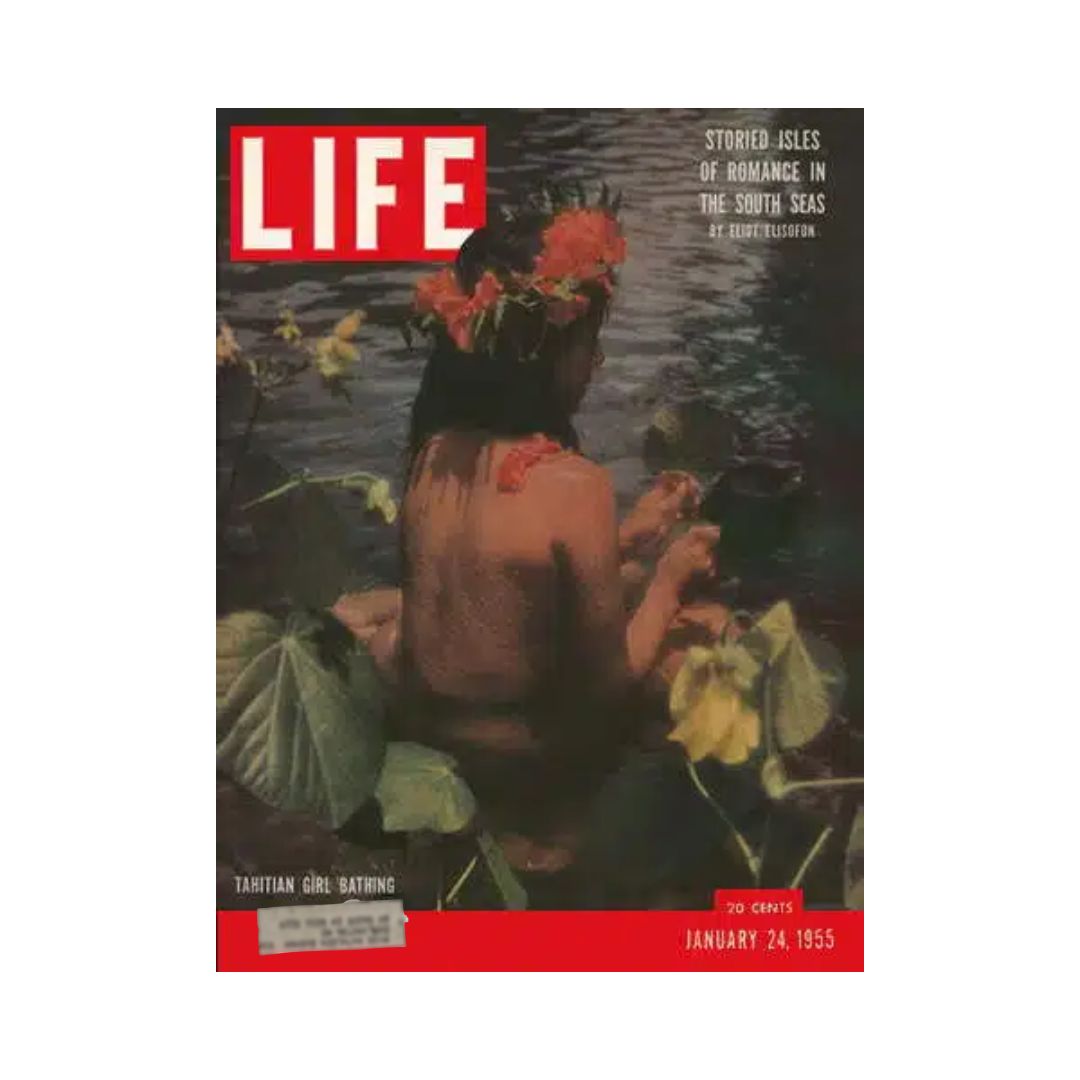
Marian Anderson's Metropolitan Opera Debut: Look for Life magazine's photojournalism and cultural publications chronicling this civil rights milestone, often illustrated with performance photographs and commentary on the significance of an African American artist breaking the color barrier at this prestigious institution.
-
USS Nautilus Nuclear Test Voyage: Find Popular Mechanics and news weeklies showcasing Cold War military technology, with cutaway diagrams and technical illustrations of nuclear submarine propulsion that captivated readers fascinated by atomic-age engineering breakthroughs.
-
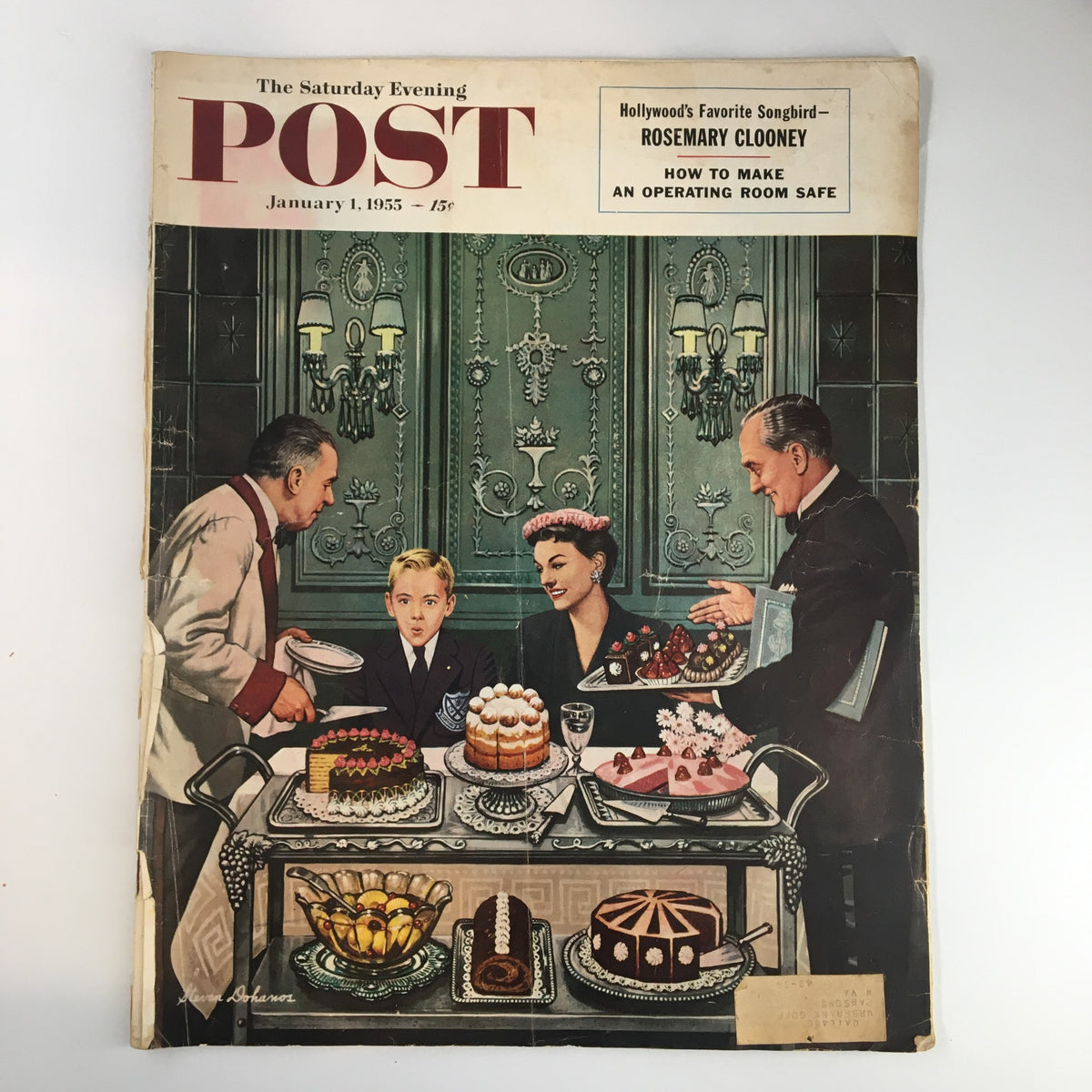
Scrabble's Market Debut: Lifestyle and women's magazines such as Saturday Evening Post advertising the new board game, alongside department store advertisements that positioned Scrabble as the intelligent family entertainment choice for modern American households.
-
Floyd Patterson at Madison Square Garden: Sports publications and rare magazines including boxing coverage featuring the 20-year-old future champion's fifth-round TKO victory, with ringside photography and predictions about this young fighter's promising trajectory in the heavyweight division.
The Perfect Gift
For someone born in January 1955, an original magazine from this pivotal month isn't just a nostalgic keepsake—it's an authenticated portal to the exact cultural moment they entered the world, preserved in genuine advertisements, pristine photography, and unfiltered headlines that captured America balancing atomic-age ambition with profound social change.