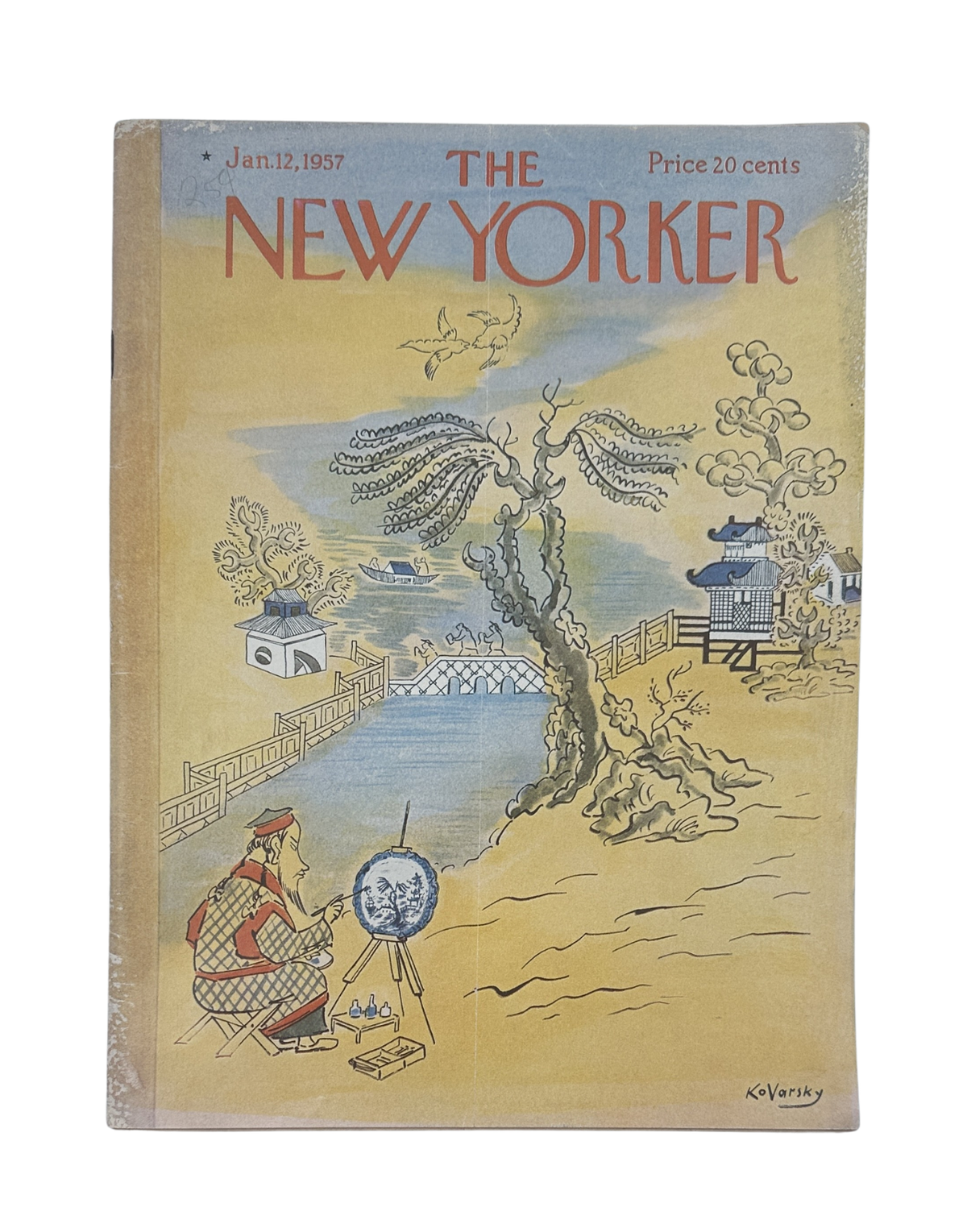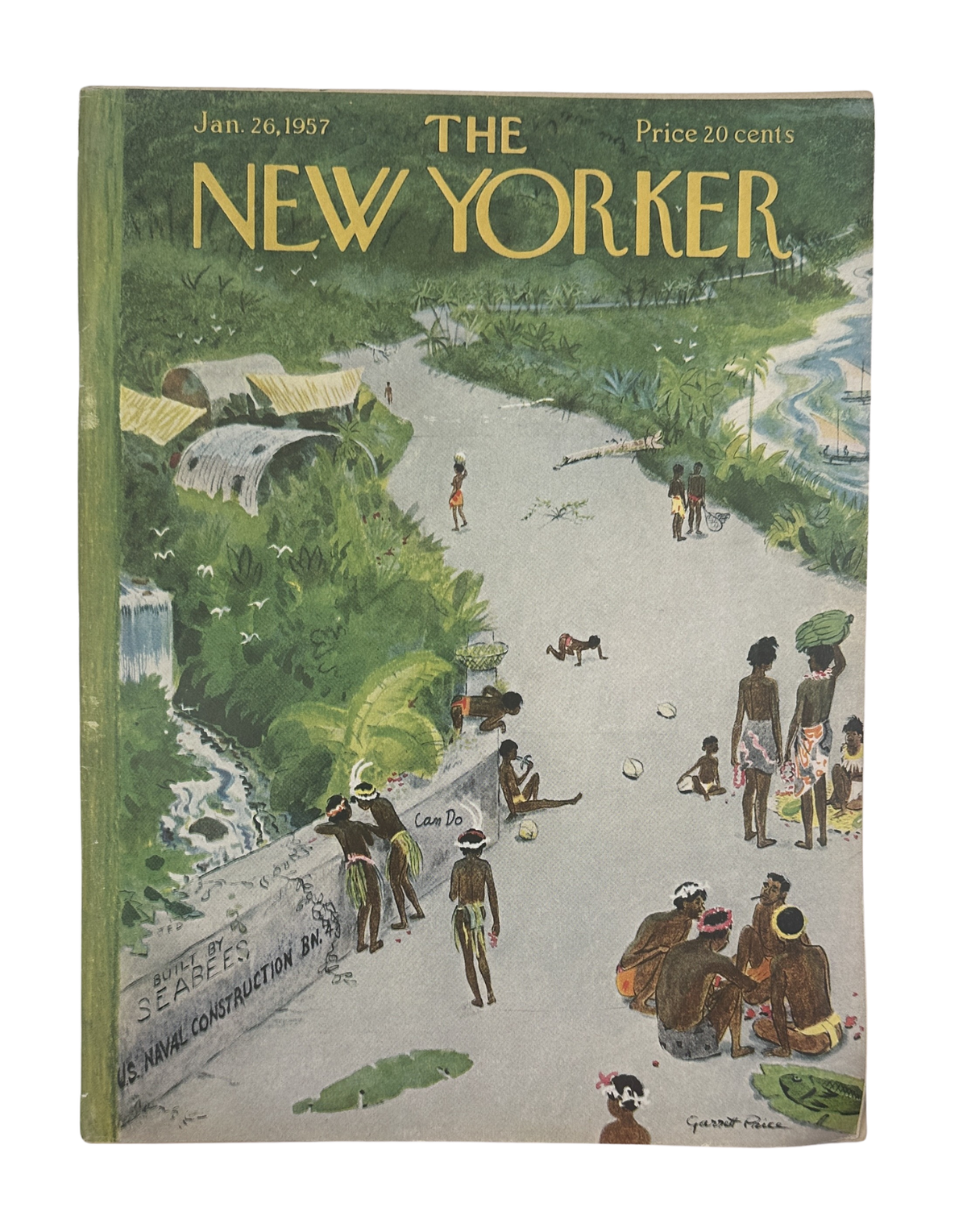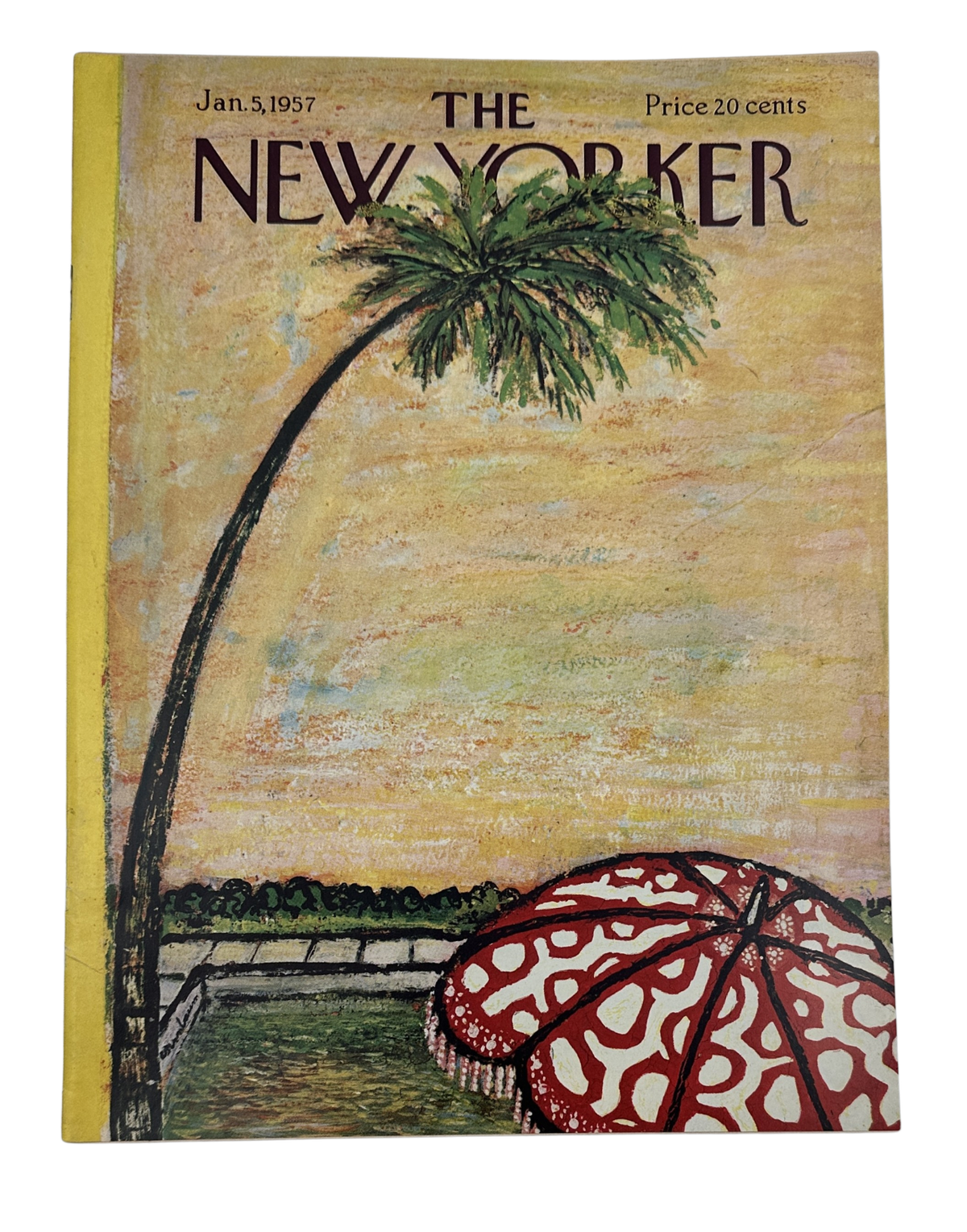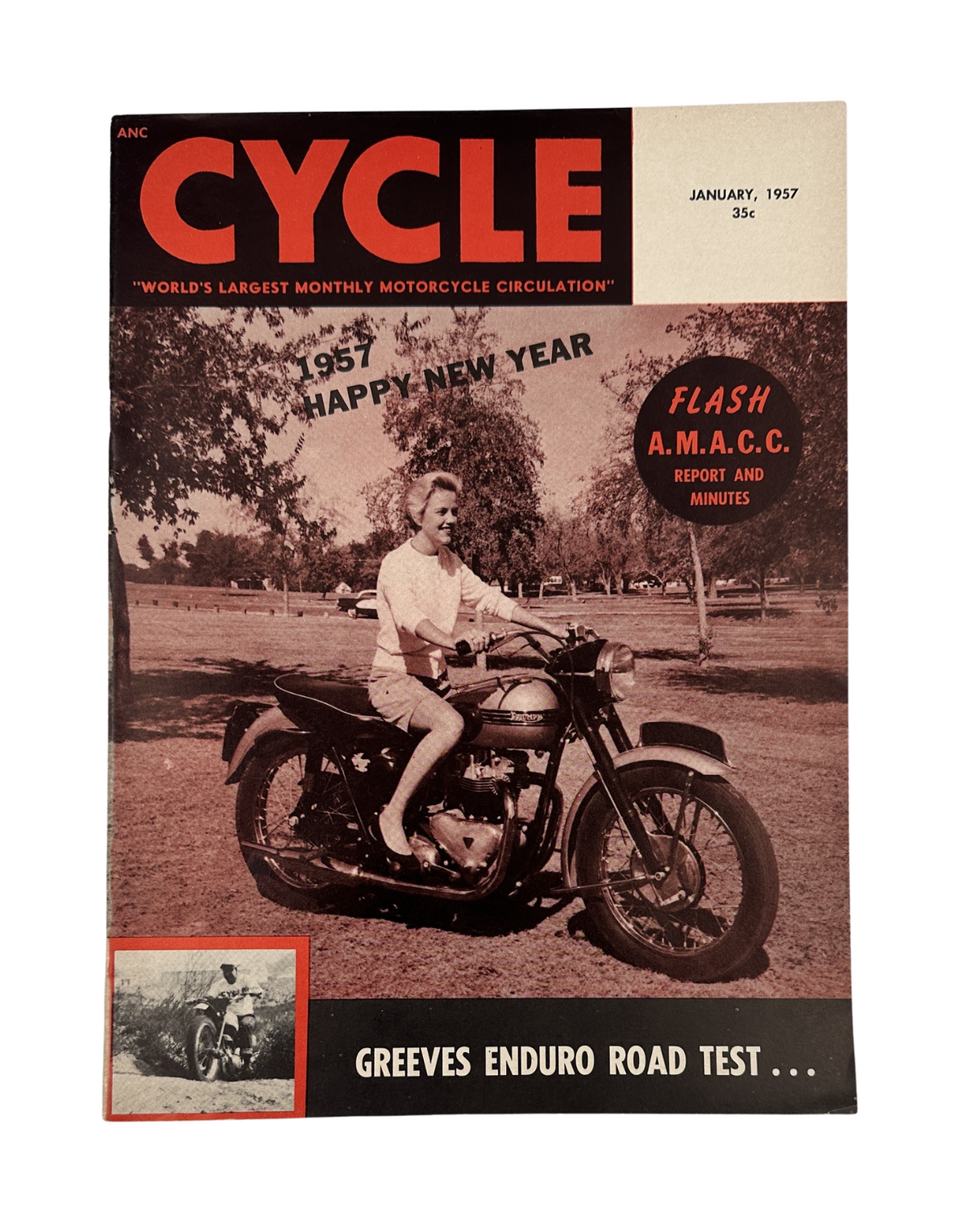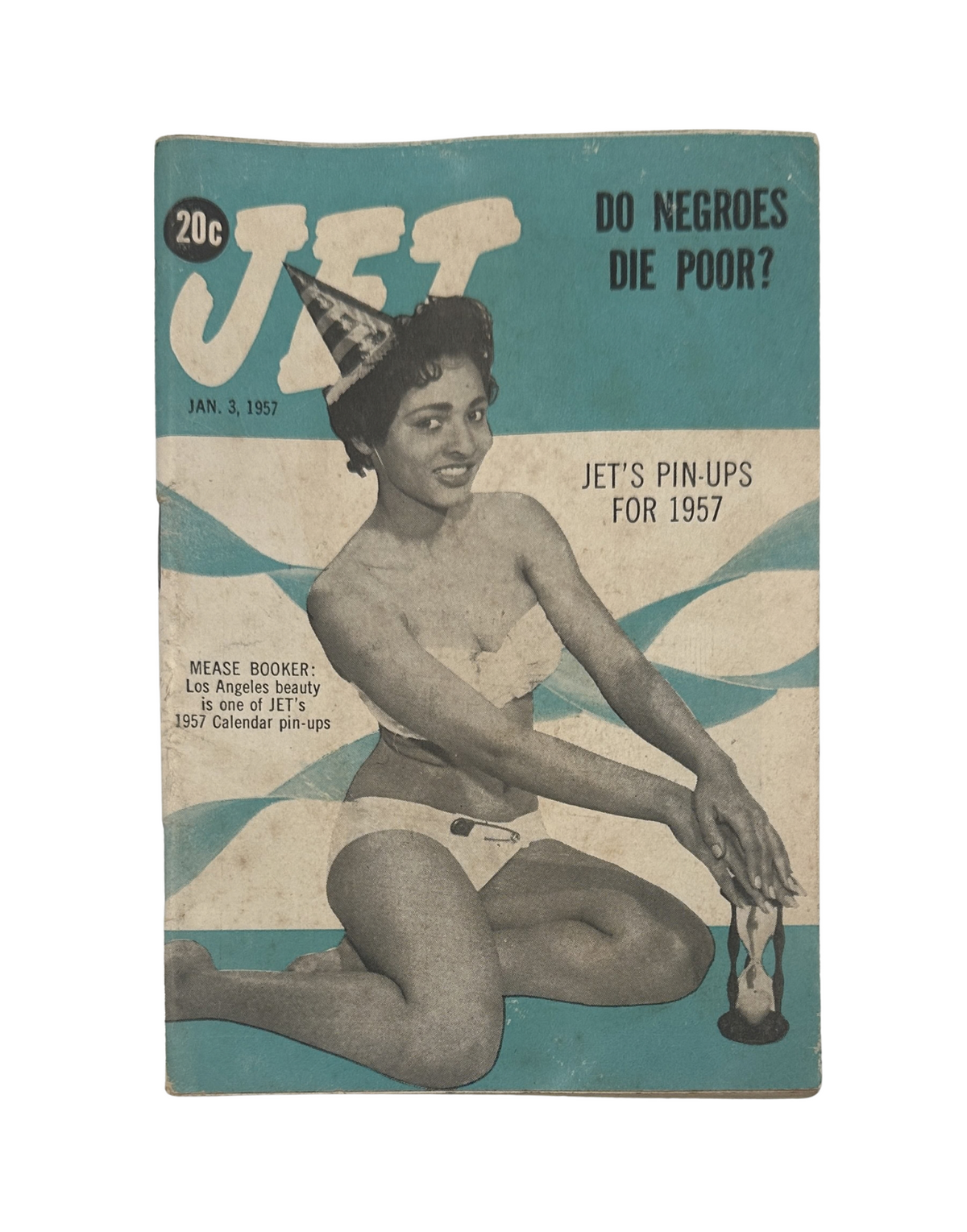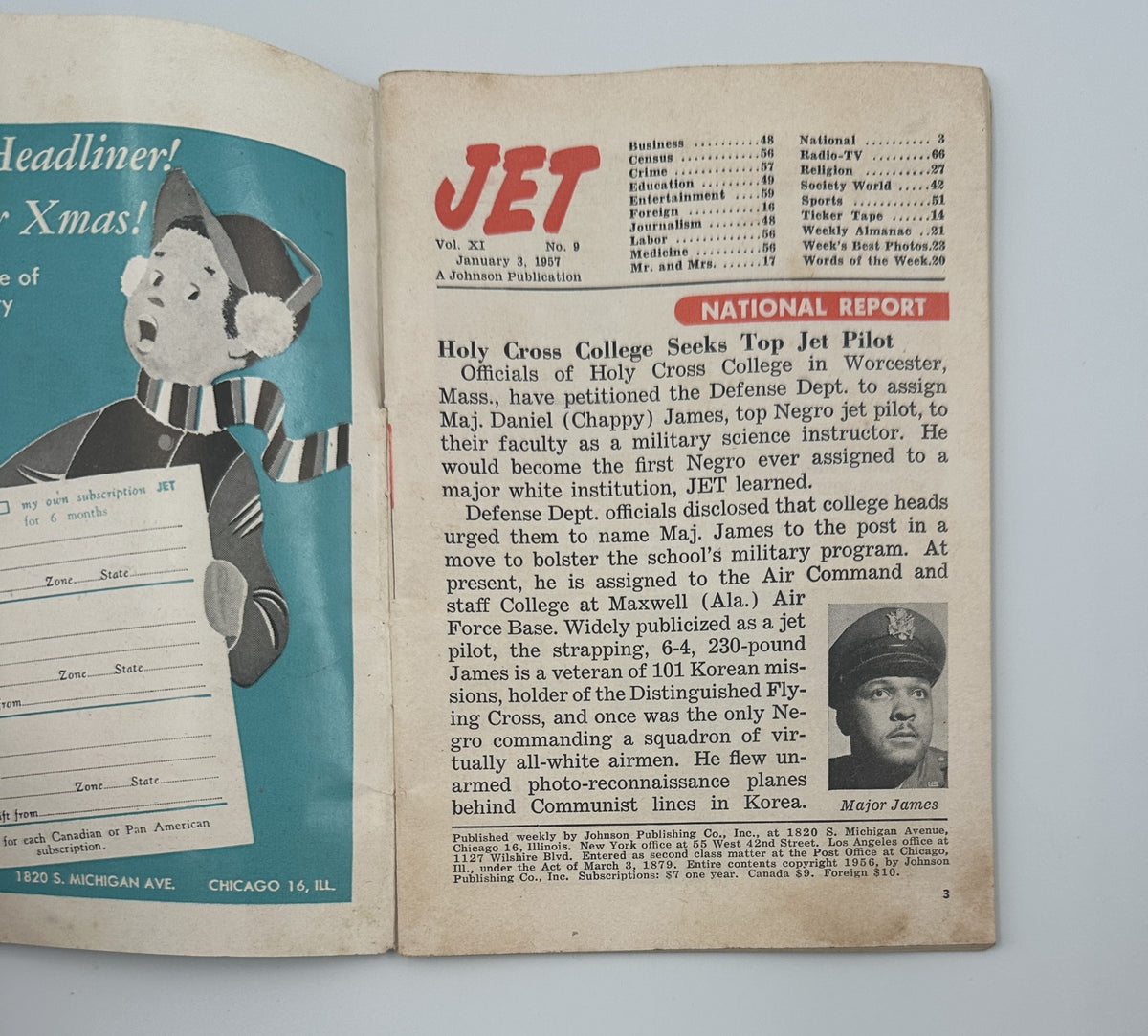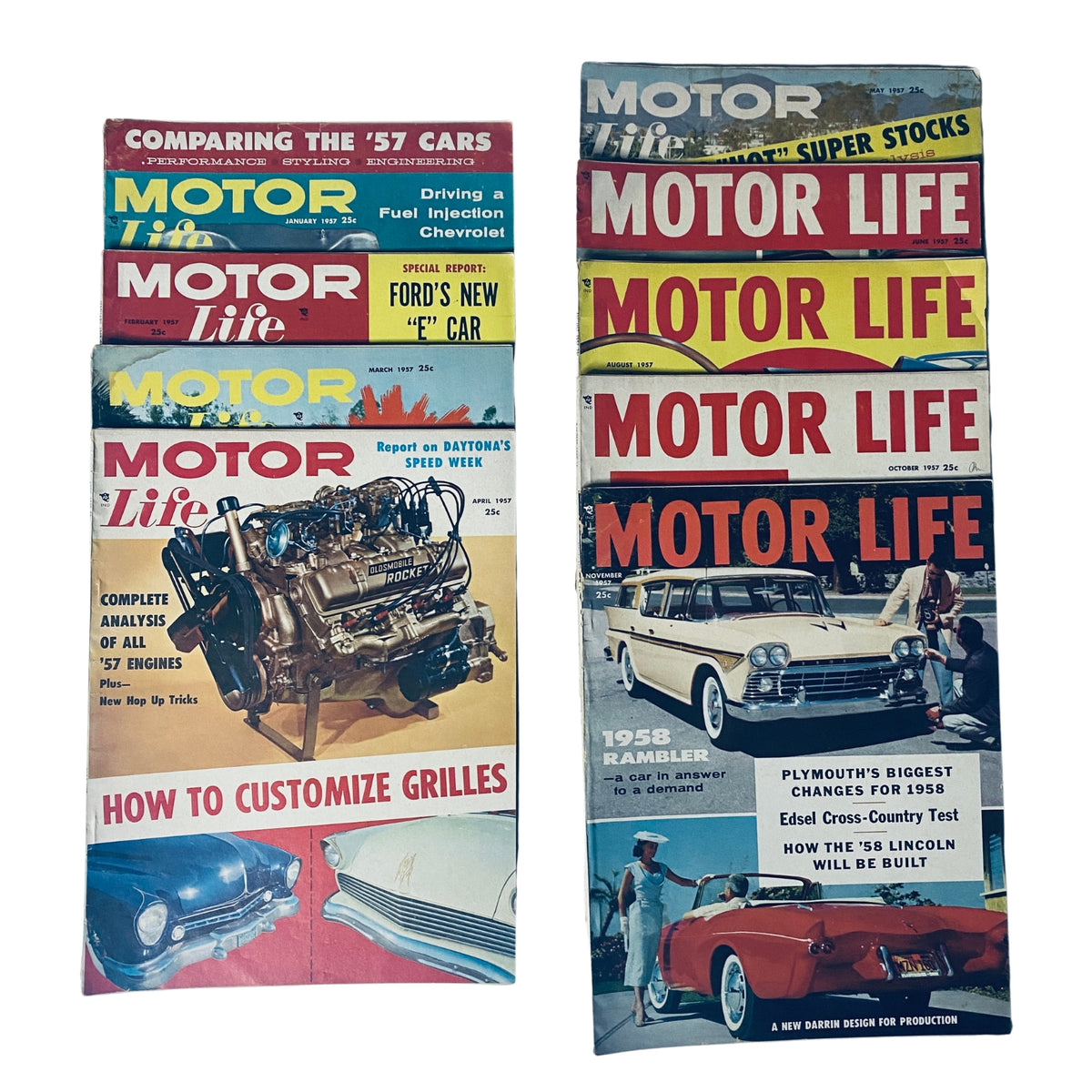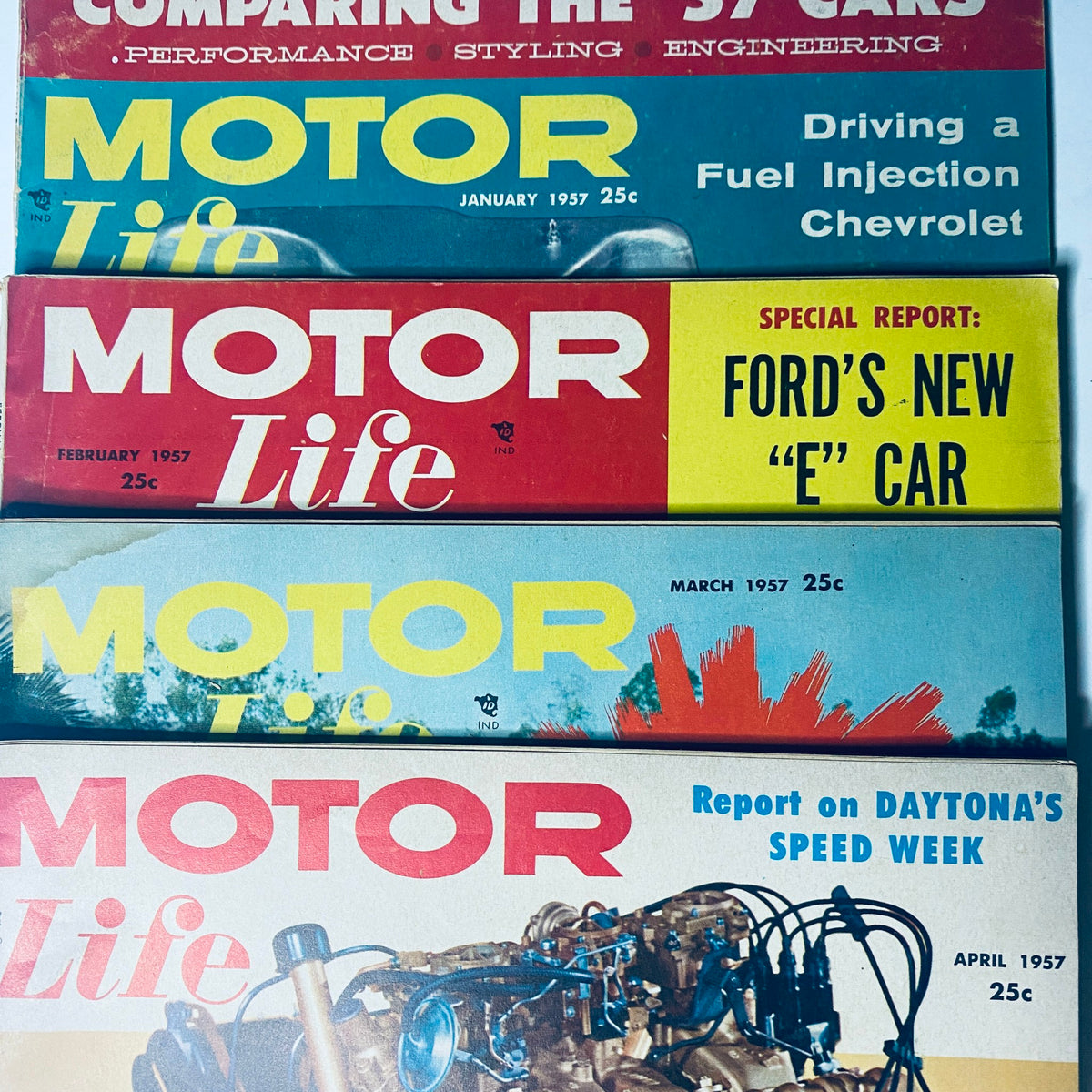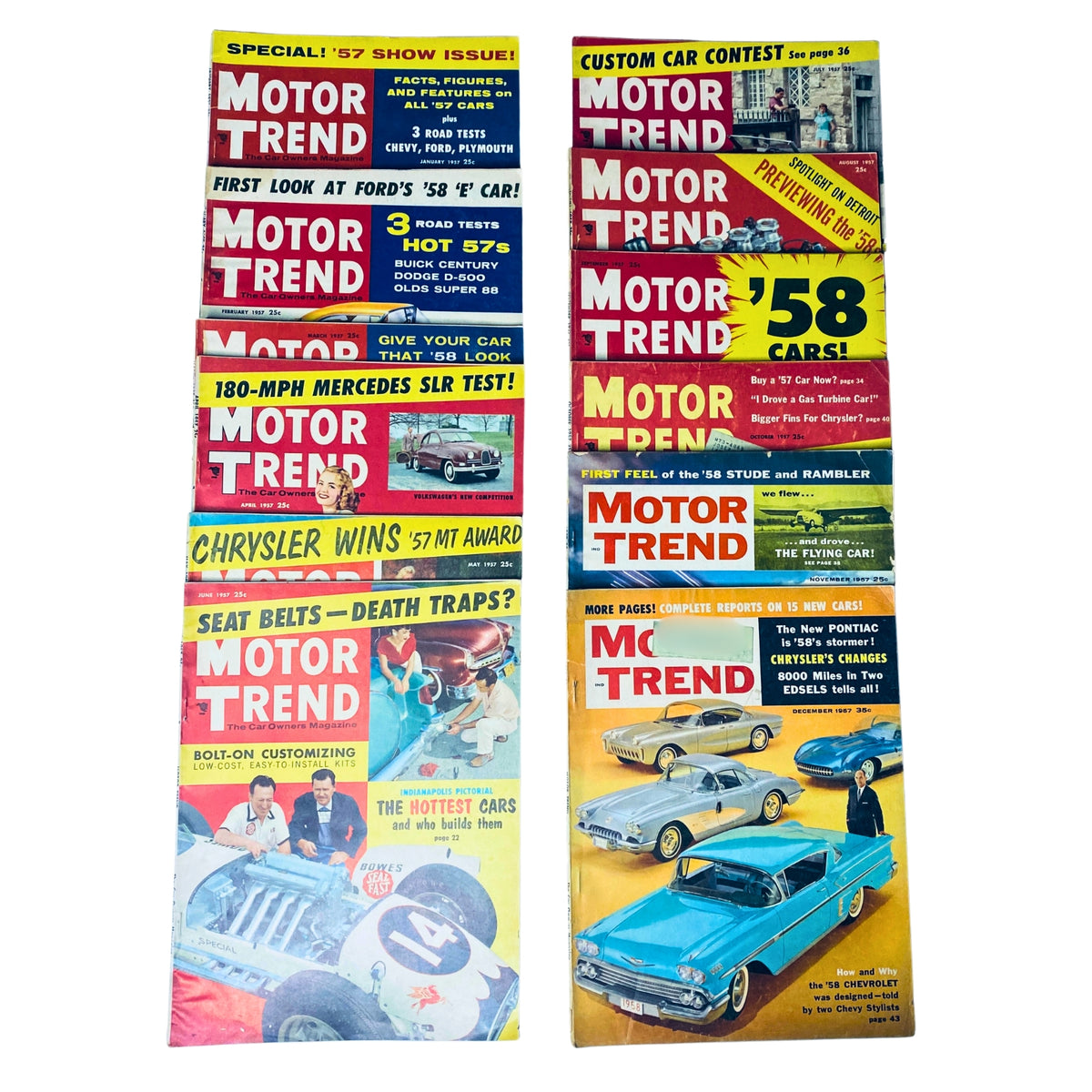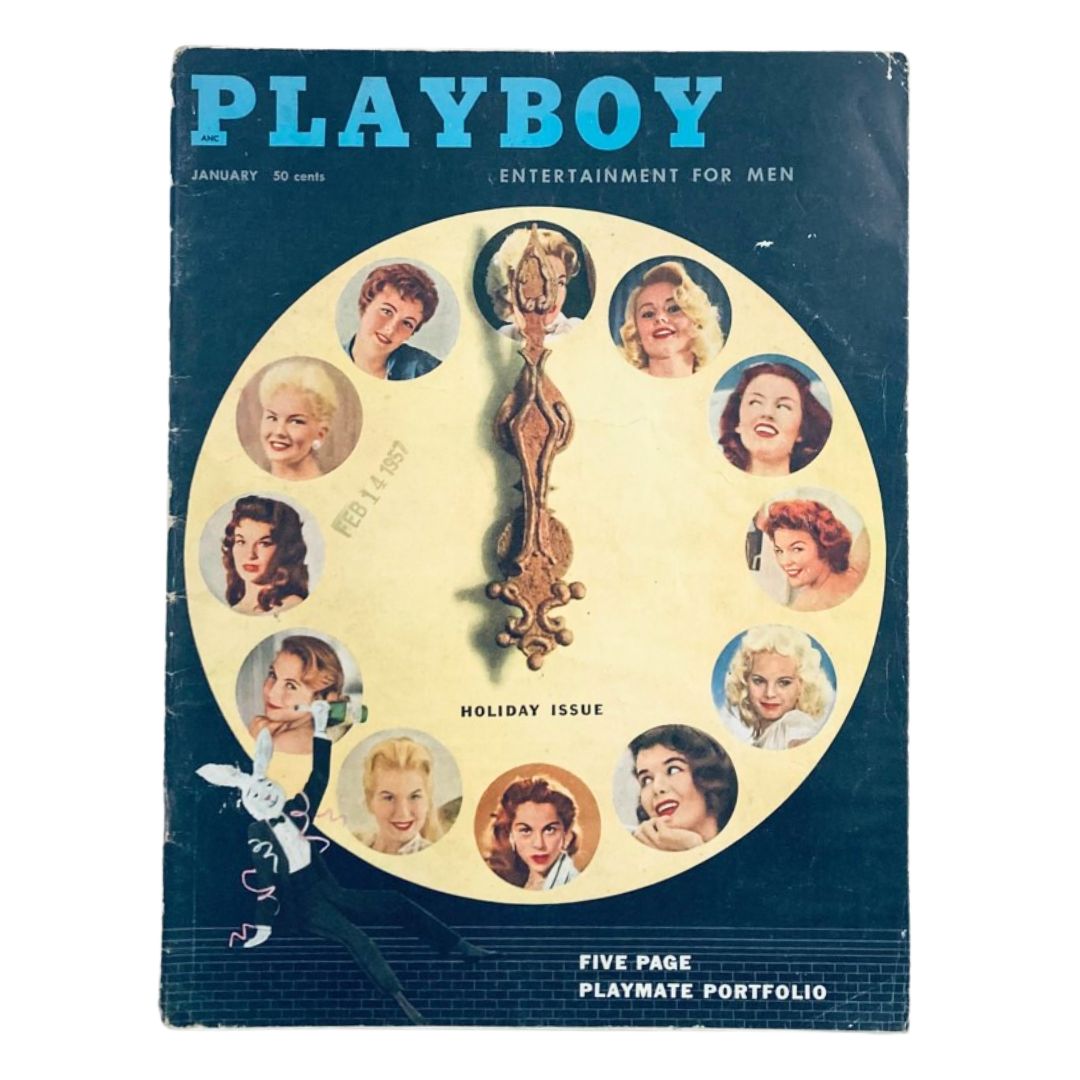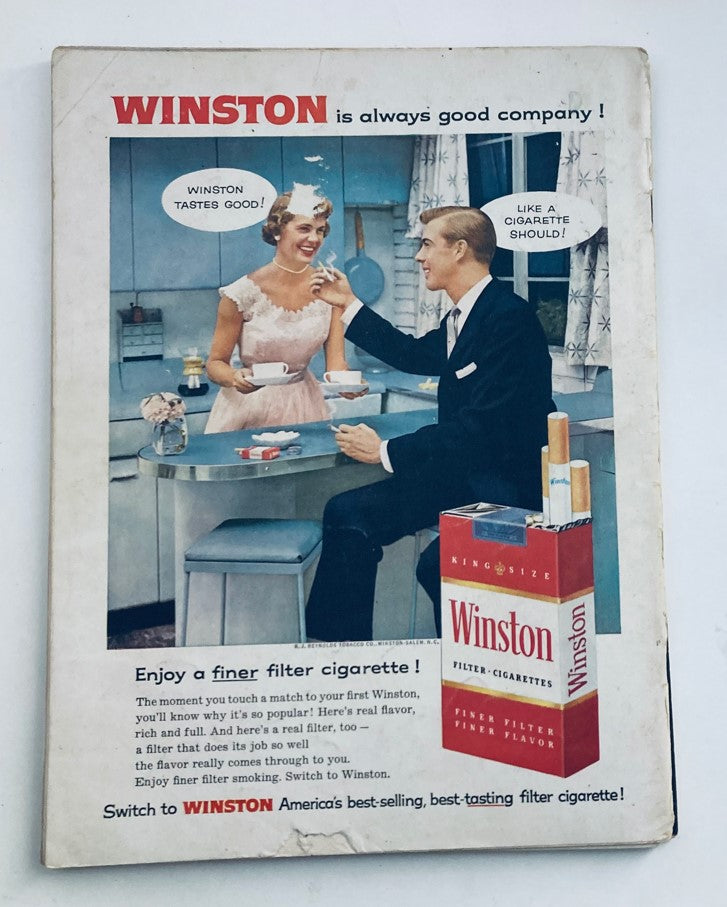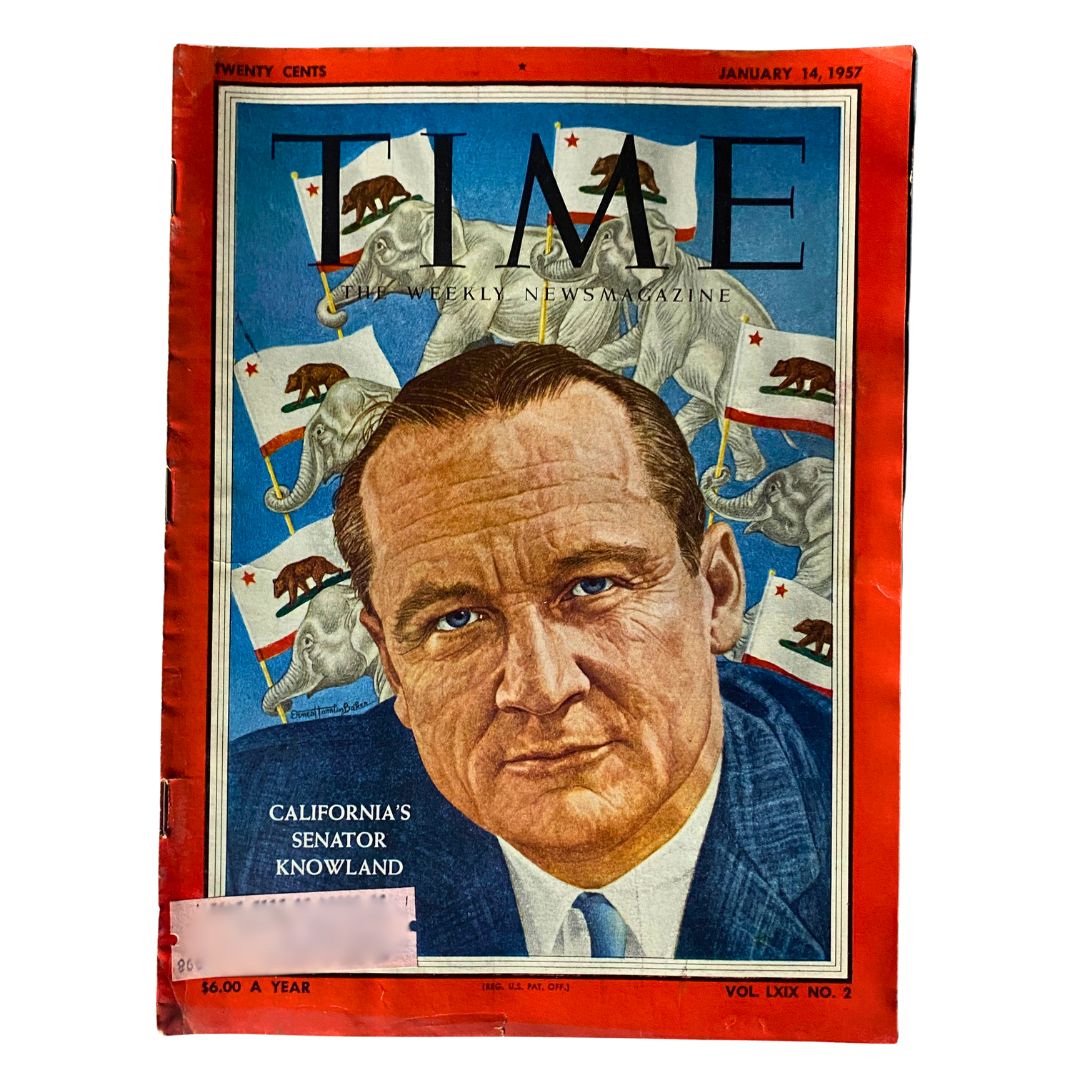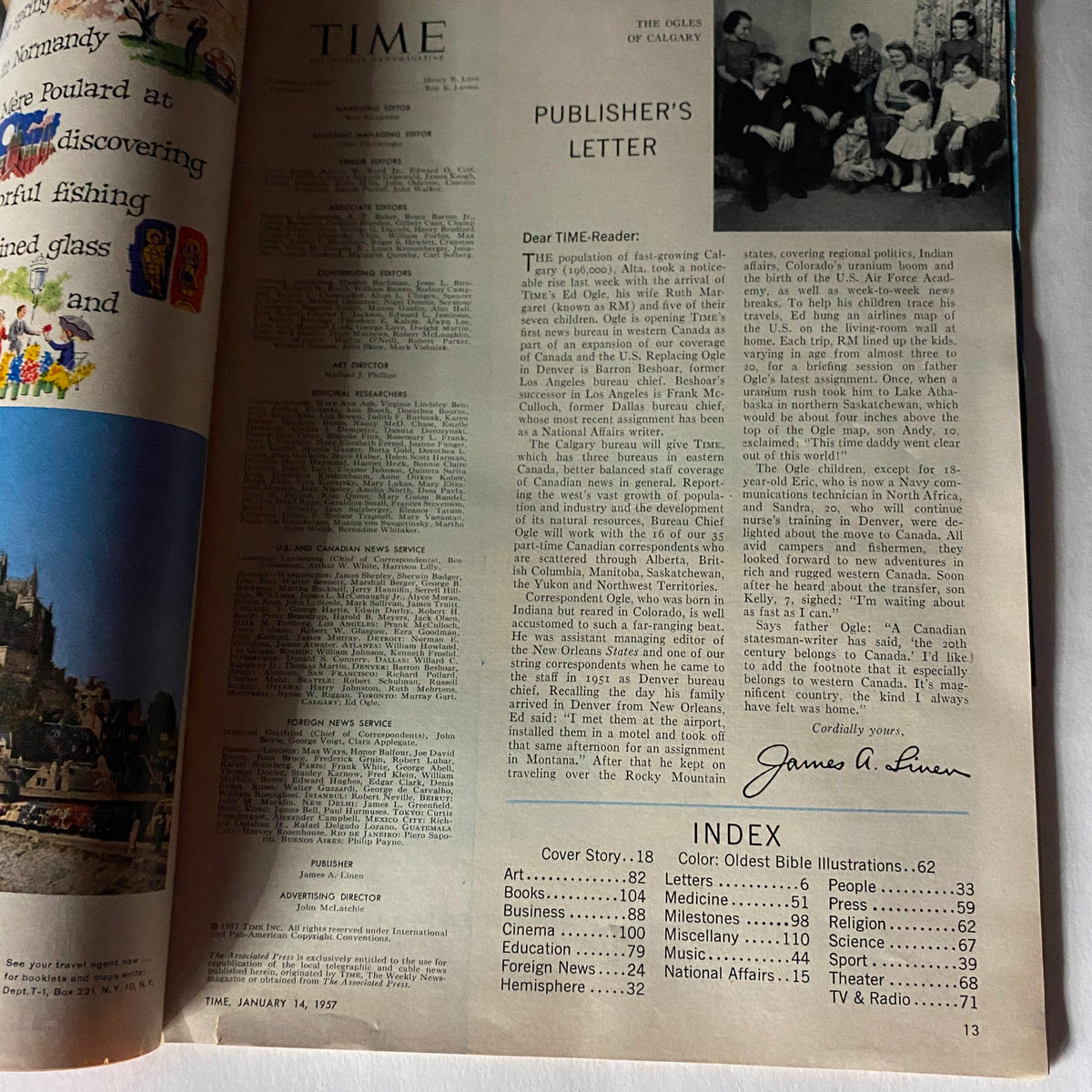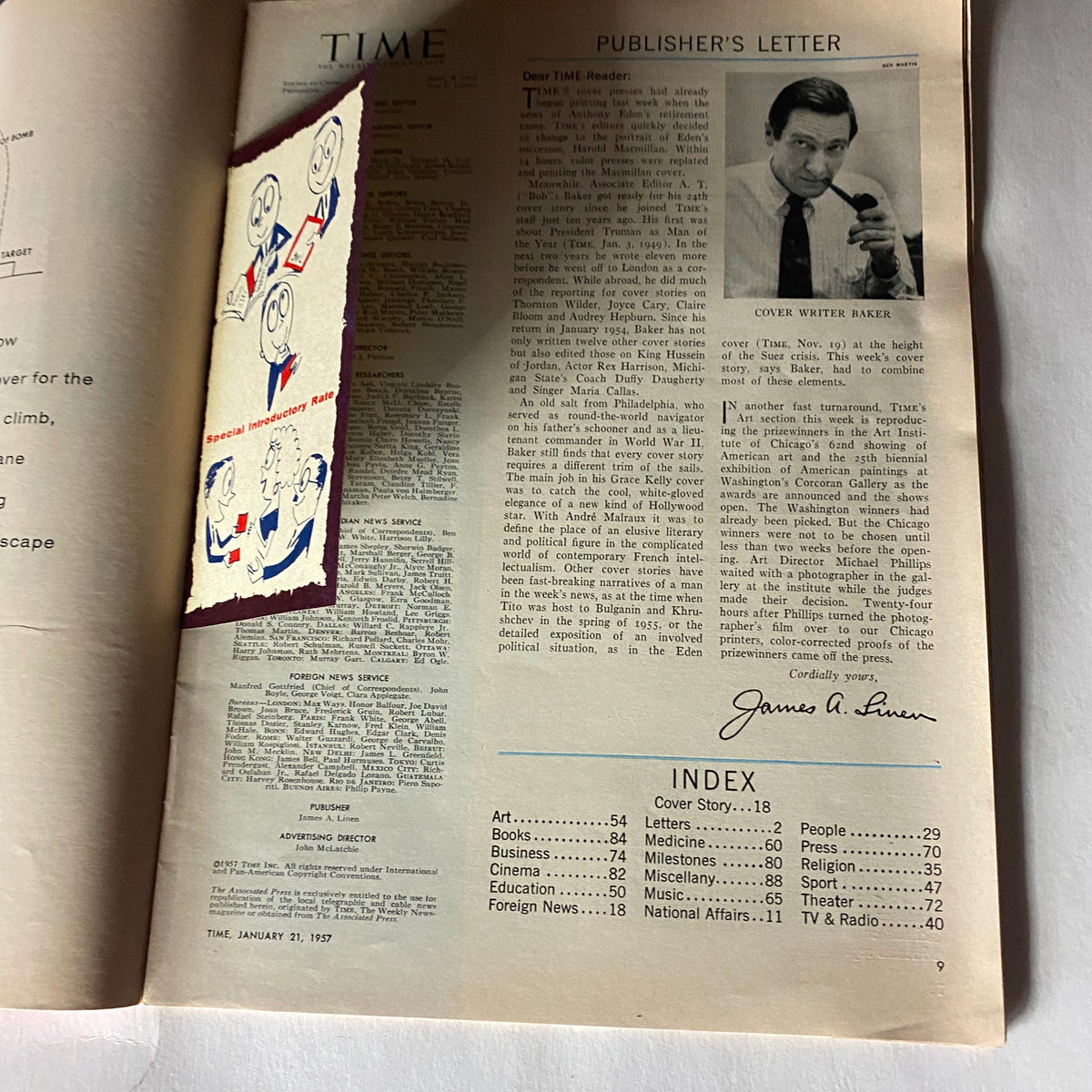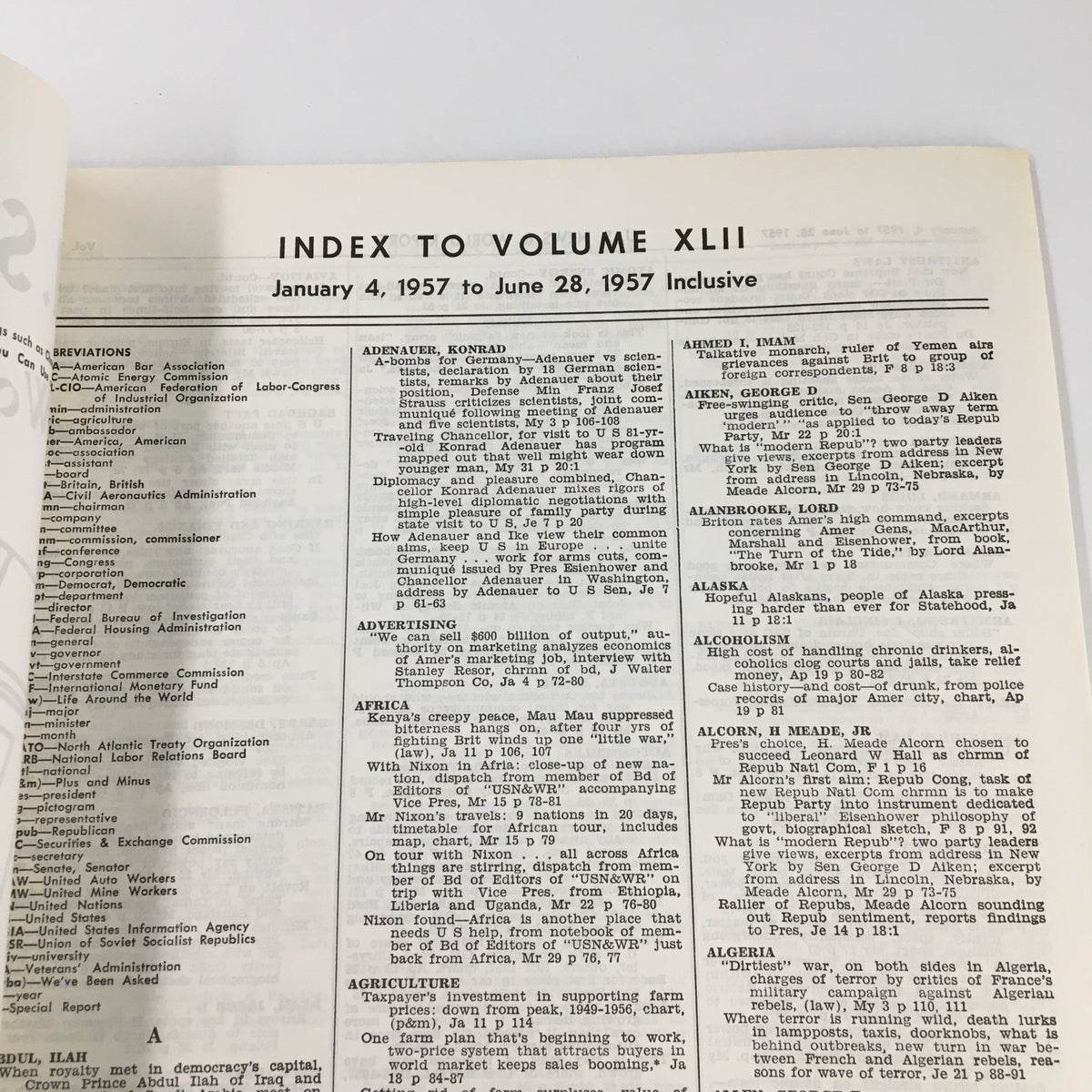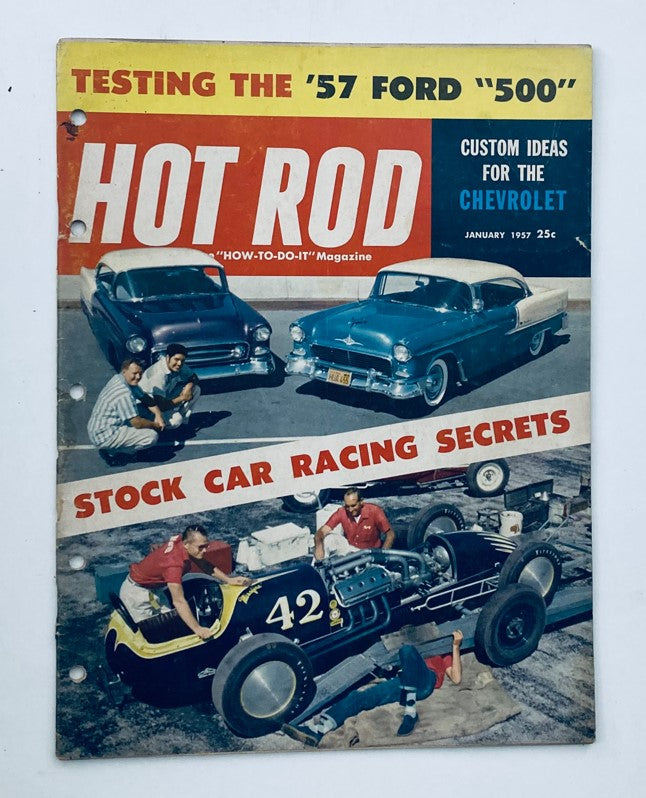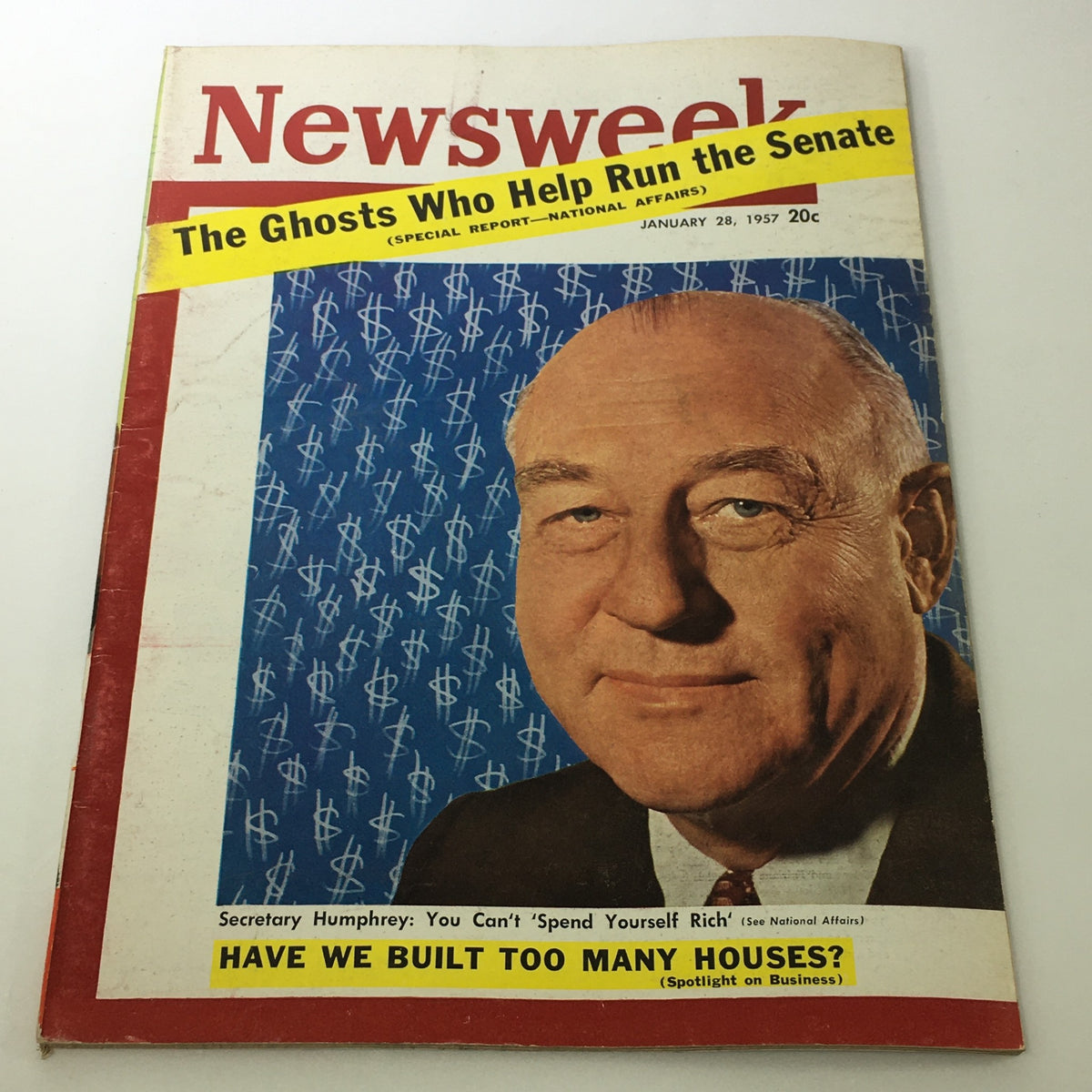
📖 About this Collection
January 1957: The New Year of Atomic Anxiety and Rock & Roll
The Historical Context
The world began 1957 holding its breath. President Eisenhower stood before Congress on January 5th, requesting authority to send American troops to the Middle East—a stark acknowledgment that the Cold War's battlegrounds now stretched beyond Europe. Just weeks after Soviet tanks crushed Hungary's uprising, the "Eisenhower Doctrine" promised American intervention against communist aggression in the Arab world, transforming the region into the next domino. Meanwhile, Harold Macmillan replaced the embattled Anthony Eden as Britain's Prime Minister on January 10th, inheriting an empire in retreat after the Suez Crisis debacle. Yet alongside this geopolitical tension, America's civil rights movement gained institutional power: Martin Luther King Jr. emerged as the founding leader of the Southern Christian Leadership Council on January 12th at Atlanta's Ebenezer Church, channeling Montgomery's bus boycott energy into a coordinated regional force. This was the world your loved one entered—caught between the old empires crumbling and new movements rising, where every headline carried the weight of history turning.
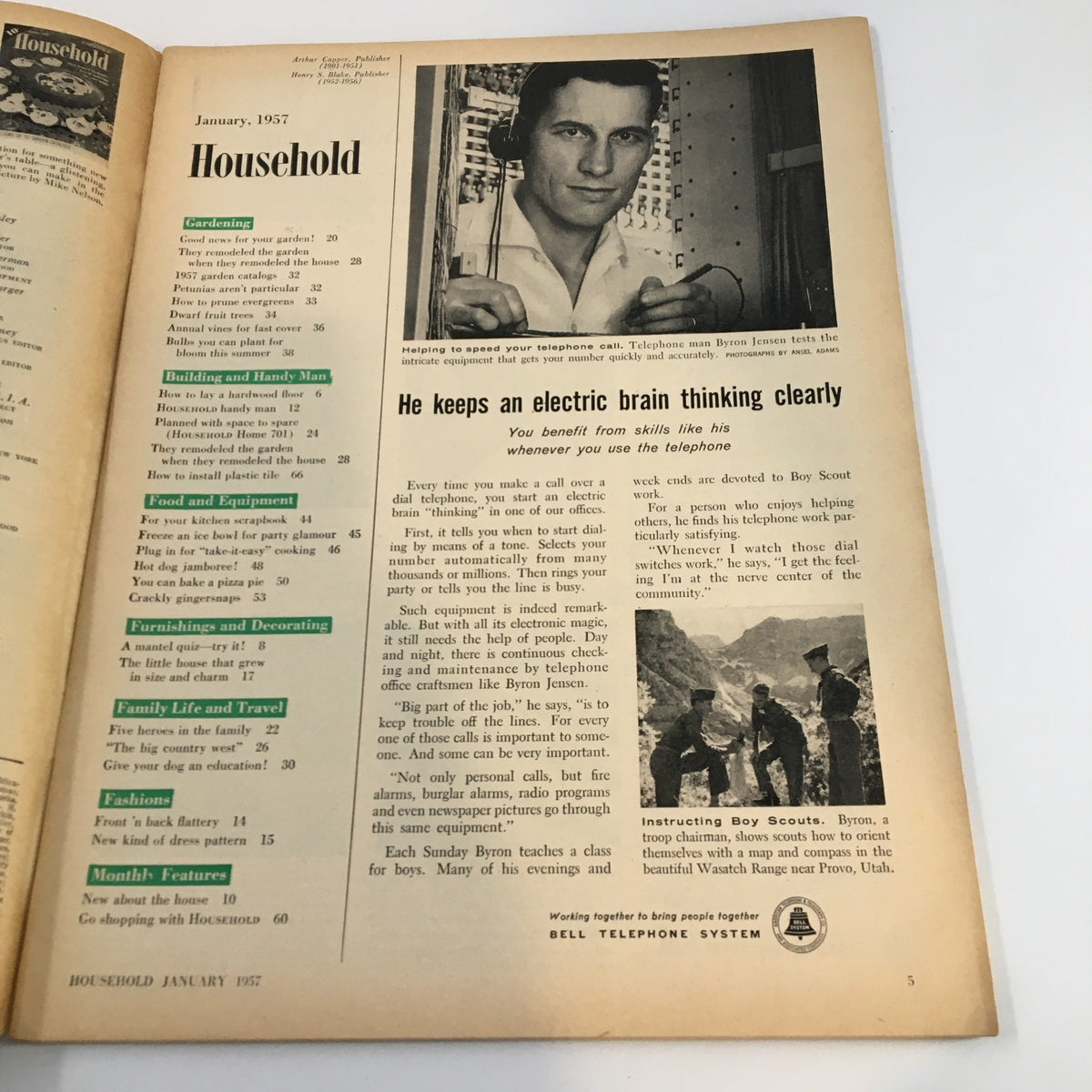
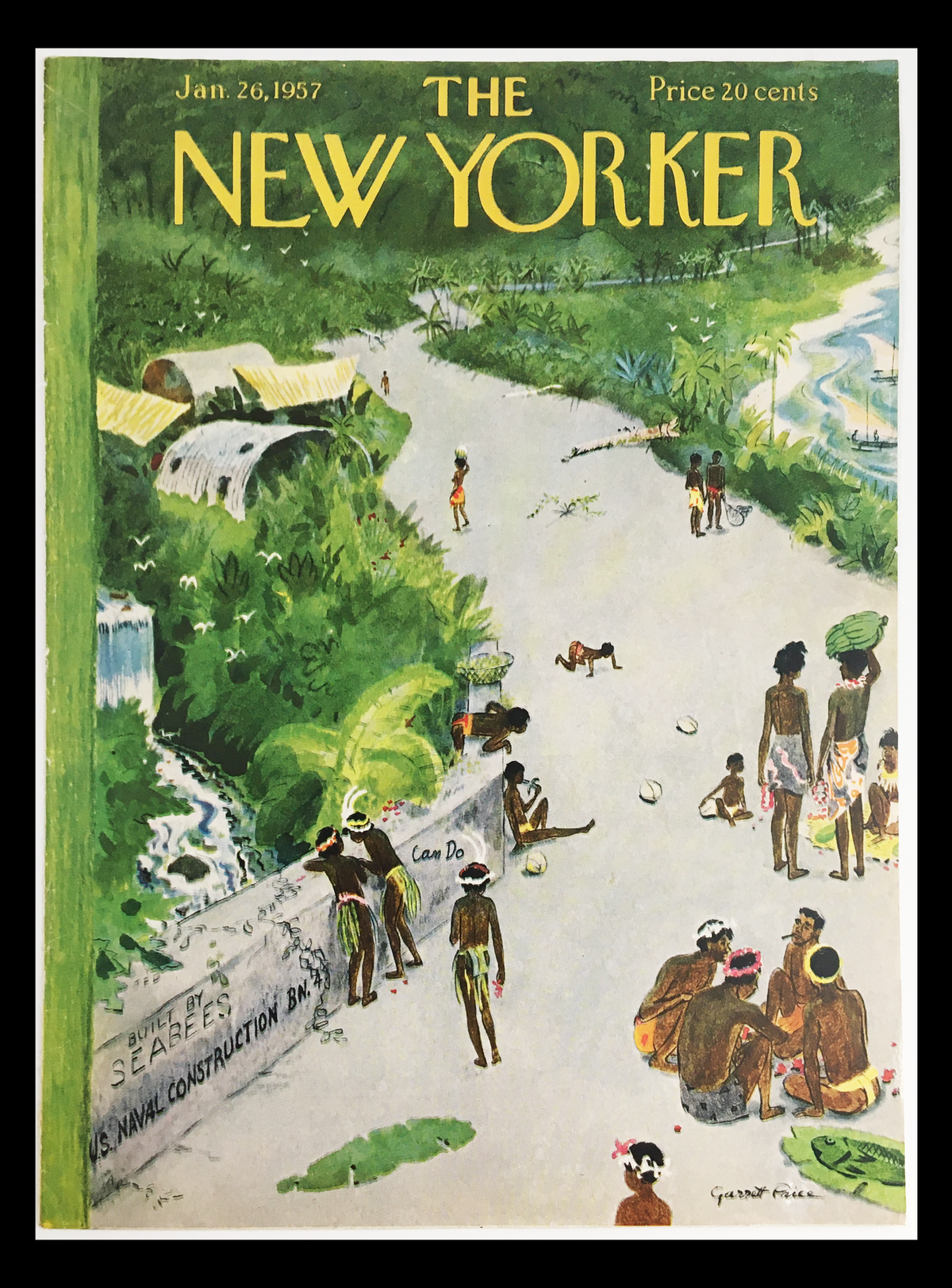
But 1957's anxieties couldn't silence its soundtrack. Elvis Presley made his seventh and final appearance on "The Ed Sullivan Show" on January 6th, cementing his transformation from regional sensation to national phenomenon—even if CBS cameras famously filmed him only from the waist up. Liverpool's Cavern Club opened on Matthews Street on January 16th, destined to become the Beatles' launching pad within five years. On January 23rd, the Wham-O Company acquired rights to the "Pluto Platter," renaming it the Frisbee and inadvertently creating a backyard revolution. Sports fans witnessed Sugar Ray Robinson lose his middleweight title to Gene Fullmer in a brutal 15-round decision at Madison Square Garden, while Jackie Robinson announced his retirement rather than accept a trade to the Giants. These moments—the performances, the defeats, the inventions that seemed trivial then—fill the pages of original magazines from January 1957, preserved in advertisements for new Hamilton Electric watches and articles debating whether rock and roll would corrupt America's youth.
What to Look for in Vintage Magazines from January 1957
-
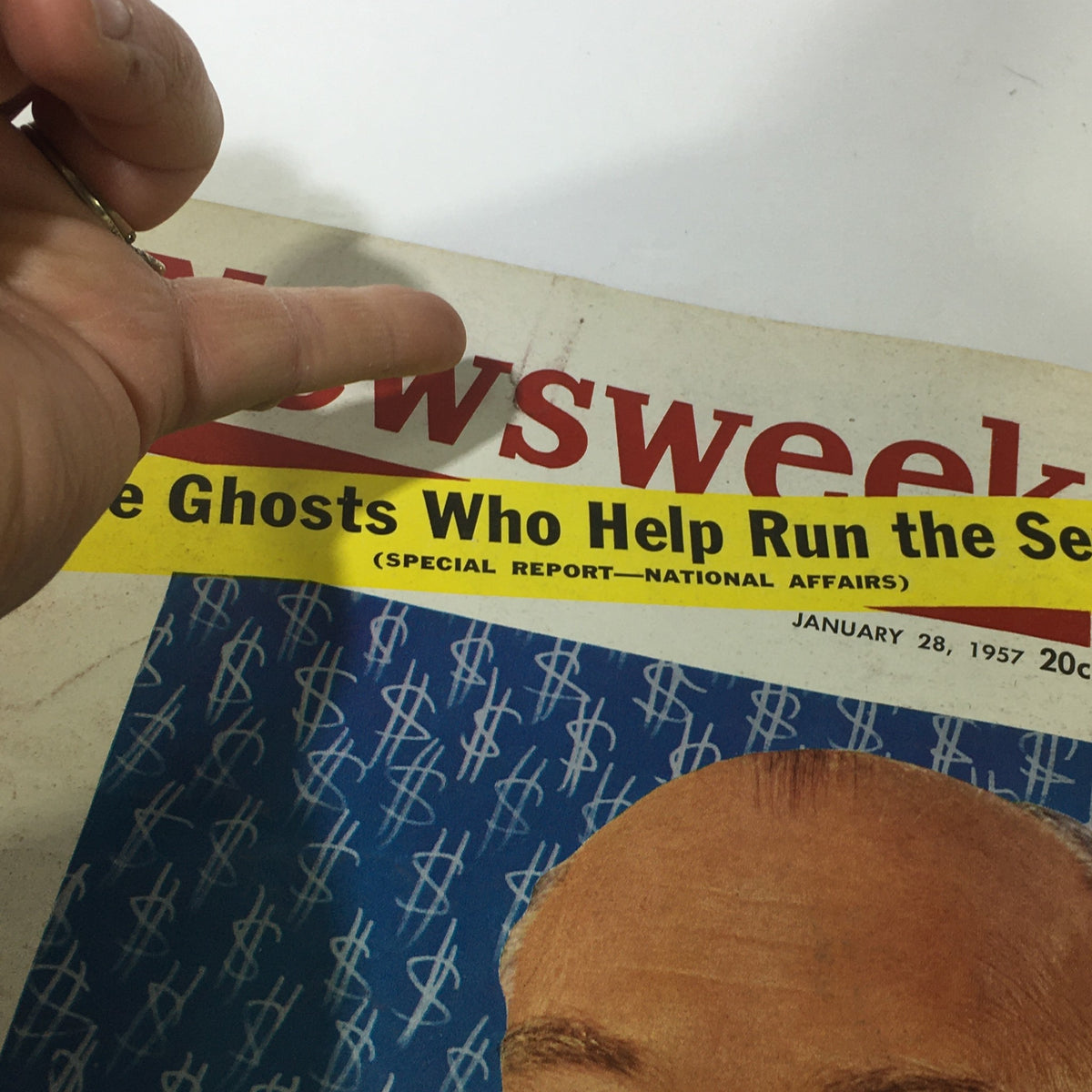
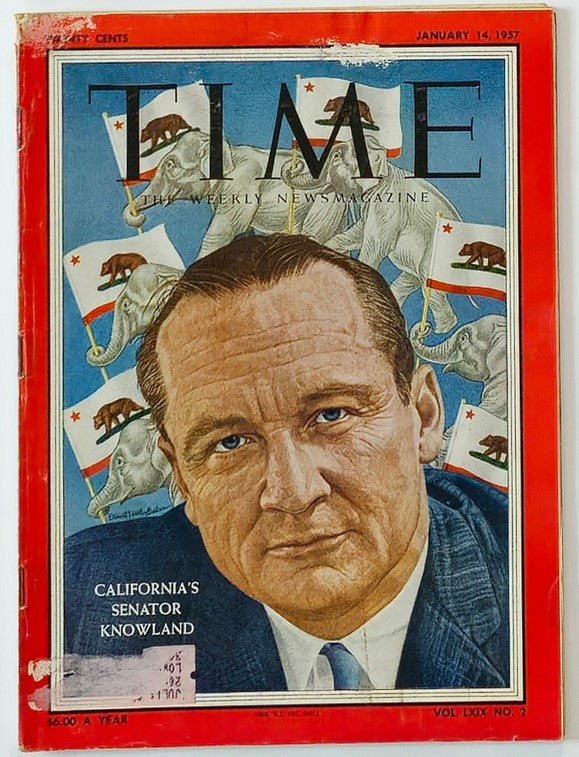
The Eisenhower Doctrine Debate: News magazines like Time, Life, and Newsweek featuring dramatic photography of Middle Eastern tensions, illustrated with maps showing America's proposed sphere of influence and editorial cartoons depicting the Soviet bear encroaching on oil fields—often paired with advertisements for fallout shelters and patriotic messaging.
-
Elvis's Sullivan Swan Song: Entertainment coverage in TV Guide and general-interest rare magazines showcasing the controversy surrounding Presley's "provocative" performances, featuring behind-the-scenes photographs and heated letters to the editor debating whether his act represented artistic expression or moral decay.
-
The SCLC's Formation: Rare coverage in northern publications and occasional feature stories chronicling Martin Luther King Jr.'s emergence as a national figure, with photographs from Montgomery still resonating and early analysis of whether the movement would spread beyond Alabama—content that rarely made magazine covers but appeared in thoughtful feature sections.
-
Sugar Ray's Upset: Sports Illustrated and boxing magazines featuring ringside photography of the Fullmer-Robinson bout, technical analysis of how the younger champion dethroned the legend, and advertisements for Gillette razors and men's cologne targeting the fight's television audience—the golden age of boxing journalism preserved in authentic magazine layouts.
-
The Frisbee's Origins: Brief mentions in lifestyle and novelty sections of general-interest magazines, Popular Mechanics features on new recreational products, and advertisements for the "Pluto Platter" before its iconic rebranding—the kind of seemingly insignificant details that capture how 1957's culture looked before anyone knew what would endure.
The Perfect Gift
For someone born in January 1957, an original magazine from this pivotal month isn't just a nostalgic souvenir—it's authenticated witness to the exact moment when Cold War anxiety peaked, civil rights organizing found its voice, and Elvis made his final bow on America's biggest stage, preserved in genuine advertisements, headlines, and photography that museums simply cannot replicate.