📖 About this Collection
Jay-Z: The Blueprint of an Empire, Pressed in Ink
The Legend & The Legacy
Before streaming algorithms decided what the world would hear next, the story of Shawn Corey Carter was told in glossy pages, passed hand to hand in barbershops, dormitory rooms, and record store back offices. Rising from the Marcy Houses of Brooklyn in the early 1990s, he defied every industry convention — a rapper without a label who built his own, Roc-A-Fella Records, into a cultural institution. By the late 1990s and into the 2000s, he had become something far larger than a musician: a philosopher of ambition, a Black entrepreneur operating at a scale that American media was still learning how to frame. Albums like Reasonable Doubt, Vol. 2… Hard Knock Life, and The Blueprint didn't simply chart — they restructured conversations about art, commerce, race, and power. Editors and journalists scrambled to contextualize a figure who seemed to be rewriting the rules of celebrity in real time, and it was the printed page — thick with ink, rich with photography — that captured each inflection point of that ascent for posterity.
Inside the Archive
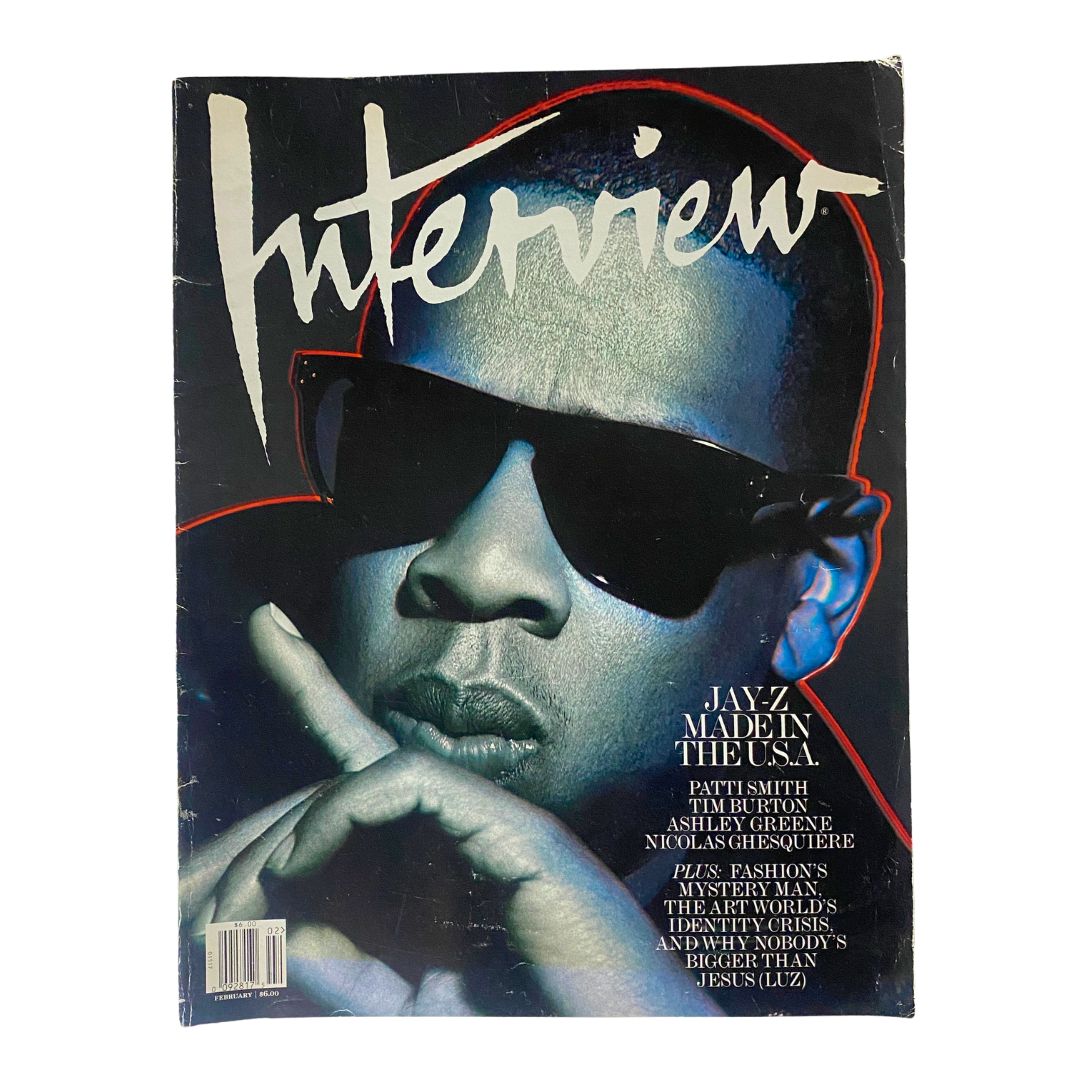
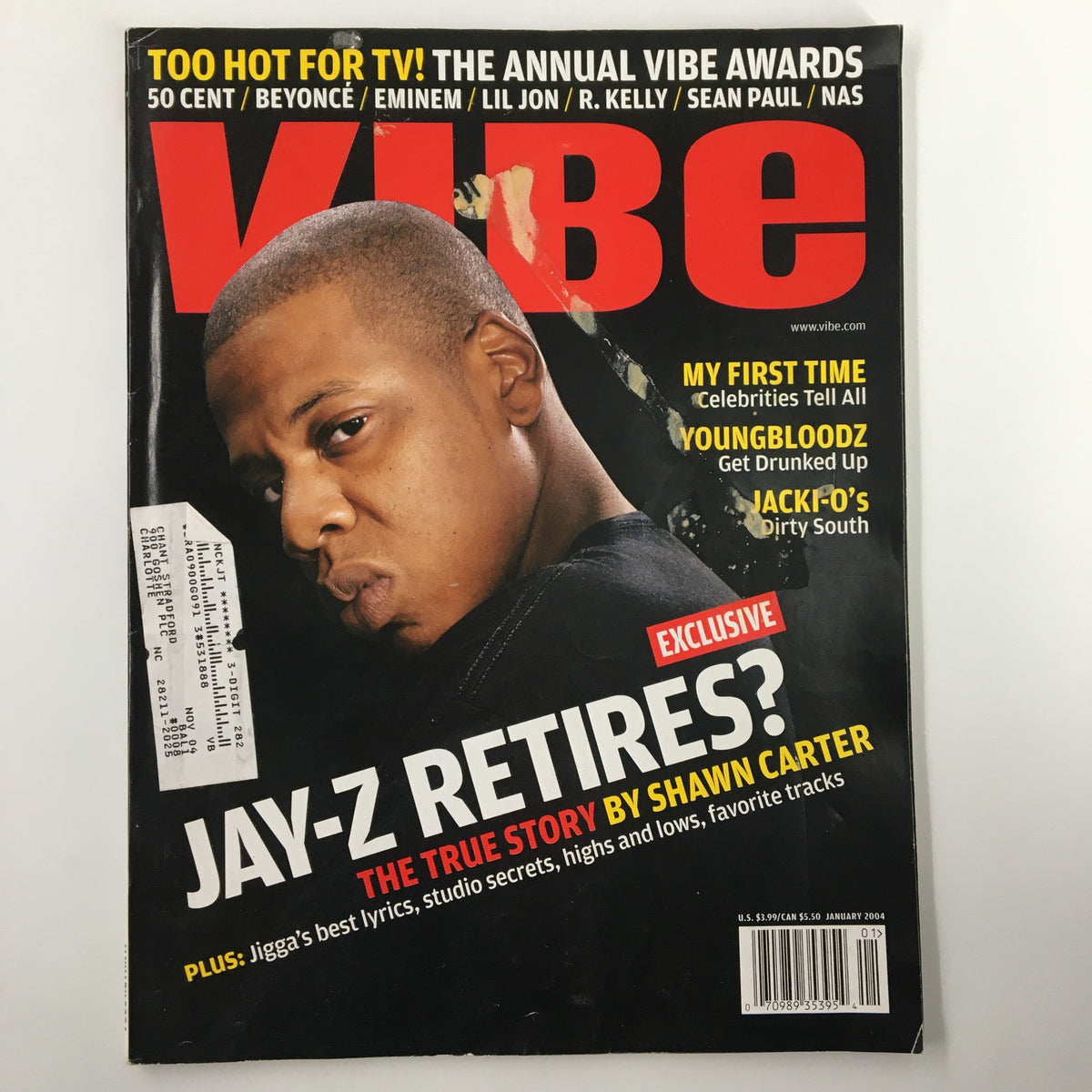
Vintage magazine coverage of this Brooklyn titan evolved dramatically across the decades, reflecting both his own transformation and the media's growing reckoning with hip-hop as a dominant cultural force. In the late 1990s, publications like The Source and Vibe delivered gritty, intimate portraits — editorial photography shot in urban landscapes, styled with the street authenticity that defined the era, accompanied by long-form interviews that read more like manifestos than profiles. As his empire expanded into fashion, sports ownership, and high finance, the glossy mainstream press took notice: GQ placed him among the most elegantly dressed men in America, its fashion photography reframing the hustler as statesman, while Forbes devoted serious analytical ink to chronicling the business architecture behind the mythology. Rolling Stone, meanwhile, traced the full arc — from underground mixtape legend to Grammy-decorated institution — with the sweeping, reverential tone typically reserved for rock royalty. Internationally, style and culture magazines across Europe began covering him as a symbol of a new American cultural export, one rooted not in Hollywood but in the concrete and creativity of New York's outer boroughs.
Curator's Checklist: Highlights Often Include
- Debut-era rap press features from the mid-to-late 1990s, when hip-hop magazines were documenting the formation of Roc-A-Fella Records and the fierce lyrical rivalries that defined an entire generation of East Coast rap
- Crossover mainstream profiles from the early 2000s marking the critical reception of The Blueprint — widely regarded as one of the greatest albums ever recorded — and the cultural moment it represented post-9/11
- Business and lifestyle coverage from financial and men's interest publications tracking his ventures into fashion (Rocawear), spirits (Armand de Brignac), and sports management, positioning him as a prototype for the modern mogul
- Joint features and couple profiles following his relationship and eventual marriage to Beyoncé, which elevated both figures into a kind of American royalty, commanding covers from fashion, celebrity, and entertainment weeklies simultaneously
- Retrospective and legacy issues from the 2010s onward, reassessing his full catalogue and cultural contribution — the kind of measured, historical framing that print does better than any other medium
The Collector's Value
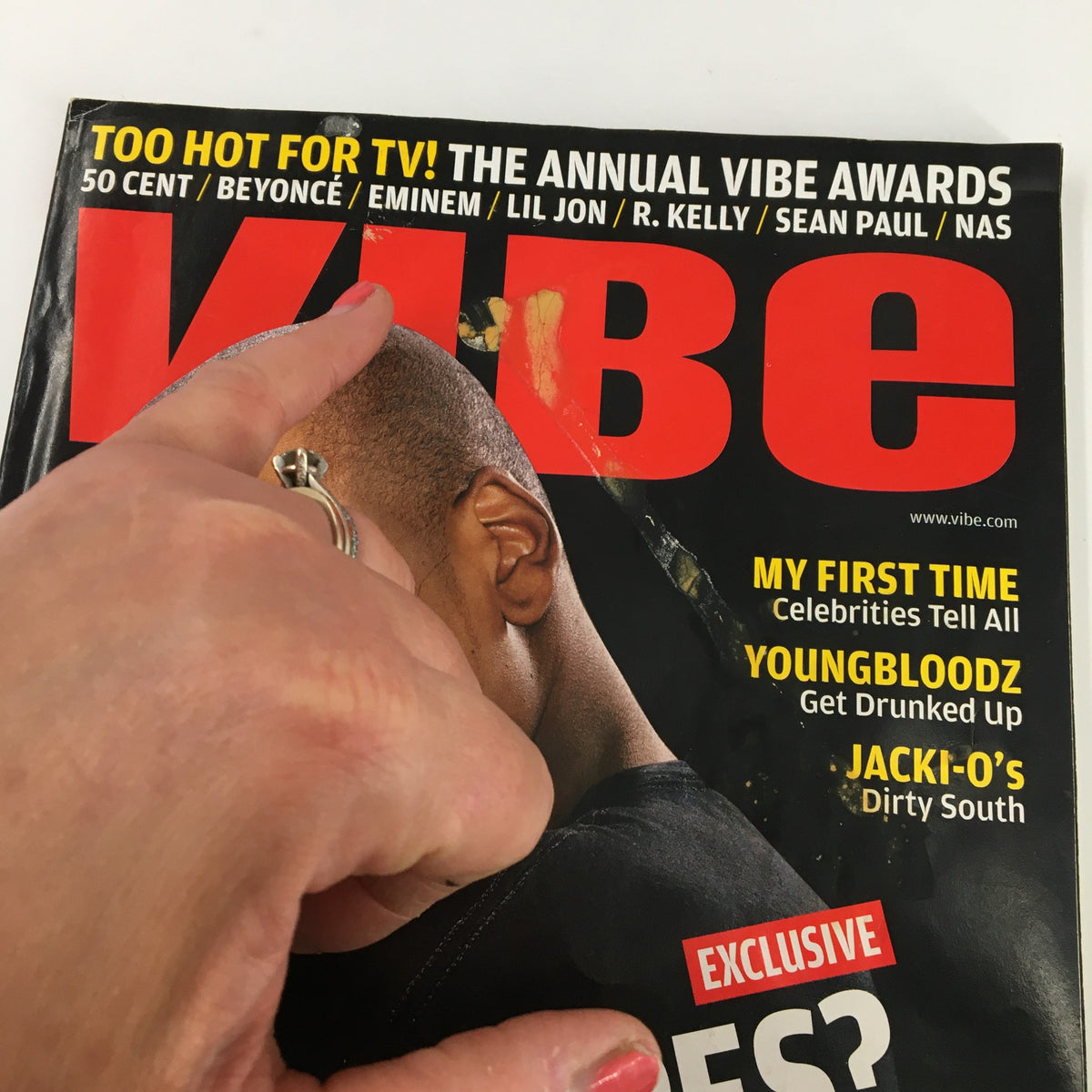
There is something irreplaceable about holding the actual magazine that hit newsstands the week the world first began to understand what this man was building. The paper stock of a late-1990s Vibe issue carries a particular weight — slightly worn at the spine, perhaps, the ink carrying that faint, distinctive scent of a decade now fully passed — and the advertisements surrounding the editorial speak their own historical truth: the sneakers, the pagers, the fashion that places you unmistakably in a specific cultural moment no algorithm can reconstruct. These are primary sources, not reprints, not digital scans, but the living artifacts that shaped public perception as events actually unfolded. For collectors of hip-hop history, African-American cultural archives, or iconic entrepreneurial biography, these publications offer an unfiltered window into an era before the narrative was curated, packaged, and streamed — when the page itself was the record. Explore the current available inventory below and find the piece of history that belongs in your collection.