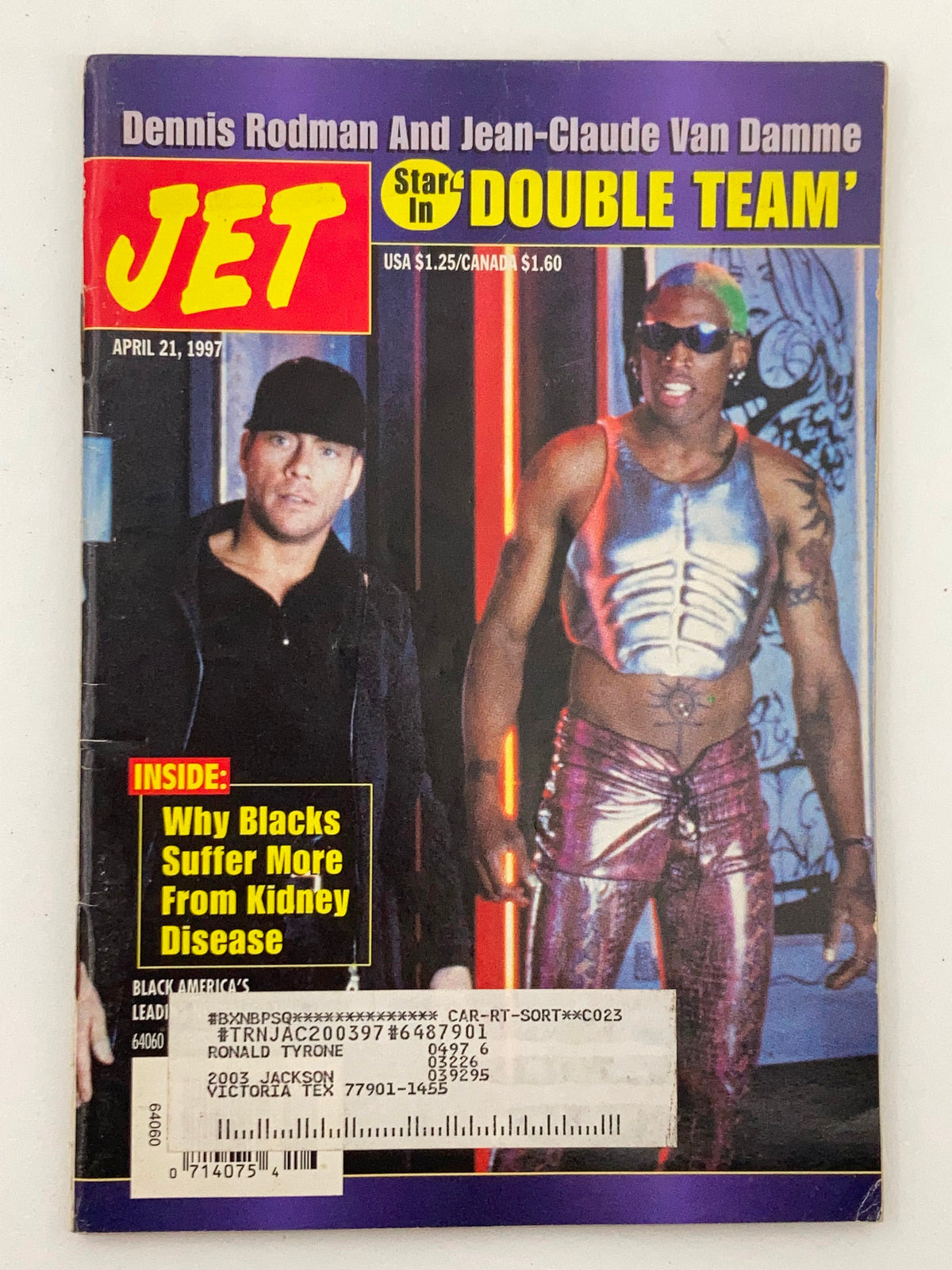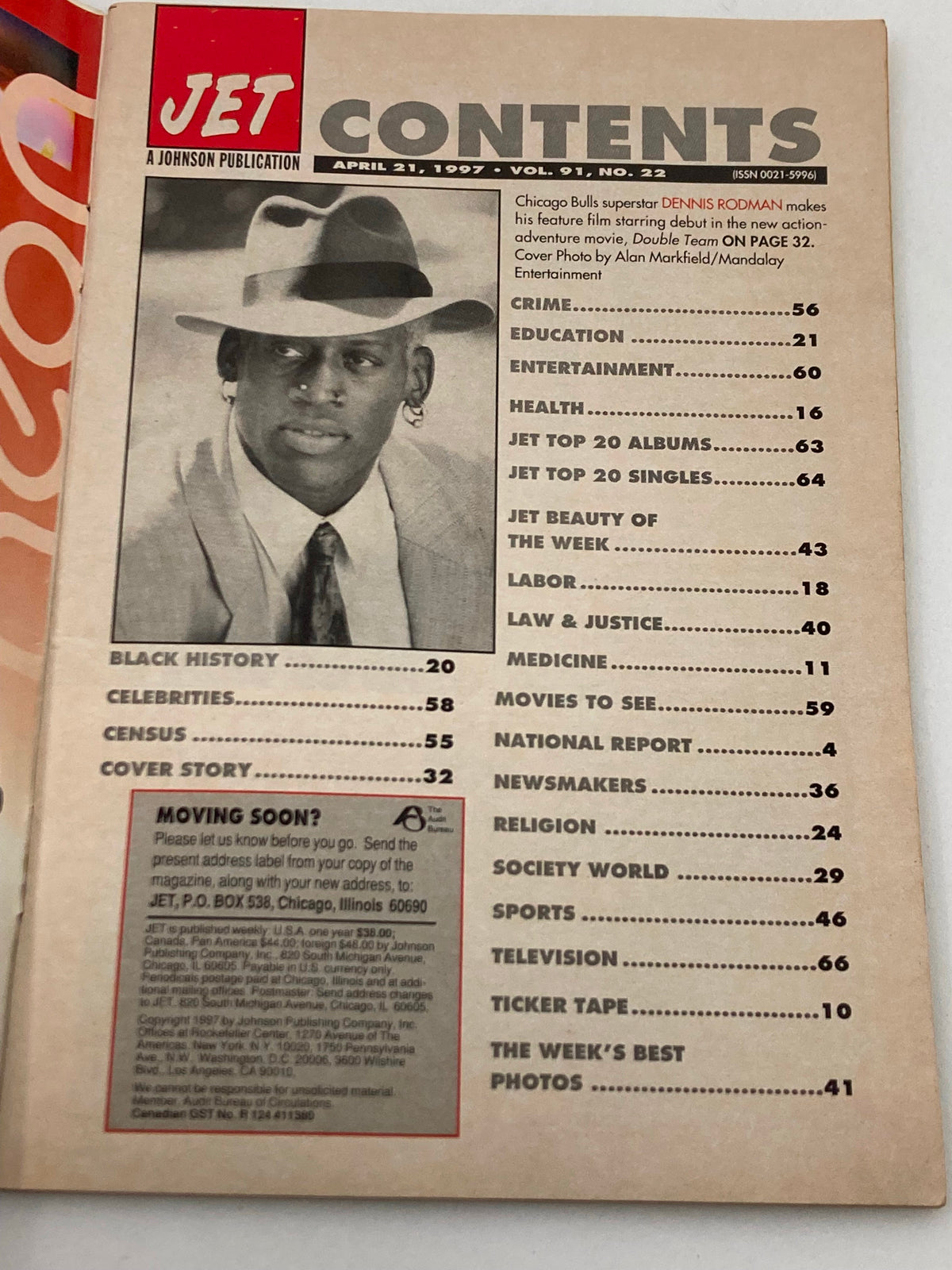
📖 About this Collection
Jean-Claude Van Damme: The Muscles from Brussels, Immortalized in Print
The Legend & The Legacy
Long before streaming algorithms and social media feeds dictated stardom, Jean-Claude Van Damme conquered the world one newsstand at a time. Emerging from the Brussels ballet studios and the smoky back rooms of European kickboxing circuits, he arrived in Hollywood with little more than physical genius and an iron will — and the global press could not look away. Through the late 1980s and into the high-octane 1990s, he became one of the most recognizable faces on the planet, a singular figure who fused balletic grace with explosive martial arts power in an era when the action genre ruled the box office. Audiences packed theaters for Bloodsport, Kickboxer, Universal Soldier, and Timecop, and the magazines that lined pharmacy racks and airport kiosks dutifully chronicled every split, every fight, and every comeback. His was a story consumed in glossy, tactile installments — cover by cover, interview by interview — by a generation that had no other way to follow a rising star.
Inside the Archive
The print media of the Van Damme era treated the Belgian martial artist as something between a mythological figure and a flesh-and-blood curiosity, and the photography reflected that duality magnificently. Studio shoots favored dramatic lighting that sculpted his physique into near-classical form, while on-set production photography captured the visceral, sweat-soaked intensity that made his films iconic. Ciné Télé Revue and other Belgian and French-language European publications claimed him early and proudly as a homegrown triumph, offering intimate, bilingual profiles unavailable anywhere else in the world. In the United States, the burgeoning action and martial arts press — led by titles such as Black Belt Magazine and Inside Kung-Fu — documented his technical credentials and his meteoric rise from regional fighter to global superstar with an authority and reverence that mainstream outlets could not replicate. Meanwhile, broader entertainment weeklies and men's lifestyle magazines on both sides of the Atlantic capitalized on the sheer visual magnetism of the man, running extended pictorials that today read as vivid dispatches from a golden age of physical cinema.
Curator's Checklist: Highlights Often Include
- Early European coverage from Belgian and French publications documenting his martial arts career and first film roles, representing the rarest and most sought-after artifacts from before his Hollywood breakthrough
- Golden-era action film press tied to landmark releases such as Bloodsport (1988) and Kickboxer (1989), often featuring behind-the-scenes photography and interviews that capture the raw energy of a star in ascent
- Peak-era mainstream profiles from the early-to-mid 1990s, when titles across North America, Europe, and Asia placed him alongside the biggest names in global entertainment
- Martial arts trade publications offering technically focused coverage of his training philosophies, fight choreography, and competitive background — prized by collectors at the intersection of cinema and combat sports history
- International editions and foreign-language issues, particularly from France, Belgium, Germany, and Japan, whose domestic entertainment press covered the Muscles from Brussels with a fervor and frequency unmatched by the American market alone
The Collector's Value
To hold one of these magazines is to hold a specific moment in time — the paper stock slightly yielding under your fingertips, the ink carrying that faintly sweet, faintly chemical perfume of a decade long past, the surrounding advertisements a vivid archaeological record of the world that once opened to his face on a cover. These are not reprints or digital facsimiles; they are primary sources, produced under deadline, shipped to newsstands, and handled by real hands in real living rooms across four continents. The editorials have not been revised, the photographs have not been color-corrected for a modern palette, and the cultural assumptions embedded in every page remain gloriously, revealingly intact. For collectors of 1980s and 1990s action cinema memorabilia, European martial arts history, or the broader physical culture movement of the late twentieth century, these publications offer an irreplaceable window into an era that no digital archive can fully resurrect. Explore the current available inventory below and find the issue that belongs in your collection.