📖 About this Collection
Jerry Garcia: The Eternal Riff Between Heaven and Earth
The Legend & The Legacy
In an era before algorithms decided what mattered, Jerry Garcia's story unfolded in ink and pulp — passed hand to hand at record stores, left dog-eared in commune living rooms, and filed carefully into milk crates alongside the albums that soundtracked a generation. As the spiritual anchor and lead guitarist of the Grateful Dead, Garcia was more than a musician; he was a living philosophy, a counterculture patriarch who somehow aged from Haight-Ashbury revolutionary to beloved American institution without ever surrendering his essential wildness. From the Summer of Love in 1967 through the psychedelic circus of the 1970s and into the stadium-filling phenomenon of the 1980s and early 1990s, his journey was chronicled obsessively by a press that couldn't quite categorize him — too gentle for the outlaw rock narrative, too strange for the mainstream, and far too important to ignore. When he passed in August 1995, the outpouring of grief from millions of Deadheads confirmed what print journalists had been circling for three decades: this was not merely a rock star, but a cultural colossus.
Inside the Archive
Vintage coverage of the Grateful Dead's captain tends to arrive in two distinct registers — the reverent and the investigative — and both make for extraordinary collecting. In the late 1960s and early 1970s, publications like Rolling Stone (whose very founding was spiritually entwined with the San Francisco scene Garcia helped birth) offered sprawling, intimate profiles rich with candid photography: Garcia backstage in flannel, fingers wrapped around a Guild guitar, laughing at something just off-frame. Creem, the Detroit-born counterpart with sharper edges, captured the earthier, more chaotic side of the Dead's marathon touring life. By the 1980s, as the band's following swelled into a genuine subculture with its own economy and mythology, mainstream titles like Life and People turned their lenses on the phenomenon, producing glossy, wide-format spreads that treated the Deadhead world with the same anthropological curiosity once reserved for foreign civilizations. International music press — particularly from the UK, where the Dead's improvisational ethos was revered by serious music critics — added yet another layer, offering perspectives untinted by American nostalgia.
Curator's Checklist: Highlights Often Include
- Summer of Love & Haight-Ashbury features — Early coverage from 1967–1969 placing Garcia and the Dead at the epicenter of San Francisco's psychedelic revolution, often alongside contemporaries like Jefferson Airplane and Janis Joplin
- In-depth guitarist profiles — Technical and artistic deep-dives into his singular playing style, his love of bluegrass and old-time American music, and the formation of his celebrated side project, the Jerry Garcia Band
- Deadhead culture exposés — Feature stories from the 1980s and early 1990s documenting the unprecedented phenomenon of touring fans, parking lot communities, and the tape-trading underground economy that preceded the internet
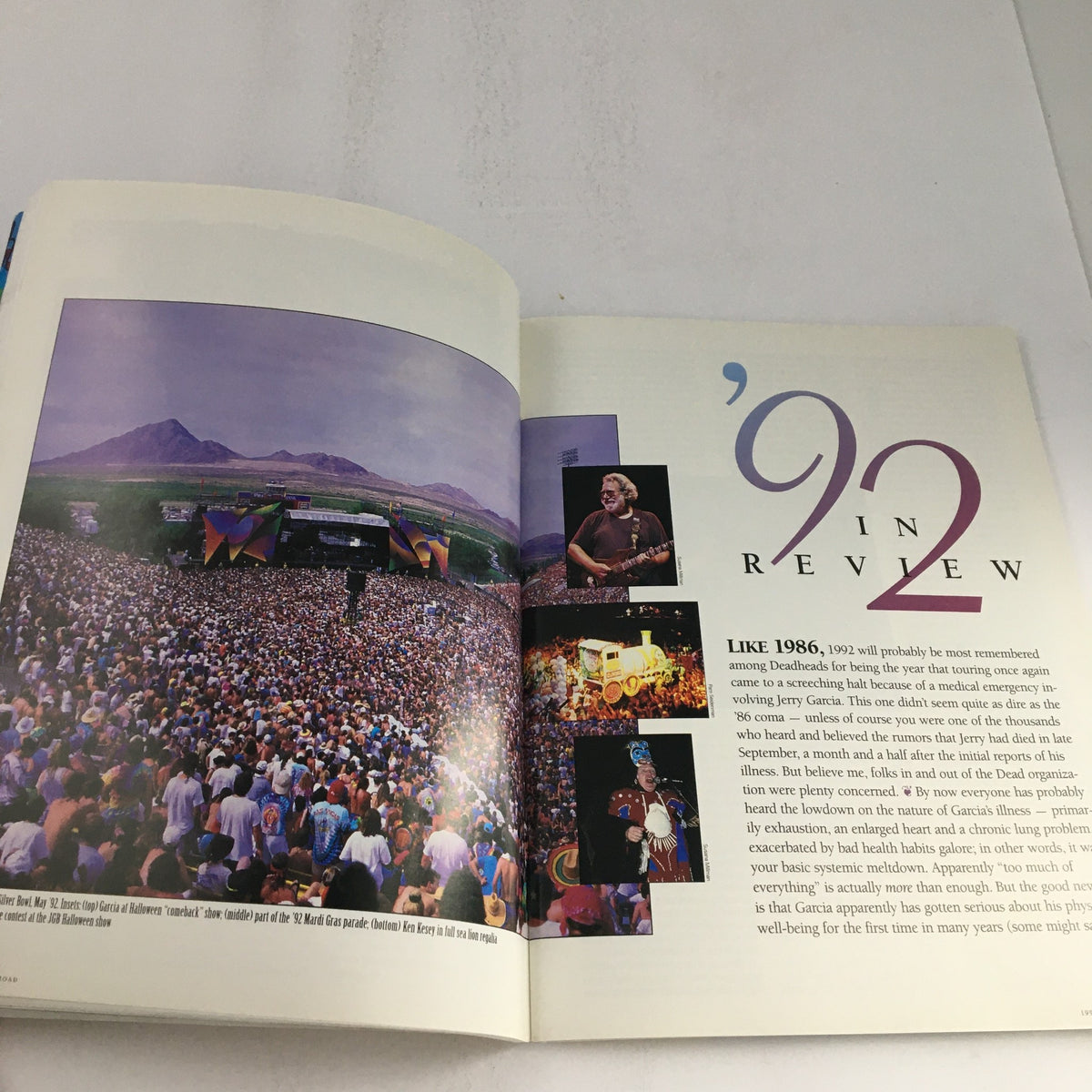
- Health and comeback narratives — Coverage surrounding his 1986 diabetic coma and remarkable return to the stage, widely reported as one of rock's most emotional recoveries, and the ongoing candid press around his personal struggles
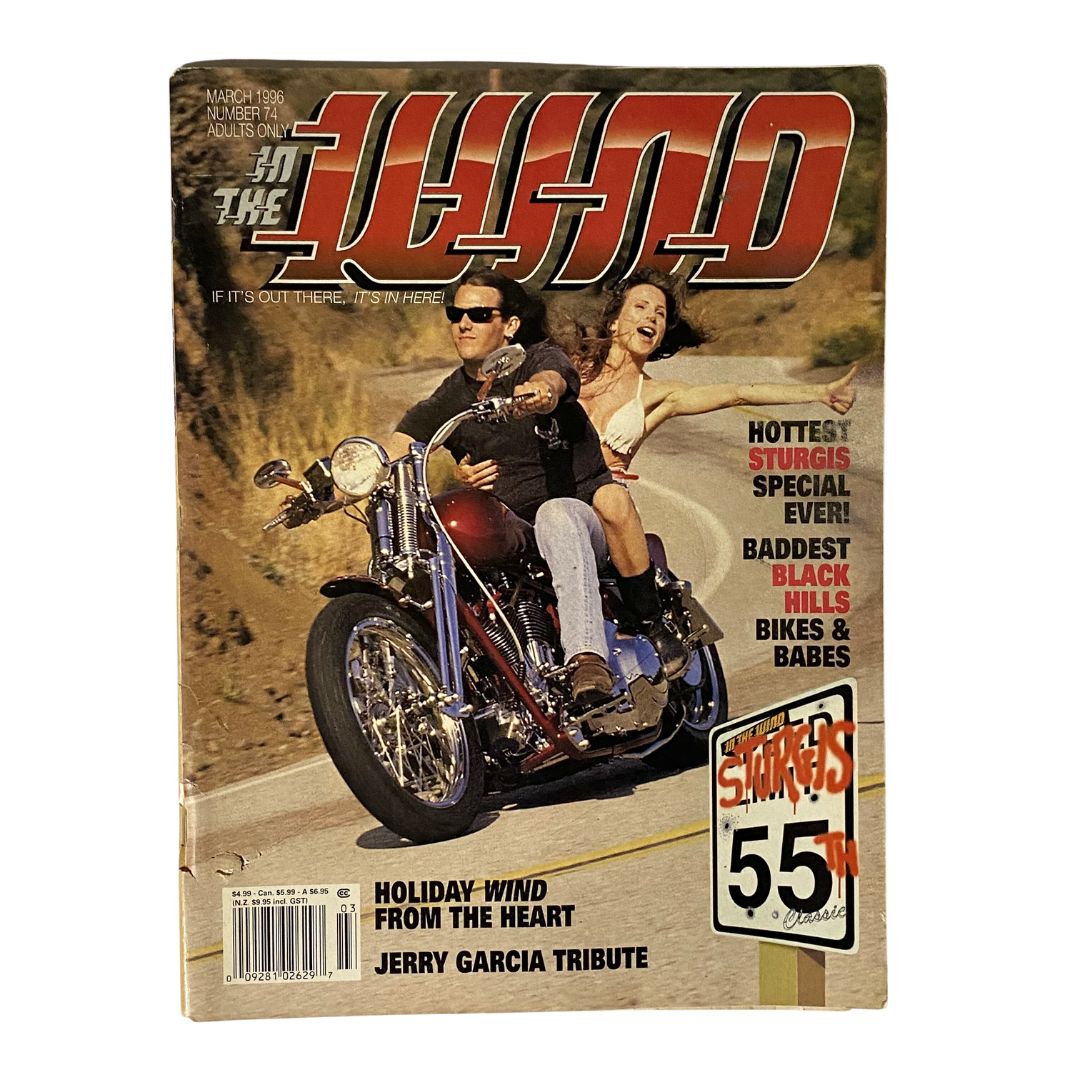
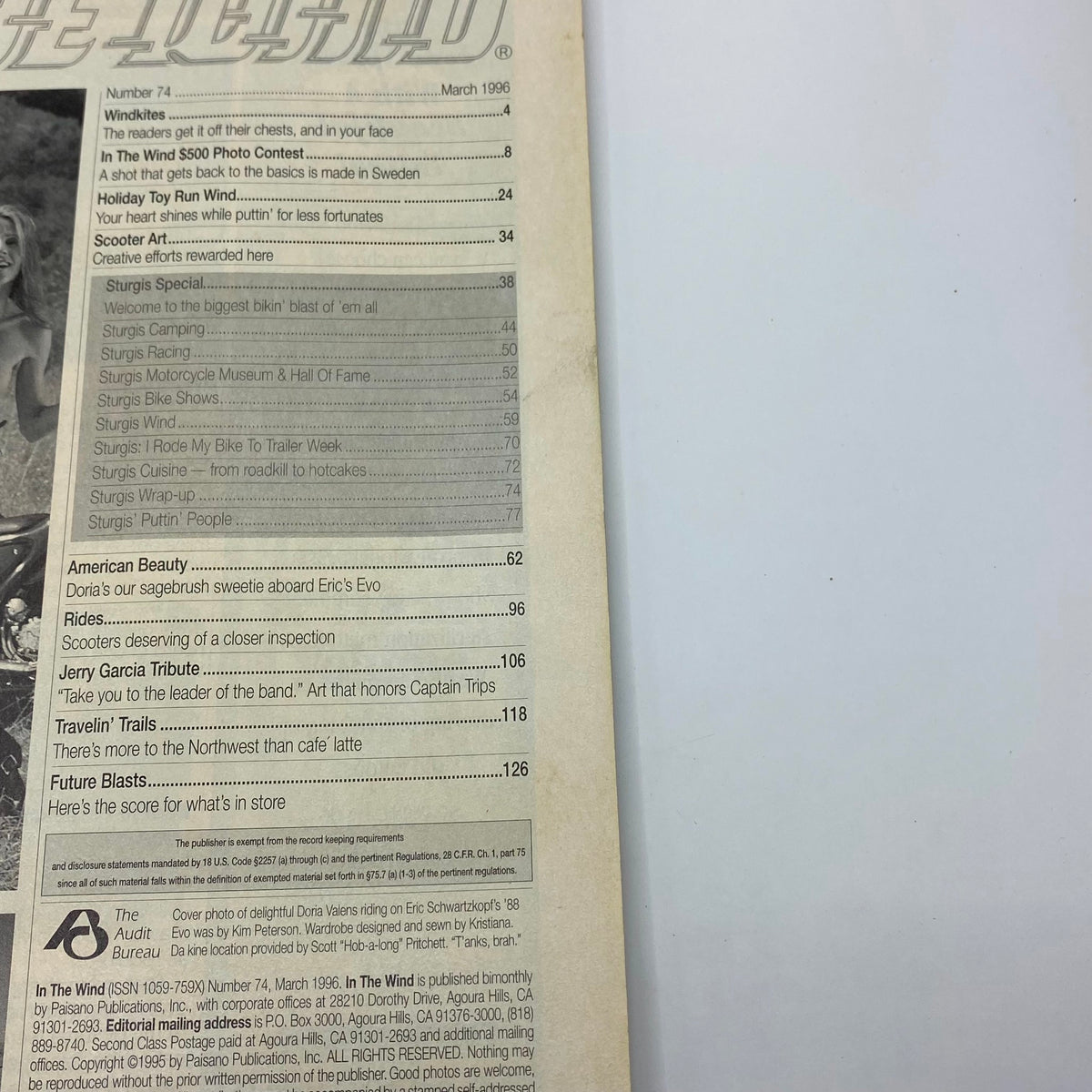
- Memorial and tribute issues — Publications from late 1995 and into 1996 offering elegies, retrospectives, and photographic tributes following his passing on August 9th, representing some of the most emotionally resonant single issues in rock history
The Collector's Value
There is something irreplaceable about holding a forty-year-old issue of Rolling Stone with Garcia on the cover — the slight yellowing at the corners, the faintly sweet, woody smell of aging newsprint, the surrounding advertisements for turntables and cigarettes and eight-track players that place you, irrefutably, inside a specific moment in American time. These are not reproductions or digital scans; they are primary sources, witnesses to history that happened to be printed on paper. The editorial photographs alone — many shot by legendary rock photographers like Annie Leibovitz or Baron Wolman, reproduced here at original print scale and quality — have a warmth and grain that no screen can replicate. For collectors of rock and roll memorabilia, counterculture and 1960s Americana, or the broader history of live music and the American touring tradition, these publications offer a tangible, irreplaceable connection to a world that existed before it could be endlessly documented and instantly forgotten. Explore the current available inventory below, and discover which pieces of that world are waiting to come home with you.