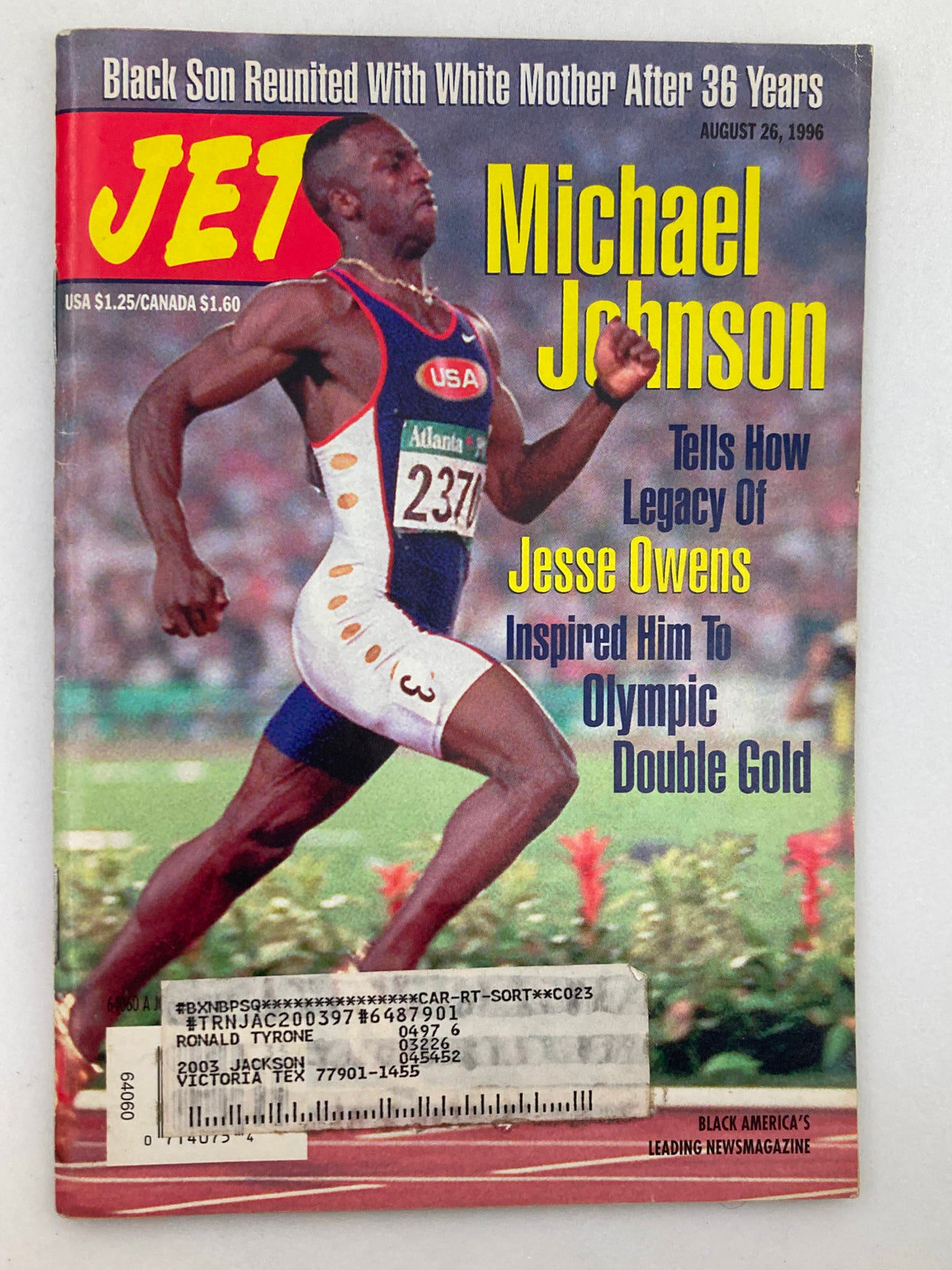
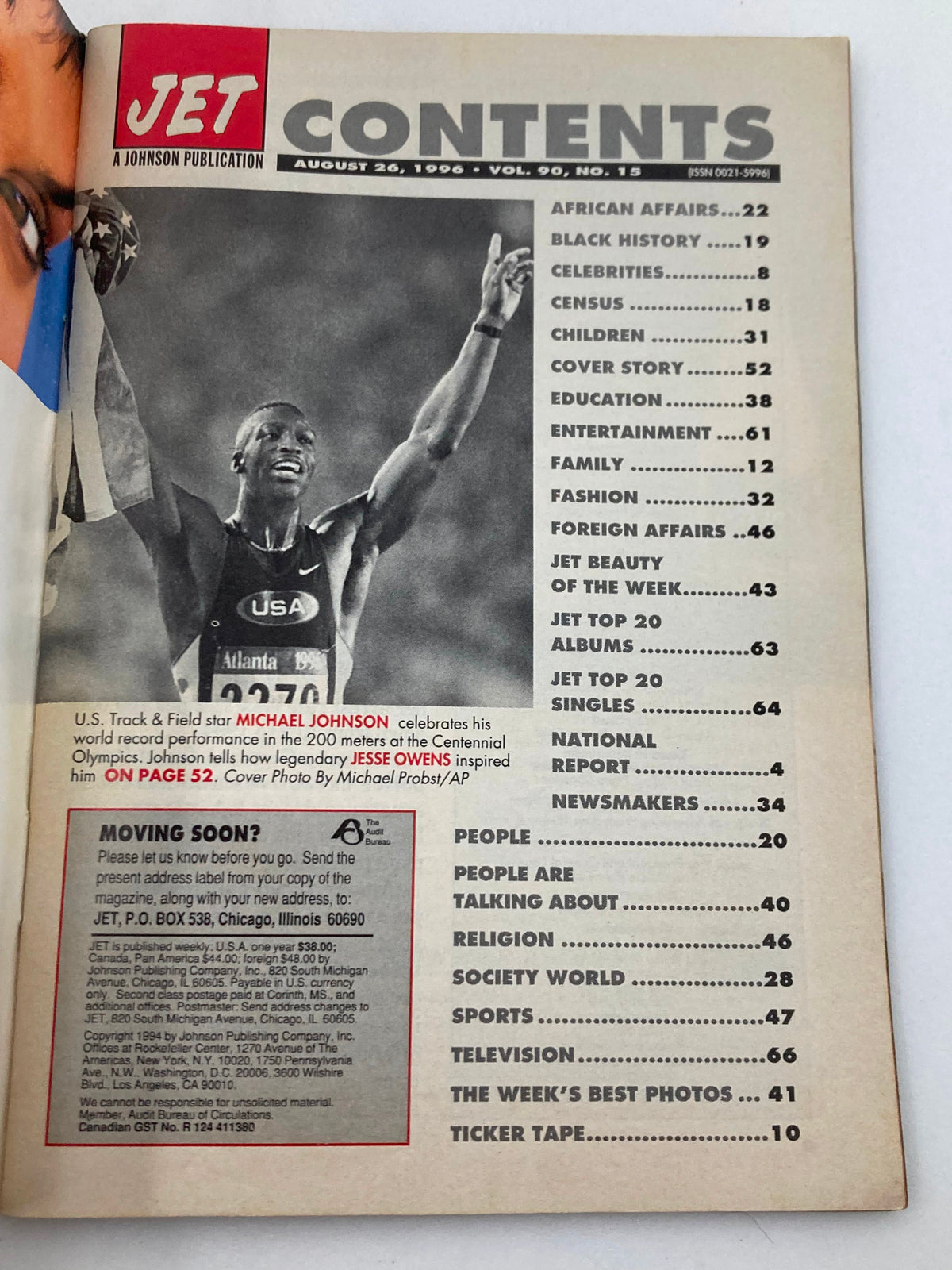
📖 About this Collection
Jesse Owens: Four Golds and the Truth That Ran Faster Than Hate
The Legend & The Legacy
In the summer of 1936, on a track engineered to broadcast a dictator's fantasy of racial supremacy, the son of an Alabama sharecropper ran so fast and leapt so far that the lie came apart in real time. Jesse Owens won four gold medals at the Berlin Olympics—the 100 meters, the 200 meters, the long jump, and the 4x100 relay—each victory a quiet, devastating rebuttal delivered in front of the very regime that had staged the Games as propaganda. But to remember Owens for Berlin alone is to miss the fuller measure of the man. Born in 1913 to a family descended from the enslaved, carried north to Cleveland in the Great Migration, he turned raw speed into something like grace under the weight of a country that cheered him abroad and segregated him at home. The world watched him conquer a stadium; the harder, longer race was the one he ran afterward, back in an America that had not yet decided whether his triumph belonged to all of it.
Inside the Archive
The vintage press followed Owens across half a century, and the coverage shifted with the conscience of the country. Sports weeklies of the 1930s framed him first as a phenomenon—the "Buckeye Bullet" from Ohio State—then as an international headline the moment he crouched into the blocks in Berlin. Photo spreads captured the explosive start, the long-jump takeoff, the medal stand. In later decades, retrospectives reconsidered him through the lens of the civil rights movement, and lifestyle and culture magazines returned to his story again and again as a touchstone of dignity and endurance. By his passing in 1980, tribute features cast him not merely as an athlete but as an American original whose four afternoons in Germany had outlasted the empire that tried to use them.
Curator's Checklist: Highlights Often Include
- Berlin 1936: Coverage of the four gold medals and the surreal spectacle of an African American athlete dominating the Nazis' showcase Games, often paired with iconic starting-line and long-jump photography.
- The Greatest 45 Minutes: Accounts of the 1935 Big Ten meet in Ann Arbor, where Owens set three world records and tied a fourth in under an hour—one of the most staggering single afternoons in the history of sport.
- Homecoming & Hard Truths: Features on the segregated America he returned to, where a four-time Olympic champion still rode freight elevators and searched for steady work.
- Later Chapters: Profiles of the exhibition races, the goodwill tours, and the long second act as a public speaker and ambassador.
- Legacy & Honors: Retrospectives tied to the Presidential Medal of Freedom in 1976 and the tributes that followed his death, assessing his place in both athletic and civil rights history.
The Collector's Value
An original magazine featuring Jesse Owens is more than a collectible—it is a primary document of the moment when speed itself became testimony. These issues preserve, in the ink of their own era, the story of a man who answered a regime's propaganda not with a speech but with a footrace, and who then spent the rest of his life running the longer distance toward the recognition his own country was slow to grant. For collectors of Olympic history, African American history, or the American 20th century, these pages hold a chapter where sport and conscience crossed the same finish line. Explore our current inventory below to see which piece of Jesse Owens's story is available today.