📖 About this Collection
Jet Li: The Dragon Immortalized in Print
The Legend & The Legacy
Before streaming platforms and algorithmic feeds could flatten a legend into content, Jet Li's ascent from Beijing's wushu training halls to the heights of global cinema unfolded page by page, frame by frame, in the physical press. He burst onto the world stage as a five-time national wushu champion in China before the age of nineteen, and his transition to film — beginning with Shaolin Temple in 1982 and culminating in his Hollywood crossover through Lethal Weapon 4, Romeo Must Die, and Hero — gave the international press a figure of rare mythological proportions. At a time when East-West cultural exchange was still navigated through carefully chosen intermediaries, this particular martial artist represented something genuinely new: a Chinese action icon whose grace, precision, and quiet intensity transcended language and geography. Readers in Hong Kong, Tokyo, Paris, and New York were encountering the same image of sovereign physical mastery — yet each print culture framed him differently, making his magazine archive one of the most geographically diverse in all of martial arts and cinema collecting.
Inside the Archive
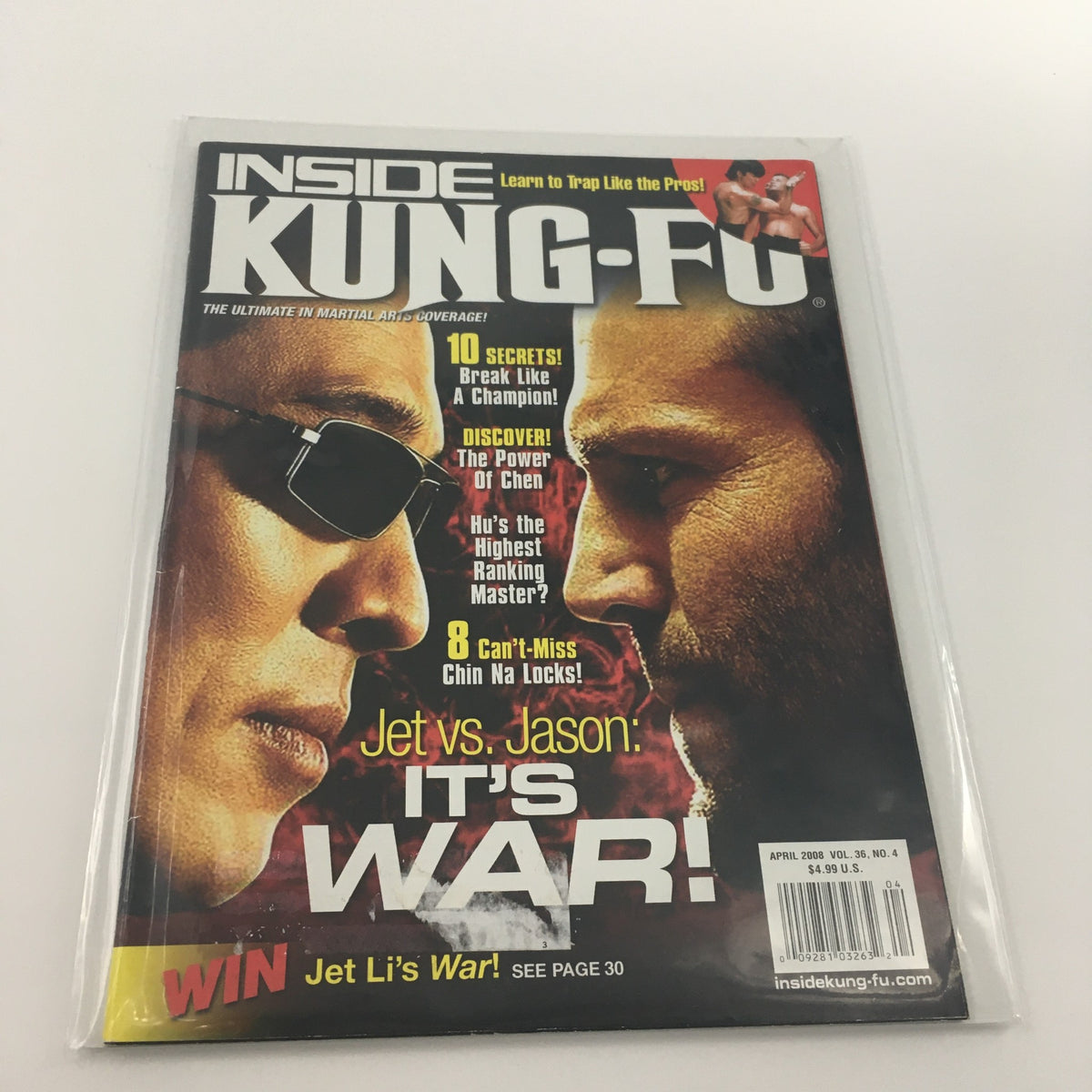
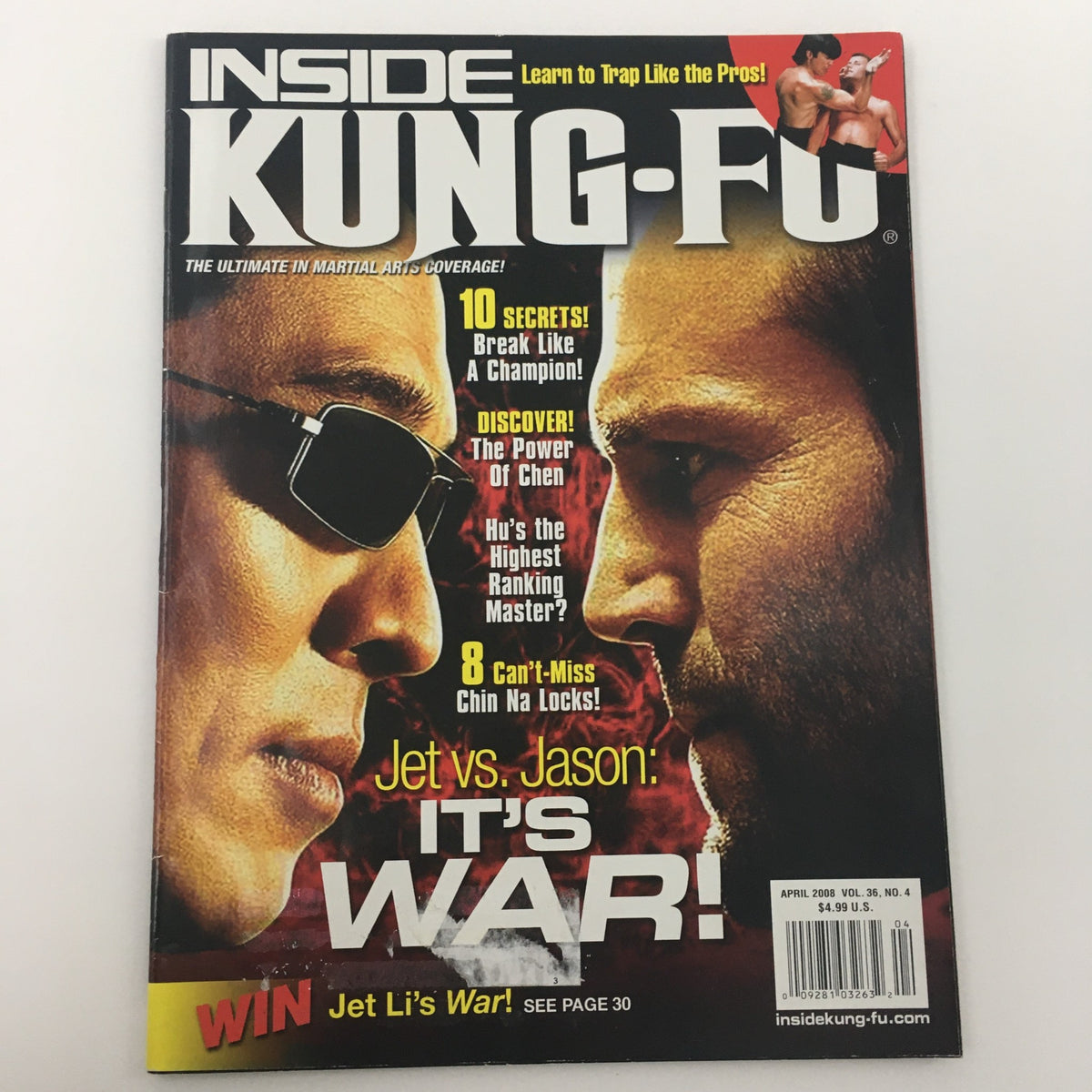
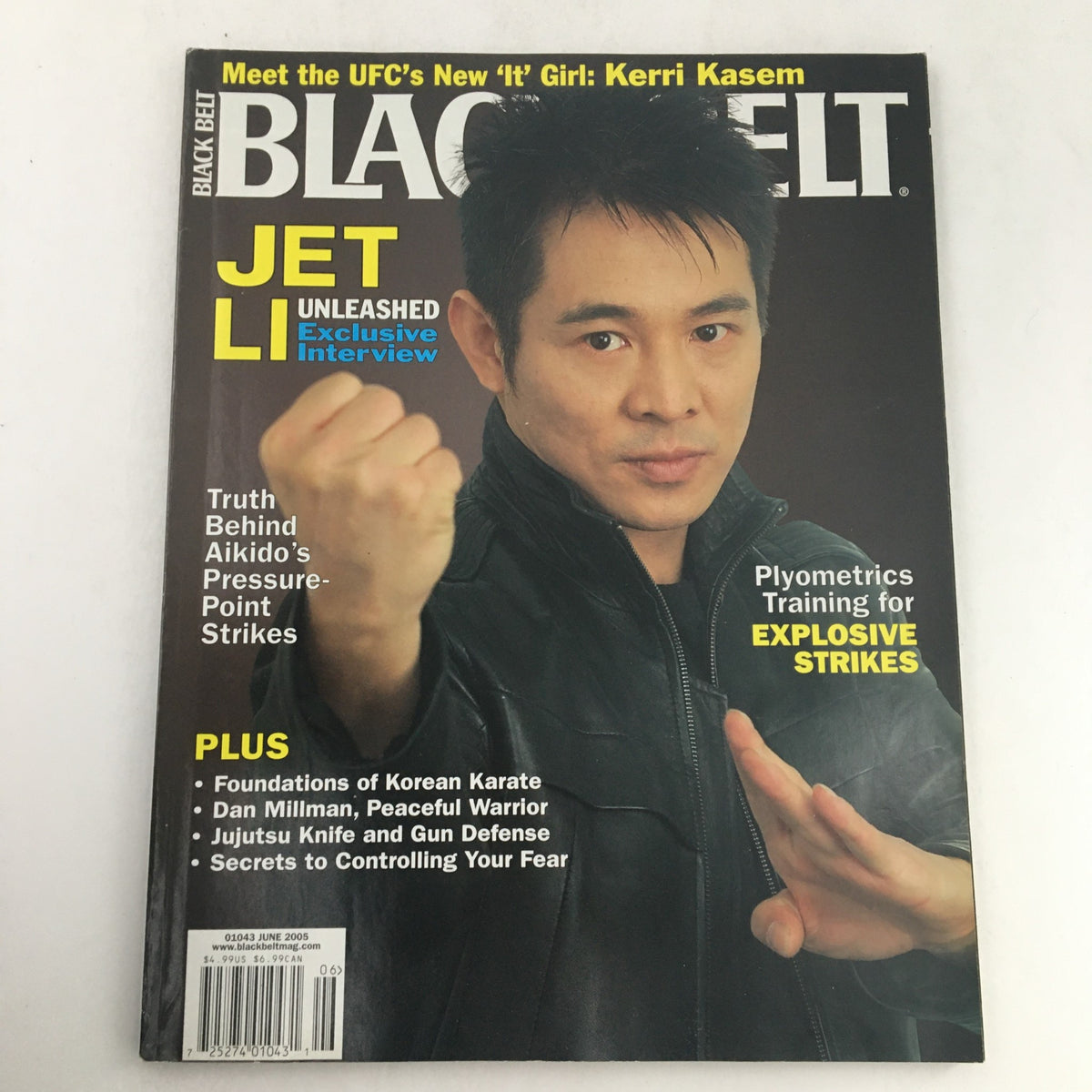
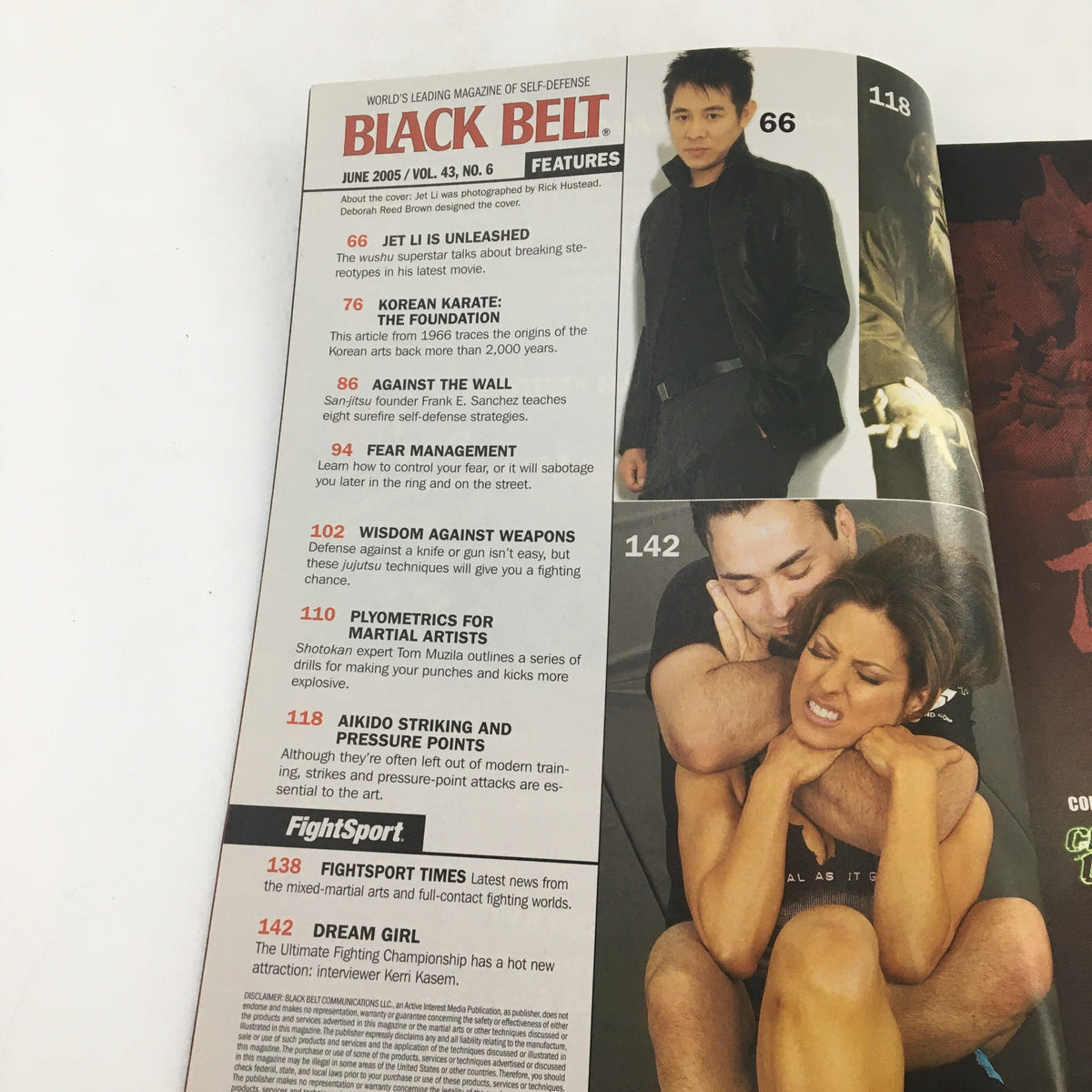
The photography surrounding this era of martial arts cinema was itself an art form — long-exposure action shots that blurred limbs into brushstrokes, studio portraits that communicated stillness and coiled power in the same breath. Hong Kong's influential TVB Weekly and City Entertainment magazine were among the earliest and most devoted chroniclers of his rise, featuring cover shoots and extended profiles that documented his ascent through the Shaw Brothers and Golden Harvest orbit with an intimacy that Western press rarely achieved. As his profile broadened internationally, titles such as Entertainment Weekly and Empire devoted glossy spreads to his Hollywood arrival, grappling earnestly with the question of whether Western cinema could contain what he represented. Across Asia, publications like Roadshow in Australia and various Japanese film monthlies ran collector-grade photography that treated his physicality with the reverence one might afford a classical dancer — because, in every meaningful sense, that is precisely what he was.
Curator's Checklist: Highlights Often Include
- Martial arts and wushu championship coverage from early 1970s Chinese state publications and sports periodicals, documenting his pre-cinema years as a decorated national athlete — among the rarest material in any collection
- Hong Kong Golden Age cinema profiles from the 1980s and early 1990s, coinciding with landmark films such as Once Upon a Time in China, where regional press treated him as an outright cultural phenomenon
- Hollywood crossover features from the late 1990s, including behind-the-scenes coverage of his appearances alongside Mel Gibson and Jet Li's negotiations between two entirely different cinematic vocabularies
- Action cinema special editions from genre-focused magazines covering the broader wuxia and kung fu film renaissance, in which he frequently appeared alongside contemporaries such as Jackie Chan and Donnie Yen
- International fashion and lifestyle profiles from the early 2000s onward, particularly surrounding Hero and Quentin Tarantino's championing of Zhang Yimou's work, which repositioned the actor as a figure of aesthetic and philosophical weight beyond pure spectacle
The Collector's Value
There is something irreplaceable about holding a magazine from 1993 — feeling the particular weight of its coated stock, catching the faint mineral breath of decades-old ink, turning past advertisements for VHS rental services and Hong Kong electronics brands that no longer exist — and finding, at its center, a double-page spread of a man suspended mid-flight, perfectly still in his motion. These are primary documents: not curated retrospectives or digital thumbnails, but the actual artifacts through which audiences first encountered a legend in the making. The editorial choices, the graphic design of the era, the cultural anxieties and enthusiasms visible in the surrounding copy — all of it forms a time capsule that no reprint or digital archive can honestly replicate. For collectors of martial arts history, Asian cinema memorabilia, or golden-era action film ephemera, these publications offer not merely decoration but genuine historical testimony — a direct line to the moment the world was still learning a name it would never forget. Explore the current available inventory below and discover which pieces of that story are waiting to be reclaimed.