📖 About this Collection
Jim Carrey: The Rubber-Faced Genius Who Rewrote the Rules of Comedy
The Legend & The Legacy
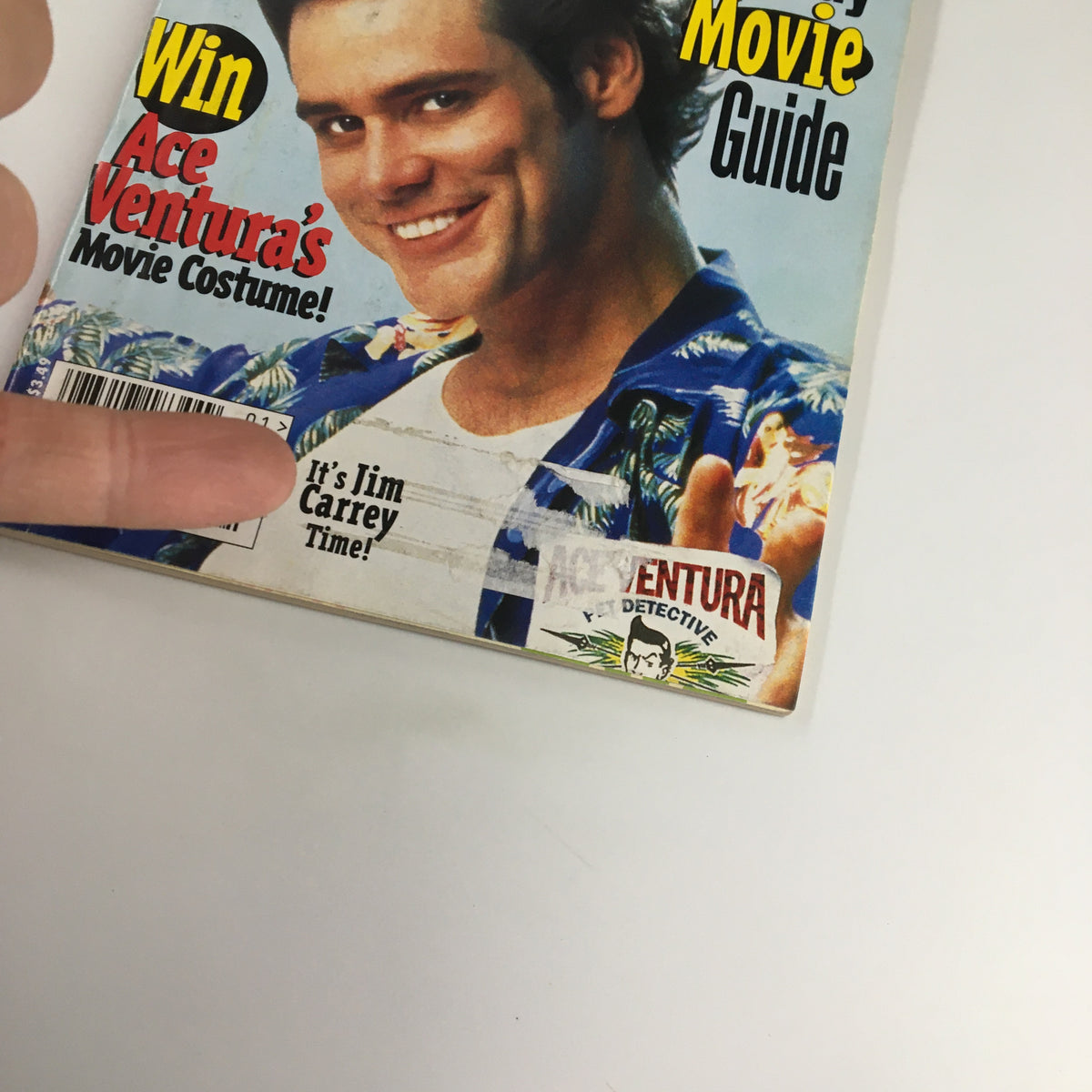
Few figures in modern entertainment arrived with such volcanic, undeniable force as Jim Carrey. Rising from a childhood of genuine hardship in Ontario, Canada — a family that lived out of a van, a teenager who worked factory floors — he transformed personal adversity into an almost supernatural comedic energy that the world had never quite seen before. By the early 1990s, his ascent was meteoric and impossible to ignore: a single season of In Living Color made him a household name, and then came the extraordinary trifecta of 1994 — Ace Ventura, The Mask, and Dumb and Dumber — three blockbusters in a single calendar year that cemented him as the biggest comedic star on the planet. In an era before social media and streaming algorithms, his stardom was built entirely through the grand machinery of Hollywood publicity, late-night television appearances, and the glossy, expansive pages of the printed press. Magazines were the mirror in which America watched Jim Carrey become a legend.
Inside the Archive
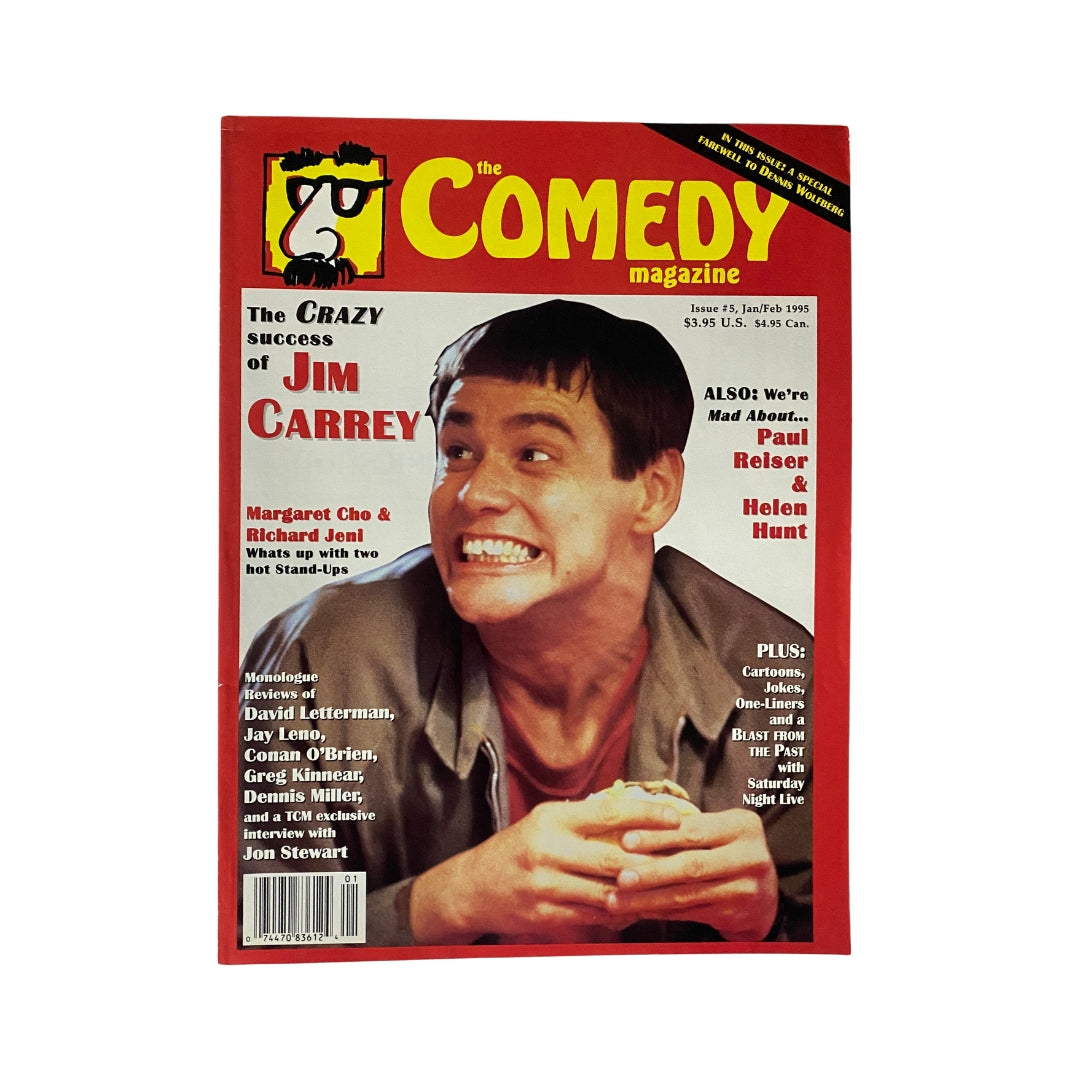
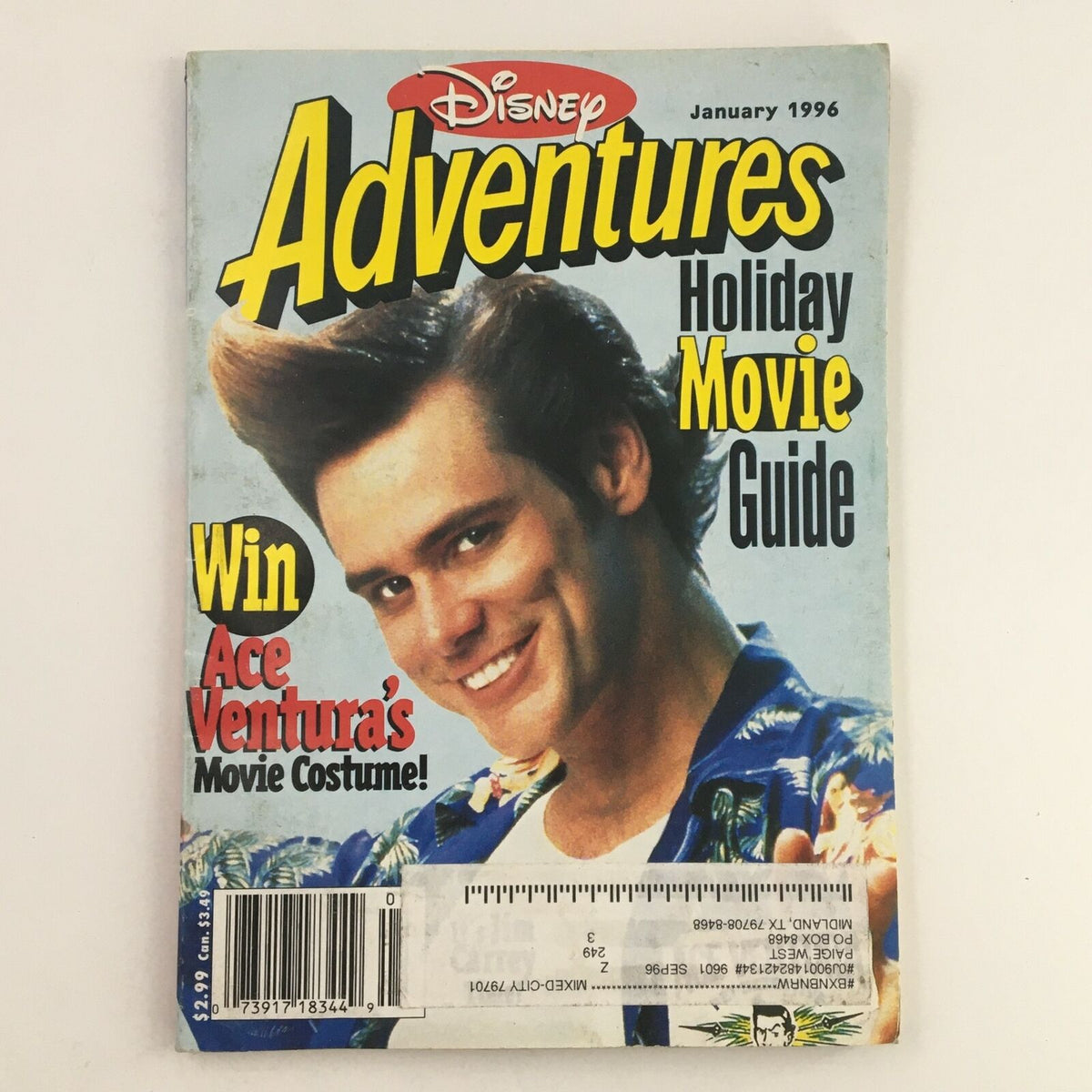
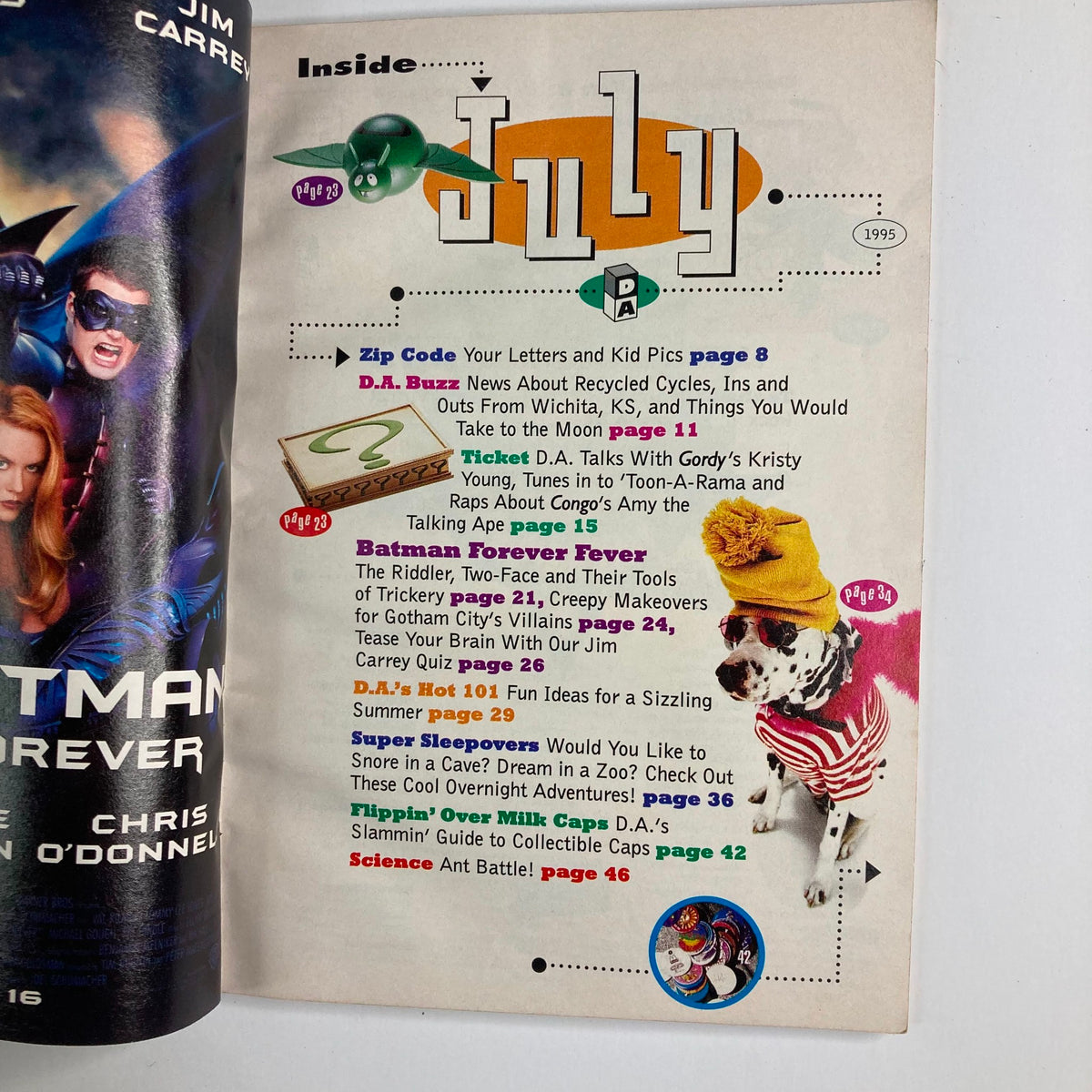
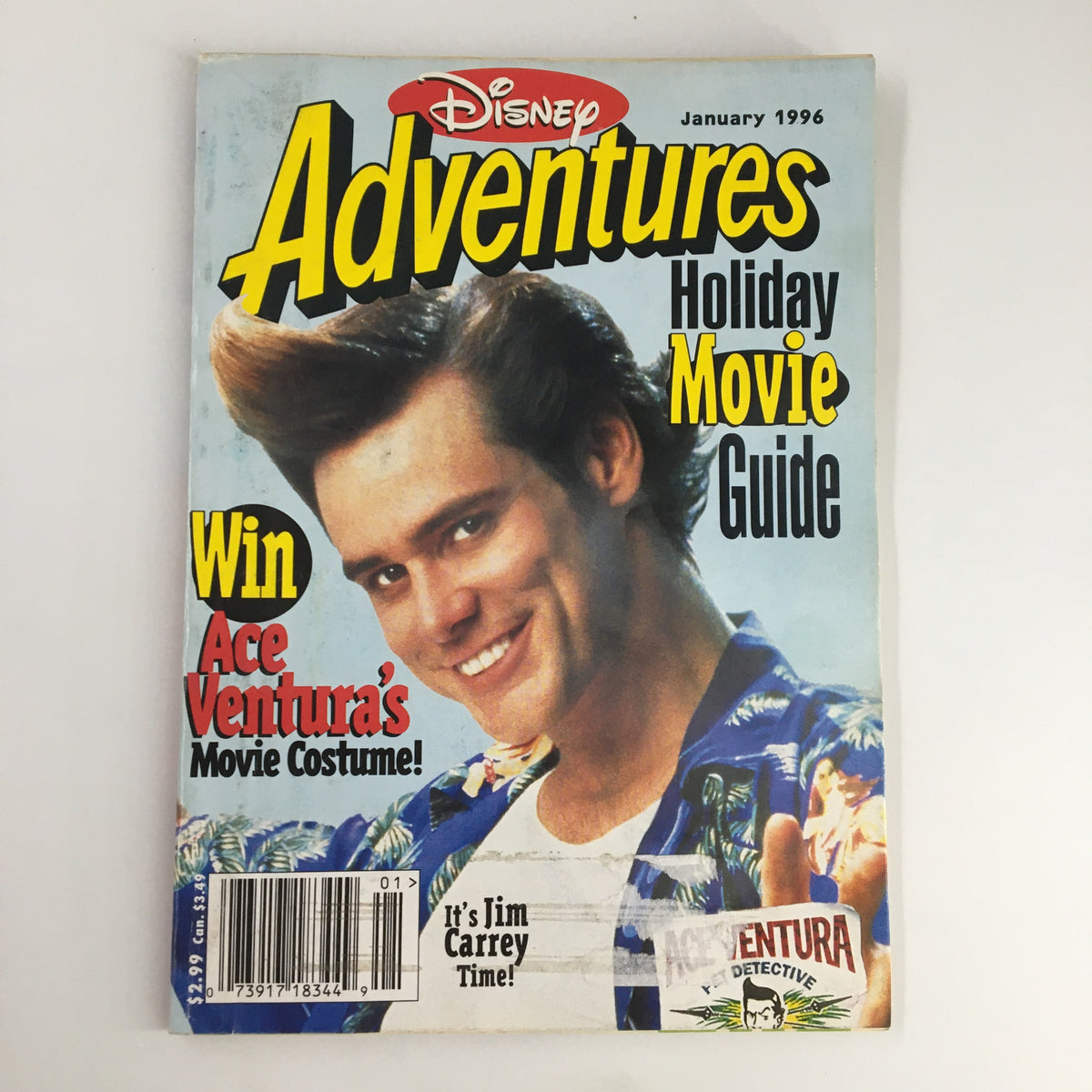
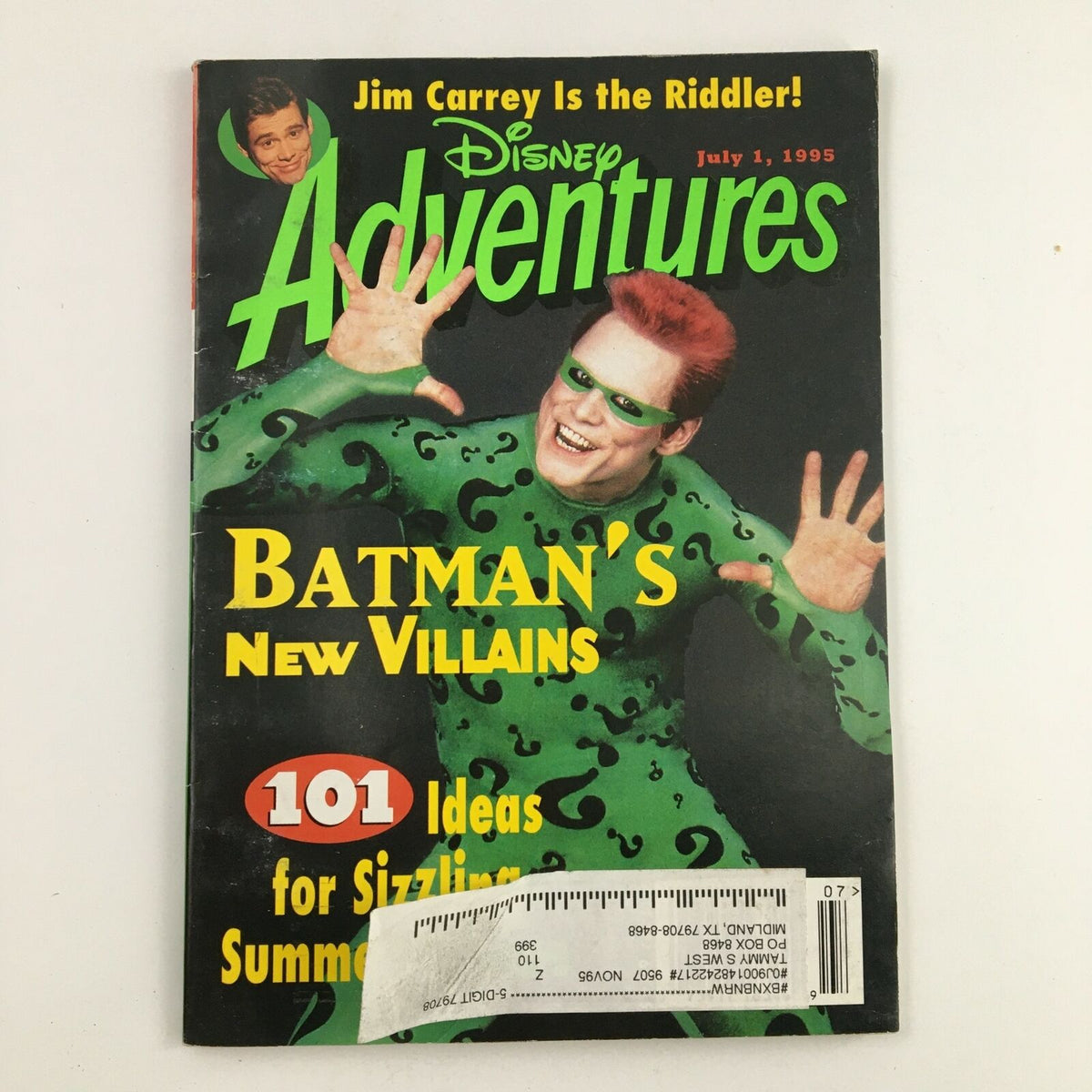
Vintage magazine editors faced a delightful challenge with the rubber-faced comedian: how do you capture pure kinetic energy on a static page? The answer, almost universally, was to lean into the spectacle. Photo shoots from his peak years are extraordinary documents — wild facial contortions alongside surprisingly vulnerable, almost philosophical portraits, reflecting an entertainer who was always more complex than the slapstick suggested. Entertainment Weekly chronicled his explosive rise with breathless cover features and box-office analysis that read today as dispatches from a genuine cultural earthquake. Rolling Stone brought its signature depth, profiling the man behind the masks and probing the ambition and melancholy that fueled his genius. People captured the tabloid fascination with his romances, his rumored $20 million paychecks, and his polarizing public persona, feeding a readership ravenous for every detail. International publications — from British film monthlies to German and Australian entertainment weeklies — also devoted considerable ink to the phenomenon, underscoring how thoroughly his brand of physical comedy transcended language itself.
Curator's Checklist: Highlights Often Include
- The Breakthrough Era (1994–1995): Coverage surrounding the unprecedented back-to-back-to-back theatrical releases that redefined Hollywood comedy, often featuring landmark interviews where he discussed his ambitions and his famously written $10 million check to himself
- The Dramatic Pivot: Features documenting the critical and cultural conversation around his transformative performances in The Truman Show (1998) and Eternal Sunshine of the Spotless Mind (2004), marking his push to be taken seriously as a dramatic actor
- Behind the Makeup: Long-form profile pieces exploring the hours-long prosthetic transformation required for The Mask and later How the Grinch Stole Christmas, with behind-the-scenes photography of an extraordinary physical and psychological commitment
- The Tabloid Years: Entertainment weeklies and celebrity monthlies covering his high-profile relationships, his outspoken public philosophy, and the outsized, often controversial personality that made him as fascinating off-screen as on
- International & Foreign-Language Editions: European and Australian entertainment publications offering a fascinating outsider perspective on the quintessentially North American phenomenon of his superstardom
The Collector's Value
To hold one of these issues in your hands is to hold a timestamp — a frozen moment from before the internet flattened celebrity culture into an endless, ephemeral scroll. The paper stock of a mid-1990s glossy has a particular weight and warmth to it; the ink carries a richness that no screen can replicate, and the surrounding advertisements — for VHS players, fast food tie-ins, and forgotten fragrances — conjure the era with an immediacy that is purely, powerfully physical. These are primary source documents, not reproductions. They capture the genuine public conversation of their moment: the hyperbole, the wonder, the skepticism, and the sheer delight of watching one of the most physically gifted performers of his generation rewrite what comedy could be. For collectors of 1990s Hollywood memorabilia, physical comedy and entertainment history, or celebrity print culture and vintage media, these publications offer an irreplaceable window into a cultural phenomenon as it actually unfolded — unfiltered, undigitized, and alive on the page. Explore the current available inventory below and discover which pieces of this remarkable story are waiting to find a home in your collection.