📖 About this Collection
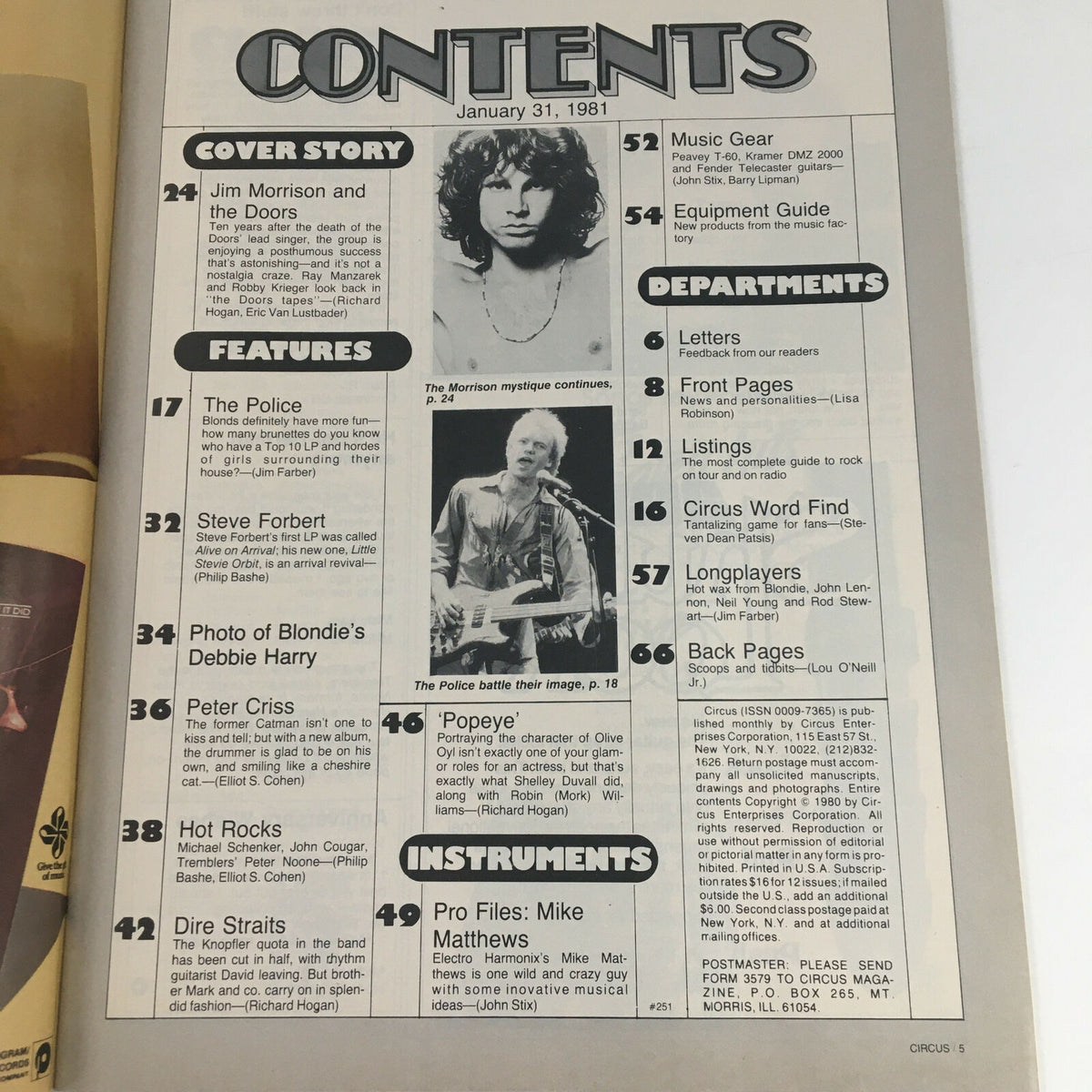
Jim Morrison: The Lizard King Between the Lines
The Legend & The Legacy
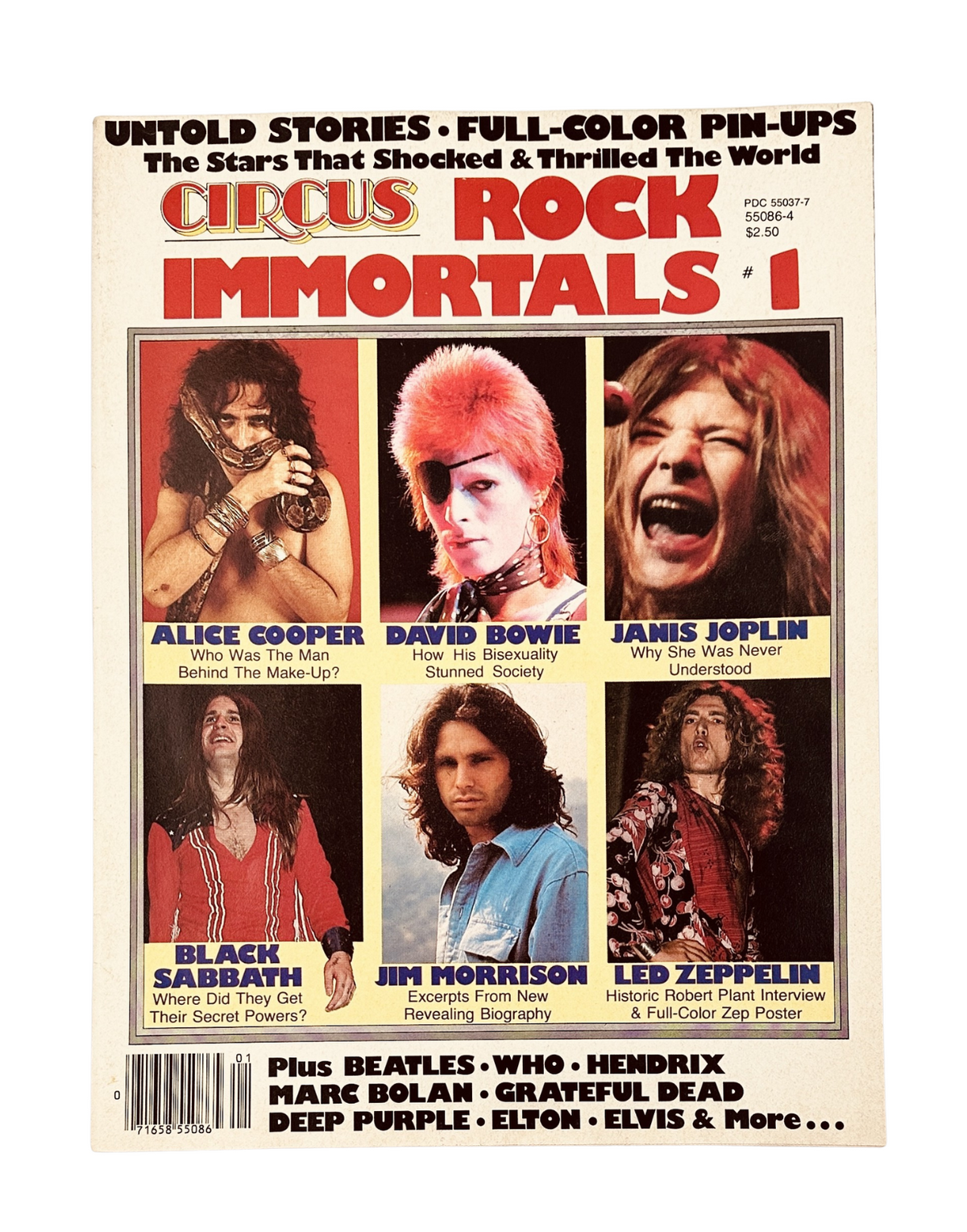
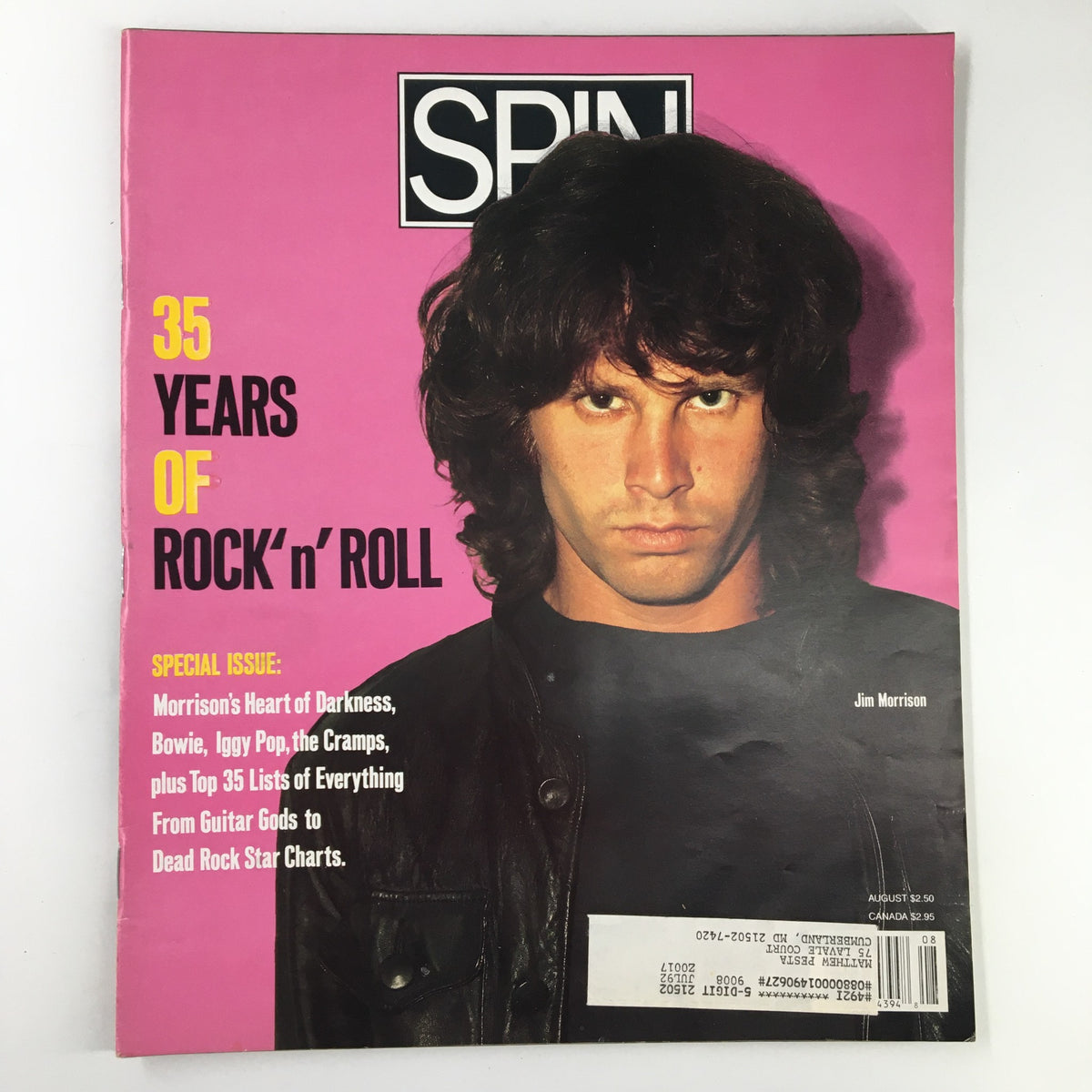
Few figures in the short, blazing history of rock and roll burned with the ferocity — or the fragility — of James Douglas Morrison. As the voice and visionary behind The Doors, he arrived in the late 1960s not merely as a musician but as a self-appointed poet-prophet, draped in leather, quoting Rimbaud and Nietzsche from a stage that he treated as both pulpit and pyre. His was an era before streaming, before algorithmically curated playlists, before the internet could canonize or condemn in real time. The public encountered him through the crackling static of AM radio, yes — but they understood him through the printed page. It was the music press, the counterculture broadsheets, and the mainstream magazines reluctantly compelled to reckon with him that shaped how an entire generation processed the Dionysian spectacle of his rise and the haunting mystery of his death at twenty-seven in Paris in the summer of 1971. In those physical pages, the myth was constructed, contested, and ultimately consecrated.
Inside the Archive
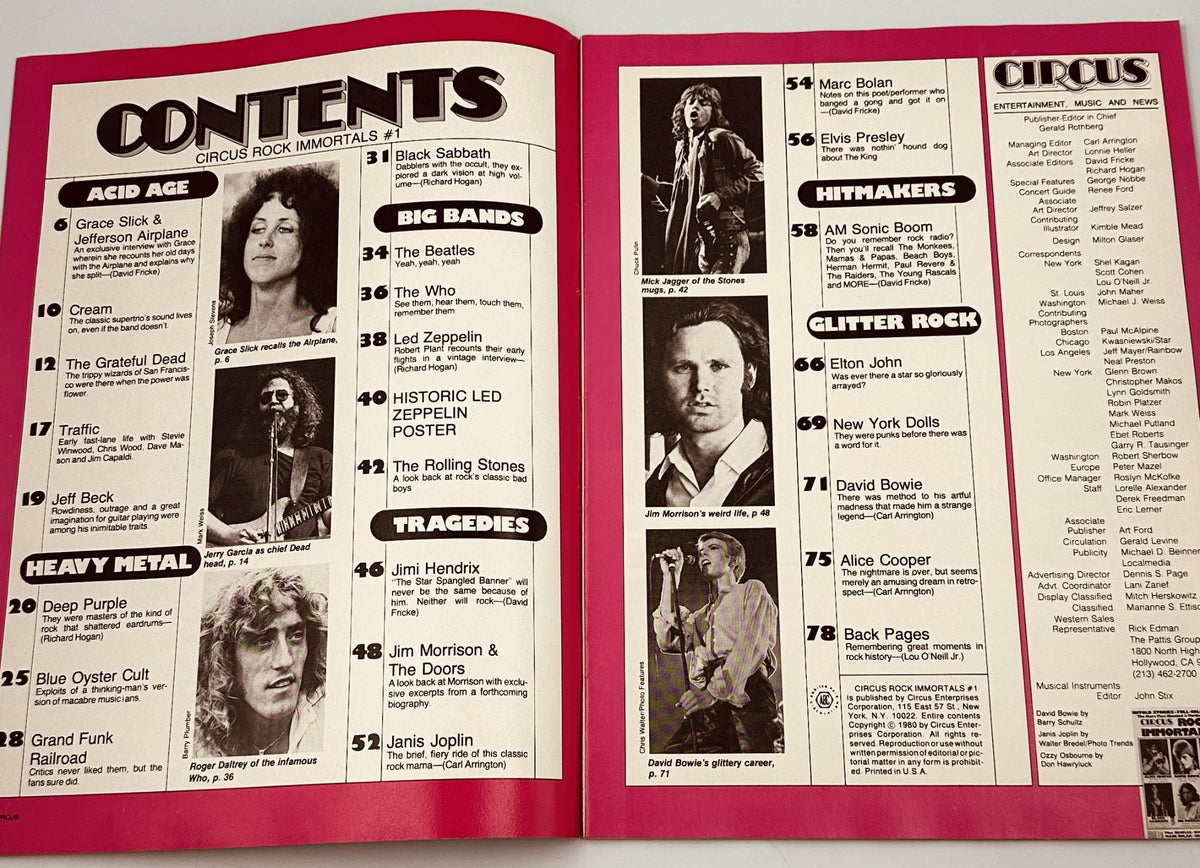
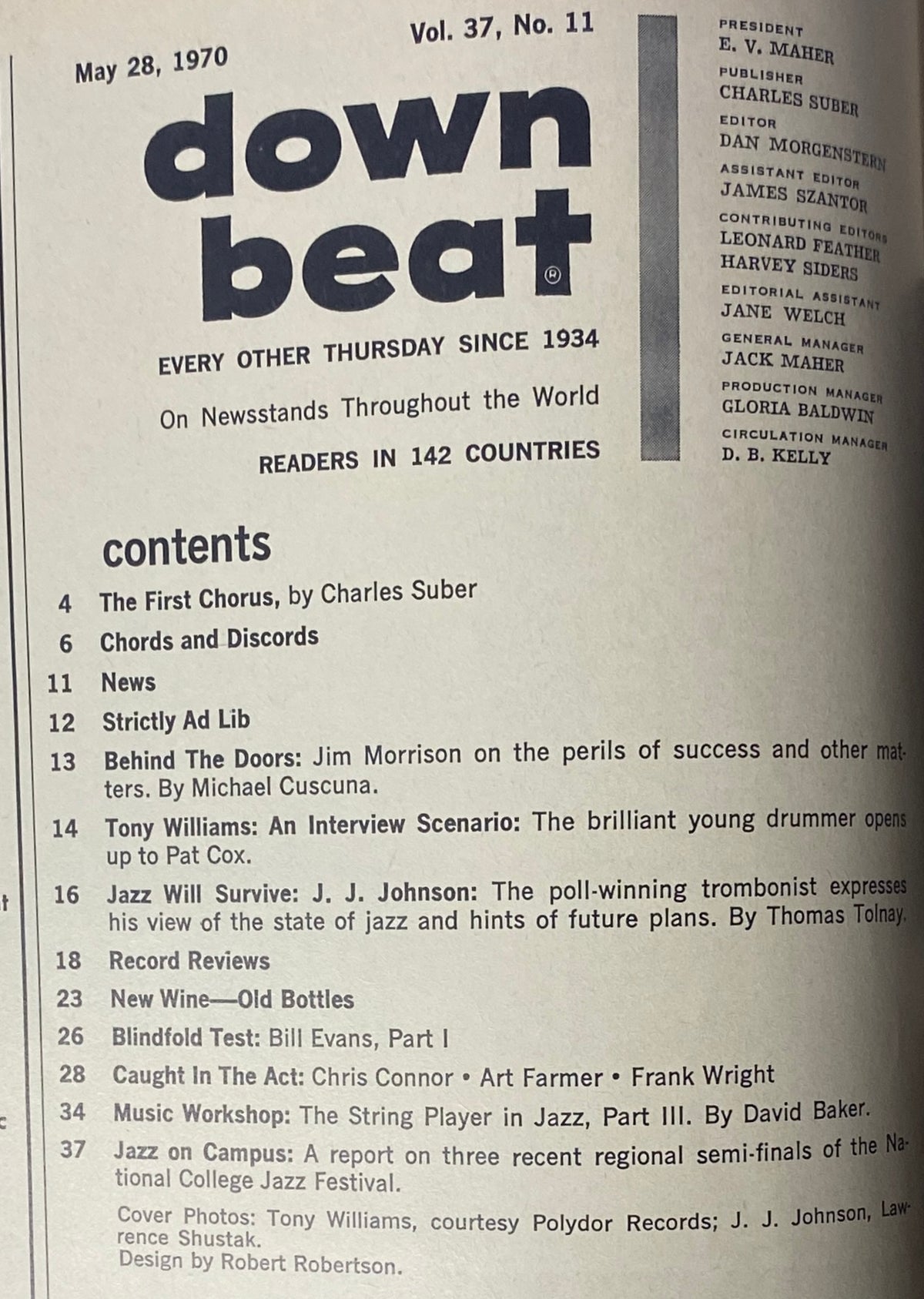
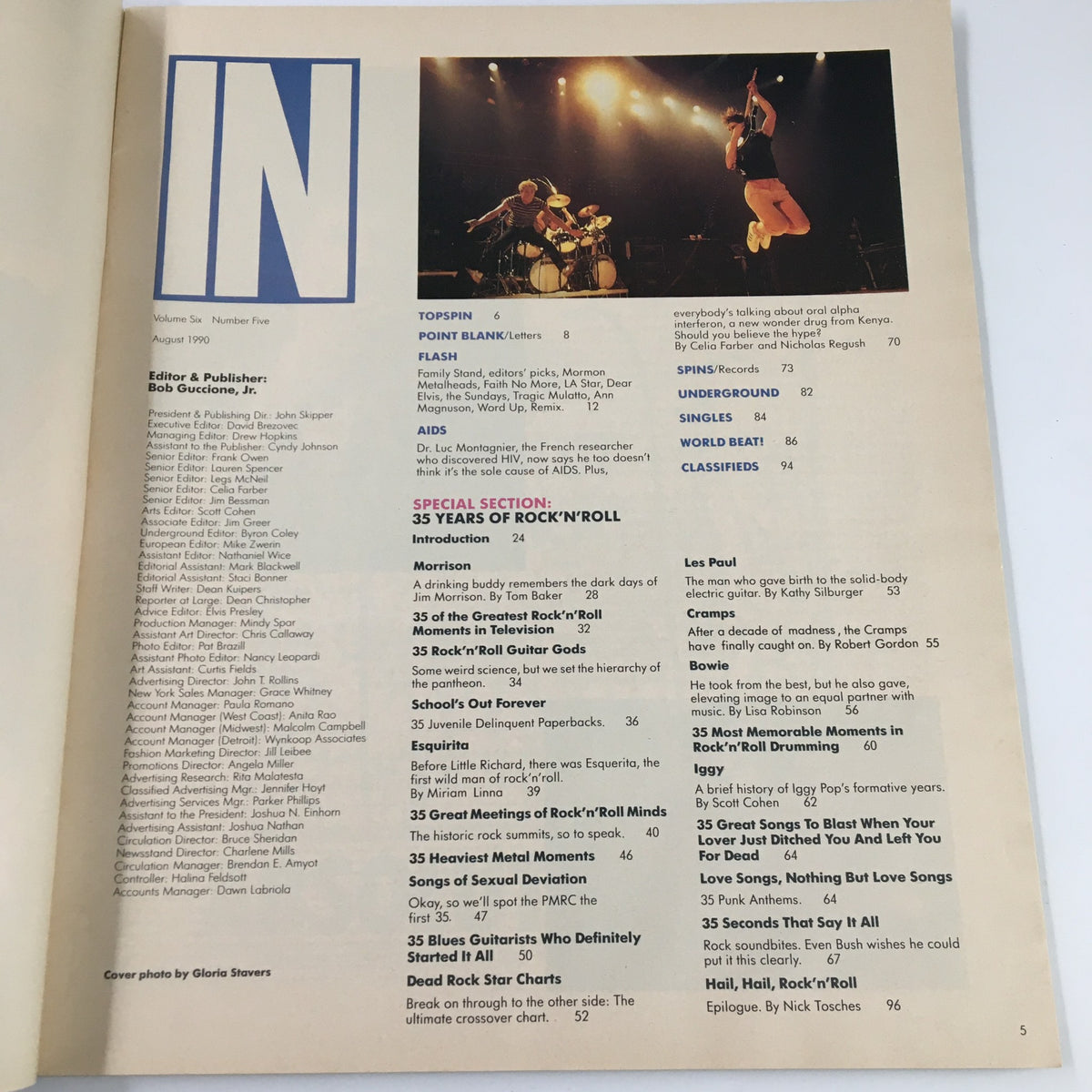
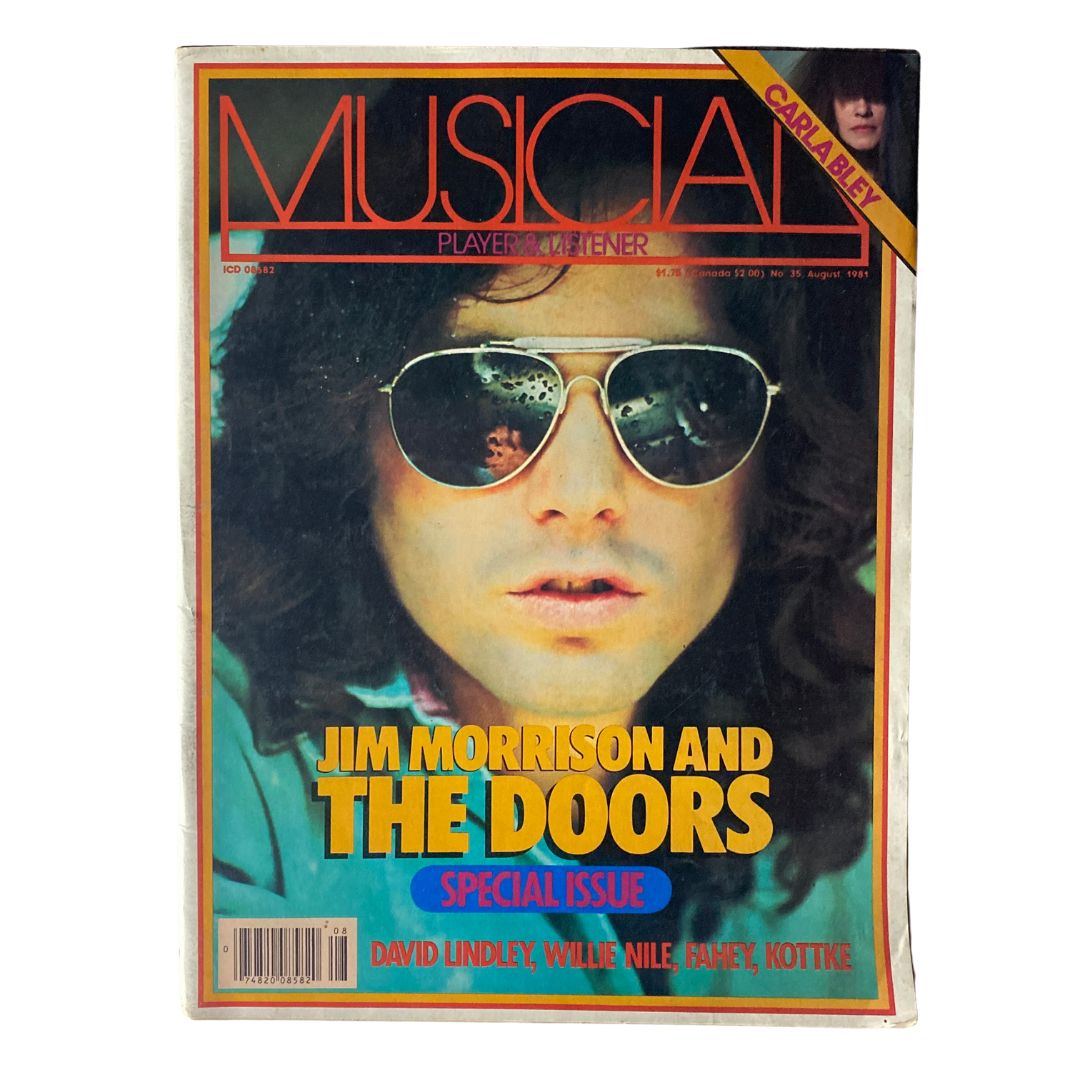
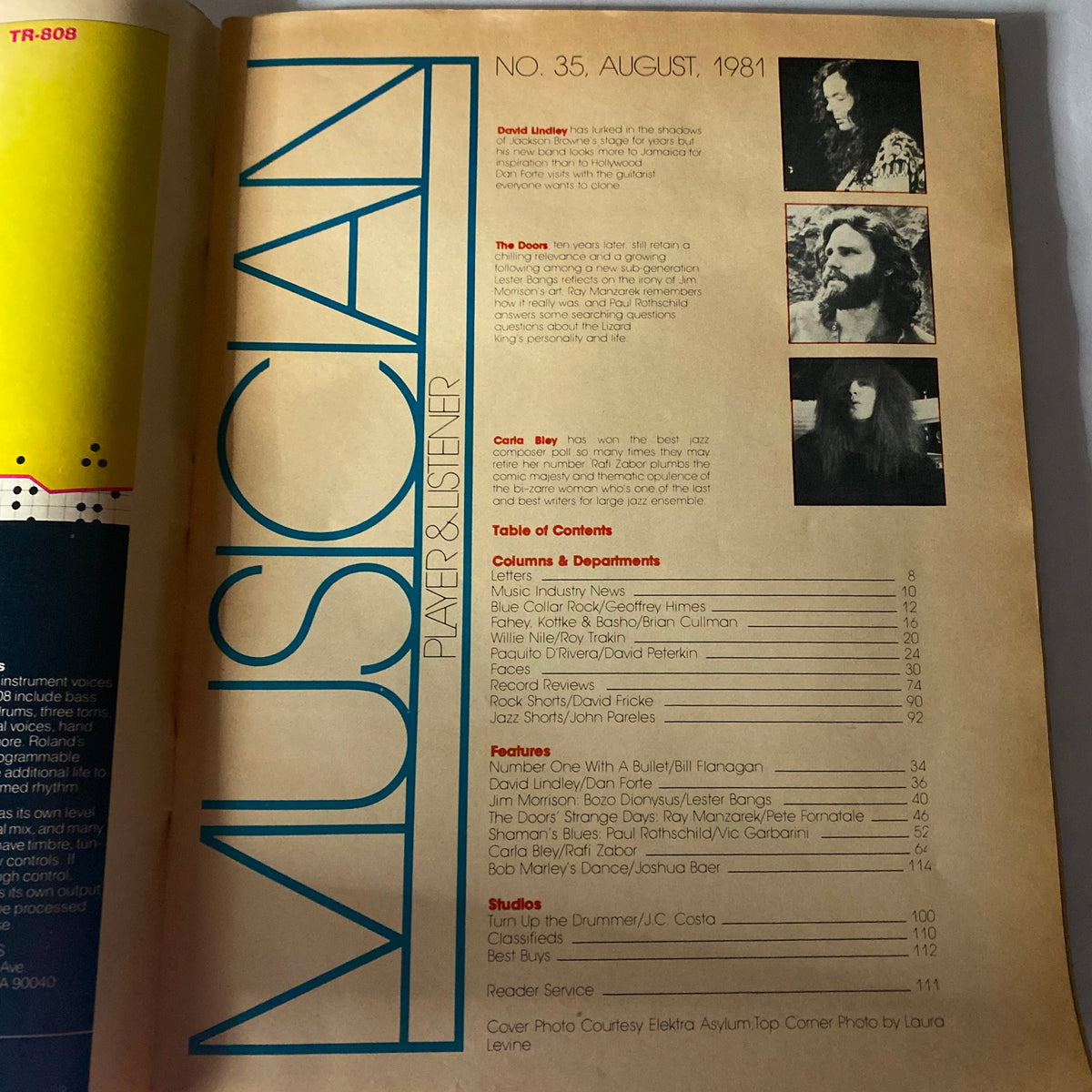
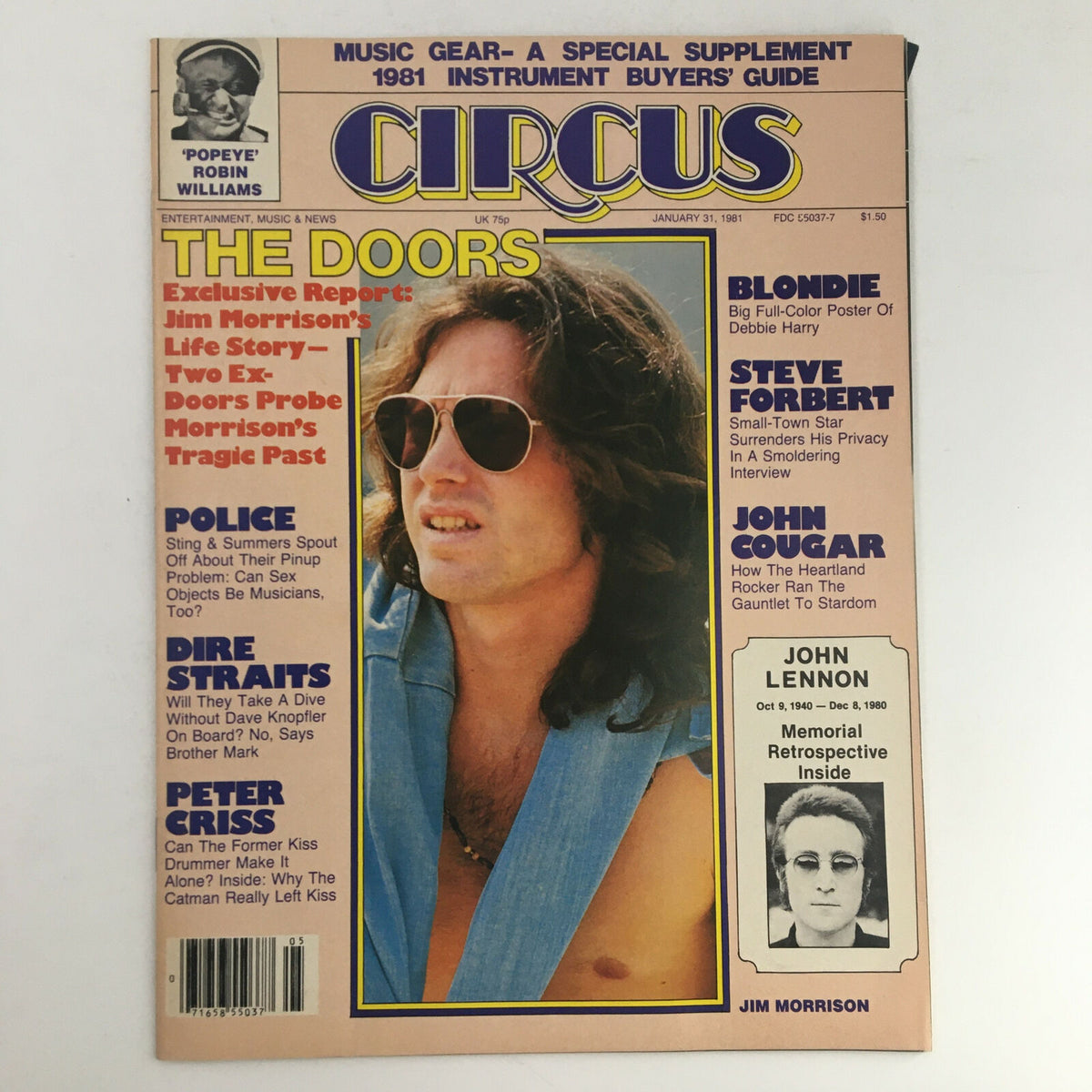
The coverage of this singular artist spanned wildly different editorial sensibilities, reflecting just how difficult he was to categorize. Rolling Stone, still in its insurgent early years out of San Francisco, approached him with the reverence of a publication that understood it was documenting something seismic — their profiles and interviews from the late 1960s and early 1970s remain foundational texts of rock journalism, rich with the psychedelic urgency of the era's design language and raw, unguarded portraiture. Life magazine, then America's preeminent photographic record of cultural life, captured the theatricality of The Doors at their commercial peak, their spreads offering an extraordinary contrast: the chaos of the countercultural moment rendered in the controlled, luminous photography of mainstream photojournalism. Across the Atlantic, the British music weekly Melody Maker charted his European mystique with particular intensity, especially in the months surrounding his Paris exile and death, when he had become less a rock star than a wandering literary specter. The photography across these publications is a study in duality — the commanding stage animal frozen mid-incantation, and the brooding, soft-eyed poet caught in quieter, unguarded moments that editors knew readers could not look away from.
Curator's Checklist: Highlights Often Include
- Early Doors coverage and breakthrough features from 1967–1968, when the band's debut and Strange Days made them one of the most discussed and divisive acts in American music — issues from this period capture the raw electricity of a cultural moment still in the making.
- The Miami incident and its aftermath — the 1969 arrest for alleged indecent exposure onstage generated intense press coverage across both the music trade papers and the broader news weeklies, and collectors frequently seek out issues documenting this pivotal, career-fracturing episode.
- Retrospective and obituary issues from 1971, published in the weeks and months following his death in Paris, which often feature some of the most lyrical and elegiac music journalism of the entire rock era, grappling openly with the loss of a figure who had seemed, impossibly, larger than life.
- Poetry and literary crossover coverage, particularly from publications that recognized his ambitions beyond music — profiles that engaged with The Lords and the New Creatures, his published poetry collection, represent a rarer and especially prized category of coverage.
- International and European press features, particularly from French and British publications that documented his final years in Paris and mythologized his burial at Père Lachaise, offering perspectives on his legend that differ markedly in tone from their American counterparts.
The Collector's Value
To hold one of these original issues is to hold the primary document of a mythology still very much alive. Run a thumb across the slightly rough, uncoated newsprint of a late-1960s Rolling Stone and you feel the urgency with which that era was recorded — the ink set quickly, the pages trimmed imperfectly, the whole object radiating the productive chaos of a culture moving faster than it could process itself. The surrounding advertisements alone constitute a time capsule: cigarette brands, hi-fi equipment, record club memberships, and psychedelic concert promotions that situate the editorial content within an economic and social world that no digital archive can fully reconstruct. These are not reprints, not scans, not curated PDFs — they are the original vessels in which the story was first told to a bewildered and enraptured public. For collectors of rock and roll memorabilia, 1960s counterculture history, or Beat and literary Americana, these publications offer an irreplaceable window into the moment before the myth hardened into legend. Explore our current available inventory below and discover what the archive holds today.